
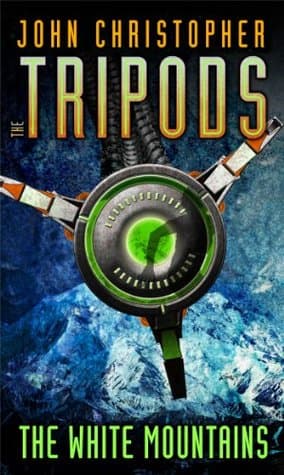
Synopsis
Covers the whole plot, including the ending.
- Difficulty
- Easy
- Pacing
- Fast
- Mood
- Adventurous, Hopeful, Oppressive, Suspenseful
- Read it if
- You enjoy classic dystopian science fiction aimed at younger readers, featuring a quest for freedom against overwhelming odds.
- Skip it if
- You prefer complex character development and intricate world-building over a straightforward, adventure-driven plot.
The White Mountains Plot Summary
Covers the whole plot, including the ending.
The Capping Ceremony
Will Parker, a thirteen-year-old boy in Wherton village, fears his upcoming Capping ceremony. In his society, the mysterious Tripods 'Cap' all adolescents when they reach adulthood. This process places a metal mesh in their skulls, making them calm and obedient to the Tripods. Will's older cousin, Henry, is already Capped and shows the typical peaceful behavior. As Will's Capping day nears, he feels a growing unease and rebellion against this set fate. This feeling gets stronger whenever he sees the Tripods themselves—huge, three-legged machines that sometimes walk across the land, uncaring and threatening.
Meeting Ozymandias
While practicing with his slingshot in the woods, Will meets an old, uncapped man named Ozymandias, or 'Ozzie.' Unlike Capped adults, Ozzie is sharp, cynical, and knows forbidden things. Ozzie tells Will that Capping is not a natural part of growing up but a deliberate act of enslavement by the Tripods. He speaks of the White Mountains, where free men live, having escaped the Tripods' control. Ozzie encourages Will to run away before his Capping, giving the boy hope and rebellious ideas, and offers vague advice for the journey.
The Escape
The night before his Capping, Will feels overwhelmed by the idea of losing his free will. Haunted by Ozzie's words, he makes the hard choice to run away. He leaves a note for his family, knowing he might never see them again, and slips out of the village in the dark. His first goal is the nearby village of Crossways, a place Ozzie had mentioned as a possible first step toward the White Mountains. The weight of his choice, the fear of the unknown, and the loneliness of his journey immediately set in, but the desire for freedom pushes him forward.
Meeting Beanpole and Henry
On his journey, Will meets another uncapped boy, a thin, spectacled person named Jean-Paul, whom Will calls 'Beanpole.' Beanpole is also running from his Capping. He is smart and wants freedom, despite being physically weak. They decide to travel together. Soon after, they have a shocking encounter: Will's cousin Henry, already Capped, passes them on the road. Henry, true to his Capped state, shows no recognition or emotion toward Will. This chilling scene confirms Will's decision to escape his own fate.
The City of the Tripods
Will and Beanpole reach a large, ruined city, a very dangerous place where Tripods are often present. The city is a maze of broken buildings and empty streets, often patrolled by the Tripods. They see the Tripods' terrifying power firsthand when one machine easily crushes a building. The boys must use all their cleverness and stealth to avoid being seen, realizing the huge scale of the threat. They search for supplies and navigate the dangerous environment, their bond growing stronger through shared danger.
The Arrival of Eloise
While crossing the city, Will and Beanpole meet a third uncapped boy, a sophisticated and somewhat proud French boy named Eloise. Eloise is also running from his Capping. He first dismisses Will and Beanpole's simple ways but proves resourceful and knows a lot about the world beyond their immediate experience. Despite initial disagreements, the three boys realize they need to work together to survive. Eloise's addition brings a new dynamic to the group, adding both intelligence and occasional arrogance as they continue their journey toward the distant White Mountains.
The Tripod Patrol
The boys find themselves in a more dangerous situation as they near the city's edge. They encounter a Tripod patrol—not just one machine, but several moving together. They are forced to hide in the ruins, barely escaping detection. The sheer size and mechanical precision of the Tripods create terror. The boys realize the constant threat they live under. This encounter highlights the ever-present danger and the pure luck needed to avoid the Tripods' watchful eyes, reinforcing the urgency of their quest for the White Mountains.
The Journey Through the French Countryside
Leaving the city, Will, Beanpole, and Eloise travel through what Eloise identifies as the former country of France. They encounter different villages and local customs, observing how the Capped people live in various ways, all under the Tripods' silent rule. They learn to be careful of strangers and to rely on their wits for food and shelter. The journey is long and hard, marked by hunger, tiredness, and constant fear of discovery. Eloise's knowledge of the land and its past history proves very helpful, though his superior attitude often annoys Will and Beanpole.
The Village of the Lord
The boys' journey takes a bad turn when servants of a local 'Lord' capture them. This Lord is a particularly cruel and unpredictable Capped man who rules his village harshly. The Lord forces them into servitude, making them work in his fields. He enjoys tormenting them, especially Eloise, who struggles to stay composed under such shame. This time in captivity shows the random cruelty that can exist even among Capped humans. It is a major setback, testing their resolve and pushing them to their limits.
Escape from the Lord
Driven by desperation, Will, Beanpole, and Eloise plan their escape from the Lord. They carefully plan their moves, using what they know about the estate and the Lord's routine. In a tense scene, they manage to overpower their guards and flee into the night, barely avoiding recapture. This escape shows their growing resourcefulness and the strength of their combined efforts. It reinforces their determination to reach the White Mountains, no matter the obstacles.
The Final Push
After escaping, the boys are more determined than ever. They press on, enduring hunger, cold, and exhaustion. The landscape becomes more rugged as they approach the tall peaks of the White Mountains. The journey becomes a test of pure endurance and mental strength. They are constantly alert for Tripods or their Capped servants, knowing that one mistake could end their quest for freedom. The sight of the mountains, however far away, gives them strong hope, driving them onward.
Arrival at the White Mountains
After months of dangerous travel, the boys finally reach the foothills of the White Mountains. They find a hidden path and are eventually discovered by a patrol of free men. They are brought into a secret, underground community where other uncapped people have gathered. Here, they meet other young people who have also escaped Capping, as well as older people who remember the world before the Tripods. They are welcomed into the resistance. Their long and hard journey ends with the promise of a future free from the Tripods' control, but also the realization that the fight for true freedom is far from over.
The White Mountains Characters
Will Parker
Protagonist
A brave and determined boy who flees his Capping to seek freedom.
Will is a thirteen-year-old boy from a rural English village. Initially apprehensive and somewhat naive, he possesses an innate sense of justice and a deep-seated desire for freedom that drives him to defy the Capping. He is practical, observant, and grows significantly in courage and resourcefulness throughout his journey. He learns to lead and to trust his instincts, often acting as the moral compass and practical leader of the trio. His journey is one of self-discovery and a maturation from boy to a young man committed to a cause.
Relationships: Ozymandias (mentor and guide); Beanpole (loyal friend and intellectual foil); Eloise (friend and initially antagonistic companion); Henry (cousin, whose Capping cements Will's resolve)
Jean-Paul (Beanpole)
Supporting
A scrawny but intelligent boy who joins Will on his quest.
Beanpole, or Jean-Paul, is a physically weak but intellectually brilliant boy who joins Will early in his journey. He is characterized by his spectacles, his love for reading, and his sharp, analytical mind. Despite his physical limitations, he is incredibly brave and loyal, contributing significantly with his strategic thinking and knowledge. He often provides a thoughtful counterpoint to Will's more impulsive nature and Eloise's arrogance. His determination to escape the Capping is rooted in his desire to preserve his intellect and individuality.
Relationships: Will Parker (close friend and traveling companion); Eloise (fellow companion, often clashing with but ultimately respecting)
Eloise
Supporting
A sophisticated and somewhat arrogant French boy who joins the group.
Eloise is a French boy, initially encountered by Will and Beanpole in the ruined city. He is educated, well-spoken, and initially quite arrogant, often looking down on Will and Beanpole's simpler backgrounds. Despite his haughtiness, Eloise is resourceful, knowledgeable about the 'old world,' and possesses a strong will to resist the Tripods. His pride often gets him into trouble, but his insights and ability to navigate different social situations prove valuable to the group. He represents a different facet of resistance, one rooted in intellectual and cultural preservation.
Relationships: Will Parker (traveling companion, often clashing but growing to respect); Beanpole (fellow companion, often clashing with but ultimately respecting)
Ozymandias (Ozzie)
Supporting
An eccentric old man who reveals the truth about the Tripods and guides Will.
Ozymandias is a mysterious, uncapped old man Will encounters early in the story. He is wise, cynical, and seemingly mad to the Capped population, but he possesses crucial knowledge about the Tripods and the existence of free men in the White Mountains. He acts as a catalyst for Will's rebellion, providing the initial spark and direction for his escape. Ozzie represents the hidden resistance and the memory of a free past, giving Will the courage and information he needs to begin his quest. He embodies the spirit of defiance against overwhelming odds.
Relationships: Will Parker (mentor and informant)
Henry Parker
Mentioned
Will's older cousin, already Capped and serving as a chilling example.
Henry is Will's older cousin, who has already undergone the Capping ceremony. He serves as a stark and chilling example of what awaits Will if he does not escape. Once a vibrant individual, Henry is now placid, emotionless, and utterly compliant, completely devoid of his former personality. His encounter with Will on the road, where he shows no recognition, reinforces Will's resolve to avoid the same fate. Henry embodies the tragic loss of individuality under the Tripods' control.
Relationships: Will Parker (cousin, a symbol of lost freedom)
The Lord
Antagonist
A cruel Capped man who briefly enslaves the boys.
The Lord is a Capped human who rules over a small village and estate, and who captures Will, Beanpole, and Eloise, forcing them into servitude. He is depicted as capricious, cruel, and self-indulgent, finding pleasure in tormenting his servants. He represents the twisted power dynamics that can exist even within the Capped human society, where some individuals leverage their position for personal gain and cruelty. He is a temporary but significant antagonist, highlighting the dangers the boys face from both the Tripods and their subjugated human agents.
The Tripods
Antagonist
Mysterious, three-legged alien machines that control humanity.
The Tripods are the overarching antagonists of the story, towering three-legged machines of alien origin that have conquered Earth and subjugated humanity. They are depicted as silent, indifferent, and immensely powerful, their motives largely unknown. They control humanity through the Capping process, which removes free will and independent thought. They represent an oppressive, technologically superior force, a symbol of absolute control and the loss of human autonomy. Their presence is a constant, terrifying backdrop to the boys' journey.
The White Mountains Themes
The Value of Freedom and Free Will
The novel's main theme is the value of freedom and the right to individual thought and choice. The Capping ceremony, which removes free will, represents different forms of oppression. Will's decision to run, despite the dangers and leaving his family, shows that a life without freedom is not truly living. The journey to the White Mountains is a search for this basic right, showing the boys' strong will to protect their minds and identities against a cruel, alien force. Capped adults, like Henry, are stark examples of the alternative, highlighting the tragic loss of self.
“Better to die free than live as a slave.”
Coming of Age and Self-Discovery
The journey Will, Beanpole, and Eloise take is a classic coming-of-age story. Each boy, on the edge of adulthood, must face huge challenges that test their courage, resourcefulness, and understanding of the world. Will changes from a scared village boy into a leader, learning to trust his instincts and make hard choices. Beanpole finds his own strength and the power of his mind, while Eloise loses some of his arrogance, learning the value of friendship and modesty. Their shared experiences create a strong bond and shape their identities, preparing them for the bigger fight ahead in the resistance.
“He knew that he had chosen his own path now, and there was no turning back.”
Resistance Against Oppression
The novel explores different ways and reasons for resisting an overwhelming oppressive force. From Ozzie's lone defiance and the hidden community in the White Mountains to the boys' individual acts of rebellion, the story supports fighting for what is right, even when success seems impossible. The Tripods represent a seemingly unbeatable power. However, the existence of uncapped individuals and the group efforts to reach the White Mountains show that resistance, even in small groups, can last and grow. The theme suggests that hope for freedom can never be fully put out as long as people are willing to fight for it.
“There are others, boy. Men who have not been touched by the Tripods. Men who remember.”
The Power of Knowledge and Memory
Knowledge, especially about the past and the true nature of the Tripods, is a key weapon against oppression. Ozymandias's information about the Capping and the White Mountains first empowers Will. Beanpole's love for books and Eloise's understanding of old world geography and culture provide important information and perspective during their journey. The Tripods' system relies on ignorance and erasing history. This makes remembering and sharing knowledge a rebellious act. The free men in the White Mountains actively keep knowledge alive, seeing it as essential for eventually overthrowing their alien rulers.
“They don't want us to know. They want us to forget everything that was.”
Plot Devices & Literary Techniques
The Capping
A mandatory ritual that implants a device in the skull, removing free will.
The Capping is the central plot device, serving as the primary antagonist's method of control and the catalyst for the protagonist's journey. It is a terrifying ritual that transforms free-thinking individuals into docile, obedient servants of the Tripods by implanting a metallic mesh in their brains. This device creates immediate stakes for Will and the other uncapped boys, as their escape is directly motivated by avoiding this irreversible process. It symbolizes the ultimate loss of individuality and autonomy, making the quest for the White Mountains a desperate fight against mental enslavement.
The White Mountains
A mythical refuge for free men, symbolizing hope and freedom.
The White Mountains function as a classic MacGuffin and a powerful symbol. Initially, they are a vague, almost mythical destination, a whispered hope for those who resist the Tripods. As the story progresses, they become the concrete goal of the protagonists' journey, representing the promise of freedom, community, and resistance. The arduous journey towards them builds suspense and demonstrates the boys' commitment to their cause. Upon arrival, they become a literal sanctuary, a place where free will and independent thought are preserved, offering a glimmer of hope for humanity's future.
The Tripods
Mysterious, colossal alien machines that enforce human subjugation.
The Tripods themselves are a powerful plot device, representing the oppressive, alien force. Their infrequent appearances serve to remind the characters and the reader of the constant, overwhelming threat. Their mechanical indifference and immense power create a sense of dread and helplessness, highlighting the seemingly insurmountable odds facing humanity. They are largely mysterious in this first book, their motives and origins only hinted at, which adds to their terrifying presence and establishes them as the ultimate, formidable antagonist that the free men must eventually confront.
The Journey/Quest
A perilous physical and emotional journey that shapes the protagonists.
The entire novel is structured as a classic quest narrative. Will's journey, joined by Beanpole and Eloise, is a long and perilous trek across a post-apocalyptic landscape. This device allows for the introduction of various challenges, secondary characters, and new settings, all of which contribute to the protagonists' character development and the unfolding of the world-building. The journey tests their physical endurance, mental fortitude, and strengthens their bonds, transforming them from naive boys into hardened, resourceful young men prepared for the fight for freedom.
The White Mountains Quotes
“There are some things worth dying for. If one is not prepared to die for them, then one is not prepared to live for them.”
“The Tripods. That was the name they gave themselves. We gave them no name, because there was no need to name something that was simply there, like the sky or the earth.”
“It was what they called the Capping. The time when a boy became a man, and had the iron cap put on his head, and was forever after protected from the sun, and from all the evil thoughts that came with it.”
“The things that made a man a man were not in his body, but in his mind.”
“It was better to die free than to live a slave.”
“The world was a cage, and the bars were invisible.”
“To be different was to be dangerous.”
“We were trained to be happy. That was the terrible thing about it.”
“Knowledge was the one thing they could not cap.”
“The further you went, the more you saw, and the more you saw, the less you understood.”
“There was a world beyond the Capping, a world of choice and danger, and that was the world I wanted to find.”
“They had taken away our minds, but not our spirits.”
“It was not enough to merely exist; one had to live.”
“The mountains called to me, not with a voice, but with a promise.”
Quiz
10 questions on the plot and the characters. Each answer comes with a short explanation.
Question 1
What is the ceremony called where children have a metal cap fitted to their heads, signifying their transition into adulthood under Tripod control?
- The Unveiling
- The Capping
- The Consecration
- The Equipping
Show answer
B. The Capping The 'Capping' is the central event in every village, marking the end of childhood freedom and the beginning of Tripod control.
Question 2
Who is the first person Will meets who reveals the existence of the free men in the White Mountains?
- Henry
- Ozymandias
- Beanpole
- Ombrom
Show answer
D. Ombrom Will encounters Ombrom, a crazy, uncapped man, who first speaks of the White Mountains and the free men, planting the seed of rebellion in Will's mind.
Question 3
What is the primary reason the Tripods 'cap' humans?
- To enhance their physical strength and endurance.
- To control their thoughts and prevent independent thinking.
- To allow them to communicate with the Tripods telepathically.
- To protect them from environmental hazards.
Show answer
B. To control their thoughts and prevent independent thinking. The caps are explicitly designed to suppress free will and independent thought, making humans docile and subservient to the Tripods.
Question 4
What is the name of Will's cousin who is capped shortly before Will is due to be?
- Jack
- Henry
- Frederick
- Michael
Show answer
B. Henry Henry is Will's cousin, whose capping ceremony is a significant event early in the book, deeply affecting Will and highlighting the impending loss of his own freedom.
Question 5
During their journey, what does Will's group use to navigate and stay hidden from the Tripods, often traveling at night?
- Ancient maps found in ruins.
- The railway lines that are no longer in use.
- The stars and constellations.
- Rivers and waterways.
Show answer
B. The railway lines that are no longer in use. The abandoned railway lines provide a relatively safe and direct path for the boys to travel, allowing them to avoid populated areas and the Tripods' direct gaze.
Question 6
What is the name of the 'French' boy who joins Will and Henry on their journey?
- Jean-Luc
- Serge
- Eloi
- Pierre
Show answer
C. Eloi Eloi is the sophisticated and intelligent French boy who joins Will and Henry, becoming a crucial member of their escape party.
Question 7
Why do the main characters often refer to the Tripods as 'masters' even among themselves, despite their defiance?
- It's a habit from their upbringing, deeply ingrained.
- They fear being overheard by hidden Tripod sensors.
- They genuinely respect the Tripods' power.
- It's a code word for something else.
Show answer
A. It's a habit from their upbringing, deeply ingrained. The term 'masters' is a deeply ingrained part of the societal conditioning under the Tripods, highlighting how pervasive their control is, even in language.
Question 8
What specific geographical feature do the boys need to cross to reach the rumored refuge of the free men?
- The Great River
- The Black Forest
- The White Mountains
- The Azure Sea
Show answer
C. The White Mountains The White Mountains are the eponymous destination and the ultimate goal of Will's journey, representing the last bastion of human freedom.
Question 9
What is the significant difference between the Capping ceremony in Will's village and the one he witnesses in the Lord's castle?
- The Lord's ceremony is much more public and festive.
- The Lord's ceremony involves a Tripod directly, not just its servants.
- The Lord's ceremony uses different types of caps.
- The Lord's ceremony is performed by humans, not Tripod servants.
Show answer
B. The Lord's ceremony involves a Tripod directly, not just its servants. At the Lord's castle, a Tripod itself descends to perform the capping, a rare and terrifying sight, demonstrating the higher status of those being capped there.
Question 10
What does the existence of the 'vagrants' or 'Crazy Ones' (like Ombrom) imply about the Tripods' control?
- That some people naturally resist the caps and go insane.
- That the Tripods intentionally create them for entertainment.
- That they are failed experiments of the Tripods.
- That they are spies for the free men.
Show answer
A. That some people naturally resist the caps and go insane. The Crazy Ones are individuals whose minds are broken by the capping process, rather than simply subdued, highlighting the brutal and imperfect nature of the Tripods' control.
The White Mountains FAQ
What is the central conflict Will faces at the beginning of 'The White Mountains'?
Will Parker is approaching the age of fourteen, which means he will soon undergo the Capping ceremony. This ritual involves being 'Capped' by the Tripods, a process that removes free will and makes individuals subservient to the alien machines, effectively ending his childhood freedom and individuality.
Who is Henry and what role does he play in Will's initial journey?
Henry is Will's cousin, a year older than him. He is the catalyst for Will's escape, having already been Capped and subsequently acting in a strangely docile and unquestioning manner. His transformation deeply disturbs Will and solidifies his decision to flee.
How does Ozymandias (Ozy) contribute to Will's quest?
Ozymandias is a young, intelligent, and somewhat arrogant boy from a wealthy background who joins Will and Beanpole. He provides practical skills, such as navigation and a basic understanding of abandoned technology, and his quick wit often helps them out of minor predicaments, despite his occasional overconfidence.
Describe the Capping ceremony and its immediate effects on the individual.
The Capping ceremony involves a Tripod placing a metal cap onto a person's head, which integrates them into the Tripods' control system. The immediate effects are a loss of individuality, unquestioning obedience to the Tripods, and a general contentment with their subservient state, as seen with Henry and other Capped adults.
What is the significance of the 'White Mountains' in the context of the book's title and plot?
The White Mountains represent the fabled sanctuary where uncapped free men are rumored to live, beyond the direct control of the Tripods. It is the ultimate destination for Will and his companions, symbolizing hope, freedom, and resistance against the alien oppressors.
What subtle clues suggest the Tripods are not native to Earth, beyond their appearance?
The Tripods' complete disregard for human history, culture, and existing infrastructure, along with their consistent use of the same capping technology across different regions, hints at an alien origin. Their lack of communication, beyond their controlling signals, also suggests they are not an evolved terrestrial species.
How does the abandoned technology encountered by the boys, like the railway, reveal aspects of the pre-Tripod world?
The remnants of advanced technology, such as the functioning railway, indicate a highly developed human civilization prior to the Tripods' arrival. These discoveries highlight the regression of human society under Tripod rule and offer glimpses of the lost knowledge and capabilities.
Is there any indication that some Capped individuals retain fragments of their former selves, or is the control absolute?
While Capped individuals generally exhibit complete obedience and contentment, the subtle shift in Henry's personality—from lively to placid—suggests a profound change rather than complete erasure. The text implies the control is absolute over their will and higher cognitive functions, though basic memories and skills remain.
How does Will's internal struggle with fear and doubt evolve throughout his journey?
Initially, Will is driven by a visceral fear of Capping and an instinct for freedom. As he faces numerous dangers and setbacks, his fear often gives way to determination and courage. He learns to push past doubt, especially when he sees his companions relying on him, solidifying his resolve.
Analyze the psychological impact of the Capping on the human population, specifically regarding their apparent contentment.
The Capping induces a state of enforced contentment and docility, effectively removing the capacity for dissent, critical thought, or emotional suffering related to their subjugation. This psychological manipulation ensures the Tripods' control is maintained not just physically, but also mentally, making resistance almost unthinkable for the majority.
How do the different personalities of Will, Beanpole, and Ozy reflect various aspects of human response to oppression?
Will embodies the reluctant leader, driven by a deep-seated desire for freedom. Beanpole represents loyalty and resourcefulness, adapting to survive. Ozy, with his intellectual curiosity and occasional arrogance, symbolizes the human spirit's enduring quest for knowledge and self-assertion, even under threat.
What role does the concept of 'ignorance is bliss' play in the Capped society, and how does it contrast with the protagonists' journey?
The Capped society exemplifies 'ignorance is bliss,' as individuals live in contented servitude, unaware of their lost freedom. This contrasts sharply with Will and his companions, who actively seek knowledge and freedom, enduring hardship and danger, asserting that true bliss lies in self-determination, not enforced complacency.
Is the Tripods' motivation for Capping humanity ever explicitly stated or merely implied?
The Tripods' motivation is not explicitly stated in 'The White Mountains.' It is merely implied that they are either harvesting humanity for some unknown purpose, controlling the planet for resources, or simply maintaining a docile population for their own convenience, leaving their ultimate goals a mystery to the protagonists.
Could the Tripods be seen as a metaphor for any real-world societal controls or pressures?
Yes, the Tripods can be interpreted as a metaphor for various real-world societal controls, such as oppressive governments, pervasive propaganda, cultural conformity, or even the unthinking acceptance of technology. They represent any force that strips individuals of their free will and critical thought, forcing them into a predetermined existence.
To what extent is the 'freedom' sought by the boys truly absolute, or are there inherent limitations even in the White Mountains?
The 'freedom' sought is relative; while it's freedom from Tripod control, life in the White Mountains is still bound by the harsh realities of survival, limited resources, and the constant threat of discovery. It's a freedom of choice and thought, but not necessarily one of ease or unlimited possibility, highlighting the costs of resistance.
The book ends with the boys reaching the White Mountains. Is this a conclusive victory, or does it hint at further struggles?
The ending is not a conclusive victory but rather a successful first step. Reaching the White Mountains signifies finding a sanctuary and joining a resistance. However, it implicitly hints at further struggles, as the Tripods still control the rest of the world, suggesting that the fight for true liberation is far from over.
How does the author use the post-apocalyptic setting to comment on human resilience and ingenuity?
The author uses the post-apocalyptic setting to showcase human resilience through the protagonists' journey, their ability to adapt to a world without modern conveniences, and their reliance on ingenuity to survive. It highlights humanity's persistent drive for freedom and capacity to rebuild, even after catastrophic subjugation.
What is the implied fate of those who attempt to resist the Capping but do not reach the White Mountains?
The implied fate of those who resist but don't reach the White Mountains is likely recapture and forced Capping, or possibly execution if they prove too disruptive. The narrative suggests a binary outcome: submission or successful escape, with no middle ground for sustained resistance outside the sanctuary.
About the author
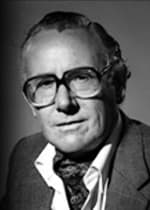
John Christopher was a British author known for his contributions to science fiction and speculative fiction. His notable works include "The White Mountains," which is part of the Tripods trilogy, "The Death of Grass," a post-apocalyptic novel, "When the Tripods Came," a prequel to the trilogy, and "The Guardians," which explores themes of survival and conflict.
Similar books
- The Giver
Lois Lowry
4.1 (1.8M) average on GoodreadsFantasyFeatures a young protagonist discovering the truth about a seemingly utopian but controlled society.
- A Wrinkle in Time
Madeleine L'Engle
4.0 (1.1M) average on GoodreadsFantasyChildren's sci-fi adventure with a quest against an oppressive, unseen force.
- The Hunger Games
Suzanne Collins
4.3 (6.4M) average on GoodreadsFantasyThe Hunger Games (2008) presents a more brutal and politically complex dystopian world where the Capitol's control is maintained through spectacle and fear. While The White Mountains features a more direct, alien subjugation, Collins' work offers a richer exploration of class struggle, media manipulation, and the psychological trauma of rebellion. Both series feature young protagonists forced into dangerous journeys and alliances, but The Hunger Games leans more into the socio-political commentary and the moral ambiguities of resistance, whereas Christopher's work is more of a classic adventure quest against an external, monolithic threat.
- Harry Potter and the Sorcerer's Stone
J.K. Rowling
4.5 (7M) average on GoodreadsFantasyRescued from a miserable life under the stairs, an orphaned boy discovers he's a wizard destined for a magical school, where he uncovers a dangerous secret tied to the dark wizard who murdered his parents.
- 1984
George Orwell
4.2 (3.1M) average on GoodreadsPoliticsIn a future where surveillance and thought control are absolute, a man's search for truth clashes with the Party, showing that hope can be a form of rebellion.
- Divergent
Veronica Roth
4.2 (2.9M) average on GoodreadsFantasyIn a society divided by virtues, a sixteen-year-old's difference from the norm starts a rebellion that threatens her world.






Enjoyed the summary?
A summary gives you the shape of the book. The book itself has the detail, the examples and the voice.
Find The White Mountains on AmazonAs an Amazon Associate, BookBrief earns from qualifying purchases. How we're funded