

Synopsis
Covers the whole plot, including the ending.
- Difficulty
- Easy
- Pacing
- Moderate
- Mood
- Heartwarming, Gentle, Humorous, Thoughtful
- Read it if
- you enjoy heartwarming stories about animals, school life, and friendship, with gentle lessons about empathy and communication.
- Skip it if
- you prefer complex plots, high-stakes fantasy, or stories without a strong moral compass.
The World According to Humphrey Plot Summary
Covers the whole plot, including the ending.
Humphrey Arrives in Room 26
Humphrey, a golden hamster, arrives in Longfellow School's Room 26 with Mrs. Brisbane, the stern fifth-grade teacher. He quickly learns the classroom rules, watching the students and their personalities. Mrs. Brisbane, at first unsure about having a classroom pet, tells the students that Humphrey will stay with a different student each weekend. Humphrey's cage has a lock that does not quite work, allowing him to explore the room at night. He becomes very observant, noticing the students' struggles and successes, and starts to feel a sense of purpose in his new role, despite his initial nervousness about Mrs. Brisbane.
Garth's Weekend and the Missing Hamster Ball
Humphrey's first weekend away from school is with Garth, a quiet boy who has trouble speaking up in class. Humphrey is placed in his hamster ball for the trip. During his stay, Humphrey notices Garth's shyness. He accidentally rolls under Garth's bed, causing Garth to look for him, which helps Garth find his voice when asking for help. Upon returning to school, Humphrey discovers his hamster ball is gone, left behind at Garth's house. This causes a small panic in Room 26, showing Humphrey's growing importance to the class.
Sayeh's Sleepover and the Broken Vase
Humphrey's next weekend adventure is with Sayeh, a talkative girl who often interrupts others. At Sayeh's house, Humphrey, exploring in his cage, accidentally knocks over and breaks a valuable vase. Sayeh is upset, afraid of her mother's anger. Humphrey, observing the family, realizes honesty is important. Sayeh eventually tells her mother, who, though upset, is proud of Sayeh for telling the truth. This incident helps Sayeh learn to think before she speaks and take responsibility for her actions, showing Humphrey's subtle influence on his student hosts.
A.J.'s Loudness and the Quiet Lesson
Humphrey's third weekend is with A.J., a loud and energetic boy who often has trouble controlling his volume in class. At A.J.'s home, Humphrey meets his new baby sister, who is easily startled by loud noises. Humphrey's quiet presence and the need to keep the baby calm indirectly teach A.J. to be more mindful of his voice. A.J. begins to practice speaking more softly, a skill that carries over to the classroom. This weekend visit shows Humphrey's role as a silent observer who subtly guides the children toward self-improvement.
Mrs. Brisbane's Weekend and the Family Secret
To Humphrey's surprise and initial fear, Mrs. Brisbane takes him home for a weekend. He discovers that she lives alone and is quite lonely, still grieving the loss of her husband. Humphrey also learns about Mrs. Brisbane's son, Bill, with whom she has little contact. During his stay, Humphrey's presence makes Mrs. Brisbane think about her life and her relationships. He indirectly encourages her to reach out to Bill, leading to a phone call and a step toward reconciliation. This weekend shows a softer, more vulnerable side of Mrs. Brisbane to both Humphrey and the readers.
Mrs. Mac's Temporary Replacement
Mrs. Brisbane announces she will take a short vacation, leaving the class with a substitute teacher, Mrs. Mac. Mrs. Mac is kind and enthusiastic, but her methods are different from Mrs. Brisbane's. She brings her own pet, a cat named Clem, to class, which alarms Humphrey. Humphrey spends the weekend with Mrs. Mac, fearing for his safety because of Clem. He manages to avoid Clem, but the experience makes him long for Mrs. Brisbane's return and the familiar routines of Room 26.
Aldo the Janitor's Friendship
During the nights at school, Humphrey becomes friends with Aldo, the kind and lonely night janitor. Aldo often talks to Humphrey, sharing his thoughts and reading aloud from books and newspapers. Humphrey, a smart hamster, begins to understand words and even learns to read some himself, especially the students' names. Aldo's companionship helps Humphrey feel less alone during the long nights and gives him insights into the adult world, deepening his understanding of human behavior and relationships.
The Classroom Play and Harmony
Mrs. Brisbane returns, and the class starts working on a play about friendship. The students, however, have disagreements and jealousy, especially over roles. Humphrey observes their squabbles and, using the lessons he learned from his weekend visits, indirectly inspires them. He sees how each student's personality can contribute to the whole. Eventually, the students learn to compromise and work together, putting on a successful play that celebrates their new harmony and the importance of every individual's contribution.
Humphrey's Great Escape and Return
During a weekend visit with a student, Humphrey's cage is accidentally left open, and he escapes. He goes on a frightening adventure outside the familiar school and student's home. He meets various dangers and challenges, using his instincts and intelligence to survive. After a difficult journey, he finds his way back to Longfellow School and, with Aldo's help, returns to Room 26. His safe return is a relief to the students and Mrs. Brisbane, confirming his cherished place as their classroom pet.
The End-of-Year Celebration and Humphrey's Future
As the school year ends, Room 26 holds an end-of-year celebration. The students have grown a lot, showing improved behavior, confidence, and empathy, largely because of Humphrey's subtle influence. Mrs. Brisbane, who once seemed so stern, shows genuine affection for Humphrey and acknowledges his positive impact on the class. Humphrey thinks about all his adventures and the lessons he has learned and taught. He looks forward to the next school year, eager to meet new students and continue his work as the insightful and beloved classroom hamster of Room 26.
Principal Figures
Humphrey
Protagonist
The insightful and empathetic classroom hamster of Room 26
Humphrey is a golden hamster who serves as the classroom pet for Mrs. Brisbane's fifth-grade class. He is highly intelligent, observant, and empathetic, often understanding human emotions and situations better than the humans themselves. Despite being a small animal, he possesses a strong sense of purpose and a desire to help his human friends. He learns to read, write, and even shoot rubber bands (in self-defense). His unique perspective allows him to see the students and adults in Room 26 without prejudice, guiding them towards self-improvement and understanding through his quiet presence and accidental interventions.
Relationships: Mrs. Brisbane (Owner/teacher, initially feared but later respected and loved); Aldo (Friend and confidant, the night janitor); Garth (Student he helps with shyness); Sayeh (Student he helps with talkativeness and honesty); A.J. (Student he helps with loudness); Mrs. Mac (Temporary substitute teacher and her cat Clem, a source of fear)
Mrs. Brisbane
Supporting
The stern but ultimately caring fifth-grade teacher of Room 26
Mrs. Brisbane is the fifth-grade teacher of Room 26, initially appearing strict and somewhat intimidating to both Humphrey and her students. She is a widow, still grieving her late husband, and has an estranged son, Bill. Her initial reluctance to have Humphrey as a classroom pet gradually transforms into genuine affection and appreciation for his positive influence. Humphrey's stay at her home reveals her loneliness and helps her take steps towards reconciliation with her son, showing her softer, more vulnerable side. She comes to value Humphrey's unique contributions to her classroom's harmony.
Relationships: Humphrey (Classroom pet, initially feared but later cherished); Bill (Estranged son); Aldo (School janitor, colleague)
Aldo
Supporting
The kind and lonely night janitor who befriends Humphrey
Aldo is the night janitor at Longfellow School. He is a kind, gentle, and often lonely man who finds companionship in Humphrey during his solitary night shifts. He talks to Humphrey, shares his thoughts, and even reads aloud to him, inadvertently teaching Humphrey to understand and recognize words. Aldo is a loyal friend to Humphrey, often leaving him special treats and looking out for him. His friendship provides Humphrey with valuable insights into the adult world and a sense of security during the nights, making him an important confidant for the hamster.
Relationships: Humphrey (Close friend and confidant); Mrs. Brisbane (Colleague)
Garth
Supporting
A shy student who struggles to speak up in class
Garth is one of the students in Room 26. He is very shy and often struggles to speak up or participate in class discussions, making him feel self-conscious. Humphrey spends his first weekend with Garth, and during his stay, Humphrey's accidental disappearance under Garth's bed prompts Garth to find his voice when asking for help from his family. This experience helps Garth gain a little more confidence, demonstrating how Humphrey's presence can gently encourage students to overcome their personal challenges. He grows to be very fond of Humphrey.
Relationships: Humphrey (Classroom pet who helps him); Mrs. Brisbane (Teacher)
Sayeh
Supporting
A talkative student who learns the value of listening and honesty
Sayeh is a student in Room 26 known for her talkativeness and tendency to interrupt others. Humphrey spends a weekend at her house, where he accidentally causes a valuable vase to break. Sayeh's initial fear of confessing to her mother leads to a difficult but ultimately honest conversation. This incident, observed by Humphrey, teaches Sayeh the importance of telling the truth and taking responsibility for her actions. She learns to be more mindful of her words and actions, showing significant growth in her character thanks to her experience with Humphrey.
Relationships: Humphrey (Classroom pet who helps her learn a lesson); Mrs. Brisbane (Teacher)
A.J.
Supporting
A boisterous student who learns to control his volume
A.J. is an energetic and often loud student in Room 26. He struggles with controlling his volume, frequently speaking too loudly in class. Humphrey spends a weekend with A.J.'s family, where A.J. has a new baby sister who is easily startled by noise. Humphrey's quiet presence and the need to keep the baby calm indirectly teach A.J. to be more aware of his voice and to speak more softly. This experience helps A.J. develop self-control and consideration for others, leading to positive changes in his classroom behavior.
Relationships: Humphrey (Classroom pet who helps him learn self-control); Mrs. Brisbane (Teacher)
Mrs. Mac
Supporting
The temporary substitute teacher with a cat named Clem
Mrs. Mac is the substitute teacher who takes over Room 26 when Mrs. Brisbane goes on vacation. She is initially very cheerful and brings her own pet cat, Clem, to school, causing great distress to Humphrey. Humphrey spends a weekend at her house, where he is constantly on edge due to Clem's predatory nature. Her presence provides a temporary disruption to the established classroom routine and highlights Humphrey's preference for Mrs. Brisbane and the familiar environment of Room 26. She is well-meaning but unaware of the potential danger her cat poses to Humphrey.
Relationships: Humphrey (Temporary charge, source of fear due to her cat); Clem (Her pet cat, a threat to Humphrey)
Richie Rinaldi
Supporting
A student who is often critical and competitive
Richie Rinaldi is one of the students in Room 26, often characterized by his critical comments and competitive nature. He can be a source of minor conflict among his classmates. Humphrey observes Richie's interactions and, like with other students, subtly influences him to consider others' feelings. Richie's experiences with Humphrey, particularly during his weekend visit, contribute to his gradual softening and understanding of teamwork and empathy, though he remains a strong personality in the class.
Relationships: Humphrey (Classroom pet); Mrs. Brisbane (Teacher); Students of Room 26 (Classmates, often competitive)
Miranda
Supporting
A friendly and helpful student in Room 26
Miranda is one of the students in Mrs. Brisbane's class. She is generally friendly, kind, and often acts as a peacemaker or a helpful hand among her classmates. Humphrey observes her interactions and appreciates her positive influence on the classroom dynamic. Her weekend with Humphrey is less about overcoming a specific flaw and more about reinforcing her positive qualities, showing her care and responsibility towards the classroom pet. She represents a stable, positive presence among the diverse personalities of Room 26.
Relationships: Humphrey (Classroom pet, cared for by her); Mrs. Brisbane (Teacher); Students of Room 26 (Classmates)
Themes & Insights
Empathy and Understanding
The book shows the importance of empathy by presenting situations from Humphrey's unique perspective. Humphrey, as an outsider, observes the human characters without bias, helping readers understand their struggles and motivations. For example, he sees Mrs. Brisbane's loneliness and grief, not just her sternness, leading to a deeper understanding of her character. His observations allow him to 'help' the students not by direct action, but by being a catalyst for their own self-discovery and understanding of each other.
“You can learn a lot about yourself by observing another species.”
The Importance of Observation
Humphrey's character shows the power of observation. Because he cannot speak human language, he relies entirely on watching, listening, and interpreting human behavior. This allows him to notice subtle cues and underlying emotions that the humans often miss in each other. His observations help him understand the root causes of the students' problems, such as Garth's shyness or Sayeh's talkativeness, and indirectly guide them toward solutions. The story encourages readers to pay closer attention to the world around them.
“I may not have a voice, but I have very good ears and eyes, and a brain that thinks, thinks, thinks!”
Personal Growth and Self-Improvement
Each weekend visit with a student focuses on a specific character flaw or challenge the student faces. Humphrey's presence, though often unintentional, helps the students recognize and work on their issues, whether it is Garth finding his voice, Sayeh learning honesty, or A.J. controlling his volume. Mrs. Brisbane also experiences personal growth, dealing with her loneliness and reconnecting with her son. The book shows that growth is a continuous process, often spurred by unexpected influences.
“Humphrey's views underscore the importance of knowing the full story before making judgments, and his presence makes a positive difference in the lives of the people he meets.”
Friendship and Connection
Despite being a hamster, Humphrey forms meaningful connections with various characters, especially Aldo the janitor, but also with Mrs. Brisbane and the individual students. These relationships show the universal need for companionship and understanding. Humphrey's silent friendship offers comfort and a sense of being heard, even when no words are exchanged. The evolving relationships among the students, helped by their shared care for Humphrey, also emphasize the value of teamwork and mutual support.
“Having a friend who cares about you is the best feeling in the world.”
Belonging and Purpose
Humphrey initially feels nervous and unsure of his place in Room 26. However, as he settles in and begins to observe and 'help' his human companions, he develops a strong sense of belonging and purpose. His role as the classroom pet, and especially his weekend adventures, gives his life meaning. The students also experience a sense of belonging as they learn to work together and appreciate each other's unique qualities, often helped by their shared responsibility for Humphrey.
“I was just a hamster, but I had a job to do. And I was going to do it.”
Plot Devices & Literary Techniques
Animal Narrator (First-Person Hamster Perspective)
The entire story is told from Humphrey the hamster's point of view.
The most prominent plot device is the first-person narration by Humphrey, a golden hamster. This unique perspective allows the author to explore human behavior and emotions from an objective, yet deeply empathetic, viewpoint. Humphrey's inability to speak human language forces him to observe and interpret actions, fostering a sense of mystery and encouraging readers to look beyond superficial interactions. This narrative choice also adds humor and charm, as Humphrey often misunderstands human customs or takes their words literally, while simultaneously grasping their emotional truths.
Weekend Sleepovers
Humphrey spends each weekend with a different student or adult.
The 'weekend sleepovers' serve as a crucial episodic structure for the plot. Each visit allows Humphrey to observe a different student or adult in their home environment, revealing their personal struggles, family dynamics, and unique personalities outside the classroom setting. These individual mini-plots drive the character development, as Humphrey's presence (often through accidental interventions or simply his silent observation) subtly helps each host overcome a specific challenge, providing distinct narrative arcs within the larger story.
Humphrey's Journal/Notes
Humphrey communicates by leaving tiny notes for the students.
Humphrey's ability to 'write' (by leaving tiny, often misspelled, notes he's learned to form) is a charming and effective plot device. These notes, sometimes found by the students, serve as a subtle form of communication and guidance. They reinforce his intelligence and active role in the classroom, even though he can't speak. For example, a note might remind a student to 'THINK-THINK-THINK' before speaking, directly influencing their behavior and acting as a tangible sign of Humphrey's impact.
The Unlocked Cage
Humphrey's cage has a lock that doesn't quite work, allowing him to explore.
The 'lock-that-doesn't-lock' on Humphrey's cage is a simple yet vital plot device. It grants Humphrey the freedom to explore Room 26 at night, allowing him to observe the classroom from a different perspective and interact with Aldo the janitor. This freedom is essential for his character development, his learning to read, and his understanding of the school's dynamics. Without this 'flaw' in his cage, many of his nocturnal adventures and insights would not be possible, limiting his ability to influence the story.
The World According to Humphrey Quotes
“If you ask me, the world is a pretty interesting place, especially when you're a hamster.”
“It's amazing what you can learn when you're small and quiet and people forget you're there.”
“Sometimes the best way to solve a problem is to help someone else solve theirs.”
“A little adventure can make a big difference in a small life.”
“Friends come in all shapes and sizes, and sometimes they have fur.”
“Even the quietest voice can have something important to say.”
“Home isn't just a place; it's where you feel safe and loved.”
“Curiosity might have gotten the cat, but it never hurt a hamster.”
“The world is full of surprises if you just take the time to look.”
“A little kindness can turn a bad day into a good one.”
“Sometimes the biggest lessons come from the smallest teachers.”
“Life is an adventure, even in a cage.”
“Everyone has a story, if you're willing to listen.”
“The best part of being small is that you can see the world from a different angle.”
Quiz
10 questions on the plot and the characters. Each answer comes with a short explanation.
Question 1
What is the name of the classroom where Humphrey lives?
- Room 25
- Room 26
- Room 27
- Room 28
Show answer
B. Room 26 Humphrey is brought to Room 26 at the beginning of the story, where he becomes the classroom pet and observes the students and teacher.
Question 2
What does Humphrey learn to do in the classroom?
- Sing songs
- Read, write, and shoot rubber bands
- Cook meals
- Drive a car
Show answer
B. Read, write, and shoot rubber bands Humphrey learns to read, write, and even shoot rubber bands (in self-defense) as part of his classroom adventures, showing his intelligence and adaptability.
Question 3
Why does Humphrey think Mrs. Brisbane is 'out to get him'?
- She wants to sell him to a pet store
- She doesn't like animals
- She is strict and Humphrey misunderstands her intentions
- She plans to give him away to another class
Show answer
C. She is strict and Humphrey misunderstands her intentions Humphrey initially perceives Mrs. Brisbane as a threat because she is strict, but he later learns that she cares about him and the students, highlighting the theme of not judging too quickly.
Question 4
What is the nickname of the student A.J., who hosts Humphrey for a weekend sleepover?
- Speak-Up-A.J.
- Lower-Your-Voice-A.J.
- Quiet-A.J.
- Loud-A.J.
Show answer
B. Lower-Your-Voice-A.J. A.J. is nicknamed 'Lower-Your-Voice-A.J.' because he tends to be loud, and Humphrey's weekend sleepovers with students like him help reveal their personalities and challenges.
Question 5
What feature does Humphrey's cage have that is important to his adventures?
- A wheel that doesn't spin
- A lock-that-doesn't-lock
- A secret tunnel
- A built-in water slide
Show answer
B. A lock-that-doesn't-lock Humphrey's cage has a lock-that-doesn't-lock, which allows him to escape and explore, leading to many of his classroom and weekend adventures.
Question 6
According to the book, what can you learn by observing another species?
- How to build better cages
- A lot about life
- The secrets of the universe
- How to talk to animals
Show answer
B. A lot about life The book opens with the idea that 'you can learn a lot about life by observing another species,' which is a central theme as Humphrey's observations help him and the students grow.
Question 7
What does Humphrey's presence do for the people he meets?
- Makes them want to get a hamster
- Causes chaos in their lives
- Makes a positive difference
- Teaches them to shoot rubber bands
Show answer
C. Makes a positive difference As noted in the School Library Journal quote, Humphrey's presence makes a positive difference in the lives of the people he meets, emphasizing themes of friendship and impact.
Question 8
Which student is nicknamed 'Speak-Up-Sayeh' and why?
- Because she shouts all the time
- Because she is shy and needs to speak up
- Because she is a class leader
- Because she has a loud voice naturally
Show answer
B. Because she is shy and needs to speak up Sayeh is nicknamed 'Speak-Up-Sayeh' because she is quiet and shy, and Humphrey's interactions with her during sleepovers help highlight her need to gain confidence.
Question 9
What lesson does Humphrey's story underscore about making judgments?
- Always trust your first impression
- Judgments should be based on facts only
- It's important to know the full story first
- Never judge animals by their size
Show answer
C. It's important to know the full story first The School Library Journal quote states that 'Humphrey's views underscore the importance of knowing the full story before making judgments,' as seen with characters like Mrs. Brisbane.
Question 10
In what way does Humphrey's weekend sleepovers contribute to the plot?
- They allow him to escape the school permanently
- They help him learn about each student's personal life and challenges
- They are used to train him for a hamster circus
- They make Mrs. Brisbane angry with the students
Show answer
B. They help him learn about each student's personal life and challenges Each weekend, Humphrey sleeps over with a different student, such as Lower-Your-Voice-A.J. and Speak-Up-Sayeh, giving him insight into their lives and helping drive the story's exploration of friendship and understanding.
The World According to Humphrey FAQ
What is 'The World According to Humphrey' about?
The book follows Humphrey, a hamster who becomes the classroom pet in Room 26 at Longfellow School. Through his observations and weekend sleepovers with different students like Lower-Your-Voice-A.J. and Speak-Up-Sayeh, Humphrey learns about human behavior, helps solve problems, and navigates school life while suspecting his teacher Mrs. Brisbane wants to get rid of him.
Why should I read 'The World According to Humphrey'?
This heartwarming children's book combines humor, adventure, and valuable life lessons about friendship, empathy, and understanding others' perspectives. Humphrey's unique viewpoint as a classroom pet creates engaging stories that appeal to animal lovers and anyone who enjoys school-based tales with positive messages.
What is the background/setting of 'The World According to Humphrey'?
The story takes place primarily in Room 26 at Longfellow School, where Humphrey lives as the classroom hamster. The setting expands to various students' homes during Humphrey's weekend sleepovers, allowing readers to see different family dynamics and personal challenges.
What are the most memorable quotes from the book?
Key quotes include Humphrey's realization 'You can learn a lot about life by observing another species' and his self-defense justification 'I only shoot rubber bands in self-defense, of course.' These capture the book's themes of learning through observation and Humphrey's humorous perspective.
What writing style does Betty G. Birney use?
Birney uses first-person narration from Humphrey's perspective, creating an engaging, humorous voice that makes the hamster relatable. The style is accessible for young readers with short chapters, playful language, and situations that blend fantasy elements with realistic school experiences.
What minor details add significant meaning to the story?
Humphrey's cage having 'a lock-that-doesn't-lock' symbolizes his freedom to explore and help others, while the students' nicknames like Lower-Your-Voice-A.J. subtly reveal their personality traits or challenges that Humphrey helps them overcome through his observations.
What are some subtle foreshadowing moments?
Early mentions of Mrs. Brisbane seeming 'out to get' Humphrey foreshadow the eventual revelation about her true intentions. Humphrey's growing ability to understand human problems during sleepovers subtly prepares readers for his climactic interventions in classroom conflicts.
What unexpected character connections exist?
Through weekend sleepovers, Humphrey discovers connections between students' home lives and their classroom behaviors, such as how Sayeh's quietness relates to her family dynamics or how A.J.'s loudness masks insecurities. These connections help Humphrey understand and assist each child.
What are unspoken character motivations?
Mrs. Brisbane initially appears antagonistic toward Humphrey because she worries about the responsibility of a classroom pet, but her deeper motivation is concern for the students' wellbeing. Humphrey's own motivation extends beyond self-preservation to genuinely wanting to help the children he observes.
What psychological complexities do characters exhibit?
Students like A.J. use loudness to compensate for insecurities, while Sayeh's quietness stems from cultural deference. Humphrey himself shows complexity by balancing hamster instincts with human-like reasoning, particularly in how he judges situations before acting.
What are the major emotional turning points?
Key emotional moments include Humphrey realizing he can truly help humans during his first successful sleepover intervention, the classroom uniting to solve a problem Humphrey identifies, and the resolution of Humphrey's misunderstanding about Mrs. Brisbane's intentions toward him.
How do relationship dynamics evolve throughout the story?
Humphrey's relationships grow from being merely a classroom pet to becoming a trusted confidant who understands each student's challenges. The dynamic with Mrs. Brisbane evolves from suspicion to mutual respect as Humphrey proves his positive impact on the classroom community.
Which parts remain ambiguous or open-ended?
The book leaves ambiguous exactly how much Humphrey understands human language versus interpreting tone and context. It also doesn't fully explain the magical realism elements of Humphrey's abilities, allowing readers to imagine whether he's exceptionally smart or the story contains subtle fantasy.
What are controversial scenes or decisions in the book?
Some readers might question the ethics of a classroom pet having unsupervised adventures or Humphrey's use of rubber bands 'in self-defense.' However, these elements are presented humorously and serve the story's themes about perspective and problem-solving.
How does 'The World According to Humphrey' end and what does it mean?
The story concludes with Humphrey secure in Room 26, having helped multiple students and resolved his misunderstanding with Mrs. Brisbane. The ending emphasizes that understanding others' perspectives creates community, and that even small creatures can make significant positive differences through observation and empathy.
What deeper themes does Humphrey's perspective reveal?
Through Humphrey's hamster-eye-view, the book explores themes of not judging others hastily, the importance of empathy across differences, and how observation can reveal solutions to problems. His experiences show that everyone has hidden struggles and perspectives worth understanding.
Similar books
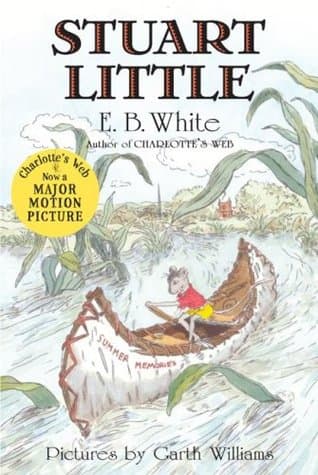
- Stuart Little
E.B. White
3.9 (110k) average on GoodreadsFantasyFollows the adventures of a small, unique animal character navigating the human world.
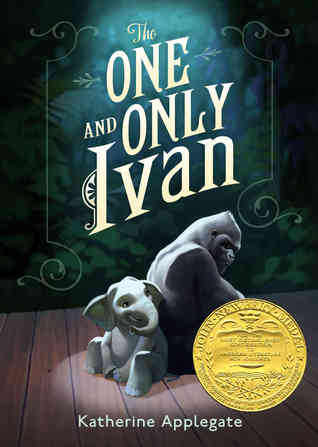
- The One and Only Ivan
Katherine Applegate
4.3 (141k) average on GoodreadsFantasyTold from an animal's perspective, focusing on observation, friendship, and personal growth.
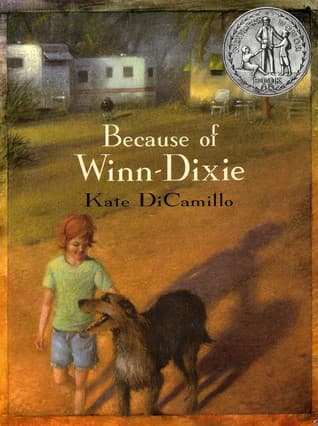
- Because of Winn-Dixie
Kate DiCamillo
4.0 (206k) average on GoodreadsChildren'sBoth use an animal as a catalyst for human connection and community. However, 'Because of Winn-Dixie' explores themes of abandonment, grief, and complex human relationships with greater emotional resonance and literary depth. Opal's personal growth is central, while Humphrey is more of an agent of change for others. DiCamillo's work tackles heavier themes with more narrative complexity, suitable for a slightly older or more mature readership.
- Harry Potter and the Sorcerer's Stone
J.K. Rowling
4.5 (7M) average on GoodreadsFantasyRescued from a miserable life under the stairs, an orphaned boy discovers he's a wizard destined for a magical school, where he uncovers a dangerous secret tied to the dark wizard who murdered his parents.
- The Hunger Games
Suzanne Collins
4.3 (6.4M) average on GoodreadsFantasyIn a future where children fight to the death on live television, Katniss Everdeen volunteers for the arena, turning a death sentence into a fight for survival and a spark of rebellion.
- 1984
George Orwell
4.2 (3.1M) average on GoodreadsPoliticsIn a future where surveillance and thought control are absolute, a man's search for truth clashes with the Party, showing that hope can be a form of rebellion.



Enjoyed the summary?
A summary gives you the shape of the book. The book itself has the detail, the examples and the voice.
Find The World According to Humphrey on AmazonAs an Amazon Associate, BookBrief earns from qualifying purchases. How we're funded