

Synopsis
Covers the whole plot, including the ending.
- Difficulty
- Easy
- Pacing
- Moderate
- Mood
- Atmospheric, Hopeful, Adventurous, Reflective
- Read it if
- You enjoy historical fiction set in unique, wild landscapes, appreciate stories of courage and community, and are looking for a heartwarming tale with a strong young female protagonist.
- Skip it if
- You prefer fast-paced thrillers or stories with complex, multi-layered plots and aren't interested in historical settings or coming-of-age themes.
The Wreck of the Zanzibar Plot Summary
Covers the whole plot, including the ending.
A Life of Storms and Diary Entries
Fourteen-year-old Laura Perryman lives with her family on Bryher, a small, storm-battered island in the Isles of Scilly, in 1907. Her life is recorded in her diary, a gift from her father. She writes about the realities of island life: the constant wind and rain, the difficulty of making a living from fishing and farming, and the danger of the sea. Laura wants to help with a heroic shipwreck rescue, a common event in their dangerous waters, even though she is told it is a man's job. She often helps her grandfather with his lobster pots and watches the islanders, including her Uncle Billy and her dog, Scruff.
Uncle Billy's Troubles and a Growing Mystery
Laura's Uncle Billy, a fisherman, worries the family. He drinks a lot and often owes money, frequently arguing with Laura's father. Despite his faults, Laura likes him. One day, Billy gets a new fishing boat, 'The Zanzibar,' which he says he won in a card game. This makes the islanders suspicious, especially Laura's father, who knows Billy's luck and money situation well. The mystery around 'The Zanzibar's' sudden arrival adds to the family's worries about their difficult life.
A Fierce Storm Approaches
As autumn continues, the weather on Bryher gets worse. Laura writes about the strong winds and heavy rain, feeling a big storm is coming. The islanders, used to fighting the elements, start their preparations: securing boats, strengthening homes, and bringing livestock to shelter. Laura's father and grandfather talk about the bad signs, knowing a truly damaging storm is possible. The island's tension grows as the sky darkens and the sea gets rougher, threatening to unleash its full power.
The Storm Hits and the Zanzibar is Lost
The storm hits Bryher with great force. Laura describes the sounds of the wind howling and waves crashing against the shore, shaking their small cottage. During the storm, news spreads that Uncle Billy's new boat, 'The Zanzibar,' has broken free and smashed against the rocks, completely destroyed. Billy is upset, not just about losing the boat, but also because he had hidden a valuable gold pocket watch, a family item, on board. The loss of 'The Zanzibar' is a big blow to Billy and a sad topic among the islanders.
The Discovery of the Gold Watch
After the storm, Laura goes out with her dog, Scruff, to see the wreck of 'The Zanzibar.' Among the broken wood and debris on the shore, Scruff starts digging. Following him, Laura finds a small, carved wooden box. Inside, she finds the gold pocket watch Uncle Billy wanted to get back. She understands the watch's importance, knowing it is valuable and personal to Billy, connecting him to his past and representing his lost hopes. Laura decides to keep her discovery secret for a while, thinking about the best way to return it.
A Ship in Distress
Weeks later, an even more violent storm covers the islands. This time, the danger is greater. A large steamship, the 'SS Myrmidon,' is seen in trouble, being pushed towards the dangerous rocks of the Scilly Isles. The islanders, including Laura's father and grandfather, get ready for a rescue. Lifeboats are prepared, and lookouts are posted. Laura, watching from her window, feels fear and excitement, knowing this could be the shipwreck she has always wanted to help with, but also understanding the great danger for everyone.
Laura's Heroic Act
As night falls and the storm gets worse, visibility is almost zero. The St. Mary's lifeboat, trying to reach the 'SS Myrmidon,' struggles to navigate the reefs and rough seas. Laura, watching from shore, realizes they are lost. Remembering her grandfather's stories of guiding ships with lights, she bravely takes her father's storm lantern and, with Scruff, climbs to the highest safe point. She waves the lantern, making a light in the darkness, guiding the lifeboat crew through the dangerous waters towards the sinking steamer. Her light helps the lifeboat reach the 'Myrmidon' and start the rescue.
The Rescue and its Aftermath
Thanks to Laura's act, the lifeboat reaches the 'SS Myrmidon,' and its crew is brought ashore safely. The islanders work to give warmth and comfort to the rescued sailors. Afterwards, Laura's father, at first angry about her dangerous solo trip, realizes how important her role was. Her actions are praised by the lifeboat crew and the thankful sailors, making her a part of the island's history of heroism. Laura, though tired, feels satisfied and proud, having completed her dream of helping with a shipwreck rescue.
Reconciliation and Revelation
After the 'Myrmidon' rescue, Laura decides to return the gold watch to Uncle Billy. She approaches him, revealing her secret find. Billy is thankful and relieved, explaining the watch was a gift from his father. Emotional, he tells the true story of 'The Zanzibar.' He had not won it in a card game; he had bought it with money he planned to use to pay a debt to a local merchant, hoping to earn enough from fishing to cover both. The confession improves his relationship with Laura and her father, leading to understanding and forgiveness.
Life Continues on Bryher
Life on Bryher slowly returns to normal, but Laura is changed. She continues to write in her diary, thinking about the storms, the wrecks, and her bravery. Her relationship with Uncle Billy is better, and he starts to improve his life. The gold watch, now with him, reminds him of his past and his new hope. Laura understands that heroism is not just about big actions but also about quiet courage and kindness. She continues to face the challenges of island life with new confidence and appreciation for her family and the community around her.
The Wreck of the Zanzibar Characters
Laura Perryman
Protagonist
A brave and observant fourteen-year-old girl living on Bryher island.
Laura is a thoughtful and courageous fourteen-year-old girl who meticulously records her life in a diary. She is deeply connected to the sea and island life, often helping her grandfather with his lobster pots. Despite her youth, she possesses a keen sense of observation and a strong desire to prove herself capable, especially in the context of shipwreck rescues, traditionally a male domain. She loves her family, including her often-troubled Uncle Billy, and her loyal dog, Scruff. Her quiet determination and bravery are central to the story, particularly during the rescue of the 'SS Myrmidon'.
Relationships: Father (Loving but stern, traditional); Mother (Supportive and caring); Grandfather (Wise mentor, shares sea lore); Uncle Billy (Affectionate but concerned relationship, later understanding); Scruff (Loyal companion, often her confidante)
Laura's Father
Supporting
A hardworking fisherman and a traditional, protective islander.
Laura's father is a stoic, hardworking fisherman who embodies the resilience and practicality of the islanders. He is deeply concerned with providing for his family and maintaining their safety. While he loves Laura, he holds traditional views about gender roles, believing shipwreck rescues are strictly men's work. His initial anger at Laura's dangerous act during the 'Myrmidon' rescue quickly turns to immense pride and respect as he recognizes her bravery and crucial contribution. He also struggles with his brother, Billy's, irresponsible behavior.
Relationships: Laura (Protective, loving, initially traditional); Uncle Billy (Frustrated but ultimately forgiving brother); Grandfather (Respectful son)
Laura's Grandfather
Supporting
A wise and experienced old fisherman, full of sea wisdom.
Laura's grandfather is a fount of wisdom and a symbol of the island's long history with the sea. He is an experienced fisherman and a keen observer of weather and tides. He shares his knowledge and tales of the sea with Laura, nurturing her understanding and respect for the ocean. He is more open-minded than Laura's father, quietly encouraging Laura's spirit of adventure and her desire to help. His stories and quiet guidance prepare Laura for her eventual heroic act, making him an important mentor figure.
Relationships: Laura (Mentor, confidant); Laura's Father (Respected elder, father figure)
Uncle Billy
Supporting
Laura's troubled but ultimately redeemable uncle, a fisherman.
Uncle Billy is Laura's uncle, a fisherman who struggles with debt and a drinking problem. He is somewhat irresponsible and often a source of worry for the family, particularly Laura's father. Despite his flaws, he has a softer side, especially towards Laura, and a deep attachment to certain family heirlooms, like the gold watch. His acquisition and subsequent loss of 'The Zanzibar' boat, along with his hidden gold watch, drive a significant subplot. His eventual confession and gratitude towards Laura mark a turning point in his character.
Relationships: Laura (Affectionate, later indebted); Laura's Father (Strained brotherly relationship, later reconciled)
Scruff
Supporting
Laura's loyal and intelligent dog.
Scruff is Laura's faithful terrier dog, her constant companion and a silent confidante. He accompanies her on her walks along the stormy beaches and is often by her side as she writes in her diary. Scruff's keen senses and instincts play a crucial role when he helps Laura discover the lost gold watch amidst the wreckage of 'The Zanzibar.' His presence provides comfort and companionship to Laura, especially during her brave solo venture with the lantern during the 'Myrmidon' rescue.
Relationships: Laura (Loyal companion, best friend)
Laura's Mother
Supporting
A caring and resilient woman, managing the household.
Laura's mother is a kind and practical woman who quietly manages the household and supports her family through the harsh realities of island life. She is a source of comfort and stability for Laura, offering gentle advice and understanding. While she shares her husband's concerns about Laura's safety, she also possesses a quiet strength and resilience that allows her to cope with the constant threat of storms and shipwrecks. She is less vocal than the men but provides essential emotional support.
Relationships: Laura (Loving, supportive mother); Laura's Father (Supportive wife)
The Lifeboat Crew
Supporting
Brave islanders dedicated to sea rescues.
The lifeboat crew consists of brave and experienced men from the Isles of Scilly who risk their lives to rescue sailors from shipwrecks. They represent the collective heroism and community spirit of the islands. During the 'Myrmidon' rescue, they are initially disoriented by the storm but are ultimately guided to safety by Laura's lantern. They later express profound gratitude and respect for Laura's quick thinking and courage, acknowledging her vital role in the successful rescue.
Relationships: Laura (Initially unaware, later grateful and respectful)
The Crew of the SS Myrmidon
Mentioned
Sailors rescued from a steamship during a violent storm.
The crew of the 'SS Myrmidon' are the imperiled sailors whose lives are saved by the combined efforts of the islanders and, crucially, Laura's guidance. They represent the victims of the sea's fury and the reason for the islanders' constant vigilance and bravery. Their rescue is the climactic event of the story, demonstrating the profound impact of Laura's actions and the community's dedication to saving lives.
Relationships: Laura (Unaware of her direct help initially, later grateful)
The Wreck of the Zanzibar Themes
Courage and Heroism
Courage is a main theme, shown by Laura's actions during the 'Myrmidon' rescue. Despite her age and being a girl, and against old ideas, she bravely goes into the storm with her lantern to guide the lifeboat. This shows that heroism can come from anyone. The courage of the lifeboat crew and the strength of all the islanders against the sea also show this theme, demonstrating collective bravery when facing nature's power.
“'I was only fourteen, but I felt like I was the only person in the world who could help them.”
Man vs. Nature
The strong and often harsh power of the sea runs through the book. The islanders' lives depend on the weather, from daily fishing to shipwrecks. The storms are not just background; they are active threats, endangering homes, jobs, and lives. The story clearly shows the constant fight between people's efforts and the overwhelming, unpredictable forces of nature, highlighting both the dangers and the beauty of living in such a place.
“'The sea was our life, but it was also our constant enemy, waiting to snatch away our boats, our livelihoods, and sometimes, our very lives.”
Family and Community
The strong connections of family and the close community of Bryher are important for survival. Laura's family, despite internal issues (like those with Uncle Billy), supports each other. The whole island community comes together during crises, sharing resources and risking lives for everyone's benefit, especially during shipwrecks. This theme emphasizes the importance of working together, helping each other, and forgiving in a difficult environment, showing how group strength helps people overcome problems.
“'On Bryher, we were all family, whether by blood or by the sea. When the storms came, we stood together.”
Gender Roles and Expectations
Laura's struggle to be taken seriously and help with shipwreck rescues challenges the typical gender roles of 1907. She is told that such dangerous work is 'for men,' but she wants to be a hero. Her act of guiding the lifeboat proves her ability, breaking down these social barriers and earning her the respect of the male-dominated community. This theme explores the quiet fight against strict roles and the power of individual will to go beyond them.
“'They said it was a man's job, to go out in the storms. But I knew in my heart that if I could help, I would.”
Coming of Age and Self-Discovery
Laura's journey in the book shows her moving from childhood to a more adult understanding of herself and her world. In her diary, she processes her observations, fears, and hopes. Her experiences with the storms, finding the watch, and especially her act during the 'Myrmidon' rescue, make her face danger and take responsibility. These events lead to a strong sense of self-worth and a clearer understanding of her place in her family and the island community, shaping who she is.
“'I wasn't just Laura anymore, the girl who wrote in her diary. I was Laura, who had helped save lives.”
Plot Devices & Literary Techniques
First-Person Diary Narration
The story is told entirely through Laura's diary entries.
The entire novel is presented as Laura Perryman's diary, written in her own voice. This device provides an intimate and immediate perspective on her thoughts, feelings, and experiences. It allows readers to directly access her observations of island life, her dreams, fears, and her personal growth. The diary format lends authenticity to the historical setting and emphasizes Laura's personal journey, making her inner world accessible and enhancing the emotional impact of the events she describes, particularly her evolving understanding of heroism and family dynamics.
'The Zanzibar' (Symbol)
A fishing boat symbolizing hope, deception, and ultimate loss.
'The Zanzibar' is Uncle Billy's new fishing boat, which he claims to have won. It initially symbolizes a fresh start and a glimmer of hope for his troubled life, but its mysterious acquisition also hints at his ongoing struggles with honesty and debt. Its dramatic wreck during a storm not only represents a significant financial loss but also serves as a catalyst for the discovery of the hidden gold watch, which ultimately leads to Billy's confession and redemption. The boat's fate mirrors Billy's own journey from secrecy to truth.
The Gold Pocket Watch (Symbol)
An heirloom symbolizing family legacy, guilt, and forgiveness.
The gold pocket watch, hidden by Uncle Billy on 'The Zanzibar' and later discovered by Laura, is a powerful symbol. It represents Billy's connection to his family's past and his own father, highlighting his hidden vulnerabilities and his deep-seated attachment to an heirloom that he fears losing. Its loss and subsequent recovery, facilitated by Laura, become a catalyst for Billy's confession about the boat and the underlying reasons for his irresponsible behavior. The watch ultimately symbolizes forgiveness, trust, and the mending of strained family ties.
The Storm Lantern (Symbol)
A beacon of hope, guidance, and Laura's agency.
The storm lantern, which Laura uses to guide the lifeboat to the 'SS Myrmidon,' is a potent symbol of hope, guidance, and Laura's burgeoning agency. Initially an ordinary household object, it transforms into a crucial tool for survival in Laura's hands. It represents her courage, quick thinking, and ability to make a significant impact despite her youth and gender. The light she casts through the darkness not only literally guides the lifeboat but also metaphorically illuminates her own path to self-discovery and heroism, challenging traditional notions of who can be a rescuer.
The Isles of Scilly Setting
A remote, storm-battered archipelago shaping character and plot.
The remote and rugged setting of the Isles of Scilly, particularly Bryher, is more than just a backdrop; it acts as a character itself. Its isolation, treacherous waters, and constant exposure to severe weather dictate the islanders' way of life, their resilience, and their dependence on each other. The frequent storms and shipwrecks are not just plot points but inherent features of the environment, shaping the characters' daily struggles, their traditions, and ultimately providing the stage for Laura's heroic act. The setting emphasizes the theme of man vs. nature and the strength of community.
The Wreck of the Zanzibar Quotes
“The sea gives and the sea takes away.”
“We are all wreckers at heart, waiting for the sea to bring us something.”
“Sometimes you have to do what you believe is right, even if it means going against everyone else.”
“The Zanzibar was more than a ship; she was a dream that turned into a nightmare.”
“In the end, it's not the storms that define us, but how we sail through them.”
“Every shell on the beach has a story, if you're willing to listen.”
“Home isn't just a place; it's the people who make you feel you belong.”
“War makes strangers of neighbors and neighbors of strangers.”
“The lighthouse doesn't just guide ships; it reminds us that even in darkness, there is light.”
“You can't change the wind, but you can adjust your sails.”
“Some treasures aren't gold or silver, but memories that time cannot rust.”
“The sea speaks in whispers to those who know how to listen.”
“Courage isn't the absence of fear, but the decision that something else is more important.”
“We are all pieces of driftwood, shaped by the currents that carry us.”
Quiz
10 questions on the plot and the characters. Each answer comes with a short explanation.
Question 1
What is the primary setting of 'The Wreck of the Zanzibar'?
- A bustling port city in Cornwall
- The stormy Isles of Scilly
- A remote Scottish island
- A coastal village in Ireland
Show answer
B. The stormy Isles of Scilly The story is set on the Isles of Scilly, a group of islands off the coast of Cornwall, known for their treacherous weather and shipwrecks, which is central to the plot.
Question 2
Who is the main protagonist and narrator of the story?
- Billy, Laura's brother
- Laura, a fourteen-year-old girl
- Their father, a fisherman
- A sailor from the Zanzibar
Show answer
B. Laura, a fourteen-year-old girl Laura is the fourteen-year-old protagonist who records events in her diary, providing the first-person perspective that drives the narrative.
Question 3
What year does the main story take place?
- 1897
- 1907
- 1917
- 1927
Show answer
B. 1907 The book is set in 1907, a historical period that influences the events, such as the shipwreck and the islanders' way of life.
Question 4
What is Laura's long-held dream that she hopes to fulfill?
- To become a famous writer
- To leave the islands and travel the world
- To participate in a shipwreck rescue
- To find hidden treasure on the shore
Show answer
C. To participate in a shipwreck rescue Laura dreams of being part of a shipwreck rescue, which reflects her desire for adventure and contribution to her community, a key theme in the book.
Question 5
How does Laura primarily document her experiences?
- Through letters to a friend
- In a diary
- By telling stories to her brother
- With drawings and sketches
Show answer
B. In a diary Laura writes in her diary, which serves as the narrative frame of the book, allowing readers to see her personal thoughts and the unfolding events.
Question 6
What event finally allows Laura to realize her dream?
- A storm that causes the Zanzibar to wreck
- Her brother's return from sea
- A visit from a rescue team
- Finding an old map in the attic
Show answer
A. A storm that causes the Zanzibar to wreck The wreck of the ship Zanzibar during a storm provides the opportunity for Laura to be involved in a rescue, fulfilling her long-held aspiration.
Question 7
Which theme is prominently explored through Laura's character?
- The dangers of industrialization
- The importance of family and community resilience
- The conflict between science and religion
- The pursuit of wealth and material gain
Show answer
B. The importance of family and community resilience Laura's story highlights themes of family bonds and community strength in facing adversity, such as the harsh island life and shipwreck challenges.
Question 8
Why is the wreck of the Zanzibar significant to the islanders?
- It brings valuable cargo that improves their economy
- It tests their rescue skills and brings a sense of purpose
- It leads to a conflict with neighboring islands
- It reveals a hidden secret about the island's history
Show answer
B. It tests their rescue skills and brings a sense of purpose The wreck is a pivotal event that allows the islanders, including Laura, to demonstrate their courage and teamwork, reinforcing community values.
Question 9
How does Laura's perspective change throughout the book?
- She becomes disillusioned with island life and leaves
- She gains a deeper appreciation for her family and home through the rescue experience
- She decides to pursue a career in sailing
- She loses interest in shipwrecks after the event
Show answer
B. She gains a deeper appreciation for her family and home through the rescue experience Through the rescue of the Zanzibar, Laura matures and develops a stronger connection to her community, shifting from mere dreamer to active participant.
Question 10
What role does the diary format play in the narrative?
- It provides an objective historical account of events
- It allows for multiple perspectives from different characters
- It offers an intimate, personal insight into Laura's thoughts and growth
- It serves as a legal document for the shipwreck investigation
Show answer
C. It offers an intimate, personal insight into Laura's thoughts and growth The diary format gives readers direct access to Laura's emotions and reflections, enhancing the personal and historical depth of the story.
The Wreck of the Zanzibar FAQ
What is 'The Wreck of the Zanzibar' about?
The novel follows fourteen-year-old Laura Perryman in 1907 on the Isles of Scilly, where she documents her life in a diary. It centers on her longing to participate in a shipwreck rescue like the island men, a dream that becomes reality when the schooner Zanzibar wrecks during a fierce storm, allowing her to help save survivors and find purpose.
Why should I read 'The Wreck of the Zanzibar'?
This book offers a gripping, historically inspired tale of resilience and adventure, blending themes of family, community, and personal growth. Through Laura's vivid diary entries, readers experience the harsh beauty of the Scilly Isles and the dramatic shipwreck rescue, making it both educational and emotionally engaging for young audiences.
What is the background/setting of 'The Wreck of the Zanzibar'?
Set in 1907 on the stormy Isles of Scilly off the coast of Cornwall, the story unfolds in a remote, maritime community where life revolves around fishing and salvaging from shipwrecks. The harsh weather and isolated environment shape the characters' daily struggles and the dramatic events of the Zanzibar's wreck.
What are the most memorable quotes?
Key quotes include Laura's diary entry, 'I want to be out there, helping, not stuck here watching,' reflecting her frustration, and 'The sea gives and the sea takes,' highlighting the islanders' fatalistic view of their dependence on shipwrecks. Another is 'We saved them, all of them,' marking her triumphant moment in the rescue.
What writing style does the author use?
Michael Morpurgo employs a first-person diary format from Laura's perspective, creating an intimate, immediate narrative. The prose is descriptive and emotive, blending historical detail with lyrical passages about the sea and storms, suited to young readers while conveying the era's hardships and Laura's inner thoughts.
What minor details add significant meaning?
Details like Laura's brother Billy's carved seagull, which symbolizes freedom and her connection to him, and the recurring mentions of the 'wrecking light' used to signal rescues, emphasize the community's reliance on shipwrecks. The diary itself, with its worn cover, represents Laura's perseverance and voice in a male-dominated world.
What are some subtle foreshadowing moments?
Early in the diary, Laura describes the constant storms and past wrecks, hinting at the Zanzibar's eventual fate. Her repeated envy of the men's rescue missions foreshadows her own involvement, and mentions of the 'big one' coming subtly build anticipation for the climactic shipwreck event.
What unexpected character connections exist?
Laura's grandfather, Old Thomas, shares stories of wrecks that inspire her, creating a generational link to maritime traditions. The rescued sailor from the Zanzibar, who turns out to have known Laura's late father, reveals hidden ties to her family's past, deepening the emotional impact of the rescue.
What are unspoken character motivations?
Laura is driven by a deep-seated desire to prove herself in a society that undervalues girls, masking her frustration with quiet determination. Her mother's overprotectiveness stems from fear after losing Laura's father to the sea, while the island men's eagerness for wrecks is motivated by economic necessity, not just bravery.
What psychological complexities do characters exhibit?
Laura grapples with conflicting emotions: admiration for the rescuers versus resentment at being excluded, and love for her family alongside a craving for independence. The islanders show a duality of compassion in rescues versus dependence on wrecks for survival, reflecting the moral ambiguities of their harsh environment.
What are the major emotional turning points?
Key moments include Laura's initial despair when barred from rescue missions, her breakthrough during the Zanzibar wreck where she actively helps save lives, and the aftermath where she gains respect from the community. The discovery of the sailor's connection to her father also provides closure and emotional healing.
How do relationship dynamics evolve?
Laura's relationship with her mother shifts from tension to mutual understanding as her mother acknowledges her bravery. Her bond with Billy strengthens through shared experiences, and the community's view of her changes from seeing her as a mere girl to recognizing her as a capable contributor during the rescue.
Which parts remain ambiguous or open-ended?
The ultimate fate of the Zanzibar's cargo and its long-term impact on the island's economy is left unclear. Laura's future beyond the diary—whether she continues rescuing or leaves the islands—is open to interpretation, as is the deeper emotional resolution with her father's memory through the rescued sailor.
What are controversial scenes or decisions?
Some readers might debate the islanders' reliance on shipwrecks for livelihood, which blurs the line between rescue and exploitation. Laura's decision to defy her family and join the rescue, risking her safety, raises questions about gender roles and parental authority in the historical context.
'The Wreck of the Zanzibar' ending explained: how it ends & what it means
The story concludes with Laura successfully helping rescue the Zanzibar's survivors and earning community respect, symbolized by her diary being passed down. This ending signifies her coming-of-age, the triumph of perseverance, and the cyclical nature of life on the islands, where tragedy and hope intertwine through maritime traditions.
About the author

Michael Morpurgo is a British author known for his children's fiction, often exploring themes of war and nature. His notable works include "War Horse," "Private Peaceful," "The Butterfly Lion," "An Elephant in the Garden," "The Amazing Story of Adolphus Tips," and "Born to Run." Morpurgo's storytelling often combines historical events with imaginative narratives.
Similar books
- Island of the Blue Dolphins
Scott O'Dell
3.8 (292k) average on GoodreadsChildren'sFocuses on a strong young female survivor in a remote, natural setting, dealing with isolation and self-reliance.
- Harry Potter and the Sorcerer's Stone
J.K. Rowling
4.5 (7M) average on GoodreadsFantasyRescued from a miserable life under the stairs, an orphaned boy discovers he's a wizard destined for a magical school, where he uncovers a dangerous secret tied to the dark wizard who murdered his parents.
- The Hobbit, or There and Back Again
J.R.R. Tolkien
4.3 (2.9M) average on GoodreadsFantasyA comfort-loving hobbit named Bilbo Baggins is whisked away by a mischievous wizard and a band of dwarves on an unexpected journey to reclaim stolen treasure from a fearsome dragon, discovering courage and a magical ring along the way.
- Harry Potter and the Goblet of Fire
J.K. Rowling
4.6 (2.6M) average on GoodreadsFantasyA bewildered Harry Potter, underage and thrust into a deadly Triwizard Tournament, must brave dragons, mermaids, and a resurgent dark magic to survive a year that will forever alter the wizarding world.
- Harry Potter and the Order of the Phoenix
J.K. Rowling
4.5 (2.5M) average on GoodreadsFantasyIn a year of oppressive secrets and the threat of Voldemort, Harry Potter and Dumbledore's Army secretly train for war, shown through Jim Kay and Neil Packer's dark illustrations.
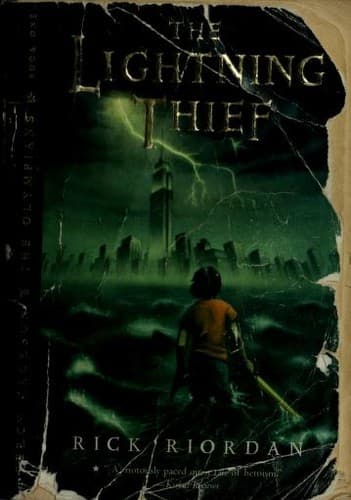
- The Lightning Thief
Rick Riordan
4.3 (2M) average on GoodreadsFantasyThrust into a world of mythological monsters and divine treachery, an ordinary boy discovers he's the son of Poseidon and must embark on a perilous quest across modern America to prevent an Olympian war.





Enjoyed the summary?
A summary gives you the shape of the book. The book itself has the detail, the examples and the voice.
Find The Wreck of the Zanzibar on AmazonAs an Amazon Associate, BookBrief earns from qualifying purchases. How we're funded