
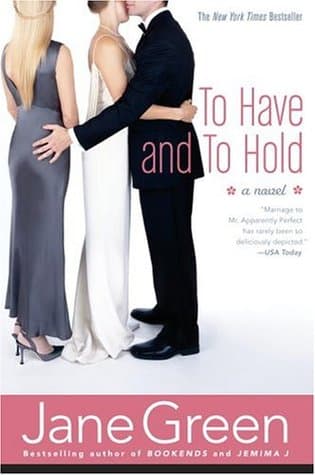
Synopsis
Covers the whole plot, including the ending.
- Difficulty
- Easy
- Pacing
- Moderate
- Mood
- Heartwarming, Empowering, Witty, Realistic
- Read it if
- You enjoy stories about women finding their strength after a challenging marriage, like a modern-day Cinderella story gone awry, and appreciate a mix of humor and emotional depth in a romance.
- Skip it if
- You prefer romances with a straightforward happy ending for the initial couple, or stories without infidelity.
To Have and to Hold Plot Summary
Covers the whole plot, including the ending.
Alice's Dream and Joe's Proposal
Alice, a twenty-eight-year-old with a catering business, loves the simple life and dreams of a domestic existence in the English countryside. She prefers comfy jeans and gardening to high fashion. Her life changes when Joe Chambers, her wealthy teenage crush, re-enters her life and proposes. Joe wants her to change, suggesting diets, ice-blond highlights, and a more sophisticated lifestyle. Alice is enchanted and convinces herself she is happy to become the elegant socialite he desires, believing this sacrifice is for love. She overlooks his allergy to nature and disinterest in children, focusing on his charm, good looks, and high-profile career, which make him admired by many women in London.
The Illusion of Perfection and Joe's Infidelity
After their wedding, Alice fully embraces her new role as Mrs. Joe Chambers. She tries to meet Joe's expectations, trading her comfortable lifestyle for one with designer clothes, social events, and constant effort to maintain a 'perfect' appearance. However, problems in their marriage appear almost immediately. Joe, despite Alice's efforts, shows a consistent pattern of infidelity. His public charm and charisma are often overshadowed by his detached and demanding behavior at home. Alice is deeply hurt and confused, questioning her worth and their marriage, as Joe's affairs become harder to ignore or explain.
Scandal and the Move to New York
Joe's infidelity peaks when a scandalous affair with a female colleague becomes public knowledge at his financial firm. To reduce damage to his career and reputation, Joe accepts a transfer to New York City. This move uproots Alice's life. She leaves her catering business, friends, and London comforts, hoping a change of scenery might also mean a change in Joe's behavior and a fresh start for their marriage. Alice tries to be optimistic, believing that without old temptations, Joe might finally commit to her fully.
Life in New York and Lingering Doubts
In New York, Alice initially struggles to settle in. She misses her old life and the independence her catering business provided. She tries to immerse herself in her new surroundings, exploring the city and making new friends. However, Joe's infidelity quickly returns. He continues to sneak around, his excuses becoming more elaborate and less believable. Alice feels increasingly isolated and unhappy. She confides in a new friend in New York, who offers a different perspective on marriage and happiness, subtly challenging Alice's passive acceptance of Joe's behavior.
The Temptation of James
Back in London, Alice's best friend, Laura, is in a stable relationship with James. During visits to London, or when Laura and James visit New York, Alice observes their relationship. She notices James's kindness, attentiveness, and genuine affection for Laura, qualities absent in her marriage with Joe. James treats Alice with respect and understanding, creating a stark contrast to Joe's neglect. Alice finds herself drawn to James, not just as a friend, but as a glimpse into what a fulfilling and respectful partnership could look like, stirring desires she had long suppressed.
Confrontation and a False Promise
Because of her unhappiness and the comparison to James's character, Alice gathers the courage to confront Joe about his continued infidelities. The confrontation is painful, filled with accusations and denials. Joe, cornered, apologizes and promises to change, appealing to Alice's enduring love and hope for their marriage. He convinces her he will genuinely try to be faithful and be the husband she deserves. Alice, wanting her marriage to work and still invested in the image of their 'perfect' life, believes him, giving him another chance.
The Unraveling of the Marriage
Despite Joe's tearful promises and Alice's renewed hope, his behavior quickly returns to old patterns. The short period of attentiveness and fidelity fades, replaced by more late nights, suspicious calls, and undeniable evidence of further affairs. Alice's patience and emotional strength are severely tested. She realizes Joe's promises were empty and that he is unwilling or unable to change. The emotional toll of his continuous betrayal becomes unbearable, making her feel increasingly isolated, worthless, and disillusioned with the man she once adored.
A Moment of Clarity and Empowerment
A specific incident, perhaps finding definitive proof of Joe's latest affair or a particularly cruel remark from him, becomes a turning point for Alice. She reaches a moment of clarity, realizing she has sacrificed her identity, happiness, and self-respect for a man who consistently devalues her. This realization sparks a new sense of empowerment. She begins to see that her desire for a rose-covered cottage, children, and a loving partner is not a childish fantasy but a legitimate aspiration. She starts to envision a future where she is not defined by Joe or their failing marriage, but by her own desires and strength.
The Decision to Leave
With her new resolve, Alice makes the difficult decision to leave Joe. This is not a decision made lightly, as it means dismantling the 'perfect' life she had tried so hard to build and facing an uncertain future. She confronts Joe one final time, not with pleas or accusations, but with a firm declaration of her intent to end their marriage. Joe is initially shocked and dismissive, unable to comprehend that Alice would actually leave him. However, Alice remains firm, showing a strength and self-possession he has never seen in her before.
Rebuilding and New Beginnings
Alice returns to London, leaving behind the opulent but hollow life she shared with Joe in New York. She moves back into her old cottage, which now feels like a sanctuary. She restarts her catering business, finding joy and fulfillment in her passion once more. She reconnects with her friends, including Laura and James, who offer support. Alice focuses on rebuilding her life, rediscovering her true self, and nurturing her own happiness. She embraces her love for gardening, comfortable clothes, and genuine connections. The story ends with Alice, now confident and independent, looking forward to a future where she can find true love and happiness on her own terms, not through someone else's expectations.
Principal Figures
Alice
Protagonist
A down-to-earth caterer who transforms into a socialite for love, then finds her true self.
Alice is a kind, unassuming woman in her late twenties with a passion for cooking, gardening, and a desire for a simple, loving family life. Initially, she is somewhat naive and easily swayed by the charming, wealthy Joe Chambers, sacrificing her own identity and preferences to fit into his world. She is deeply empathetic and loyal, which makes Joe's betrayals particularly painful. Throughout the story, Alice undergoes significant growth, moving from a passive, people-pleasing wife to a strong, independent woman who ultimately chooses her own happiness and authenticity over a superficial marriage.
Relationships: Joe Chambers (Husband, source of heartbreak and eventual liberation); Laura (Best friend and confidante); James (Laura's partner, a source of comparison and temptation)
Joe Chambers
Antagonist
Alice's charming but unfaithful and demanding husband.
Joe Chambers is a wealthy, dashing, and charismatic man-about-town with a high-profile career in finance. He represents the 'prince charming' archetype that initially captivates Alice. However, beneath his polished exterior, Joe is self-centered, demanding, and serially unfaithful. He expects Alice to conform to his ideal of a trophy wife, showing little regard for her true self or feelings. His inability to commit and his repeated betrayals are the central conflict of Alice's journey. He is allergic to nature and dismissive of children, highlighting his superficiality and lack of genuine connection to Alice's core desires.
Relationships: Alice (Wife, whom he consistently betrays and undervalues)
Laura
Supporting
Alice's loyal best friend who offers unwavering support and a contrasting relationship model.
Laura is Alice's best friend, a steadfast and supportive presence in her life. She provides a grounded perspective and a listening ear as Alice navigates the complexities and heartbreaks of her marriage to Joe. Laura's own relationship with James serves as a foil to Alice and Joe's, demonstrating what a healthy, loving, and respectful partnership looks like. She is a voice of reason and encouragement, helping Alice to see the truth of her situation and eventually empowering her to make difficult choices for her own well-being.
James
Supporting
Laura's kind and attentive partner, who unintentionally highlights Joe's shortcomings.
James is Laura's partner, a man characterized by his kindness, attentiveness, and genuine affection. He treats Laura with immense respect and care, and extends the same warmth to Alice. James represents the ideal partner Alice subconsciously yearns for, and his presence often serves to underscore Joe's deficiencies as a husband. While there's a subtle, unacted-upon attraction or connection between him and Alice, his primary role is to provide a stark and positive contrast to Joe's behavior, making Alice question the validity of her own marriage and what she truly deserves in a relationship.
Relationships: Laura (Partner); Alice (Friend, and a source of unspoken longing)
Alice's Parents
Supporting/Mentioned
Supportive figures from Alice's past, representing her grounded roots.
Alice's parents are mentioned as loving and supportive figures who represent the simple, authentic values Alice cherishes. They are part of her pre-Joe life in the English countryside and embody the kind of stable, nurturing family environment she longs for. While not major characters in terms of direct interaction, their presence in Alice's memories and her desire to emulate their kind of happiness serves as a constant reminder of what she is missing in her marriage to Joe and what she ultimately strives to achieve.
Relationships: Alice (Loving parents)
The 'Other Women'
Mentioned
Various female colleagues and acquaintances with whom Joe has affairs.
These are the unnamed or briefly mentioned women with whom Joe Chambers has his numerous affairs. They are not developed as individual characters but serve as recurring plot devices to illustrate Joe's chronic infidelity and the pain he inflicts upon Alice. Their existence highlights the superficiality of Joe's relationships and the depth of his character flaws, pushing Alice closer to her breaking point with each new indiscretion.
Relationships: Joe Chambers (Extramarital partners)
Themes & Insights
Identity and Self-Discovery
The main theme is Alice's journey to find and reclaim her true self. Initially, she sacrifices her identity, preferences, and passions (like her catering business and love for gardening) to become the 'perfect' wife Joe wants. Her transformation into an ice-blond, stiletto-wearing socialite is an attempt to conform. As Joe's betrayals increase, Alice realizes the cost of losing herself. Her decision to leave him and return to her simple life in London, restarting her catering business, shows her self-discovery and the triumph of her authentic self over the superficial role she tried to play.
“She had spent so long trying to be the woman Joe wanted, she'd forgotten who Alice truly was.”
The Illusion vs. Reality of Love and Marriage
The book explores the contrast between Alice's romantic ideal of marriage and the reality of her relationship with Joe. Alice initially believes that marrying her 'prince charming' will lead to a fairytale ending, complete with a rose-covered cottage. However, Joe's repeated infidelities, emotional detachment, and demands for her to change shatter this illusion. The theme is also shown by the healthy, respectful relationship between Laura and James, which sets a standard for what true love and partnership should be. This forces Alice to confront the emptiness of her own marriage.
“She had always believed in happy endings, but hers felt like a cruel joke.”
Betrayal and Forgiveness
Betrayal is a theme, mainly through Joe's serial infidelity. Alice repeatedly deals with the pain of betrayal and tries to forgive Joe, driven by her love and desire to make the marriage work. Each forgiveness is met with more betrayal, leading to a cycle of heartbreak and disillusionment. Ultimately, Alice learns that true forgiveness sometimes means forgiving herself for staying too long and choosing to move on, not enabling disrespect. Her journey shows how repeated betrayal harms self-worth and trust.
“How many times could a heart break and still mend itself?”
Societal Expectations vs. Personal Happiness
Alice initially gives in to societal pressures and expectations, especially those from Joe and his social circle, to be a glamorous, high-status wife. She tries to fit into a world of designer clothes, gallery openings, and sophisticated dinners, believing this is what 'success' and 'happiness' mean. This contrasts with her personal desires for a quiet, domestic life, children, and a connection to nature. The book critiques the superficiality of such expectations, as Alice's pursuit of this external validation leads to unhappiness. Her decision to leave Joe and return to her authentic life is a rejection of these societal pressures for her own happiness.
“She realized she'd been living someone else's dream, not her own.”
The Power of Female Friendship
The bond between Alice and her best friend, Laura, is a lifeline for Alice during her marital struggles. Laura gives emotional support, listens without judgment, and helps Alice talk through her pain and confusion. Their friendship offers stability and authenticity missing in Alice's marriage. Laura's presence, along with her healthy relationship, helps Alice gain perspective and find the courage to leave Joe, showing the role of strong female friendships in dealing with life's challenges and personal growth.
“Laura was the anchor in her storm, the one who always listened without judgment.”
Plot Devices & Literary Techniques
Foil Characters
Laura and James serve as a contrast to Alice and Joe's relationship.
Laura and James function as foil characters to Alice and Joe. Their stable, loving, and respectful relationship directly contrasts the turbulent, unfaithful, and superficial marriage of the protagonist and antagonist. By showcasing a healthy partnership, the author highlights the profound dysfunction in Alice's marriage and provides a clear benchmark for what Alice is missing. This device accentuates Joe's flaws and helps Alice realize the true nature of love and what she deserves, pushing her towards self-discovery and ultimately, liberation.
Symbolism of the 'Rose-Covered Cottage'
Represents Alice's authentic dreams and domestic happiness.
The 'rose-covered cottage in the English countryside, filled with children and animals and home-cooked meals' symbolizes Alice's deepest desires and her authentic self. It stands in direct opposition to the glamorous, high-society life Joe expects her to lead. Throughout the novel, this image represents her true aspirations for domestic bliss, simplicity, and genuine love. Her eventual return to her old cottage in London and reigniting her catering business signifies her reclaiming this dream and her true identity, moving away from Joe's superficial world.
The Cinderella Metaphor
Illustrates Alice's initial transformation and subsequent disillusionment.
The 'Cinderella to Joe's prince' metaphor is explicitly used in the book's description and implicitly throughout the narrative. It highlights Alice's initial belief that Joe will transform her life into a fairytale, requiring her to change her appearance and lifestyle to fit his 'princely' world. This device underscores her initial naivety and the illusion of a perfect romance. As Joe's true nature as an unfaithful and demanding husband is revealed, the metaphor unravels, showing that her 'prince' is far from charming and that her 'fairytale' is actually a trap, leading to her eventual rejection of the 'Cinderella' role.
Setting as Contrast (London vs. New York)
Reflects Alice's internal state and marital struggles.
The shift in setting from London to New York serves as a significant plot device. London, particularly Alice's old life there, represents her authentic self, her friends, and her simple pleasures. New York, where Joe's career demands relocate them, symbolizes the attempt at a 'fresh start' that ultimately fails to change Joe's character. It also represents Alice's isolation and her deeper immersion into Joe's high-flying, superficial world. Her eventual return to London signifies her reclamation of her true self and her journey towards independence and genuine happiness, leaving behind the emptiness of her New York life with Joe.
To Have and to Hold Quotes
“Love isn't about finding the perfect person, but about seeing an imperfect person perfectly.”
“Sometimes the hardest thing and the right thing are the same.”
“Home isn't a place, it's a feeling of belonging.”
“We hold on to things not because they are valuable, but because they remind us of who we were.”
“In the silence between words, you can hear the truth of a heart.”
“Marriage is a daily choice to love, even when it's not easy.”
“The weight of expectation can crush the wings of joy.”
“Forgiveness is the bridge that allows two hearts to meet again.”
“A life built on dreams alone is a house without a foundation.”
“The touch of a hand can speak volumes when words fail.”
“We often fear change, but it is the only way to grow.”
“True partnership means holding each other up, not holding each other back.”
“The simplest moments often hold the deepest memories.”
“Sometimes love means letting go, so both can find their way.”
Quiz
10 questions on the plot and the characters. Each answer comes with a short explanation.
Question 1
What is Alice's profession at the beginning of the book?
- Gallery curator
- Catering business owner
- Financial analyst
- Fashion designer
Show answer
B. Catering business owner Alice runs a successful catering business, which reflects her love for home-cooked meals and contrasts with Joe's high-society lifestyle.
Question 2
Why does Joe transfer to New York?
- For a promotion at his financial firm
- To escape his marital problems with Alice
- Due to a notorious indiscretion with a female colleague
- Because Alice wanted to move there for a fresh start
Show answer
C. Due to a notorious indiscretion with a female colleague Joe's infidelity with a colleague forces his transfer to New York, a key event that disrupts Alice's life and highlights his unfaithfulness.
Question 3
What does Alice dream of having in the English countryside?
- A modern penthouse with city views
- A rose-covered cottage with children and animals
- A luxury yacht for sailing adventures
- A high-end art gallery
Show answer
B. A rose-covered cottage with children and animals Alice's ideal life involves a cozy, family-oriented home in the countryside, which contrasts sharply with Joe's preferences and symbolizes her true desires.
Question 4
How does Joe want Alice to change after they marry?
- Become more involved in his financial career
- Adopt a diet, get highlights, wear stilettos, and attend gallery openings
- Learn to cook gourmet meals for his colleagues
- Move to the countryside and start a family immediately
Show answer
B. Adopt a diet, get highlights, wear stilettos, and attend gallery openings Joe pressures Alice to conform to a high-society image, including physical changes and social activities, which conflicts with her natural, down-to-earth personality.
Question 5
What aspect of Joe's character is revealed early in their marriage?
- He is allergic to nature and kids
- He has a secret gambling addiction
- He is hopelessly unfaithful
- He wants to quit his job and travel the world
Show answer
C. He is hopelessly unfaithful Joe's infidelity emerges soon after the wedding, showing that his charming exterior hides a lack of commitment, which drives the central conflict of the story.
Question 6
Who offers Alice a glimpse of what real love could be like?
- Joe's colleague from New York
- Her best friend's beau
- A childhood friend she reconnects with
- A client from her catering business
Show answer
B. Her best friend's beau The relationship of Alice's best friend and her partner shows Alice a healthier, more genuine form of love, contrasting with her troubled marriage to Joe.
Question 7
What is a key theme explored through Alice's journey?
- The importance of financial success in marriage
- Sacrificing personal happiness for societal approval
- The challenges of long-distance relationships
- The benefits of modern technology in communication
Show answer
B. Sacrificing personal happiness for societal approval Alice initially sacrifices her true self and desires to fit Joe's ideal, but the story critiques this by showing her struggle to find real happiness and authenticity.
Question 8
How does Alice's style contrast with Joe's expectations?
- She prefers formal business attire, while he wants her casual
- She loves comfy jeans and garden dirt, while he wants stilettos and highlights
- She enjoys high fashion, while he prefers practical clothing
- She avoids social events, while he encourages her to host parties
Show answer
B. She loves comfy jeans and garden dirt, while he wants stilettos and highlights Alice's natural, earthy style symbolizes her authentic self, while Joe's demands for glamour represent the superficial changes he imposes, highlighting their incompatibility.
Question 9
What does Alice realize she must do to find real happiness?
- Convince Joe to change his ways and be faithful
- Summon the courage to potentially leave her marriage
- Focus solely on expanding her catering business
- Move back to the countryside without Joe
Show answer
B. Summon the courage to potentially leave her marriage Alice's central conflict involves deciding whether to endure Joe's infidelity or seek independence, with the climax focusing on her courage to pursue true happiness, even if it means being alone.
Question 10
What symbolic role does the 'Cinderella' analogy play in the story?
- It represents Alice's rise from poverty to wealth through marriage
- It critiques the fantasy of perfect romance versus the reality of marriage
- It highlights Joe's role as a heroic prince saving Alice
- It symbolizes Alice's desire for a fairy-tale wedding ceremony
Show answer
B. It critiques the fantasy of perfect romance versus the reality of marriage The Cinderella metaphor is used ironically to show how Alice's initial dream of a perfect marriage with Joe turns into a disillusioning experience, emphasizing the book's theme of realistic love over fairy-tale ideals.
To Have and to Hold FAQ
What is 'To Have and to Hold' about?
The novel follows Alice, a 28-year-old caterer who marries her teenage crush Joe Chambers, a wealthy financier, only to discover he's unfaithful and expects her to change her natural, down-to-earth personality. After Joe's infidelity forces a move to New York, Alice confronts whether to stay in her unhappy marriage or pursue real happiness, including a potential connection with her best friend's boyfriend.
Why should I read 'To Have and to Hold'?
It's a witty, engaging exploration of modern marriage that subverts fairy-tale romance tropes, featuring a relatable heroine whose journey from self-sacrifice to self-discovery resonates with anyone questioning societal expectations. Jane Green's sharp dialogue and emotional depth make it both entertaining and thought-provoking.
What is the background/setting of 'To Have and to Hold'?
The story begins in London, where Alice runs a catering business and dreams of a rustic countryside life, then shifts to New York after Joe's job transfer. The contrast between Alice's earthy English ideals and Joe's glamorous, urban world highlights their incompatibility.
What are the most memorable quotes?
Key quotes include Alice's reflection, 'I told myself I was happy to sacrifice for love,' emphasizing her initial denial, and descriptions of Joe's demands like 'ice-blond highlights and stilettos' that symbolize her lost identity. The title itself underscores the tension between possession and genuine connection in marriage.
What writing style does the author use?
Jane Green employs a conversational, witty prose with vivid sensory details, such as Alice's 'garden dirt under the nails,' blending humor with emotional insight. The narrative balances fast-paced dialogue and introspective moments to explore themes of love and self-worth.
What minor details add significant meaning?
Alice's preference for 'comfy jeans' and catering work symbolizes her authentic self, while Joe's allergy to 'nature and kids' foreshadows their fundamental mismatch. Her rose-covered cottage dream represents unmet desires that resurface as she reevaluates her marriage.
What are some subtle foreshadowing moments?
Early scenes where Joe insists Alice change her appearance hint at his controlling nature and future infidelity. Alice's internal monologue about 'sacrificing for love' subtly warns of her impending disillusionment, and the move to New York acts as a catalyst for deeper conflict.
What unexpected character connections exist?
Alice's best friend's boyfriend becomes a source of temptation, offering a contrast to Joe's superficiality and highlighting the irony that real connection might exist outside her marriage. This dynamic complicates her loyalty and forces her to confront what she truly values.
What are unspoken character motivations?
Alice's desire for security and validation drives her to ignore red flags with Joe, while Joe's infidelity stems from a need for external admiration and an inability to commit deeply. Both characters use their relationship to fulfill unmet emotional needs rather than genuine love.
What psychological complexities do characters exhibit?
Alice grapples with cognitive dissonance, clinging to a Cinderella fantasy despite evidence of Joe's unfaithfulness, revealing a fear of loneliness. Joe's charm masks narcissistic traits, as he prioritizes image over intimacy, showing how societal pressures can distort relationships.
What are the major emotional turning points?
Key moments include Joe's notorious indiscretion that forces the move to New York, shaking Alice's denial; her growing attraction to her best friend's boyfriend, which awakens her to alternatives; and her ultimate decision to prioritize her own happiness over the marriage.
How do relationship dynamics evolve?
Alice and Joe's relationship deteriorates from idealized romance to a transactional arrangement where Alice suppresses her identity. Meanwhile, Alice's bond with her best friend deepens as she seeks support, and her interactions with the boyfriend highlight what's missing with Joe.
Which parts remain ambiguous or open-ended?
The novel leaves Alice's final choice somewhat open, focusing on her courage to seek happiness rather than detailing a specific outcome. The nature of her potential relationship with the best friend's boyfriend is hinted at but not resolved, emphasizing her personal growth over neat endings.
What are controversial scenes or decisions?
Alice's temptation by her best friend's boyfriend sparks debate about loyalty versus self-fulfillment. Some readers may question her initial willingness to change for Joe, viewing it as naive, while others see it as a realistic portrayal of societal pressures on women in relationships.
'To Have and to Hold' ending explained: how it ends & what it means
The ending implies Alice decides to leave Joe and pursue her own happiness, symbolized by reclaiming her authentic self and desires. It suggests that true love requires mutual respect and self-worth, not just fairy-tale illusions, offering a hopeful message about independence and growth.
About the author

Jane Green is a British author known for her contemporary fiction. Her notable works include "Jemima J," which explores themes of self-acceptance, "To Have and to Hold," a story about love and commitment, and "The Other Woman," which delves into complex relationships. Green's writing often focuses on women's experiences and personal growth.
Similar books
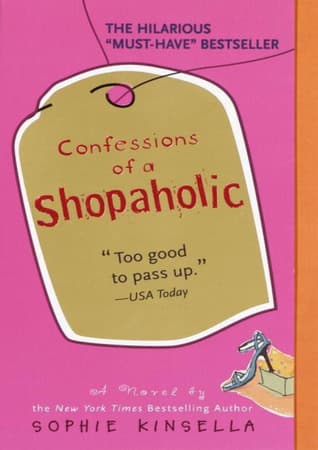
- Confessions of a Shopaholic
Sophie Kinsella
3.6 (647k) average on GoodreadsYoung AdultFeatures a relatable female protagonist navigating life and love in a humorous, modern setting.
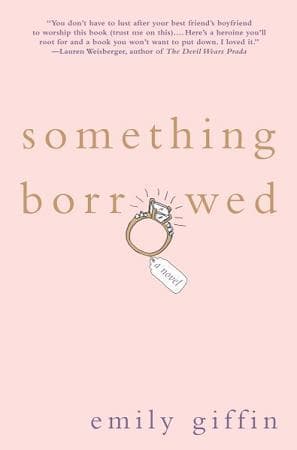
- Something Borrowed
Emily Giffin
3.9 (507k) average on GoodreadsRomanceExplores complex relationship dynamics, infidelity, and a woman's journey of self-discovery.
- Bridget Jones's Diary
Helen Fielding
3.8 (881k) average on GoodreadsRomanceA witty and endearing British protagonist dealing with romantic entanglements and self-improvement.
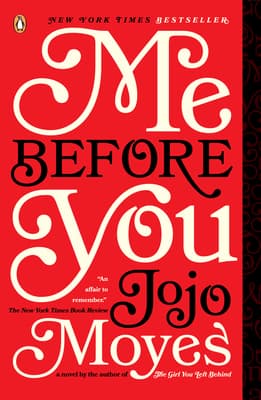
- Me Before You
Jojo Moyes
4.3 (1.1M) average on GoodreadsRomanceMoyes's novel deals with profound life choices and love under extreme, life-altering circumstances. Green's 'To Have and to Hold' offers a more grounded exploration of the everyday, yet equally impactful, challenges and endurance required within a seemingly stable, long-term marriage, focusing on internal rather than external dramatic pressures.
- The Hunger Games
Suzanne Collins
4.3 (6.4M) average on GoodreadsFantasyIn a future where children fight to the death on live television, Katniss Everdeen volunteers for the arena, turning a death sentence into a fight for survival and a spark of rebellion.
- The Great Gatsby
F. Scott Fitzgerald
3.9 (3.8M) average on GoodreadsHistorical FictionIn the opulent Roaring Twenties, a mysterious millionaire's lavish parties hide his desperate, tragic pursuit of a lost love, exposing the emptiness within the American Dream.



Enjoyed the summary?
A summary gives you the shape of the book. The book itself has the detail, the examples and the voice.
Find To Have and to Hold on AmazonAs an Amazon Associate, BookBrief earns from qualifying purchases. How we're funded