
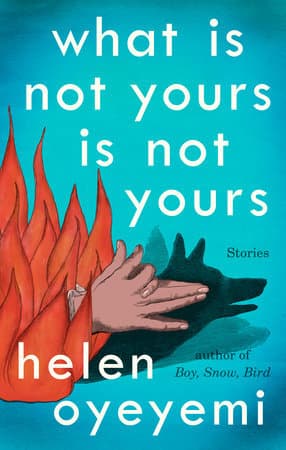
Synopsis
Covers the whole plot, including the ending.
- Difficulty
- Medium
- Pacing
- Moderate
- Mood
- Lyrical, Whimsical, Mysterious, Introspective, Fantastical
- Read it if
- You enjoy beautifully written, dreamlike literary fiction with elements of magical realism and interconnected narratives, where symbolism (especially keys and locks) is central.
- Skip it if
- You prefer straightforward plots, clear resolutions, or realistic fiction without fantastical elements.
What is Not Yours is Not Yours Plot Summary
Covers the whole plot, including the ending.
Books and Roses
In Catalonia, Spain, Myrna, a young librarian, works in a large estate with a vast library. She is drawn to a locked room and a locked journal inside it. Ferdinand, the mysterious gardener, has the key to the journal. As Myrna reads, she discovers the story of a former resident, Montserrat, and her complicated relationships with a famous author, Arturo, and his sister, Teresa. Montserrat was a 'book-eater,' able to absorb stories, and her life involved a love triangle and a strange illness. Myrna becomes more involved in Montserrat's past, blurring the lines between their lives, as she tries to understand the legacy of love, loss, and literary passion that fills the estate.
Is Your Blood as Red as This?
Dr. Yoshimaru runs a respected puppeteering school where students learn to put their essence into their creations. Radha, a dedicated student, struggles with the final step: giving her puppet a heartbeat. She finds out the school's secret involves a hidden room and a specific key, which opens not just a physical space, but also a deeper understanding of emotional connection. This key also leads her to a secret relationship with another student, Shola, who has a similar, natural ability to bring his puppets to life. Their shared secret and artistic bond grow, but the school's strict rules and the mysterious power needed for true artistry create a dangerous tension as they balance creation and consumption.
'Sorry' Doesn't Sweeten Her Tea
Sanza inherits a strange house from her grandmother, a house where every door needs a key to stay closed. The house is a maze of rooms, each holding family memories and secrets, especially those of her mother and her mother's siblings. Sanza discovers that the locks are not just physical, but also represent the emotional barriers and unresolved issues within her family. She meets her aunt and other relatives, each with their own understanding and use of the house's rules. As Sanza tries to understand the house, she uncovers a history of betrayals, unspoken resentments, and the impact of past actions on the current generation, forcing her to face difficult truths about her heritage.
If a Book Is Locked There's Probably a Good Reason for That Don't You Think
Tirzah receives a locked diary from her mother, who tells her never to open it. The diary is a family heirloom, passed down through generations, and is thought to contain powerful, possibly dangerous, magical secrets. Despite her mother's warning, Tirzah is curious and wants to understand her family's unique abilities. She looks for different keys and ways to open the diary, encountering various views on magic and responsibility. Her journey leads her to consider the ethics of accessing forbidden knowledge and the results of messing with powerful legacies, ultimately showing the true purpose and protective nature of the lock itself.
The Grandmaster's Palace
In a secluded convent, Susannah lives a quiet life, haunted by vague memories of her mother and a mysterious past. She finds a hidden room and a locked chest, which she believes holds the answer to her origins. Through cryptic clues and meetings with other residents, Susannah slowly uncovers the story of her mother, Ada, a skilled lock-picker and a member of a secret society. Ada had a complex relationship with the convent and its grandmaster, and her past involves themes of freedom, captivity, and the power of knowledge. Susannah's search for answers leads her to understand her own identity and the legacy of her mother's choices.
Drownings
A young woman, suffering from a strange illness that causes her to lose her sense of self, tries to find a cure. She is told that a specific 'key' – not a physical one, but a sensory experience or a strong memory – might help her. Her journey takes her through various meetings and fragmented memories, each offering a possible clue. She meets a man with a similar condition who offers a radical solution. The story explores identity, memory, and the changing nature of self. The 'drownings' refer to the feeling of being submerged and losing one's essence, and the search for a key becomes a symbol for reclaiming one's true self amidst overwhelming experiences.
Presence
Otto, a young boy, struggles with loneliness and creates an imaginary friend named X. X is very detailed and complex, and Otto finds comfort and companionship in their interactions. However, as Otto gets older, X starts to appear in increasingly physical and unsettling ways, blurring the lines between imagination and reality. X seems to have its own will and desires, and its presence becomes both a comfort and a terrifying intrusion. Otto deals with the implications of X's growing independence and the possible consequences of bringing such a vivid entity into existence, forcing him to confront the limits of his own mind and the power of his imagination.
A Brief History of the Homely Wench Society
This story looks into the history and practices of the Homely Wench Society, a secret group of women who use keys to protect their privacy and stories. Each member has a unique key that opens a personal space, often a diary or a hidden room, where their true selves and experiences are kept. The society acts as a network of support and resistance against societal pressures and expectations. The story explores the power of collective identity, the importance of protecting personal stories, and how women create their own spaces for independence and self-expression. The keys symbolize not just access, but also the deliberate choice of what to reveal and what to keep private.
The Key in the Lock
Elara is fixated on finding a specific, intricately designed key that belonged to her grandmother. She believes this key holds the answer to a long-standing family mystery, possibly related to a hidden inheritance or a forgotten secret. Her search takes her through old family homes, dusty archives, and meetings with eccentric relatives, each offering a piece of the puzzle. As she digs deeper, Elara uncovers a complex web of relationships, betrayals, and sacrifices in her family's past. The key becomes a symbol for unlocking not just a physical object, but also the hidden truths and emotional complexities that have shaped her family for generations, leading to a profound personal discovery.
The Dreamer's Key
Lila, a young woman with a strong imagination, finds a mysterious key that, when used in a specific way, lets her enter and explore the dreams of others. At first, she uses this ability out of curiosity, observing the inner worlds of her friends and strangers. However, she soon finds that her presence in these dreams can have unexpected consequences, subtly changing the dreamers' realities and even affecting their waking lives. Lila deals with the ethical questions of her power and the responsibility that comes with such intimate access to other people's minds. The story explores the delicate balance between observation and interference, and the deep impact of shared subconscious experiences.
The Locksmith's Daughter
Mina is the daughter of a famous locksmith, known for his ability to make and open even the most complex locks. Mina herself has a natural talent for understanding mechanisms and secrets. When a dangerous artifact, said to be protected by an ancient and complex lock, falls into the wrong hands, Mina must use her skills to either get it back or prevent its misuse. Her journey leads her through a world of hidden societies, magical guardians, and tricky puzzles. Mina's unique understanding of locks and keys becomes essential in navigating these challenges, as she faces the responsibility that comes with her abilities and the legacy of her family's craft.
The Clockwork Heart
In a world where some beings have clockwork hearts, Clara searches for a specific key that can fix her beloved's failing mechanical heart. The story unfolds through Clara's journey, which takes her to various fantastical places and introduces her to unusual characters, each with their own understanding of love, loss, and the mechanics of the heart. She learns that the key is not just a physical object but also a symbol for a deep act of love or sacrifice. Clara's strong desire to save her beloved leads her to confront the true meaning of connection and how far one will go for love, ultimately revealing a touching story of devotion.
Principal Figures
Myrna
Protagonist
The curious librarian who uncovers a forgotten love story.
Myrna is a young librarian working in a grand, old Spanish manor. She is intelligent, observant, and deeply sensitive to the stories held within books and the history of the place. Her curiosity is her driving force, leading her to investigate the locked room and journal, and ultimately to immerse herself in Montserrat's past. She is initially an outsider, but through her detective work, she becomes intimately connected to the manor's secrets. Myrna represents the reader's entry into the intertwined narratives.
Relationships: Ferdinand (enigmatic colleague and guardian of secrets); Montserrat (historical figure whose life Myrna uncovers)
Radha
Protagonist
A dedicated puppetry student seeking to imbue her creations with life.
Radha is a driven and talented student at Dr. Yoshimaru's puppetry school. She is intensely focused on mastering her craft, striving for the elusive 'heartbeat' in her puppets. Her determination is coupled with an emotional vulnerability, which allows her to connect deeply with her art and, eventually, with Shola. She is willing to push boundaries to achieve artistic authenticity, even if it means venturing into forbidden territory. Radha embodies the struggle and triumph of artistic creation and the search for genuine connection.
Relationships: Shola (fellow student and romantic partner); Dr. Yoshimaru (demanding and mysterious teacher)
Sanza
Protagonist
A woman inheriting a house of locks, forced to confront family secrets.
Sanza is pragmatic and initially somewhat detached, inheriting a peculiar house from her grandmother. She is thrust into a labyrinth of family history and emotional complexities, represented by the house's literal locks. Her journey is one of discovery and reckoning, as she grapples with the unresolved conflicts and unspoken truths that have shaped her family. Sanza is driven by a desire for understanding and resolution, seeking to unlock not just the doors of the house, but also the mysteries of her lineage. She is a reluctant explorer of her own past.
Relationships: Sanza's Grandmother (estranged relative whose legacy she inherits); Aunt (complex and often adversarial family member)
Tirzah
Protagonist
A young woman burdened and intrigued by a locked, magical diary.
Tirzah is intelligent, curious, and somewhat rebellious, entrusted with a powerful, locked diary by her mother. Despite warnings, her strong desire to understand her family's magical legacy and her own identity drives her to seek ways to open it. She questions authority and tradition, preferring to discover truths for herself rather than blindly accepting them. Tirzah represents the desire for forbidden knowledge and the struggle with the responsibility that comes with inherited power. Her journey is one of self-discovery through the lens of family history and magic.
Relationships: Tirzah's Mother (guardian of the diary and family secrets)
Montserrat
Supporting
The 'book-eating' woman whose life story Myrna uncovers.
Montserrat is a passionate and enigmatic figure from the past, whose life is chronicled in a locked journal. She possesses a unique ability to 'eat' books, absorbing their essence and stories. Her life is marked by intense relationships, artistic passion, and a mysterious illness. She is a woman of deep emotions and intellectual curiosity, but also prone to dramatic experiences. Montserrat symbolizes the power of literature and the enduring impact of personal narratives, even after death. Her story is the heart of 'Books and Roses'.
Relationships: Arturo (renowned author and lover); Teresa (Arturo's sister and rival for affection)
Shola
Supporting
A gifted puppetry student with a natural ability to bring puppets to life.
Shola is a fellow student at the puppetry school, possessing an intuitive and almost magical ability to imbue his puppets with life. He is enigmatic and sensitive, sharing a deep, unspoken connection with Radha. He represents the natural, innate talent that contrasts with the school's more rigid methods. Shola is key to Radha's artistic and emotional awakening, as he helps her understand the deeper secrets of their craft and of connection itself. His presence is a catalyst for Radha's development.
Relationships: Radha (fellow student and romantic partner)
Ada
Supporting
Susannah's mother, a skilled lock-picker and member of a secret society.
Ada is a figure from Susannah's past, a mysterious and skilled lock-picker whose life story is gradually uncovered. She was a woman of secrets, deeply involved with a clandestine society and the convent where Susannah resides. Ada represents themes of freedom, rebellion, and the power of hidden knowledge. Her choices and actions in the past directly impact Susannah's present, making her a crucial link in understanding Susannah's identity and the convent's true nature. She is a strong, independent woman who defied conventions.
Relationships: Susannah (her daughter, who seeks to understand her past); The Grandmaster (a figure of authority within the convent)
Ferdinand
Supporting
The enigmatic gardener of the Spanish manor, guardian of the locked journal.
Ferdinand is the quiet, observant gardener of the Spanish manor in 'Books and Roses.' He holds the key to Montserrat's journal and subtly guides Myrna towards its secrets. He is a man of few words but deep understanding, seemingly connected to the manor's history in a profound way. Ferdinand acts as a gatekeeper and a subtle mentor, facilitating Myrna's discovery without directly revealing all the answers. He embodies the quiet wisdom of those who observe and protect history.
Relationships: Myrna (colleague whom he subtly assists)
Otto
Protagonist
A young boy whose imaginary friend takes on an unsettling reality.
Otto is a lonely but imaginative young boy who creates a highly vivid imaginary friend, X. He is initially innocent and finds great comfort in X's companionship. As X grows more autonomous and real, Otto grapples with fear, responsibility, and the blurring lines between his inner and outer worlds. He represents the power of imagination and the potential consequences when it manifests beyond one's control. Otto's journey is a psychological exploration of creation and its implications.
Relationships: X (his imaginary friend turned unsettling reality)
Lila
Protagonist
A young woman who discovers a key to other people's dreams.
Lila is a curious and imaginative young woman who stumbles upon a unique key that allows her to enter and explore the dreams of others. Initially driven by curiosity, she soon realizes the ethical complexities and potential consequences of her power. Lila is thoughtful and introspective, grappling with the responsibility that comes with such intimate access to other people's subconscious minds. She represents the allure of hidden knowledge and the moral dilemmas associated with wielding extraordinary abilities.
Themes & Insights
Keys and Locks: Access and Secrecy
Keys and locks are both literal and symbolic throughout the collection. They represent access to knowledge, secrets, memories, and even other realities. In 'Books and Roses,' a physical key opens a journal, revealing Montserrat's hidden past. In 'If a Book Is Locked,' the diary's lock is a deliberate act of protection. In 'Sorry' Doesn't Sweeten Her Tea,' the house's strange locks symbolize emotional barriers and unresolved family issues. Keys are not just about opening; they are also about the deliberate act of closing, of protecting, and of choosing what stays hidden. They highlight the power dynamics of knowledge and the boundaries between people.
“A key is a question, a promise, a threat, a gift. It can be all of these things at once.”
The Nature of Storytelling and Narrative
Oyeyemi consistently explores how stories are told, received, and shape reality. 'Books and Roses' features Montserrat, a 'book-eater' who literally absorbs narratives, showing the immersive power of fiction. The locked journals and diaries across stories ('If a Book Is Locked,' 'Books and Roses') emphasize the importance of personal narratives and keeping them safe. Characters often find themselves uncovering existing stories or creating new ones through their actions. This theme also touches on how unreliable memory can be and how personal histories are built and rebuilt, blurring the lines between fact and fiction.
“Every story is a key, unlocking a door to another world, another self.”
Identity and Self-Discovery
Many characters go on journeys of self-discovery, often by learning about others' pasts or facing hidden parts of themselves. Radha in 'Is Your Blood as Red as This?' finds her true artistic identity by giving her puppet life and connecting with Shola. Sanza in ''Sorry' Doesn't Sweeten Her Tea' finds her place in her family by understanding its complex history. The story 'Drownings' directly addresses losing and regaining one's self. The characters' searches for keys often lead them to a deeper understanding of who they are, where they come from, and what they can do, mixing personal identity with inherited legacies and hidden truths.
“To know the story of a lock is to know the story of the one who made it, and the one who chose to keep it shut.”
Love, Loss, and Memory
These connected themes form the emotional center of many stories. 'Books and Roses' is full of a tragic love triangle and the lasting memory of lost love. 'The Clockwork Heart' is a touching tale of devotion and sacrifice in the face of loss. Memories, whether personal or inherited, are often locked away and sought after, serving as keys to understanding current situations. Characters deal with the pain of absence, the desire for connection, and how past relationships continue to shape their lives. Love is often shown as a powerful, sometimes dangerous, force that drives characters to great lengths, while loss leaves lasting marks that demand resolution.
“Some memories are keys that refuse to turn, no matter how hard you push.”
The Blurring of Realities
Oyeyemi often blurs the lines between the ordinary and the magical, the real and the imagined. In 'Presence,' a young boy's imaginary friend appears physically, challenging what is real. The magical abilities of characters like Montserrat (book-eating) or Lila (dream-entering) exist alongside everyday life, creating a sense of 'magical realism.' The stories often suggest that multiple realities or layers of truth exist, accessible through the right 'key.' This theme encourages readers to question what is truly real and to accept the fantastical elements woven into the characters' lives, suggesting that imagination holds great power.
“What is imagined can be as real as what is seen, if the key is just right.”
Plot Devices & Literary Techniques
Magical Realism
Fantastical elements are woven seamlessly into an otherwise realistic setting.
Oyeyemi employs magical realism by introducing supernatural or impossible elements without explanation or fanfare, treating them as normal occurrences within the story's world. Examples include Montserrat's ability to 'eat' books and absorb their contents in 'Books and Roses,' or the literal manifestation of an imaginary friend in 'Presence.' This device blurs the lines between reality and fantasy, inviting the reader to accept the extraordinary as part of the everyday, thereby deepening the thematic exploration of imagination, perception, and the hidden layers of existence. It creates a dreamlike, often unsettling, atmosphere.
Interlocking Narratives
Stories within stories, often connected by recurring motifs or characters.
Many of Oyeyemi's stories feature narratives nested within one another. For instance, in 'Books and Roses,' Myrna's present-day investigation is intertwined with Montserrat's past as revealed through her journal. This device allows for multiple perspectives on events and characters, enriching the complexity of the plot and themes. It also reinforces the idea of history and personal stories being layered and interconnected, with the past continually influencing the present. The 'key' often serves as the mechanism for unlocking these hidden narratives, creating a sense of discovery for both characters and readers.
The Motif of the Key
Keys as literal objects and powerful metaphors for access, secrets, and identity.
The key is the central, overarching motif of the entire collection. Literally, keys unlock doors, journals, and hidden rooms. Metaphorically, they represent access to knowledge, memory, identity, and the truth. In 'Is Your Blood as Red as This?', the 'key' is a deep emotional connection. In 'The Dreamer's Key,' it grants access to dreams. This pervasive symbol unifies the disparate stories, highlighting the universal human desire to uncover what is hidden and to understand what lies beyond locked boundaries. It emphasizes the power of unlocking—both physically and psychologically—to reveal profound truths.
The Unreliable Narrator/Ambiguity
Narrative perspectives that leave room for doubt and multiple interpretations.
Oyeyemi often presents events or character motivations with a degree of ambiguity, sometimes through a narrator whose full understanding is questionable, or by offering fragmented information. This device compels the reader to actively participate in constructing meaning and to question the 'truth' of what is being presented. In 'Drownings,' the protagonist's fading sense of self contributes to this ambiguity. This technique mirrors the theme of secrets and hidden truths, as not all 'locks' are fully opened, and not all 'keys' provide complete clarity, leaving a lingering sense of mystery and inviting contemplation.
What is Not Yours is Not Yours Quotes
“The house was a body, and like all bodies, it had its secrets, its hidden aches, its moments of quiet glory.”
“There are some things you can only learn in a library. Not from a book, but from the smell of the books, the quiet rustle of pages, the way the light falls on the spines.”
“Love is a kind of haunting. You carry it with you, even when the person is gone.”
“Some stories are like keys. They unlock parts of you that you didn't even know were there.”
“A lock, after all, is just a promise that something is worth keeping safe.”
“The past is a country you can visit, but never truly live in again.”
“Music, like a secret language, can say what words cannot.”
“To be truly seen is a rare and terrifying thing.”
“Every secret has its own weight, and sometimes, the weight is too much to carry alone.”
“The greatest freedom is to know yourself, and to be unafraid of what you find.”
“Gardens are where we try to tame the wild, but sometimes the wild tames us.”
“There are many ways to be lost, and not all of them involve maps.”
“A story is never truly finished; it just pauses, waiting for the next ear to hear it, the next voice to tell it.”
“Sometimes the most important things are the ones we can't quite grasp, the ones that slip through our fingers like water.”
Quiz
10 questions on the plot and the characters. Each answer comes with a short explanation.
Question 1
In 'Books and Roses,' what does the special key primarily unlock, leading to clues about lovers' fates?
- A locked chest in an attic
- A library and a garden
- A hidden room in a castle
- A secret passage to another dimension
Show answer
B. A library and a garden The key in 'Books and Roses' is described as opening a library and a garden, which then provide clues to the lovers' fates.
Question 2
What is the primary setting for the story 'Is Your Blood as Red as This?'
- A boarding school for musicians
- A remote island monastery
- A puppeteering school
- A culinary academy
Show answer
C. A puppeteering school The story 'Is Your Blood as Red as This?' explicitly mentions an unlikely key opening the heart of a student at a puppeteering school.
Question 3
What unique characteristic defines the 'house of locks' in the story ''Sorry' Doesn’t Sweeten Her Tea'?
- All doors are permanently open
- Doors can only be closed with a key
- Every door is a portal to a different time
- The house has no windows, only doors
Show answer
B. Doors can only be closed with a key The description states that in ''Sorry' Doesn’t Sweeten Her Tea,' the 'house of locks' has doors that can be closed only with a key.
Question 4
What is the central role of a key in the story 'If a Book Is Locked There’s Probably a Good Reason for That Don't You Think'?
- It opens a chest of hidden treasure
- It keeps a mystical diary locked
- It unlocks a magical map
- It provides access to a secret society's headquarters
Show answer
B. It keeps a mystical diary locked In 'If a Book Is Locked There’s Probably a Good Reason for That Don't You Think,' a key is used to keep a mystical diary locked for good reason.
Question 5
Beyond literal unlocking, what broader conceptual role do keys play throughout Oyeyemi's collection?
- They solely represent material wealth and possessions.
- They function as symbols of entrapment and confinement.
- They unlock elements of characters' lives and promise further labyrinths.
- They are merely narrative devices to move the plot forward.
Show answer
C. They unlock elements of characters' lives and promise further labyrinths. The introduction states that Oyeyemi’s keys not only unlock elements of her characters’ lives but also 'promise further labyrinths on the other side,' suggesting a deeper, conceptual role.
Question 6
The stories in 'What is Not Yours is Not Yours' frequently tease boundaries between what?
- Past and future events
- Coexisting realities
- Good and evil characters
- Urban and rural landscapes
Show answer
B. Coexisting realities The overview mentions that Oyeyemi’s tales 'tease boundaries between coexisting realities,' highlighting a key thematic element.
Question 7
What is the specific emotional impact of an 'unlikely key' in 'Is Your Blood as Red as This?'
- It unlocks a hidden talent for puppetry.
- It reveals a dark secret about the school.
- It opens the heart of a student.
- It grants access to forbidden knowledge.
Show answer
C. It opens the heart of a student. The text states that in 'Is Your Blood as Red as This?' an unlikely key 'opens the heart of a student at a puppeteering school,' signifying an emotional rather than physical unlock.
Question 8
How do the developments in the 'house of locks' in ''Sorry' Doesn’t Sweeten Her Tea' differ from typical expectations of locked doors?
- They lead to predictable outcomes.
- They are always positive and beneficial.
- They involve surprising, unobservable developments.
- The doors immediately disappear after being locked.
Show answer
C. They involve surprising, unobservable developments. The description highlights that the 'house of locks' involves 'surprising, unobservable developments,' suggesting a magical or unusual consequence of locking doors.
Question 9
Considering the author's recurring use of keys, what does the question 'Is a key a gate, a gift, or an invitation?' imply about their significance?
- Keys only serve one straightforward purpose in the stories.
- Their meaning is fluid and open to interpretation, depending on the context.
- The author is unsure of the keys' actual function.
- Keys are consistently used as symbols of forbidden access.
Show answer
B. Their meaning is fluid and open to interpretation, depending on the context. The concluding question 'Is a key a gate, a gift, or an invitation?' suggests that the meaning and function of keys are multifaceted and not singularly defined within the collection, inviting the reader to consider their varied symbolic roles.
Question 10
The description states Oyeyemi’s tales 'span multiple times and landscapes.' What does this imply about the narrative structure of the collection?
- All stories take place in the same historical period but different locations.
- Each story is confined to a single time and place, but the collection varies.
- The collection features a diverse range of historical periods and geographical settings.
- The stories are non-linear and jump between times within a single narrative.
Show answer
C. The collection features a diverse range of historical periods and geographical settings. The phrase 'span multiple times and landscapes' directly indicates that the collection encompasses a wide variety of historical periods and geographical settings across its different tales.
What is Not Yours is Not Yours FAQ
What is the overarching theme connecting the seemingly disparate stories in 'What is Not Yours is Not Yours'?
The collection is unified by the recurring motif of keys, which serve not merely as physical objects but as symbolic devices. These keys unlock not only literal doors, libraries, or diaries, but also emotional states, hidden pasts, and the boundaries between different realities or perceptions. They represent access, secrecy, and the potential for both liberation and entrapment.
In 'Books and Roses,' what significant role does the special key play in the lives of the characters?
The special key in 'Books and Roses' is crucial, as it grants access to a hidden library and a secret garden, which are central to the interconnected fates of the characters, particularly Matilde and Carlota. It unveils the legacy of their shared lover, Yinka, and reveals the complex history and emotional entanglements that define their present circumstances, leading to a profound understanding of their past.
How does the concept of a 'house of locks' function in 'Sorry Doesn’t Sweeten Her Tea'?
In 'Sorry Doesn’t Sweeten Her Tea,' the 'house of locks' is a unique orphanage where every door, once closed, requires a specific key to reopen. This architectural peculiarity emphasizes themes of control, confinement, and the irreversible nature of certain decisions. It creates a psychological landscape where inhabitants, like the protagonist, are constantly aware of barriers and the power dynamics associated with access.
What is the significance of the locked diary in 'If a Book Is Locked There’s Probably a Good Reason for That Don't You Think'?
The locked diary in 'If a Book Is Locked There’s Probably a Good Reason for That Don't You Think' is not just a personal journal but a mystical object containing powerful, potentially dangerous information. Its locked state underscores the idea that some knowledge is best kept hidden, suggesting that unlocking it can have unforeseen and profound consequences, blurring the lines between fiction and reality for the protagonist.
What is the nature of the relationship between Matilde and Carlota in 'Books and Roses'?
Matilde and Carlota share a complex and intertwined relationship, both having been lovers of the same man, Yinka, at different points in his life. Their connection is initially fraught with the echoes of a shared past and the lingering presence of Yinka. However, through the revelations unlocked by the special key, they eventually forge a bond of understanding and perhaps even affection, moving beyond their shared history to a new form of companionship.
Are there any recurring symbols or motifs beyond keys that tie the stories together?
Beyond keys, the collection frequently employs motifs of gardens, libraries, and puppet shows, which often represent hidden knowledge, curated realities, or controlled narratives. Gardens often symbolize private worlds or places of growth and decay, while libraries hold secrets and histories. Puppets and puppetry, particularly in 'Is Your Blood as Red as This?', highlight themes of manipulation, performance, and the illusion of agency.
How does the 'house of locks' in 'Sorry Doesn’t Sweeten Her Tea' connect to other stories in the collection?
The 'house of locks' subtly echoes the broader theme of controlled access and hidden realities found throughout the collection. Its unique mechanism, where doors can only be closed with a key, parallels the idea that certain choices or revelations, once made or discovered, are irreversible. It suggests a shared metaphysical framework where keys aren't just for opening, but for sealing destinies and creating labyrinthine personal spaces.
Is there a connection between the puppeteering school in 'Is Your Blood as Red as This?' and any other story?
While not explicitly stated, the puppeteering school in 'Is Your Blood as Red as This?' can be seen as a metaphorical echo of the controlled narratives and hidden manipulations present elsewhere. The creation and manipulation of puppets parallel the ways characters in other stories, like those in the 'house of locks' or those influenced by the locked diary, are guided or constrained by unseen forces or past events. It emphasizes the theme of agency, or lack thereof.
What psychological impact do the 'keys' have on the characters who possess them?
Possessing a key often grants characters a sense of power or agency, but also carries the burden of responsibility and the potential for unforeseen consequences. For some, like the student in 'Is Your Blood as Red as This?' who gains access to a heart, it can lead to profound emotional connection. For others, like those dealing with the mystical diary, it can induce paranoia, obsession, or a blurring of their perception of reality, forcing them to confront uncomfortable truths.
How does the theme of memory and forgotten pasts manifest psychologically in the characters?
Memory and forgotten pasts are central, often being unlocked by the keys. Characters like Matilde and Carlota in 'Books and Roses' are psychologically shaped by their past relationships and the secrets they held. The act of unlocking these memories can be both cathartic and disorienting, forcing them to re-evaluate their identities and relationships based on newly revealed information. It highlights how the past continuously influences the present self.
In 'Sorry Doesn’t Sweeten Her Tea,' how does the unique structure of the orphanage affect the children's psychological development?
The 'house of locks' in 'Sorry Doesn’t Sweeten Her Tea' profoundly impacts the children's psychology by instilling a constant awareness of barriers and restricted access. This environment fosters a sense of isolation and a unique understanding of boundaries; every decision to close a door is significant. It likely cultivates resilience and independence, but also a potential for emotional guardedness and a deep understanding of the power dynamics inherent in controlling access to spaces and people.
How does the concept of 'coexisting realities' challenge the reader's perception of truth in the stories?
Oyeyemi frequently blurs the lines between literal and metaphorical, dream and reality, forcing the reader to question what is 'true' within each narrative. The keys often act as conduits between these realities, suggesting that what one character perceives as real, another might see as a fantasy or a carefully constructed illusion. This challenges the reader to embrace ambiguity and consider multiple interpretations of events and character motivations.
Is a key primarily a 'gate, a gift, or an invitation' in the context of the collection?
A key is rarely just one of these; it embodies all three. It is a 'gate' because it opens access to new spaces or understandings. It is often a 'gift' in the sense of bestowing knowledge or opportunity, as seen with the library key. Crucially, it is always an 'invitation'—an enticement to explore, to uncover, or to engage with what lies beyond the locked threshold, even if the consequences are uncertain or profound.
What is the author's message about ownership and belonging, as implied by the title 'What is Not Yours is Not Yours'?
The title suggests a cautionary tale about respecting boundaries, both physical and emotional, and the dangers of coveting what belongs to others. It implies that attempting to possess or control what is not rightfully one's own can lead to complicated or detrimental outcomes. The keys, in this sense, can also represent the temptation to unlock secrets or enter lives where one does not belong, with the understanding that such trespasses often have a cost.
How does the fantastical element in stories like 'If a Book Is Locked...' contribute to the overall meaning?
The fantastical elements, such as the mystical diary, serve to elevate the stakes and underscore the profound impact of secrets and knowledge. They suggest that some truths are not merely mundane but possess a transformative or even dangerous power. By introducing magic, Oyeyemi emphasizes that unlocking certain 'keys' can lead to consequences that transcend ordinary reality, pushing characters and readers to confront the extraordinary implications of their actions and discoveries.
What is the role of libraries and books as recurring settings or objects in the collection?
Libraries and books are potent symbols of accumulated knowledge, hidden histories, and the power of narrative. In 'Books and Roses,' the library is a repository of shared memories and a catalyst for revelation. Throughout the collection, books, especially locked ones, represent secrets waiting to be discovered or dangerous truths that are better left undisturbed. They are places or objects that hold the keys to understanding the past and shaping the future.
How does the character of Yinka, though absent, influence the living characters in 'Books and Roses'?
Yinka, though deceased, is a central, almost ghostly, presence in 'Books and Roses.' His relationships with Matilde and Carlota, and the secrets he kept, deeply affect their present lives and interactions. The special key and the revelations it brings are essentially Yinka's legacy, forcing the women to confront his complex character and the lasting impact he had on their individual and intertwined destinies. His influence drives much of the story's emotional core.
Are there any characters who appear in more than one story, or are there subtle cross-references?
While the stories are largely self-contained with distinct characters, Oyeyemi often weaves subtle connections and thematic echoes between them, creating a sense of a shared, fantastical universe. While no major character explicitly recurs across different narratives, the consistent use of the key motif, similar architectural elements (like unique houses), and recurring symbolic objects (like puppets or specific types of food) create a cohesive atmosphere and hint at a larger, interconnected tapestry of human experience and hidden truths.
About the author
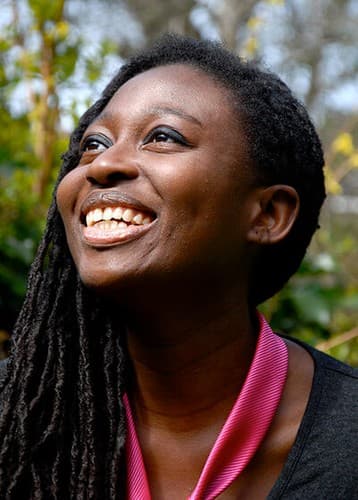
Helen Oyeyemi FRSL is a British novelist and writer of short stories.
Similar books
- Tenth of December
George Saunders
4.0 (62k) average on GoodreadsLiterary FictionA collection of short stories with unique voices and often a touch of the absurd, exploring human nature.
- The Starless Sea
Erin Morgenstern
3.9 (89k) average on GoodreadsFantasyFeatures a secret society, hidden libraries, and a magical, interconnected narrative driven by mystery and symbolism.
- Labyrinths
Jorge Luis Borges
4.4 (34k) average on GoodreadsFictionA collection of short stories known for their philosophical depth, intricate symbolism, and exploration of complex ideas like infinite libraries and alternate realities.
- The Ocean at the End of the Lane
Neil Gaiman
4.0 (481k) average on GoodreadsFantasyNeil Gaiman's The Ocean at the End of the Lane (2013) shares Oyeyemi's comfort with integrating the fantastical into the everyday, particularly through the lens of childhood memory and ancient, mysterious forces. Both authors create worlds where magic is an inherent part of the landscape, and where characters confront profound truths through encounters with the supernatural. However, Gaiman's work often leans more explicitly into traditional fantasy and horror elements, with a clearer sense of external threats and a more defined quest narrative, even if subtle. Oyeyemi's magic is often more internalized, symbolic, and subtly woven into the fabric of human relationships and personal histories, less about grand battles against ancient evils and more about the quiet, transformative power of secrets and stories themselves. Both excel at world-building and crafting evocative prose, but Oyeyemi's approach to the fantastic feels more akin to literary magical realism, while Gaiman often straddles the line between literary fiction and genre fantasy more directly.
- The Old Man and the Sea
Ernest Hemingway
3.8 (831k) average on GoodreadsLiterary FictionA Cuban fisherman's long struggle with a giant marlin becomes a story of endurance and dignity, now retold for young adults with illustrations, phonetic guides, and writing prompts in Traditional Chinese.
- One Hundred Years of Solitude
Gabriel García Márquez
4.1 (753k) average on GoodreadsLiterary FictionThrough the multi-generational story of the Buendía family, a mythical town deals with the repeating patterns of time, love, and solitude, as the extraordinary mixes with the ordinary.


Enjoyed the summary?
A summary gives you the shape of the book. The book itself has the detail, the examples and the voice.
Find What is Not Yours is Not Yours on AmazonAs an Amazon Associate, BookBrief earns from qualifying purchases. How we're funded