

Synopsis
Covers the whole plot, including the ending.
- Difficulty
- Easy
- Pacing
- Moderate
- Mood
- Melancholy, Romantic, Reflective, Hopeful
- Read it if
- You enjoyed 'If I Stay' and want to know what happened to Mia and Adam, or if you like angsty, emotional second-chance romances with a focus on music and personal growth.
- Skip it if
- You prefer fast-paced plots with high external stakes, or if you dislike introspective narratives heavily focused on past events and emotional processing.
Where She Went Plot Summary
Covers the whole plot, including the ending.
A Chance Encounter in New York
Three years after the car accident that killed Mia's family and almost her life, Adam Wilde is a successful rock star with his band, Shooting Star. He is in New York City for a concert, feeling distant and unhappy with his fame and constant attention. His celebrity girlfriend, Bryn, has flown back to Los Angeles, leaving him alone. Adam walks through the city, restless and thinking about Mia. He ends up at Carnegie Hall, drawn by an unknown feeling. There, he sees a poster for a cello concert featuring Mia Hall, now a student at Juilliard. Overwhelmed, he attends the concert, watching her perform with awe, pain, and longing. After the concert, he waits for her outside, and they have a tense, emotional reunion.
A Stolen Night
After their awkward reunion outside Carnegie Hall, Mia hesitates but agrees to spend the night with Adam. She is careful, having built a new life, and Adam is still hurt by her sudden departure three years earlier. They walk through the rainy New York streets, heading to her apartment on a quiet, brownstone-lined street. The air is heavy with unspoken words and unresolved emotions. As they go through the city, Adam's thoughts show his deep pain and confusion about Mia's decision to leave him. Mia, in turn, is guarded, but a spark of their old connection shows in their shared looks and pauses.
Mia's Apartment and the Weight of Absence
Mia takes Adam back to her apartment, a small, simple space that shows her new, solitary life. The contrast with their past in Oregon, full of family and music, is clear. Adam observes her new life, without the familiar things and warmth of her old home. They talk, but their conversation is forced, filled with unspoken grief and resentment. Adam wants answers about why Mia left him. Mia struggles to explain the impact of her trauma and how it led to her cutting ties with everything from her past, including him. The apartment silently witnesses their struggles and the distance that has grown between them.
The Ghost of Their Past
As they continue talking, Adam often thinks back to the time after the accident. He remembers his vigil at Mia's hospital bed, the uncertainty of her survival, and his belief that she would choose to live. He recalls the first days of her physical recovery, the slow process of healing her body. But he also remembers the growing emotional distance, how Mia withdrew into herself, unable to cope with the loss of her family. He describes the day she broke up with him, choosing Juilliard and a life separate from their past, leaving him heartbroken and confused. This memory is a central wound that still troubles Adam.
A Glimpse into Mia's Present
Mia, still reserved, slowly begins to talk about her life at Juilliard. She describes the demanding schedule, the intense competition, and her commitment to her cello. Adam sees her passion, recognizing the same drive and talent he always admired, but now it is focused on one thing that seems to exclude everything else. She explains how music became her refuge, her way of dealing with grief and trauma. Her dedication is complete, almost a way to survive. Adam realizes that her music is not just a career choice; it is part of her new identity, shaped by her loss. Her apartment, though sparse, holds her cello, a constant reminder of her chosen path.
The Unspoken Pain
Adam, unable to let go of the pain of Mia's leaving, finally confronts her directly, asking why she left him. He expresses his feelings of abandonment and betrayal. Mia, at first resistant, eventually breaks down, revealing the burden of surviving when her family died. She explains that being around Adam, who represented everything from her past, was too painful, a constant reminder of what she had lost. She felt she could not heal or move forward while holding onto her old life. She describes the guilt, the overwhelming feeling of being a survivor, and the need to create a new identity, even if it meant sacrificing their relationship. Her honesty, though painful, starts to close the gap between them.
A Walk Through the City of Dreams
As the night goes on, Mia takes Adam on a tour of her New York. They visit her favorite spots, places where she finds comfort and inspiration. They walk through Central Park, ride the subway, and share a late-night meal at a diner. During these moments, they start to lower their defenses. Adam sees the city through Mia's eyes, understanding how it has become her safe place and a symbol of her new beginning. They talk about their music, their dreams, and the struggles of their paths. Old jokes come back, and the easy friendship they once shared slowly returns. The city, lively, becomes a background for their tentative reconnection, a space where their past and present can briefly exist together.
The Weight of Fame and the Cost of Survival
Adam talks about the heavy burden of his fame, the constant touring, the lack of privacy, and the feeling of being trapped by his success. He admits to feeling lost and unfulfilled, despite achieving his dreams. Mia listens, recognizing a similar isolation in his words. She, in turn, acknowledges the pressure of living up to her potential at Juilliard and the constant battle with her grief. They both realize that while their paths diverged, they each carried heavy burdens. This shared vulnerability leads to a deeper understanding and empathy between them, breaking down some of the walls built over three years.
Unfinished Business and Lingering Love
As dawn approaches, Adam and Mia are back at her apartment. The emotional intensity of the night reaches its peak. All the unspoken words, the lingering love, and the unresolved pain come together. They acknowledge their deep feelings for each other, feelings that never truly faded despite distance and time. The physical and emotional connection they once shared reawakens with power. They share a passionate, tender reunion, the end of their journey through grief, resentment, and rediscovery. It is a moment of intimacy, showing that despite everything, their love for each other lasts and might still have a future.
A Glimmer of Hope
With the morning light, a quiet understanding settles between Adam and Mia. The night has been a release, a painful but necessary look at their past. While no easy answers or guaranteed solutions appear, a fragile hope for their future emerges. They do not make grand promises or definite plans, acknowledging the complexities of their separate lives and commitments. However, their connection has been re-established. Adam leaves Mia's apartment feeling a peace he has not felt in years, a renewed sense of purpose, and the possibility that their story is not over. Mia, too, seems lighter, having finally shared her pain and found a way back to the person who understood her best.
Where She Went Characters
Adam Wilde
Protagonist
A successful rock star haunted by his past love and the pressures of fame.
Adam is the lead singer and guitarist of the popular rock band, Shooting Star. He is deeply artistic, sensitive, and fiercely loyal, especially to Mia. Three years after Mia left him, he is still profoundly heartbroken and confused by her abandonment. Despite his outward success and celebrity status, he feels isolated and unfulfilled, constantly grappling with the demands of his career and the emptiness left by Mia's absence. He views his fame as a cage and struggles with the authenticity of his life. He is driven by a desperate need for answers and closure regarding his relationship with Mia.
Relationships: Mia Hall (Ex-girlfriend, first love, soulmate. Their relationship is the central focus, marked by deep love, shared trauma, and eventual rekindling.); Bryn (Current celebrity girlfriend, a superficial relationship that highlights Adam's emotional detachment.); Shooting Star (bandmates) (Professional colleagues and friends, though Adam feels a growing distance from them due to his internal struggles.)
Mia Hall
Protagonist/Love Interest
A prodigious cellist and Juilliard student, a survivor of immense loss.
Mia is an incredibly talented classical cellist, driven by a profound connection to her music. She is a survivor of a devastating car accident that killed her entire family, an event that profoundly reshaped her identity. Initially, she was a quiet, introspective girl, but the trauma forced her to become fiercely independent and emotionally guarded. She chose to leave Adam and her past behind to pursue Juilliard, believing she needed to sever all ties to heal and rebuild her life. She carries immense guilt and grief, which she channels into her music. She is intelligent, resilient, and deeply sensitive, though she often keeps her emotions hidden.
Relationships: Adam Wilde (Ex-boyfriend, first love, soulmate. Their relationship is complex, marked by shared history, trauma, and a powerful, enduring bond.); Her deceased family (parents, brother) (The source of her deepest grief and the catalyst for her choices, a constant presence in her internal world.); Her cello/music (Her primary coping mechanism, her passion, and her new identity.)
Bryn
Supporting/Mentioned
Adam's celebrity girlfriend.
Bryn is Adam's current girlfriend, a glamorous actress. She represents the superficiality and detachment of Adam's rock star life. While she is not malicious, her relationship with Adam lacks the depth and emotional connection he shared with Mia. Her presence highlights Adam's emotional emptiness and his struggle to find genuine connection in his new world. She is largely absent from the narrative, serving primarily as a symbol of Adam's current, unsatisfying reality.
Relationships: Adam Wilde (Current girlfriend, a relationship of convenience and surface-level connection.)
Kim
Mentioned
Mia's best friend from her past.
Kim was Mia's best friend before the accident. She represents the supportive, stable relationships from Mia's old life. Adam often thinks of Kim and the other friends who were part of their shared world, highlighting the sense of loss and the severing of ties that Mia initiated. Kim's unwavering loyalty and concern for Mia are briefly alluded to, serving as a reminder of the community Mia left behind.
Relationships: Mia Hall (Best friend from her old life.); Adam Wilde (Friend through Mia.)
Willow
Mentioned
Adam's band manager.
Willow is Adam's band manager, a figure who represents the demanding, relentless nature of the music industry. She is practical, business-focused, and often serves as a source of stress for Adam. Her presence in Adam's thoughts highlights the constant pressure he faces and his desire for escape from the obligations of his career. She is a background character, primarily functioning to illustrate the confines of Adam's fame.
Relationships: Adam Wilde (Band manager, professional relationship.)
Where She Went Themes
Grief and Trauma
The novel explores the lasting effects of grief and trauma on survivors. Mia's decision to leave Adam and start a new life is a direct result of her inability to cope with the loss of her family while surrounded by reminders of her past. Adam also experiences grief—the loss of his first love and the life they planned. The book shows how trauma can isolate people, force them to make hard choices, and shape who they are. Mia's healing is a solitary struggle; music is her main way of dealing with the pain. The story shows that healing is not simple and often requires facing what one tried to escape, as seen in Mia's honesty with Adam.
“How can I be me without my family? I am a part of them. They were a part of me. How can I be whole when half of me is gone?”
The Cost of Fame vs. Authenticity
Adam's story looks at how fame can isolate and change a person. Despite being a rock star, Adam feels unfulfilled and disconnected from his true self. His celebrity life is shown as superficial, filled with empty relationships and constant attention. He longs for the real connection he shared with Mia, which contrasts with his current life. The novel suggests that while fame brings success, it often costs personal happiness and true identity. Adam's journey involves questioning his success and seeking a life that fits who he is, a journey started by his reunion with Mia.
“I used to think being a rock star was about freedom. Now I know it's just another kind of cage.”
Reconciliation and Forgiveness
A main theme is the difficult process of reconciliation and forgiveness, both of others and oneself. Adam must accept Mia's decision to leave him, understanding that it came from her trauma rather than a lack of love. Mia, in turn, must forgive herself for her choices and allow herself to reconnect with her past and with Adam. The novel shows that forgiveness is not about forgetting but about understanding and accepting. Their night together is a long, difficult conversation that slowly breaks down resentment and hurt, making way for a fragile, yet powerful, reconciliation. It is about moving past the pain to find a way forward, together.
“Maybe love is like a virus. It can happen to anybody at any time. It is a disease that can take over your whole life.”
The Enduring Power of First Love
The novel shows the lasting and powerful nature of first love. Despite three years of separation, distance, and personal growth, Adam and Mia's connection remains strong. Their reunion immediately reignites the deep emotional and physical bond they shared. Their love goes beyond the changes they have gone through, suggesting that some connections are so basic they can withstand even the worst challenges. The story argues that first love, especially one as intense and important as theirs, leaves a mark, able to be rekindled even after years of silence and pain, offering hope for a future together.
“Some roads are just made for two. And some roads are just made for you to walk alone. But sometimes, those roads intersect again.”
Plot Devices & Literary Techniques
Dual Perspective (Implied/Referenced)
While told from Adam's POV, it constantly references the original story from Mia's perspective.
Though 'Where She Went' is exclusively told from Adam's first-person perspective, it functions as a direct continuation and re-examination of events from 'If I Stay,' which was told from Mia's POV. This creates a powerful 'dual perspective' experience for readers familiar with the first book. Adam's narrative is constantly informed by his interpretation of Mia's past choices and his longing for her perspective. This device allows the author to explore the same overarching story from a different angle, revealing new depths to the characters and their shared trauma, and providing a more complete picture of their intertwined destinies.
Flashbacks and Internal Monologue
Adam's present-day narrative is interwoven with extensive reflections on the past.
The novel heavily relies on Adam's internal monologue and numerous flashbacks. As Adam walks through New York with Mia, his thoughts constantly drift back to their shared past in Oregon, the accident, Mia's recovery, and her decision to leave him. These flashbacks are not linear but are triggered by present-day observations, smells, or Mia's words. This device allows the reader to understand the depth of Adam's pain, his unresolved questions, and the profound impact of their history on his current state. It also gradually reveals the story of their breakup from his perspective, filling in gaps and adding emotional weight to their reunion.
The City as a Character
New York City serves as a backdrop and catalyst for their reconnection.
New York City is more than just a setting; it plays a crucial role in Adam and Mia's reunion. For Mia, it represents her new life, her independence, and her sanctuary after the trauma. For Adam, it's initially an unfamiliar, overwhelming place that mirrors his own internal chaos. As Mia guides him through her city, showing him her favorite places, the city becomes a space for their vulnerability and reconnection. It symbolizes new beginnings and the possibility of a future, distinct from the painful memories tied to their old home. The vibrant, anonymous energy of New York allows them to shed their past roles and confront each other as the people they've become.
Where She Went Quotes
“Sometimes you make choices in life and sometimes choices make you.”
“How can you be in love with someone and not want to live with them?”
“I used to think that life was a grand design. Now I realize it’s more like a series of accidents, strung together by our responses to them.”
“Maybe love is not about the fire and the fireworks. Maybe it’s about the quiet, steady warmth that remains after the embers have died.”
“It’s funny how you can miss someone even when they’re right in front of you.”
“The thing about being a rock star is that you can have everything, and still have nothing.”
“Sometimes you have to be apart from people you love to understand how much you love them.”
“There are a million ways to say goodbye, and only one way to say hello.”
“I’ve learned that sometimes the best way to love someone is to let them go.”
“You can’t rewind time. You can’t go back to the way things were. All you can do is move forward.”
“Music is the one thing that can take me back to a time and a place, even if that place doesn’t exist anymore.”
“It's a strange thing, to be so close to someone, and yet so far away.”
“Sometimes the greatest love stories are the ones that don’t have a happy ending, but they leave you with a beautiful scar.”
“Maybe we were never meant to be together forever. Maybe we were just meant to be together for a while.”
Quiz
10 questions on the plot and the characters. Each answer comes with a short explanation.
Question 1
What significant event occurred three years prior to the start of 'Where She Went' that led to Mia leaving Adam's life?
- Mia received a scholarship to Juilliard and moved away.
- Adam's band became famous, and he broke up with Mia.
- A devastating accident that took the lives of Mia's family.
- Mia chose to pursue a solo music career over their relationship.
Show answer
C. A devastating accident that took the lives of Mia's family. The book 'If I Stay' (the prequel) details the car accident that killed Mia's parents and brother, leading to her life-altering decision and subsequent departure from Adam's life.
Question 2
Where does Mia live and study at the beginning of 'Where She Went'?
- Los Angeles, attending a local conservatory.
- New York City, as a student at Juilliard.
- Portland, Oregon, pursuing an independent music career.
- San Francisco, working as a professional cellist.
Show answer
B. New York City, as a student at Juilliard. Mia is described as 'Juilliard's rising star' and living in New York City, which has become her home.
Question 3
Who is the narrator of 'Where She Went'?
- Mia Hall
- Adam Wilde
- Kim, Mia's best friend
- A third-person omniscient narrator
Show answer
B. Adam Wilde The book explicitly states it is 'Told from Adam's point of view in the spare, lyrical prose that defined If I Stay'.
Question 4
What is Adam's current professional status at the beginning of the novel?
- A struggling musician trying to make it in LA.
- A successful rock star, frequently featured in tabloids.
- A music producer working behind the scenes.
- Retired from music and pursuing a different career.
Show answer
B. A successful rock star, frequently featured in tabloids. Adam is described as 'LA tabloid fodder, thanks to his new rock star status and celebrity girlfriend'.
Question 5
What causes Adam to be 'stuck in New York by himself,' leading to his reunion with Mia?
- He planned a secret trip to surprise Mia.
- His band had a concert, and he stayed behind for personal reasons.
- A sudden flight cancellation left him stranded after a show.
- His band was performing, and he was left alone after the show due to an unspecified circumstance.
Show answer
D. His band was performing, and he was left alone after the show due to an unspecified circumstance. The synopsis states, 'When Adam gets stuck in New York by himself, chance brings the couple together again', implying his band was there but he ended up alone, creating the opportunity for the reunion.
Question 6
What is the primary emotional state Adam is experiencing at the beginning of the book, three years after Mia's departure?
- Relief and contentment with his new life.
- Excitement about his rock star career.
- Underlying grief and unresolved emotional pain.
- Anger and resentment towards Mia.
Show answer
C. Underlying grief and unresolved emotional pain. The book explores 'the devastation of grief' and Adam's perspective, indicating he is still deeply affected by Mia's absence and the past events.
Question 7
What kind of music does Adam's band play, contributing to his 'rock star status'?
- Classical orchestral music
- Indie folk
- Rock music
- Electronic dance music
Show answer
C. Rock music Adam is described as having 'rock star status', clearly indicating his genre of music.
Question 8
What significant theme is explored through Adam and Mia's reunion and their revisiting of the past?
- The challenges of long-distance relationships.
- The impossibility of rekindling old flames.
- The lasting impact of grief and the possibility of renewed hope and love.
- The pressures of fame on personal relationships.
Show answer
C. The lasting impact of grief and the possibility of renewed hope and love. The synopsis states the book 'explores the devastation of grief, the promise of new hope, and the flame of rekindled romance', directly aligning with this option.
Question 9
What is the primary setting for Adam and Mia's reunion and their interactions in 'Where She Went'?
- Los Angeles, where Adam lives.
- Their hometown in Oregon.
- New York City, Mia's current home.
- A European tour stop for Adam's band.
Show answer
C. New York City, Mia's current home. The synopsis clearly states, 'When Adam gets stuck in New York by himself... As they explore the city that has become Mia's home'.
Question 10
How does Mia's decision to leave Adam's life three years prior relate to the central conflict and themes of 'Where She Went'?
- It established her independence, which Adam now struggles to accept.
- It was a result of her grief and a need to escape the past, creating the emotional distance they now confront.
- It was a strategic career move that she now regrets, and Adam holds it against her.
- She was forced to leave by her guardians, and this separation is now a source of resentment.
Show answer
B. It was a result of her grief and a need to escape the past, creating the emotional distance they now confront. Mia's departure was a direct consequence of the devastating accident and her subsequent grief, leading her to seek a new life at Juilliard and creating the emotional chasm that Adam and Mia must now bridge.
Where She Went FAQ
What is the central premise of 'Where She Went'?
'Where She Went' picks up three years after the events of 'If I Stay,' focusing on Adam Wilde's perspective. It details his life as a successful rock star in a band called Shooting Star, his struggles with fame and heartbreak, and his unexpected reunion with Mia Hall in New York City for one night.
What significant event caused Adam and Mia to separate after 'If I Stay'?
After Mia chose to live, she moved to New York to attend Juilliard, pursuing her passion for classical cello. Adam, still reeling from the accident and Mia's decision to leave for the East Coast, felt abandoned and unable to cope with the long-distance relationship, leading to their painful breakup.
Who is Bryn and what is her role in Adam's life at the start of the book?
Bryn is Adam's celebrity girlfriend and a famous actress, who initially accompanies him to New York. She represents Adam's attempt to move on and embrace a different, more public life, though their relationship is largely superficial and strained by Adam's unresolved feelings for Mia.
Where does Adam encounter Mia again, and under what circumstances?
Adam encounters Mia at a party in New York City, hosted by his record label, after Bryn has left him alone. Their meeting is awkward and tense at first, but it sets the stage for them to spend the rest of the night together, revisiting their past.
What is the significance of the title 'Where She Went'?
The title refers literally to Mia's move to New York City and her new life at Juilliard, but also metaphorically to the emotional distance and the different paths she and Adam took after the accident. It encapsulates Adam's persistent wondering about her life and choices.
Are there any specific callbacks or subtle references to 'If I Stay' within 'Where She Went'?
Yes, Adam frequently reflects on specific memories from 'If I Stay,' such as their first date at the classical concert, the significance of the cello, and the tragic accident itself. These flashbacks offer deeper insight into his enduring grief and love for Mia's family.
How does music play a different role for Adam in 'Where She Went' compared to 'If I Stay'?
In 'If I Stay,' music was a shared passion and a source of connection with Mia. In 'Where She Went,' Adam's music (with Shooting Star) has become a source of fame and an outlet for his pain, but also feels commercialized and less authentic, especially in contrast to Mia's classical pursuits.
What is the hidden meaning behind Adam's song 'Mia'?
The song 'Mia' is a deeply personal and heartbreaking tribute to Mia Hall, detailing his loss, longing, and the pain of their separation. While it became a hit, its true meaning is often misunderstood by the public, making it a constant, bittersweet reminder of his unresolved feelings.
How does Adam's celebrity status impact his emotional state and his relationship with Mia?
Adam's celebrity status isolates him, makes him distrustful of others' motives, and creates a constant public scrutiny that he despises. It acts as a barrier between him and Mia, as she represents a simpler past and a life he feels he's lost, making their reunion even more complicated.
What psychological journey does Adam undergo during his night with Mia?
Adam's journey is one of confronting unresolved grief, anger, and abandonment. Through their conversations, he begins to understand Mia's perspective on why she left, allowing him to process his own pain and move towards forgiveness and acceptance, both for Mia and himself.
How does Mia's personality and emotional state differ in 'Where She Went' from 'If I Stay'?
In 'Where She Went,' Mia is more guarded, mature, and focused, having channeled her grief into her music. While still carrying deep scars, she appears stronger and more independent than the uncertain Mia of 'If I Stay,' though she still harbors significant emotional vulnerabilities related to Adam.
What role does the setting of New York City play in Adam and Mia's reunion?
New York City, Mia's new home, symbolizes her independence and new life. As Adam navigates it with her, he gains insight into her world, and the city itself becomes a backdrop for their shared memories and the forging of new ones, marking a significant departure from their Oregon roots.
Is the ending of 'Where She Went' definitive, or open to interpretation?
The ending is largely hopeful but leaves some room for interpretation regarding the long-term success of their rekindled romance. While Adam and Mia decide to give their relationship another chance, the challenges of their separate lives and careers remain, suggesting a new beginning rather than a perfectly wrapped conclusion.
Did Mia make the right choice in leaving Adam for Juilliard, even though it caused him so much pain?
This is debatable. From Mia's perspective, pursuing Juilliard was essential for her survival and healing, a way to honor her family's musical legacy and her own talent. From Adam's perspective, it felt like abandonment. The book explores the complexity of this decision without offering an easy answer, highlighting that both choices had profound consequences.
How does 'Where She Went' explore the theme of grief differently than 'If I Stay'?
While 'If I Stay' focused on the immediate, raw grief and the choice to live, 'Where She Went' delves into the long-term, lingering effects of grief and trauma. It shows how loss can manifest years later, affecting relationships, identity, and career choices, particularly through Adam's prolonged struggle with depression and anger.
What is the central message about second chances conveyed in the novel?
The novel suggests that second chances are possible, but they require immense effort, honesty, and a willingness to confront past wounds. It emphasizes that love can endure and evolve, even after significant heartbreak, but only if both individuals are prepared to understand and forgive each other's past actions and present circumstances.
How does the narrative perspective (Adam's POV) shape the reader's understanding of the story?
Adam's first-person perspective provides intimate access to his pain, anger, and enduring love for Mia, allowing readers to deeply empathize with his struggles. It also initially presents Mia from his hurt viewpoint, making her eventual explanations more impactful as the reader learns to see her side of the story through Adam's changing perception.
About the author

Gayle Forman is an American author known for her young adult fiction. Her notable works include "If I Stay," "Where She Went," "Just One Day," "I Was Here," "Just One Year," and "Just One Night." Forman's writing often explores themes of love, loss, and self-discovery.
Similar books
- If I Stay
Gayle Forman
3.9 (712k) average on GoodreadsYoung AdultThis is the direct sequel, continuing the story of Mia and Adam.
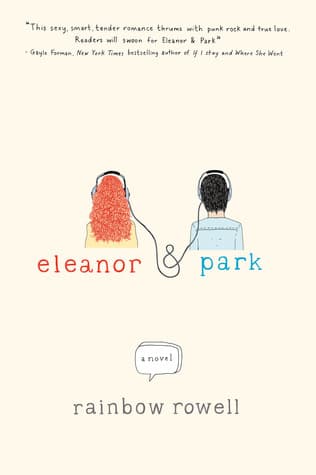
- Eleanor & Park
Rainbow Rowell
4.0 (860k) average on GoodreadsYoung AdultExplores a poignant young adult romance with deep emotional connection and musical elements.
- The Fault in Our Stars
John Green
4.2 (3.6M) average on GoodreadsYoung AdultWhile both Where She Went and The Fault in Our Stars explore young love amidst profound adversity, Forman's novel delves into the aftermath of trauma and the struggle to rebuild a life, whereas Green's focuses on confronting terminal illness. Green's narrative often employs witty, philosophical dialogue to navigate tragedy, offering a more intellectualized emotional landscape. Forman, conversely, relies more on raw, visceral emotion and the internal monologues of her characters, particularly Adam, to convey pain and longing. Where She Went also grapples more explicitly with the challenges of fame and artistic identity, themes less central to Green's work.
- Harry Potter and the Sorcerer's Stone
J.K. Rowling
4.5 (7M) average on GoodreadsFantasyRescued from a miserable life under the stairs, an orphaned boy discovers he's a wizard destined for a magical school, where he uncovers a dangerous secret tied to the dark wizard who murdered his parents.
- The Hunger Games
Suzanne Collins
4.3 (6.4M) average on GoodreadsFantasyIn a future where children fight to the death on live television, Katniss Everdeen volunteers for the arena, turning a death sentence into a fight for survival and a spark of rebellion.
- To Kill a Mockingbird
Harper Lee
4.3 (4.5M) average on GoodreadsHistorical FictionIn the 1930s Jim Crow South, Harper Lee writes about racial injustice, moral growth, and the quiet courage of a lawyer father, Atticus Finch, as seen through his young daughter's eyes.





Enjoyed the summary?
A summary gives you the shape of the book. The book itself has the detail, the examples and the voice.
Find Where She Went on AmazonAs an Amazon Associate, BookBrief earns from qualifying purchases. How we're funded