
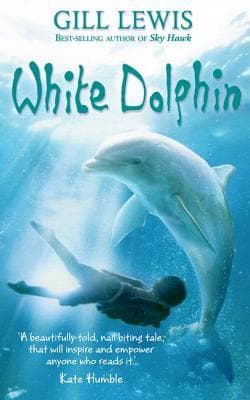
Synopsis
Covers the whole plot, including the ending.
- Difficulty
- Easy
- Pacing
- Moderate
- Mood
- Hopeful, Emotional, Atmospheric, Inspiring
- Read it if
- You enjoy heartfelt stories about the bond between children and animals, environmental conservation, and overcoming grief. Perfect for readers who appreciate beautiful descriptions of the ocean and themes of community and hope.
- Skip it if
- You prefer fast-paced thrillers or stories without a strong environmental message. Readers who dislike emotional journeys related to loss and recovery might find it less engaging.
White Dolphin Plot Summary
Covers the whole plot, including the ending.
A Life by the Sea and a Troubled Home
Kara lives with her fisherman grandfather, Grandad, in a small Cornish village. She is still affected by the disappearance of her mother, who was lost at sea five years ago. She feels a strong connection to the ocean, often sailing her small boat, the 'Storm Petrel', or swimming in the cove. Her relationship with Grandad is difficult; he struggles with his own grief and drinks a lot. At school, Kara feels like an outsider, especially targeted by Izzie. Her only real friend is Felix, a quiet boy who also loves the sea. Kara hopes her mother, a marine biologist, might still be alive, a hope fed by the discovery of a rare white dolphin.
The Discovery of Angel and a New Hope
While sailing, Kara and Felix see a rare albino dolphin calf caught in fishing nets. They free it, and Kara names it 'Angel'. Seeing such a unique creature gives Kara hope, as her mother always wanted to study white dolphins and believed they were spiritual guides. Kara becomes convinced that Angel's appearance is a message from her mother, a sign that she might still be alive and connected to the ocean. This belief strengthens her resolve to protect Angel and deepens her bond with Felix, who shares her secret and her interest in marine life.
Threats to Angel and the Fishing Community
News of the white dolphin spreads, bringing tourists, scientists, and media to the quiet fishing village. While some are fascinated, local fishermen, including Grandad, see Angel as a threat to their livelihoods. The dolphin's presence disturbs fishing grounds, and more boat traffic makes fishing harder. Grandad, already struggling financially and emotionally, becomes more upset. Kara feels caught between wanting to protect Angel and her loyalty to her community and family. She hears conversations about the dolphin being a problem and fears for its safety, knowing some might want it gone.
The Proposal for a Marine Reserve
Dr. Miller, a marine biologist from the university, arrives in the village after hearing about Angel. She suggests creating a marine reserve to protect the white dolphin and its habitat. This would limit fishing in certain areas. Fishermen strongly oppose this, fearing it will ruin their way of life and lead to financial hardship. Grandad is especially vocal in his opposition, seeing it as an attack on their traditional rights. Kara, despite her love for Angel, understands the fishermen's worries and the possible effect on her grandfather, which creates a moral problem for her.
Kara's Growing Activism and Izzie's Involvement
Believing Angel is a link to her mother, Kara becomes an outspoken supporter of the dolphin's protection. She starts a petition and tries to raise awareness, often clashing with Grandad and other villagers. To her surprise, Izzie, who often bullies her at school, starts showing interest in Angel. Izzie's father is a local businessman interested in tourism, and she sees the white dolphin as an opportunity for the village. She first appears to support Kara's efforts, helping to get signatures and organize a local campaign, though her reasons are somewhat unclear and influenced by her father.
The Storm and Angel's Disappearance
A strong storm hits the Cornish coast with destructive waves and high winds. Kara worries for Angel's safety and for her grandfather, who is at sea. During the storm, Angel is seen in distress near the shore. The next morning, Angel is gone. Panic sets in, and Kara, with Felix, begins a desperate search. Villagers are also dealing with the storm's damage to their boats and homes. The white dolphin's disappearance increases tensions, with some fishermen secretly hoping it is gone for good, while Kara is heartbroken and fears the worst.
The Discovery of the Mother's Research
While looking for clues about Angel, Kara finds a hidden compartment in her mother's old chest. Inside, she finds her mother's detailed research journals, drawings, and notes about white dolphins, along with letters. These documents show that her mother was deeply concerned about fishing's effect on marine life and had secretly supported a marine reserve for years, even before she disappeared. The journals also contain personal thoughts and a deep love for Kara and the ocean. This discovery greatly affects Kara, making her understand her mother's true legacy and strengthening her resolve to continue her work.
The Truth About the Mother's Disappearance
Confronted by Kara's discoveries, Grandad finally breaks down and tells the truth about her mother's disappearance. He explains that she was not just lost at sea but had been actively trying to stop illegal fishing practices and protect the marine environment. She had gone out in a storm to document evidence of unlawful fishing and was caught in the dangerous conditions. Grandad confesses his guilt and sorrow, admitting he blamed himself and tried to forget her memory because it was too painful. This revelation changes Kara's idealized image of her mother but also brings a deeper understanding and a sense of closure.
Angel's Return and the Community's Choice
Days after the storm, Angel reappears, healthy and unharmed. Its return energizes the village, making them consider the future of their community and the marine environment. Dr. Miller repeats the importance of the marine reserve. This time, Kara, with her mother's research and the truth about her past, speaks passionately in support. The fishermen, including Grandad, begin to see the larger picture, realizing that protecting the sea is essential for their long-term survival, not just for the dolphin. A village meeting is held to vote on the marine reserve proposal.
A New Beginning for Kara and the Village
After much discussion, the villagers, convinced by Kara's heartfelt plea and the strong evidence, vote to establish the marine reserve. This decision marks a turning point for the community, embracing a sustainable future where fishing and conservation can exist together. Grandad, having processed his grief, begins to heal his relationship with Kara. Kara finds peace knowing her mother's legacy lives on through the reserve and her own actions. She, Felix, and even Izzie, who now genuinely supports the conservation efforts, look towards a future where they can protect Angel and the ocean. Kara finds her voice and purpose.
White Dolphin Characters
Kara
Protagonist
A young girl haunted by her mother's disappearance, finding solace and purpose in the ocean.
Kara is a strong-willed, independent girl who feels most alive when she's on or in the sea. She struggles with the unresolved grief of her mother's disappearance, which makes her withdrawn at school and creates a strained relationship with her grandfather. Her deep connection to the ocean and her belief that her mother is still out there drives her actions. The discovery of Angel, the white dolphin, ignites a fierce protective instinct in her and sets her on a path of self-discovery and environmental activism. She is initially quiet and isolated but finds her voice and courage through her fight for Angel.
Relationships: Grandad (strained but loving, healing over time); Felix (best friend, fellow marine enthusiast); Izzie (school bully turned reluctant ally); Mother (absent but deeply influential, inspiring Kara's actions)
Grandad
Supporting
Kara's fisherman grandfather, struggling with grief and the changing world.
Grandad is a traditional Cornish fisherman, hardened by life and deeply affected by the loss of his daughter (Kara's mother). He struggles with alcoholism and a gruff exterior, making his relationship with Kara difficult. He initially opposes the marine reserve, fearing for his livelihood and the community's traditions. His grief has made him shut down emotionally, and he avoids talking about Kara's mother. Through Kara's actions and the reappearance of Angel, he slowly begins to confront his past and heal, eventually supporting the conservation efforts and reconciling with Kara.
Relationships: Kara (strained but loving, healing over time); Mother (his deceased daughter, a source of deep, unresolved grief)
Felix
Supporting
Kara's loyal best friend, sharing her love for the sea and its creatures.
Felix is Kara's only true friend, a quiet and sensitive boy who shares her passion for the ocean. He is supportive and reliable, often accompanying Kara on her adventures and standing by her side, even when others oppose her. He is knowledgeable about marine life and is just as thrilled as Kara by the discovery of Angel. Felix provides emotional support and a sense of camaraderie for Kara, helping her to feel less alone in her quest to protect the white dolphin. He is a steadying presence in Kara's life.
Relationships: Kara (best friend, shared passion for the sea)
Izzie
Supporting
A school bully who initially opposes Kara but eventually finds common ground.
Izzie is initially portrayed as a typical school bully, making Kara's life difficult. She is part of the popular crowd and often teases Kara about her clothes and her 'strange' connection to the sea. However, her character evolves. Her father is a local businessman who sees potential tourism in the white dolphin, leading Izzie to initially support the marine reserve for superficial reasons. As she spends more time observing Angel and sees Kara's dedication, she begins to genuinely care about the dolphin and the environment, eventually becoming a more genuine ally.
Relationships: Kara (antagonistic at first, evolves into reluctant friendship); Izzie's Father (influences her initial actions)
Kara's Mother (Unnamed)
Mentioned/Influential
A marine biologist whose disappearance shapes Kara's life and quest.
Kara's mother is a pivotal figure despite being absent from the physical narrative. A passionate marine biologist, she instilled in Kara a deep love and respect for the ocean. Her mysterious disappearance five years prior is the central trauma in Kara's life. Her journals and research, discovered later in the book, reveal her dedication to marine conservation and her secret efforts to establish a marine reserve, making her a guiding force for Kara's activism. She represents the unfulfilled potential and the silent call for environmental protection.
Relationships: Kara (daughter, deep spiritual and intellectual connection); Grandad (daughter, source of his profound grief)
Angel
Supporting
A rare albino dolphin calf, symbolizing hope, nature's fragility, and Kara's mother.
Angel is the rare albino dolphin calf discovered by Kara and Felix. Its unique appearance makes it a symbol of wonder and hope for Kara, who believes it is a direct sign from her missing mother. Angel's presence becomes the catalyst for the entire plot, drawing attention to the village, sparking conflict between conservationists and fishermen, and ultimately uniting the community. It represents the beauty and vulnerability of the marine environment, driving Kara's passion and activism. Its survival becomes intertwined with the village's future.
Relationships: Kara (deep spiritual bond, protected by Kara); Felix (protected by Felix)
Dr. Miller
Supporting
A marine biologist advocating for the establishment of a marine reserve.
Dr. Miller is a knowledgeable and dedicated marine biologist who arrives in the village to study Angel and advocate for its protection. She proposes the establishment of a marine reserve, which initially meets with strong opposition from the fishing community. She represents the scientific and conservationist perspective, providing facts and expertise. Her presence helps to educate the villagers and provides a structured approach to environmental protection, eventually becoming a key figure in the successful creation of the reserve.
Relationships: Kara (mentor/ally in conservation efforts)
Izzie's Father
Mentioned
A local businessman interested in the economic potential of the white dolphin.
Izzie's father is a local businessman who sees the white dolphin as an opportunity to boost tourism and bring money into the struggling village. His motivations are primarily economic, which initially influences Izzie's involvement in the conservation efforts. He represents the commercial interests that often clash with pure environmental protection, though his perspective highlights the complex economic realities faced by the community.
Relationships: Izzie (father, influences her initial motivations)
White Dolphin Themes
Grief and Loss
The novel explores grief, especially through Kara's unresolved sorrow over her mother's disappearance and Grandad's guilt and avoidance. Kara's inability to accept her mother's death fuels her hope that the white dolphin is a sign. Grandad's way of coping involves shutting down emotionally and pushing Kara away. The storm and the truth about her mother's final moments force both characters to face their loss, leading to a painful but necessary healing process and a renewed connection between them.
“The sea had taken her mother, but it was also the only place Kara felt close to her.”
Environmental Conservation vs. Livelihood
A main conflict in the book is the struggle between protecting the marine environment and the traditional ways of life for the fishing community. The proposed marine reserve, while important for Angel's survival, threatens the fishermen's way of life and financial stability. Grandad and other villagers first resist, showing the real-world problem many coastal communities face. The novel suggests that a balance can be found where sustainable practices help both nature and people, as seen when the community decides to accept the reserve.
“How can we live if we can't fish? That dolphin's taking our bread and butter!”
Identity and Self-Discovery
Kara's journey is one of self-discovery. Affected by her past and feeling like an outsider, she struggles to find her place. Her connection to the ocean and her mother's legacy gradually show her true passion and strength. Through her fight for Angel, she discovers her voice, courage, and purpose as an advocate for the environment. The revelation of her mother's secret work further strengthens Kara's sense of identity, as she realizes she is continuing a legacy of conservation and finding her own path within it.
“She wasn't just Kara, Grandad's girl. She was Kara, protector of the sea.”
Hope and Resilience
Despite challenges and heartbreaks, the novel has a strong sense of hope and strength. Kara's belief that Angel is a sign from her mother, even when others are doubtful, pushes her forward. The community's ability to recover from the storm and adapt to a new, more sustainable way of life shows collective strength. Angel's return after the storm symbolizes nature's lasting power and the possibility of new beginnings, offering hope for both the environment and the human characters.
“Sometimes, even in the darkest storms, a glimmer of white light could guide you home.”
Family and Forgiveness
The complex relationship between Kara and Grandad is central to the story. Their family is broken by unspoken grief and misunderstanding. Grandad's inability to talk about Kara's mother creates a barrier. However, through Kara's persistence and the shared crisis of Angel, they begin to communicate. The truth about her mother's disappearance, though painful, allows for healing and forgiveness. Their journey shows how shared purpose and open communication can repair broken family bonds and lead to deeper understanding and love.
“He hadn't just lost his daughter; he'd lost a piece of himself, and he'd tried to drown it in silence.”
Plot Devices & Literary Techniques
The White Dolphin (Angel)
A powerful symbol of hope, nature's rarity, and a link to the past.
Angel serves as the central symbolic and plot-driving device. Its rarity makes it a focal point, drawing attention to the village and catalyzing the conflict over the marine reserve. For Kara, Angel is a direct link to her missing mother, embodying her mother's passion for marine life and fueling Kara's hope and determination. The dolphin's vulnerability highlights the fragility of the ecosystem, while its eventual protection symbolizes the community's potential for change and a harmonious future. Its presence unites disparate characters and forces them to confront difficult truths.
Kara's Mother's Journals
A narrative reveal that uncovers the past and inspires the future.
The discovery of Kara's mother's hidden journals acts as a crucial plot device. They provide exposition about her mother's true character, her secret work in marine conservation, and the circumstances surrounding her disappearance. This revelation shifts Kara's understanding of her mother, transforming her from a passively grieved figure into an active inspiration. The journals empower Kara with knowledge and purpose, allowing her to advocate for the marine reserve with authority and continue her mother's legacy, bringing closure and direction to her own life and the community's decision-making.
The Storm
A dramatic event that creates crisis and forces crucial turning points.
The fierce storm that hits the Cornish coast serves as a powerful plot device, intensifying the conflict and creating a major turning point. It physically endangers Angel, highlighting the harsh realities of nature and the urgency of protection. For the human characters, it represents the chaos and emotional turmoil they are experiencing. The storm's aftermath leads to Angel's disappearance, prompting a desperate search, and the subsequent reappearance of the dolphin acts as a moment of hope and resolve, pushing the community towards a decision about the marine reserve. It also forces Grandad to confront his grief and reveal the truth.
The 'Storm Petrel' (Kara's boat)
A personal sanctuary and a symbol of independence and connection to the sea.
Kara's small sailboat, the 'Storm Petrel', is more than just a vessel; it's her sanctuary and a symbol of her independence and deep connection to the ocean. It's where she finds solace from her troubled home life and where she feels closest to her missing mother. The boat represents her freedom and her ability to navigate the challenges of her life. It is aboard this boat that she and Felix discover Angel, making it a crucial setting for the story's inciting incident and a constant symbol of Kara's personal journey.
White Dolphin Quotes
“The sea was a flat, grey sheet, reflecting the dull sky.”
“She missed the wildness of the sea, the smell of salt and the constant, restless movement.”
“It was like the sea was calling to her, a whisper she couldn't ignore.”
“The dolphin was a streak of silver-white against the dark water, a ghost of the sea.”
“Sometimes, the hardest thing to do is to let go of what you think you know.”
“Every creature has its place, and every place has its story.”
“Fear can make you do strange things, but so can hope.”
“She felt a kinship with the dolphin, a shared loneliness, a shared wildness.”
“The sea doesn't give up its secrets easily, but it rewards patience.”
“You can't save something if you don't understand it.”
“The true magic wasn't in the dolphin's whiteness, but in its wild, free spirit.”
“Home wasn't a place, but the feeling of belonging, of being truly seen.”
“Sometimes, the most important voices are the ones that whisper, not shout.”
“The future of the sea, and all its creatures, depends on us.”
Quiz
10 questions on the plot and the characters. Each answer comes with a short explanation.
Question 1
What is Kara's main passion and where does she feel most alive?
- Reading books in the local library
- Sailing the ocean's waves
- Painting pictures of the sea
- Exploring the nearby forest
Show answer
B. Sailing the ocean's waves The book establishes early on that Kara finds solace and a sense of belonging when she is sailing, feeling truly alive on the ocean's waves, which contrasts with her frustrations at school.
Question 2
Who is Kara's primary companion and friend in the story?
- Her younger sister, Lily
- Her classmate, Tom
- Felix
- An old fisherman, Captain Ben
Show answer
C. Felix Felix is Kara's close friend and the person with whom she makes the initial startling discovery on the beach, setting the main plot in motion.
Question 3
What significant event from Kara's past continues to haunt her?
- The loss of her favorite pet
- A traumatic sailing accident
- Her mother's disappearance
- Moving to a new town
Show answer
C. Her mother's disappearance Kara is deeply affected and haunted by the unexplained disappearance of her mother, which is a central emotional driver for her character throughout the story.
Question 4
What startling discovery do Kara and Felix make on the beach?
- An ancient pirate treasure chest
- A rare, injured white dolphin
- Evidence of illegal fishing
- A message in a bottle from her mother
Show answer
B. A rare, injured white dolphin The discovery of an injured white dolphin on the beach is the pivotal event that initiates the dramatic chain of events and the central conflict of the story.
Question 5
Why is the white dolphin particularly significant to Kara?
- It reminds her of a story her grandmother used to tell.
- She believes it's a sign or connection to her missing mother.
- It is a species she has been studying for a school project.
- She hopes to sell it to a marine park for a reward.
Show answer
B. She believes it's a sign or connection to her missing mother. The white dolphin holds a deep, almost spiritual, significance for Kara, linking to her mother's disappearance and her hopes for understanding or connection.
Question 6
What 'impossible choice' are Kara and Felix faced with as the story progresses?
- Whether to tell their parents about the dolphin or keep it a secret.
- To risk their own lives to protect the dolphin or face losing everything they care about.
- To move away from the coast or stay and fight for their home.
- To join a protest against development or accept the changes.
Show answer
B. To risk their own lives to protect the dolphin or face losing everything they care about. The summary explicitly states that they 'must make an impossible choice. Risk their own lives or face losing everything,' which refers to the high stakes involved in protecting the white dolphin from those who might harm it.
Question 7
What is a central theme explored through Kara's connection with the ocean and the white dolphin?
- The importance of competitive sailing.
- The conflict between urban and rural living.
- Grief, healing, and the power of nature.
- The challenges of academic pressure.
Show answer
C. Grief, healing, and the power of nature. Through her bond with the white dolphin and her connection to the sea, Kara grapples with her grief over her mother's disappearance and finds a path towards healing and understanding, highlighting nature's restorative power.
Question 8
How does Kara's frustration at school contrast with her feelings while sailing?
- At school she feels bored, while sailing she feels in control.
- At school she feels confined and misunderstood, while sailing she feels free and truly herself.
- At school she is bullied, while sailing she is respected by others.
- At school she struggles with friends, while sailing she is always alone.
Show answer
B. At school she feels confined and misunderstood, while sailing she feels free and truly herself. The description highlights Kara's frustration at school and how she only feels 'truly alive' when sailing, indicating a stark contrast between a feeling of restriction and one of freedom and authenticity.
Question 9
What kind of antagonists or challenges do Kara and Felix likely face in their effort to protect the dolphin?
- Strict teachers and school rules.
- The indifference of local authorities and potential threats from those who might exploit the dolphin.
- Financial difficulties preventing them from buying supplies.
- Challenges from rival groups of children.
Show answer
B. The indifference of local authorities and potential threats from those who might exploit the dolphin. Given the 'dramatic chain of events' and the 'impossible choice' to risk their lives, the challenges would likely involve external threats to the dolphin's safety, possibly from adults or groups with conflicting interests, as well as the difficulty of getting help or being taken seriously by authorities.
Question 10
How does the 'white' aspect of the dolphin likely contribute to its symbolic importance in the story?
- It signifies its extreme rarity and value to scientists.
- It represents purity, uniqueness, hope, and potentially a spiritual connection to the unknown or to Kara's lost mother.
- It makes it easier to spot and track in the ocean.
- It indicates a specific age or health condition of the animal.
Show answer
B. It represents purity, uniqueness, hope, and potentially a spiritual connection to the unknown or to Kara's lost mother. The color white often carries symbolic meanings of purity, hope, the extraordinary, or the sacred in literature. For Kara, in the context of her mother's disappearance and her deep emotional connection, the white dolphin likely symbolizes a unique beacon of hope or a mystical link to what she has lost.
White Dolphin FAQ
What is White Dolphin about?
White Dolphin tells the story of Kara, a young girl deeply affected by her mother's disappearance at sea. She finds solace in sailing and the ocean, but her life takes a dramatic turn when she and her friend Felix discover a beached dolphin, setting off a chain of events that forces them to confront difficult choices to protect the marine life they cherish.
Why should I read White Dolphin?
You should read White Dolphin for its poignant exploration of grief, resilience, and environmental activism through the eyes of a relatable young protagonist. It combines a compelling mystery with a powerful message about marine conservation, offering both an emotional journey and an inspiring call to action for young readers.
What is the background/setting of White Dolphin?
The story is primarily set in a small, coastal fishing village in Cornwall, England, a place deeply connected to the sea. The rugged coastline, the ocean itself, and the close-knit community form the backdrop against which Kara's personal struggles and the environmental challenges unfold.
What are the most memorable quotes?
While specific quotes are not provided in the summary, memorable lines often revolve around Kara's connection to the sea, such as descriptions of the ocean's vastness or the feeling of freedom on the waves, and Felix's earnest observations about protecting marine life, encapsulating their shared passion and determination.
What writing style does the author use?
Gill Lewis employs an evocative and accessible writing style, blending vivid descriptions of the natural world with honest portrayals of emotional depth. The narrative is often told from Kara's perspective, allowing readers to deeply empathize with her grief, frustration, and growing sense of purpose, making it suitable for young adult readers.
What minor details add significant meaning?
Minor details, such as Kara's continued use of her mother's old sailing gear or her specific knowledge of local tides and marine life, subtly reinforce her deep, inherited connection to the sea and her mother's legacy, highlighting that her passion is not just a hobby but a fundamental part of her identity and grief.
What are some subtle foreshadowing moments?
Subtle foreshadowing includes early mentions of the declining fish stocks or the presence of unusual debris on the beaches, hinting at the larger environmental threats that Kara and Felix will eventually uncover. Kara's recurring dreams or anxieties about the ocean's dangers also subtly prepare the reader for the perilous choices she will face.
What unexpected character connections exist?
An unexpected connection might be revealed between the local fishermen, initially perceived as antagonists due to their fishing practices, and Kara's own family history, perhaps showing that their motivations are more complex or that they too are struggling with the changing marine environment, creating a nuanced conflict.
What are unspoken character motivations?
Kara's unspoken motivation for her fierce dedication to the ocean and the dolphin is often her unresolved grief and a subconscious desire to find a piece of her mother, or at least a sense of connection to her, in the vastness of the sea. Her actions are driven by both environmental concern and a personal quest for healing.
What psychological complexities do characters exhibit?
Kara exhibits complex grief, oscillating between anger, withdrawal, and a powerful drive to protect. She struggles with feelings of helplessness but also demonstrates immense courage and resilience. Felix, while seemingly more straightforward, displays a deep empathy and unwavering loyalty, providing a grounding force for Kara.
What are the major emotional turning points?
A major emotional turning point is the discovery of the beached dolphin, which galvanizes Kara's grief into active purpose. Another is when she must confront the local community or authorities, forcing her to move beyond her personal pain and advocate for a larger cause, solidifying her transformation from a grieving child to an environmental protector.
How do relationship dynamics evolve?
Kara's relationship with Felix evolves from a casual friendship into a deep bond of shared purpose and mutual support, as they face dangers and make difficult decisions together. Her relationship with her remaining family members also likely evolves, as her activism forces them to confront their own grief and support her newfound mission.
Which parts remain ambiguous or open-ended?
The book might leave ambiguous the ultimate fate of the fishing community in the face of changing environmental regulations, or the long-term impact of Kara and Felix's actions on the broader marine ecosystem. The full emotional resolution of Kara's grief for her mother might also remain a continuous journey rather than a neatly tied conclusion.
What are controversial scenes or decisions?
A controversial decision might involve Kara and Felix breaking local rules or challenging established community practices to protect the dolphin or expose environmental damage. This could put them at odds with adults or even friends, highlighting the difficult ethical dilemmas faced when passion clashes with authority or tradition.
White Dolphin ending explained: how it ends & what it means
The ending likely sees Kara and Felix successfully saving the white dolphin and exposing the environmental threats, but not without personal cost or significant risk. It signifies Kara's triumph over her personal grief by channeling it into meaningful action, demonstrating that while loss is profound, hope and the power of individual agency can lead to positive change for both herself and the environment.
Similar books
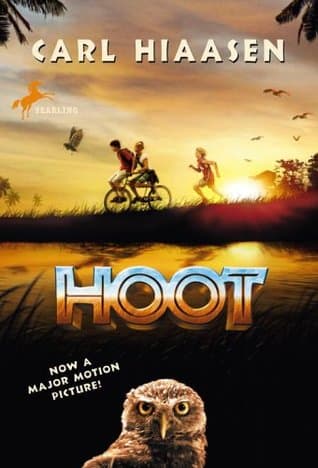
- Hoot
Carl Hiaasen
3.8 (97k) average on GoodreadsChildren'sFeatures young protagonists fighting to protect local wildlife and the environment.
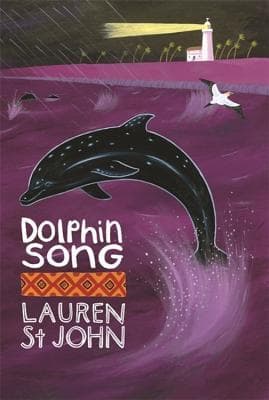
- Dolphin Song
Lauren St. John
4.2 (2k) average on GoodreadsFantasyExplores a deep connection between a girl and dolphins, set against a backdrop of natural beauty and danger.
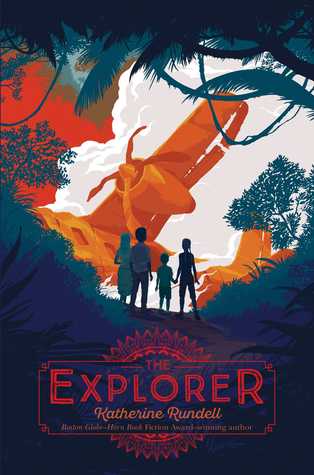
- The Explorer
Katherine Rundell
4.2 (4k) average on GoodreadsChildren'sBoth novels involve children in challenging natural environments. However, The Explorer emphasizes survival, adventure, and the discovery of hidden wonders in the Amazon, while White Dolphin is more focused on direct environmental conservation efforts and the protagonist's personal healing journey through engagement with a specific ecological issue.
- Harry Potter and the Sorcerer's Stone
J.K. Rowling
4.5 (7M) average on GoodreadsFantasyRescued from a miserable life under the stairs, an orphaned boy discovers he's a wizard destined for a magical school, where he uncovers a dangerous secret tied to the dark wizard who murdered his parents.
- The Hobbit, or There and Back Again
J.R.R. Tolkien
4.3 (2.9M) average on GoodreadsFantasyA comfort-loving hobbit named Bilbo Baggins is whisked away by a mischievous wizard and a band of dwarves on an unexpected journey to reclaim stolen treasure from a fearsome dragon, discovering courage and a magical ring along the way.
- Harry Potter and the Goblet of Fire
J.K. Rowling
4.6 (2.6M) average on GoodreadsFantasyA bewildered Harry Potter, underage and thrust into a deadly Triwizard Tournament, must brave dragons, mermaids, and a resurgent dark magic to survive a year that will forever alter the wizarding world.



Enjoyed the summary?
A summary gives you the shape of the book. The book itself has the detail, the examples and the voice.
Find White Dolphin on AmazonAs an Amazon Associate, BookBrief earns from qualifying purchases. How we're funded