
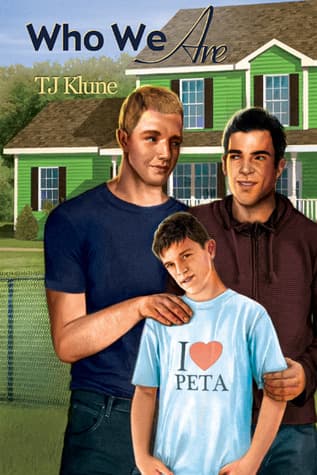
Synopsis
Covers the whole plot, including the ending.
- Difficulty
- Easy
- Pacing
- Moderate
- Mood
- Heartwarming, emotional, humorous, hopeful, romantic
Who We Are Plot Summary
Covers the whole plot, including the ending.
A New Beginning in the Green Monstrosity
After the summer's difficult events, Bear, Otter, and the Kid move into the "Green Monstrosity," a house that represents their new family. Bear can finally openly show his deep love for Otter, a big step in their relationship. The initial joy of this new setup is mixed with the ongoing worry of the Kid's custody battle. Despite their domestic happiness, the realities of their unusual family begin to show, proving that 'happily ever after' is not an end but a continuous process of growth. They try to set routines and define their roles in this new, shared home.
The Return of the Past: Otter's Parents
Otter's parents, who had left him years ago, suddenly return, upsetting the fragile peace he has found with Bear and the Kid. Their return brings up many unresolved feelings for Otter, making him deal with the pain of his past and why they were gone. This interaction strains his relationship with Bear, as Otter struggles to balance his current happiness with his lingering anger. Bear tries to support Otter while also dealing with his own worries about their new family's stability, fearing Otter's past might pull him away.
Navigating Custody and Courtroom Drama
The legal process for the Kid's custody becomes more intense, adding stress to the household. Bear and Otter must prepare for court, facing judgment from a system that might not understand their family. This time is filled with anxiety, legal meetings, and a deep fear of losing the Kid, who has become a key part of their lives. The Kid himself is affected, dealing with the uncertainty of his future. The outcome of this battle is important; it will decide the legal structure of their family and the security of their bond.
The Kid's Therapy and Growing Pains
The Kid starts therapy to process his past trauma and adjust to his new, stable environment. Through his sessions, his unique perspective and emotional depth are explored, showing his struggles and his remarkable strength. His talks with his therapist offer insight into how he sees his new family and the challenges he faces. This part of the story shows the importance of mental health and the long-term effects of childhood experiences, as well as the Kid's path toward healing and understanding himself.
First Forays: A Gay Bar and New Experiences
Bear and Otter go to a gay bar for the first time as a couple, a big step in publicly acknowledging their relationship and joining the LGBTQ+ community. This experience is a mix of excitement, nerves, and discovery, letting them see themselves and their love in a wider context. It is a moment of growth for both, as they navigate a new social setting and strengthen their bond. The outing offers a look at the support within the community, but also the chance of outside judgment.
The Peculiarities of Mrs. Paquinn and Anna & Creed
Mrs. Paquinn, the unusual neighbor, continues to provide humor with her belief in Bigfoot and other strange events, offering a light contrast to the more serious plotlines. Anna and Creed, the other members of their extended family, continue their unique and often messy relationship, with their own unpredictable adventures. These characters broaden the story's world, adding humor, warmth, and a sense of community. Their interactions with Bear, Otter, and the Kid show the diverse relationships that make up their lives.
Jealousies and Old Enemies
As Bear and Otter's relationship grows, new jealousies appear, testing their trust and communication. These internal conflicts are made worse by old enemies returning from their past, who threaten their new peace. These outside pressures force Bear and Otter to face their insecurities and strengthen their commitment to each other. The challenges show the ongoing work needed to keep a strong relationship, especially when facing both internal doubts and outside threats.
Bear's Quest for His Mother's Past
Driven by a strong need for answers, Bear sets out to learn the truth behind his mother's abandonment of him and his brother. This journey takes him deep into their shared past, uncovering old secrets and painful memories. His search is fueled by a desire for closure and a clearer understanding of his own identity. What he finds could change how he sees his mother, his brother, and himself, making him rethink everything he thought he knew about his origins.
Revelations and Redefinitions of Family
Bear's search into his mother's past leads to surprising revelations that challenge his ideas of family. The truths he uncovers are complex, making him reconsider his understanding of abandonment, love, and genetic ties. These discoveries are not always easy, but they give him a deeper, more nuanced view of his own history. This process helps him realize that family is not only defined by blood, but by bonds of love, support, and choice—those who make us whole.
Becoming Who They're Supposed to Be
As the various conflicts resolve and the characters process their individual and shared journeys, they begin to truly accept who they are and the unconventional family they have built. Bear, Otter, and the Kid, along with their friends, find a deep sense of belonging and identity within their chosen family. The struggles and revelations of the past year have solidified their bonds, teaching them that love, resilience, and mutual support are the basis of their happiness. They understand that 'happily ever after' is a continuous process of becoming and growing together.
Principal Figures
Bear
Protagonist
The heart of the family, navigating love, parental responsibility, and a quest for his past.
Bear is a deeply empathetic and often anxious young man who has taken on the primary caregiving role for the Kid. His love for Otter is central to his identity, and he grapples with the complexities of their unconventional family. He is fiercely protective, loyal, and constantly striving to do the right thing, even when it means confronting his own insecurities. His emotional journey is marked by a quest for understanding his mother's abandonment, which significantly impacts his self-perception and his vision of family.
Relationships: Otter (Romantic partner, co-parent); The Kid (Adoptive father figure, guardian); Mrs. Paquinn (Friend, neighbor); Anna (Friend, extended family); Creed (Friend, extended family)
Otter
Protagonist
Bear's steadfast, sometimes troubled, partner, confronting his past and embracing his chosen family.
Otter is Bear's partner, a man who carries the weight of his own abandonment and a complex relationship with his past. He is strong, protective, and deeply committed to Bear and the Kid, but his emotional resilience is tested by the unexpected return of his estranged parents. Otter often uses humor and a seemingly carefree attitude to mask deeper vulnerabilities. He is learning to trust and to allow himself to be vulnerable, embracing the stability and love he has found with Bear and the Kid.
Relationships: Bear (Romantic partner, co-parent); The Kid (Adoptive father figure, guardian); Otter's Parents (Estranged family, source of past trauma)
The Kid
Supporting
The resilient and observant child at the center of the family, processing trauma and finding his place.
The Kid is a young boy who has endured significant trauma but possesses remarkable resilience and an insightful, often humorous, perspective on the world. He is adjusting to his new life with Bear and Otter, and his therapy sessions reveal his inner workings and his unique way of processing emotions. The custody battle for him is a constant source of tension, but he ultimately finds security and love within his unconventional family. He is a keen observer, often making profound statements that highlight the simple truths of their complex lives.
Relationships: Bear (Adoptive father figure, guardian); Otter (Adoptive father figure, guardian)
Mrs. Paquinn
Supporting
The quirky neighbor whose eccentricities provide comic relief and an unconventional perspective.
Mrs. Paquinn is the elderly, eccentric neighbor who firmly believes in Bigfoot and other supernatural phenomena. She is a source of comic relief and unwavering support for Bear, Otter, and the Kid. Her quirky nature and unusual theories often lighten the mood, but she also offers surprising moments of wisdom and genuine affection. She represents the broader, accepting community that surrounds and supports the unconventional family, proving that love and acceptance can come from unexpected places.
Relationships: Bear (Friend, neighbor); Otter (Friend, neighbor); The Kid (Friend, neighbor)
Anna
Supporting
Bear's friend, part of the extended chosen family, navigating her own chaotic relationship with Creed.
Anna is Bear's close friend and a key member of their extended chosen family. She is a dynamic and often chaotic presence, deeply entangled in her on-again, off-again relationship with Creed. Anna offers emotional support, humor, and a grounded perspective to Bear, often being the voice of reason or the catalyst for new experiences. Her own relationship struggles parallel some of the challenges faced by Bear and Otter, adding another layer of relational complexity to the narrative.
Relationships: Bear (Best friend, extended family); Creed (Romantic partner (complicated)); Otter (Friend, extended family)
Creed
Supporting
Anna's partner, a somewhat gruff but ultimately caring member of the extended family.
Creed is Anna's partner, known for his gruff exterior and often sarcastic remarks. Despite his prickly demeanor, he is a loyal and caring member of Bear and Otter's extended family. He provides a different kind of support, often through practical actions or dry humor. His relationship with Anna is a source of both frustration and affection, showcasing another facet of love and commitment within the story. He is reliable when it truly matters, proving his worth to the chosen family.
Relationships: Anna (Romantic partner (complicated)); Bear (Friend, extended family); Otter (Friend, extended family)
Otter's Parents
Antagonist/Supporting
Estranged figures from Otter's past whose return stirs old wounds and challenges his present happiness.
Otter's parents are figures from his past who had previously abandoned him. Their unexpected return into his life serves as a significant catalyst for conflict and emotional turmoil. While not overtly malicious, their presence forces Otter to confront unresolved trauma and the lingering pain of their absence. They represent the past that Otter has tried to move beyond, and their interactions with him highlight the complexities of forgiveness and the long-lasting impact of parental actions. Their role is to challenge Otter's emotional stability and test the strength of his new family.
Relationships: Otter (Estranged parents)
The Custody Lawyer
Supporting
A legal professional guiding Bear and Otter through the daunting custody battle for the Kid.
The custody lawyer is a pragmatic and professional figure who advises Bear and Otter through the challenging legal process of securing the Kid's custody. This character represents the bureaucratic and often impersonal nature of the legal system, contrasting with the deeply emotional stakes for the family. The lawyer's role is crucial in navigating the complexities of family law, providing guidance, and preparing Bear and Otter for court. They are a necessary ally in the fight to formalize their unconventional family unit.
Relationships: Bear (Client, legal advisor); Otter (Client, legal advisor)
Themes & Insights
The Redefinition of Family
This theme explores the idea that family is not only defined by biological ties but by love, commitment, and mutual support. Bear, Otter, and the Kid, along with their extended circle of friends, form an unconventional family that challenges traditional norms. The struggles they face, particularly the custody battle and the return of estranged biological parents, show the strength found in chosen families. The story emphasizes that true family provides belonging, safety, and unconditional love, regardless of blood relation.
“Family is not always defined by blood. It’s defined by those who make us whole—those who make us who we are.”
Healing from Trauma and Abandonment
The book looks at the lasting impact of past trauma, especially abandonment, on its characters. Bear's quest to understand his mother's abandonment and Otter's confrontation with his estranged parents are central to this theme. The Kid's therapy sessions also show the importance of processing past hurts. The story suggests that healing is an ongoing process, and that finding love and support in present relationships is important for overcoming past wounds. It shows the journey toward emotional strength and self-acceptance.
“Sometimes, the only way to heal is to face the things that broke you in the first place.”
The Nature of Love and Commitment
This theme explores the complexities of romantic and familial love. Bear and Otter's evolving relationship, from initial attraction to committed partnership and co-parenting, is a core element. The challenges they face—jealousy, outside pressures, and personal insecurities—test the strength of their bond. The story illustrates that love requires effort, communication, and support. It also includes the deep love between parents and children (both biological and chosen) and the lasting affection among friends, showing the many forms of human connection.
“Love wasn't a fairy tale. It was work. It was messy. It was worth it.”
Identity and Self-Discovery
The characters, especially Bear and Otter, go on journeys of self-discovery as they take on new roles and confront their pasts. Bear's exploration of his family history directly affects his understanding of who he is. Otter deals with his identity when his parents return, questioning who he has become versus who he was. The Kid, through therapy, learns to express his own identity and feelings. The theme emphasizes that identity changes and is shaped by experiences, relationships, and the choices one makes about who they want to be.
“It took a long time to figure out who I was. Even longer to accept it. And then, it turned out, I was still figuring it out.”
Plot Devices & Literary Techniques
The Green Monstrosity
A symbolic setting representing the family's new beginning and evolving identity.
The 'Green Monstrosity,' the house Bear, Otter, and the Kid move into, serves as more than just a setting; it's a powerful symbol of their nascent family unit and their fresh start. Initially an imposing, perhaps even intimidating, structure, it gradually transforms into a warm, safe haven. Its very name, a blend of the unusual and the grand, reflects the unconventional yet deeply loving family it houses. The house becomes a physical manifestation of their commitment to each other and their journey of building a home, both literally and figuratively, from the ground up.
Flashbacks and Revealed Histories
Non-linear narrative elements that uncover past traumas and motivations, driving character development.
The use of flashbacks and the gradual revelation of characters' histories, particularly Bear's mother's abandonment and Otter's past with his parents, is a crucial plot device. These glimpses into the past are not merely expository; they actively shape the present narrative, explaining character motivations, fears, and unresolved conflicts. They add depth to the characters' emotional landscapes, providing context for their current struggles and triumphs. This non-linear storytelling allows for a slow burn of discovery, keeping the reader engaged in piecing together the full picture of their complex lives.
The Custody Battle
An external conflict that externalizes internal fears and tests the family's resilience.
The ongoing custody battle for the Kid functions as a significant external conflict that mirrors and intensifies the internal anxieties of the characters. It represents the societal challenges faced by unconventional families and the legal hurdles they must overcome to be recognized. This device creates constant tension and raises the stakes, forcing Bear and Otter to confront their deepest fears of losing the Kid and the family they've built. It serves as a crucible, strengthening their resolve and highlighting their unwavering commitment to each other and to the Kid's well-being.
Humor and Eccentric Characters
Comic relief and unique perspectives provided by supporting characters to balance heavy themes.
The inclusion of eccentric characters like Mrs. Paquinn and the often-bickering dynamic between Anna and Creed serves as a vital plot device for comic relief and to provide a broader, often lighter, perspective. This humor acts as a counterpoint to the more serious and emotionally heavy themes of trauma, abandonment, and legal battles. These characters offer moments of levity, demonstrating that even amidst profound challenges, joy, quirkiness, and strong community bonds can thrive. They also highlight the diverse and accepting nature of the extended family unit.
Quiz
10 questions on the plot and the characters. Each answer comes with a short explanation.
Question 1
What is the title of the book discussed in the text?
- Bear, Otter, and the Kid
- Who We Are
- The Green Monstrosity
- Family by Blood
Show answer
B. Who We Are The text explicitly states, 'What is the title of the book discussed in the text? ... Who We Are'.
Question 2
Who are the main characters mentioned as having survived last summer?
- Bear and Creed
- Otter and Mrs. Paquinn
- Bear, Otter, and the Kid
- Anna and Creed
Show answer
C. Bear, Otter, and the Kid The text states, 'Bear, Otter, and the Kid survived last summer...'.
Question 3
What is one of the challenges the characters face in their lives after their 'happily ever after'?
- A custody battle for the Kid
- A trip to the moon
- A dispute with the seagulls
- The return of Bigfoot
Show answer
A. A custody battle for the Kid The text lists several challenges, including 'the custody battle for the Kid'.
Question 4
What significant event does Bear struggle to understand and delve into?
- His first trip to a gay bar
- Mrs. Paquinn's belief in Bigfoot
- His mother's abandonment of him and his brother
- The return of old enemies
Show answer
C. His mother's abandonment of him and his brother The text states, 'And through it all, Bear struggles to understand his mother’s abandonment of him and his brother...'.
Question 5
What does the text suggest will happen as Bear delves deeper into his shared past with his brother?
- They will move out of the Green Monstrosity
- They will find out Bigfoot is real
- It will alter their lives forever
- They will reconcile with Otter's parents
Show answer
C. It will alter their lives forever The text says, 'What he finds there will alter their lives forever...'.
Question 6
According to the book's theme, how is family defined?
- Only by blood relation
- By shared experiences and love
- By those who make us whole
- By the number of people in the household
Show answer
C. By those who make us whole The text concludes, 'Family is not always defined by blood. It’s defined by those who make us whole—those who make us who we are.'
Question 7
What is the significance of the 'Green Monstrosity' in the story?
- It is a place of conflict with seagulls.
- It is the new home the characters have moved into.
- It is a place Bear's mother abandoned him.
- It is the name of a gay bar.
Show answer
B. It is the new home the characters have moved into. The text states, 'They’ve moved into the Green Monstrosity...'.
Question 8
Which of the following is NOT mentioned as an element in the story?
- Bad poetry
- Misanthropic seagulls
- A first trip to a gay bar
- A school play
Show answer
D. A school play The text lists bad poetry, misanthropic seagulls, and a first trip to a gay bar as elements. A school play is not mentioned.
Question 9
What does Bear finally admit his love for?
- Otter
- The Kid
- Creed
- The man who saved him from himself
Show answer
D. The man who saved him from himself The text states, 'Bear is finally able to admit his love for the man who saved him from himself.'
Question 10
What is implied about the relationship between Anna and Creed?
- They are the main antagonists of the story.
- They are involved in the custody battle.
- Their actions are somewhat mysterious or undefined.
- They are the parents of the Kid.
Show answer
C. Their actions are somewhat mysterious or undefined. The text says, 'Anna and Creed do… well, whatever it is Anna and Creed do,' implying their specific role or actions are not clearly defined or are secondary to the main plot.
Who We Are FAQ
What is the plot of Who We Are by T.J. Klune?
Who We Are continues the story of Bear, Otter, and the Kid after they've found a semblance of peace. They navigate new challenges including a custody battle, the return of Otter's parents, and Bear's own journey to understand his mother's abandonment, all while exploring themes of found family and self-discovery.
Is Who We Are a sequel?
Yes, Who We Are is a sequel. It follows the characters introduced in T.J. Klune's previous book, 'Bear, Otter, and the Kid.'
What are the main themes in Who We Are?
The primary themes in Who We Are revolve around the definition of family beyond blood ties, the complexities of relationships, processing past trauma, and the journey of self-acceptance and becoming one's true self.
Does Who We Are have a happy ending?
The book suggests a 'happily ever after' is not a static endpoint but an ongoing process. While characters face and overcome challenges, the story emphasizes the continuous journey of growth and strengthening their bonds.
Who are the main characters in Who We Are?
The central characters are Bear, Otter, and the Kid, who are navigating their lives together. The story also features supporting characters like Mrs. Paquinn, Anna, and Creed, as well as Bear's mother and Otter's parents.
What kind of romance is featured in Who We Are?
Who We Are features a central romance between Bear and another male character, exploring the development and challenges of their relationship within the context of their found family.
Are there any sensitive topics in Who We Are?
The book deals with themes of abandonment, trauma, custody battles, and the coming-of-age experiences of LGBTQ+ characters, including their first experiences in a gay bar.
Is Who We Are suitable for children?
While categorized as 'Children's' in some listings, the book contains mature themes and romantic elements that are generally more suited for a young adult or adult audience.
What is the significance of the title 'Who We Are'?
The title 'Who We Are' reflects the central journey of the characters, particularly Bear, as they discover and define their identities, understand their pasts, and realize what it truly takes to become the people they are meant to be, emphasizing that family is about connection, not just biology.
Similar books
- The House in the Cerulean Sea
T.J. Klune
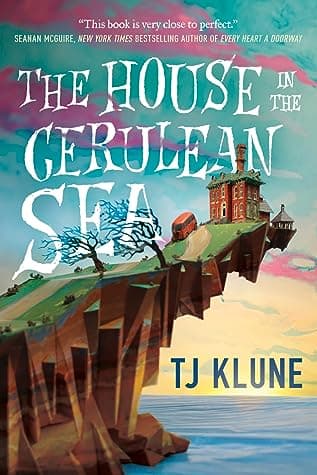
4.5 (22k) average on GoodreadsFantasy"Who We Are" shares significant thematic and stylistic DNA with Klune's own "The House in the Cerulean Sea." Both books feature a protagonist who is initially an outsider or adheres strictly to rules, only to find profound personal transformation and family among a group of unusual, often ostracized individuals. Both explore themes of prejudice, acceptance, and the definition of family with immense warmth and humor. However, "Who We Are" leans slightly more into the internal journey of self-discovery, while "Cerulean Sea" places a greater emphasis on challenging external societal norms and bureaucratic systems.
- Wonder
R.J. Palacio
4.4 (733k) average on GoodreadsChildren'sWhile "Wonder" is undeniably a children's book, it shares with "Who We Are" a powerful message about empathy, acceptance of differences, and the courage to be oneself in the face of judgment. Both books are character-driven and aim to foster understanding and compassion. However, "Wonder" focuses more directly on physical difference and its social impact within a realistic school setting, whereas "Who We Are" uses a more fantastical backdrop to explore broader, more abstract notions of identity, belonging, and the internal struggle to define oneself beyond external perceptions.
- Harry Potter and the Sorcerer's Stone
J.K. Rowling
4.5 (7M) average on GoodreadsFantasyRescued from a miserable life under the stairs, an orphaned boy discovers he's a wizard destined for a magical school, where he uncovers a dangerous secret tied to the dark wizard who murdered his parents.
- The Hobbit, or There and Back Again
J.R.R. Tolkien
4.3 (2.9M) average on GoodreadsFantasyA comfort-loving hobbit named Bilbo Baggins is whisked away by a mischievous wizard and a band of dwarves on an unexpected journey to reclaim stolen treasure from a fearsome dragon, discovering courage and a magical ring along the way.
- Harry Potter and the Goblet of Fire
J.K. Rowling
4.6 (2.6M) average on GoodreadsFantasyA bewildered Harry Potter, underage and thrust into a deadly Triwizard Tournament, must brave dragons, mermaids, and a resurgent dark magic to survive a year that will forever alter the wizarding world.
- Harry Potter and the Order of the Phoenix
J.K. Rowling
4.5 (2.5M) average on GoodreadsFantasyIn a year of oppressive secrets and the threat of Voldemort, Harry Potter and Dumbledore's Army secretly train for war, shown through Jim Kay and Neil Packer's dark illustrations.





Enjoyed the summary?
A summary gives you the shape of the book. The book itself has the detail, the examples and the voice.
Find Who We Are on AmazonAs an Amazon Associate, BookBrief earns from qualifying purchases. How we're funded