Estimated read time: 9 min read
One Sentence Summary
"Winter World" by A.G. Riddle is a post-apocalyptic thriller where survivors struggle to endure a new ice age while uncovering secrets that could change humanity's fate.
Table of Contents
Introduction
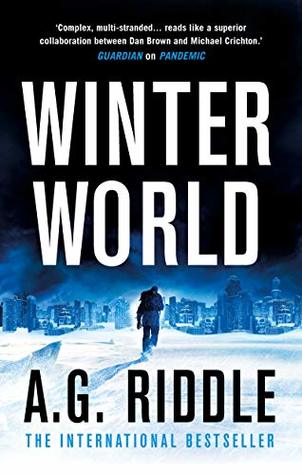
Imagine a world gripped by an endless winter—a frozen apocalypse where survival hinges on uncovering ancient secrets buried beneath ice and snow. Winter World by A.G. Riddle plunges readers into such a chilling scenario, blending thrilling science fiction with pulse-pounding adventure and intricate mysteries. This novel stands out in contemporary speculative fiction for its gripping narrative and compelling exploration of climate catastrophe, human resilience, and the enigmatic forces shaping our planet's past and future.
A.G. Riddle, renowned for weaving scientific intrigue with fast-paced storytelling, crafts a tale that not only entertains but also provokes thoughtful reflection on climate change and humanity’s fragile existence. This summary aims to provide college students and lecturers with a comprehensive, engaging overview of Winter World, highlighting its literary significance, thematic depth, and narrative complexity without spoiling the story's critical twists.
Historical Context
While Winter World is a work of fiction, it is deeply rooted in real-world concerns about global climate change and the potential consequences of environmental neglect. The novel extrapolates current scientific discussions about ice ages, climate cycles, and the interplay between human activity and Earth's fragile ecosystems.
Ice Ages and Climate Science
Historically, Earth has experienced several ice ages, periods when vast expanses were covered by glaciers. The most recent, the Last Glacial Maximum, peaked around 20,000 years ago. Scientific theories suggest these cycles are influenced by complex factors including orbital variations (Milankovitch cycles), atmospheric composition, and tectonic activity.
Winter World draws inspiration from these climatic shifts, imagining a contemporary world suddenly thrust into a new ice age. The narrative echoes ongoing debates about anthropogenic climate change, polar ice melt, and the vulnerability of human societies to rapid environmental transformation.
Real-life Inspirations
A.G. Riddle incorporates elements of paleoclimatology, archaeology, and speculative science, including references to ancient civilizations and mysterious archaeological findings beneath ice sheets. These elements connect the fictional story to real scientific inquiries into prehistoric human migrations, lost cultures, and unexplained artifacts discovered in polar regions.
Brief Synopsis
Plot Overview
Winter World follows a diverse cast of characters as they navigate a dramatically altered Earth plunged into extreme cold. The central plot revolves around uncovering the cause behind the sudden and severe climate shift, revealing a hidden history entwined with ancient civilizations and advanced technologies.
The story weaves together multiple narrative threads—from scientists and explorers investigating frozen wastelands, to governments and clandestine organizations vying for control of the new world order. The escalating tension between survival and discovery drives the plot forward, with revelations about humanity's past and future intertwined.
Setting
The novel is primarily set in a near-future Earth transformed by a new ice age. Vast swathes of the Northern Hemisphere are buried under thick ice sheets, while global temperatures plummet. The setting ranges from frozen urban landscapes to desolate Arctic tundras, creating an atmosphere of bleak isolation and relentless danger.
The icy world serves as both a physical and symbolic backdrop, emphasizing themes of endurance, adaptation, and the fragile balance between humanity and nature.
Main Characters
The story features a rich ensemble cast whose perspectives provide depth to the unfolding mystery and emotional resonance to the survival struggle.
| Name | Role | Key Traits | Importance to Plot |
|---|---|---|---|
| Dr. Elena Moran | Climate Scientist | Intelligent, determined, empathetic | Leads scientific investigation into climate crisis and ancient artifacts |
| Jack Harper | Explorer and Survivalist | Resourceful, rugged, pragmatic | Guides expeditions into frozen wastelands; survival expert |
| Marcus Caldwell | Government Official | Strategic, secretive, authoritative | Represents political interests; involved in clandestine operations |
| Asha Patel | Archaeologist | Curious, analytical, passionate | Unearths ancient clues linking past civilizations to the current crisis |
| Tomas Vega | Engineer and Technician | Innovative, loyal, cautious | Develops technologies essential for survival and exploration |
| The Sentinel | Mysterious Antagonist | Elusive, intelligent, ruthless | Embodies hidden threats and conspiracies behind the ice age |
Plot Summary
Part 1: The Onset of Winter
The novel opens with a sudden, inexplicable drop in global temperatures. Scientists, led by Dr. Elena Moran, scramble to understand the rapid onset of an ice age. Initial chaos unfolds globally as governments impose emergency measures to protect populations from the freezing conditions.
Explorers like Jack Harper brave the harsh new environment, uncovering signs that suggest this climate shift is not entirely natural. Meanwhile, archaeologist Asha Patel discovers ancient artifacts frozen beneath the ice, hinting at lost civilizations with advanced knowledge.
Part 2: Unraveling the Ancient Mystery
As the story progresses, the characters’ paths converge around a growing conspiracy involving a shadowy organization symbolized by the enigmatic Sentinel. The group’s motives and origins remain obscured, but their influence over global events becomes increasingly apparent.
Scientific teams uncover evidence that humanity’s history is more intertwined with previous ice ages than previously believed. The artifacts suggest that ancient societies had technologies capable of influencing climate, raising questions about humanity's role in the current catastrophe.
Part 3: Survival and Revelation
The harsh environment pushes characters to their limits, both physically and mentally. Survival becomes a daily struggle, with dwindling resources and hostile elements threatening their lives. Jack Harper's expeditions reveal hidden underground facilities and technological marvels frozen in time.
Simultaneously, political tensions rise as governments exploit the crisis for control, and alliances shift unpredictably. Dr. Moran and her team race against time to decipher ancient knowledge that could hold the key to reversing or mitigating the ice age.
Part 4: The Climactic Confrontation
In the novel’s climax, revelations about the true cause of the ice age emerge, entwined with human hubris and forgotten history. The characters confront the Sentinel and uncover the extent of the conspiracy manipulating Earth's climate for hidden agendas.
The resolution balances action with philosophical reflection on humanity's relationship with nature, technology, and the consequences of ignoring environmental stewardship.
Themes and Motifs
Winter World explores several profound themes that resonate with contemporary scientific and ethical issues:
Climate Catastrophe and Human Impact
At its core, the novel is a cautionary tale about climate change, emphasizing how human actions can trigger irreversible environmental disasters. The new ice age symbolizes nature’s unpredictable response to human interference.
Survival and Adaptation
The narrative emphasizes human resilience and adaptability in the face of extreme adversity. Characters demonstrate ingenuity and determination, reflecting the real-world challenges posed by environmental crises.
Ancient Knowledge and Lost Civilizations
A recurring motif is the discovery of ancient wisdom buried beneath ice, suggesting that humanity’s history holds lessons—or warnings—about technological power and ecological balance.
Power and Conspiracy
The presence of the Sentinel and government factions highlights themes of secrecy, manipulation, and the struggle for control during global crises. This motif critiques political opportunism and ethical compromises.
Nature’s Duality
The icy landscape embodies nature’s beauty and brutality, serving as both a life-threatening obstacle and a source of mystery and revelation.
Literary Techniques and Style
A.G. Riddle employs several literary techniques that enhance the narrative’s impact:
- Multiple Perspectives: The story unfolds through various characters’ viewpoints, providing a multifaceted understanding of the complex crisis and building suspense.
- Fast-paced Plotting: Short chapters and cliffhangers maintain narrative momentum, engaging readers and emphasizing urgency.
- Detailed World-Building: Rich descriptions of the frozen environment and technological elements immerse readers in the novel’s speculative setting.
- Symbolism: Ice and winter symbolize both death and potential rebirth, reflecting the novel’s themes of destruction and hope.
- Blend of Science and Fiction: Riddle integrates real scientific concepts with speculative elements, grounding the story while expanding imaginative possibilities.
Author's Background
A.G. Riddle is a best-selling author known for blending science, history, and suspense. With a background in science and technology, his works often explore apocalyptic scenarios, ancient mysteries, and futuristic technologies. His accessible yet well-researched writing style appeals to a broad audience, including both casual readers and academics interested in science fiction’s intersection with real-world issues.
Riddle’s impact lies in his ability to provoke reflection on humanity’s future while delivering compelling, page-turning narratives. Winter World exemplifies his skill in combining entertainment with thought-provoking themes.
Key Takeaways
- Winter World vividly illustrates the potential consequences of unchecked climate change through a gripping ice age scenario.
- The novel emphasizes the importance of scientific inquiry and interdisciplinary collaboration in addressing global crises.
- Ancient civilizations and their mysteries serve as metaphors for humanity’s lost wisdom and the dangers of technological hubris.
- Survival and adaptation require both individual resilience and collective action.
- Political and ethical challenges arise during crises, highlighting the need for transparency and accountability.
Reader's Takeaway
Readers can expect a thrilling, intellectually stimulating journey that combines the excitement of adventure with meaningful exploration of critical environmental and societal issues. The novel’s vivid portrayal of a frozen apocalypse serves as a stark reminder of our planet’s fragility and the urgent need for sustainable stewardship.
Emotionally, Winter World engages readers through its well-drawn characters facing profound challenges, fostering empathy and reflection about human endurance and morality.
For college students and lecturers, the novel offers rich material for discussions on climate science, speculative fiction’s role in social critique, and narrative strategies that balance entertainment with educational value.
Conclusion
Winter World by A.G. Riddle is a compelling fusion of science fiction, thriller, and environmental cautionary tale. Its immersive narrative, complex characters, and thematic depth make it a significant contribution to contemporary speculative literature. The book challenges readers to contemplate humanity’s relationship with nature and technology, urging a proactive stance toward climate change.
Whether you approach it as an academic study or a gripping read, Winter World invites exploration of urgent global issues through the lens of thrilling fiction. Its blend of scientific insight and storytelling mastery ensures it remains relevant and thought-provoking for a broad audience. Dive into this frozen world and discover the hidden truths beneath the ice—it’s a journey worth taking.
Winter World FAQ
What is the main theme of Winter World by A.G. Riddle?
Winter World explores themes of climate change, survival, and the resilience of humanity in the face of catastrophic global cooling.
Who are the primary characters in Winter World?
The story primarily follows a group of scientists, explorers, and survivors navigating a new ice age, with key characters including Dr. Nathan, a scientist seeking solutions, among others.
Is Winter World part of a series?
No, Winter World is a standalone novel by A.G. Riddle, though it shares thematic elements with some of his other works.
What genre does Winter World belong to?
Winter World is a science fiction thriller with elements of adventure and speculative fiction focused on environmental disaster.
Does Winter World offer any scientific explanation for the new ice age?
Yes, the novel incorporates scientific theories related to climate change and sudden shifts in Earth's climate, providing a plausible explanation for the onset of the new ice age.
What is the tone or mood of Winter World?
The tone of Winter World is suspenseful, intense, and often urgent, reflecting the dire circumstances the characters face.
Who would enjoy reading Winter World?
Fans of climate thrillers, post-apocalyptic fiction, and readers interested in science-driven adventure stories will likely enjoy Winter World.
Are there any major plot twists in Winter World?
Without giving spoilers, Winter World contains several unexpected developments that keep the story engaging and unpredictable.
What message does Winter World convey about environmental issues?
Winter World serves as a cautionary tale about the impact of human actions on the environment and the potential consequences of ignoring climate change.