
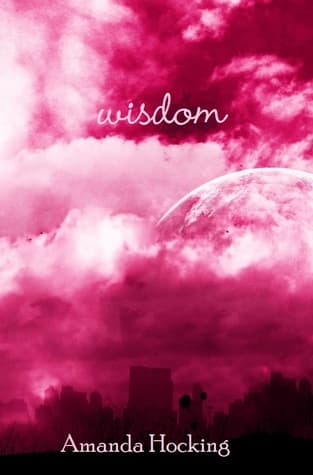
Synopsis
Covers the whole plot, including the ending.
- Difficulty
- Medium
- Pacing
- Moderate
- Mood
- Mysterious, regretful, romantic, tense, dark
Wisdom Plot Summary
Covers the whole plot, including the ending.
An Unsettling Arrival
Alice Bonham arrives in Australia for her eighteenth birthday vacation. She feels uneasy, a premonition that something is wrong. Soon after settling in, she discovers a murder has occurred nearby, clouding her trip. The news brings up regrets for Alice, particularly about past choices that had lasting effects. This ominous start sets a tense tone, hinting at dangerous events to come and establishing an immediate threat.
The Child Vampire's Presence
As the murder's unsettling atmosphere continues, rumors spread about a 'child vampire' in the area. This young, supernatural entity is behind the recent death and acts unpredictably, causing widespread panic. Its presence draws attention from various groups, both human and supernatural, who are hunting it, protecting it, or trying to use its unique nature. Alice, despite wanting to stay out of it, gets pulled into the mystery, realizing it connects to the dangers she now faces.
Regrets and Past Choices
As danger grows, Alice's internal struggle deepens. She is troubled by strong regrets, specifically about choices she sees as 'permanent' and irreversible. These past decisions, at first vague, hint at supernatural involvement or commitments that have changed her life and perhaps her very nature. The current crisis in Australia forces her to face these past actions and their ongoing effects, adding personal anguish to the external threats. Her thoughts suggest a history tied to the supernatural world, making her more than just a tourist caught in unusual events.
First Encounters with the Supernatural
Alice's initial observations about the child vampire soon lead to direct, terrifying encounters. She experiences its speed, strength, and chilling demeanor firsthand, confirming its supernatural origins and the huge threat it poses. These are not just sightings but close calls, putting her life in immediate danger and forcing her to acknowledge the supernatural world she has stumbled into. These interactions also begin to show the child vampire's complex nature, hinting it might be more than a mindless monster, perhaps a victim itself, or acting under duress. This ambiguity adds to the tension and mystery.
Unwanted Attention
As Alice looks further into the child vampire's mystery, her own unique nature or past actions start to attract significant 'unwanted attention.' She realizes she is not just an accidental bystander but is being watched and targeted by various powerful supernatural groups, including other vampires, hunters, and possibly magical beings. This attention comes from her connection to the child vampire, her own abilities, or a history she thought she had left behind. She quickly understands her life is in grave danger, not just from the immediate threat of the child vampire, but from those who want to control, capture, or eliminate her for their own reasons.
Alliances and Suspicions
Facing overwhelming threats, Alice is in a difficult position, forced to consider unlikely alliances. She meets people who claim to want to help her or stop the child vampire, but their motives are often unclear. Alice must use her growing instincts to figure out who to trust, as betrayal could mean her end. These alliances are full of suspicion; each party seems to have a hidden agenda or a past that complicates their current actions. She learns that in the supernatural world, trust is a luxury, and even those who seem to be on her side might have ulterior motives, forcing her to always be on guard.
Unveiling Her Own Nature
The escalating crisis in Australia forces Alice to confront and embrace her own supernatural heritage. She begins to show latent abilities or recall forgotten memories that reveal she is not entirely human. These discoveries link directly to the 'permanent choices' she regretted, suggesting she might have been transformed or born with unique powers. Understanding her true nature is vital for survival, as it gives her the means to fight back against those hunting her. This journey of self-discovery is both empowering and terrifying, reshaping her identity and her understanding of her place in the world.
The Hunt for the Child Vampire Intensifies
The hunt for the child vampire grows more intense, with multiple groups converging on its location. Alice, now actively involved and using her developing abilities, is at the center of this growing conflict. The child vampire, driven by fear, hunger, or outside manipulation, becomes more desperate and dangerous. Confrontations become more frequent and violent, leading to clashes between hunters, other supernatural beings, and those trying to protect the child. The stakes are higher as the groups clash, each trying to achieve their own goals regarding the powerful, young vampire.
A Glimmer of Hope and Connection
Amidst the chaos and violence, Alice finds a glimmer of hope or an unexpected connection to the child vampire. This might be through a shared past, a sympathetic individual, or her ability to understand or communicate with it. She realizes the child vampire might not be purely evil but could be a victim itself, perhaps controlled or manipulated by a greater, unseen force. This understanding changes her perspective from simply fighting to survive to seeking a way to help or even save the child, adding a moral complexity to her mission and hinting at a deeper truth behind the current events.
The Climax: Confrontation and Revelation
The story builds to a climatic confrontation where Alice, now more powerful and self-aware, faces the true antagonist orchestrating the events in Australia. This antagonist is the mastermind behind the child vampire's rampage and the targeting of Alice. During this intense showdown, the full truth about the murder, the child vampire's nature, and Alice's own past 'permanent choices' is finally revealed. Alice must use all her newfound strength and wisdom to protect herself, the child vampire (if she chooses), and potentially others, in a battle that will determine everyone's fate and redefine her future.
Aftermath and New Beginnings
After the intense climax, the immediate threat is gone, and a fragile peace returns, at least for now. However, Alice's life is forever changed. She has accepted her supernatural identity, formed new alliances, and faced major challenges. While the specific outcome of the child vampire's fate is important, the aftermath focuses on Alice's personal growth and the new path she must now take. She understands the supernatural world and her place in it better, setting the stage for future adventures and continuing to explore her 'permanent choices' and their ongoing effects.
Wisdom Characters
Alice Bonham
Protagonist
An eighteen-year-old on vacation, burdened by past supernatural choices.
Alice is an eighteen-year-old young woman whose birthday trip to Australia quickly turns into a nightmare. She carries a heavy burden of regret over 'permanent choices' made in her past, choices that hint at a deep, personal connection to the supernatural world. Initially, she tries to avoid involvement, but her innate nature and the escalating events force her to confront her true identity. She is perceptive, resilient, and possesses latent abilities that begin to surface under pressure, revealing her to be more than just a human caught in extraordinary circumstances. Her compassion, even for the dangerous child vampire, marks her as a morally complex character.
Relationships: Child Vampire (initial target of fear/mystery, later a figure of potential empathy/connection); Antagonist (primary adversary, source of conflict); Allies (various) (complex, often distrustful alliances formed out of necessity)
The Child Vampire
Antagonist/Catalyst
A dangerous, enigmatic young vampire causing chaos in Australia.
The child vampire is a central, enigmatic figure whose violent actions instigate the main conflict of the story. Responsible for a murder and causing widespread fear, this creature is powerful, unpredictable, and seemingly without remorse. Despite its dangerous nature, there are hints throughout the narrative that it may be more than just a monster; possibly a victim itself, controlled, or suffering. Its youth adds a tragic dimension to its monstrousness, drawing both hunters and those who might sympathize with its plight. The mystery surrounding its origins and true intentions drives much of the plot and the actions of other characters.
Relationships: Alice Bonham (initial victim/threat, later a potential object of Alice's empathy/protection); Antagonist (potential controller or manipulator); Hunters (prey to those who seek to destroy it)
Unnamed Antagonist
Antagonist
The mysterious mastermind behind the child vampire's actions and Alice's targeting.
This character is the overarching antagonist, the unseen force pulling the strings behind the child vampire's rampage and the 'unwanted attention' Alice receives. Their motives are initially obscured, but they are driven by a desire for power, control, or perhaps revenge, directly related to Alice's past choices or her inherent nature. This antagonist is cunning, manipulative, and powerful, orchestrating events from the shadows. Their reveal as the true threat unifies the disparate plot threads and provides the ultimate challenge for Alice, forcing her to confront the source of her troubles.
Relationships: Alice Bonham (primary target/adversary); Child Vampire (controller/manipulator)
Liam
Supporting
A mysterious figure who offers Alice information and reluctant assistance.
Liam is a shadowy figure Alice encounters early in her ordeal. He seems to possess knowledge of the supernatural world and the various factions operating within it, including details about the child vampire. His motives are ambiguous; he offers Alice cryptic warnings and occasional assistance, but always with a sense of self-preservation or a hidden agenda. He is experienced and world-weary, hinting at a long history within the supernatural community. Liam acts as a reluctant guide, providing Alice with crucial pieces of information while keeping his true allegiances and ultimate goals close to his chest.
Relationships: Alice Bonham (unwilling mentor/informant); Antagonist (potential rival or opponent)
Sarah
Supporting
Alice's human friend, initially unaware of the supernatural world.
Sarah is Alice's human friend, perhaps a travel companion or someone she meets early in her Australian vacation. Initially, she is a grounding force, representing normalcy and the world Alice is trying to hold onto. She is unaware of the supernatural dangers lurking beneath the surface, making her vulnerable and forcing Alice to protect her. Sarah's presence highlights the stark contrast between Alice's two lives – her human facade and her burgeoning supernatural reality. Her reactions to the escalating events and Alice's changing nature provide a relatable human perspective amidst the fantastical elements.
Relationships: Alice Bonham (close friend)
The Elder
Supporting
A wise, ancient supernatural being with knowledge of Alice's past.
The Elder is an ancient and powerful supernatural being, possibly a vampire or another long-lived entity, who holds significant knowledge about the history of the supernatural world and perhaps Alice's own lineage and 'permanent choices.' This character serves as a source of wisdom and exposition, guiding Alice toward understanding her true nature and the larger forces at play. They might be a neutral party, a reluctant ally, or even a past acquaintance of Alice's from a previous life or incarnation. Their advice is often cryptic but crucial for Alice to navigate the complex web of alliances and threats.
Relationships: Alice Bonham (mentor/informant)
Hunter Leader
Supporting
The stern, relentless leader of a group dedicated to eradicating supernatural threats.
This character is the unwavering leader of a group of supernatural hunters, driven by a rigid moral code to eliminate all perceived threats, including the child vampire and potentially Alice herself. They are disciplined, formidable, and possess extensive knowledge of supernatural weaknesses and tactics. While their intentions may be to protect humanity, their methods are often ruthless and uncompromising, putting them at odds with Alice, especially if she chooses to protect the child vampire. They represent the human fear and aggressive response to the unknown, adding another layer of conflict to the narrative.
Relationships: Alice Bonham (adversary (potential)); Child Vampire (target for eradication)
Wisdom Themes
The Weight of Past Choices
This theme explores the impact of past decisions, especially those Alice considers 'permanent.' It looks at regret, the inability to undo certain actions, and how these choices shape one's present and future. Alice's internal struggle with her past, particularly her supernatural commitments, shows how past actions can haunt and define a person, forcing them to face consequences even years later. The story suggests that some decisions fundamentally change one's identity and path, making true escape impossible.
“Every choice carves a path, but some, Alice knew, were etched in stone, sealing a fate she could never truly outrun.”
Identity and Self-Discovery
Alice's journey of self-discovery is central to the story. She starts as a seemingly ordinary young woman but must confront a supernatural heritage and abilities she may have suppressed or been unaware of. This theme explores shedding old ideas of self, embracing one's unique nature (even if it's monstrous or terrifying), and understanding one's place within a larger, hidden world. Her transformation is not just physical but a deep psychological awakening, as she redefines who she is in extraordinary circumstances.
“The girl who arrived in Australia was a ghost of who she was meant to be; the woman who emerged would finally claim her own skin.”
The Nature of Monstrosity
This theme questions what truly makes a monster. The child vampire, at first presented as purely evil, slowly shows layers of complexity, possibly being a victim itself. This challenges Alice and the reader to look past appearances and consider the circumstances, manipulation, or suffering that might drive seemingly monstrous acts. It explores the idea that evil might not always be inherent, and that compassion or understanding can reveal deeper truths about perceived villains, blurring the lines between good and evil, victim and perpetrator.
“Was true monstrosity born, or was it forged by the cruel hands of circumstance?”
Trust and Betrayal
In a world of hidden agendas and supernatural factions, trust is vital. Alice constantly navigates a situation where allies are uncertain, and betrayal could happen at any moment. She must learn to tell genuine help from manipulation, often at great personal risk. This theme highlights the difficulty of forming alliances in a dangerous environment, where everyone has their own reasons and a history that might lead them to act against others. It shows how fragile trust is and the devastating impact of betrayal, forcing Alice to rely on her own instincts above all else.
“In this world, trust was a whisper in the dark, easily silenced, often a prelude to a blade.”
Plot Devices & Literary Techniques
Foreshadowing
Hints of future events or revelations.
Foreshadowing is used extensively to build tension and hint at Alice's supernatural past and the dangers awaiting her. The 'unsettling arrival' and Alice's immediate regrets about 'permanent choices' are early indicators that her vacation is not what it seems. The whispers of the child vampire and the 'unwanted attention' she attracts all subtly point towards the deeper supernatural conflict and her own role within it. This device keeps the reader engaged, creating a sense of impending doom and encouraging speculation about the true nature of Alice and the unfolding events.
The MacGuffin (Child Vampire)
An object or character that drives the plot.
The child vampire serves as a central MacGuffin, initially acting as the primary catalyst for the plot. Its existence and actions (the murder, the chaos) directly propel Alice into the supernatural conflict. Various factions are hunting it, protecting it, or seeking to exploit it, making it the focal point around which much of the narrative revolves. While the child vampire is a character with its own agency and development, its role in driving the plot and bringing Alice into contact with the wider supernatural world is characteristic of a MacGuffin, especially in the early and middle stages of the story.
Hidden Identity/Secret Past
A character's true nature or history is concealed.
Alice's 'permanent choices' and her developing abilities are key elements of a hidden identity or secret past. She starts the story seemingly unaware or in denial of her true nature, which is gradually revealed through flashbacks, encounters, and the manifestation of her powers. This device creates mystery around the protagonist, allowing for a compelling journey of self-discovery. It also explains why she attracts 'unwanted attention' and why she is uniquely positioned to confront the supernatural threats, tying her personal history directly to the overarching plot.
Red Herring
Misleading clues or characters that distract from the true antagonist.
The initial focus on the child vampire as the primary antagonist serves as a red herring. While dangerous, the child vampire is eventually revealed to be either manipulated or a tool for a greater, unseen force. This device misdirects the reader and Alice, building suspense and surprise when the true antagonist is finally unmasked. It allows for the exploration of the child vampire's complexity without immediately revealing the ultimate puppeteer, adding layers to the mystery and making the final confrontation more impactful.
Quiz
10 questions on the plot and the characters. Each answer comes with a short explanation.
Question 1
What is the title of the book?
- Wisdom
- Wonderland
- Alice's Adventures
- The Vampire's Secret
Show answer
A. Wisdom The book title is explicitly stated as 'Wisdom'.
Question 2
Who is the author of the book?
- Stephenie Meyer
- Amanda Hocking
- Cassandra Clare
- Richelle Mead
Show answer
B. Amanda Hocking The author's name is provided as Amanda Hocking.
Question 3
What is the main character's name?
- Bella
- Clary
- Alice
- Rose
Show answer
C. Alice The main character's name is Alice Bonham.
Question 4
What significant event happens on Alice's eighteenth birthday?
- She discovers she has magical powers.
- She gets engaged.
- She goes on a vacation that is cut short by a murder.
- She meets her vampire soulmate.
Show answer
C. She goes on a vacation that is cut short by a murder. Alice's eighteenth birthday trip to Australia is interrupted by an unexpected murder.
Question 5
What country does Alice visit for her birthday vacation?
- New Zealand
- Canada
- United States
- Australia
Show answer
D. Australia Alice's vacation destination is stated as Australia.
Question 6
What kind of supernatural being is mentioned as being 'on the loose'?
- Werewolf
- Fae
- Vampire
- Ghost
Show answer
C. Vampire The description mentions a 'child vampire' running loose.
Question 7
What is Alice regretting, according to the synopsis?
- Not studying harder
- Her choices, especially the more permanent ones
- Not telling her parents the truth
- Her fashion choices
Show answer
B. Her choices, especially the more permanent ones The synopsis states Alice regrets 'some of the choices she's made, especially the more permanent ones'.
Question 8
What genre is NOT listed for this book?
- Fantasy
- Romance
- Mystery
- Young Adult
Show answer
C. Mystery The listed genres are Fantasy, Young Adult, and Romance. Mystery is not explicitly mentioned, although a murder is involved.
Question 9
What kind of attention is Alice attracting due to the child vampire?
- Favorable attention from the media
- Unwanted attention
- Attention from law enforcement
- Attention from a rival vampire
Show answer
B. Unwanted attention The synopsis states that the child vampire is attracting 'some very unwanted attention'.
Question 10
The presence of a 'child vampire' suggests a potential theme related to:
- The corruption of innocence
- The joys of eternal childhood
- The challenges of adopting children
- The benefits of early education
Show answer
A. The corruption of innocence A 'child vampire' inherently juxtaposes the innocence associated with childhood and the predatory nature of vampires, hinting at themes like the corruption of innocence or the loss of youth.
Wisdom FAQ
What is the book "Wisdom" by Amanda Hocking about?
"Wisdom" is a young adult fantasy novel with romance elements. It follows Alice Bonham, who on her eighteenth birthday, finds her trip to Australia interrupted by a murder. As she navigates this mystery, she grapples with past decisions and the consequences of a loose child vampire who is drawing dangerous attention.
Is "Wisdom" a standalone novel or part of a series?
"Wisdom" is part of a series, specifically the "Trylle" trilogy. It is the third book in the series, following "Switched" and "Torn."
What genre is "Wisdom"?
"Wisdom" is primarily a young adult fantasy novel. It also incorporates elements of romance and some thriller/mystery aspects due to the murder plot.
Who are the main characters in "Wisdom"?
The main protagonist is Alice Bonham. Other significant characters include members of the Trylle community and those involved in the supernatural conflicts that arise.
What are the main themes in "Wisdom"?
Key themes in "Wisdom" include dealing with consequences, the nature of choices, identity, and the complexities of relationships within a supernatural world.
What is the significance of the child vampire in "Wisdom"?
The child vampire is a significant antagonist or complicating factor in the plot. Its presence creates danger and attracts unwanted attention, forcing Alice to confront new threats and challenges.
Does "Wisdom" have a lot of romance?
Yes, "Wisdom" is known to have significant romance elements, as is common in young adult fantasy novels. The relationships between characters are a key part of the story's development.
Is "Wisdom" suitable for younger readers?
"Wisdom" is classified as Young Adult, meaning it's generally suitable for teenagers aged 13 and up. It deals with mature themes like murder and complex relationships.
Where does "Wisdom" fit in the "Trylle" series timeline?
"Wisdom" is the concluding novel of the "Trylle" trilogy. It resolves the major conflicts and story arcs established in the previous books, "Switched" and "Torn."
What kind of challenges does Alice face in "Wisdom"?
Alice faces a multitude of challenges, including solving a murder, dealing with the repercussions of her past choices, managing the dangerous presence of a child vampire, and navigating her relationships and her place in the world.
About the author

Amanda Hocking is a prolific author of young adult fantasy and paranormal romance. She gained significant popularity through her self-published "Trylle" series, including "Switched" and "Torn," which were later picked up by a major publisher. Her work is known for its fast-paced plots and relatable characters, resonating with a large readership in the genre.
Similar books
- Twilight
Stephenie Meyer
3.9 (842) average on GoodreadsLiterary Fiction"Wisdom" shares a significant thematic overlap with "Twilight," particularly in its focus on a seemingly ordinary female protagonist who falls for a supernatural, brooding male. Both books rely heavily on the 'forbidden love' trope and a quick, intense romantic connection. However, "Twilight" built a more expansive and culturally impactful world around its central romance, even if its prose was often criticized. "Wisdom" struggles to achieve the same level of immersive world-building or character depth that, for better or worse, captivated millions in "Twilight."
- A Court of Thorns and Roses
Sarah J. Maas
4.2 (476k) average on GoodreadsFantasyWhile "A Court of Thorns and Roses" (ACOTAR) skews slightly older within the YA/New Adult spectrum, it offers a useful comparison for its approach to fantasy romance. ACOTAR excels in its detailed world-building, intricate political intrigue, and more complex character arcs, including a nuanced exploration of trauma and power dynamics. "Wisdom," by contrast, presents a simpler, more straightforward narrative with less emphasis on the broader magical world's intricacies or the psychological depth of its characters. Maas's series often pushes boundaries, whereas Hocking's "Wisdom" plays it safer within established YA conventions.
- Harry Potter and the Sorcerer's Stone
J.K. Rowling
4.5 (7M) average on GoodreadsFantasyRescued from a miserable life under the stairs, an orphaned boy discovers he's a wizard destined for a magical school, where he uncovers a dangerous secret tied to the dark wizard who murdered his parents.
- The Hunger Games
Suzanne Collins
4.3 (6.4M) average on GoodreadsFantasyIn a future where children fight to the death on live television, Katniss Everdeen volunteers for the arena, turning a death sentence into a fight for survival and a spark of rebellion.
- 1984
George Orwell
4.2 (3.1M) average on GoodreadsPoliticsIn a future where surveillance and thought control are absolute, a man's search for truth clashes with the Party, showing that hope can be a form of rebellion.
- Divergent
Veronica Roth
4.2 (2.9M) average on GoodreadsFantasyIn a society divided by virtues, a sixteen-year-old's difference from the norm starts a rebellion that threatens her world.





Enjoyed the summary?
A summary gives you the shape of the book. The book itself has the detail, the examples and the voice.
Find Wisdom on AmazonAs an Amazon Associate, BookBrief earns from qualifying purchases. How we're funded