
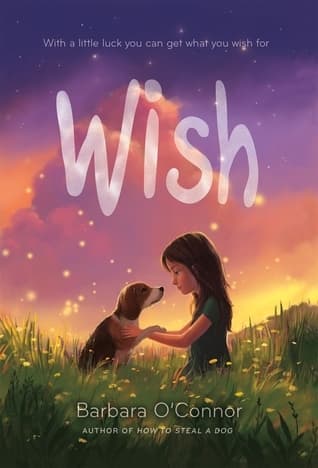
Synopsis
Covers the whole plot, including the ending.
- Difficulty
- Easy
- Pacing
- Moderate
- Mood
- Heartwarming, Hopeful, Comforting, Reflective
- Read it if
- You enjoy heartwarming stories about finding belonging, the power of friendship (both human and animal), and overcoming adversity in a new environment. Perfect for readers who appreciate gentle narratives with strong emotional cores.
- Skip it if
- You prefer fast-paced, high-stakes adventures or stories with complex plot twists. This book is character-driven and focuses on emotional growth rather, than external conflict.
Wish Plot Summary
Covers the whole plot, including the ending.
A Life Uprooted: Charlie Moves to the Mountains
Eleven-year-old Charlie Reese is used to a chaotic life in Raleigh, North Carolina. Her mother struggles with depression, and her father works long hours and frequently drinks. Charlie has a secret wish she makes daily: to have a real family and a permanent home. Her older sister, Jackie, often takes care of her. One day, after a difficult incident at home, Charlie is sent to live with her Aunt Bertha and Uncle Gus in the remote Blue Ridge Mountains. She resists the move, feeling abandoned and longing for her familiar, though troubled, life and her sister. The mountains feel isolating and strange, a stark contrast to the city life she knows.
A New Home and a Loyal Friend
When Charlie arrives at her aunt and uncle's rustic home, she is overwhelmed by the quiet and the lack of modern conveniences. She misses Jackie terribly and feels out of place. One afternoon, while exploring, she finds a scruffy, skinny stray dog. Despite her initial hesitations, Charlie feels an immediate connection to the dog, who seems as lost and lonely as she does. She starts leaving food out for him, and he slowly begins to trust her. She names him Wishbone, a nod to her constant secret wish, and he becomes her first true friend in her new, unfamiliar world. Wishbone’s steady presence offers Charlie comfort and a sense of belonging she hasn't felt in a long time.
The Boy Next Door: Howard's Kindness
Soon after settling in, Charlie meets Howard, a boy who lives nearby and attends her new school. Howard is friendly, patient, and insightful, often understanding Charlie's feelings even when she doesn't express them. He introduces her to mountain life, shows her how to navigate the woods, and shares his love for nature. He doesn't judge her for her past or her sometimes-blunt personality. Howard becomes another important connection for Charlie, offering genuine friendship and a sense of normalcy. He also helps her learn more about Wishbone and the local community, slowly breaking down Charlie's walls of loneliness and suspicion.
School, Scrutiny, and a Secret
Charlie starts attending the local elementary school, where she initially struggles to fit in and makes a few mistakes with other students. Howard, however, remains a steady friend. At home, Charlie continues to secretly care for Wishbone, hiding him from Aunt Bertha and Uncle Gus, who have a strict 'no dogs in the house' rule. She worries that if they find out, they will send Wishbone away, and she can't bear to lose her new companion. This secret adds to her anxiety but also deepens her bond with Wishbone, as he represents a small piece of control and comfort in her unpredictable life.
A Trip to the City and Lingering Hopes
As the school year progresses, Charlie gets to visit her old home in Raleigh. She is excited, hoping to see Jackie and perhaps even return to living with her family. However, the visit is bittersweet. While she cherishes the time with Jackie, she sees that her mother's condition hasn't improved, and her father's habits remain unchanged. The chaos and instability she once knew now feel less appealing, and she realizes how much she's grown accustomed to the peace and order of her aunt and uncle's home. The visit shows the contrast between her old life and her new one, making her question her deepest wish.
Wishbone's Discovery and a Difficult Choice
Despite Charlie's best efforts, Aunt Bertha and Uncle Gus eventually discover Wishbone. Charlie is terrified, fearing they will make her give him up. She pleads with them, explaining how much Wishbone means to her. Aunt Bertha, though initially firm about the rules, sees the strong connection between Charlie and the dog. She and Uncle Gus agree to let Wishbone stay, but only if Charlie takes full responsibility for his care and training. This moment is a turning point, showing Charlie that her aunt and uncle are not just strict guardians but caring individuals who are willing to compromise for her happiness.
Learning Responsibility and Belonging
With Wishbone officially part of the family, Charlie dedicates herself to his care. She learns about training, walks him regularly, and ensures he's well-fed. This responsibility helps her mature and feel more grounded in her new home. She also continues to build her friendship with Howard, and slowly, the Blue Ridge Mountains begin to feel less like a temporary exile and more like home. She starts to appreciate the quiet beauty, the kindness of her aunt and uncle, and the genuine friendships she's forming. She realizes that a 'real family' might not look exactly like what she had always wished for, but it can still be loving and supportive.
A Sister's Visit and a Heartfelt Revelation
Jackie comes to visit Charlie in the mountains. During her stay, Jackie observes how much Charlie has changed and how happy she seems with Wishbone, Howard, and her aunt and uncle. Charlie, in turn, sees Jackie's struggles and the weight she carries. During their time together, Charlie realizes her secret wish wasn't just about having a family, but about finding a place where she felt loved, safe, and truly belonged. She understands that she has found that very thing in the mountains, with her aunt, uncle, Wishbone, and Howard, even if it wasn't the exact family she envisioned.
Embracing a New Definition of Family
By the end of the book, Charlie has fully embraced her life in the Blue Ridge Mountains. She no longer feels like an outsider or a temporary resident. She has a loving home, a loyal dog, and a true friend in Howard. She understands that her original wish for a 'real family' has been granted, just not in the way she anticipated. Her family includes not just her biological parents and sister, but also Aunt Bertha, Uncle Gus, Wishbone, and the community she has found. She has learned that home is not just a place, but where you feel loved and accepted, and that sometimes, what you need is different from what you thought you wanted.
Wish Characters
Charlie Reese
Protagonist
An eleven-year-old girl seeking a stable family and a sense of belonging.
Charlie is a perceptive yet guarded eleven-year-old. She is resilient, having grown up in a chaotic home environment with a depressed mother and an often-absent father. Her deepest desire is for a 'real family' and a permanent home, a wish she makes daily. Initially, she is distrustful and withdrawn, feeling abandoned and out of place in the quiet Blue Ridge Mountains. She has a strong, sometimes stubborn, personality but also a deep capacity for love and loyalty, especially towards Wishbone. Through her experiences, she learns to open up, take responsibility, and redefine what 'family' means.
Relationships: Aunt Bertha (guardian, initially strict but ultimately loving and supportive); Uncle Gus (guardian, quiet and kind, provides stability); Wishbone (loyal companion, best friend, source of comfort); Howard (first friend in the mountains, kind, understanding, and patient); Jackie (older sister, protective, also struggling with their home situation); Mama (mother, struggles with depression, distant); Daddy (father, works long hours, drinks, unreliable)
Wishbone
Supporting
A skinny stray dog who becomes Charlie's loyal companion and helps her find belonging.
Wishbone is a scruffy, initially timid stray dog who forms an immediate, profound bond with Charlie. He is a symbol of Charlie's own feelings of being lost and unwanted. His unwavering loyalty and affection provide Charlie with unconditional love and comfort, helping her feel less alone in her new environment. Wishbone's presence forces Charlie to take on responsibility and advocate for something she deeply cares about, ultimately contributing to her growth and integration into her new family. He is not just a pet, but a catalyst for Charlie's emotional development and a tangible representation of her wish coming true.
Relationships: Charlie Reese (owner and best friend, deeply bonded); Aunt Bertha (initially wary, later accepts him into the family); Uncle Gus (accepts him into the family)
Howard
Supporting
Charlie's kind and patient neighbor, who becomes her first friend in the mountains.
Howard is a friendly, patient, and observant boy who lives near Aunt Bertha and Uncle Gus. He is Charlie's first true friend in the Blue Ridge Mountains and helps her adjust to her new life. Howard is understanding of Charlie's sometimes-brusque demeanor and never judges her. He shares his knowledge of the local area and nature, offering Charlie a sense of connection and normalcy. His steady presence and genuine kindness provide a stark contrast to the instability Charlie experienced in Raleigh, demonstrating the value of a supportive friendship.
Relationships: Charlie Reese (close friend, neighbor); Wishbone (friendly with Charlie's dog)
Aunt Bertha
Supporting
Charlie's strict but ultimately loving and understanding great-aunt.
Aunt Bertha is Charlie's great-aunt and her primary caregiver in the Blue Ridge Mountains. She initially appears strict and set in her ways, particularly regarding her 'no dogs in the house' rule. However, beneath her firm exterior, she is deeply caring and observant. She provides Charlie with the structure and stability she desperately needs. Aunt Bertha demonstrates her love through consistent care, good food, and eventually, by compromising on the dog rule when she sees how much Wishbone means to Charlie. She helps Charlie learn responsibility and understand what a stable family life can be like.
Relationships: Charlie Reese (guardian, great-aunt); Uncle Gus (husband); Wishbone (initially resistant to, later accepts as family pet)
Uncle Gus
Supporting
Charlie's quiet and kind great-uncle, who provides a steady presence.
Uncle Gus is Charlie's great-uncle and Aunt Bertha's husband. He is a man of few words, often quiet and unassuming, but his presence is steady and comforting. He is kind and supportive, offering Charlie a sense of security and stability. While Aunt Bertha takes the lead in setting rules, Uncle Gus's calm demeanor and quiet affection contribute significantly to Charlie's feeling of safety and belonging. He represents the quiet strength and unwavering support that Charlie lacked in her previous home, making him an important figure in her journey of healing and adjustment.
Relationships: Charlie Reese (guardian, great-uncle); Aunt Bertha (wife); Wishbone (accepts him into the family)
Jackie Reese
Supporting
Charlie's older sister, who struggles with their family's instability.
Jackie is Charlie's older sister, who often acted as a surrogate mother figure to Charlie in their unstable home. She is protective and loving towards Charlie but is also burdened by the challenges of their family life. Her visits to Charlie in the mountains highlight the contrast between Charlie's new, stable life and the ongoing difficulties Jackie faces back home. Jackie's character emphasizes the impact of their parents' issues and provides a link to Charlie's past, helping Charlie to recognize and appreciate the positive changes in her own life.
Relationships: Charlie Reese (sister, protective); Mama (daughter, cares for); Daddy (daughter)
Mama (Charlie's Mother)
Mentioned
Charlie's mother, who struggles with depression and is unable to care for her children.
Charlie's mother is largely absent from the narrative, confined to her bed due to severe depression. Her illness is the primary reason Charlie is sent to live with her aunt and uncle. While not actively present, her condition profoundly impacts Charlie's early life and her longing for a 'real family.' She represents the instability and emotional neglect Charlie experienced, making Charlie's journey to find belonging all the more poignant.
Relationships: Charlie Reese (mother, emotionally distant due to illness); Jackie Reese (mother, cared for by Jackie); Daddy (husband)
Daddy (Charlie's Father)
Mentioned
Charlie's father, who works long hours and struggles with alcohol.
Charlie's father is also largely absent, working long hours and often drinking, contributing to the instability of Charlie's home life. His inability to adequately care for Charlie and her mother necessitates Charlie's move to the mountains. Like Mama, he represents the dysfunction Charlie leaves behind, highlighting the positive impact of her new, stable environment. His character underscores Charlie's deep-seated desire for a loving and present parental figure.
Relationships: Charlie Reese (father, often absent); Jackie Reese (father); Mama (husband)
Wish Themes
Defining Family and Belonging
The central theme is Charlie's quest to understand what makes a 'real family' and where she truly belongs. Initially, she thinks family means her biological parents and sister, despite their dysfunction. Her journey to the Blue Ridge Mountains forces her to broaden this definition. Through her relationships with Aunt Bertha, Uncle Gus, Wishbone, and Howard, Charlie learns that family is less about blood ties or a perfect household, and more about unconditional love, stability, and acceptance. She discovers that belonging is a feeling of being wanted and secure, which she finds in unexpected places, fulfilling her deepest wish.
“What I wished for wasn't a family. What I wished for was a home. And a home, I'd learned, was more than a place. It was a feeling.”
Responsibility and Growth
Charlie's character arc is shaped by the responsibility she takes on, especially for Wishbone. Initially, she is a child who feels neglected and has little control over her life. When she commits to caring for Wishbone, she learns discipline, empathy, and the rewards of selfless action. This responsibility extends to her own behavior and her relationships, as she learns to contribute to her new household and build positive connections. Her growth from a guarded, wishful child to a more mature, accountable individual shows the power of caring for another living being.
“Taking care of Wishbone was the first time I'd ever felt like I was really important to someone.”
The Power of Friendship
Friendship is important in Charlie's adaptation and healing. The bond she forms with Wishbone is immediate and comforting, giving her unconditional love and a sense of purpose. Howard's friendship, with his patience, understanding, and steady support, helps Charlie navigate her new social and physical environment. These friendships break down Charlie's initial isolation and distrust, teaching her the value of connection and trust. They show that true friends can offer a sense of belonging and make difficult transitions much easier.
“He didn't need me to talk. He just needed me to be there. And sometimes, that was enough.”
Finding Home in Unexpected Places
Charlie's journey shows that 'home' is not necessarily where one is born or where one expects to be, but rather where one finds love, safety, and acceptance. Sent against her will to the remote Blue Ridge Mountains, Charlie initially sees it as a temporary exile. However, through the kindness of her aunt and uncle, the loyalty of Wishbone, and the friendship of Howard, she gradually discovers a sense of belonging and peace she never had in her birth home. This theme emphasizes resilience and the idea that true comfort and stability can be found in environments that initially seem foreign.
“The mountains didn't feel so lonely anymore. They felt like home.”
Plot Devices & Literary Techniques
The Secret Wish
A recurring motif representing Charlie's deepest yearning for a stable family.
Charlie's daily secret wish, made in various ways (e.g., on a wishbone, a four-leaf clover, the first star), acts as a central motif and a reflection of her inner turmoil. It encapsulates her longing for a 'real family' and a permanent home. This device not only drives her character's motivation but also provides a framework for her emotional journey. As the story progresses, the wish evolves from a literal desire for her old family to a deeper understanding of what 'family' truly means, ultimately leading to the realization that her wish has been granted, just not in the way she initially imagined.
Wishbone (the dog)
A symbolic character representing Charlie's own feelings of being lost and her yearning for connection.
The stray dog, whom Charlie names Wishbone, serves as a powerful symbol. He is initially as lost, neglected, and yearning for a home as Charlie feels. Their parallel journeys create an immediate and profound bond. Wishbone becomes a tangible representation of Charlie's wish for connection and family. His presence forces Charlie to take responsibility, learn empathy, and fight for something she loves, accelerating her emotional growth and her integration into her new life. He is a constant source of comfort and unconditional love, anchoring Charlie in her new environment.
The Blue Ridge Mountains Setting
A contrasting environment that facilitates Charlie's personal growth and discovery.
The setting of the rural Blue Ridge Mountains serves as a crucial plot device. It is a stark contrast to Charlie's chaotic city life, initially making her feel isolated and out of place. However, the quiet, natural environment forces her to slow down, observe, and connect with her surroundings in a way she never could before. The remoteness fosters a sense of self-reliance and allows her to form deep, meaningful relationships without the distractions of her past. The mountains become a symbol of peace, stability, and ultimately, home, facilitating her internal transformation.
First-Person Narrative
Allows intimate access to Charlie's thoughts, feelings, and evolving perspective.
The story is told from Charlie's first-person perspective, providing readers with direct access to her inner world, her anxieties, her hopes, and her gradual shifts in understanding. This narrative choice allows the audience to deeply empathize with Charlie's feelings of abandonment, her longing for a stable home, and her eventual realization that 'family' can be found in unexpected places. It highlights her growth and the nuanced changes in her perception of herself and her new environment, making her emotional journey relatable and impactful.
Wish Quotes
“I wish for a friend.”
“Sometimes you have to stop wishing and start doing.”
“Home isn't a place. It's a feeling.”
“You can't make someone be your friend. You just have to be a friend.”
“Wishing is easy. Making wishes come true is hard.”
“Sometimes the best things come when you least expect them.”
“It's okay to be different. Different is good.”
“You don't have to be perfect to be loved.”
“A true friend sees the good in you, even when you can't see it yourself.”
“Change can be scary, but it can also be wonderful.”
“Sometimes you have to let go of old wishes to make room for new ones.”
“Happiness isn't something you find. It's something you create.”
“Even the smallest acts of kindness can make a big difference.”
“Don't be afraid to ask for what you need.”
“The best wishes are the ones that come true in ways you never imagined.”
Quiz
10 questions on the plot and the characters. Each answer comes with a short explanation.
Question 1
What is Charlie Reese's secret wish that she makes every day?
- To become a famous singer
- To have a pet dog
- To be reunited with her parents
- To win a million dollars
Show answer
C. To be reunited with her parents Charlie's daily wish is for her parents to get back together, as she comes from a troubled family situation where her father is in jail and her mother struggles with depression.
Question 2
Where is Charlie sent to live at the beginning of the story?
- With her grandparents in Florida
- With an aunt in New York City
- With family in the Blue Ridge Mountains of North Carolina
- With a foster family in Texas
Show answer
C. With family in the Blue Ridge Mountains of North Carolina After her father goes to jail and her mother can't care for her, Charlie is sent to live with her aunt Bertha and uncle Gus in the small town of Colby in the Blue Ridge Mountains.
Question 3
What is one of the unusual ways Charlie believes she can make her wish come true?
- Blowing on a dandelion
- Cutting off the pointed end of a slice of pie and wishing as she eats the last bite
- Finding a four-leaf clover
- Throwing a coin in a fountain
Show answer
B. Cutting off the pointed end of a slice of pie and wishing as she eats the last bite Charlie has compiled a detailed list of ways to make wishes, and one specific method mentioned is cutting off the pointed end of a pie slice and making her wish as she eats that last bite.
Question 4
What is the name of the stray dog that Charlie befriends?
- Blue
- Wishbone
- Lucky
- Scout
Show answer
B. Wishbone Charlie names the skinny stray dog 'Wishbone' after finding him, and their bond becomes central to her emotional journey in Colby.
Question 5
Why does Howard, Charlie's neighbor, wear the same shirt every day?
- It's his favorite color
- His family can't afford more clothes
- He believes it brings him good luck
- It was a gift from his grandmother
Show answer
C. He believes it brings him good luck Howard wears the same blue shirt daily because he believes it's lucky, showing his own superstitious tendencies that parallel Charlie's wish-making rituals.
Question 6
What significant realization does Charlie have about her wish by the end of the story?
- That wishes never come true
- That what she thought she wanted might not be what she actually needs
- That she should wish for different things
- That only adults can make wishes come true
Show answer
B. That what she thought she wanted might not be what she actually needs Through her experiences in Colby with Wishbone and Howard, Charlie learns that her original wish for her parents to reunite might not address her deeper need for stability, love, and belonging.
Question 7
How does Charlie initially react to being sent to live with her aunt and uncle?
- She is excited for a new adventure
- She is angry and resentful
- She feels relieved to escape her problems
- She is indifferent and doesn't care
Show answer
B. She is angry and resentful Charlie arrives in Colby filled with anger about her family situation, which manifests as rudeness and resistance to her new environment and the people trying to help her.
Question 8
What important lesson does Charlie learn from her friendship with Howard?
- How to play baseball better
- That friendship can provide the stability and acceptance she needs
- How to make money by doing chores
- That boys are always better friends than girls
Show answer
B. That friendship can provide the stability and acceptance she needs Howard's steady, accepting friendship helps Charlie understand that genuine connections with people who care about her can fulfill emotional needs that her original wish couldn't address.
Question 9
What role does the setting of the Blue Ridge Mountains play in Charlie's transformation?
- It provides beautiful scenery for the story
- It represents the isolation and simplicity that help her reevaluate her life
- It's where her parents originally met
- It's known for having magical wish-granting properties
Show answer
B. It represents the isolation and simplicity that help her reevaluate her life The small mountain community of Colby, with its slower pace and close-knit relationships, creates an environment where Charlie can step back from her chaotic life and discover what truly matters.
Question 10
How does Charlie's relationship with Wishbone differ from her initial expectations about getting what she wants?
- Wishbone teaches her that dogs are too much work
- Caring for Wishbone shows her that sometimes what we need finds us unexpectedly, rather than coming from deliberate wishing
- Wishbone helps her win a dog show
- Wishbone leads her to discover buried treasure
Show answer
B. Caring for Wishbone shows her that sometimes what we need finds us unexpectedly, rather than coming from deliberate wishing Charlie didn't wish for a dog, but her bond with Wishbone provides the unconditional love and companionship she desperately needed, illustrating the book's theme that true fulfillment often comes from unexpected places rather than specific wishes.
Wish FAQ
What is 'Wish' by Barbara O'Connor about?
The story follows eleven-year-old Charlie Reese, who has been making the same secret wish daily since fourth grade. After being sent to live with her aunt and uncle in the Blue Ridge Mountains of North Carolina, she befriends a stray dog named Wishbone and a neighbor boy named Howard, leading her to question whether her wish is what she truly needs.
Why should I read 'Wish'?
This heartwarming children's/YA novel explores themes of family, friendship, and self-discovery through Charlie's relatable journey. It combines emotional depth with gentle humor, making it an engaging read for those who enjoy stories about personal growth and the bonds between humans and animals.
What is the background/setting of 'Wish'?
The story is set in the rural Blue Ridge Mountains of North Carolina, where Charlie is sent to live with her Aunt Bertha and Uncle Gus. This small-town environment contrasts with her previous life, providing a backdrop for her transformation and new relationships.
What are the most memorable quotes from 'Wish'?
Key quotes include Charlie's reflection, 'Sometimes what you want isn't what you need,' and Howard's advice, 'You don't always get what you wish for, but you might get what you need.' These lines capture the book's central theme of reevaluating desires.
What writing style does Barbara O'Connor use in 'Wish'?
O'Connor employs a straightforward, first-person narrative from Charlie's perspective, using simple yet vivid language suitable for young readers. The style blends realism with emotional resonance, making Charlie's inner struggles and the rural setting feel authentic.
What minor details add significant meaning in 'Wish'?
Charlie's detailed list of wish-making methods, like cutting the pointed end of a pie slice, symbolizes her desperate hope for control. Similarly, Wishbone's gradual trust in Charlie mirrors her own opening up to love and stability.
What are some subtle foreshadowing moments in 'Wish'?
Early scenes where Charlie resists forming attachments hint at her fear of abandonment, foreshadowing her eventual realization that family isn't just about biology. Howard's quiet kindness also foreshadows how he helps Charlie see beyond her initial prejudices.
What unexpected character connections exist in 'Wish'?
Charlie initially views Howard as an oddball due to his quiet nature and interest in birds, but he becomes a crucial friend who helps her understand community. Her connection with Wishbone, a stray dog, parallels her own feelings of being unwanted, deepening their bond.
What are unspoken character motivations in 'Wish'?
Charlie's persistent wish-making stems from a deep-seated desire to reunite her fractured family, driven by feelings of abandonment. Aunt Bertha and Uncle Gus's patient care for Charlie reflects their unspoken hope to provide her with the stability she lacks.
What psychological complexities do characters exhibit in 'Wish'?
Charlie shows a mix of stubbornness and vulnerability, using her wish as a coping mechanism for her unstable home life. Howard's introverted demeanor masks a keen empathy, helping Charlie navigate her emotions without judgment.
What are the major emotional turning points in 'Wish'?
Key moments include Charlie's realization that Wishbone needs her as much as she needs him, her growing trust in Howard's friendship, and the climax where she admits her wish might not bring happiness, leading to acceptance of her new life.
How do relationship dynamics evolve in 'Wish'?
Charlie's relationship with her aunt and uncle shifts from resentment to gratitude as she sees their consistent love. Her friendship with Howard grows from initial skepticism to deep mutual support, and her bond with Wishbone transforms from rescue to reciprocal devotion.
Which parts of 'Wish' remain ambiguous or open-ended?
The exact nature of Charlie's original wish is never explicitly stated, allowing readers to infer it involves her parents. The book also leaves some aspects of Charlie's future with her new family open, emphasizing her ongoing journey rather than a fixed conclusion.
What are controversial scenes or decisions in 'Wish'?
Some readers might debate Charlie's initial resistance to her aunt and uncle's care, viewing it as ungrateful, while others see it as a realistic response to upheaval. Her secretive wish-making could also be seen as either hopeful or delusional, sparking discussion on coping mechanisms.
'Wish' ending explained: how it ends & what it means
The story concludes with Charlie accepting that her wish may not come true, realizing she has found what she truly needs—love and belonging with her aunt, uncle, Howard, and Wishbone. This ending highlights themes of resilience and the idea that family can be chosen, not just given.
About the author

Barbara O'Connor is a New York Times bestselling author celebrated for her poignant middle-grade fiction. Her notable works, including 'Wish' and 'How to Steal a Dog,' often explore themes of belonging, resilience, and family with warmth and authenticity. O'Connor's writing has earned critical acclaim for its relatable characters and heartfelt storytelling.
Similar books
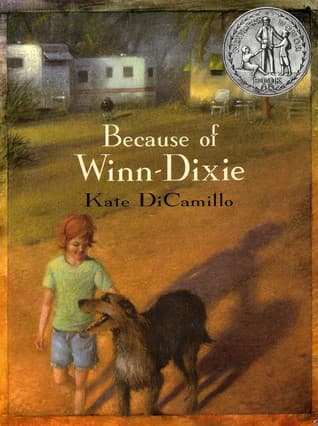
- Because of Winn-Dixie
Kate DiCamillo
4.0 (206k) average on GoodreadsChildren'sFeatures a lonely young girl who finds companionship and community through a stray dog in a new town.
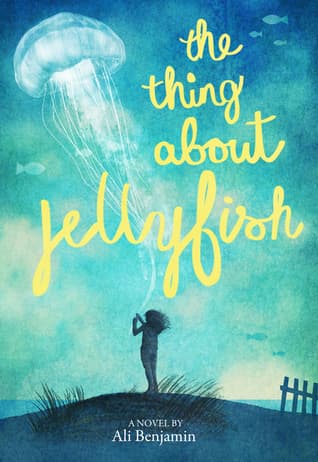
- The Thing About Jellyfish
Ali Benjamin
4.1 (27k) average on GoodreadsChildren'sDeals with a young protagonist navigating grief and change, finding solace and understanding through unexpected connections.
- Bridge to Terabithia
Katherine Paterson
4.0 (445k) average on GoodreadsFantasyPaterson's classic also explores friendship and the solace found in relationships but tackles themes of loss and grief with a raw intensity that is more emotionally demanding and tragic. While both are profound, Wish tends to soften difficult topics with an underlying current of hope and eventual resolution, whereas Bridge to Terabithia confronts grief with unflinching directness.
- Harry Potter and the Sorcerer's Stone
J.K. Rowling
4.5 (7M) average on GoodreadsFantasyRescued from a miserable life under the stairs, an orphaned boy discovers he's a wizard destined for a magical school, where he uncovers a dangerous secret tied to the dark wizard who murdered his parents.
- The Hobbit, or There and Back Again
J.R.R. Tolkien
4.3 (2.9M) average on GoodreadsFantasyA comfort-loving hobbit named Bilbo Baggins is whisked away by a mischievous wizard and a band of dwarves on an unexpected journey to reclaim stolen treasure from a fearsome dragon, discovering courage and a magical ring along the way.
- Harry Potter and the Goblet of Fire
J.K. Rowling
4.6 (2.6M) average on GoodreadsFantasyA bewildered Harry Potter, underage and thrust into a deadly Triwizard Tournament, must brave dragons, mermaids, and a resurgent dark magic to survive a year that will forever alter the wizarding world.




Enjoyed the summary?
A summary gives you the shape of the book. The book itself has the detail, the examples and the voice.
Find Wish on AmazonAs an Amazon Associate, BookBrief earns from qualifying purchases. How we're funded