
Estimated read time: 6 min read
One Sentence Summary
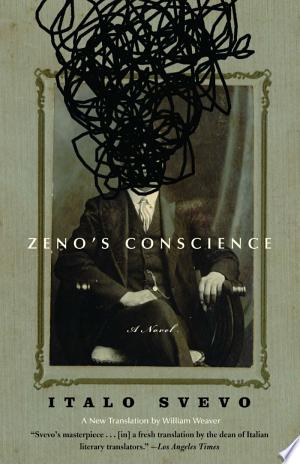
"Zeno's Conscience" by Italo Svevo follows the introspective journey of Zeno Cosini, an Italian businessman, as he humorously examines his life, relationships, and futile attempts to quit smoking through psychoanalysis.
Table of Contents
- Plot Overview and Setting
- Chapter 1: Smoke
- Chapter 2: My Father's Death
- Chapter 3: The Story of My Marriage
- Chapter 4: Wife and Mistress
- Chapter 5: The Story of a Business Partnership
- Chapter 6: Psychoanalysis
- Self-Deception
- Addiction and Control
- The Nature of Consciousness
- Relationships and Fidelity
- The Role of Psychoanalysis
Introduction
"Zeno's Conscience" by Italo Svevo is a seminal work in modernist literature, blending psychological insight with comedic elements. Published in 1923, this Italian novel explores themes of self-deception, addiction, and the complexity of human consciousness. Italo Svevo, born Ettore Schmitz, was an Italian writer whose works gained prominence through the advocacy of James Joyce, a close friend. Svevo's exploration of psychoanalysis and the human psyche was ahead of its time, making "Zeno's Conscience" a pioneering text in psychological and stream-of-consciousness narratives.
Brief Synopsis
Plot Overview and Setting
The novel is set in early 20th-century Trieste, a city that reflects the cultural tensions of a changing Europe. "Zeno's Conscience" is a fictional autobiography told through the reflective, often unreliable, narrative of Zeno Cosini. Zeno, a middle-aged man, writes at the behest of his psychoanalyst, Dr. S., to delve into his past and better understand his present self. The narrative unfolds through Zeno's various attempts to quit smoking, his tumultuous relationships, and his business ventures, painting a vivid picture of his inner turmoil and societal interactions.
Main Characters
| Character | Description |
|---|---|
| Zeno Cosini | The protagonist and narrator; an introspective and self-deceptive man struggling with personal shortcomings. |
| Dr. S. | Zeno's psychoanalyst who encourages him to write his memoirs as a therapeutic exercise. |
| Augusta Malfenti | Zeno's patient and caring wife, often seen as the grounding force in his life. |
| Ada Malfenti | Augusta's beautiful sister, with whom Zeno is infatuated. |
| Guido Speier | Zeno's business partner and rival, whose fate is intertwined with Zeno's actions. |
Summary of Story Points Over Chapters
Chapter 1: Smoke
Zeno's obsession with quitting smoking sets the stage for his introspection. He recounts numerous failed attempts, each serving as a metaphor for his lack of self-control and commitment. The chapter highlights Zeno's tendency to rationalize his failures, showcasing his complex relationship with addiction and self-delusion.
Chapter 2: My Father's Death
Zeno reflects on his father's death, a pivotal moment that exacerbates his feelings of inadequacy. He recounts the strained relationship they shared and his guilt over his father's final moments. This chapter illustrates Zeno's perpetual struggle with guilt and the impact of paternal relationships on his psyche.
Chapter 3: The Story of My Marriage
Zeno narrates his courtship and eventual marriage to Augusta Malfenti. Despite his initial infatuation with her sister Ada, he ends up marrying Augusta. The chapter explores themes of love, choice, and contentment, as Zeno grapples with the consequences of his decisions.
Chapter 4: Wife and Mistress
Zeno's extramarital affair with Carla, a young singer, reveals his conflicting desires and moral ambiguities. The chapter delves into themes of fidelity, desire, and the complexity of human relationships, as Zeno tries to reconcile his actions with his conscience.
Chapter 5: The Story of a Business Partnership
Zeno's involvement in a business partnership with Guido Speier unfolds. Despite initial success, their enterprise faces challenges due to Guido's reckless decisions and Zeno's passive involvement. The chapter highlights the intersection of personal and professional turmoil.
Chapter 6: Psychoanalysis
Zeno critiques the effectiveness of psychoanalysis, reflecting on his sessions with Dr. S. and his own understanding of self-awareness. This chapter underscores the novel's exploration of the human mind and the limitations of therapeutic interventions.
Main Events
| Event | Description |
|---|---|
| Zeno's Attempts to Quit Smoking | Represents his struggle with self-control and addiction. |
| Father's Death | Intensifies Zeno's feelings of inadequacy and guilt. |
| Marriage to Augusta | Illustrates themes of choice and contentment amidst personal conflict. |
| Affair with Carla | Highlights Zeno's moral ambiguities and conflicting desires. |
| Business Partnership with Guido | Explores personal and professional dilemmas. |
| Psychoanalysis Sessions | Questions the effectiveness of therapy and self-awareness. |
Themes and Insights
Self-Deception
Zeno's narrative is a study in self-deception. His reflections reveal the human tendency to distort reality to protect oneself from harsh truths. Svevo masterfully illustrates how self-awareness often collides with self-delusion, creating a complex character study.
Addiction and Control
Through Zeno's repeated failures to quit smoking, Svevo examines themes of addiction and the illusion of control. This struggle serves as a broader metaphor for human weaknesses and the challenge of overcoming them.
The Nature of Consciousness
The novel delves into the intricacies of human consciousness, highlighting the fragmented and often contradictory nature of self-awareness. Zeno's narrative structure reflects the fluidity and complexity of thought processes.
Relationships and Fidelity
Zeno's interactions with Augusta, Ada, and Carla explore themes of love, fidelity, and human imperfection. Svevo presents a nuanced view of relationships, emphasizing the gap between societal norms and individual desires.
The Role of Psychoanalysis
Svevo critiques the effectiveness of psychoanalysis through Zeno's sessions with Dr. S. The novel questions whether true self-understanding can be achieved through therapeutic means, or if it remains an elusive goal.
Reader's Takeaway
"Zeno's Conscience" offers readers a contemplative journey into the depths of human psyche. It encourages introspection on personal failings and the nature of self-awareness. Svevo's humor and wit provide a lens through which to examine the absurdities of life and the human condition.
Conclusion
Italo Svevo's "Zeno's Conscience" remains a significant contribution to modernist literature, offering insights into the complexities of human consciousness. Through Zeno Cosini's flawed yet relatable character, Svevo invites readers to reflect on their own lives, choices, and the universal struggle between self-awareness and self-deception. The novel's enduring relevance lies in its exploration of timeless themes, making it a must-read for those interested in the intricacies of the human mind.
Zeno's Conscience FAQ
What is 'Zeno's Conscience' about?
'Zeno's Conscience' is a novel by Italo Svevo that explores the life and thoughts of Zeno Cosini, a businessman who reflects on his life through a series of psychoanalytic sessions. The novel delves into themes of self-deception, addiction, and the search for meaning.
Who is the author of 'Zeno's Conscience'?
The author of 'Zeno's Conscience' is Italo Svevo, an Italian writer whose real name was Aron Ettore Schmitz.
When was 'Zeno's Conscience' published?
'Zeno's Conscience' was originally published in Italian in 1923.
What are the main themes of 'Zeno's Conscience'?
The main themes of 'Zeno's Conscience' include self-deception, addiction (particularly to smoking), the nature of consciousness, and the struggle for self-awareness.
Is 'Zeno's Conscience' considered a significant work in literature?
Yes, 'Zeno's Conscience' is considered a significant work in modernist literature and is praised for its psychological depth and its innovative narrative style.
How is the narrative of 'Zeno's Conscience' structured?
The narrative of 'Zeno's Conscience' is structured as a series of diary entries written by Zeno Cosini, reflecting on different periods of his life, which he writes as part of his therapy sessions.
What is the significance of smoking in 'Zeno's Conscience'?
Smoking in 'Zeno's Conscience' symbolizes Zeno's struggle with addiction and his tendency towards self-deception, as he continually attempts to quit but fails, using it as an excuse to explore his deeper psychological issues.
How does 'Zeno's Conscience' end?
The novel ends with Zeno reflecting on the chaos of the world and the potential for destruction, leaving readers with an ambiguous and introspective conclusion rather than a resolved storyline.
What literary techniques are prominent in 'Zeno's Conscience'?
'Zeno's Conscience' employs stream-of-consciousness writing, deep psychological analysis, and unreliable narration as key literary techniques to explore the protagonist's inner world.



