Count Lev Nikolayevich Tolstoy, usually referred to in English as Leo Tolstoy, was a Russian writer who is regarded as one of the greatest authors of all time. He received nominations for the Nobel Prize in Literature every year from 1902 to 1906 and for the Nobel Peace Prize in 1901, 1902, and 1909; the fact that he never won is a major controversy.
In 1870s Russia, a passionate affair ruins a high-society woman's life, while another person searches for happiness amidst social rules and moral problems.
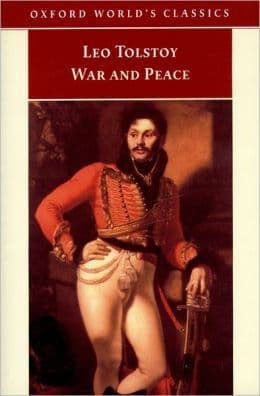
Amidst Napoleon's invasion of Russia, "War and Peace" intertwines the lives of aristocratic families, showing the human experiences of love, loss, and the search for meaning in a world at war.
A high court judge faces the deep emptiness of his life and society's cold indifference as a fatal illness forces him to understand the true meaning of existence.
Consumed by corrosive jealousy over his wife's musical partnership, Pozdnyshev murders her, exposing the hypocrisies of 19th-century marriage and Tolstoy's conflicted Christian views on lust and art.
Haunted by life's meaninglessness, Leo Tolstoy searches through science, philosophy, and faith, finding comfort not in intellectual pursuits but in the simple beliefs of ordinary people.
A young woman's passionate, idealized love for an older man clashes with the realities of married life, threatening to unravel their 'family happiness' in a story about youthful expectations versus mature contentment.
Tolstoy's book presents a Christianity without dogma, urging readers to find morality and nonviolent resistance within themselves. This message inspired Gandhi and challenged empires.
A prince, burdened by guilt, seeks to right a past wrong against a peasant girl, exposing the harsh realities of 19th-century Russia and embarking on a spiritual journey.