

Synopsis
Covers the whole plot, including the ending.
- Difficulty
- Easy
- Pacing
- Moderate
- Mood
- Heartwarming, Nostalgic, Gentle, Reflective
- Read it if
- You want a heartwarming story about the true meaning of Christmas, with classic Peanuts charm.
- Skip it if
- You dislike simple, moralistic children's stories or the Peanuts art style.
A Charlie Brown Christmas Plot Summary
Covers the whole plot, including the ending.
The Christmas Blues
The story begins with Charlie Brown feeling sad, even though Christmas is near. He tells Linus he cannot feel happy. He notices the widespread commercialism: Snoopy decorates his doghouse excessively to win a contest, and Sally asks Santa for lots of money and specific gifts. Charlie Brown feels the true meaning of Christmas is lost in all the materialism, making him feel alone and confused about the holiday spirit everyone else seems to enjoy.
A Director's Dilemma
Hoping to cheer him up, Lucy suggests Charlie Brown direct the school's Christmas play. She says being involved in a Christmas activity will help him understand the holiday's true meaning. Despite his doubts about managing the lively Peanuts gang, Charlie Brown agrees. He sees it as a chance to find the Christmas spirit he wants, though he worries about the challenges with such a varied and often uncooperative cast.
Casting Chaos
Charlie Brown's first attempt at directing is immediately chaotic. During the first rehearsal, the children care more about dancing to jazz and doing their own things than following his instructions. Violet, Patty, and the others do not take the play seriously, mocking his leadership. Lucy, always bossy, takes over casting, making herself the Christmas Queen and Peppermint Patty her assistant. Charlie Brown feels his authority slipping and the play getting out of control, deepening his holiday sadness.
Snoopy's Spectacle
Amidst the play's disorder, Snoopy continues his pursuit of commercial gain. He carefully decorates his doghouse with many lights and ornaments, aiming to win the neighborhood Christmas lights contest and its prize money. He even practices ice skating routines for a holiday show. This clear display of materialism from his own dog further annoys Charlie Brown, who sees Snoopy's actions as another example of how far people have strayed from Christmas's spiritual core. Snoopy's antics contrast sharply with Charlie Brown's sincere search for understanding.
The Search for a Christmas Tree
Frustrated by the play's lack of progress and the cast's indifference, Lucy gives Charlie Brown a new task: find a large, shiny aluminum Christmas tree for the play. He wants a real, traditional tree, but Lucy dismisses his idea, insisting on a modern, artificial one. With Linus, Charlie Brown goes to the Christmas tree lot, still hoping this simple act might connect him to the season's true spirit. He feels the weight of everyone's expectations, especially Lucy's, as he begins this search.
The Little Tree
At the tree lot, Linus points out many artificial, brightly colored aluminum trees. However, Charlie Brown is drawn to a small, thin, real fir tree standing alone among the flashy artificial options. He feels a deep connection to its humble look, seeing in it a reflection of his own feelings of not being good enough and being overlooked. Despite Linus's doubts and the expectation to choose something grander, Charlie Brown decides to take this little tree, believing it needs a home and represents a more genuine Christmas spirit than the commercial options.
Rejection of the Tree
Charlie Brown proudly brings his small, humble Christmas tree back to the rehearsal hall, expecting a good reaction. Instead, the entire cast laughs at him. Lucy, Violet, and the others mock the tree, calling it a 'disgrace' and a 'poor excuse for a Christmas tree.' They dismiss his choice as foolish and unfit for their play, preferring a flashy, artificial tree. Feeling completely defeated and misunderstood, Charlie Brown's last hope of finding meaning through the play is crushed by their harsh criticism, deepening his Christmas sadness.
Linus Explains Christmas
Completely disheartened by the children's reaction to his tree, Charlie Brown cries out, asking if anyone truly knows what Christmas is about. Linus steps forward, takes center stage, and asks for silence. He then recites the biblical passage from the Gospel of Luke (Chapter 2, Verses 8-14), describing the Annunciation to the shepherds and the birth of Jesus Christ. As Linus speaks, the chaotic rehearsal hall becomes quiet and respectful. The true, spiritual meaning of Christmas is clearly conveyed to Charlie Brown and the other children.
A Renewed Hope
After Linus finishes his moving recitation, Charlie Brown feels much better. He realizes that Christmas is not about commercialism, material things, or perfect trees, but about faith, hope, and the birth of Jesus. Inspired, he decides to take his little tree home, determined to make it beautiful. He believes that with care and love, the humble tree can embody the spirit of Christmas just as deeply as any grander, more decorated one. This realization marks a shift in his understanding of the holiday.
The Tree's Transformation
Charlie Brown takes his little tree home, planning to decorate it himself. He places a single red ornament on one branch, but the branch sags, making the tree look even sadder. Feeling discouraged again, he walks away. However, the other children, moved by Linus's words and seeing Charlie Brown's honest effort, decide to help. They take blankets from Snoopy's doghouse to support the tree and then decorate it with their own ornaments. When Charlie Brown returns, he finds his once-scrawny tree transformed into a beautifully decorated, bright symbol of Christmas, filled with light and love.
Merry Christmas, Charlie Brown!
Seeing his little tree transformed by his friends' collective efforts, Charlie Brown feels immense joy and peace. The tree, once a symbol of his sadness, now shines with beauty and the true spirit of Christmas. The children gather around it, singing 'Hark! The Herald Angels Sing,' their voices filling the air with harmony. Charlie Brown, for the first time in the story, feels truly happy and understands that Christmas is not about commercialism or perfection, but about love, friendship, and the simple, profound message of hope. He finally exclaims, 'Merry Christmas, Charlie Brown!'
Principal Figures
Charlie Brown
Protagonist
A kind-hearted but perpetually anxious boy searching for the true meaning of Christmas.
Charlie Brown is the quintessential underdog, prone to melancholy and self-doubt. Despite his good intentions, he often finds himself frustrated by the world around him, particularly the commercialization of Christmas. He deeply desires to understand and experience the genuine spirit of the holiday but feels alienated by the materialism and superficiality he observes in his friends. He is earnest, reflective, and often overwhelmed by the chaos of his peers.
Relationships: Linus Van Pelt (Best friend, confidant, source of wisdom); Lucy Van Pelt (Frequent tormentor, occasional advisor); Snoopy (Pet dog, often acts independently and comically)
Linus Van Pelt
Supporting
Charlie Brown's wise and philosophical best friend.
Linus is the intellectual and moral center of the Peanuts gang, known for his security blanket and his surprising depth of knowledge, especially concerning religious matters. He is calm, articulate, and often the voice of reason. While he occasionally participates in the children's antics, he possesses an underlying maturity and spiritual awareness that sets him apart. He acts as a comforting presence and a source of profound insight for Charlie Brown.
Relationships: Charlie Brown (Best friend, intellectual and emotional support); Lucy Van Pelt (Older sister, often bossed around by her)
Lucy Van Pelt
Supporting
Bossy, opinionated, and often self-centered, but occasionally well-meaning.
Lucy is the outspoken and dominant personality of the group. She is bossy, often critical of others, and frequently offers unsolicited psychiatric advice from her lemonade stand. While she seems to embrace the commercial aspects of Christmas, she also takes on leadership roles, like assigning Charlie Brown to direct the play. Despite her abrasive exterior, she is eventually moved by the true spirit of Christmas and participates in the collective effort to help Charlie Brown.
Relationships: Charlie Brown (Often criticizes and advises him); Linus Van Pelt (Younger brother, whom she often bosses)
Snoopy
Supporting
Charlie Brown's imaginative and independent beagle.
Snoopy is Charlie Brown's pet dog, known for his anthropomorphic qualities and vivid imagination. In this story, he embodies the commercialization of Christmas, meticulously decorating his doghouse for a contest and practicing for a holiday show. He is often self-serving and focused on his own interests, providing comic relief and a stark contrast to Charlie Brown's existential struggle. Despite his independent nature, he is ultimately a part of the Peanuts family.
Relationships: Charlie Brown (Owner, though Snoopy often acts independently)
Sally Brown
Supporting
Charlie Brown's younger sister, focused on getting presents.
Sally is Charlie Brown's younger sister, who, like many children, is primarily focused on the material aspects of Christmas. She writes a letter to Santa Claus requesting specific, expensive gifts and money, reflecting the consumerist attitudes that Charlie Brown laments. She represents the innocent, yet often self-centered, perspective of childhood during the holidays, adding to Charlie Brown's frustration with the commercialization of Christmas.
Relationships: Charlie Brown (Older brother, whom she often seeks advice from)
Schroeder
Supporting
A talented pianist, devoted to classical music.
Schroeder is a serious and talented pianist, whose world revolves around his toy piano and Ludwig van Beethoven. He is often oblivious to the chaos around him, immersing himself in his music. In the Christmas play, he is more interested in playing his own classical pieces than participating in the festive, jazz-infused dance numbers the other children prefer. He represents artistic integrity and a focus on his passion, even amidst the holiday frenzy.
Relationships: Lucy Van Pelt (Object of her unrequited affection)
Violet & Patty
Supporting
Two of the 'popular' girls in the Peanuts gang, often critical and dismissive.
Violet and Patty represent the more conventional and often superficial elements of the children's group. They are quick to criticize, especially Charlie Brown's choices, and are more interested in social standing and material appearances. They are among the first to mock Charlie Brown's small Christmas tree, reflecting the general sentiment that Christmas should be grand and impressive rather than humble and meaningful. They embody the societal pressures Charlie Brown struggles against.
Relationships: Charlie Brown (Often critical and dismissive of him)
Themes & Insights
The Commercialization of Christmas
This theme is key to Charlie Brown's initial sadness. He sees Christmas as ruined by materialism, shown by Snoopy wanting a prize for his decorated doghouse, Sally's long gift list, and the children's demand for a flashy, artificial tree for the play. This focus on buying and outward show overshadows the holiday's spiritual meaning, making Charlie Brown feel alone and unable to find joy. His struggle highlights the conflict between societal expectations of holiday cheer and the deeper, often ignored, meaning.
“'I think there must be something wrong with me, Linus. Christmas is coming, but I'm not happy. I don't feel the way I'm supposed to feel.'”
The True Meaning of Christmas
This theme is the story's main message. Charlie Brown searches for the real Christmas spirit beyond its commercial surface. Linus's reading of the Nativity story from the Gospel of Luke is the crucial moment, reminding everyone that Christmas is about the birth of Jesus Christ, faith, and hope, not presents or decorations. The story argues that the true meaning lies in humility, love, and spiritual thought, rather than grand displays or material things, ultimately bringing Charlie Brown peace.
“'That's what Christmas is all about, Charlie Brown.'”
Finding Beauty in Simplicity and Humility
This theme appears in Charlie Brown's choice of the small, thin Christmas tree. While the other children want a large, artificial, and commercially perfect tree, Charlie Brown is drawn to the humble, overlooked fir. This 'underdog' tree mirrors his own feelings of not being good enough but also shows the overlooked beauty in simplicity and authenticity. Its transformation, through the children's combined effort, from a mocked object to a symbol of joy and love, confirms that true value often lies in the unpretentious and genuine, rather than the grand.
“'I guess I really don't know what a Christmas tree looks like. All I can see are these big, shiny, artificial ones... and then there's this little one...'”
Community and Friendship
While Charlie Brown initially feels alone in his sadness, the story's ending stresses the importance of community and friendship. The children, at first self-centered and critical, eventually help Charlie Brown. Moved by Linus's message and seeing Charlie Brown's true heartache, they unite to transform his little tree. This shared act of kindness, empathy, and common purpose brings true joy to Charlie Brown and symbolizes Christmas's communal spirit. It shows that even with conflict, friendship can lead to understanding and happiness.
“'Merry Christmas, Charlie Brown!'”
Plot Devices & Literary Techniques
Symbolism of the Christmas Tree
The Christmas tree represents Charlie Brown's emotional state and the true spirit of Christmas.
The Christmas tree serves as a powerful symbol throughout the story. Initially, the children's desire for a 'big, shiny aluminum' tree symbolizes the commercial and superficial aspects of Christmas that distress Charlie Brown. His selection of the small, scrawny fir tree reflects his own feelings of inadequacy and his search for authenticity. When the children mock it, it mirrors his despair. Its eventual transformation into a beautiful, decorated tree by the collective effort of his friends symbolizes the triumph of humility, love, and the true spirit of Christmas over materialism, and Charlie Brown's own emotional transformation.
Linus's Biblical Recitation
A direct biblical quote that provides the moral and thematic resolution.
Linus's recitation of the Nativity story from the Gospel of Luke is the central anagnorisis (moment of recognition) in the plot. It functions as a direct, undeniable statement of the true meaning of Christmas, cutting through all the commercialism and confusion. This device provides a clear moral compass for the characters and the audience, instantly shifting the tone of the narrative from despair to hope and understanding. It's a didactic moment that directly addresses the story's core question and sets the stage for the resolution.
Contrast (Commercialism vs. Spirituality)
The juxtaposition of materialistic and spiritual aspects of Christmas.
The story heavily relies on contrast to highlight its central theme. We see the stark difference between Snoopy's elaborate doghouse decorations aimed at winning a contest, Sally's materialistic Santa list, and the children's desire for a flashy artificial tree, versus Charlie Brown's yearning for a deeper, intangible meaning. This contrast is most explicit in the choice between the artificial trees and the single, humble fir tree. This device effectively underscores the conflict within Charlie Brown and the broader message about the holiday's true essence.
A Charlie Brown Christmas Quotes
“I think there must be something wrong with me, Linus. Christmas is coming, but I'm not happy. I don't feel the way I'm supposed to feel.”
“Rats. Nobody cares.”
“All I want is what I have coming to me. All I want is my fair share.”
“Of course, I am, Charlie Brown. I'm a good man.”
“Are you going to let all that material stuff ruin your Christmas? Don't you know anything about Christmas?”
“That's what Christmas is all about, Charlie Brown.”
“I never thought it was such a bad little tree. It's not bad at all, really. Maybe it just needs a little love.”
“We all know that Christmas is a big commercial racket. It's run by a big eastern syndicate, you know.”
“I've been looking for a Christmas tree. I went to the lot, and all the trees were artificial. And, frankly, I don't like artificial trees.”
“Isn't there anyone who knows what Christmas is all about?!”
“And there were in the same country shepherds abiding in the field, keeping watch over their flock by night.”
“You're a good man, Charlie Brown.”
“Get the biggest aluminum tree you can find, Charlie Brown, maybe paint it pink!”
“All right, Charlie Brown, what do you want for Christmas?”
Quiz
10 questions on the plot and the characters. Each answer comes with a short explanation.
Question 1
What is Charlie Brown's primary complaint at the beginning of 'A Charlie Brown Christmas'?
- He doesn't have enough money for presents.
- He feels depressed despite the holiday season.
- He hasn't received any Christmas cards.
- His dog, Snoopy, is acting too selfishly.
Show answer
B. He feels depressed despite the holiday season. Charlie Brown explicitly states that he feels depressed and can't get into the Christmas spirit, despite it being the holiday season.
Question 2
What role does Lucy assign Charlie Brown for the Christmas play?
- Director
- Stage Manager
- Lead Actor
- Set Designer
Show answer
A. Director Lucy, acting as the self-appointed producer, gives Charlie Brown the job of directing the Christmas play.
Question 3
What does Charlie Brown choose as the Christmas tree for the play?
- A large, sparkly aluminum tree
- A small, sparse, real fir tree
- A potted evergreen plant
- A decorated cardboard cutout tree
Show answer
B. A small, sparse, real fir tree Charlie Brown chooses a tiny, spindly real fir tree, much to the dismay and mockery of the other children who wanted a modern, artificial tree.
Question 4
What is Snoopy's main Christmas-related activity that Charlie Brown finds commercialized?
- Singing carols for money
- Entering a house decorating contest
- Writing letters to Santa for gifts
- Selling mistletoe to the other kids
Show answer
B. Entering a house decorating contest Snoopy decorates his doghouse excessively and enters a house decorating contest, hoping to win money, which Charlie Brown sees as a symbol of Christmas's commercialization.
Question 5
What is the primary theme that Linus's speech about Christmas aims to convey?
- The importance of gift-giving and generosity.
- The historical origins of holiday traditions.
- The true meaning of Christmas, found in the Bible.
- The joy of spending time with family and friends.
Show answer
C. The true meaning of Christmas, found in the Bible. Linus recites Luke 2:8-14 from the Bible, explaining that 'that's what Christmas is all about, Charlie Brown,' emphasizing its religious significance over commercialism.
Question 6
Why do the other children laugh at Charlie Brown's chosen Christmas tree?
- It's too tall for the stage.
- It's a fake tree, and they wanted a real one.
- It's tiny, scraggly, and appears dead.
- It has no branches to hang ornaments on.
Show answer
C. It's tiny, scraggly, and appears dead. The children wanted a big, shiny aluminum tree, so they mock Charlie Brown's choice of a small, pathetic-looking real tree, calling it 'a little twig.'
Question 7
What object does Linus famously use to emphasize his point during his speech about the meaning of Christmas?
- His security blanket
- A small Christmas ornament
- A copy of the Bible
- A single candle
Show answer
A. His security blanket As Linus begins to recite the biblical passage, he drops his security blanket, a significant character trait, showing his focus on the message.
Question 8
After Linus's speech, what do the other children do to Charlie Brown's small tree?
- They replace it with a larger tree.
- They decorate it with his one ornament and then their own.
- They continue to ignore it, focusing on Snoopy's doghouse.
- They throw it out and decide not to have a tree.
Show answer
B. They decorate it with his one ornament and then their own. Inspired by Linus's message, the other children, led by Linus, take Charlie Brown's small tree and decorate it beautifully, showing a change in their perspective.
Question 9
Which of the following best describes Lucy's attitude towards Christmas at the beginning of the story?
- She is deeply spiritual and reverent.
- She is primarily concerned with commercial aspects and material gain.
- She is indifferent to the holiday.
- She is focused on charitable giving.
Show answer
B. She is primarily concerned with commercial aspects and material gain. Lucy is shown demanding presents from Santa and attempting to get Charlie Brown to buy an aluminum tree, indicating a focus on commercialism rather than the spiritual meaning.
Question 10
What is the ultimate message conveyed by the children's transformation of Charlie Brown's tree and their final carol?
- That modern, artificial trees are superior to natural ones.
- That even the smallest, most overlooked things can be beautiful with love and belief.
- That Charlie Brown is always right about everything.
- That Christmas plays are ultimately futile.
Show answer
B. That even the smallest, most overlooked things can be beautiful with love and belief. The transformation of the 'pathetic' tree into a beautiful one, accompanied by the children singing 'Hark! The Herald Angels Sing,' symbolizes that the true spirit of Christmas can redeem even the most humble things, emphasizing love and belief over materialism.
A Charlie Brown Christmas FAQ
What is Charlie Brown's primary internal conflict at the beginning of the story?
Charlie Brown is experiencing profound melancholy and an inability to feel the Christmas spirit, despite everyone else's excitement. He expresses a sense of emptiness and a feeling that he's missing the true meaning of Christmas, even amidst the festive preparations.
How does Lucy try to help Charlie Brown with his problem?
Lucy, in her typical fashion, suggests that Charlie Brown needs a project and offers him the role of director for the school's Christmas play. She believes that being involved and having responsibility will cure his 'crabby' mood and help him find the Christmas spirit.
What kind of Christmas play do the children decide to put on, and what is Charlie Brown's role?
The children decide to put on a modern, commercialized Christmas play, complete with dancing and rock music. Charlie Brown is reluctantly appointed as the director, a role he struggles with as he tries to steer the play back to a more traditional and meaningful interpretation.
What does Charlie Brown choose as the Christmas tree for the play, and what is the reaction of the other children?
Charlie Brown chooses a small, scrawny, real fir tree from a Christmas tree lot, rejecting the shiny, artificial aluminum tree. The other children mock and ridicule his choice, calling it a 'disgrace' and laughing at its pathetic appearance, preferring the modern, fake alternative.
How does Linus ultimately explain the true meaning of Christmas to Charlie Brown?
Linus, standing on stage, recites the biblical passage from the Gospel of Luke, chapter 2, verses 8-14, which describes the announcement of Jesus' birth to the shepherds. He emphasizes that Christmas is about 'peace on Earth, good will toward men,' directly addressing Charlie Brown's quest for meaning.
What is the significance of the single red ornament Charlie Brown places on his chosen tree?
The single red ornament symbolizes Charlie Brown's desperate attempt to bring beauty and meaning to something perceived as worthless. It represents his individual hope and belief, even when faced with ridicule, that true value can be found in simplicity and authenticity, rather than commercial grandeur.
How does Snoopy's decorated doghouse subtly contrast with the children's commercialized play?
Snoopy's elaborately decorated doghouse, complete with lights and a prize, represents the epitome of consumerism and flashy display, mirroring the children's desire for a modern, commercialized play. It highlights the superficial aspects of Christmas that Charlie Brown is struggling against, showcasing the prevailing societal trend.
What role does Schroeder's piano playing serve beyond just musical accompaniment?
Schroeder's unwavering dedication to playing classical Christmas carols on his toy piano, often ignored or interrupted by Lucy, represents the steadfastness of traditional values amidst the chaos and commercialism. He is a constant, grounding force, subtly upholding the solemnity and beauty of the season even when others are distracted.
What is the implied fate of the aluminum Christmas tree that Lucy initially wanted?
The aluminum Christmas tree, a symbol of modern commercialism and artificiality, is ultimately rejected in favor of Charlie Brown's small, real tree. While not explicitly shown, its implied fate is that it remains unchosen and unused, highlighting the story's message about the preference for authenticity over superficiality.
How does Charlie Brown's initial depression reflect a common psychological experience during the holidays?
Charlie Brown's depression, despite the festive season, reflects 'holiday blues' or seasonal affective disorder, where societal pressure to be joyful can amplify feelings of loneliness or emptiness. His struggle to find meaning amidst commercialism is a relatable psychological battle against external expectations.
Analyze Lucy's motivation for constantly offering psychiatric help to Charlie Brown.
Lucy's motivation stems from a desire for control and a belief in her own superior intellect, coupled with a superficial understanding of psychology. She sees Charlie Brown as a 'problem' to be fixed, often for a fee, rather than genuinely empathizing with his deeper existential struggles.
How does Linus's attachment to his blanket psychologically represent comfort and security in the face of uncertainty?
Linus's blanket is a classic transitional object, psychologically representing comfort and security, especially in moments of stress or vulnerability. When he drops it to recite the Christmas story, it signifies his profound conviction and willingness to momentarily shed his security for a greater truth, only to pick it up again afterward.
What psychological impact does the children's laughter and ridicule have on Charlie Brown?
The children's laughter and ridicule profoundly impact Charlie Brown, reinforcing his feelings of inadequacy, isolation, and misunderstanding. It exacerbates his self-doubt and makes him feel even more alienated, pushing him further into his melancholy until Linus intervenes with the true meaning.
Is the ending truly a complete resolution for Charlie Brown, or does it offer a temporary reprieve?
The ending offers a significant, heartfelt reprieve for Charlie Brown, as he finally understands the true meaning of Christmas and feels a sense of belonging. However, given his recurring melancholic nature throughout the Peanuts series, it's more likely a profound moment of clarity and joy rather than a complete, permanent cure for his existential anxieties.
To what extent is the story a critique of holiday commercialism versus a celebration of traditional values?
The story is primarily a sharp critique of holiday commercialism, evident in the children's focus on material possessions, flashy decorations, and a commercialized play. Simultaneously, it is a powerful celebration of traditional values, emphasizing faith, simplicity, and the spiritual meaning of Christmas as the antidote to superficiality.
Could the 'pathetic' Christmas tree Charlie Brown chooses be interpreted as a symbol for Charlie Brown himself?
Yes, the 'pathetic' Christmas tree is a strong symbol for Charlie Brown himself. Like the tree, Charlie Brown feels small, overlooked, and inadequate amidst the grander, flashier elements of the world. By nurturing and finding beauty in the tree, he is, in a way, nurturing and finding value in himself.
What message does the story convey about the importance of individual perspective versus groupthink?
The story strongly conveys the importance of individual perspective over groupthink. Charlie Brown's initial despair stems from feeling alienated by the group's commercialized view, while his eventual solace comes from Linus's individual, heartfelt recitation. It champions the courage to seek and uphold personal truth against popular opinion.
How does the adult-free world of Peanuts contribute to the story's themes?
The adult-free world of Peanuts amplifies the story's themes by forcing the children to grapple with complex issues like commercialism, faith, and meaning on their own terms. It highlights their innocence and vulnerability while also showcasing their capacity for profound insight and independent thought, making their discoveries more impactful.
About the author

Charles M. Schulz was the visionary creator of the beloved comic strip "Peanuts," which ran for nearly 50 years. His characters, including Charlie Brown and Snoopy, became cultural icons, and his holiday specials like "A Charlie Brown Christmas" are enduring classics. Schulz's simple yet profound storytelling captured the anxieties and joys of childhood, earning him widespread acclaim and a lasting legacy in American popular culture.
Similar books
- How the Grinch Stole Christmas!
Dr. Seuss
4.4 (330k) average on GoodreadsFantasyBoth are classic holiday stories about the commercialization of Christmas and finding its true meaning.
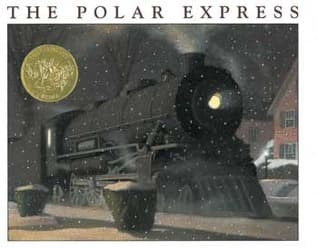
- The Polar Express
Chris Van Allsburg
4.3 (212k) average on GoodreadsFantasyA children's Christmas classic focused on belief and the magic of the season.
- Harry Potter and the Sorcerer's Stone
J.K. Rowling
4.5 (7M) average on GoodreadsFantasyRescued from a miserable life under the stairs, an orphaned boy discovers he's a wizard destined for a magical school, where he uncovers a dangerous secret tied to the dark wizard who murdered his parents.
- The Hobbit, or There and Back Again
J.R.R. Tolkien
4.3 (2.9M) average on GoodreadsFantasyA comfort-loving hobbit named Bilbo Baggins is whisked away by a mischievous wizard and a band of dwarves on an unexpected journey to reclaim stolen treasure from a fearsome dragon, discovering courage and a magical ring along the way.
- Harry Potter and the Goblet of Fire
J.K. Rowling
4.6 (2.6M) average on GoodreadsFantasyA bewildered Harry Potter, underage and thrust into a deadly Triwizard Tournament, must brave dragons, mermaids, and a resurgent dark magic to survive a year that will forever alter the wizarding world.
- Harry Potter and the Order of the Phoenix
J.K. Rowling
4.5 (2.5M) average on GoodreadsFantasyIn a year of oppressive secrets and the threat of Voldemort, Harry Potter and Dumbledore's Army secretly train for war, shown through Jim Kay and Neil Packer's dark illustrations.





Enjoyed the summary?
A summary gives you the shape of the book. The book itself has the detail, the examples and the voice.
Find A Charlie Brown Christmas on AmazonAs an Amazon Associate, BookBrief earns from qualifying purchases. How we're funded