

Synopsis
Covers the whole plot, including the ending.
- Difficulty
- Medium
- Pacing
- Moderate
- Mood
- Bleak, Poignant, Realistic, Somber, Reflective
- Read it if
- You appreciate gritty, realistic coming-of-age stories set against a backdrop of social realism, focusing on the resilience of a young protagonist in difficult circumstances. Fans of character-driven narratives with a strong emotional core will find this compelling.
- Skip it if
- You prefer lighthearted or fantastical stories, or if you are sensitive to themes of child neglect, animal cruelty, and a generally bleak outlook with an unhappy ending.
A Kestrel for a Knave Plot Summary
Covers the whole plot, including the ending.
A Bleak Morning and a New Discovery
The novel opens with a typical morning for Billy Casper, a working-class boy living in a mining town in Yorkshire. He wakes up late, is immediately bullied and physically abused by his older half-brother, Jud, who works down the pit. Billy struggles to get ready for school, where he is consistently late and underperforming. On his way to deliver newspapers, Billy spots a kestrel's nest in a barn. Driven by a sudden impulse, he climbs up and takes a kestrel chick, hiding it in his jacket. This act of defiance and curiosity starts his secret passion, offering a contrast to the drudgery and violence that define his home and school life.
School Struggles and a Glimmer of Talent
At school, Billy is an underachiever, regularly getting into trouble with teachers like Mr. Gryce and Mr. Farthing. He is often late, dirty, and uninterested in academic subjects. During a harsh caning session with Mr. Gryce for a minor infraction, Billy's resentment and alienation are clear. However, during a break, he encounters Mr. Farthing, his English teacher, and begins to talk about his kestrel, whom he has named Kes. To Mr. Farthing's surprise, Billy articulates his knowledge and passion for falconry with an intelligence and eloquence he never displays in class, showing a hidden depth.
The Art of Falconry
Billy spends his afternoons and evenings training Kes. He steals a book on falconry from a local shop, which he secretly studies to learn the techniques of luring, manning, and flying the kestrel. He uses a lure made from a piece of cloth and a dead mouse to teach Kes to fly to his hand. This training takes place in the fields and moors surrounding his town, a private world where Billy can escape the realities of his home and school. Through this process, Billy develops a bond with Kes, finding a sense of purpose, responsibility, and freedom that is absent from every other aspect of his life. He shows patience and understanding with the bird.
A Shared Secret and a Moment of Respect
Mr. Farthing, intrigued by Billy's earlier descriptions, asks him to bring Kes to school to demonstrate his training. Billy reluctantly agrees. In front of Mr. Farthing and a few other students, Billy expertly handles Kes, showing off her impressive flying and hunting skills. Mr. Farthing is impressed by Billy's knowledge, patience, and the connection he shares with the kestrel. This demonstration is a rare moment of validation and respect for Billy, where his unique talent is acknowledged and appreciated by an adult, contrasting sharply with the usual reprimands he receives from authority figures.
The Pressure of Home Life
Despite his solace with Kes, Billy's home life remains a source of stress. His mother, an overworked and often indifferent woman, pays little attention to him beyond basic needs. His half-brother, Jud, continues to dominate the household, demanding money, food, and obedience from Billy. Jud frequently resorts to physical violence and verbal abuse, making Billy's life miserable. Billy often has to run errands for Jud, including buying cigarettes and placing bets, further entangling him in his brother's petty criminal activities. These domestic pressures weigh on Billy, threatening his fragile peace of mind and his ability to care for Kes.
A Misunderstanding and a Consequence
One morning, Jud gives Billy money to place a bet on two horses for him. Billy, distracted or rebellious, uses the money to buy fish and chips and a comic, and then goes to watch a film instead of placing the bet. He returns home late, hoping Jud won't notice. However, Jud discovers that his horses won, and the betting slip was never placed. Enraged by Billy's disobedience and the loss of his winnings, Jud, in revenge, kills Kes. He wrings the kestrel's neck and leaves her body in the coalhouse for Billy to find.
The Discovery and Despair
Billy returns home, unaware of the tragedy. He goes to the coalhouse to check on Kes, only to find her lifeless body. The discovery shatters him. His only companion, his only source of pride, freedom, and purpose, has been taken from him. The act is a devastating blow, representing the destruction of the one thing that made his life bearable. Billy's despair is profound, showing the impact Kes had on his life and the brutal reality of his circumstances, where even his most cherished possession can be snatched away.
The Burial and the Lingering Loss
In a private act, Billy takes Kes's body and buries her in a quiet spot on the slag heap, a desolate landscape that mirrors his internal state. This burial signifies the end of his brief period of joy and self-discovery. With Kes gone, Billy is left with nothing but the bleak reality of his life – the oppressive home, the uncaring school, and the path to the coal mine. The novel ends with Billy facing a future without the connection and hope that Kes had provided, emphasizing the harsh and cyclical nature of poverty and limited opportunity in his environment.
Principal Figures
Billy Casper
Protagonist
A neglected and misunderstood boy who finds solace and purpose in training a kestrel.
Billy is a 15-year-old boy living in a deprived mining town in Yorkshire. He is academically disengaged, frequently in trouble at school, and subjected to physical and emotional abuse from his older half-brother, Jud. Despite his apparent apathy and truancy, Billy possesses a keen intelligence and sensitivity that he rarely displays to adults. He finds his true passion and a sense of belonging in training a wild kestrel, Kes. This relationship allows him to escape the harsh realities of his life and discover a hidden capacity for patience, responsibility, and deep affection. His internal world is rich, contrasting sharply with his external circumstances.
Relationships: Jud Casper (abusive half-brother); Mrs. Casper (indifferent mother); Mr. Farthing (understanding teacher); Kes (beloved pet and companion)
Jud Casper
Antagonist
Billy's older, abusive half-brother who works down the pit.
Jud is Billy's older half-brother, a young man already working in the local coal mine. He is depicted as rough, cruel, and resentful, often physically and verbally abusing Billy. Jud represents the harsh, brutalizing environment that Billy is trying to escape. He is self-centered and prone to violence, viewing Billy as little more than a nuisance or someone to run errands for. His ultimate act of cruelty – killing Kes – is born out of petty revenge and a complete disregard for Billy's feelings, highlighting the cycle of violence and lack of empathy in their household. He embodies the bleak future Billy fears.
Relationships: Billy Casper (abused younger half-brother); Mrs. Casper (mother)
Mr. Farthing
Supporting
Billy's compassionate English teacher who recognizes his hidden potential.
Mr. Farthing is one of Billy's teachers at school, specifically his English teacher. Unlike most of the other staff, he sees beyond Billy's disruptive behavior and poor academic performance. He is initially curious about Billy's interest in falconry and becomes genuinely impressed when Billy articulates his knowledge and passion for Kes. Mr. Farthing represents a rare adult figure who offers Billy understanding, respect, and a brief moment of validation. He provides a brief window of hope that Billy might be seen for his true abilities, though ultimately he cannot change Billy's circumstances.
Relationships: Billy Casper (student); Mr. Gryce (colleague)
Mrs. Casper
Supporting
Billy and Jud's overworked and largely indifferent mother.
Mrs. Casper is the mother of Billy and Jud. She is depicted as weary, overwhelmed by her circumstances, and largely indifferent to her sons' emotional needs. She works hard to keep the household afloat but offers little warmth or protection to Billy from Jud's abuse. Her focus is on survival and maintaining a semblance of order, often turning a blind eye to the violence within her home. She is a product of her environment, trapped by poverty and limited opportunities, and her lack of engagement contributes to Billy's isolation and neglect.
Relationships: Billy Casper (son); Jud Casper (son)
Kes
Supporting
A wild kestrel that becomes Billy's closest companion and symbol of freedom.
Kes is the kestrel chick that Billy steals from a nest and meticulously trains. She becomes the central focus of Billy's life, providing him with a sense of purpose, responsibility, and emotional connection that he lacks elsewhere. Kes represents freedom, nature, and the possibility of transcending his bleak circumstances. Her wildness and beauty captivate Billy, and their bond is the purest relationship in the book. Her tragic death is the ultimate symbol of the destruction of Billy's hopes and dreams, emphasizing the harsh realities of his life.
Relationships: Billy Casper (master and companion)
Mr. Gryce
Supporting
The strict and often cruel headmaster of Billy's school.
Mr. Gryce is the headmaster at Billy's school, characterized by his authoritarian methods and reliance on corporal punishment. He sees Billy as a disruptive, lazy, and hopeless student, and his interactions with Billy are primarily disciplinary. He embodies the rigid and uninspiring educational system that fails to recognize or nurture students like Billy. His harshness further alienates Billy from school, reinforcing the idea that adults in positions of power are largely unsympathetic and unhelpful.
Relationships: Billy Casper (student); Mr. Farthing (colleague)
MacDowall
Supporting
A fellow student who briefly engages with Billy about Kes.
MacDowall is one of Billy's classmates at school. He is present during Mr. Farthing's class when Billy talks about Kes and also when Billy demonstrates Kes's flying skills. He shows a brief, genuine interest and even admiration for Billy's abilities with the kestrel, contrasting with the general indifference or mockery from other students. MacDowall's role is minor but serves to highlight that Billy's talent, when given a chance to be seen, can elicit positive responses from his peers.
Relationships: Billy Casper (classmate)
Mr. Sugden
Mentioned
The PE teacher who humiliates Billy during a football match.
Mr. Sugden is the PE teacher who oversees the disastrous football match. He is portrayed as arrogant, biased, and verbally abusive, particularly towards Billy. He constantly berates Billy, even making him play in goal despite Billy's clear dislike for the position. His behavior further reinforces the idea that school is a place of humiliation and powerlessness for Billy, rather than a place of learning or personal growth. He represents another adult figure who fails to understand or support Billy.
Relationships: Billy Casper (student)
Themes & Insights
Escape and Freedom
Escape is central to Billy's story, with Kes representing his only true freedom from the oppressive realities of his life. His time spent training and flying Kes on the moors is a contrast to the violence of his home and the drudgery of school. This private world offers him psychological liberation and a sense of control he lacks elsewhere. The physical act of flying the kestrel mirrors his desire to rise above his circumstances, even if only temporarily. When Kes is killed, this escape is snatched away, leaving Billy with no solace.
“He's a wild bird, isn't he? They're not like dogs, you know. They don't belong to anybody.”
Neglect and Abuse
Billy's life is defined by neglect and abuse, both at home and within the school system. His half-brother, Jud, regularly subjects him to physical violence and verbal degradation. His mother is indifferent, offering little emotional support or protection. At school, teachers like Mr. Gryce and Mr. Sugden resort to corporal punishment and public humiliation, failing to understand or engage with Billy's individual needs. This neglect fosters Billy's isolation and contributes to his disengagement, showing the systemic failures to support vulnerable children in such environments.
“You’re a dirty little sod, aren’t you?”
Social Class and Limited Opportunity
The novel portrays the realities of working-class life in a 1960s mining town, where opportunities are limited. Billy's future seems predetermined to be 'down the pit,' mirroring Jud's fate. The education system fails to offer a pathway out, instead reinforcing the sense of hopelessness. Poverty and lack of social mobility are forces that shape the characters' lives and choices. Billy's fleeting joy with Kes is a sign of his spirit, but the constraints of his social class reassert themselves, crushing his aspirations.
“What's he going to do when he leaves school, Mr. Farthing?' 'Go down the pit, like everybody else.”
The Power of Nature and Animals
Nature, embodied by Kes, offers Billy a connection and a source of strength that the human world denies him. The kestrel is not just a pet; she is a symbol of wild beauty, resilience, and an untamed spirit. Billy's interactions with Kes are characterized by mutual respect and understanding, contrasting with his strained relationships with people. The natural world of the moors provides a sanctuary where Billy can truly be himself, free from judgment. Kes's ability to fly represents an aspiration for freedom that transcends his earthly limitations.
“She’s a lovely bird, Mr. Farthing. She flies for me, you know. Only for me.”
Plot Devices & Literary Techniques
Third-Person Limited Point of View
The narrative primarily follows Billy Casper's experiences and internal world.
The story is told from a third-person limited perspective, focusing almost exclusively on Billy Casper's thoughts, feelings, and experiences. This narrative choice immerses the reader in Billy's isolated world, allowing for deep empathy with his struggles and triumphs. We see the harshness of his home and school life through his eyes, making his connection with Kes all the more poignant. This perspective highlights his internal resilience and the profound impact of his environment, without the intrusion of other characters' full internal lives.
Symbolism of the Kestrel (Kes)
Kes represents freedom, hope, and Billy's untamed spirit.
Kes is the central symbol of the novel. She embodies freedom, wildness, and the fleeting hope that Billy finds amidst his oppressive life. Her ability to fly represents Billy's aspirations to escape his predetermined fate. Kes also symbolizes Billy's own untamed spirit and intelligence, which are stifled by his environment but flourish in his relationship with the bird. Her eventual death is a powerful symbol of the crushing of Billy's spirit and the brutal reality that his hopes and dreams are ultimately vulnerable to the harshness of his world.
Foreshadowing
Subtle hints throughout the narrative suggest an impending tragedy.
Foreshadowing is used to build a sense of impending doom and highlight the fragility of Billy's happiness. The constant threat of Jud's violence, the general bleakness of Billy's prospects, and the inherent danger of keeping a wild bird in such an environment all subtly hint that Billy's joy with Kes cannot last. For instance, Jud's escalating anger and Billy's fear of him create a tension that suggests a violent outburst is inevitable, though the specific act of killing Kes is still shocking. This technique heightens the tragedy of the ending.
Juxtaposition
Contrasting elements highlight the stark realities of Billy's life.
The novel frequently uses juxtaposition to emphasize the stark contrasts in Billy's life. The brutal, confining atmosphere of his home and school is juxtaposed with the freedom and beauty of the moors where he trains Kes. His inarticulate, rebellious persona at school is contrasted with his eloquent, passionate descriptions of falconry to Mr. Farthing. This device effectively highlights the profound discrepancy between Billy's potential and the limited opportunities afforded to him by his environment, making his brief moments of joy with Kes all the more precious and his ultimate loss more devastating.
A Kestrel for a Knave Quotes
“It's fierce, an' it's wild, an' it's not bothered about anybody, not even about me right. And that's why it's great.”
“You can't just let it go. It's not a toy.”
“It's not the winning, it's the taking part.”
“He's got nowt, and he knows it.”
“It's like a little bit of freedom, that bird.”
“You've got to have patience with a hawk.”
“It's not fair. It's just not fair.”
“He's a good lad, really. He just needs a chance.”
“You can't keep a wild thing in a cage.”
“It's all right for some.”
“He's got a way with that bird, I'll give him that.”
“It's not about being clever. It's about caring.”
“You'll never amount to anything.”
“It's the best thing that ever happened to me.”
Quiz
10 questions on the plot and the characters. Each answer comes with a short explanation.
Question 1
What is the name of the kestrel that Billy Casper trains in the book?
- Kes
- Kestrel
- Billy
- Jud
Show answer
A. Kes Billy names the kestrel 'Kes', which becomes the central focus of his life and the source of his only real joy and sense of accomplishment in the bleak environment he inhabits.
Question 2
What is Billy Casper's likely future occupation, as expected by those around him?
- Factory worker
- Coal miner
- Farmer
- Teacher
Show answer
B. Coal miner Billy is expected to follow in the footsteps of many in his working-class community and become a coal miner, working 'down the pits', which symbolizes the grim, predetermined future he faces.
Question 3
How does Billy initially acquire the kestrel?
- He buys it from a pet shop
- He steals it from a nest
- He finds it as a fledgling and takes it from its nest
- It is given to him by a friend
Show answer
C. He finds it as a fledgling and takes it from its nest Billy finds the kestrel as a young fledgling in a nest and takes it, which marks the beginning of his journey in training and caring for the bird, providing him with a rare sense of purpose.
Question 4
What is the name of Billy's older brother who often beats him?
- Jud
- John
- Jack
- Jim
Show answer
A. Jud Jud is Billy's older brother, described as drunken and abusive, representing the harsh, violent environment that Billy endures at home.
Question 5
Why does Billy's experience with the kestrel stand out in his life?
- It earns him money
- It helps him make friends at school
- It provides him with a sense of achievement and escape from his bleak reality
- It impresses his mother
Show answer
C. It provides him with a sense of achievement and escape from his bleak reality Training Kes gives Billy a rare feeling of accomplishment and control, offering a temporary escape from his abusive home life, failing school performance, and grim future prospects.
Question 6
What significant event occurs involving the kestrel towards the end of the book?
- Billy releases it into the wild
- It flies away and never returns
- Jud kills it out of spite
- It is taken by animal control
Show answer
C. Jud kills it out of spite In a cruel act of spite, Jud kills the kestrel, symbolizing the destruction of Billy's only source of happiness and hope, and reinforcing the novel's themes of brutality and lost potential.
Question 7
How does Billy's mother generally treat him throughout the story?
- She is overly protective and nurturing
- She is indifferent and neglectful, focused on her own life
- She is actively abusive like his brother
- She supports his interest in the kestrel enthusiastically
Show answer
B. She is indifferent and neglectful, focused on her own life Billy's mother is largely indifferent and neglectful, paying little attention to his needs or interests, which contributes to his sense of isolation and lack of support at home.
Question 8
What broader social issue in 1960s Britain is highlighted through Billy's schooling and expected future?
- The decline of the agricultural industry
- The limitations of the working-class education system and lack of social mobility
- The rise of technology and automation
- The expansion of university education for all
Show answer
B. The limitations of the working-class education system and lack of social mobility The book critiques the British education system of the time, which often failed working-class children like Billy, funneling them into manual labor like mining with little opportunity for advancement or personal growth.
Question 9
In what way does the kestrel serve as a symbol in the novel?
- It represents Billy's desire for wealth
- It symbolizes freedom, beauty, and the potential for transcendence in a constrained life
- It stands for the wildness of nature that must be controlled
- It is a metaphor for Billy's brother Jud
Show answer
B. It symbolizes freedom, beauty, and the potential for transcendence in a constrained life The kestrel symbolizes freedom and beauty, contrasting sharply with Billy's oppressive environment. Its care allows Billy to experience a form of transcendence and personal growth, making its loss particularly tragic.
Question 10
What does Billy's failure at school primarily reflect about his character and circumstances?
- He is intellectually incapable of learning
- He is lazy and uninterested in education
- He is a troublemaker who disrupts classes
- His academic struggles are a result of his difficult home life and a system that offers him little encouragement or hope
Show answer
D. His academic struggles are a result of his difficult home life and a system that offers him little encouragement or hope Billy's failure in school is not due to lack of intelligence or effort, but stems from his abusive home environment, lack of support, and an educational system that fails to engage or inspire him, reflecting broader social critiques in the novel.
A Kestrel for a Knave FAQ
What is 'A Kestrel for a Knave' about?
The novel follows Billy Casper, a neglected 15-year-old boy living in a Yorkshire mining town in the 1960s. Bullied at school and at home by his older brother Jud, Billy finds solace and purpose when he discovers and trains a wild kestrel hawk named Kes. Through falconry, Billy experiences his first taste of achievement and self-worth, though the story ultimately explores how poverty and a harsh environment threaten to crush his spirit.
Why should I read 'A Kestrel for a Knave'?
It's a powerful, emotionally raw portrayal of working-class childhood in mid-20th century Britain that remains relevant today. Barry Hines captures the bleakness of Billy's life with unflinching realism while celebrating the transformative power of nature and passion. The novel's exploration of education, poverty, and lost potential makes it a landmark in British social realism.
What is the background/setting of 'A Kestrel for a Knave'?
Set in a grim Yorkshire mining community in the late 1960s, the novel depicts a world of limited opportunities where most boys are destined for the coal pits. The decaying industrial landscape contrasts sharply with the natural freedom represented by Kes the kestrel. School is portrayed as rigid and punitive, mirroring the harshness of Billy's home life with his neglectful mother and abusive brother.
What are the most memorable quotes from 'A Kestrel for a Knave'?
Key quotes include Billy's falconry manual passage: 'The hawk is not a pet, it's a wild bird,' highlighting his understanding of Kes's nature. Another is Mr. Farthing's observation: 'You're the first lad I've ever met who's trained a hawk,' recognizing Billy's unique achievement. The brutal final line after Jud kills Kes—'It's dead'—encapsulates the novel's devastating conclusion.
What writing style does Barry Hines use in 'A Kestrel for a Knave'?
Hines employs a stark, realistic prose style with extensive use of Yorkshire dialect and colloquial language to authentically capture Billy's world. The narrative shifts between third-person description and stream-of-consciousness passages that reveal Billy's inner thoughts. This creates an intimate, often heartbreaking perspective on his struggles and fleeting moments of joy with Kes.
What minor details add significant meaning to 'A Kestrel for a Knave'?
Small details like Billy stealing milk for Kes, his careful stitching of the hawk's jesses, and his memorization of falconry terms from a library book show his dedication and intelligence despite being labeled a failure. The contrast between his meticulous care for Kes and the neglect he suffers himself underscores the novel's central themes of nurture versus deprivation.
What are some subtle foreshadowing moments in the novel?
Early scenes of Jud's cruelty toward animals—like his treatment of the family dog—foreshadow his eventual killing of Kes. Billy's anxiety about Jud discovering the hawk, and his mother's indifference to his passion, hint at the inevitable tragedy. The decaying mining landscape itself foreshadows the limited future awaiting Billy, making Kes's death symbolic of crushed hopes.
What unexpected character connections exist in 'A Kestrel for a Knave'?
While most adults fail Billy, his sympathetic teacher Mr. Farthing forms an unexpected connection by genuinely appreciating his falconry skill. Similarly, the gruff games teacher Mr. Sugden shows a rare moment of understanding during the football scene where Billy's vulnerability is exposed. These fleeting connections highlight how institutional systems occasionally allow for humanity to break through.
What are Billy Casper's unspoken motivations?
Billy's deepest motivation is to prove he is capable of love and achievement in a world that constantly tells him he's worthless. His care for Kes represents an unspoken desire for reciprocal affection and purpose. He also secretly hopes that mastering falconry might earn him respect from adults like Mr. Farthing, offering an escape from his predetermined future in the mines.
What psychological complexities do characters exhibit?
Billy displays resilience and sensitivity beneath his defensive exterior, while Jud's brutality masks his own trapped existence in the mining life. Their mother Mrs. Casper shows psychological complexity through her neglect—she's not purely malicious but worn down by poverty and unable to nurture. Mr. Farthing grapples with the limits of his ability to help Billy within a failing system.
What are the major emotional turning points in the novel?
Key emotional turns include Billy's first successful flight with Kes, which brings him pure joy and pride. The scene where he explains falconry to his class represents a rare moment of validation. The brutal climax when Jud kills Kes out of spite shatters Billy's world, and the final scenes where he must dispose of the hawk's body mark his devastating return to hopelessness.
How do relationship dynamics evolve between Billy and Jud?
Their relationship deteriorates from casual bullying to profound betrayal. Early on, Jud's abuse is almost routine—physical blows and verbal put-downs. But when Jud discovers Kes, his jealousy of Billy's passion leads to deliberate cruelty, culminating in killing the hawk. This act transforms their dynamic from one of simple dominance to one of irreversible emotional violence.
Which parts of 'A Kestrel for a Knave' remain ambiguous or open-ended?
The novel's ending is deliberately ambiguous about Billy's future—whether he'll succumb completely to despair or find some resilience. Billy's mother's feelings are left unclear; her neglect suggests indifference, but occasional moments hint at buried concern. The educational system's ultimate impact on Billy remains unresolved, leaving readers to ponder whether any institution could have saved him.
What are controversial scenes or decisions in the novel?
Jud's killing of Kes is profoundly controversial, representing wanton cruelty that many readers find heartbreaking. Billy's theft and truancy, while understandable given his circumstances, spark debate about morality in poverty. The graphic depiction of corporal punishment in schools was particularly scandalous when published, challenging 1960s attitudes toward child welfare and education.
'A Kestrel for a Knave' ending explained: how it ends & what it means
The novel ends with Billy discovering Kes dead, killed by Jud, and being forced to bury the hawk in a field. This devastating conclusion symbolizes the destruction of Billy's only source of joy and self-worth. The ending suggests that in his environment, beauty and passion cannot survive—Billy is left with nothing but the grim future he always feared, making it a powerful critique of social determinism.
How does the novel critique the educational system of its time?
Through scenes like the humiliating football lesson and rigid classroom punishments, Hines portrays education as failing boys like Billy. The system emphasizes conformity over nurturing individual talents, as shown when Billy's falconry knowledge is briefly celebrated but ultimately irrelevant to his prospects. This critique highlights how schools in working-class communities often prepared children for industrial labor rather than personal growth.
What role does social class play in Billy's story?
Billy's working-class background in a mining town dictates every aspect of his life—from his poor diet and neglected home to the expectation he'll work in the pits. His lack of opportunities contrasts with the middle-class world symbolized by the library book on falconry. The novel suggests that class barriers make Billy's passion for Kes both extraordinary and tragically unsustainable in his environment.
Similar books
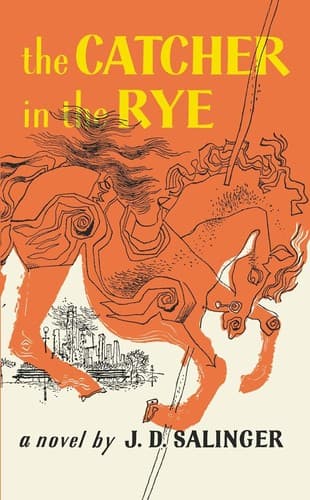
- The Catcher in the Rye
J.D. Salinger
3.8 (2.7M) average on GoodreadsYoung AdultExplores teenage alienation and a young protagonist's struggle against societal norms.
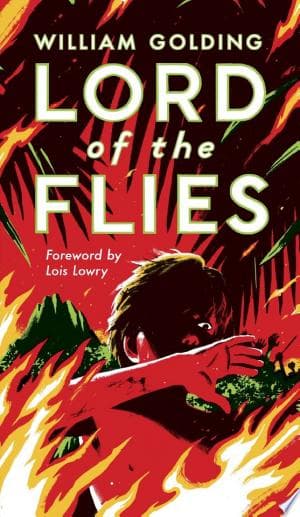
- Lord of the Flies
William Golding
3.7 (2.3M) average on GoodreadsYoung AdultExamines the harsh realities of childhood and the loss of innocence in a challenging environment.
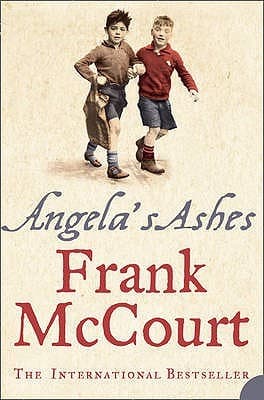
- Angela's Ashes
Frank McCourt
4.1 (540k) average on GoodreadsBiographyA memoir sharing similar themes of poverty, neglect, and the resilience of a child in a harsh upbringing.
- Harry Potter and the Sorcerer's Stone
J.K. Rowling
4.5 (7M) average on GoodreadsFantasyRescued from a miserable life under the stairs, an orphaned boy discovers he's a wizard destined for a magical school, where he uncovers a dangerous secret tied to the dark wizard who murdered his parents.
- The Hobbit, or There and Back Again
J.R.R. Tolkien
4.3 (2.9M) average on GoodreadsFantasyA comfort-loving hobbit named Bilbo Baggins is whisked away by a mischievous wizard and a band of dwarves on an unexpected journey to reclaim stolen treasure from a fearsome dragon, discovering courage and a magical ring along the way.
- Harry Potter and the Goblet of Fire
J.K. Rowling
4.6 (2.6M) average on GoodreadsFantasyA bewildered Harry Potter, underage and thrust into a deadly Triwizard Tournament, must brave dragons, mermaids, and a resurgent dark magic to survive a year that will forever alter the wizarding world.



Enjoyed the summary?
A summary gives you the shape of the book. The book itself has the detail, the examples and the voice.
Find A Kestrel for a Knave on AmazonAs an Amazon Associate, BookBrief earns from qualifying purchases. How we're funded