
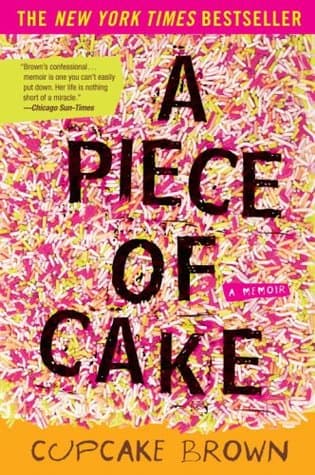
Core Idea
- Difficulty
- Medium
- Read it if
- You are interested in a raw, honest, and ultimately triumphant memoir of overcoming extreme adversity, or if you want to understand the devastating impact of early trauma and the incredible resilience of the human spirit.
- Skip it if
- You are sensitive to graphic descriptions of abuse, violence, and drug use, or prefer memoirs with a more conventional narrative structure and less intense subject matter.
Key Takeaways from A Piece of Cake
The Trauma of Early Orphanhood
Unprocessed grief and abuse laid the foundation for a life of turmoil.
Cupcake's story begins not with a choice, but with trauma: the sudden loss of both parents and placement into an abusive foster home. This initial period of grief, combined with torture, changed her idea of safety, love, and self-worth. It created a deep fear and a desperate need for control, often shown in self-destructive ways. Not having a stable, loving environment in her early years meant she never learned healthy coping mechanisms, making her open to the temporary escapes offered by drugs, alcohol, and dangerous relationships. This early trauma was not just a start; it was the constant force shaping every later decision and experience. It shows how important childhood experiences are to a person's life.
“The loss of her parents at eleven, followed by sadistic foster care, created an irreparable void and a profound distrust in the world.”
In the book: Her detailed accounts of the foster parents' cruelty, including physical beatings and emotional manipulation, immediately after her parents' death, illustrate the severity of this early trauma.
Try this: Recognize how unresolved childhood trauma can manifest in self-destructive behaviors in adulthood. Seek therapy or support systems to process past wounds and develop healthier coping strategies.
Related ideas: childhood-trauma, foster-care-abuse, unresolved-grief
Survival as a Double-Edged Sword
Coping mechanisms, while vital for survival, often perpetuated a cycle of self-destruction.
Cupcake's journey through prostitution, drug dealing, and addiction was not about having fun, but a raw, desperate fight for survival. Each dangerous choice, from hitchhiking to illegal activities, was a calculated (or instinctual) move to get food, shelter, or a brief escape from her overwhelming pain. However, these 'survival' tactics also pulled her deeper into a brutal world, hurting her self-worth and pushing her further into trouble. The book shows how the immediate need to survive can create a cycle where 'solutions' to one problem lead to bigger, more complex ones, making true escape very hard. It points out the sad irony of survival methods that threaten one's long-term existence.
“I learned to survive by turning tricks, downing hard liquor and ingesting every drug I could find while hitchhiking up and down the California coast.”
In the book: Her narrative details how each act, like prostituting herself or dealing drugs, directly led to securing basic necessities or a temporary high to numb her pain, even as these acts put her in greater danger.
Try this: Reflect on your own coping mechanisms. Are they genuinely serving your long-term well-being, or are they short-term fixes that might be perpetuating a cycle of difficulty? Seek healthier, sustainable strategies.
Related ideas: survival-mechanisms, addiction-cycle, self-destructive-behavior
The Illusion of Belonging in Gang Life
Gangs offered a perverse sense of family and protection that ultimately led to greater peril.
In a life without real family and safety, the appeal of gang life for Cupcake was understandable. It offered a distorted sense of belonging, a 'pack' mentality, and a promise of protection in a world that had always failed her. This sense of camaraderie, even if brief and violent, filled a deep emotional emptiness. Yet, this 'family' came at a high cost, putting her into an even more terrifying world of drug dealing, violence, and constant threat. The book clearly shows how the human need for connection can lead people into dangerous groups, where the perceived benefits of belonging are overshadowed by the real dangers and moral compromises in such groups. It shows how much isolation affects vulnerability.
“At just 16 she stumbled into the terrifying world of the gangsta, dealing drugs, hustling and only just surviving a drive-by shooting.”
In the book: Her experiences with gang members, including the drive-by shooting and the constant threat of violence, vividly demonstrate the dangers inherent in seeking belonging within such a structure.
Try this: Be wary of groups or relationships that demand loyalty at the expense of your safety, values, or well-being. Seek out healthy communities that offer genuine support and growth, not just protection.
Related ideas: gang-affiliation, false-belonging, urban-violence
The Rock Bottom That Rescues
Complete desolation often precedes the most profound and necessary turning points.
Cupcake's turning point was not a slow change but a brutal, clear 'rock bottom.' Waking up behind a dumpster, half-dead after a crack binge, took away all her illusions and forced her to face her own death. This moment of complete despair, where the only choices were death or radical change, started her redemption. It highlights a common idea in recovery stories: sometimes, a complete collapse of one's life is needed to break free from destructive patterns. When there is nowhere lower to go, the only path left is up. This extreme moment of clarity, born from suffering, gave her the clear reason to seek a different future. It shows how powerful hitting absolute despair can be.
“After one four-day crack binge she woke up behind a dumpster. Half-dressed and half-dead, she finally realized she had to change her life or die on the streets - another trash-can addict, another sad statistic.”
In the book: The specific imagery of waking up behind a dumpster, 'half-dressed and half-dead,' serves as the stark and undeniable evidence of her rock bottom experience.
Try this: If you find yourself in a destructive cycle, acknowledge and embrace moments of crisis as potential turning points. Don't wait for the absolute bottom; use smaller 'rock bottoms' as opportunities for change.
Related ideas: rock-bottom, addiction-recovery, catalyst-for-change
The Power of Self-Realization
True change originates from an internal decision, not external pressure.
While outside events shaped Cupcake's life, her turnaround came from an internal realization. The understanding that she faced a clear choice — change or die — was a moment of self-acknowledgment, not a response to outside help. This internal shift, a recognition of her own power despite years of feeling powerless, drove her redemption. It shows that lasting change needs personal belief and a willingness to take charge of one's future. No amount of outside support or consequence could have forced her to change until she made that decision herself. This internal commitment is the basis of lasting recovery and personal growth.
“She finally realized she had to change her life or die on the streets.”
In the book: The narrative emphasizes that *she* finally realized, indicating an internal shift rather than an external intervention forcing her hand.
Try this: Identify areas in your life where you feel stuck. Instead of waiting for external forces, cultivate an internal resolve to make necessary changes. Take ownership of your choices and future.
Related ideas: self-awareness, personal-agency, internal-motivation
Resilience Beyond Measure
The human spirit's capacity to endure and rebuild, even after unimaginable hardship.
Cupcake Brown's story shows the resilience of the human spirit. Despite a childhood of abuse, years of homelessness, addiction, and violence, she found the strength not only to survive but to rebuild her life. Her ability to overcome such problems speaks to an inner strength that can be found even in the darkest moments. Her journey shows that even when life seems broken, the ability to heal, grow, and change remains. It is a reminder that the past, no matter how traumatic, does not have to decide the future, and that hope can be grown even after experiencing the worst.
“Astonishingly, Cupcake turned her life around and this is her brutally frank, startlingly funny story.”
In the book: The very existence of the book, detailing her complete turnaround from addiction and homelessness to author and successful individual, serves as the ultimate evidence of her resilience.
Try this: Recognize your own capacity for resilience. Even small acts of perseverance build strength. Draw inspiration from stories like Cupcake's to believe in your ability to overcome challenges.
Related ideas: human-resilience, overcoming-adversity, post-traumatic-growth
The Unflinching Honesty of Memoir
Brutal honesty, even about one's darkest moments, is essential for true redemption and connection.
What makes 'A Piece of Cake' so impactful is Cupcake Brown's commitment to honesty. She does not hide her past, nor does she avoid detailing her own part in her struggles. This raw account of her choices, mistakes, and the horrors she endured creates an authentic and affecting story. Her willingness to show her vulnerabilities and the darkest parts of her experience lets readers connect with her journey and appreciate the size of her change. Her honesty shows that true redemption is not about erasing the past, but about facing it and making it part of a story of growth. It is an example of how honesty can be both helpful and inspiring.
“Unlike any memoir you will ever read, A Piece of Cake is a redemptive, gripping tale of a resilient spirit.”
In the book: The book's reputation for being 'brutally frank' and 'startlingly funny' despite its dark subject matter, as noted in the summary, points to this unflinching honesty.
Try this: Practice radical honesty with yourself and, when appropriate, with others. Acknowledge your past, both triumphs and failures, as part of your unique story. This fosters authenticity and deeper connections.
Related ideas: memoir-writing, radical-honesty, vulnerability
Humor as a Shield and a Weapon
Finding humor amidst tragedy can be a powerful tool for survival and connection.
Despite the difficult nature of Cupcake's experiences, the book has 'funny' parts. This does not make her pain seem less important; instead, it shows how humor can be a coping mechanism when facing great problems. It helps her by offering moments of lightness and perspective in a world that could be crushing. Also, her ability to add humor to her story makes it more accessible and relatable, allowing readers to engage with difficult topics without being overwhelmed. It shows that even in dark times, the human spirit can find reasons to laugh, and that laughter can help with resilience and connection.
“This is her brutally frank, startlingly funny story.”
In the book: The book summary explicitly mentions the 'startlingly funny' nature of the story, implying humor is interwoven with the brutal honesty of her experiences.
Try this: Cultivate a sense of humor, even in challenging situations. Laughter can reduce stress, improve mood, and provide a much-needed mental break. Use humor to connect with others and gain perspective.
Related ideas: coping-mechanisms, dark-humor, emotional-resilience
Beyond the Statistic
Every 'statistic' represents a complex human story worthy of understanding and empathy.
Cupcake Brown's memoir challenges the idea of reducing people experiencing homelessness, addiction, or poverty to just numbers. By sharing her painful and triumphant journey, she makes the 'sad statistic' human and forces readers to confront the complex web of trauma, circumstance, and choice that leads people to such bad situations. Her story is a reminder that every person, no matter their current struggles, has a unique history, inner life, and potential for change. It helps create empathy and encourages a deeper understanding of the societal factors and personal battles that lead to social problems. It moves beyond simple judgments to a more detailed view of human struggle.
“Another trash-can addict, another sad statistic.”
In the book: The contrast between her potential fate as 'another trash-can addict, another sad statistic' and her actual outcome as a published author powerfully illustrates this point.
Try this: Challenge your own preconceived notions about marginalized groups. Seek to understand the individual stories and systemic issues behind statistics, fostering empathy and informed action.
Related ideas: social-empathy, humanizing-stories, societal-impact
The Ongoing Journey of Redemption
Redemption is not a destination, but a continuous process of growth and self-acceptance.
While Cupcake's turnaround is amazing, the book suggests that redemption is not one event but an ongoing journey. Her survival and success are remarkable, but the lasting effects of her past trauma, the constant watchfulness needed in recovery, and the continuous effort to build a stable life imply that the work of healing and growth never truly ends. Her story shows that while one can escape the physical problems of a troubled past, the psychological and emotional work of integration and self-acceptance is a lifelong process. It offers a realistic, not romanticized, view of recovery and personal change, highlighting the strength needed to keep a new path.
“A redemptive, gripping tale of a resilient spirit who took on the worst of contemporary urban life and survived it.”
In the book: The sheer length and depth of her struggle, followed by her eventual success, implies a sustained effort over time rather than a quick fix.
Try this: Recognize that personal growth and healing are continuous processes. Celebrate milestones, but also commit to ongoing self-reflection, learning, and adapting. Be patient and compassionate with yourself throughout your journey.
Related ideas: personal-redemption, lifelong-learning, continuous-growth
A Piece of Cake Quotes
“I was a little girl who had been through hell and back, but I was still standing.”
“Addiction is a monster that doesn't care who you are or where you come from.”
“Sometimes the only way out is through.”
“I learned that pain is inevitable, but suffering is optional.”
“The system failed me, but I refused to let it define me.”
“In the darkest moments, I found a glimmer of hope.”
“You can't heal what you don't acknowledge.”
“My past was a prison, but my future was a blank canvas.”
“Strength isn't about never falling; it's about getting up every time you do.”
“I traded needles for notebooks, and it saved my life.”
“The world saw a statistic; I saw a survivor.”
“Love was the one thing I craved but never knew how to receive.”
“Every scar tells a story, and mine are chapters of triumph.”
“I had to lose everything to find myself.”
“The journey from victim to victor is paved with small, brave steps.”
Quiz
10 questions on the main ideas. Each answer comes with a short explanation.
Question 1
At what age was Cupcake Brown orphaned and placed into foster care?
- 8 years old
- 11 years old
- 13 years old
- 15 years old
Show answer
B. 11 years old The book begins when Cupcake is orphaned at age 11 and placed with sadistic foster parents, marking the start of her traumatic journey.
Question 2
What pivotal event during her preteen years exposed Cupcake to drugs, alcohol, and sex simultaneously?
- Her first day of high school
- The night she first tried to run away
- A family reunion
- Her first foster home placement
Show answer
B. The night she first tried to run away The night Cupcake first attempted to run away marked a turning point where she was exposed to drugs, alcohol, and sex all at once, shifting her story from tragedy to a darker journey.
Question 3
What substance addiction ultimately served as the catalyst for Cupcake's decision to change her life?
- Heroin
- Methamphetamine
- Crack cocaine
- Prescription painkillers
Show answer
C. Crack cocaine Ironically, Cupcake's rapid descent into crack cocaine addiction saved her. After a four-day binge, she woke up behind a dumpster and realized she had to change or die.
Question 4
How did Cupcake primarily survive during her teenage years while hitchhiking along the California coast?
- By working minimum wage jobs
- Through prostitution, heavy drinking, and drug use
- By stealing from convenience stores
- Through government assistance programs
Show answer
B. Through prostitution, heavy drinking, and drug use Cupcake learned to survive by turning tricks (prostitution), downing hard liquor, and ingesting every drug she could find while hitchhiking along the California coast.
Question 5
At age 16, Cupcake entered which dangerous subculture that involved dealing drugs and surviving a drive-by shooting?
- Organized crime syndicates
- The world of gangsta culture
- Human trafficking rings
- Underground fight clubs
Show answer
B. The world of gangsta culture At 16, Cupcake stumbled into the terrifying world of the gangsta, dealing drugs, hustling, and barely surviving a drive-by shooting.
Question 6
What was the physical condition and location where Cupcake had her moment of realization about needing to change her life?
- In a hospital bed after an overdose
- In jail after being arrested
- Behind a dumpster, half-dressed and half-dead
- At a homeless shelter during winter
Show answer
C. Behind a dumpster, half-dressed and half-dead After a four-day crack binge, Cupcake woke up behind a dumpster, half-dressed and half-dead, realizing she had to change her life or die on the streets.
Question 7
What central theme does 'A Piece of Cake' exemplify through Cupcake's journey from addiction to survival?
- The inevitability of poverty cycles
- The importance of formal education
- Redemption and resilient spirit
- The failure of foster care systems
Show answer
C. Redemption and resilient spirit The memoir is described as a redemptive, gripping tale of a resilient spirit who survived the worst of contemporary urban life, emphasizing themes of redemption and resilience.
Question 8
What ironic twist does the book highlight about Cupcake's crack cocaine addiction?
- It made her wealthy through drug dealing
- It helped her reconnect with family
- It finally saved her life by prompting change
- It led to her becoming a counselor
Show answer
C. It finally saved her life by prompting change The book notes the irony that Cupcake's rapid descent into crack cocaine addiction ultimately saved her by bringing her to a point where she realized she needed to change or die.
Question 9
Which aspect of Cupcake's story makes her memoir 'unlike any other' according to the book description?
- Its focus on legal reform
- Its combination of brutal frankness and startling humor
- Its scientific analysis of addiction
- Its political commentary on urban policy
Show answer
B. Its combination of brutal frankness and startling humor The description emphasizes that 'A Piece of Cake' is 'unlike any memoir you will ever read' because it combines brutal frankness with startling humor in telling Cupcake's story.
Question 10
What practical lesson about survival does Cupcake's story demonstrate through her experiences with foster care, addiction, and gang life?
- That institutional support is always necessary for recovery
- That personal resilience can overcome extreme adversity
- That geographic relocation solves systemic problems
- That childhood trauma determines adult outcomes
Show answer
B. That personal resilience can overcome extreme adversity Cupcake's journey from being orphaned and abused to surviving addiction and violence demonstrates the practical lesson that personal resilience can help overcome even the most extreme adversity.
A Piece of Cake FAQ
What is 'A Piece of Cake' by Cupcake Brown about?
'A Piece of Cake' is a memoir detailing Cupcake Brown's harrowing journey from being orphaned at age 11 and placed in abusive foster care to surviving through prostitution, drug addiction, and gang life, before ultimately achieving redemption and turning her life around.
How old was Cupcake Brown when she became orphaned?
Cupcake Brown was 11 years old when she became orphaned, which marked the beginning of her traumatic experiences in the foster care system and subsequent descent into addiction and street life.
Does 'A Piece of Cake' have a happy ending?
Yes, despite the dark and disturbing journey, the memoir ends on a redemptive note as Cupcake Brown overcomes her crack cocaine addiction and turns her life around, making it a story of survival and resilience.
What is the significance of the title 'A Piece of Cake'?
The title 'A Piece of Cake' is ironic, contrasting the ease implied by the phrase with the extreme hardships and struggles Cupcake Brown endured throughout her life, highlighting her eventual triumph over adversity.
How different is 'A Piece of Cake' from other addiction memoirs?
Unlike many addiction memoirs, 'A Piece of Cake' combines brutal frankness with startling humor, offering a unique perspective on survival through foster care abuse, gang violence, and drug addiction, while emphasizing resilience and redemption.
What role does crack cocaine play in Cupcake Brown's story?
Crack cocaine addiction represents the lowest point in Cupcake Brown's life, but ironically, it also becomes the catalyst for her salvation, as a near-death experience after a four-day binge forces her to choose between change and death.
Does 'A Piece of Cake' contain graphic content?
Yes, the memoir includes graphic depictions of abuse, drug use, prostitution, and violence, making it a deeply disturbing yet honest account of Cupcake Brown's experiences, which may not be suitable for all readers.
How does Cupcake Brown's foster care experience impact her life?
The sadistic abuse Cupcake Brown endured in foster care after being orphaned at 11 set the foundation for her trauma, leading to her early exposure to drugs, alcohol, and sex, and propelling her into a life of survival on the streets.
What is the main theme of 'A Piece of Cake'?
The main theme is redemption and resilience, showcasing how Cupcake Brown survived extreme urban hardships, including addiction and violence, to ultimately transform her life and spirit against all odds.
How does 'A Piece of Cake' compare to 'The Glass Castle' by Jeannette Walls?
While both are memoirs of overcoming adversity, 'A Piece of Cake' focuses more on urban survival, gang life, and drug addiction, with a darker and more graphic tone, whereas 'The Glass Castle' deals with poverty and familial neglect in a rural setting.
About the author

Cupcake Brown is the author of the memoir 'A Piece of Cake.' Her writing often explores themes of resilience and overcoming adversity, drawing from her own life experiences. Brown's work has resonated with readers for its candid and inspiring narrative.
Similar books
- The Glass Castle
Jeannette Walls
4.3 (903k) average on GoodreadsBiographyBoth are memoirs detailing difficult childhoods marked by poverty and neglect, showcasing resilience.
- Educated
Tara Westover
4.5 (796k) average on GoodreadsBiographyExplores overcoming a traumatic upbringing and finding self-realization through an unconventional path.
- Angela's Ashes
Frank McCourt
4.1 (540k) average on GoodreadsBiographyA memoir of an impoverished and challenging childhood, told with unflinching honesty and dark humor.
- The Diary of a Young Girl
Anne Frank
4.2 (2.7M) average on GoodreadsBiographyDuring the Nazi occupation, a teenage girl's diary, written from a secret annex, shares observations on humanity, hope, and the wait for freedom.
- Eat, Pray, Love
Elizabeth Gilbert
3.6 (1.5M) average on GoodreadsLifestyleA heartbroken writer leaves her conventional life for a year-long global search for pleasure in Italy, spiritual devotion in India, and unexpected love and balance in Bali.
- Night
Elie Wiesel
4.3 (970k) average on GoodreadsBiographyIn the darkness of Auschwitz and Buchenwald, a teenage Elie Wiesel faces the extermination of his family, the loss of his faith, and the lasting scars of humanity's deepest cruelty.






Enjoyed the summary?
A summary gives you the shape of the book. The book itself has the detail, the examples and the voice.
Find A Piece of Cake on AmazonAs an Amazon Associate, BookBrief earns from qualifying purchases. How we're funded