
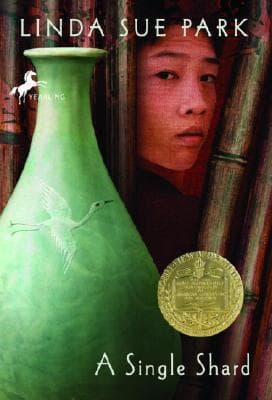
Synopsis
Covers the whole plot, including the ending.
- Difficulty
- Easy
- Pacing
- Moderate
- Mood
- Hopeful, Reflective, Inspiring
- Read it if
- You enjoy historical fiction set in ancient Korea, stories about perseverance and mentorship, or tales of young protagonists overcoming adversity to achieve their dreams.
- Skip it if
- You prefer fast-paced action or stories with complex magical elements, or if you dislike historical settings focused on traditional crafts.
A Single Shard Plot Summary
Covers the whole plot, including the ending.
Life Under the Bridge and a Fascination with Clay
Tree-ear, a young orphan, lives under a bridge with his guardian, Crane-man, outside Ch’ulp’o, a village known for its celadon pottery. Tree-ear spends his days looking for food and watching the potters, especially the skilled but difficult Master Min. He is fascinated by how celadon is made, often watching Min from a distance. One day, Tree-ear follows Min into his workshop and accidentally breaks a finished pot. This act, caused by his strong desire to understand the craft, starts a series of events that will change his life.
Apprenticeship with Master Min
Because he broke Min’s pottery, Tree-ear offers to work for Min for nine days to pay him back. Min, known for being strict, agrees. Tree-ear’s first jobs are hard: chopping wood, digging and carrying heavy clay, and preparing it for Min. He handles Min's harshness and the physically demanding work without complaining. He hopes to learn the craft. Crane-man, his wise guardian, encourages him and gives him advice, helping Tree-ear get through the tough conditions and Min's high expectations. Tree-ear's hard work slowly starts to impress Min, though it is not said aloud.
A Glimmer of Hope and Continued Labor
After the first nine days, Min does not send Tree-ear away, and the boy continues his hard work, now without a specific end date. Tree-ear's main jobs remain preparing clay – a physically demanding and repetitive task. During this time, he grows fond of Min's wife, Ajima, who is kind to him, often giving him food and quiet encouragement, which is different from Min's quiet nature. Tree-ear keeps watching Min's pottery work with great focus, learning every detail, though he is never allowed to touch the clay for shaping. He secretly practices making small clay figures in his free time, improving his hand skills.
The Royal Emissary and Min's Despair
A royal official, Emissary Kim, comes to Ch’ulp’o to order celadon pieces for the royal court. This event is important for all the potters, as a royal order brings great respect and money. Min works hard to make his best pieces, hoping for recognition. However, during the selection, Emissary Kim chooses the work of other potters, specifically Kang, over Min's. Min is very disappointed and upset, believing his skill is better. He breaks his own unchosen pieces in frustration, a sight that affects Tree-ear and Ajima, showing Min's strong artistic pride and feelings.
Min's Secret Technique: Inlay
After the royal official rejects his work, Min becomes more quiet but also more determined. He starts to try a very complex and new inlay technique for his celadon – a method of carving designs into the unfired clay, filling them with white or black slip, and then carefully scraping away the extra before glazing and firing. This technique is very difficult and takes a lot of time, needing great precision and patience. Tree-ear, still doing his daily chores, watches Min's new work with wonder, seeing the master's constant search for perfection and new ideas, even after past problems.
The Critical Journey to Songdo
Min, having perfected his new inlay technique, makes two beautiful celadon vases. He decides to send them to the royal court in the capital city of Songdo, hoping to get an order directly. However, Min is too old and weak for the long, dangerous trip. To Tree-ear's surprise and honor, Min trusts him with the valuable vases. Tree-ear is to travel alone to Songdo, show the pottery to Emissary Kim, and return with news. This mission shows Min's growing trust in Tree-ear and the boy's strong dedication, marking a big change in their relationship.
Challenges on the Road
Tree-ear starts his trip alone to Songdo, carrying the two valuable celadon vases in a strong basket. The journey is long and hard, testing his strength and bravery. He faces many problems: sleeping outside, finding little food, and dealing with bad weather. He constantly worries about the vases, knowing how valuable they are and the trust Min has placed in him. His thoughts often go to Crane-man, whose wisdom and practical advice help him through moments of fear and loneliness, strengthening his decision to complete his mission.
The Bandits' Attack and a Single Shard
As Tree-ear gets close to Songdo, two bandits attack him. Despite his attempts to protect them, the bandits smash both of Min's beautiful celadon vases, looking for valuables they think are hidden inside. Tree-ear is sad and left with only a basket of broken pieces. In his sadness, he sees one perfect, intricately inlaid piece among the fragments. This single piece, showing the beauty and skill of Min's work, becomes his new goal. He decides, sadly, to continue to Songdo and show this fragment as proof of Min's mastery, instead of going back in defeat.
Presenting the Shard to Emissary Kim
Tree-ear, hurt and sad but determined, finally reaches Songdo. He finds Emissary Kim and, with shaky hands, presents the single, perfect celadon piece. He tells the story of the bandits and how the vases were destroyed, explaining the great skill and art that went into making the original pieces. Emissary Kim, at first doubtful, is very impressed by the piece's beautiful inlay work and by Tree-ear's honesty, persistence, and loyalty. Seeing the true genius in the fragment, Emissary Kim agrees to order Min to make more pieces for the royal court, completing Tree-ear's difficult mission.
A New Beginning: Min's Heir and Family
Tree-ear returns to Ch’ulp’o, eager to tell Min and Crane-man the good news. However, he finds that Crane-man has died after falling from the bridge. Heartbroken by the loss of his guardian, Tree-ear is comforted by Min and Ajima. Ajima, showing her deep affection, officially adopts Tree-ear, giving him a new name, Hyung-pil, meaning 'Elder Brother.' Min, recognizing Tree-ear's loyalty and his own changed view, begins to teach him how to make pottery, finally letting him touch the clay. Tree-ear, now Min's son and apprentice, has found a family and a way to achieve his dream.
Principal Figures
Tree-ear
Protagonist
An orphaned boy with an unwavering dream of becoming a potter.
Tree-ear is an intelligent, observant, and resilient orphan boy living under a bridge with his guardian, Crane-man. He is deeply fascinated by the craft of pottery, particularly Master Min's work, and secretly dreams of creating his own celadon. Despite enduring hunger, arduous labor, and Min's gruffness, Tree-ear displays remarkable patience, loyalty, and perseverance. His journey to Songdo highlights his courage and dedication. He represents the pursuit of one's passion against all odds and the importance of integrity.
Relationships: Crane-man (Adoptive guardian and mentor); Min (Master potter, later adoptive father); Ajima (Min's wife, a kind mother figure, later adoptive mother)
Min
Supporting
A renowned but temperamental master potter, initially reluctant to teach.
Min is a master potter renowned for his exquisite celadon, though he is known for his demanding nature and quick temper. He is a perfectionist, deeply dedicated to his craft, and initially struggles with artistic frustrations and pride. Despite his gruff exterior, Min possesses a profound artistic soul and a deep, albeit unspoken, respect for hard work and talent. He is initially hesitant to take on an apprentice, but Tree-ear's unwavering dedication and loyalty slowly soften his heart, leading him to eventually accept Tree-ear as his son and heir to his craft.
Relationships: Tree-ear (Apprentice, later adopted son); Ajima (Wife)
Crane-man
Supporting
Tree-ear's wise, one-legged guardian and philosophical mentor.
Crane-man is Tree-ear's guardian and a profound source of wisdom and moral guidance. He is an old, one-legged man who lives with Tree-ear under the bridge, surviving by foraging and his wits. He often shares parables and philosophical insights, teaching Tree-ear about perseverance, integrity, and the beauty of nature. Despite his physical limitations and impoverished state, Crane-man possesses a rich inner life and a deep love for Tree-ear. His presence provides Tree-ear with a moral compass and emotional support, making his eventual death a significant loss.
Relationships: Tree-ear (Adoptive son/ward)
Ajima
Supporting
Min's kind and compassionate wife, a maternal figure to Tree-ear.
Ajima is Min's wife and a gentle, compassionate presence in Tree-ear's life. While Min is often stern, Ajima offers Tree-ear kindness, comfort, and food, acting as a maternal figure. She quietly supports Min's artistic endeavors and provides a calming influence in their household. Her quiet strength and warmth are a stark contrast to Min's temperament. Her decision to formally adopt Tree-ear at the end of the story solidifies his place in their family and demonstrates her deep affection and acceptance.
Relationships: Min (Husband); Tree-ear (Apprentice, later adopted son)
Emissary Kim
Supporting
A royal emissary responsible for commissioning pottery for the court.
Emissary Kim is the royal representative sent from the capital to commission celadon pottery for the royal court. He is a discerning judge of art, initially overlooking Min's work but later recognizing the exceptional quality of his inlay technique. He is a figure of authority and prestige, whose decisions greatly impact the potters' livelihoods and reputations. His willingness to consider Tree-ear's single shard demonstrates his fairness and ability to recognize true artistic merit, even under unusual circumstances.
Kang
Mentioned
Another potter in Ch'ulp'o, a rival to Min.
Kang is another skilled potter in the village of Ch'ulp'o, known for his beautiful work. He is presented as a rival to Min, as his pottery is initially chosen by Emissary Kim over Min's, leading to Min's despair and subsequent innovation. Kang represents the competitive environment among the potters and the prevailing standards of celadon artistry at the time. His success initially fuels Min's determination to surpass him.
Relationships: Min (Professional rival)
Themes & Insights
Perseverance and Dedication
The theme of perseverance is important to Tree-ear's story. Despite constant hunger, hard work preparing clay, Min's harsh treatment, and the sad loss of Crane-man, Tree-ear never gives up on his dream or his tasks. His hard trip to Songdo, dealing with bandits and the broken vases, shows his strong dedication to Min and the craft. This theme is also clear in Min's constant search for artistic perfection, even after the royal official first rejected him, pushing him to master the inlay technique.
“A man's worth is not in what he has, but in what he does. And what he does, he does for others.”
Identity and Belonging
As an orphan, Tree-ear at first lacks a clear identity and a sense of belonging. His desire to learn pottery is not just about the craft, but about finding a place and purpose. Living under a bridge with Crane-man, he forms a family, but his true belonging is found with Min and Ajima. The adoption and the new name, Hyung-pil, at the end of the story mean he is fully part of a family and community, giving him a defined identity as Min's son and apprentice. His journey is one of self-discovery through service and loyalty.
“He would not be a nameless, faceless boy. He would be Min's son.”
Artistic Integrity and Innovation
The novel looks at what makes true artistry through Min's character. Min's initial sadness after Emissary Kim ignores his work makes him innovate, not quit. He pushes the limits of celadon by developing the complex inlay technique, showing that true artists are driven by a personal desire for perfection and new ideas, not just outside approval. Tree-ear's deep appreciation for the beauty of the single piece, even after the vases are broken, shows the inherent value of art and the artist's vision.
“The potter's work was not a job, it was a calling.”
Mentorship and Filial Piety
The relationship between Tree-ear and Min changes from master-servant to mentor-student and eventually, father-son. Tree-ear's strong loyalty, respect, and dedication to Min reflect the Confucian value of respect for elders, even before he is formally adopted. Crane-man also acts as an important mentor, teaching life lessons and moral rules. These mentorships are key to Tree-ear's growth, while Min's eventual acceptance of Tree-ear as his heir shows the passing down of knowledge and tradition, a deep form of respect and love.
“It was not enough to wish for a thing. One must work for it.”
Plot Devices & Literary Techniques
The Celadon Pottery
A central symbol representing beauty, craft, and the characters' aspirations.
The celadon pottery itself is a powerful symbol throughout the novel. It represents not only a beautiful art form but also the aspirations and struggles of the characters. For Min, it is his life's work and his legacy. For Tree-ear, it embodies his deepest desire to create and belong. The creation process—from digging clay to the final firing—mirrors Tree-ear's own arduous journey of growth and transformation. The destruction of the vases and the preservation of the single shard symbolize resilience and the enduring power of art.
The Single Shard
A potent symbol of resilience, artistic merit, and the triumph of spirit.
The single celadon shard becomes the ultimate symbol of the story. After the two magnificent vases are destroyed by bandits, this one perfect fragment represents the enduring beauty and skill of Min's work. It embodies the idea that true artistic merit can be recognized even in a small piece, and that value is not solely in completeness or quantity. For Tree-ear, carrying this shard to the emissary requires immense courage and conviction, turning a devastating loss into a testament of perseverance and hope.
Crane-man's Stories and Wisdom
Fables and advice that guide Tree-ear and impart life lessons.
Crane-man frequently shares stories, parables, and words of wisdom with Tree-ear. These serve as a narrative device to impart important life lessons and philosophical insights, often foreshadowing or providing commentary on Tree-ear's experiences. For example, his advice on patience and finding beauty in small things helps Tree-ear cope with his difficult circumstances and fuels his perseverance. Crane-man's wisdom acts as Tree-ear's moral compass and inner voice, especially during his solitary journey.
The Bridge
A symbolic dwelling representing Tree-ear's marginalized status and eventual transition.
The bridge under which Tree-ear and Crane-man live is more than just a dwelling; it is a powerful symbol of their marginalized status as orphans and outcasts. It represents a liminal space, neither fully part of the village nor entirely separate. As Tree-ear's circumstances change and he gains a family and a purpose, he leaves the bridge, symbolizing his transition from an isolated existence to one of belonging and integration into society. The bridge also represents the foundation of his early life and his bond with Crane-man.
A Single Shard Quotes
“A single shard from a celadon vase, if it is of the right quality, is enough to tell the whole story of the vase.”
“Work gives a man dignity, stealing takes it away.”
“A potter is a farmer of the earth. He plants his pots in the kiln and hopes for a good harvest.”
“The journey of a thousand ri begins with a single step.”
“Even the most skilled potter cannot make a perfect pot every time.”
“A man's worth is not measured by what he owns, but by what he does.”
“The clay remembers the touch of the potter's hand.”
“Sometimes the heart must speak when the mouth cannot.”
“A true artist does not hide his mistakes; he learns from them.”
“Hope is the last thing to die in a man's heart.”
“The kiln is a potter's greatest teacher.”
“A broken pot can be mended, but a broken promise cannot.”
“Beauty is not in the eye of the beholder, but in the hand of the maker.”
“The road is long, but the heart is longer.”
Quiz
10 questions on the plot and the characters. Each answer comes with a short explanation.
Question 1
What is the name of the village where Tree-ear lives at the beginning of the story?
- Seoul
- Ch'ulp'o
- Puyo
- Kyongju
Show answer
B. Ch'ulp'o Tree-ear lives under a bridge in Ch'ulp'o, a potters' village in 12th-century Korea famous for its celadon pottery. This setting is crucial to the story's exploration of craftsmanship and community.
Question 2
What type of pottery is Ch'ulp'o village particularly known for?
- Blue and white porcelain
- Terracotta
- Celadon ware
- Black-glazed pottery
Show answer
C. Celadon ware Ch'ulp'o is famed for its delicate celadon ware, a type of pottery with a distinctive pale green glaze that was highly prized in 12th-century Korea. This specific craft drives the entire plot of the novel.
Question 3
Why does Tree-ear initially work for Min without pay?
- Min threatens to report him to authorities
- He wants to learn pottery-making from a master
- He owes Min money for broken pottery
- Min promises to adopt him if he works hard
Show answer
B. He wants to learn pottery-making from a master Tree-ear is fascinated with pottery and dreams of making his own pot someday. He works for Min without wages because he hopes to learn the craft by observing the master potter at work, despite the difficult labor and Min's temper.
Question 4
What significant event causes Tree-ear to undertake his long journey to Songdo?
- Min's pottery is selected for a royal commission competition
- Tree-ear wants to find his birth parents
- Tree-ear wants to find his birth parents
- He needs to deliver a message from Crane-man
- Min sends him to buy special clay
Show answer
A. Min's pottery is selected for a royal commission competition When Min's exceptional celadon work is chosen to be presented for a possible royal commission, Tree-ear volunteers to make the dangerous journey to Songdo to deliver the pottery to the royal court, hoping to secure Min's future and prove his own worth.
Question 5
What happens to the two precious vases Tree-ear is carrying to Songdo?
- They are stolen by bandits
- They break when Tree-ear is attacked on the road
- Min recalls him before he can deliver them
- They are damaged in a rainstorm
Show answer
B. They break when Tree-ear is attacked on the road During his journey, Tree-ear is attacked by robbers who throw the precious vases over a cliff. Only one shard from a vase survives, which becomes the 'single shard' that gives the book its title and becomes symbolic of Tree-ear's determination.
Question 6
Who is Crane-man, and what is his relationship to Tree-ear?
- A wealthy merchant who employs Tree-ear
- Tree-ear's biological grandfather
- A disabled elder who lives with Tree-ear under the bridge
- A rival potter who competes with Min
Show answer
C. A disabled elder who lives with Tree-ear under the bridge Crane-man is an elderly, disabled man who lives with Tree-ear under the bridge. He acts as Tree-ear's guardian and father figure, offering wisdom and support throughout the story. His death later in the novel deeply affects Tree-ear.
Question 7
What does Tree-ear ultimately present to the royal court in Songdo?
- Two perfectly intact celadon vases
- A single shard from one of Min's broken vases
- A new pot he made himself during his journey
- A written description of Min's work
Show answer
B. A single shard from one of Min's broken vases After the vases are destroyed, Tree-ear continues his journey and presents the single remaining shard to the royal court. The quality of the glaze and workmanship visible on this fragment is enough to convince the court official of Min's skill, earning him the royal commission.
Question 8
What significant change occurs in Min's attitude toward Tree-ear by the end of the novel?
- Min adopts Tree-ear as his son and apprentice
- Min fires Tree-ear for losing the vases
- Min remains distant and critical of Tree-ear
- Min sends Tree-ear away to work for another potter
Show answer
A. Min adopts Tree-ear as his son and apprentice Initially irritable and demanding, Min gradually comes to appreciate Tree-ear's dedication and hard work. After Tree-ear's successful journey secures the royal commission, Min officially adopts Tree-ear, giving him a family name (Min Hyung-pil) and making him his apprentice and heir.
Question 9
Which theme is most prominently explored through Tree-ear's journey with the single shard?
- The importance of wealth and social status
- The value of perseverance and integrity
- The dangers of travel in medieval Korea
- The superiority of celadon over other pottery types
Show answer
B. The value of perseverance and integrity Tree-ear's determination to complete his mission despite the loss of the vases demonstrates profound perseverance. His decision to present the single shard honestly, rather than making excuses, shows integrity. These qualities ultimately lead to his success and Min's recognition.
Question 10
What symbolic meaning does the 'single shard' carry in the novel's conclusion?
- It represents the broken dreams of orphaned children
- It symbolizes how something small and broken can still hold great value and potential
- It signifies the end of traditional pottery-making
- It represents the shard of Tree-ear's memory of Crane-man
Show answer
B. It symbolizes how something small and broken can still hold great value and potential The single shard embodies the novel's central message: that even when things seem broken or lost, value and potential remain. Just as the shard was enough to secure Min's future, Tree-ear's seemingly hopeless situation as an orphan transforms into a new life as Min's adopted son and apprentice.
A Single Shard FAQ
What is 'A Single Shard' about?
The story follows Tree-ear, a 12-year-old orphan in 12th-century Korea who lives under a bridge in the potters' village of Ch'ulp'o. He dreams of becoming a potter and apprentices himself to the master potter Min, enduring grueling labor and Min's temper. To secure a royal commission for Min, Tree-ear embarks on a dangerous journey to the royal court, facing bandits and disaster that leaves him with only a single shard of Min's celadon pottery to present.
Why should I read 'A Single Shard'?
This Newbery Medal-winning novel offers a beautifully crafted historical fiction experience that explores themes of perseverance, artistry, and honor. Through Tree-ear's journey, readers gain insight into 12th-century Korean culture, the intricate process of celadon pottery making, and the universal human desire to create something meaningful despite overwhelming obstacles.
What is the background/setting of 'A Single Shard'?
The story is set in 12th-century Korea during the Koryo Dynasty in the village of Ch'ulp'o, which was historically famous for its celadon pottery. The setting reflects a hierarchical society where social status is rigid, craftsmanship is highly valued, and orphans like Tree-ear have few opportunities. The journey to Songdo (modern-day Kaesong) shows the dangers of medieval travel.
What are the most memorable quotes?
Key quotes include Min's advice to Tree-ear: 'A potter's work is not just in the making, but in the seeing,' which emphasizes artistic vision. Another is Tree-ear's realization: 'The shard was not just a piece of pottery; it was a piece of Min's heart,' showing how the broken fragment represents the potter's dedication. Crane-man's wisdom, 'Work gives a man dignity, stealing takes it away,' establishes the moral foundation of the story.
What writing style does the author use?
Linda Sue Park employs a clear, descriptive prose style that vividly brings 12th-century Korea to life while remaining accessible to young readers. She uses precise technical details about celadon pottery making, incorporates Korean cultural elements naturally, and balances action with quiet moments of reflection. The narrative maintains a steady pace that builds tension toward Tree-ear's climactic journey.
What minor details add significant meaning?
The recurring motif of the bridge where Tree-ear lives with Crane-man symbolizes both his marginalized status and the connection between his past and future. The specific descriptions of celadon glaze colors—'the color of a kingfisher's wing'—highlight the beauty Tree-ear aspires to create. Tree-ear's name itself, given because he was found under a tree, represents his orphan status and connection to nature.
What are some subtle foreshadowing moments?
Early scenes of Tree-ear carefully observing Min's work foreshadow his eventual understanding of pottery as more than technique. Crane-man's stories about travelers being robbed on the road hint at the dangers Tree-ear will face. Min's perfectionism with every pot suggests why Tree-ear's journey with the finished pieces becomes so crucial. The fragility of the pottery itself foreshadows the inevitable breaking during the journey.
What unexpected character connections exist?
The revelation that Min's son died young adds depth to Min's harsh demeanor—he sees in Tree-ear both a replacement and a painful reminder. Crane-man, though not a blood relative, serves as Tree-ear's true father figure, teaching him morality and survival skills. The royal emissary's appreciation for Min's work creates an unexpected link between the humble village and the distant court that changes Tree-ear's destiny.
What are unspoken character motivations?
Min's gruff exterior masks grief over his deceased son and fear that his artistic legacy will die with him. Tree-ear's determination stems not just from wanting to learn pottery but from seeking a place to belong and honor Crane-man's teachings. Crane-man's insistence on honesty comes from his own experience of how stealing destroyed his life, though this backstory is only hinted at.
What psychological complexities do characters exhibit?
Tree-ear demonstrates remarkable resilience despite his orphan status, balancing childlike wonder with mature responsibility. Min shows the conflict between artistic perfectionism and human connection—he cannot express affection for Tree-ear but shows care through his craft. Crane-man embodies wisdom born of hardship, choosing dignity in poverty over compromising his values.
What are the major emotional turning points?
When Tree-ear accidentally breaks Min's work and must confess, it tests his honesty and begins to earn Min's respect. Crane-man's death leaves Tree-ear truly alone and forces him to rely on his own strength. The shattering of the pottery during the journey represents both devastating loss and the beginning of Tree-ear's understanding that art's value transcends physical form. Min finally calling Tree-ear by a proper name (Hyung-pil) signifies acceptance and belonging.
How do relationship dynamics evolve?
Tree-ear and Min progress from distant observer and reluctant master to something resembling father and son, though Min never expresses this verbally. Tree-ear and Crane-man's bond deepens from practical survival partnership to genuine familial love. Tree-ear's relationship with the pottery itself evolves from distant admiration to hands-on work to spiritual understanding of its meaning.
Which parts remain ambiguous or open-ended?
The exact circumstances of Crane-man's past and how he became disabled are never fully explained. Whether Min will formally adopt Tree-ear or simply continue their master-apprentice relationship remains uncertain. The novel doesn't specify if Tree-ear will ever become a master potter himself or what his exact role in Min's household will be long-term.
What are controversial scenes or decisions?
Some readers debate whether Min's harsh treatment of Tree-ear is justified as teaching discipline or is needlessly cruel. Tree-ear's decision to continue his journey after the pottery breaks—arriving with just a shard—could be seen as foolish persistence or admirable dedication. The cultural expectation that Tree-ear must earn his place through extreme hardship rather than receiving compassion as an orphan raises questions about historical social values.
'A Single Shard' ending explained: how it ends & what it means
The novel ends with Tree-ear returning to Ch'ulp'o after presenting the single shard to the royal court, which miraculously earns Min the commission. Min gives Tree-ear the name Hyung-pil and invites him to become his son, offering Tree-ear the family and purpose he always wanted. The ending suggests that true value lies not in perfect objects but in the dedication behind them, and that Tree-ear's journey—both physical and emotional—has transformed him from an orphan into an heir.
What does the single shard symbolize?
The shard represents multiple layers of meaning: the fragility of dreams and art, the persistence of beauty even in broken form, and proof of Min's extraordinary skill that can be recognized from just a fragment. For Tree-ear, it symbolizes both the physical journey's apparent failure and its spiritual success—the shard carries Min's 'heart' and Tree-ear's determination, making it more valuable than whole pots.
About the author

Linda Sue Park is an American author known for her contributions to children's literature. Her notable works include "A Single Shard," which received the Newbery Medal, and "When My Name Was Keoko," a story set during the Japanese occupation of Korea. Park's writing often explores themes of culture and identity.
Similar books
- When My Name Was Keoko
Linda Sue Park
4.1 (5k) average on GoodreadsChildren'sAnother historical fiction by the same author set in Korea, focusing on resilience during difficult times.
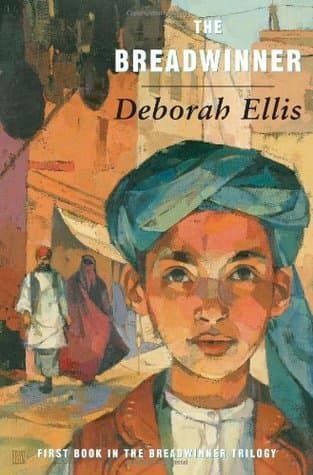
- The Breadwinner
Deborah Ellis
4.0 (20k) average on GoodreadsChildren'sFeatures a determined young protagonist in a challenging cultural setting, facing hardship to support family.
- Bridge to Terabithia
Katherine Paterson
4.0 (445k) average on GoodreadsFantasyExplores themes of friendship, mentorship, and overcoming personal struggles, with a focus on a young character's inner world.
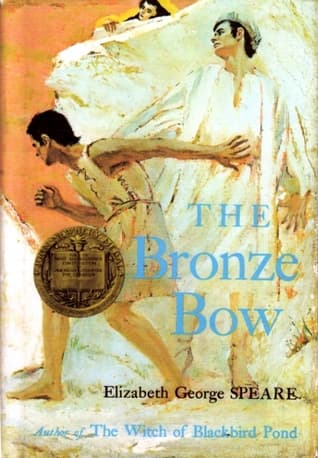
- The Bronze Bow
Elizabeth George Speare
4.0 (20k) average on GoodreadsChildren'sWhile The Bronze Bow focuses on external conflicts, grand historical events, and a clear antagonist (Roman occupation), A Single Shard is more introspective, centering on internal growth, artistic dedication, and the challenges of a craft. Speare's novel is driven by plot and the protagonist's quest for revenge, whereas Park's is character-driven, exploring themes of patience and integrity through a quiet, observational narrative.
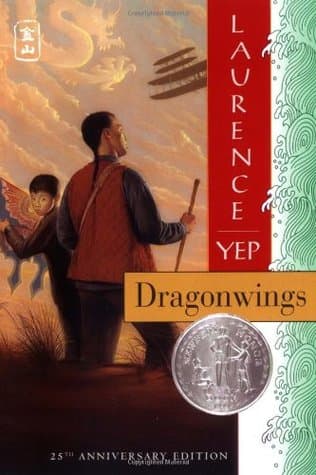
- Dragonwings
Laurence Yep
3.5 (4k) average on GoodreadsChildren'sBoth Dragonwings and A Single Shard feature young protagonists striving to achieve a dream against societal odds and poverty. However, Yep's novel, set in early 20th-century San Francisco, has a broader historical scope, dealing with immigration, racial prejudice, and the ambition of flight, often with more overt external conflicts and a larger cast of characters. Park's story is more tightly focused on a single craft and a more intimate community, with challenges stemming primarily from the demands of the art and the protagonist's personal journey rather than large-scale social injustice.
- Harry Potter and the Sorcerer's Stone
J.K. Rowling
4.5 (7M) average on GoodreadsFantasyRescued from a miserable life under the stairs, an orphaned boy discovers he's a wizard destined for a magical school, where he uncovers a dangerous secret tied to the dark wizard who murdered his parents.



Enjoyed the summary?
A summary gives you the shape of the book. The book itself has the detail, the examples and the voice.
Find A Single Shard on AmazonAs an Amazon Associate, BookBrief earns from qualifying purchases. How we're funded