

Synopsis
Covers the whole plot, including the ending.
- Difficulty
- Easy
- Pacing
- Moderate
- Mood
- Historical, Resilient, Reflective, Hopeful
- Read it if
- You enjoy historical fiction set during wartime, stories about sibling bonds, and narratives exploring themes of cultural identity, resistance, and sacrifice.
- Skip it if
- You prefer fantasy or contemporary settings, or are uncomfortable with themes of war and cultural oppression.
When My Name Was Keoko Plot Summary
Covers the whole plot, including the ending.
A Life Under Occupation: Early Restrictions
The story opens with Sun-hee, a young Korean girl, and her older brother, Tae-yul, living in Korea under Japanese occupation in 1940. Their lives are heavily influenced by Japanese culture and laws. At school, they are forced to learn and speak Japanese, and Korean history and language are suppressed. Sun-hee, an observant and intelligent child, struggles with the injustice of these rules but tries to adapt. Tae-yul, more rebellious and outwardly frustrated, often finds ways to subtly defy the Japanese. Their family, including their parents and Uncle, maintain a quiet resistance, cherishing their Korean heritage in their home, often through hushed conversations and hidden artifacts. The children are constantly reminded of their Korean identity despite the occupiers' attempts to erase it.
The Name Change Edict: Keoko and Nobuo
A moment arrives with the Japanese government's decree that all Koreans must adopt Japanese names. This is a personal and humiliating blow to the family. Sun-hee’s father, initially resistant, eventually chooses a Japanese name for the family, emphasizing the importance of survival and not drawing attention. Sun-hee is given the name Keoko, and Tae-yul becomes Nobuo. This forced name change shows the systematic oppression and the erosion of Korean identity. While outwardly complying, the family internally struggles with this loss, reinforcing their Korean names in private conversations and holding onto their true identities despite the official change. Tae-yul's anger is clear, while Sun-hee observes the subtle ways her family resists.
The War Escalates: Resource Scarcity and Sacrifice
As World War II progresses, the Japanese war effort intensifies, leading to increased demands on the Korean populace. Resources become scarce, and families must contribute to the war. The family's daily life is affected by rationing and the constant presence of Japanese soldiers. Tae-yul, now Nobuo, is required to participate in school drills and contribute to the war effort, such as collecting scrap metal. Sun-hee, as Keoko, also experiences the shortages and the propaganda in school. Their Uncle, a teacher, uses subtle methods to instill Korean pride in his students, despite the risks. The family tries to maintain a semblance of normalcy while navigating the growing pressures and hardships imposed by the war.
Tae-yul's Resistance: The Secret Radio
Tae-yul, ever curious and with a growing sense of defiance, discovers a hidden radio in his Uncle's room. This radio is a lifeline to the outside world, allowing them to hear news that the Japanese government suppresses. Listening to it is dangerous, as possession of a radio tuned to non-Japanese broadcasts is punishable by severe penalties. The Uncle shares snippets of information with Tae-yul, subtly educating him about the true state of the war and the Allied forces. This discovery fuels Tae-yul’s desire to actively resist and protect his family. Sun-hee, aware of the secret, also understands the immense risk involved and the importance of keeping it hidden, becoming a silent guardian of this secret.
The Leaflet Incident and Uncle's Arrest
One day, leaflets dropped by Allied planes flutter down onto their village, bringing news of the war from an outside perspective. These leaflets are illegal. Shortly after, the Japanese police raid Uncle's house, finding evidence of his 'subversive' activities, likely related to his quiet encouragement of Korean identity and possibly the radio. Uncle is arrested and taken away, a devastating blow to the family. His arrest is a reminder of the dangers of resistance and the constant surveillance under Japanese rule. The family is left to cope with his absence, the fear of further repercussions, and the crushing weight of injustice, strengthening their resolve to protect each other.
Tae-yul's Decision: Volunteering for the Army
After Uncle's arrest, the family faces increasing pressure from the Japanese. The authorities begin to demand that Korean men and boys volunteer for the Japanese army or forced labor. Fearing that his father will be taken, and seeing no other way to protect his family, Tae-yul makes a shocking and agonizing decision: he volunteers for the Japanese army. This is a sacrifice, as it means fighting for the very oppressors he despises. His decision is driven by a deep love for his family and a desperate hope that his volunteering will spare them from further suffering. Sun-hee is heartbroken but understands the gravity of his choice, recognizing his bravery and selflessness.
Sun-hee's Role: Guarding Secrets and Hope
With Tae-yul gone, Sun-hee takes on a more significant role in guarding the family's secrets. She helps her mother manage the household under increasingly difficult conditions. She continues to observe the world around her, meticulously documenting events and thoughts in her hidden journal, a private act of preserving her Korean identity and history. The family continues to listen to the secret radio, now even more cautiously, relying on it for true news of the war. Sun-hee's quiet strength and intelligence become important for the family's emotional resilience. She carries the hope of her brother's return and the eventual liberation of Korea, finding subtle ways to resist the Japanese cultural assimilation.
The End of the War: Japan's Defeat
Finally, after years of hardship and oppression, news begins to filter through, confirmed by their secret radio, that the war is ending. The atomic bombs dropped on Hiroshima and Nagasaki lead to Japan's unconditional surrender. The relief and joy that sweep through the Korean community are immense, but also tinged with uncertainty. The Japanese soldiers and officials begin to leave, and the Korean people can openly celebrate their liberation. The family embraces, tears of joy and sorrow mixing. The long nightmare of occupation is over, but the future of Korea, now divided and scarred, remains unclear. The immediate focus is on rebuilding and reclaiming their identity.
Tae-yul's Return and Uncle's Fate
Amidst the celebrations, the family anxiously awaits Tae-yul's return. Days turn into weeks, and their hope wavers. Miraculously, Tae-yul eventually reappears, thin and weary but alive. His return is a moment of joy and relief for the family, a sign of his resilience. However, their happiness is tempered by the tragic news they receive about Uncle. He did not survive his imprisonment; he died in a Japanese prison, a martyr for Korean independence. This loss is a painful reminder of the sacrifices made and the lives lost during the occupation, solidifying the family's commitment to remembering their history and honoring those who suffered.
Reclaiming Identity: The Return of Korean Names
With the Japanese gone, the family joyously sheds their forced Japanese names and proudly reclaims their Korean identities. Sun-hee becomes Sun-hee again, and Tae-yul is Tae-yul. This act symbolizes their liberation and the restoration of their cultural heritage. They gather with other Koreans, openly speaking their language, flying the Korean flag, and celebrating their long-suppressed culture. The book concludes with a sense of hope and the promise of a future where they can live freely as Koreans, never forgetting the struggles they endured but embracing their reclaimed identity with pride. The future is uncertain, but their spirit is unbroken.
Principal Figures
Sun-hee (Keoko)
Protagonist
An intelligent and observant young Korean girl who quietly documents her family's struggles under Japanese occupation.
Sun-hee is the primary narrator for roughly half the book, offering a thoughtful and introspective perspective on the Japanese occupation. She is intelligent, observant, and sensitive, often processing the injustices she sees through her internal thoughts and her secret journal. While less outwardly rebellious than her brother, her quiet resilience and determination to preserve her Korean identity through writing are powerful. She is named Keoko by the Japanese and struggles with this loss of identity but ultimately reclaims her true name. Her growth is marked by her increasing understanding of the adult world and the importance of her family's survival.
Relationships: Tae-yul (Older brother, close confidant); Father (Respected and loving parent); Mother (Supportive and protective parent); Uncle (Mentor and source of hidden resistance)
Tae-yul (Nobuo)
Protagonist
Sun-hee's older brother, more rebellious and outwardly frustrated by the Japanese occupation, who makes a great sacrifice.
Tae-yul is the other narrator, providing a more action-oriented and often angry perspective on the occupation. He is brave, protective, and fiercely proud of his Korean heritage, often chafing under Japanese restrictions. He finds subtle ways to defy the Japanese, like practicing taekwondo in secret and listening to the hidden radio. His ultimate act of sacrifice—volunteering for the Japanese army to protect his family—demonstrates his profound love and courage. He is named Nobuo by the Japanese and deeply resents it. His experiences in the war solidify his resolve for Korean independence.
Relationships: Sun-hee (Younger sister, close confidant); Father (Respected and loving parent); Mother (Supportive and protective parent); Uncle (Mentor and fellow resistor)
Father
Supporting
The patriarch of the family, who makes difficult decisions to protect his family while silently resisting the occupation.
Sun-hee and Tae-yul's father is a man of quiet strength and dignity. He is deeply proud of his Korean heritage but also pragmatic, understanding the need to make compromises for the family's survival. He is the one who chooses the family's Japanese names, a decision born of painful necessity rather than acceptance. He instills values of resilience and identity in his children, often through subtle actions and a calm demeanor. He carries the heavy burden of protecting his family under constant threat and makes difficult choices to keep them safe.
Relationships: Mother (Wife, partner in maintaining family strength); Sun-hee (Daughter, whom he teaches resilience); Tae-yul (Son, whose sacrifices he understands and respects)
Mother
Supporting
The nurturing and supportive matriarch who keeps the family together during times of extreme hardship.
The mother is the emotional anchor of the family, providing comfort and stability amidst the chaos of the occupation. She is resourceful in managing the household with scarce resources and is a constant source of quiet strength and hope. She supports her children and husband, often through small acts of defiance and by preserving Korean traditions within the home. Her resilience is crucial for the family's ability to cope with loss and fear. She embodies the enduring spirit of Korean women during a time of immense suffering.
Relationships: Father (Husband, partner in maintaining family strength); Sun-hee (Daughter, whom she nurtures); Tae-yul (Son, for whom she deeply worries)
Uncle
Supporting
A teacher and quiet resistor who inspires his niece and nephew with Korean pride, ultimately sacrificing his freedom.
Uncle is a wise and principled man, a teacher who subtly encourages Korean identity and history in his students despite Japanese prohibitions. He secretly possesses a radio, a vital link to uncensored news, which he shares with Tae-yul. He embodies intellectual resistance and the quiet defiance of many Koreans. His arrest and subsequent death in prison highlight the severe risks faced by those who dared to preserve Korean culture. He serves as a powerful influence on both Sun-hee and Tae-yul, inspiring their understanding of their heritage and the importance of freedom.
Relationships: Sun-hee (Niece, whom he subtly educates); Tae-yul (Nephew, with whom he shares the secret radio and fosters a sense of resistance)
Mrs. Ahn (Keoko's friend)
Supporting
A neighbor and friend to Sun-hee's mother, representing the broader Korean community's shared struggles.
Mrs. Ahn is a neighbor and friend of Sun-hee's mother. She represents the wider community of Koreans living under occupation, sharing in their daily struggles, fears, and small acts of defiance. Her interactions with the family provide glimpses into the collective experience of the Korean people, from rationing to the forced name changes. She helps to contextualize the family's personal story within the broader historical narrative, showing how universal these hardships were for their community.
Relationships: Mother (Friend and neighbor); Sun-hee (Neighbor, part of her social world)
Jong-man (Tae-yul's friend)
Supporting
Tae-yul's friend who shares his frustrations and experiences the impact of the war on young Korean men.
Jong-man is Tae-yul's friend, who shares similar frustrations and experiences regarding the Japanese occupation. He represents the young Korean men who are caught between their desire for freedom and the pressures to conform or serve the Japanese war effort. Their conversations and shared activities illustrate the challenges faced by their generation, including the forced military service. His presence highlights the camaraderie and shared sense of injustice among Korean youth during this period.
Relationships: Tae-yul (Close friend and peer)
Themes & Insights
Identity and Self-Discovery
The theme of identity is central, explored through the forced imposition of Japanese names and the suppression of Korean culture. Sun-hee's internal struggle with her name, Keoko, and her commitment to writing in her journal in Korean, show her fight to maintain her true self. Tae-yul's outward defiance and his ultimate sacrifice, despite having to fight for the Japanese, are also acts of preserving his core identity as a Korean. The family's private use of their Korean names and the celebration of their heritage after liberation show the enduring power of identity against oppressive forces.
“My Korean name, Sun-hee, was a part of me, like my arm or my leg. Now it was gone. Who was I?”
Resistance and Resilience
The book illustrates various forms of resistance, from overt acts to subtle defiance. Tae-yul's secret taekwondo practice and his decision to volunteer for the army (to protect his family from forced labor) are acts of resistance. Uncle's hidden radio and his teaching of Korean history are also resistance. Sun-hee's quiet act of keeping a journal in Korean and remembering her true name is a powerful form of resilience. The family's ability to maintain hope and their cultural practices in secret shows their unwavering resilience in the face of brutal oppression, highlighting the strength of the human spirit.
“We had to be like the bamboo. Bend, but don't break.”
Family and Sacrifice
The strong bonds of family are a driving force throughout the narrative. The parents make difficult decisions, such as changing their names, to protect their children. Tae-yul's sacrifice, volunteering for the Japanese army to spare his father from forced labor, is an act of familial love. Sun-hee's role in guarding family secrets and supporting her mother also shows her commitment to her family. These sacrifices, big and small, show the family's dedication to each other's survival and well-being during a time of hardship and uncertainty.
“He wasn't fighting for Japan. He was fighting for us.”
The Power of Storytelling and Memory
The dual narration by Sun-hee and Tae-yul emphasizes the importance of individual perspectives and remembering. Sun-hee's secret journal is a direct manifestation of this theme, as she meticulously records events and her feelings, ensuring that the true Korean story is not forgotten despite Japanese attempts to erase it. The sharing of stories and memories within the family, often in hushed tones, keeps their heritage alive. The book itself shows the power of storytelling to preserve history, give voice to the oppressed, and educate future generations.
“I had to write it all down. So no one would ever forget.”
Injustice and Oppression
The entire narrative is framed by the injustice and oppression faced by Koreans under Japanese rule. This includes forced language changes, suppression of culture, resource scarcity, forced labor, and military conscription. The arrest and death of Uncle, a peaceful resistor, clearly illustrate the brutality of the occupation. The children's experiences in school, where they are taught Japanese history and forbidden to speak Korean, highlight the systematic nature of this oppression. The book exposes the human cost of imperialism and the devastating impact of war on civilian populations.
“They took our names. They took our language. They tried to take our history.”
Plot Devices & Literary Techniques
Dual Narration
Alternating chapters provide two distinct perspectives on the same events.
The story is told through alternating chapters from the viewpoints of Sun-hee and Tae-yul. This device provides a comprehensive and nuanced understanding of the Japanese occupation. Sun-hee's chapters are more introspective, focusing on the emotional and cultural impact, while Tae-yul's chapters offer a more external, action-oriented perspective, highlighting the direct physical and social pressures. This dual perspective enriches the narrative by showing how different individuals within the same family experience and react to the same historical events, building a fuller picture of the period.
The Secret Journal
Sun-hee's hidden diary, a symbol of preserving identity and history.
Sun-hee's hidden journal, where she records her thoughts, observations, and memories in Korean, serves as a powerful symbol of resistance and the preservation of identity. It is a private space where she can be her true self, separate from the Japanese-imposed identity of Keoko. The journal represents the importance of documenting history from the perspective of the oppressed, ensuring that their experiences are not lost or distorted. It underscores the theme of storytelling and memory, as Sun-hee ensures her Korean heritage will not be forgotten.
The Hidden Radio
A forbidden link to the outside world and a source of truth.
Uncle's secret radio is a crucial plot device that symbolizes forbidden knowledge and the search for truth. In a world controlled by Japanese propaganda, the radio provides the family with uncensored news about the war and the outside world. It is a dangerous possession, its discovery leading to Uncle's arrest, but it also fuels Tae-yul's understanding of the conflict and his desire for liberation. The radio represents hope and the power of information to counter oppressive narratives, keeping the spirit of resistance alive within the family.
Symbolism of Names (Keoko/Nobuo vs. Sun-hee/Tae-yul)
The forced change and eventual reclaiming of names as a representation of cultural identity.
The forced adoption of Japanese names (Keoko for Sun-hee, Nobuo for Tae-yul) is a central symbolic device. It represents the Japanese attempt to erase Korean identity and culture. The characters' internal struggle with these new names, and their private insistence on using their Korean names, highlights the deep personal and cultural significance of one's name. The ultimate reclaiming of their Korean names after liberation symbolizes the restoration of their identity, sovereignty, and the triumph of their cultural heritage over oppression. It underscores the profound link between language, name, and identity.
When My Name Was Keoko Quotes
“The Japanese changed our names. They changed our country's name. They even changed the name of our language.”
“It was like having two names, two lives. One for the Japanese, one for ourselves.”
“Even a small thing, a tiny act of defiance, could feel like a huge victory.”
“The hardest part was not knowing. Not knowing if he was alive, or dead, or where he was.”
“Our hearts beat with the rhythm of Korea, even when our lips spoke Japanese.”
“Hope was a dangerous thing, but impossible to live without.”
“Every time I heard the Japanese language, it was like a slap in the face.”
“Sometimes, doing nothing was the bravest thing you could do. Just waiting. Just surviving.”
“The past was a wound that refused to heal, but the future was a promise we had to fight for.”
“Even though they took our names, they couldn't take away who we were inside.”
“We learned to read between the lines, to hear what wasn't said, to see what was hidden.”
“A secret shared was a bond, a silent agreement to remember who we really were.”
“The world outside was changing, but inside our home, we tried to keep things the same, as much as we could.”
“The sound of his voice, even through a crackly radio, was like a lifeline.”
Quiz
10 questions on the plot and the characters. Each answer comes with a short explanation.
Question 1
What is the original Korean name of the main female protagonist before the Japanese occupation forces Koreans to change their names?
- Keoko
- Sun-hee
- Young-hee
- Miyoko
Show answer
B. Sun-hee The book explicitly states that Sun-hee and her brother Tae-yul are forced to take Japanese names, becoming Keoko and Nobuo. Sun-hee is her original Korean name.
Question 2
What is the primary reason the Japanese Emperor forces Koreans to change their names?
- To improve relations between Korea and Japan.
- To make it easier for Japanese officials to address Koreans.
- To erase Korean identity and assimilate them into Japanese culture.
- To standardize names across the Japanese empire for administrative purposes.
Show answer
C. To erase Korean identity and assimilate them into Japanese culture. The act of forcing Koreans to take Japanese names, alongside banning the Korean language and flag, was a deliberate policy by the Japanese government to suppress Korean national identity and culture, and to integrate Koreans as Japanese subjects.
Question 3
Which of these cultural elements is explicitly stated as being forbidden by the Japanese during their occupation of Korea?
- Eating kimchi
- Wearing traditional Korean hanbok
- Flying the Korean flag
- Practicing traditional Korean martial arts
Show answer
C. Flying the Korean flag The book mentions that 'no one can fly the Korean flag,' highlighting one of the direct ways the Japanese suppressed Korean national symbols and pride.
Question 4
What is Tae-yul's Japanese name?
- Keoko
- Nobuo
- Hiroshi
- Kenji
Show answer
B. Nobuo The summary states that 'Sun-hee and Tae-yul become Keoko and Nobuo,' clearly indicating Nobuo as Tae-yul's Japanese name.
Question 5
What major global conflict serves as the backdrop for the events in 'When My Name Was Keoko'?
- The Korean War
- World War I
- World War II
- The Sino-Japanese War
Show answer
C. World War II The summary explicitly mentions that 'Korea is torn apart by their Japanese invaders during World War II,' setting the historical context for the story.
Question 6
What significant risk is Tae-yul about to undertake to help his family?
- Joining the Japanese army to spy from within.
- Leaving Korea to seek refuge in another country.
- Participating in a dangerous act of resistance against the Japanese.
- Smuggling forbidden Korean literature into their home.
Show answer
C. Participating in a dangerous act of resistance against the Japanese. The summary states, 'Tae-yul is about to risk his life to help his family,' implying a significant and dangerous act of defiance or aid, consistent with resistance in an occupied territory.
Question 7
While Tae-yul is involved in his risky venture, what is Sun-hee's primary role at home?
- Working in a Japanese war factory.
- Attending a Japanese boarding school.
- Guarding life-and-death secrets.
- Organizing a local rebellion.
Show answer
C. Guarding life-and-death secrets. The text clearly states, 'Sun-hee stays home guarding life-and-death secrets,' indicating her crucial and perilous role in protecting her family and potentially the resistance.
Question 8
How do the Japanese occupiers attempt to erase Korean cultural identity through education?
- By only allowing students to learn vocational skills.
- By requiring all students to read and write in Japanese.
- By closing all schools in Korea.
- By teaching Japanese history as the only subject.
Show answer
B. By requiring all students to read and write in Japanese. The summary specifically notes, 'All students must read and write in Japanese,' which is a direct method of linguistic and cultural assimilation.
Question 9
Despite being forced to help with war preparations, what is the underlying sentiment of the Korean people towards defending Japan?
- They are eager to prove their loyalty to the Emperor.
- They are willing to defend Japan if it means peace for Korea.
- They are not willing to defend Japan, despite appearances.
- They believe defending Japan will eventually lead to Korean independence.
Show answer
C. They are not willing to defend Japan, despite appearances. The text states, 'Everyone must help with war preparations, but it doesn’t mean they are willing to defend Japan,' highlighting the forced nature of their participation and their underlying resentment.
Question 10
What does the change from 'Sun-hee' to 'Keoko' and 'Tae-yul' to 'Nobuo' primarily symbolize in the context of the book's themes?
- A new beginning and hope for the future.
- The loss of individual identity and cultural suppression under occupation.
- The adoption of modern, international names.
- A voluntary step towards unification with Japan.
Show answer
B. The loss of individual identity and cultural suppression under occupation. The forced name change is a central act of oppression, symbolizing the Japanese attempt to strip Koreans of their heritage and individuality, forcing them to adopt a new, imposed identity.
When My Name Was Keoko FAQ
What is 'When My Name Was Keoko' about?
'When My Name Was Keoko' tells the story of Sun-hee and her older brother Tae-yul, two Korean siblings living under harsh Japanese occupation during World War II. It explores their struggles with cultural suppression, including forced name changes and language bans, as they navigate daily life, family secrets, and acts of quiet resistance against their oppressors.
Why should I read 'When My Name Was Keoko'?
You should read 'When My Name Was Keoko' to gain a poignant, accessible understanding of a less commonly explored aspect of World War II history: the Japanese occupation of Korea. It offers a powerful, character-driven narrative about resilience, family bonds, and the quiet courage of ordinary people fighting to preserve their identity and culture under oppressive rule.
What is the background/setting of 'When My Name Was Keoko'?
The book is set in Korea during the Japanese occupation, specifically during World War II. The historical context includes the forced assimilation policies implemented by Japan, such as the prohibition of the Korean language, the compulsory use of Japanese names (like Sun-hee becoming Keoko and Tae-yul becoming Nobuo), and the conscription of Koreans for the Japanese war effort.
What are the most memorable quotes?
One memorable quote is 'A name is a gift. It has a story. It has a meaning. It has a history.' This encapsulates the deep pain and loss felt by Koreans when forced to abandon their given names. Another is the recurring sentiment that 'words were dangerous' reflecting the constant fear of speaking Korean or expressing dissent under Japanese rule.
What writing style does the author use?
Linda Sue Park uses a dual-perspective narrative, alternating between Sun-hee's and Tae-yul's first-person accounts. This allows readers to experience the events from both a younger girl's and an older boy's viewpoint. Her prose is clear, evocative, and historically detailed, making complex historical events understandable and emotionally resonant for young adult readers.
What minor details add significant meaning?
The detail of the family's hidden Korean flag, carefully preserved and only brought out in secret, is incredibly significant. It symbolizes their enduring pride and resistance against cultural erasure. Similarly, the grandfather's quiet act of planting a gingko tree, a symbol of longevity and resilience, offers a hopeful counterpoint to the immediate hardships.
What are some subtle foreshadowing moments?
Tae-yul's fascination with airplanes and his growing sense of responsibility subtly foreshadow his eventual decision to join the 'Volunteer Corps,' knowing it means piloting planes. Sun-hee's meticulous nature and her role in helping her uncle with his secret newspaper foreshadow her later critical task of guarding vital family secrets and documents.
What unexpected character connections exist?
An unexpected connection emerges between the Korean characters and some Japanese individuals, particularly the Japanese teacher who, despite his position, shows moments of understanding or even subtle defiance against the harsher aspects of the occupation. This hints at the complexities and individual moral choices made even within an oppressive system.
What are unspoken character motivations?
Tae-yul's unspoken motivation for joining the 'Volunteer Corps' is not solely patriotic fervor for Japan, but a desperate desire to protect his family and ensure their safety, believing his sacrifice might spare them. Sun-hee's quiet determination to uphold her family's secrets is driven by a profound sense of duty and love, even when she doesn't fully grasp the danger.
What psychological complexities do characters exhibit?
Tae-yul grapples with immense internal conflict, torn between his Korean identity and the forced Japanese persona, leading to a profound identity crisis as he volunteers for the Japanese war effort. Sun-hee exhibits remarkable emotional maturity and resilience, navigating fear and secrecy while trying to maintain a semblance of normal childhood under extreme pressure.
What are the major emotional turning points?
A major emotional turning point is when the family is forced to take Japanese names, a deeply humiliating and painful experience that solidifies their resolve to resist in their hearts. Another is Tae-yul's decision to join the Japanese 'Volunteer Corps,' a moment of profound sacrifice and fear for his family and himself.
How do relationship dynamics evolve?
The relationship between Sun-hee and Tae-yul evolves from typical sibling banter to one of deep mutual respect and shared burden. As they face increasing dangers, their bond strengthens, with Tae-yul becoming more protective and Sun-hee demonstrating surprising strength and reliability in supporting him and their family's secret efforts.
Which parts remain ambiguous or open-ended?
The ultimate fate of Tae-yul after he volunteers for the Japanese 'Volunteer Corps' remains somewhat ambiguous; while he survives, the lasting psychological impact of his experiences is only hinted at. The future of Korea immediately after the war's end, while hopeful, is presented with the understanding that recovery and healing would be a long, arduous process.
What are controversial scenes or decisions?
Tae-yul's decision to volunteer for the Japanese 'Volunteer Corps' is a controversial one, as it means actively participating in the war effort of the oppressors. While motivated by family protection, it forces him into a morally ambiguous position that challenges his Korean identity and puts his life at extreme risk, raising questions about collaboration versus survival.
'When My Name Was Keoko' ending explained: how it ends & what it means
The book ends with Japan surrendering and Korea being liberated, bringing immense relief and a fragile hope for the future. Tae-yul returns home, having survived the war, and the family can finally reclaim their Korean names and culture. The ending signifies the triumph of endurance and identity, emphasizing that while the physical occupation ends, the journey of healing and rebuilding a nation, and individual lives, is just beginning.
About the author
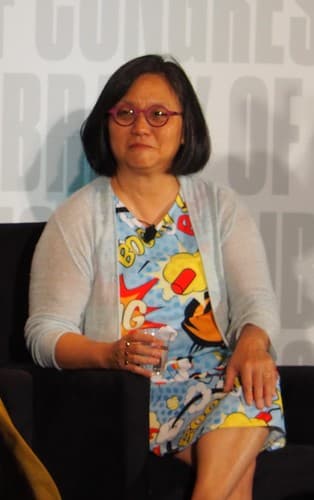
Linda Sue Park is an American author known for her contributions to children's literature. Her notable works include "A Single Shard," which received the Newbery Medal, and "When My Name Was Keoko," a story set during the Japanese occupation of Korea. Park's writing often explores themes of culture and identity.
Similar books
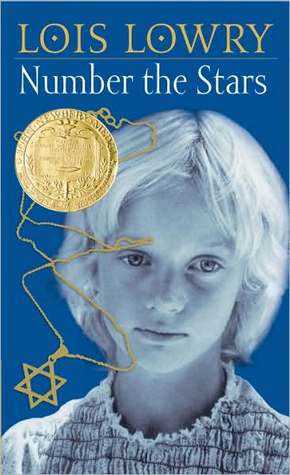
- Number the Stars
Lois Lowry
4.2 (448k) average on GoodreadsChildren'sHistorical fiction from a child's perspective during WWII, dealing with occupation and quiet resistance.
- Harry Potter and the Sorcerer's Stone
J.K. Rowling
4.5 (7M) average on GoodreadsFantasyRescued from a miserable life under the stairs, an orphaned boy discovers he's a wizard destined for a magical school, where he uncovers a dangerous secret tied to the dark wizard who murdered his parents.
- The Hobbit, or There and Back Again
J.R.R. Tolkien
4.3 (2.9M) average on GoodreadsFantasyA comfort-loving hobbit named Bilbo Baggins is whisked away by a mischievous wizard and a band of dwarves on an unexpected journey to reclaim stolen treasure from a fearsome dragon, discovering courage and a magical ring along the way.
- Harry Potter and the Goblet of Fire
J.K. Rowling
4.6 (2.6M) average on GoodreadsFantasyA bewildered Harry Potter, underage and thrust into a deadly Triwizard Tournament, must brave dragons, mermaids, and a resurgent dark magic to survive a year that will forever alter the wizarding world.
- Harry Potter and the Order of the Phoenix
J.K. Rowling
4.5 (2.5M) average on GoodreadsFantasyIn a year of oppressive secrets and the threat of Voldemort, Harry Potter and Dumbledore's Army secretly train for war, shown through Jim Kay and Neil Packer's dark illustrations.
- The Lightning Thief
Rick Riordan
4.3 (2M) average on GoodreadsFantasyThrust into a world of mythological monsters and divine treachery, an ordinary boy discovers he's the son of Poseidon and must embark on a perilous quest across modern America to prevent an Olympian war.





Enjoyed the summary?
A summary gives you the shape of the book. The book itself has the detail, the examples and the voice.
Find When My Name Was Keoko on AmazonAs an Amazon Associate, BookBrief earns from qualifying purchases. How we're funded