
Synopsis
Covers the whole plot, including the ending.
- Difficulty
- Medium
- Pacing
- Moderate
- Mood
- Somber, Resilient, Hopeful, Historical
- Read it if
- You want a powerful, empathetic story about resilience and survival in the face of extreme adversity, seen through the eyes of a child.
- Skip it if
- You prefer lighthearted stories or are sensitive to difficult themes like war, oppression, and child labor.
The Breadwinner Plot Summary
Covers the whole plot, including the ending.
A Family's Struggle in Taliban-Controlled Kabul
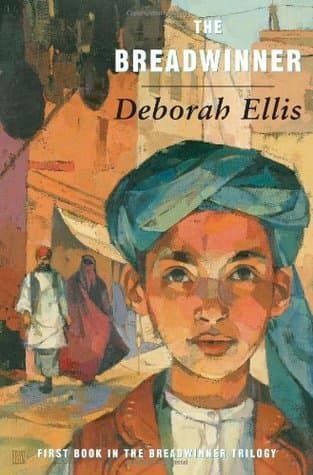
Eleven-year-old Parvana lives with her family in a small, one-room apartment in Kabul, Afghanistan, under the Taliban. Her father, a former history teacher, reads and writes letters in the market to earn money, as he is one of the few educated men left. Her mother, a former writer, is sad and rarely leaves the house. Parvana, her older sister Nooria, and younger sister Maryam are not allowed to go to school or even go outside without a male relative. Their baby brother, Ali, is too young to understand the dangers. The family depends entirely on Parvana's father for their small income, struggling to buy food and basic things in a city damaged by war and poverty.
Father's Arrest and Family's Despair
One evening, while the family is home, armed Taliban soldiers enter their apartment. They question Parvana's father, saying he has a foreign education and writes letters to foreigners. Despite his pleas and the family's fear, the soldiers beat him and take him away, leaving the family upset and helpless. With their father in prison and no other male relative to go with them outside, Parvana, her mother, and sisters are now stuck in their home. They have no way to earn money or even buy food, making them more sad and hungry.
Desperate Measures: Parvana's First Trip to the Market
Days pass, and the family's food runs out. The baby, Ali, cries constantly from hunger. Parvana's mother, desperate, covers herself completely in her burqa and tries to go to the market to buy food. Parvana, though scared, follows her from a distance. However, Taliban soldiers quickly see Parvana's mother alone and beat her with sticks, forcing her to return home in pain. This event shows the extreme dangers women face and how impossible their situation is without a male escort, confirming their complete confinement.
The Plan: Parvana Becomes Kaseem
After her mother's failed attempt, the family understands their terrible situation. With no other choices, Parvana's mother comes up with a plan: Parvana, being the smallest and most boyish, will cut her hair and pretend to be a boy. She will use the name Kaseem and go out into the market to earn money for the family. Though terrified, Parvana agrees, understanding how much they need this. Her mother cuts her hair short, and she puts on her deceased brother Hossain's clothes, stepping out into the dangerous streets of Kabul as a boy for the first time.
Life as a Boy in the Market
Parvana, pretending to be Kaseem, at first feels overwhelmed and scared in the busy market. She tries to sell some of her mother's old clothes and household items, but does not have much success. She eventually finds work reading letters for people who cannot read and selling tea. One day, she meets Mrs. Weera, a former physical education teacher and a strong, enduring woman who used to visit their home. Mrs. Weera immediately recognizes Parvana despite her disguise and becomes an important source of support, giving Parvana a sense of safety and purpose in her new, dangerous life.
Meeting Shauzia and Digging Bones
While working in the market, Parvana is surprised to see another child, also pretending to be a boy, who is her former classmate, Shauzia. Shauzia's family is also struggling, and she too has taken on the role of a boy to earn money. Together, they find a grim but profitable way to earn money: digging up human bones from graveyards to sell to a bone collector. Though at first horrified, Parvana realizes the work is necessary and joins Shauzia. This hard task further shows Parvana the harsh realities of survival in war-torn Afghanistan, strengthening their bond of shared hardship.
The Window Woman and Hope
During her daily work in the market, Parvana often rests near a bombed-out building. One day, a small, embroidered piece of fabric, a gift, falls from a window high above. This happens often over several days — small, thoughtful gifts like a flower or a piece of candy. Parvana begins to call this person the 'Window Woman.' These small acts of kindness become a comfort and a symbol of hope for Parvana, reminding her that even in suffering, there are still people who care and resist the harsh conditions around them, offering a bit of humanity.
Nooria's Wedding and New Opportunities
The family learns that Nooria has a chance to marry a young man from Mazar-e-Sharif, a city not yet fully controlled by the Taliban. This marriage would allow Nooria to leave Kabul, live in a safer place, and even go to school, a dream she has had for a long time. Despite Parvana's first worries and fear of losing her sister, the family decides that this is a chance Nooria must take. Parvana's mother, Nooria, Maryam, and Ali prepare to travel to Mazar-e-Sharif for the wedding, leaving Parvana and Mrs. Weera behind in Kabul.
Encounter with Homa and the Fall of Mazar
After her family leaves, Parvana and Mrs. Weera continue their work. One day, Parvana finds a young, scared woman named Homa huddled in a bombed-out building. Homa is in shock and tells a terrible story of how the Taliban attacked and took over Mazar-e-Sharif, killing many people, including her family. This terrible news ends Parvana's hope for her family's safety and Nooria's future. Parvana feels great fear and sadness, realizing that her family is now in extreme danger, and her sister's wedding and school dreams are likely gone.
A Glimmer of Hope and Departure
Despite the bad news, Mrs. Weera, with her strong spirit, tells Parvana to keep hope. She reminds Parvana that her family is strong and clever. A few weeks later, Parvana decides to leave Kabul. She packs a few things, including the small gifts from the Window Woman, and sets out alone, determined to find her family. She plants a small flower in the dusty ground where she used to work, a symbol of hope, before starting her difficult journey into the unknown, carrying the fragile hope of reunion.
Principal Figures
Parvana
Protagonist
An 11-year-old girl who disguises herself as a boy to support her family in Taliban-controlled Afghanistan.
Parvana is an intelligent, brave, and resourceful eleven-year-old girl. Before her father's arrest, she was a dutiful daughter who helped him in the market. When forced to become the 'breadwinner,' she shows immense courage and adaptability, overcoming her fears to navigate the dangerous streets of Kabul as a boy. She is observant and compassionate, often reflecting on the injustices around her. Her love for her family is her primary motivator, driving her to endure hardship and risk her safety daily.
Relationships: Father (Loving and respectful, he teaches her and relies on her help.); Mother (Supportive, though often overwhelmed by grief; they share a deep bond.); Nooria (Typical sisterly rivalry, but also mutual care and understanding.); Mrs. Weera (Mentorship and strong friendship, Mrs. Weera acts as a surrogate grandmother.); Shauzia (Close friendship and partnership in survival.)
Father
Supporting
A university-educated former teacher, arrested by the Taliban, serving as Parvana's intellectual and moral guide.
Parvana's father is a kind, educated, and thoughtful man who instills in his children a love for learning and stories. He lost a leg in a bombing and relies on Parvana to help him in the market. Despite the hardships, he maintains a dignified demeanor and teaches Parvana about Afghan history and resilience. His arrest is the catalyst for Parvana's transformation, and his absence leaves a profound void, yet his teachings continue to guide her.
Relationships: Parvana (Mentor and student, deep mutual respect and affection.); Mother (Loving and supportive husband, partner in their shared struggles.)
Mother
Supporting
A former writer, deeply affected by the war and the Taliban's rule, but fiercely protective of her children.
Parvana's mother is a strong but often despairing woman. Before the Taliban, she was a university student and writer. The loss of her son Hossain and the oppressive regime have left her depressed and withdrawn. However, when her husband is arrested, she demonstrates incredible resolve by devising the plan for Parvana to disguise herself. She is fiercely protective of her children, willing to risk her own safety for their survival, and later shows a renewed spirit in planning Nooria's wedding.
Relationships: Father (Loving and supportive wife, partner in their shared struggles.); Parvana (Caring mother, relies on Parvana as the breadwinner.)
Nooria
Supporting
Parvana's older sister, often bossy but longs for an education and a better life.
Nooria is Parvana's older sister, fourteen years old. She is often portrayed as bossy and critical of Parvana, reflecting typical sibling dynamics. However, beneath her sometimes-abrasive exterior, she yearns for a normal life, especially the chance to attend school and pursue an education. Her arranged marriage to a man in Mazar-e-Sharif offers a glimmer of hope for her future, representing the aspirations of many young women under the Taliban.
Relationships: Parvana (Typical sibling rivalry, but also mutual care.); Mother (Daughter, often takes on a more responsible role in the household when her mother is withdrawn.)
Mrs. Weera
Supporting
A resilient former physical education teacher and a strong, independent woman who helps Parvana's family.
Mrs. Weera is a formidable and inspiring woman. She was Parvana's mother's physical education teacher and a respected figure in the community. She moves in with Parvana's family after her father's arrest, bringing with her an indomitable spirit, practical skills, and a sense of purpose. She is a survivor, always thinking of ways to improve their situation, and provides crucial emotional and practical support to Parvana and her mother. She represents resilience and female empowerment.
Relationships: Parvana (Mentor and friend, offering practical advice and emotional support.); Mother (Old friend and colleague, providing strong companionship and leadership.)
Shauzia
Supporting
Parvana's former classmate, also disguised as a boy, who dreams of escaping Afghanistan.
Shauzia is Parvana's former classmate and friend. Like Parvana, she has disguised herself as a boy to earn money for her family, who are also struggling with poverty and a cruel father. Shauzia is more street-smart and cynical than Parvana, and more adventurous. She dreams of saving enough money to escape Afghanistan and move to France, representing a yearning for freedom and a different life beyond the war-torn country.
Relationships: Parvana (Close friend and partner in survival, sharing a unique bond of shared experience.)
Homa
Mentioned
A traumatized young woman who brings news of the fall of Mazar-e-Sharif.
Homa is a young woman Parvana finds hiding in a bombed-out building. She is deeply traumatized and in shock, having witnessed the brutal Taliban takeover of Mazar-e-Sharif, where her entire family was killed. Her testimony provides a harrowing account of the war's continued violence and delivers the devastating news that potentially puts Parvana's family in grave danger. She serves as a tragic embodiment of the war's human cost.
Relationships: Parvana (Brief, impactful encounter during a moment of crisis.)
Ali
Supporting
Parvana's baby brother.
Ali is the youngest member of Parvana's family, a baby whose innocent needs highlight the family's extreme poverty and the urgency of Parvana's mission. His hunger and cries are a constant reminder of the family's vulnerability and the desperate measures they must take to survive. He represents the future generation, whose fate is uncertain in a war-torn country.
Relationships: Parvana (Younger brother, whom Parvana feels a strong protective instinct towards.)
Themes & Insights
Resilience and Survival
The novel shows the great strength of people, especially women and children, when facing very hard times. Parvana's choice to pretend to be a boy to provide for her family is the main act of survival. Her ability to live on dangerous streets, find work, and deal with hard conditions shows this theme. Mrs. Weera's steady spirit and practical solutions also show how people can find hope and purpose even in bad situations, as seen when she starts a secret school.
“Afghans are a proud people, but they've had to learn how to survive. They've had to learn to be like weeds, growing wherever they can, whenever they can.”
Identity and Gender Roles
The Taliban's strict rule forces women to stay home and denies them education and freedom. Parvana's disguise as a boy, Kaseem, directly goes against these rules. This act allows her to go outside, but also makes her deal with two identities. The difference between her life as Parvana (stuck, weak) and Kaseem (free, active) shows how much gender affects freedom and chances in their society. Shauzia's similar disguise further highlights this theme.
“She had to remind herself that she was a boy. She couldn't act like a girl. She had to be tough.”
The Impact of War and Oppression
The whole story takes place during the Taliban's rule and the war in Afghanistan. Bombings, constant fear, lack of food, and destroyed buildings are always present. The story shows how war harms not just places but also families, education, and mental health. The arrest of Parvana's father, the beating of her mother, and Homa's story about Mazar-e-Sharif show the human cost of conflict and strict control.
“War had been going on in Afghanistan for twenty years, and Parvana had been born in the middle of it. She had never known peace.”
Hope and Despair
The characters often feel deep sadness and then find small moments of hope. The family's initial confinement and hunger lead to deep sadness, but the decision for Parvana to become Kaseem brings a fragile hope for survival. The small gifts from the Window Woman and the possibility of Nooria's marriage offer glimpses of a better future. Even with the bad news of Mazar-e-Sharif's fall, Mrs. Weera's optimism and Parvana's decision to search for her family show the lasting human need for hope, even if small.
“Where there is life, there is hope. That's what my father used to say.”
Family and Community Bonds
The strength of family is a central theme, as Parvana's actions are driven by her love and duty towards her mother, sisters, and baby brother. The family's reliance on each other for emotional and practical help is important for their survival. Beyond the immediate family, the bond with Mrs. Weera and the friendship with Shauzia show the importance of community and unity in times of trouble. These relationships provide comfort, shared purpose, and a sense of belonging during widespread suffering.
“We have to stay together. We are a family.”
Plot Devices & Literary Techniques
Disguise (Cross-dressing)
Parvana's transformation into a boy, Kaseem, to navigate societal restrictions.
The disguise of Parvana as a boy, Kaseem, is the central plot device. It directly enables her to circumvent the Taliban's decrees that forbid women from leaving the house unaccompanied or earning money. This device not only drives the plot forward by allowing Parvana to become the family's breadwinner but also serves as a powerful symbol of resistance against oppressive gender roles. It highlights the stark difference in freedom and opportunity between genders in Taliban-controlled Afghanistan, making Parvana's experiences as Kaseem vastly different from her life as Parvana.
The Window Woman
Mysterious gifts from an unseen benefactor, symbolizing hope and quiet resistance.
The 'Window Woman' is a symbolic plot device. An unseen individual who drops small, thoughtful gifts (a piece of embroidery, a flower, candy) from a high window in a bombed-out building where Parvana works. This device provides Parvana with small moments of joy and comfort amidst her harsh reality. It symbolizes quiet acts of kindness, humanity, and subtle resistance against the dehumanizing regime, suggesting that even in the most oppressive environments, there are individuals who retain compassion and hope, offering a silent connection and encouragement.
The Burial of Hossain
The memory of Parvana's deceased brother, a source of grief and a catalyst for her disguise.
The death of Parvana's older brother, Hossain, who was killed by a landmine at a young age, serves as a significant backstory element. His clothes are what Parvana uses for her disguise, making her transformation literal and symbolic. The family's grief over Hossain is a constant, underlying sorrow, particularly for their mother. This device not only provides the practical means for Parvana's disguise but also underscores the pervasive tragedy of war and the constant threat of loss that hangs over Afghan families, adding emotional depth to Parvana's motivations.
Storytelling and Education
The father's stories and the family's love for learning as a form of cultural preservation and hope.
Storytelling and a reverence for education, particularly through Parvana's father, serve as a significant plot device and thematic element. Before his arrest, Parvana's father tells her stories of Afghan history and culture, imparting wisdom and a sense of identity. This tradition continues as Parvana reads letters for others in the market. Education is explicitly forbidden for girls by the Taliban, making the family's secret desire for Nooria to attend school in Mazar-e-Sharif a poignant symbol of hope and resistance. This device highlights the importance of knowledge and narrative as tools for survival and cultural continuity against oppressive forces.
The Breadwinner Quotes
“We are all like Parvana. We all have to be brave in our own ways.”
“In Afghanistan, women are not allowed to go out without a man.”
“I am not a boy. I am a girl who looks like a boy.”
“Sometimes the bravest thing you can do is to keep going.”
“Books are dangerous. They make people think.”
“We must be like the river, always moving, always changing.”
“A story can be a dangerous thing. It can change the world.”
“I will not let them take my voice.”
“Even in the darkest times, there is light.”
“We are not just surviving. We are living.”
“The world is bigger than this room.”
“Courage is not the absence of fear, but the strength to face it.”
“Every small act of kindness is a rebellion.”
“My name is Parvana, and I will not be erased.”
Quiz
10 questions on the plot and the characters. Each answer comes with a short explanation.
Question 1
Why is Parvana initially confined to her family's one-room home in Kabul?
- Because she is too young to go out alone
- Because the Taliban has barred girls and women from public life
- Because her family is hiding from the authorities
- Because she is recovering from an illness
Show answer
B. Because the Taliban has barred girls and women from public life Under Taliban rule in Afghanistan, girls and women were prohibited from attending school, working, or appearing in public without a male relative, forcing Parvana to stay indoors.
Question 2
What event prompts Parvana to disguise herself as a boy and become the family breadwinner?
- Her mother falls ill and cannot work
- The Taliban hauls away her father
- Her family runs out of food and money
- Her older sister refuses to help support the family
Show answer
B. The Taliban hauls away her father After the Taliban arrests her father, Parvana realizes she must take on the role of provider for her mother, sisters, and baby brother, leading her to cut her hair and pose as a boy to work in the market.
Question 3
How does Parvana's background as the daughter of university-educated parents influence her character?
- It makes her more obedient to Taliban rules
- It gives her a westernized outlook and critical perspective on the regime
- It causes her to reject her family's values
- It leads her to seek education in secret schools
Show answer
B. It gives her a westernized outlook and critical perspective on the regime Parvana's upbringing by educated parents shapes her to be more independent and critical of the repressive Taliban state, similar to how she is compared to Offred in 'The Handmaid's Tale'.
Question 4
What is the primary theme explored in 'The Breadwinner' regarding life under the Taliban?
- The importance of family loyalty in times of crisis
- The harsh realities and restrictions faced by girls and women
- The economic challenges of living in a refugee camp
- The role of education in empowering children
Show answer
B. The harsh realities and restrictions faced by girls and women The book focuses on the severe limitations imposed on females by the Taliban regime, such as being barred from school, work, and public spaces, highlighting their struggle for survival and dignity.
Question 5
How did Deborah Ellis gather inspiration for 'The Breadwinner'?
- From her own experiences growing up in Afghanistan
- From historical documents about the Taliban
- From true-life stories of women in Afghan refugee camps
- From fictional accounts in other children's books
Show answer
C. From true-life stories of women in Afghan refugee camps Ellis, a political activist, based the novel on real stories she heard from women in refugee camps, adding authenticity to the portrayal of Afghan life under Taliban rule.
Question 6
What does Parvana use to conceal her critique of the repressive state, as noted in the book description?
- Her silence and obedience
- The veil of her chador
- Secret codes in her diary
- Messages passed through her father
Show answer
B. The veil of her chador Parvana hides her rebellious thoughts and westernized perspectives behind her chador, a traditional garment, allowing her to navigate the dangerous environment without drawing attention.
Question 7
In the context of the book, what is the significance of Parvana's response to her friend's suggestion to 'drop a big bomb on the country'?
- It shows her support for military intervention
- It reflects her understanding that violence only worsens the situation
- It indicates her desire for the Taliban to be overthrown
- It demonstrates her fear of further conflict
Show answer
B. It reflects her understanding that violence only worsens the situation Parvana's reply that bombing 'only made things worse' highlights the book's theme of the cyclical nature of violence and its futility in solving deep-rooted problems, making the story eerily prophetic.
Question 8
What aspect of 'The Breadwinner' is criticized as 'disappointingly sketchy' in the book description?
- The character development of Parvana's sisters
- The portrayal of Taliban officials
- The ending of the novel
- The historical accuracy of events
Show answer
C. The ending of the novel The description notes that while the book is essential reading, its ending is somewhat vague or underdeveloped, which might leave readers wanting more resolution.
Question 9
How is Parvana compared to Offred from Margaret Atwood's 'The Handmaid's Tale'?
- Both are mothers struggling to protect their children
- Both use disguises to survive in oppressive regimes
- Both conceal their critiques of repressive states behind veils of conformity
- Both are educated women who become rebels
Show answer
C. Both conceal their critiques of repressive states behind veils of conformity Like Offred, Parvana outwardly conforms to the strict rules of her society (using her chador as a veil) while internally questioning and resisting the oppression, making her a relatable and critical character.
Question 10
What practical challenge does Parvana face in becoming the breadwinner, beyond the initial disguise?
- Learning to read and write to find better work
- Convincing her family to support her plan
- Navigating the market and earning money while maintaining her boy identity
- Avoiding detection by her former teachers
Show answer
C. Navigating the market and earning money while maintaining her boy identity Once disguised as a boy, Parvana must actually work in the market to support her family, dealing with the daily risks of exposure and the hardships of labor in a war-torn city.
The Breadwinner FAQ
What is 'The Breadwinner' about?
The novel follows 11-year-old Parvana, who lives in Taliban-controlled Kabul, Afghanistan. After her father is arrested, she disguises herself as a boy to become the family's breadwinner, supporting her mother, two sisters, and baby brother by working in the market and navigating the oppressive restrictions on women and girls.
Why should I read 'The Breadwinner'?
It provides an accessible, humanizing look at life under the Taliban regime, particularly for women and children, based on true stories from Afghan refugee camps. Through Parvana's resilience and courage, it explores themes of survival, family, and gender inequality in a way that resonates with young readers.
What is the background/setting of 'The Breadwinner'?
Set in Kabul, Afghanistan, during the early years of the Taliban regime in the late 1990s. The regime enforces strict laws barring girls from school, women from public life without a male escort, and imposes harsh punishments for violations, creating a claustrophobic and dangerous environment.
What are the most memorable quotes?
Key quotes include Parvana's friend saying, 'Maybe someone should drop a big bomb on the country and start again,' and Parvana's response: 'They've tried that. It only made things worse.' This exchange highlights the cycle of violence and the novel's prophetic critique of foreign intervention.
What writing style does the author use?
Deborah Ellis employs a straightforward, accessible narrative style suitable for middle-grade readers, blending historical realism with emotional depth. The dialogue can be stilted at times, but the prose effectively conveys the harsh realities of life in Kabul through Parvana's perspective.
What minor details add significant meaning?
Parvana's chador (veil) symbolizes both oppression and protection; she uses it to conceal her identity and critique of the regime. The family's one-room home emphasizes their poverty and confinement, mirroring the broader restrictions on women's mobility and freedom under the Taliban.
What are some subtle foreshadowing moments?
Early scenes of Parvana's father being harassed by the Taliban foreshadow his eventual arrest. Parvana's initial discomfort with her disguise as a boy hints at the ongoing risks she'll face, such as when she's nearly discovered while working in the market.
What unexpected character connections exist?
Parvana befriends Shauzia, another girl disguised as a boy, forming a bond based on shared survival strategies. This connection reveals that many families resort to similar disguises, highlighting a hidden network of resistance among women and children in Kabul.
What are unspoken character motivations?
Parvana's mother is motivated by fear and trauma, initially resisting Parvana's plan out of concern for her safety, but ultimately accepts it out of desperation to survive. Parvana herself is driven by love for her family and a silent rebellion against the regime's injustices.
What psychological complexities do characters exhibit?
Parvana grapples with the duality of her identity—balancing her 'boy' persona for survival with her true self as a girl. Her father, though educated and critical of the Taliban, shows resignation after his arrest, reflecting the psychological toll of oppression.
What are the major emotional turning points?
Key moments include Parvana's father's arrest, which forces her into the breadwinner role; her first successful day working in the market, boosting her confidence; and her reunion with her father at the end, offering a glimmer of hope amid ongoing uncertainty.
How do relationship dynamics evolve?
Parvana's relationship with her mother shifts from tension to mutual dependence as they navigate survival together. Her friendship with Shauzia grows from shared secrecy to a supportive alliance, emphasizing the importance of community in adversity.
Which parts remain ambiguous or open-ended?
The ending is sketchy, leaving Parvana's future uncertain—whether she'll continue her disguise, if her family will escape Kabul, or how long the Taliban's rule will last. This ambiguity reflects the real-life unresolved struggles of many Afghans.
What are controversial scenes or decisions?
Parvana's decision to disguise herself as a boy risks severe punishment if discovered, sparking debate about the ethics of deception under oppression. Some readers might find the portrayal of the Taliban's brutality intense for a children's book, though it's based on real accounts.
'The Breadwinner' ending explained: how it ends & what it means
The novel ends with Parvana reuniting with her father, who has been released from prison but is weakened. They plan to leave Kabul to find her mother and siblings, who fled earlier. This ending suggests hope for reunion and escape, but underscores the ongoing instability and trauma of life under the Taliban.
About the author

Deborah Ellis is a Canadian author known for her young adult fiction, particularly her "Breadwinner" series. Her works, including "Bifocal" and "Mud City," often explore themes of social justice, war, and the resilience of young people in difficult circumstances. Ellis has received numerous awards for her impactful storytelling.
Similar books
- A Thousand Splendid Suns
Khaled Hosseini
4.4 (1.2M) average on GoodreadsHistorical FictionExplores the lives of women in Afghanistan under various regimes, focusing on their struggles and resilience.
- Refugee
Alan Gratz
4.4 (84k) average on GoodreadsFollows multiple child refugees from different time periods and conflicts, highlighting their journeys for survival.
- Number the Stars
Lois Lowry
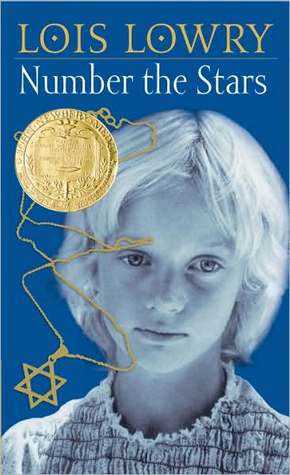
4.2 (448k) average on GoodreadsChildren'sBoth books address war and persecution through a child's perspective. However, The Breadwinner focuses on a more recent and often less understood conflict (Taliban-era Afghanistan) compared to Number the Stars' setting during the Holocaust, making Ellis's work particularly relevant for contemporary global discussions.
- The Diary of a Young Girl
Anne Frank
4.2 (2.7M) average on GoodreadsBiographyWhile Frank's diary offers unparalleled authenticity as a firsthand account of hiding during wartime, The Breadwinner, as a fictional narrative, allows for a broader exploration of societal impact and the protagonist's active agency in navigating external threats, rather than solely internal reflection. Ellis's novel is more explicitly an adventure story of survival and resistance.
- Harry Potter and the Sorcerer's Stone
J.K. Rowling
4.5 (7M) average on GoodreadsFantasyRescued from a miserable life under the stairs, an orphaned boy discovers he's a wizard destined for a magical school, where he uncovers a dangerous secret tied to the dark wizard who murdered his parents.
- The Hobbit, or There and Back Again
J.R.R. Tolkien
4.3 (2.9M) average on GoodreadsFantasyA comfort-loving hobbit named Bilbo Baggins is whisked away by a mischievous wizard and a band of dwarves on an unexpected journey to reclaim stolen treasure from a fearsome dragon, discovering courage and a magical ring along the way.





Enjoyed the summary?
A summary gives you the shape of the book. The book itself has the detail, the examples and the voice.
Find The Breadwinner on AmazonAs an Amazon Associate, BookBrief earns from qualifying purchases. How we're funded