

Synopsis
Covers the whole plot, including the ending.
- Difficulty
- Medium
- Pacing
- Variable
- Mood
- Intense, Thought-provoking, Emotional, Nuanced
- Read it if
- You enjoy thought-provoking stories that tackle complex ethical dilemmas with multiple perspectives, and don't mind a non-linear narrative structure.
- Skip it if
- You prefer lighthearted reads, are sensitive to discussions around abortion, or dislike stories with a significant focus on controversial social issues.
A Spark of Light Plot Summary
Covers the whole plot, including the ending.
The Standoff Begins
The story opens with a hostage situation at The Center, a women's reproductive health clinic in Mississippi. George Goddard, a distraught and armed man, has burst into the clinic, shooting several people and taking the remaining staff and patients hostage. Among the hostages are Dr. Louie Ward, a devout Christian OB/GYN, and nurse Janine, who attends to the wounded. Outside, police negotiator Hugh McElroy arrives on the scene, unaware that his own fifteen-year-old daughter, Wren, is inside the clinic. George's motivations are initially unclear, but his rage is palpable as he demands to speak to someone who will listen to his grievances regarding abortion.
Hugh's Discovery and Desperation
As Hugh McElroy, the police negotiator, establishes communication with George Goddard, he receives a text message from his daughter, Wren, revealing she is inside The Center. Wren, along with her stepmother, Bex, had gone to the clinic that morning. This revelation plunges Hugh into a personal crisis, intensifying his professional responsibilities with parental fear. He must maintain his composure and strategic thinking while his deepest fears are realized. He struggles to keep his personal connection to the situation a secret from his team, knowing it could compromise his ability to negotiate effectively.
Wren's Perspective and the Injured
Inside The Center, Wren is terrified but observant. She witnesses the chaos and the bravery of others. Nurse Janine, despite her own fear, prioritizes the wounded. Joy, a patient who was shot by George, is bleeding heavily, and Janine works to stabilize her, using her medical expertise under extreme duress. Dr. Ward also assists where he can, his faith a source of comfort for some, while others question his presence at an abortion clinic. The tension in the room is palpable as the hostages grapple with their immediate danger and the uncertainty of their survival.
Bex's Secret and George's Motive
It is revealed that Wren's stepmother, Bex, was at The Center to have an abortion, a secret she had kept from Wren and Hugh. Meanwhile, George Goddard's motive slowly comes into focus. He is a grieving father whose daughter, Beth, died from a botched illegal abortion years prior. He believes the clinic represents everything he dislikes about abortion and is seeking a platform to voice his pain and condemnation. His actions are fueled by a sense of loss and a misguided desire for justice, believing he is protecting unborn lives.
The Protester Within
Among the patients is Olive, who is initially presented as a scared young woman. However, it is revealed that Olive is a pro-life activist who had deliberately scheduled an appointment under false pretenses to gather information and potentially disrupt the clinic's operations from the inside. Her presence adds another layer of complexity to the hostage situation, as her ideological stance aligns, in some ways, with George's, yet she is still a victim of his violence. Her internal conflict between her beliefs and her survival instincts becomes apparent.
Backtracking to the Morning
The story's unique structure begins to count backward, moving from the intense hostage crisis to earlier hours of the day. This allows the reader to understand what brought each character to The Center. We see Bex and Wren's strained relationship as they drive to the clinic, Bex grappling with her decision and Wren's naive curiosity. We also see Dr. Ward preparing for his day, his faith guiding his medical practice, and nurse Janine arriving, dedicated to her work. These scenes slowly build a picture of the ordinary morning that tragically spiraled out of control.
Dr. Ward's Faith and Practice
The narrative looks at Dr. Louie Ward's background, revealing his deep Christian faith and how he reconciles it with his work at a reproductive health clinic that performs abortions. He believes in providing comprehensive care, seeing his role as a healer for all women, regardless of their choices. His internal struggle and commitment to his oath are highlighted, showing him to be a compassionate and complex character who grapples with the ethical dilemmas in his profession. His presence challenges preconceived notions about those who work in such clinics.
Bex's Decision and Past
Bex's storyline explores her past, including her relationship with Hugh and the complexities of blending families. Her decision to terminate her pregnancy is deeply personal, influenced by her age, her current family situation, and her desire to be a good mother to Wren. The narrative avoids judgment, instead focusing on the emotional and practical considerations that led her to The Center. Her vulnerability and strength are revealed as she confronts this difficult choice, highlighting the reasons women seek reproductive healthcare.
George's Grief and Despair
The story goes further back to reveal George Goddard's devastating past. His daughter, Beth, died from complications of an illegal abortion she underwent in secret. This traumatic event shattered George and his wife, leading to the dissolution of their family and his descent into deep, unyielding grief. His actions at The Center are a desperate, misguided attempt to prevent other families from experiencing similar pain, driven by a sense of injustice and a desire for retribution against a system he believes failed his daughter.
The First Shots Fired
The narrative reaches the beginning of the day, detailing the mundane moments before the violence erupted. We see George Goddard, consumed by his grief and a sense of righteous anger, arriving at The Center. The tension builds as he enters the waiting room, his intentions clear only to himself. The first shots are fired, shattering the ordinary calm of the clinic and instantly transforming it into a scene of terror and chaos. This moment marks the irreversible turning point for all characters present, setting in motion the harrowing events of the standoff.
Negotiation and Resolution
Hugh McElroy continues his negotiations with George Goddard, carefully navigating George's emotional state and demands. The stakes are incredibly high, especially with Wren's life on the line. Hugh uses his skills to de-escalate, offering George a platform to share his story while trying to secure the release of the hostages. The climax of the standoff involves a tense confrontation, where Hugh must make critical decisions that will determine the fate of everyone inside, including his daughter. The resolution is hard-won and leaves lasting scars on all involved.
Aftermath and Reflection
Following the resolution of the hostage crisis, the surviving characters grapple with the trauma they have endured. Wren, Bex, Janine, and Dr. Ward begin to process the events, each in their own way. Hugh is relieved but also deeply affected by the experience and the revelation of Bex's secret. The novel concludes with a sense of the lasting impact of the day's violence and the complex, often irreconcilable, viewpoints surrounding reproductive rights. The characters are left to pick up the pieces of their lives, forever changed by the spark of light that illuminated their shared humanity and their differences.
A Spark of Light Characters
Hugh McElroy
Protagonist
A police hostage negotiator whose daughter is trapped inside the clinic.
Hugh is a seasoned police hostage negotiator, calm and methodical under pressure, but his professionalism is severely tested when he discovers his fifteen-year-old daughter, Wren, is among the hostages. He is a loving father and husband, trying to navigate a complex blended family dynamic with his wife, Bex, and Wren. His internal conflict between his duty and his personal terror drives much of the narrative, forcing him to make incredibly difficult choices while maintaining his composure.
Relationships: Wren McElroy (Father-daughter); Bex (Husband-wife, Wren's stepmother); George Goddard (Negotiator-hostage taker)
Wren McElroy
Supporting
Hugh's fifteen-year-old daughter, a hostage inside The Center.
Wren is a bright, observant, and somewhat naive teenager. She accompanies her stepmother, Bex, to The Center, initially unaware of Bex's true purpose there. Trapped inside during the hostage crisis, she experiences extreme fear but also witnesses acts of bravery and the raw humanity of those around her. Her youth provides a perspective of innocence and vulnerability, making her a crucial emotional anchor for Hugh and a catalyst for many revelations. She tries to understand the complex adult world unfolding around her.
Relationships: Hugh McElroy (Daughter-father); Bex (Stepdaughter-stepmother); George Goddard (Hostage-hostage taker)
Bex
Supporting
Wren's stepmother, at The Center for an abortion.
Bex is Hugh's wife and Wren's stepmother. She is a compassionate woman who, despite her love for Hugh and Wren, is facing a difficult personal decision to terminate her pregnancy. She carries the weight of this secret, fearing Hugh's reaction and the impact on their blended family. Her journey to The Center is fraught with internal conflict and vulnerability, highlighting the personal struggles many women face when making reproductive choices. She tries to protect Wren from the full extent of the truth.
Relationships: Hugh McElroy (Wife-husband); Wren McElroy (Stepmother-stepdaughter)
George Goddard
Antagonist
The distraught gunman who takes hostages at The Center.
George Goddard is the antagonist, a man driven to violence by profound grief and a misguided sense of justice. Years prior, his daughter, Beth, died from a botched illegal abortion, shattering his family and leaving him consumed by rage and sorrow. He believes The Center represents the moral decay he blames for his daughter's death. His actions are an extreme, desperate attempt to be heard and to prevent what he perceives as similar tragedies. He is a deeply broken man, incapable of processing his trauma in a healthy way.
Relationships: Hugh McElroy (Hostage taker-negotiator); Beth Goddard (Father-deceased daughter)
Dr. Louie Ward
Supporting
An OB/GYN at The Center, a devout Christian who performs abortions.
Dr. Ward is an older, deeply religious OB/GYN who works at The Center, performing abortions and providing other reproductive healthcare. He is a man of strong faith, but he believes his medical oath to care for all women, regardless of their choices, aligns with his Christian values. He is calm and compassionate, providing medical assistance during the hostage crisis. His character challenges stereotypes about those who work in abortion clinics, demonstrating a nuanced perspective on faith and healthcare.
Janine
Supporting
A nurse at The Center who bravely tends to the wounded during the standoff.
Janine is a dedicated and brave nurse at The Center. During the hostage crisis, she remains remarkably calm under pressure, prioritizing the care of the wounded, especially Joy, who is critically injured. She embodies the professionalism and compassion of healthcare workers, putting her patients' needs before her own safety. Her actions highlight the selfless dedication often found in the medical profession, even in the face of extreme danger. She is pragmatic and focused on survival and care.
Relationships: Dr. Louie Ward (Colleague); Joy (Nurse-patient)
Olive
Supporting
A pro-life protester disguised as a patient inside the clinic.
Olive is a young woman initially appearing as a patient, but she is later revealed to be a committed pro-life activist who infiltrated The Center under false pretenses. She believes deeply in the sanctity of life and sees abortion as morally wrong. Her presence as a hostage adds a layer of irony and complexity, as she finds herself a victim of the very type of violence she might, in other circumstances, implicitly condone through her activism. Her internal conflict is between her deeply held beliefs and her own survival.
Relationships: George Goddard (Hostage-hostage taker (ideological alignment, but victim))
Joy
Supporting
A patient who is critically wounded by George Goddard.
Joy is a patient at The Center who is among the first to be shot by George Goddard. Her critical condition throughout the standoff serves as a constant, urgent reminder of the violence and the stakes involved. Her struggle for survival becomes a focal point for nurse Janine and Dr. Ward, highlighting the immediate human cost of the gunman's actions. She represents the innocent victims caught in ideological crossfire, and her fate underscores the fragility of life.
Relationships: Janine (Patient-nurse); Dr. Louie Ward (Patient-doctor)
Beth Goddard
Mentioned
George Goddard's deceased daughter, whose death fuels his actions.
Beth Goddard is George Goddard's daughter, who died years before the events of the novel due to complications from an illegal abortion. Her tragic death is the catalyst for George's profound grief and his subsequent violent actions at The Center. Although she is only seen in flashbacks and memories, her story is central to understanding George's motivations and the deep-seated pain that drives him. Her story underscores the devastating consequences of limited reproductive healthcare options.
Relationships: George Goddard (Deceased daughter-father)
A Spark of Light Themes
The Complexity of Reproductive Rights
The novel explores the many and often irreconcilable viewpoints surrounding abortion. It presents characters from all sides of the debate: the pro-choice patient (Bex), the pro-life protester (Olive), the doctor who performs abortions out of care and faith (Dr. Ward), and the anti-abortion extremist driven by personal tragedy (George Goddard). By giving each character a voice and a detailed backstory, the book humanizes every perspective, showing that the issue is rarely black and white but deeply personal and emotional. This theme is central to the entire narrative, with the clinic itself as a microcosm of the broader societal debate.
“What does it mean to be a good parent? How do we balance the rights of pregnant women with the rights of the unborn they carry?”
Grief and its Destructive Power
George Goddard's actions are rooted in the overwhelming and unprocessed grief over his daughter Beth's death from a botched illegal abortion. His inability to cope with this trauma transforms his sorrow into a burning rage and a misguided mission for vengeance, leading him to commit an act of extreme violence. The novel illustrates how profound grief, when left unaddressed, can consume an individual and lead to destructive behavior, not only for themselves but for innocent others. His backstory provides a tragic, though not excusatory, explanation for his actions.
“He knew, with the clarity of a man who had lost everything, that he had to make them listen.”
Family Secrets and Communication
The McElroy family dynamic is riddled with unspoken truths. Bex's secret decision to have an abortion, hidden from both Hugh and Wren, creates a deep misunderstanding and potential betrayal. Hugh's initial ignorance of Wren's presence in the clinic, and his subsequent struggle to keep it secret, further emphasizes the theme. The novel highlights how lack of open communication, even with good intentions, can lead to painful revelations and strain relationships, especially in moments of crisis. The need for honesty, even when difficult, is subtly shown.
“How many secrets could one family keep before the weight of them crushed everyone?”
Empathy and Understanding
Despite the polarizing subject matter, the novel consistently aims to build empathy for all its characters, regardless of their viewpoints or actions. By employing a backward narrative structure, it gradually reveals the motivations and personal histories that led each individual to The Center on that day. This allows the reader to understand, if not condone, the reasons behind their choices and beliefs. The book encourages looking beyond surface-level judgments to recognize the shared humanity and complex experiences that shape people's lives, even those on opposing sides of a divisive issue.
“It was easy to hate someone when you didn't know their story.”
The Role of Faith in Moral Decisions
Dr. Louie Ward's character explores the relationship between deep religious faith and personal moral decisions, particularly in the context of reproductive healthcare. As a devout Christian, Dr. Ward challenges the common perception that faith is inherently anti-abortion by explaining how his beliefs compel him to provide compassionate care to all women. His internal struggle and his commitment to his medical oath, viewed through a lens of faith, offer a nuanced perspective on how individuals reconcile their spiritual convictions with their professional and ethical responsibilities.
“My faith tells me to heal the sick, not to judge them.”
Plot Devices & Literary Techniques
Backward Narrative Structure
The story unfolds in reverse chronological order, hour by hour.
The novel's most prominent plot device is its unique backward narrative structure, starting at the climax of the hostage crisis and counting backward through the hours of the day. This technique heightens suspense by immediately plunging the reader into the crisis, then gradually revealing the events, motivations, and backstories that led each character to The Center. It builds empathy by slowly unveiling the complexities of each character's life, forcing the reader to understand their journey before judging their actions or beliefs, making the 'why' as compelling as the 'what'.
Multiple Points of View
The story is told from the perspectives of several key characters.
The novel employs multiple first-person perspectives, alternating between Hugh, Wren, Bex, Dr. Ward, Janine, Olive, and even George Goddard. This device allows the reader to gain deep insight into the internal thoughts, feelings, and motivations of a diverse cast of characters caught in the crisis. It serves to humanize each individual, presenting their unique experiences and beliefs, and highlighting the complexity of the issues at play by showing how different people perceive and react to the same events, fostering a more holistic understanding.
The Clinic as a Microcosm
The Center serves as a symbolic representation of the broader abortion debate.
The Center, the women's reproductive health clinic, functions as a powerful plot device by acting as a microcosm of the larger societal debate surrounding abortion. By bringing together characters with vastly different viewpoints—pro-choice, pro-life, medical professionals, and a grieving extremist—within its confined walls, the novel effectively condenses the complex arguments and emotional intensity of the issue into a single, high-stakes setting. This allows for direct confrontation of ideologies and forces characters (and readers) to grapple with the human element behind the political rhetoric.
The Unreliable Narrator (Implicit)
Characters' initial perceptions are often incomplete or biased, revealed over time.
While not a classic unreliable narrator in the sense of deliberate deceit, the multiple perspectives and backward structure create an implicit unreliability. Each character's initial understanding of events, or of other characters' motivations, is incomplete or colored by their own biases and limited information. As the narrative moves backward, more context is revealed, challenging initial assumptions and perceptions. This device encourages critical engagement from the reader, prompting them to question what they think they know and to piece together the full truth as it slowly unfolds.
A Spark of Light Quotes
“Sometimes, the only way to hold on is to let go.”
“Every life has a story, and every story deserves to be heard.”
“The past is never really gone. It's just waiting for the right moment to come back.”
“Love isn't always fireworks and grand gestures. Sometimes, it's just a quiet understanding.”
“Hope is a fragile thing, but it's often all we have left.”
“You can't choose your family, but you can choose how you let them affect you.”
“Sometimes the greatest acts of courage are the ones no one ever sees.”
“The truth is rarely simple, and often, it's not what you want to hear.”
“We all carry our scars, visible and invisible. They tell our story.”
“Forgiveness isn't about forgetting; it's about choosing to move forward.”
“A single moment can change everything, for better or for worse.”
“Justice isn't always about punishment; sometimes, it's about understanding.”
“The hardest part of being human is realizing that sometimes, you're the villain in someone else's story.”
“Even in the darkest places, there can be a spark of light.”
Quiz
10 questions on the plot and the characters. Each answer comes with a short explanation.
Question 1
What is Hugh McElroy's profession?
- A doctor at the clinic
- A police hostage negotiator
- A pro-life protester
- The clinic's security guard
Show answer
B. A police hostage negotiator Hugh McElroy is introduced as a police hostage negotiator who rushes to the scene of the standoff.
Question 2
Who is Hugh McElroy's daughter, and what is her situation at the clinic?
- Lily, a nurse working at the clinic
- Wren, a fifteen-year-old who is inside the clinic as a hostage
- Sarah, a patient seeking care
- Emily, a pro-life protester
Show answer
B. Wren, a fifteen-year-old who is inside the clinic as a hostage Hugh discovers to his horror that his fifteen-year-old daughter, Wren, is among the hostages inside the clinic.
Question 3
What unique narrative structure does the novel employ?
- It is told entirely from the perspective of the gunman.
- It counts backward through the hours of the standoff.
- It alternates between past and future events.
- It is a collection of diary entries from different characters.
Show answer
B. It counts backward through the hours of the standoff. The book is described as having a 'daring and enthralling narrative structure that counts backward through the hours of the standoff.'
Question 4
Which character is described as a 'pro-life protester disguised as a patient' who finds herself in the crosshairs of the gunman?
- A nurse who calms her own panic
- A doctor whose faith is tested
- A young woman who has come to terminate her pregnancy
- A pro-life protester disguised as a patient
Show answer
D. A pro-life protester disguised as a patient The summary explicitly mentions 'A pro-life protester disguised as a patient, who now stands in the cross hairs of the same rage she herself has felt.'
Question 5
What is the primary setting of the novel?
- A police station
- A women's reproductive health services clinic
- A courthouse
- A high school
Show answer
B. A women's reproductive health services clinic The story takes place at 'the Center—a women’s reproductive health services clinic.'
Question 6
One of the central themes explored in the novel, as stated in the synopsis, is the balance between what two concepts?
- The rights of employers and employees
- The rights of pregnant women and the rights of the unborn they carry
- Freedom of speech and public safety
- Individual liberty and government control
Show answer
B. The rights of pregnant women and the rights of the unborn they carry Jodi Picoult 'tackles a complicated issue... How do we balance the rights of pregnant women with the rights of the unborn they carry?'
Question 7
What specific event initiates the main conflict of the story?
- A fire breaks out at the clinic.
- A desperate and distraught gunman bursts in and opens fire, taking all inside hostage.
- A major protest erupts outside the clinic.
- The clinic is served with a legal injunction.
Show answer
B. A desperate and distraught gunman bursts in and opens fire, taking all inside hostage. The conflict begins when 'a desperate and distraught gunman bursts in and opens fire, taking all inside hostage.'
Question 8
What is the doctor's internal conflict mentioned in the synopsis?
- He struggles with the decision to leave the medical profession.
- He does his work not in spite of his faith but because of it, and will find that faith tested as never before.
- He is secretly the gunman's accomplice.
- He is torn between saving patients and his own escape.
Show answer
B. He does his work not in spite of his faith but because of it, and will find that faith tested as never before. The synopsis describes 'A doctor who does his work not in spite of his faith but because of it, and who will find that faith tested as never before.'
Question 9
The novel aims to inspire debate, conversation, and hopefully understanding regarding what complex issues?
- The role of media in hostage situations.
- Gun control laws and police tactics.
- Reproductive rights, parental roles, and the balance of rights for women and the unborn.
- The ethics of medical research.
Show answer
C. Reproductive rights, parental roles, and the balance of rights for women and the unborn. The description states that the book 'tackles a complicated issue... How do we balance the rights of pregnant women with the rights of the unborn they carry? What does it mean to be a good parent? A Spark of Light will inspire debate, conversation . . . and, hopefully, understanding.'
Question 10
How does Hugh McElroy first learn that his daughter, Wren, is inside the clinic?
- He sees her through a window.
- The gunman tells him over the phone.
- He receives incoming text messages on his phone.
- Another police officer informs him.
Show answer
C. He receives incoming text messages on his phone. The synopsis states, 'As his phone vibrates with incoming text messages he glances at it and, to his horror, finds out that his fifteen-year-old daughter, Wren, is inside the clinic.'
A Spark of Light FAQ
What is the central premise of 'A Spark of Light'?
The novel centers around a hostage situation at a women's reproductive health services clinic, 'The Center,' in Mississippi. A distraught gunman, George Goddard, takes everyone inside hostage, leading to a tense standoff that unfolds backward through the hours of the day.
Who is Hugh McElroy, and what is his personal connection to the crisis?
Hugh McElroy is the police hostage negotiator on the scene. His personal connection is revealed early on when he discovers via text message that his fifteen-year-old daughter, Wren, is among the hostages inside the clinic.
How is the narrative structure of the book unique?
The book employs a daring narrative structure, counting backward through the hours of the standoff. This reverse chronology gradually reveals the events that led each character to be at the clinic on that fateful day.
What are some of the key characters inside the clinic besides Wren?
Key characters include Dr. Louie Ward, a doctor whose faith is tested; Izzy, a nurse who remains calm under pressure; Janine, a pro-life protester disguised as a patient; and Olive, a young woman seeking an abortion. Each character's backstory is explored.
What motivates George Goddard, the gunman?
George Goddard is motivated by the recent death of his daughter, Ruby, from a botched abortion performed at 'The Center' by a doctor who no longer works there. He believes the clinic is responsible for her death and seeks revenge and to prevent further procedures.
What is the significance of the clinic's name, 'The Center,' in the context of the story?
The name 'The Center' signifies a place where various perspectives and needs converge, often controversially. It represents the focal point for deeply personal decisions, medical care, moral debates, and ultimately, the violent clash that unfolds within its walls.
How does the novel subtly explore the theme of 'choice' beyond just abortion?
The novel explores choice in many forms: Wren's choice to visit the clinic, Dr. Ward's choice to practice medicine despite his faith, Janine's choice to protest, and Hugh's choices as a negotiator. It highlights the complex web of individual decisions that lead to collective outcomes.
Are there any unexpected connections or relationships between the characters revealed through the backward narrative?
Yes, the backward narrative reveals that Wren is at the clinic to get birth control and that the doctor who performed Ruby Goddard's abortion, Dr. Paul, was also involved in Wren's family life. It also shows the interconnectedness of many characters' pasts.
How does the character of Dr. Louie Ward grapple with his faith and his profession?
Dr. Ward is a devout Catholic who believes in the sanctity of life, yet he works at an abortion clinic, performing procedures he personally struggles with. He justifies his work by focusing on the comprehensive care he provides to women, seeing it as serving God through medicine.
Analyze Wren's psychological state throughout the ordeal, especially given her age and her father's role.
Wren experiences intense fear and confusion, amplified by her youth and the realization that her father is outside. She grapples with the secret of her visit and the moral complexities surrounding her. Her resilience is tested, forcing her to mature rapidly.
How does the novel portray the psychological impact of grief and revenge on George Goddard?
George Goddard is consumed by profound grief over Ruby's death, which morphs into a desperate need for revenge and a distorted sense of justice. His actions are driven by a singular, all-encompassing pain, blinding him to the individual humanity of his hostages.
What psychological defense mechanisms do the hostages employ to cope with their situation?
The hostages employ various mechanisms: Izzy focuses on practical care to maintain control, Dr. Ward relies on his faith, Olive experiences shock and denial, and Wren attempts to understand and communicate. Collective resilience and individual coping strategies are key to their survival.
Does the book take a definitive stance on the abortion debate, or does it strive for neutrality?
The book deliberately avoids taking a definitive pro-life or pro-choice stance. Instead, it aims to humanize all sides of the issue, presenting the complex personal stories and motivations of individuals on both sides, fostering empathy rather than judgment.
How does the ending of the book contribute to its overall message about understanding and empathy?
The ending, by revealing the full timeline and the motivations behind each character's presence, emphasizes the profound interconnectedness of lives and choices. It leaves the reader with a sense that understanding individual stories is crucial for bridging divides, even on contentious issues.
What is the significance of the 'spark of light' in the title?
The 'spark of light' can be interpreted in several ways: the flicker of hope in a dark situation, the small moments of human connection and empathy that emerge, or the inherent value and potential within each individual life, regardless of their beliefs or circumstances.
How does the novel challenge readers' preconceived notions about individuals involved in the abortion debate?
By delving into the backstories of characters like Janine (the protester) and Dr. Ward (the religious doctor at a clinic), the novel complicates stereotypes. It shows that motivations are often deeply personal and multifaceted, forcing readers to look beyond labels.
What ethical dilemmas does Hugh McElroy face as a negotiator with a personal stake?
Hugh faces an agonizing ethical dilemma: he must remain objective and follow protocol as a negotiator, but his personal terror for Wren's safety constantly threatens to compromise his professional judgment. This internal conflict is a major source of tension.
How does the novel address the concept of parental responsibility through different characters?
Parental responsibility is explored through Hugh's desperate efforts to save Wren, George Goddard's grief and misguided revenge for Ruby, and even the choices made by the pregnant women at the clinic. It examines the profound and often heartbreaking weight of parenthood.
About the author
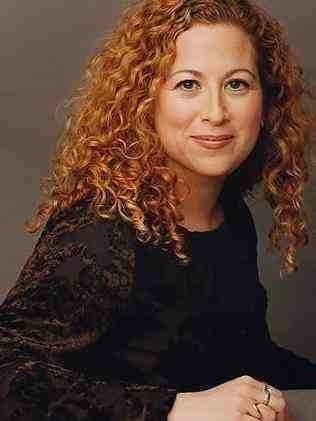
Jodi Picoult is an American author known for her thought-provoking fiction that often explores complex moral dilemmas. Her notable works include My Sister's Keeper, Nineteen Minutes, Small Great Things, Plain Truth, Leaving Time, and The Tenth Circle. Picoult's writing frequently delves into themes of family, justice, and the human experience.
Similar books
- Small Great Things
Jodi Picoult
4.3 (266k) average on GoodreadsLiterary FictionExplores complex social issues (racism) through a legal drama and multiple viewpoints, with a focus on ethical dilemmas.
- Room
Emma Donoghue
4.1 (714k) average on GoodreadsThrillerDeals with a hostage situation and the psychological impact on characters, told from a unique, intimate perspective.
- The Absolutely True Diary of a Part-Time Indian
Sherman Alexie
4.1 (224k) average on GoodreadsYoung AdultAlexie's novel also explores difficult social issues through a unique narrative voice but maintains a more linear progression, allowing for a more continuous immersion in the protagonist's journey, whereas Picoult's reverse chronology, while innovative, can disrupt narrative flow.
- The Poisonwood Bible
Barbara Kingsolver
4.1 (659k) average on GoodreadsLiterary FictionKingsolver's work, like Picoult's, deals with complex moral issues and multiple perspectives, but 'The Poisonwood Bible' allows for greater ambiguity and less of a sense of a 'solution' to its central dilemmas, offering a more enduring and less prescriptive exploration compared to Picoult's more direct approach to resolving the conflict.
- Nineteen Eighty-Four
George Orwell
4.2 (5.5M) average on GoodreadsFictionWinston Smith dreams of truth and rebellion in a world where Big Brother watches all, but he confronts the terrifying power of a regime that controls not just actions, but thoughts.
- The Frozen River
Ariel Lawhon
4.4 (600k) average on GoodreadsFictionIn 1789 Maine, a heroic midwife's diary helps her expose a murder and get justice in a town that wants to silence her.






Enjoyed the summary?
A summary gives you the shape of the book. The book itself has the detail, the examples and the voice.
Find A Spark of Light on AmazonAs an Amazon Associate, BookBrief earns from qualifying purchases. How we're funded