

Synopsis
Covers the whole plot, including the ending.
- Difficulty
- Medium
- Pacing
- Moderate
- Mood
- Thought-provoking, emotionally charged, intense, reflective
Small Great Things Plot Summary
Covers the whole plot, including the ending.
A Routine Shift Interrupted
Ruth Jefferson, an experienced African American labor and delivery nurse with over twenty years at Mercy-West Haven Hospital, starts a regular shift. She is called to the nursery to check on a newborn, Davis Bauer. Soon after she begins, a colleague tells her she has been reassigned. Turk and Brittany Bauer, the baby's white supremacist parents, specifically asked that no African American staff touch their child. The hospital, despite its anti-discrimination policies, temporarily agrees, moving Ruth to another patient. Ruth is deeply hurt and angry by this clear act of racism, but she tries to stay calm and professional, even though the incident clearly affects her.
A Life-or-Death Decision
The day after this incident, Ruth is alone in the nursery when baby Davis Bauer suddenly has severe heart trouble. She is under strict orders not to touch the child, a rule given because of the parents' racist demands. Ruth hesitates, facing a difficult choice: obey the hospital's temporary, racially motivated order, or help save a child's life, despite his parents' prejudices. After a moment of painful internal struggle, her professional duty and human care outweigh the discriminatory instruction. She performs CPR and tries to revive the baby, but it is too late. Davis Bauer dies, and Ruth is the only staff member present.
Charged with a Crime
After Davis Bauer's tragic death, an investigation begins. Even though Ruth tried to save the child, the fact that she was told not to touch him, along with the parents' immediate accusations, leads to her arrest. Ruth is charged with negligent homicide, a serious crime that could cost her career, her freedom, and her family's stability. The news shocks her, making her an outcast to many and a symbol of injustice to others. Her long, perfect career and reputation are suddenly at risk, and she faces a daunting legal battle.
Meeting Kennedy McQuarrie
Ruth is given a public defender, Kennedy McQuarrie, a white lawyer known for her sharp legal mind. In their first meetings, Kennedy immediately plans Ruth's defense. To Ruth's dismay and frustration, Kennedy strongly advises against making race a main point in court. Kennedy believes focusing on race would turn off the jury and that it would be better to focus on medical details and hospital rules. Ruth, who feels race is clearly central to the whole situation, struggles to accept Kennedy's practical legal advice while living with racial injustice.
The Bauers' Perspective
The story explores the past of Turk and Brittany Bauer, baby Davis's white supremacist parents. Their chapters show their deep-seated racist beliefs, their involvement in white power groups, and why they asked for no African American staff. Turk is especially a harsh racist, influenced by his upbringing and radicalized by online groups. Brittany, while at first seeming less extreme, supports Turk's views. Their perspective shows the deep prejudice Ruth is up against and how much their worldview dictates their actions and accusations against Ruth.
The Trial Begins
Ruth Jefferson's trial officially starts, drawing significant media attention because of its racial overtones and the tragic death of an infant. The courtroom becomes a place of medical facts, legal interpretations, and underlying racial tensions. Kennedy tries to present Ruth as a dedicated nurse who acted in an emergency, while the prosecution, representing the state and implicitly the Bauers, says Ruth was careless and disobeyed orders. Hospital staff, medical experts, and the Bauers themselves testify, each offering a different part of the story and showing the case's complexities.
Ruth's Family Struggles
As the trial continues and becomes a media event, Ruth's family life is severely affected. Her teenage son, Edison, a bright student, becomes a target of racial bullying and harassment at school. He struggles with the public scrutiny and the accusations against his mother, leading to emotional distress and lower grades. Ruth's sister, Adisa, and other family members offer support, but the stress on their lives is huge. Ruth tries to protect Edison from the worst of it, but the weight of the legal battle and its public fallout greatly harms their once stable and loving home.
Kennedy's Awakening
As Kennedy examines Ruth's case and talks with her, she begins a deep personal journey. At first focused only on legal strategy, Kennedy slowly starts to see how common racism is and her own unconscious biases and privilege as a white woman. Ruth's experiences, along with the clear racism from the Bauers, force Kennedy to face truths she had previously ignored or downplayed. This realization changes her view, helping her understand the deeper systemic issues and how important it is to acknowledge race, even if it makes her legal approach harder.
A Difficult Decision
Facing the huge pressure of the trial, the chance of a long prison sentence, and the toll it is taking on her family, Ruth is given a difficult choice: a plea bargain. This offer would let her avoid a long and uncertain trial, possibly leading to a shorter sentence, but it would require her to admit guilt for negligent homicide. Ruth struggles with this agonizing decision, torn between wanting to keep her innocence and protect her family from more suffering, and her lawyer's practical advice. The thought of admitting to something she didn't do is deeply offensive to her.
The Verdict
After intense talks, the jury gives its verdict in Ruth Jefferson's trial. The outcome is the result of weeks of testimony, legal arguments, and the emotional weight of the case. No matter the specific verdict, the end of the trial brings both a sense of closure and the continuation of the characters' individual journeys. The verdict is not just about Ruth's guilt or innocence, but also about the wider meaning for racial justice, accountability, and how complicated the legal system is in dealing with deep-seated prejudices. The decision's impact echoes through the lives of Ruth, Kennedy, and the Bauers.
Post-Trial Reflections
After the trial, Ruth, Kennedy, and even the Bauers, in their own ways, think about what happened. Ruth deals with the outcome and its lasting effects on her life and family, finding new strength or a new path. Kennedy, fundamentally changed by her experience, works for a deeper understanding of and fight against racial injustice, using her privilege more thoughtfully. The Bauers continue to hold their beliefs, but the trial may have had subtle or deep impacts on how they interact with the world. The story looks at the lasting results of the trial and the ongoing societal struggle against prejudice and for true justice.
Principal Figures
Ruth Jefferson
Protagonist
An experienced African American labor and delivery nurse accused of a crime.
Ruth is a dedicated and highly skilled labor and delivery nurse with over two decades of experience. She is a loving mother to her teenage son, Edison, and a responsible, law-abiding citizen. Ruth is proud of her work and her heritage but often tries to navigate racial microaggressions and systemic inequalities by maintaining a professional demeanor and avoiding conflict. She is deeply ethical and compassionate, which ultimately leads her to intervene to save baby Davis, despite the discriminatory orders. The trial forces her to confront racial injustice head-on and fight for her innocence.
Relationships: Edison Jefferson (mother-son); Kennedy McQuarrie (client-lawyer); Turk and Brittany Bauer (accused-accusers)
Kennedy McQuarrie
Supporting
Ruth's white public defender who initially advises against a race-based defense.
Kennedy is a sharp, pragmatic, and initially somewhat colorblind public defender. She is intelligent and driven, focused on winning cases using logical and legal strategies. She believes in meritocracy and initially struggles to see how race truly impacts the legal system or Ruth's specific situation, viewing it as a potential distraction for a jury. Throughout the trial, her interactions with Ruth and exposure to the Bauers' blatant racism force her to confront her own privilege and unconscious biases, leading to a significant personal and professional awakening.
Relationships: Ruth Jefferson (lawyer-client); Her husband, Paul (marital)
Turk Bauer
Antagonist
A virulent white supremacist and the father of the deceased baby.
Turk is a deeply prejudiced white supremacist, heavily involved in white power movements. He is aggressive, unrepentant, and believes firmly in his racist ideology, which he inherited and actively cultivates. He is the primary instigator of the demand that no African American staff touch his child. Turk is driven by hate and a desire for revenge against Ruth, whom he sees as responsible for his son's death and as a symbol of racial impurity. His character embodies overt racism and the dangerous consequences of unchecked prejudice.
Relationships: Brittany Bauer (marital); Ruth Jefferson (accuser-accused)
Brittany Bauer
Supporting
Turk's wife and the mother of the deceased baby, complicit in his racism.
Brittany is Turk's wife and the mother of baby Davis. While perhaps not as overtly aggressive as Turk, she is deeply complicit in his white supremacist beliefs and actions. She supports his demands regarding Ruth and initially shares his conviction that Ruth is responsible for their son's death. Brittany often presents a more 'palatable' face of racism, but her actions and beliefs are equally harmful. As the trial progresses, she may experience moments of doubt or internal conflict, but her loyalty to Turk and their shared ideology remains strong.
Relationships: Turk Bauer (marital); Ruth Jefferson (accuser-accused)
Edison Jefferson
Supporting
Ruth's intelligent and sensitive teenage son.
Edison is Ruth's beloved teenage son, a bright and promising student with a keen interest in history. He is a good kid, respectful and intelligent, but also vulnerable to the social pressures and injustices he faces as a young Black man. The trial profoundly impacts him, causing him to be bullied and exposing him to the harsh realities of racism. He struggles with anger and confusion but remains a source of strength and motivation for Ruth, representing the future generation affected by systemic prejudice.
Relationships: Ruth Jefferson (son-mother); Adeline (his girlfriend) (romantic)
Adeline
Supporting
Edison's white girlfriend, who learns about racism through his experiences.
Adeline is Edison's girlfriend, a kind and supportive white teenager. She cares deeply for Edison and Ruth. Through her relationship with Edison and witnessing the fallout of the trial, she begins to understand the realities of racism and white privilege that she had previously been unaware of or shielded from. Her character serves as a point of empathy for white readers, illustrating how allies can learn and grow in their understanding of racial injustice.
Relationships: Edison Jefferson (romantic); Ruth Jefferson (supportive friend of family)
Adeline's Mother
Supporting
A well-meaning but initially naive white woman who represents subtle forms of prejudice.
Adeline's mother is a character who, while not overtly racist, embodies the subtle, often unconscious biases and microaggressions that exist within well-meaning white communities. She struggles with her daughter dating a Black boy, expressing concerns that she might label as 'practical' or 'protective' but are rooted in racial prejudice. Her discomfort and the awkward situations she creates highlight how even seemingly 'good' people can perpetuate racial divides, and she represents the challenge of confronting internal biases.
Relationships: Adeline (mother-daughter); Edison Jefferson (daughter's boyfriend)
Judge
Supporting
The presiding judge in Ruth's trial.
The judge presides over Ruth Jefferson's trial, responsible for maintaining order, applying legal procedures, and ensuring a fair process. While attempting to remain impartial, the judge's rulings and demeanor subtly reflect the challenges of addressing racial issues within a legal system that often claims to be colorblind. The judge's character emphasizes the systemic nature of justice and how individual interpretations of the law can impact its application.
Adisa
Supporting
Ruth's supportive sister.
Adisa is Ruth's sister, a strong and fiercely loyal woman who provides emotional support and practical help to Ruth and Edison throughout the ordeal. She is more outspoken and less inclined to tolerate injustice than Ruth, often pushing Ruth to acknowledge the racial component of her situation. Adisa represents the strength of family bonds and the importance of community support in the face of adversity, and she validates Ruth's feelings of racial discrimination.
Relationships: Ruth Jefferson (sister-sister); Edison Jefferson (aunt-nephew)
Themes & Insights
Race and Racism
The novel directly addresses racism, both open and hidden. It shows how clear prejudice (Turk and Brittany) can cause direct harm, and it also reveals the subtle, often unconscious biases that shape institutions and individual interactions (Kennedy's early views, Adeline's mother). The story highlights how racism affects Black individuals more and how the legal system, despite claiming fairness, often fails to address racial injustice properly. It makes readers examine their own biases and the role race plays in society.
“It was one thing to be told not to touch a patient. It was another to be told not to touch a patient because of the color of your skin.”
Privilege and Allyship
The book explores white privilege through Kennedy McQuarrie's character. Kennedy, at first unaware of her own advantages, gradually sees how her race has protected her from certain realities and how her legal strategies reflect a privileged view. Her journey shows how to become an ally: moving past simply 'not being racist' to actively understanding and removing systems of oppression. The story emphasizes that true allyship requires self-reflection, learning, and a willingness to use one's privilege to support others.
“I had lived my entire life thinking that if I just worked hard enough, I could achieve anything. I never once considered that the playing field was level because I was white.”
Justice and the Legal System
The novel looks closely at the American legal system, questioning its ability to provide true justice, especially when race is involved. It shows how hidden biases within the system, from jury selection to legal strategy, can harm minority defendants. The conflict between Ruth's experience of racism and Kennedy's initial 'colorblind' legal advice highlights the tension between legal practicality and moral truth. The book suggests that justice is not just about facts and laws, but also about acknowledging the human element and the history of racial inequality.
“Justice, I realized, was not about right or wrong, but about who told the best story.”
Motherhood and Protection
Motherhood is a strong theme, shown through Ruth's fierce love for Edison and Brittany's grief over Davis. Ruth's main reason throughout the ordeal is to protect her son, even when it means making hard choices about her defense. Brittany's pain, despite her hateful ideas, also comes from being a mother. The theme highlights the universal instinct to protect one's child, but also contrasts how different mothers manage that instinct within their racial identities and social situations, showing how a mother's love can be both a source of strength and weakness.
“Every time I looked at Edison, I saw all the reasons I had to fight.”
Empathy and Understanding
The novel challenges readers to be more understanding by showing many viewpoints, even those of characters with terrible beliefs. Through alternating perspectives, the story aims to build understanding of the complex reasons and experiences that shape people. It shows how understanding can connect people, as seen in Ruth and Kennedy's changing relationship, and how its absence keeps cycles of hatred and misunderstanding going. Ultimately, the book supports the power of listening and trying to see the world through another's eyes as a way toward healing and social change.
“It was easy to hate someone you didn't know. It was much harder when you had to look them in the eye.”
Plot Devices & Literary Techniques
Multiple Perspectives
The story is told through the alternating viewpoints of Ruth, Kennedy, and Turk.
Jodi Picoult employs multiple first-person narrators (Ruth, Kennedy, and Turk) to provide a comprehensive and nuanced understanding of the events. This device allows the reader to delve into the minds of the protagonist, her lawyer, and even the antagonist, revealing their motivations, biases, and emotional landscapes. By presenting these diverse viewpoints, the novel challenges readers to confront their own preconceived notions and fosters a deeper empathy for characters, even those whose actions are reprehensible, thereby enriching the exploration of race, justice, and humanity.
Ethical Dilemma
Ruth's agonizing choice to obey discriminatory orders or save a child's life.
The central ethical dilemma is Ruth's moment of hesitation when baby Davis goes into cardiac distress. She is under explicit orders not to touch the child due to the parents' racist demands. This creates a profound moral conflict: obey discriminatory instructions or uphold her professional oath and human compassion to save a life. This device immediately establishes the core tension of the narrative, highlighting the insidious nature of racism and forcing Ruth to make an impossible choice that sets the entire plot in motion and drives the subsequent legal and emotional drama.
Legal Drama Structure
The narrative unfolds primarily as a courtroom procedural.
The novel utilizes a legal drama structure, with Ruth's trial serving as the central framework for the plot. This device allows for a systematic exploration of evidence, testimony, and legal strategies, which in turn illuminate the broader themes of justice, prejudice, and systemic inequality. The courtroom setting provides a natural arena for conflict and revelation, building suspense as the verdict approaches. It also allows for the detailed examination of how the legal system grapples with, or fails to grapple with, complex social issues like race and discrimination.
Foreshadowing/Flashbacks
Hints of past experiences and future outcomes are woven throughout the narrative.
The novel uses subtle foreshadowing, particularly through Ruth's internal monologues and Kennedy's legal analysis, to hint at the challenges and potential outcomes of the trial. Flashbacks, especially in Ruth's narrative, are used to reveal her past experiences with racism, her upbringing, and the advice her mother gave her, providing context for her reactions and decisions. This device deepens character understanding and builds suspense, showing how past traumas and experiences inform present actions and shape the characters' perceptions of justice and injustice.
Quiz
10 questions on the plot and the characters. Each answer comes with a short explanation.
Question 1
What is the primary profession of the main character, Ruth Jefferson?
- Lawyer
- Doctor
- Nurse
- Social Worker
Show answer
C. Nurse Ruth Jefferson is a labor and delivery nurse with over twenty years of experience.
Question 2
What is the main reason Ruth's assignment to the newborn is initially changed?
- The baby has a pre-existing condition.
- Ruth made a mistake during a previous shift.
- The parents are white supremacists and do not want a Black nurse touching their child.
- There was a scheduling error by the hospital.
Show answer
C. The parents are white supremacists and do not want a Black nurse touching their child. The parents of the newborn are white supremacists and explicitly request that Ruth, who is African American, not care for their child.
Question 3
What critical event happens to the baby while Ruth is alone in the nursery?
- The baby develops a severe rash.
- The baby goes into cardiac distress.
- The baby stops breathing.
- The baby has an allergic reaction.
Show answer
B. The baby goes into cardiac distress. The baby experiences cardiac distress while Ruth is the only one present in the nursery.
Question 4
Who is Ruth's public defender, and what is their initial advice regarding the trial?
- A Black female lawyer named Sarah Jones, who advises emphasizing race.
- A white male lawyer named David Lee, who advises focusing on medical malpractice.
- A white public defender named Kennedy McQuarrie, who advises against mentioning race.
- A Latina public defender named Maria Garcia, who advises building sympathy by highlighting Ruth's family.
Show answer
C. A white public defender named Kennedy McQuarrie, who advises against mentioning race. Kennedy McQuarrie, a white public defender, takes Ruth's case and advises her that mentioning race in the courtroom is not a winning strategy.
Question 5
What personal aspect of Ruth's life is highlighted as being particularly important to her during the trial?
- Her relationship with her estranged father.
- Her career advancement opportunities.
- Her ability to keep life normal for her family, especially her teenage son.
- Her past medical experiences and training.
Show answer
C. Her ability to keep life normal for her family, especially her teenage son. The book emphasizes Ruth's efforts to maintain normalcy for her family, particularly her teenage son, amidst the intense legal proceedings and media attention.
Question 6
What central themes does Jodi Picoult explore in 'Small Great Things'?
- Environmental activism and climate change.
- Technology and its impact on society.
- Race, privilege, prejudice, justice, and compassion.
- Historical events and political intrigue.
Show answer
C. Race, privilege, prejudice, justice, and compassion. The novel delves into complex issues of race, privilege, prejudice, justice, and compassion, without providing simple solutions.
Question 7
The hospital complies with the parents' request to reassign Ruth. What does this action reveal about the hospital's priorities in this situation?
- They prioritize patient safety above all else.
- They prioritize avoiding potential lawsuits from parents.
- They prioritize avoiding controversy and appeasing a specific type of patient demand, potentially due to underlying biases.
- They prioritize the well-being of their staff.
Show answer
C. They prioritize avoiding controversy and appeasing a specific type of patient demand, potentially due to underlying biases. The hospital's decision to comply with the parents' prejudiced request, despite Ruth's experience, suggests they are prioritizing avoiding conflict and fulfilling the demands of certain patients, which can be indicative of systemic issues and biases.
Question 8
Ruth hesitates before performing CPR. What internal conflict might this hesitation represent?
- She is unsure of the correct CPR procedure.
- She is physically exhausted from her shift.
- She is grappling with the hospital's order to not touch the baby versus her professional duty and humanity in a life-or-death situation.
- She is afraid of being blamed for the baby's condition.
Show answer
C. She is grappling with the hospital's order to not touch the baby versus her professional duty and humanity in a life-or-death situation. Ruth's hesitation stems from the profound conflict between the hospital's discriminatory order and her ethical obligation as a medical professional to save a child's life. It highlights the psychological and moral burden placed upon her.
Question 9
Kennedy McQuarrie's advice to Ruth to 'keep life as normal as possible' and that 'mentioning race... is not a winning strategy' suggests a complex understanding of the American legal and social landscape. What does this advice imply about the perceived fairness of the justice system in cases involving race?
- The justice system is inherently fair, and race is irrelevant to legal outcomes.
- Directly addressing racial discrimination is the most effective way to achieve justice in court.
- The legal system may not be equipped to fully address or acknowledge systemic racism, and strategy often requires navigating around, rather than confronting, racial issues head-on to achieve a favorable outcome.
- All lawyers understand that race is a primary factor in every legal case.
Show answer
C. The legal system may not be equipped to fully address or acknowledge systemic racism, and strategy often requires navigating around, rather than confronting, racial issues head-on to achieve a favorable outcome. Kennedy's advice implies a pragmatic, albeit disheartening, view that the legal system may not effectively handle direct accusations of racism, and that a strategic approach, potentially downplaying race, might be necessary for a favorable verdict, reflecting the complexities and potential biases within the justice system.
Question 10
The book states that Ruth and Kennedy 'must gain each other's trust, and come to see that what they've been taught their whole lives about others—and themselves—might be wrong.' What does this suggest about the development of their relationship and the novel's overarching message?
- Their relationship deteriorates as they realize their fundamental differences.
- The primary goal is for Ruth to win her case at any cost, regardless of personal growth.
- Mutual understanding and the challenging of preconceived notions about race, privilege, and identity are crucial to their personal and professional journey, and a key theme of the novel.
- Their trust is solely based on their shared legal strategy.
Show answer
C. Mutual understanding and the challenging of preconceived notions about race, privilege, and identity are crucial to their personal and professional journey, and a key theme of the novel. This quote highlights the transformative nature of their relationship. It implies that their journey involves shedding biases and learning from each other, leading to a deeper understanding of themselves and others, which is central to the novel's exploration of empathy and prejudice.
Small Great Things FAQ
What is the central conflict in Small Great Things?
The central conflict revolves around Ruth Jefferson, an African American labor and delivery nurse, who is barred from treating a white supremacist couple's newborn. When the baby later experiences a medical emergency, Ruth's hesitation to intervene leads to a criminal charge, forcing her to confront issues of race, prejudice, and justice.
What are the main themes explored in Small Great Things?
The novel deeply explores themes of racism, white privilege, prejudice, systemic injustice, compassion, and the complexities of human relationships. It also touches upon the challenges of parenthood and the impact of societal biases on individual lives.
Who are the main characters in Small Great Things?
The primary characters are Ruth Jefferson, the experienced African American nurse; Kennedy McQuarrie, the white public defender representing Ruth; and the infant whose care becomes the catalyst for the legal and ethical drama. The parents of the infant also play a significant role.
What is the significance of the title 'Small Great Things'?
The title likely refers to the profound impact that seemingly small actions, decisions, and interactions can have, especially in matters of race and justice. It highlights how seemingly minor prejudices can lead to significant consequences and how great change can stem from small, courageous acts.
How does the book address the issue of race and privilege?
Jodi Picoult uses the narrative to dissect how race and privilege shape perceptions, interactions, and the justice system. The story contrasts Ruth's lived experience as a Black woman with the unconscious biases and advantages held by her white counterparts, including her lawyer.
What is the role of Kennedy McQuarrie, Ruth's lawyer?
Kennedy McQuarrie is Ruth's public defender who initially advises her not to bring race into the courtroom. Her character arc involves learning to understand Ruth's perspective and confronting her own ingrained biases as she builds trust with her client.
Is Small Great Things based on a true story?
While the specific events of the novel are fictional, Jodi Picoult often draws inspiration from real-world issues and societal conversations. The book tackles contemporary issues of racism and bias that are very much rooted in reality.
What kind of impact does the book aim to have on readers?
The author aims to provoke thought and empathy, encouraging readers to examine their own biases and assumptions about race, privilege, and justice. It seeks to foster dialogue and understanding rather than providing simple solutions.
How does Small Great Things compare to other Jodi Picoult novels?
Like many of Picoult's works, 'Small Great Things' tackles a complex, often controversial social issue through the lens of a compelling legal and personal drama. It is characterized by its deep character development, ethical dilemmas, and exploration of sensitive topics.
What does the book say about the justice system?
The novel critiques aspects of the justice system, highlighting how racial bias, prejudice, and privilege can influence legal proceedings and outcomes. It questions whether the system truly delivers justice for all, particularly for marginalized communities.
About the author
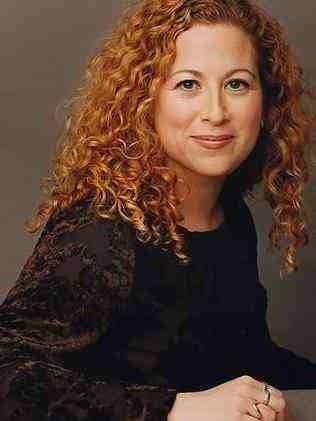
Jodi Picoult is an American author known for her thought-provoking fiction that often explores complex moral dilemmas. Her notable works include My Sister's Keeper, Nineteen Minutes, Small Great Things, Plain Truth, Leaving Time, and The Tenth Circle. Picoult's writing frequently delves into themes of family, justice, and the human experience.
Similar books
- The Hate U Give
Angie Thomas
4.5 (504k) average on GoodreadsYoung Adult"Small Great Things" shares with "The Hate U Give" a focus on racial injustice and the Black experience in America, particularly surrounding police brutality and systemic bias. However, Picoult's novel primarily examines racism within the healthcare and legal systems, through the lens of an adult professional, whereas Thomas's book centers on a Black teenager grappling with the aftermath of police violence in her community. While both aim to foster empathy and understanding of racial issues, Picoult's narrative is more directly a courtroom drama, exploring the intricacies of legal defense and the challenges of overcoming ingrained prejudice in a formal setting, while Thomas's is more about community activism and finding one's voice in protest.
- To Kill a Mockingbird
Harper Lee
4.3 (4.5M) average on GoodreadsHistorical FictionBoth "Small Great Things" and "To Kill a Mockingbird" feature a white lawyer defending a person of color accused of a crime in a racially charged atmosphere, highlighting the deep-seated prejudices within the justice system. However, Picoult's novel offers a more direct and unvarnished perspective from the accused Black protagonist, Ruth, giving her agency and voice, whereas "To Kill a Mockingbird" is narrated through the innocent eyes of a white child, Scout, which inherently filters the experience of racial injustice. Picoult also delves into the psychology of the white supremacist antagonist more explicitly, aiming to understand the roots of such hatred, a dimension less explored in Lee's classic which focuses more on the moral integrity of Atticus Finch and the community's reaction.
- The Old Man and the Sea
Ernest Hemingway
3.8 (831k) average on GoodreadsLiterary FictionA Cuban fisherman's long struggle with a giant marlin becomes a story of endurance and dignity, now retold for young adults with illustrations, phonetic guides, and writing prompts in Traditional Chinese.
- One Hundred Years of Solitude
Gabriel García Márquez
4.1 (753k) average on GoodreadsLiterary FictionThrough the multi-generational story of the Buendía family, a mythical town deals with the repeating patterns of time, love, and solitude, as the extraordinary mixes with the ordinary.
- The Goldfinch
Donna Tartt
3.9 (720k) average on GoodreadsLiterary FictionHaunted by a tragic explosion and clutching a stolen Dutch masterpiece, a young orphan navigates the opulent drawing rooms of New York and the gritty underbelly of the art world, desperately seeking connection and redemption amidst a life spiraling into crime and obsession.
- Little Fires Everywhere
Celeste Ng
4.1 (713k) average on GoodreadsLiterary FictionIn Shaker Heights, an artist and her daughter move in, and their free-spirited lives clash with a rule-bound matriarch, revealing hidden conflicts beneath a perfect surface.






Enjoyed the summary?
A summary gives you the shape of the book. The book itself has the detail, the examples and the voice.
Find Small Great Things on AmazonAs an Amazon Associate, BookBrief earns from qualifying purchases. How we're funded