

Synopsis
Covers the whole plot, including the ending.
- Difficulty
- Medium
- Pacing
- Slow
- Mood
- Epic, Informative, Sweeping, Resilient, Grand
- Read it if
- You love deeply researched historical sagas that span millennia and multiple generations, offering a comprehensive understanding of a specific region.
- Skip it if
- You prefer fast-paced plots with a single, tightly focused narrative and character arc, or find extensive historical detail overwhelming.
Alaska Plot Summary
Covers the whole plot, including the ending.
The First Arrivals: Beringia and the Ancestors
The novel begins in the distant past, focusing on the first human migrations across the Bering Land Bridge from Asia into what would become Alaska. Michener describes the harsh, ice-age environment and the resourcefulness of these early hunter-gatherers, shown through various tribal groups like the Athapaskans and Eskimos (Inuit). These chapters detail their struggle for survival against nature and large animals, establishing the deep connection between the land and its people. The story follows their slow spread and adaptation across the territory, setting the stage for the diverse indigenous cultures that would eventually live in Alaska.
Russian Explorers and the Fur Trade
Centuries later, the story moves to the arrival of Russian explorers and fur traders, called promyshlenniki, in the 18th century. Vitus Bering's initial expeditions are described, leading to the discovery and exploitation of Alaska's sea otter and other fur animals. Characters like Ivan Kaskov, a ruthless Russian trader, show the brutal methods used. The Russian presence brings conflict with the indigenous Aleuts, who are often enslaved and exploited for their hunting skills. This era marks the start of European influence, trade, and the tragic decline of native populations and wildlife.
The American Purchase and Early Frontier Life
After the fur trade declined and the Crimean War ended, Russia sold Alaska to the United States in 1867 for $7.2 million. This event was first mocked as 'Seward's Folly.' The story then introduces American characters like Matthew Quigley, a young politician who saw potential in the territory. Early American presence included military outposts, limited mining, and a slow stream of settlers. The challenges of creating law and order in a remote, wild land are highlighted, as well as the initial disregard and misunderstanding of indigenous cultures by the new arrivals.
The Klondike Gold Rush
The discovery of gold in the Klondike in 1896 started a huge rush, drawing thousands of prospectors to Alaska, especially through Dyea and Skagway, and over the Chilkoot Pass. Characters like John Kallen, a determined prospector, and Bob Cochrane, an opportunistic entrepreneur, show the varied reasons and experiences of the 'stampeders.' The difficult journey, the boomtown atmosphere, the lawlessness, and the eventual creation of mining camps and towns are clearly shown. This period brought a large number of non-native people, rapid economic growth, and significant environmental impact, changing Alaska's society forever.
The Rise of the Salmon Industry
As the gold rush faded, the focus shifted to Alaska's large salmon resources. The establishment of canneries, often controlled by outside companies, led to a new economic boom. Characters like Frank Chin, an ambitious cannery owner, and John Kallen (now settled as a fisherman) dealt with the challenges and opportunities of this industry. The story explores the fierce competition, the exploitation of workers (including Filipinos and Chinese immigrants), and the destructive impact of overfishing on salmon populations, hinting at future conservation battles. This era confirmed Alaska's role as a resource-rich territory exploited by external interests.
World War II and the Alcan Highway
With World War II and the Japanese attack on Pearl Harbor, Alaska's strategic importance became critical, especially after the Japanese invasion of the Aleutian Islands. The urgent building of the Alcan Highway (Alaska Highway) is a main focus, showing the huge logistical challenges and human effort involved. Characters like Colonel Matthew Quigley (grandson of the earlier Quigley), a dedicated military engineer, and the resilient construction workers faced extreme weather and difficult land. This massive project connected Alaska to the Lower 48 states, bringing significant infrastructure development and a new wave of military and civilian personnel.
Post-War Boom and Statehood
After World War II, Alaska grew quickly, and calls for statehood increased. The story follows the political struggles and debates, showing Alaskans' determination to govern themselves. Characters representing different groups, including indigenous leaders advocating for land rights and resource developers pushing for economic expansion, came to the forefront. Statehood in 1959 was a key moment, marking Alaska's change from a territory to a state. It also intensified debates over resource management, environmental protection, and the rights of its diverse populations.
The Oil Boom: Prudhoe Bay and the Pipeline
The discovery of large oil reserves at Prudhoe Bay in 1968 began another era of change. The building of the Trans-Alaska Pipeline System (TAPS) was a monumental engineering feat and a major plot point. The story details the challenges of building the pipeline across permafrost and mountains, the economic gains it brought, and the social changes it caused. Characters like Kate Kallen, an environmental activist, and a powerful oil executive, represent the conflict between economic development and environmental preservation, a central theme of modern Alaska. This period brought great wealth but also deepened divisions over land use and cultural impact.
Indigenous Land Claims and Modern Identity
Throughout the later sections, the struggle for indigenous land claims and cultural recognition became more prominent. The Alaska Native Claims Settlement Act (ANCSA) was a key event, giving Native corporations land and financial settlements. The story explores the complex effects of ANCSA, including the challenges of managing corporate entities while preserving traditional ways of life. Characters like Pasheena, a contemporary Athapascan woman, represent the ongoing efforts to balance tradition with modern life, fight for environmental justice, and maintain their heritage in the face of ongoing development and cultural assimilation pressures.
Environmentalism and Future Challenges
The final chapters bring the story to the present, focusing on the ongoing tension between resource extraction and environmental conservation. Debates over drilling in the Arctic National Wildlife Refuge (ANWR), the effects of climate change, and sustainable development are explored. Characters representing different views—from environmentalists like Kate Kallen's descendants to those supporting continued economic development—deal with Alaska's future. The novel emphasizes the delicate balance needed to preserve Alaska's unique wilderness while supporting its human population, leaving readers with a sense of the ongoing challenges and the resilient spirit of the land and its people.
Alaska Characters
Matthew Quigley
Supporting
An ambitious American politician who champions Alaska's potential.
Matthew Quigley is a fictionalized representation of American expansionist politicians. He is intelligent, driven, and possesses a keen foresight into Alaska's strategic and economic value, often clashing with those who dismiss it as 'Seward's Folly.' His ambition is tied to the development and integration of Alaska into the United States. He is not always sensitive to indigenous concerns but genuinely believes in the territory's future under American rule.
Ivan Kaskov
Antagonist
A ruthless Russian promyshlennik who exploits native populations and resources.
Ivan Kaskov embodies the brutal and opportunistic nature of the early Russian fur traders. He is driven by greed and a desire for power, employing harsh methods against the indigenous Aleuts to secure furs. He represents the destructive impact of colonial exploitation, showing little regard for human life or environmental sustainability, contributing to the decimation of both native populations and wildlife.
Relationships: Aleut tribes (Exploiter/Oppressor)
John Kallen
Protagonist
A determined prospector and fisherman who exemplifies the American pioneer spirit.
John Kallen is a central figure representing the waves of American settlers who came to Alaska. He starts as a hopeful prospector during the gold rush, enduring immense hardships. Later, he transitions to the salmon industry, demonstrating the adaptability and resilience required to survive and thrive in Alaska's changing economy. He is hardworking, persistent, and represents the individual's struggle and eventual settlement in the vast wilderness.
Relationships: Family (descendants) (Patriarch)
Pasheena
Supporting
A resilient Athapascan woman who represents indigenous cultural survival.
Pasheena, a descendant of the ancient Athapascan people, embodies the enduring spirit and cultural heritage of Alaska's indigenous populations. She is deeply connected to her ancestral lands and traditions, often finding herself at the intersection of traditional ways and modern pressures. Her character highlights the struggles for land rights, cultural preservation, and environmental justice faced by Native Alaskans throughout history and into the contemporary era.
Relationships: Her tribe/community (Member/Leader)
Kate Kallen
Supporting
An environmental activist fighting for Alaska's natural preservation.
Kate Kallen, a descendant of John Kallen, represents the modern environmental movement in Alaska. She is passionate, articulate, and dedicated to protecting Alaska's pristine wilderness from unchecked resource exploitation. Her character highlights the growing tension between economic development (especially oil) and the need for conservation, often putting her in conflict with powerful corporate interests and some political figures. She embodies the conscience of Alaska.
Relationships: John Kallen (ancestor) (Descendant); Oil industry figures (Opponent)
Bob Cochrane
Supporting
An opportunistic entrepreneur who profits from Alaska's booms.
Bob Cochrane is a shrewd and often morally ambiguous businessman who appears during various economic booms, particularly the gold rush. He represents the opportunistic side of frontier development, always looking for ways to profit from the needs and desires of others. He is resourceful and adaptable, but his methods often border on exploitation, highlighting the less romanticized aspects of Alaska's development.
Colonel Matthew Quigley (WWII)
Supporting
A dedicated military engineer overseeing the Alcan Highway construction.
A grandson of the original Matthew Quigley, this Colonel Quigley is a disciplined and highly capable military engineer. He is tasked with the monumental challenge of building the Alcan Highway during World War II. His character embodies the determination, technical expertise, and leadership required to overcome immense logistical and environmental obstacles for a strategic national goal. He represents the military's crucial role in shaping modern Alaska.
Relationships: Matthew Quigley (ancestor) (Grandson)
Frank Chin
Supporting
An ambitious cannery owner who drives the salmon industry boom.
Frank Chin is a driven and often ruthless entrepreneur in the burgeoning salmon canning industry. He represents the powerful outside interests that came to Alaska to extract its resources. His character highlights the industrialization of fishing, the exploitation of labor (often Chinese and Filipino workers), and the rapid expansion that led to overfishing. He is a symbol of the economic forces that shaped Alaska's development.
Relationships: Fishermen/Cannery workers (Employer/Exploiter)
Alaska Themes
The Enduring Power of the Land
Alaska's harsh yet beautiful land is a constant, powerful force in the novel, shaping every part of human life. From early migrations across Beringia to building the Alcan Highway or the Trans-Alaska Pipeline, the land sets the terms. Characters either break under it or adapt, developing resilience and deep respect, or sometimes a destructive desire to conquer it. The land is not just a setting but a character, with its vastness, extreme weather, and rich resources driving conflicts and inspiring awe, constantly reminding humanity of its own smallness.
“The land was not merely a place; it was a living entity, demanding respect, offering sustenance, and occasionally, exacting a terrible price.”
Exploitation vs. Conservation
This theme is a central conflict, appearing in different eras. First, Russian fur traders depleted sea otter populations and exploited Aleuts. Later, the gold rush had environmental effects, canneries overfished salmon, and then came the contentious oil drilling and pipeline construction. The novel consistently shows the tension between those who see Alaska's resources as something to be taken for profit and those who want to preserve it. This conflict drives many character stories, especially with the Kallen family, and shapes Alaska's political and social landscape.
“For every man who dreamed of building a life in Alaska, there were ten who dreamed only of tearing something out of it and leaving.”
Cultural Clash and Adaptation
The arrival of various cultures—Russian, American, and diverse immigrant groups—into Alaska's established indigenous societies creates deep cultural clashes. The novel explores the devastating effects of colonization on Native Alaskans, including disease, forced assimilation, and loss of land and traditions. However, it also highlights the resilience and adaptation of indigenous cultures, as well as the mixing of cultures created by waves of newcomers. The struggle for identity, the blending of traditions, and the ongoing fight for Native rights are critical parts of this theme, showing how different peoples navigate and reshape Alaskan identity.
“Two worlds met, and one was destined to be irrevocably altered, yet the spirit of the ancient land would forever whisper in the new.”
The Pioneer Spirit and Resilience
From the first Beringian migrants to gold prospectors, Alcan Highway builders, and modern oil workers, the novel celebrates the enduring pioneer spirit. Characters are consistently tested by extreme conditions, isolation, and economic hardship, requiring great resilience, ingenuity, and courage. This theme highlights the human ability to endure and the drive to explore, settle, and build in difficult environments. It's about the toughness needed to survive and thrive in a frontier land, shaping the individual and collective character of Alaskans. Even with modern challenges, this spirit continues.
“Alaska did not suffer the weak; it either broke them or forged them anew.”
The Quest for Identity and Belonging
Many characters, both indigenous and newcomers, struggle with their sense of identity and belonging in Alaska. For Native Alaskans, it is about preserving their ancestral heritage despite outside pressures. For settlers, it is about creating a new identity in a wild land, often feeling disconnected from their origins. The novel explores what it means to be 'Alaskan'—a mix of rugged individualism, community reliance, and a deep connection to the land. This search drives characters to make difficult choices, fight for their rights, and ultimately shapes the state's unique culture.
“To be an Alaskan was not merely a place of residence; it was a state of being, forged in ice and fire.”
Plot Devices & Literary Techniques
Generational Saga
The story spans millennia, following the descendants of key families.
Michener employs a generational saga structure, tracing the lineage of several fictional families (e.g., Kallen, Quigley, Pasheena's ancestors) from their first arrival in Alaska through the present day. This device allows the author to illustrate the long-term impact of historical events, cultural changes, and environmental shifts on the land and its people. It provides continuity and a deeply personal connection to the vast historical narrative, showing how individual choices and experiences accumulate across centuries to shape the collective identity and future of Alaska.
Omniscient Narrator
A broad, all-knowing perspective that provides historical context and character insights.
The novel is told through an omniscient narrator who possesses a comprehensive understanding of Alaska's history, geology, cultures, and the inner lives of its diverse characters. This narrative voice allows Michener to seamlessly transition between different time periods, geographical locations, and character viewpoints, providing extensive historical detail and scientific explanations without being confined to a single perspective. It reinforces the epic scale of the story, giving a sense of authority and depth to the unfolding events.
Historical Interludes/Explanations
Detailed factual passages interwoven with the fictional narrative.
Michener frequently integrates detailed, almost encyclopedic passages that explain the historical, geological, biological, and anthropological context of Alaska. These interludes, while sometimes slowing the fictional plot, serve to ground the story in factual accuracy and provide readers with a deep understanding of the forces shaping the characters' lives and the land itself. For instance, detailed explanations of glacial movements, salmon life cycles, or specific historical events (like the Bering Land Bridge formation) enrich the fictional narrative and enhance the reader's appreciation for Alaska's complexity.
Symbolic Character Archetypes
Characters represent broader cultural, economic, or environmental forces.
Instead of focusing solely on unique individual psychology, many characters in 'Alaska' function as archetypes, embodying specific historical roles or societal forces. For example, Ivan Kaskov represents Russian exploitation, John Kallen the American pioneer, and Kate Kallen the modern environmentalist. This device allows Michener to tell a grand, sweeping story by personifying the various motivations, conflicts, and developments that shaped Alaska, making complex historical trends accessible through relatable human experiences.
Alaska Quotes
“The Eskimos, with their sturdy physiques and even sturdier spirits, had met the challenge of the Arctic wastes for thousands of years.”
“It was a land of extremes, where the sun never set in summer and never rose in winter, a land that forged its inhabitants into something equally extreme.”
“Gold was a disease, a fever, an addiction that drove men to madness and sometimes to greatness.”
“The sea, vast and indifferent, held both bounty and terror, a constant reminder of humanity's small place in the grand scheme.”
“Every generation believes it has discovered the true Alaska, only to find the land has another secret to reveal.”
“To survive here, one had to learn patience, a deep respect for the land, and an even deeper respect for the unpredictable forces of nature.”
“The past was not merely history; it was a living presence, shaping every tree, every river, every life in this ancient land.”
“There was a stark beauty to the treeless tundra, a grandeur that spoke of eternity and the raw power of creation.”
“Civilization, when it arrived, often brought as much destruction as it did progress, particularly for those who had lived off the land for millennia.”
“The silence of the wilderness was not empty; it was filled with the whispers of countless lives, past and present, human and animal.”
“Each generation added its layer to the palimpsest of Alaska, sometimes erasing, sometimes enhancing what came before.”
“The wind was a constant companion, sometimes a gentle caress, more often a furious sculptor, carving the landscape and hardening the souls of men.”
“Hope was a commodity as vital as food and shelter in this unforgiving territory.”
“The mountains stood as silent sentinels, witnesses to eons of change, their peaks touching the heavens, their roots holding the earth.”
Quiz
10 questions on the plot and the characters. Each answer comes with a short explanation.
Question 1
Which ancient migratory route did the earliest inhabitants of Alaska likely use to cross from Asia into North America?
- The Bering Land Bridge (Beringia)
- The Panamanian Isthmus
- The Strait of Gibraltar
- The Scandinavian Peninsula
Show answer
A. The Bering Land Bridge (Beringia) Michener's 'Alaska' begins with the ancient migrations across the Bering Land Bridge, a crucial geographical feature connecting Asia and North America during ice ages, allowing early humans to populate the continent.
Question 2
What significant historical event, involving the purchase of Alaska, is detailed early in the book's American era sections?
- The Louisiana Purchase
- The Alaska Purchase from Russia
- The Gadsden Purchase
- The Treaty of Paris
Show answer
B. The Alaska Purchase from Russia A key historical moment covered in Michener's 'Alaska' is the acquisition of the territory by the United States from Russia, often referred to as 'Seward's Folly' at the time.
Question 3
Which natural resource became the focus of a major industry and a source of conflict and exploitation in Alaska, as depicted in the book?
- Petroleum
- Timber
- Salmon
- Coal
Show answer
C. Salmon Michener extensively details the rise and exploitation of the salmon industry in Alaska, showcasing its economic importance and the struggles of those involved.
Question 4
During the Klondike Gold Rush, what was the primary challenge faced by prospectors traveling to the gold fields, as vividly described by Michener?
- Navigating political unrest in the region
- The extreme cold, harsh terrain, and requirement to carry a year's supplies
- Conflicts with native tribes over land rights
- Lack of available food and water sources along the route
Show answer
B. The extreme cold, harsh terrain, and requirement to carry a year's supplies The book highlights the immense physical challenges of the Klondike Gold Rush, particularly the arduous journeys over mountain passes like the Chilkoot Trail, where prospectors had to carry tons of supplies.
Question 5
Which major infrastructure project was undertaken during World War II, primarily to defend Alaska and facilitate military movement?
- The Trans-Alaska Pipeline System
- The Alcan Highway (Alaska-Canada Highway)
- The Golden Gate Bridge
- The Erie Canal
Show answer
B. The Alcan Highway (Alaska-Canada Highway) The construction of the Alcan Highway during WWII is a significant historical event detailed in 'Alaska,' showcasing the strategic importance of the territory and the monumental effort required.
Question 6
What recurring theme does Michener emphasize through the struggles of various characters throughout Alaska's history?
- The fleeting nature of human ambition
- The enduring spirit of a land and its people in the face of harsh conditions
- The inevitable triumph of technology over nature
- The isolation and ultimate failure of all human endeavors
Show answer
B. The enduring spirit of a land and its people in the face of harsh conditions The book consistently portrays the resilience and determination of the people who settled and lived in Alaska, highlighting their enduring spirit against the backdrop of a challenging environment.
Question 7
Many of Michener's characters, from indigenous hunters to Russian fur traders to American prospectors, share a common characteristic. What is it?
- A desire for quiet, settled lives
- A profound connection to the land and a fierce determination to survive
- An aversion to any form of manual labor
- A preference for urban environments
Show answer
B. A profound connection to the land and a fierce determination to survive Across different eras and cultures, Michener's characters are often defined by their deep relationship with the Alaskan wilderness and their unyielding will to survive its challenges.
Question 8
How does Michener typically structure the narrative in 'Alaska' to cover such a vast historical scope?
- Through a single protagonist's lifelong journey
- By focusing solely on chronological historical documents
- Through interconnected generational sagas and evolving family lines, each reflecting a specific historical period
- By presenting a series of unrelated short stories set in different eras
Show answer
C. Through interconnected generational sagas and evolving family lines, each reflecting a specific historical period Michener's signature style in his epic novels, including 'Alaska,' involves following multiple family lines and their descendants through various historical periods, linking their stories to the broader history of the region.
Question 9
The book explores the complex and often brutal interactions between different groups. Which of the following relationships is a recurring focus of conflict and cultural exchange?
- Between European colonizers and African slaves
- Between indigenous Alaskan peoples and subsequent Russian and American settlers
- Between rival Chinese dynasties
- Between nomadic desert tribes
Show answer
B. Between indigenous Alaskan peoples and subsequent Russian and American settlers A central theme in 'Alaska' is the dynamic and often fraught relationship between the native populations and the waves of newcomers—first Russian fur traders, then American prospectors and settlers—and the impact on their respective cultures and ways of life.
Question 10
Beyond the human drama, what role does the actual landscape and climate of Alaska play in Michener's narrative?
- It serves as a neutral backdrop with little influence on the characters.
- It functions as a powerful, almost character-like force, constantly shaping destinies and challenging human endurance.
- It is primarily depicted as a serene and unchanging paradise.
- It is largely ignored in favor of character internal monologues.
Show answer
B. It functions as a powerful, almost character-like force, constantly shaping destinies and challenging human endurance. Michener's 'Alaska' elevates the physical environment to a central role, portraying it as a formidable, beautiful, and ever-present force that dictates the terms of survival and profoundly impacts the lives and decisions of all its inhabitants.
Alaska FAQ
What is the overarching scope of 'Alaska' by James A. Michener?
The book is a sweeping historical epic that traces the history of Alaska from its geological formation and prehistoric human migrations through the arrival of Russians and Americans, up to the late 20th century. Michener uses a multi-generational cast of fictional characters to illustrate key historical periods like the fur trade, the gold rush, and World War II.
How does Michener depict the earliest human inhabitants of Alaska?
Michener begins with the migration of prehistoric peoples across the Bering land bridge, detailing their hunter-gatherer existence and the development of distinct cultural groups like the Aleuts, Eskimos, and Athapaskans. He emphasizes their deep connection to the land and their ingenious survival strategies in a harsh environment, such as the use of umiaks and igloos.
What major historical events are covered in the book related to American involvement?
The novel extensively covers the American purchase of Alaska from Russia, the subsequent Klondike Gold Rush that brought a massive influx of prospectors like Matt Swanson, and the development of the salmon canning industry. It also delves into the strategic importance of Alaska during World War II, particularly with the construction of the Alcan Highway.
Who are some of the recurring families or character archetypes Michener uses to tell the story?
Michener employs several recurring family lines, such as the descendants of the Russian fur traders like the Chernovs, the indigenous families, and later American settlers like the Swanson family, who are involved in mining and fishing. These families often represent different facets of Alaskan society and its evolution.
What is the significance of the salmon industry in the book?
The salmon industry is portrayed as a critical economic driver and a source of both prosperity and exploitation. Michener details the arduous work of fishing, the ruthless competition among canning companies, and the impact on the environment and indigenous communities, highlighting the rapid depletion of resources.
Are there any subtle connections between the early indigenous characters and later generations that might be missed?
Michener often implies a continuity of spirit and resilience, if not direct lineage, between early indigenous characters and later Alaskans, regardless of their background. For example, the resourcefulness and adaptability required of early hunters resonate in the struggles of gold miners or homesteaders, linking them through the shared challenge of the land.
How does the Alcan Highway construction serve as a microcosm of broader themes?
The construction of the Alcan Highway during WWII, driven by military necessity, symbolizes the clash between human ambition and nature's formidable power, and the diverse groups of people (soldiers, engineers, local Alaskans) forced to cooperate under extreme conditions. It represents a pivotal moment in connecting Alaska more firmly to the contiguous U.S.
What role do the natural resources, beyond gold and salmon, play in shaping the characters' destinies?
Beyond gold and salmon, Michener subtly incorporates other resources like oil, timber, and even strategic minerals that influence geopolitical interests and the lives of characters. The discovery of oil later in the book, for instance, sets up new conflicts over environmental protection versus economic development, impacting figures like the environmentalist protagonists.
How does Michener explore the psychological impact of Alaska's harsh environment on its inhabitants?
The extreme isolation, brutal winters, and constant struggle for survival profoundly shape the characters' psyches, fostering a unique blend of rugged individualism, self-reliance, and a deep appreciation for community. Characters often exhibit resilience and stubbornness, but also loneliness and a yearning for connection in the vast wilderness.
What psychological motivations drive characters like Matt Swanson during the gold rush?
Matt Swanson, like many prospectors, is driven by a potent mix of desperation, ambition, and the allure of instant wealth. His psychological state is characterized by relentless optimism despite hardships, a willingness to endure immense suffering, and a single-minded focus on striking it rich, often at the expense of personal relationships.
How does the concept of 'frontier mentality' manifest psychologically in different eras of Alaskan history within the novel?
The 'frontier mentality' evolves from the survivalist pragmatism of early indigenous peoples to the adventurous, often reckless, spirit of Russian fur traders and American gold seekers. Later, it transforms into a blend of entrepreneurial drive and a desire for self-sufficiency among homesteaders, always tinged with a deep, almost spiritual, connection to the wild land.
How do characters cope with the immense losses and tragedies inherent in Alaskan life?
Characters frequently face profound losses, from natural disasters and starvation to disease and violent encounters. Their coping mechanisms often involve stoicism, a grim determination to rebuild, and finding solace in the beauty of the land or the enduring strength of their community. There's a pervasive sense of life and death being intimately intertwined.
Does Michener present a romanticized view of Alaska, or a more realistic one?
While Michener certainly highlights the majestic beauty and rugged appeal of Alaska, he balances this with a stark portrayal of its brutal realities: the extreme weather, the exploitation of resources, and the often-violent struggles for survival. He aims for a comprehensive, rather than purely romanticized, depiction.
How does the novel address the complex relationship between indigenous Alaskans and incoming settlers?
The novel portrays this relationship with nuance, showing initial curiosity and trade, but also conflict, exploitation, and the devastating impact of introduced diseases and cultural disruption. Michener explores the resilience of indigenous cultures while acknowledging the profound challenges they faced from Russian and American expansion.
What is the ultimate message about humanity's place in nature that Michener conveys through 'Alaska'?
Michener suggests that humanity is both a conqueror and a part of nature. He emphasizes the land's enduring power and indifference to human endeavors, while also showing how humans can adapt, survive, and even thrive by respecting and understanding their environment. The novel ultimately celebrates the resilience of both the land and its people.
Is there a recurring theme of 'manifest destiny' or American expansionism in the narrative?
Yes, Michener subtly explores themes of American expansionism, particularly through the lens of the acquisition of Alaska and the subsequent rush for its resources. While not explicitly endorsing 'manifest destiny,' he depicts the relentless drive of settlers and entrepreneurs to claim and develop the territory, often at the expense of existing cultures and the environment.
How does the book portray the evolution of resource management and environmental ethics in Alaska?
The book illustrates a clear evolution from early, often unsustainable, resource exploitation (like the fur trade and early salmon canning) to later concerns about conservation and environmental protection. Characters like environmental activists emerge in later chapters, reflecting a growing awareness of the ecological impact of human activities and advocating for a more balanced approach to development.
What is the significance of the diverse ethnic and national backgrounds of the characters?
The diverse cast—including indigenous peoples, Russians, Americans from various backgrounds, and later, other nationalities—underscores Alaska's role as a melting pot and a frontier where different cultures converged. This diversity highlights both the conflicts and the unique cultural amalgam that shaped Alaskan identity over centuries.
About the author
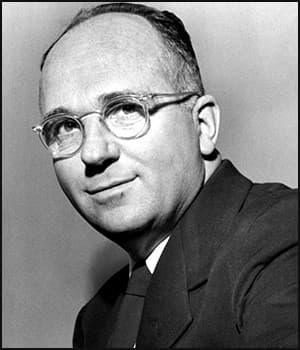
James A. Michener was an American author known for his historical fiction. His notable works include Hawaii, Chesapeake, Alaska, The Source, Poland, and Space, which often explore the history and culture of specific regions. Michener's storytelling is characterized by extensive research and a focus on the human experience within historical contexts.
Similar books
- Hawaii
James A. Michener
4.2 (72k) average on GoodreadsLifestyleA similar Michener-style historical saga focusing on the origins and development of the Hawaiian islands.
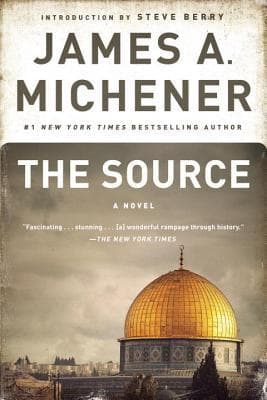
- The Source
James A. Michener
4.0 (11k) average on GoodreadsFantasyExplores the deep history of a place (Israel) through archaeological layers and fictionalized accounts, much like 'Alaska'.
- The Call of the Wild
Jack London
3.9 (341k) average on GoodreadsChildren'sLondon's The Call of the Wild is a novella set during the Klondike Gold Rush, a period also covered by Michener. London's work is a focused, allegorical tale exploring themes of nature versus civilization and survival through the eyes of a dog, Buck. Michener, in contrast, dedicates only a section to the Gold Rush, integrating it into a much broader human history. While London provides an intense, character-driven psychological exploration of a specific Alaskan experience, Michener offers a more expansive, human-centric, and socio-economic historical account of the era.
- Eat, Pray, Love
Elizabeth Gilbert
3.6 (1.5M) average on GoodreadsLifestyleA heartbroken writer leaves her conventional life for a year-long global search for pleasure in Italy, spiritual devotion in India, and unexpected love and balance in Bali.
- Wild: From Lost to Found on the Pacific Crest Trail
Cheryl Strayed
4.0 (615k) average on GoodreadsLifestyleAfter losing her mother and her marriage, a young woman impulsively hikes over a thousand miles of the Pacific Crest Trail alone, finding strength and healing in the unforgiving wilderness.
- Into Thin Air: A Personal Account of the Mount Everest Disaster
Jon Krakauer
4.2 (395k) average on GoodreadsLifestyleOn May 10, 1996, ambition and a sudden, violent storm turned Mount Everest into a deadly trap, leaving Jon Krakauer to tell the harrowing story of a disaster that took lives and shattered climbers' dreams.





Enjoyed the summary?
A summary gives you the shape of the book. The book itself has the detail, the examples and the voice.
Find Alaska on AmazonAs an Amazon Associate, BookBrief earns from qualifying purchases. How we're funded