

Core Idea
- Difficulty
- Medium
- Read it if
- You are fascinated by American political history, especially the 1960s, and enjoy a blend of personal memoir with historical analysis, particularly through the eyes of renowned historians. Perfect for those who appreciate insights into the lives of figures like JFK, LBJ, RFK, and the civil rights movement.
- Skip it if
- You prefer a purely academic or strictly chronological historical account without personal reflections, or if you are not interested in the lives and perspectives of historians themselves.
Key Takeaways from An Unfinished Love Story
History as a Shared Legacy
Personal archives unlock collective memory and reveal the human dimension of historical events.
The book centers on the Goodwins' project of going through Dick's personal archives. This private task becomes a historical excavation, showing how individual lives connect to larger societal stories. Their collection of letters, diaries, and documents is a record of their experiences and a way to re-examine the 1960s. It shows that history is not just made by famous people but is lived, recorded, and remembered by many individuals, whose experiences create a rich, varied story. Revisiting these archives together, especially in Dick's last years, shows how engaging with one's past, both personal and historical, can be healing and connecting.
“They soon realized they had before them an unparalleled personal time capsule of the 1960s, illuminating public and private moments of a decade when individuals were powered by the conviction they could make a difference.”
In the book: The discovery of 'more than three hundred boxes of letters, diaries, documents, and memorabilia that Dick had saved for more than fifty years,' which became the catalyst for their joint historical project.
Try this: Consider curating your own 'personal time capsule' – not just for yourself, but for future generations. What documents, letters, or photos would you include to tell the story of your life and the era you lived in? This practice can foster a deeper connection to your own history and its place within the larger historical narrative.
Related ideas: personal-archives, collective-memory, historical-excavation
The Intimate Debates of History
Long-term relationships offer a unique crucible for re-evaluating historical figures and events.
Doris and Dick Goodwin's marriage, lasting over forty years, was a personal union and a continuous intellectual discussion about American history. Their closeness to power in the 1960s—Dick as an advisor to Kennedy and Johnson, Doris as a White House Fellow under Johnson—gave them unique, often different, views. The book shows how their marriage, with its 'humor, anger, frustration,' led to 'a growing understanding' of the complex figures they met. This shows that historical analysis is rarely simple. Personal relationships, especially those with shared experiences, can provide a dynamic way to reinterpret the past, challenge initial ideas, and better understand historical figures and their reasons.
“Over the years, with humor, anger, frustration, and in the end, a growing understanding, Dick and Doris had argued over the achievements and failings of the leaders they served and observed...”
In the book: Their continuous debates 'over the achievements and failings of the leaders they served and observed,' specifically mentioning John F. Kennedy, Lyndon Johnson, and Robert Kennedy.
Try this: Engage in respectful, ongoing dialogue about historical events or contemporary issues with trusted partners, friends, or family. Actively listen to differing viewpoints and challenge your own assumptions. Recognize that understanding can deepen over time through sustained intellectual engagement.
Related ideas: historical-interpretation, relationship-dynamics, intellectual-sparring
Reassessing the Greats
Time and distance allow for more complex and forgiving perspectives on influential leaders.
One result of the Goodwins' project was the chance to make 'fresh assessments' of figures like JFK, LBJ, and MLK Jr. Having lived through these leaders' times, and then revisiting them decades later through personal documents, allowed for a more mature and understanding view. This suggests that historical figures, often praised or criticized, benefit from time, which allows for a more complete view of their challenges, successes, and faults. The 'forgiveness' mentioned means moving past initial judgments, recognizing the pressures and difficulties these leaders faced. This encourages us to avoid quick, final conclusions about historical figures and instead embrace the ongoing process of re-evaluation.
“The voyage of remembrance brought unexpected discoveries, forgiveness, and the renewal of old dreams, reviving the hope that the youth of today will carry forward this unfinished love story with America.”
In the book: Their joint effort gave them 'an opportunity to make fresh assessments of the central figures of the time—John F. Kennedy, Jacqueline Kennedy, Martin Luther King Jr., Robert Kennedy, Eugene McCarthy, and especially Lyndon Johnson.'
Try this: When studying historical figures, seek out multiple perspectives – not just contemporary accounts, but also later analyses. Practice empathy by trying to understand the circumstances, pressures, and limitations of the time in which they lived, rather than applying present-day standards exclusively.
Related ideas: historical-reassessment, empathy-in-history, leadership-analysis
The Enduring Echoes of the 1960s
The struggles for justice and loyalty tests of the past resonate powerfully in the present.
The book compares the social and political changes of the 1960s to current challenges. By revisiting this era, the Goodwins show how issues like 'struggles for racial and economic justice' and times 'when lines were drawn and loyalties tested' are not just in history books but are ongoing themes in the American story. This shows that certain societal conflicts repeat and that understanding their historical roots helps us understand current events. It reminds us that the 'unfinished love story with America' is a continuous process, requiring ongoing engagement with the ideals and challenges that have shaped the nation.
“a time, like today, marked by struggles for racial and economic justice, a time when lines were drawn and loyalties tested.”
In the book: The direct comparison: 'a time, like today, marked by struggles for racial and economic justice, a time when lines were drawn and loyalties tested.'
Try this: When confronting contemporary social or political issues, actively seek out their historical precedents. Understand how past movements for justice, periods of division, and leadership challenges inform the present. This historical grounding can provide context and inform more effective action.
Related ideas: historical-parallels, social-justice-history, political-polarization
Purpose in Remembrance
Engaging with personal history can provide renewed meaning and determination in later life.
A moving part of the book is how the historical project gave Dick Goodwin new energy in his final years. Going through his archives with Doris was not just academic; it gave him 'renewed purpose and determination.' This shows the psychological and emotional benefits of engaging with one's life story and its historical context, especially in old age. It speaks to the human need for meaning and contribution, suggesting that even as physical abilities decrease, intellectual and emotional engagement with one's past can offer a strong sense of purpose and continued relevance.
“Their expedition gave Dick’s last years renewed purpose and determination.”
In the book: The explicit statement that 'Their expedition gave Dick’s last years renewed purpose and determination.'
Try this: Encourage older family members or friends to share their life stories, perhaps by helping them organize old photos, letters, or memoirs. Actively listen and engage with their narratives. For yourself, consider documenting your own life experiences and reflections as a way to find meaning and connect with your personal history.
Related ideas: aging-and-purpose, life-review, meaning-making
The Power of Individual Conviction
The 1960s exemplified how individuals believed they could shape history, a lesson for today.
The book describes the 1960s as a time when many believed individuals could make a difference. This belief, shared by figures like Dick Goodwin who 'both named and helped design Lyndon Johnson’s Great Society,' reminds us that progress often comes from active participation and believing in one's ability to act. In a time when many feel powerless, the Goodwins' story encourages action, suggesting that even with big challenges, individual effort, conviction, and collaboration can 'make a difference.' It is a hopeful message about the lasting potential of civic engagement.
“a decade when individuals were powered by the conviction they could make a difference”
In the book: The description of the 1960s as 'a decade when individuals were powered by the conviction they could make a difference.'
Try this: Identify an issue you care deeply about and explore ways to contribute, however small. This could involve volunteering, advocating, or simply educating yourself and others. Cultivate a belief in your own agency and the collective power of individuals to drive change.
Related ideas: civic-engagement, individual-agency, social-change
Beyond the Public Persona
Personal documents reveal the complex humanity behind public figures.
Dick Goodwin's archives offered a look into the 'public and private moments' of the 1960s, especially those involving the era's important figures. This access to personal letters and diaries allows for a closer understanding of leaders like JFK and LBJ, going beyond their public images. It shows the historian's task of looking into primary sources to uncover the human complexities, doubts, and personal struggles that often underlie big public decisions. This approach improves our understanding of history, showing that even the most powerful individuals are complex people shaped by personal situations as much as by political ambition.
“illuminating public and private moments of a decade”
In the book: The 'unparalleled personal time capsule of the 1960s' containing 'letters, diaries, documents, and memorabilia' from Dick's time interacting with major political figures.
Try this: When consuming news or historical accounts, look for sources that offer a more nuanced, behind-the-scenes perspective. Be wary of overly simplistic narratives of public figures. Seek out biographies and historical works that draw heavily on primary sources to gain a deeper, more human understanding.
Related ideas: primary-sources, historical-biography, public-vs-private
The Historian's Personal Journey
Even seasoned historians find new insights and emotional connections in their own past.
Doris Kearns Goodwin shows that studying history is never truly finished, even for those who have dedicated their lives to it. Her work with Dick's archives was not just about helping his purpose but also gave her 'the opportunity to connect and reconnect with participants and witnesses.' This shows that historical understanding is an ongoing process. Even with much knowledge, direct engagement with primary sources and personal accounts can uncover new perspectives and create deeper emotional connections to the past, reminding us that history is a living story that continues to unfold and reveal itself.
“It gave Doris the opportunity to connect and reconnect with participants and witnesses of pivotal moments of the 1960s.”
In the book: The impact on Doris, 'the opportunity to connect and reconnect with participants and witnesses of pivotal moments of the 1960s.'
Try this: Approach learning and understanding history as an active, continuous journey rather than a static body of facts. Seek out opportunities to engage with primary sources, oral histories, or even historical sites to deepen your connection and understanding.
Related ideas: historiography, oral-history, historical-empathy
An Unfinished Love Story with America
The nation's ideals and challenges constitute an ongoing narrative requiring active participation.
The book's title itself holds a message: America's story is an 'unfinished love story.' This comparison suggests that the nation's journey toward its ideals of justice, equality, and democracy is not complete but an ongoing story requiring continuous effort, dedication, and affection from its citizens. The 'hope that the youth of today will carry forward' this story is an intergenerational call to action. It implies that each generation inherits the progress and the unresolved challenges of the past, with a responsibility to contribute to the nation's evolving identity and future. It is a reminder that patriotism is an active, loving engagement with the country's past, present, and future.
“reviving the hope that the youth of today will carry forward this unfinished love story with America.”
In the book: The closing sentiment of the book, 'reviving the hope that the youth of today will carry forward this unfinished love story with America.'
Try this: Reflect on what it means to be a citizen in an 'unfinished love story.' Identify areas where you believe the nation's ideals are still unfulfilled and consider how you can contribute to their realization, whether through civic engagement, advocacy, or community service.
Related ideas: civic-responsibility, american-ideals, intergenerational-dialogue
An Unfinished Love Story Quotes
“History is not just about the past; it is about understanding the present and shaping the future.”
“In the tapestry of our lives, love and loss are threads that weave together, creating patterns we only understand in retrospect.”
“The unfinished stories of our lives are the ones that haunt us the most, urging us to seek closure or continue the journey.”
“We are all historians of our own experiences, curating memories that define who we are.”
“The Civil Rights Movement was not a single event but a mosaic of courage, each piece a story of ordinary people doing extraordinary things.”
“In the archives of a marriage, letters become the primary sources, revealing truths that spoken words often conceal.”
“Leadership is not about having all the answers, but about asking the right questions and listening to the voices often unheard.”
“The past is a foreign country, but with empathy as our guide, we can learn its language and understand its people.”
“Every generation writes its own history, influenced by the struggles and triumphs of its time.”
“Love, like history, is a work in progress, never fully complete but always evolving.”
“The silence between words in a conversation can speak volumes, just as the gaps in historical records invite interpretation.”
“To forgive is not to forget, but to remember with a heart open to healing.”
“In the end, it is the stories we leave behind that become our legacy, unfinished though they may be.”
Quiz
10 questions on the main ideas. Each answer comes with a short explanation.
Question 1
What was the primary catalyst for Doris and Dick Goodwin's 'last great adventure' described in the book?
- Writing a joint memoir about their White House years
- Opening over 300 boxes of documents Dick had saved for decades
- Traveling to historic sites from the 1960s together
- Interviewing surviving political figures from that era
Show answer
B. Opening over 300 boxes of documents Dick had saved for decades The book centers on Doris and Dick Goodwin's decision to finally open the more than 300 boxes of letters, diaries, documents, and memorabilia that Dick had saved for over fifty years, creating what they called an 'unparalleled personal time capsule of the 1960s.'
Question 2
Which two U.S. presidents did Dick Goodwin directly serve as a speechwriter and advisor in the 1960s?
- John F. Kennedy and Richard Nixon
- Lyndon Johnson and Gerald Ford
- John F. Kennedy and Lyndon Johnson
- Dwight Eisenhower and Lyndon Johnson
Show answer
C. John F. Kennedy and Lyndon Johnson Dick Goodwin was part of John F. Kennedy's New Frontier in his twenties and later helped design Lyndon Johnson's Great Society in his thirties, serving both presidents directly during the 1960s.
Question 3
What was Doris Kearns Goodwin's role when she first entered the White House in the 1960s?
- A journalist covering the Johnson administration
- A secretary for Robert Kennedy
- A White House Fellow selected as a graduate student
- A campaign advisor for Eugene McCarthy
Show answer
C. A White House Fellow selected as a graduate student Doris was a twenty-four-year-old graduate student when she was selected as a White House Fellow, which led to her working directly for Lyndon Johnson and later assisting on his memoir.
Question 4
According to the book, what emotional journey did the Goodwins' examination of the 1960s archives facilitate in their relationship?
- It caused them to regret their political careers
- It allowed them to make fresh assessments of historical figures and renew old dreams
- It led them to abandon historical writing entirely
- It convinced them the 1960s were a failed decade
Show answer
B. It allowed them to make fresh assessments of historical figures and renew old dreams The book describes how revisiting the archives brought unexpected discoveries, forgiveness, renewal of old dreams, and fresh assessments of figures like JFK, LBJ, and MLK, enriching their final years together.
Question 5
What major political program is Dick Goodwin credited with both naming and helping design?
- The New Deal
- The Fair Deal
- The Great Society
- The New Frontier
Show answer
C. The Great Society In his thirties, Dick Goodwin both named and helped design Lyndon Johnson's Great Society, a set of domestic programs aimed at eliminating poverty and racial injustice.
Question 6
How does the book characterize the 1960s in comparison to the present day?
- As a completely unique period with no modern parallels
- As a time marked by struggles for racial and economic justice similar to today
- As a more peaceful decade than the current era
- As an era when government was universally trusted
Show answer
B. As a time marked by struggles for racial and economic justice similar to today The book explicitly states the 1960s were 'a time, like today, marked by struggles for racial and economic justice, a time when lines were drawn and loyalties tested,' drawing direct parallels to contemporary issues.
Question 7
Which historical figure is noted as having 'greatly impacted both their lives' according to the book's description?
- John F. Kennedy
- Martin Luther King Jr.
- Lyndon Johnson
- Robert Kennedy
Show answer
C. Lyndon Johnson The book specifically mentions Lyndon Johnson as the figure who 'greatly impacted both their lives,' since both Doris and Dick worked closely with him during his presidency.
Question 8
What does the 'unfinished love story' metaphor in the title primarily refer to?
- The Goodwins' marriage that ended with Dick's death
- America's ongoing struggle to fulfill its promises of justice and equality
- The incomplete memoir Lyndon Johnson was writing
- Robert Kennedy's presidential campaign that was cut short
Show answer
B. America's ongoing struggle to fulfill its promises of justice and equality While the book is a personal history of the Goodwins, the 'unfinished love story' metaphor extends to America itself—referring to the ongoing, incomplete work toward racial and economic justice that began in the 1960s and continues today.
Question 9
What practical purpose did the examination of the archives serve for Dick Goodwin in his final years?
- It provided material for a lawsuit against political opponents
- It gave his last years renewed purpose and determination
- It helped him secure a presidential pardon
- It allowed him to correct errors in history textbooks
Show answer
B. It gave his last years renewed purpose and determination The book states explicitly that 'their expedition gave Dick's last years renewed purpose and determination,' making this archival work a meaningful final project that energized him.
Question 10
Which of the following best describes the book's narrative structure as indicated in the description?
- A strictly chronological history of the 1960s
- A collection of unrelated essays about political figures
- An artful weaving of biography, memoir, and history
- A technical analysis of presidential speechwriting
Show answer
C. An artful weaving of biography, memoir, and history The description explicitly states that Goodwin 'artfully weaves together biography, memoir, and history,' creating a hybrid narrative that combines personal reflection with historical analysis.
An Unfinished Love Story FAQ
What is 'An Unfinished Love Story' about?
It's a personal history of the 1960s that weaves together biography, memoir, and history through the lens of Doris Kearns Goodwin and her husband Richard Goodwin's relationship and their shared experiences with key political figures like JFK, LBJ, and Robert Kennedy.
Does 'An Unfinished Love Story' work as both memoir and history?
Yes, Goodwin artfully blends personal memoir with historical analysis by drawing from 300+ boxes of archival material from the 1960s, creating an intimate yet historically significant narrative about America's political landscape during that transformative decade.
How different is this from Doris Kearns Goodwin's other presidential biographies?
Unlike her traditional biographies of single presidents, this book combines memoir with history through the dual perspective of both Goodwins' experiences, making it more personal while covering multiple administrations and social movements of the 1960s.
What is the 'personal time capsule' mentioned in the book?
It refers to the 300+ boxes of letters, diaries, documents, and memorabilia that Richard Goodwin saved for fifty years, which the couple explored together to reconstruct and reflect on pivotal moments of the 1960s.
How different is this from other 1960s history books?
Unlike standard historical accounts, this offers insider perspectives from two people who worked directly with presidents and social leaders, combined with their marital debates about the era's achievements and failures.
What role does Lyndon Johnson play in the book?
LBJ is a central figure who greatly impacted both Goodwins' lives—Dick helped design his Great Society programs while Doris worked directly for him and later assisted on his memoir, providing unique dual perspectives on his presidency.
Does the book cover Robert Kennedy's assassination?
Yes, it addresses pivotal moments like Robert Kennedy's assassination through Dick Goodwin's perspective as his speechwriter and close advisor, connecting personal grief with historical impact.
What is the 'unfinished love story' metaphor?
It represents both the Goodwins' 42-year marriage intertwined with American history and the ongoing struggle for racial/economic justice that began in the 1960s and continues today, suggesting hope for future generations to continue this work.
How practical is this book for understanding current social justice movements?
Very practical—it draws direct parallels between 1960s struggles for racial/economic justice and today's movements, showing how historical perspectives can inform current activism and political engagement.
Does the book include previously unpublished material?
Yes, it features extensive unpublished archival material from the Goodwins' personal collection, including private letters and diaries that offer new insights into key figures like JFK, Jacqueline Kennedy, and Martin Luther King Jr.
About the author
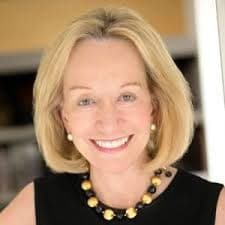
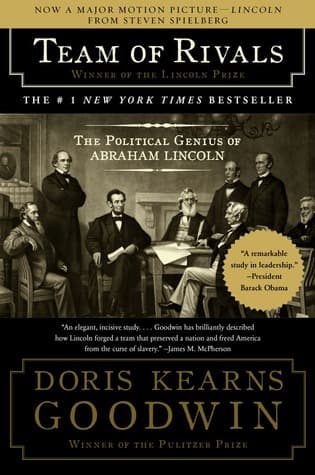
Doris Kearns Goodwin is a Pulitzer Prize-winning historian and presidential biographer. Her notable works include 'Team of Rivals: The Political Genius of Abraham Lincoln,' which was adapted into the film Lincoln, and 'Wait Till Next Year.' Goodwin's deep research and narrative skill offer profound insights into American history and leadership.
Similar books
- Team of Rivals: The Political Genius of Abraham Lincoln
Doris Kearns Goodwin
4.3 (152k) average on GoodreadsPoliticsAnother deep dive into American political history and leadership by the same author, focusing on character and complex relationships.
- The Diary of a Young Girl
Anne Frank
4.2 (2.7M) average on GoodreadsBiographyDuring the Nazi occupation, a teenage girl's diary, written from a secret annex, shares observations on humanity, hope, and the wait for freedom.
- Night
Elie Wiesel
4.3 (970k) average on GoodreadsBiographyIn the darkness of Auschwitz and Buchenwald, a teenage Elie Wiesel faces the extermination of his family, the loss of his faith, and the lasting scars of humanity's deepest cruelty.
- Steve Jobs
Walter Isaacson
4.1 (957k) average on GoodreadsBusinessSteve Jobs was a visionary who fused creativity and technology to revolutionize six industries and shape our digital world.
- Unbroken: A World War II Story of Survival, Resilience and Redemption
Laura Hillenbrand
4.4 (767k) average on GoodreadsBiographyLouis Zamperini's incredible World War II odyssey transforms him from a rebellious youth and Olympic runner into a survivor of a plane crash, shark-infested waters, and brutal Japanese POW camps, only to find redemption through forgiveness.
- The Immortal Life of Henrietta Lacks
Rebecca Skloot
4.1 (587k) average on GoodreadsBiographyA poor Southern tobacco farmer's unwitting contribution of 'immortal' cells starts a journey through scientific breakthroughs, medical ethics, and her family's decades-long fight for recognition and understanding.





Enjoyed the summary?
A summary gives you the shape of the book. The book itself has the detail, the examples and the voice.
Find An Unfinished Love Story on AmazonAs an Amazon Associate, BookBrief earns from qualifying purchases. How we're funded