
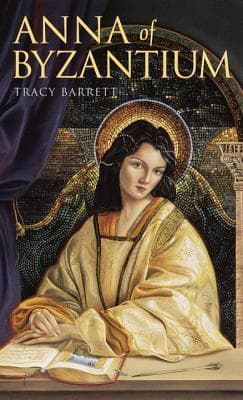
Synopsis
Covers the whole plot, including the ending.
- Difficulty
- Medium
- Pacing
- Moderate
- Mood
- Ambitious, Bitter, Political, Historical
- Read it if
- You enjoy historical fiction with strong female protagonists, political intrigue, and themes of ambition, betrayal, and the struggle for power in a patriarchal society.
- Skip it if
- You prefer fast-paced action over character-driven political drama, or are looking for a story with a traditionally 'happy' ending for the protagonist.
Anna of Byzantium Plot Summary
Covers the whole plot, including the ending.
A Princess's Destiny and a Troubling Prophecy
Anna Comnena, the eldest child of Emperor Alexius I Comnenus and Empress Irene, grows up in the Great Palace of Constantinople believing she is her father's chosen successor. Her grandmother, Maria Ducas, a powerful figure, reinforces this idea, teaching Anna history, strategy, and governance. Anna, intelligent and ambitious, learns these lessons, seeing herself as the future ruler of the Byzantine Empire. A prophecy says a son will eventually rule, a detail Anna and her family mostly disregard. Her early life includes a close bond with her parents and grandmother, and a belief that the throne is hers.
The Birth of John and Shifting Dynamics
The birth of Anna's younger brother, John, at first does not seem to threaten her goals. Anna, though briefly jealous of the attention he receives, believes her position as firstborn and her father's preference for her intellect will secure her succession. However, Byzantine political reality favors a male heir. While Emperor Alexius supports Anna outwardly, a son presents an undeniable alternative. Grandmother Maria, watching power dynamics, begins to change her advice, though Anna is too focused on her learning and perceived destiny to fully understand the coming changes.
The Betrothal to Constantine Ducas
To strengthen Anna's claim to the throne, Emperor Alexius arranges her betrothal to Constantine Ducas, a young co-emperor and son of the previous emperor, Michael VII Ducas. This alliance merges the Comnenus and Ducas families and gives Anna a politically powerful husband. Anna likes the arrangement, seeing it as another step towards her coronation. She develops affection for Constantine, who is kind and supportive, and they are educated together for their future joint rule. This time is the peak of Anna's perceived security in her imperial destiny.
Constantine's Illness and Death
Tragedy happens when Constantine Ducas becomes gravely ill. Despite the court physicians' efforts, his condition worsens, and he dies. This event is a great blow to Anna, personally and politically. She mourns her betrothed, but also understands how his death affects her claim to the throne. Without Constantine, her position as empress-in-waiting becomes weaker, as the main political reason for her succession (marrying into the previous imperial line) is gone. The court's focus shifts more towards John as the potential male heir.
John's Proclamation as Co-Emperor
Under pressure from the court, army, and church, all favoring a male successor, Emperor Alexius decides to proclaim John as co-emperor. This public declaration, when John is still a child, disinherits Anna and shatters her dreams of ruling. Anna is at the ceremony and feels betrayed and unjustly treated. She feels her father has abandoned her and that her lifelong preparation for the throne is meaningless. Her relationship with her parents, especially her father, becomes strained.
The Bitter Aftermath and Growing Resentment
After John's proclamation, Anna enters a time of deep bitterness and anger. She withdraws from her family, feeling isolated and betrayed. Her once-close relationship with her grandmother, Maria Ducas, also sours as Anna sees her grandmother as having failed to protect her interests or, worse, having helped her downfall. Anna struggles to accept her perceived destiny with her new reality. She observes John, whom she now sees as the usurper, with disdain and a grudging acknowledgment of his growing importance, fueling her desire for revenge and to reclaim what she believes is hers.
Marriage to Nikephoros Bryennios
As Anna becomes a young woman, she marries Nikephoros Bryennios, a general and scholar from an aristocratic family. This marriage is not for love, but a strategic alliance. Nikephoros, a respected figure, is also ambitious and gives Anna a powerful ally and a way to challenge John's succession. Anna sees her husband as a tool to further her own political goals, believing that with his influence and support, she might still be able to overturn her brother's claim to the throne. This marriage marks a turning point, as Anna begins to plot her return to power.
The First Conspiracy Against John
With Emperor Alexius's health failing, Anna sees a chance to act. She, her mother Empress Irene, and her husband Nikephoros Bryennios, begin to conspire to replace John with Nikephoros upon Alexius's death. Their plan involves using Nikephoros's military influence and Irene's imperial authority to secure the throne. Anna leads this conspiracy, fueled by her resentment and belief in her own rightful claim. They secretly gather support, but the plot is dangerous, and the loyalties of various factions are uncertain.
Alexius's Death and John's Ascension
Emperor Alexius dies. In the chaotic moments after his death, the conspirators try to carry out their plan. However, John, warned by loyal advisors and showing unexpected determination, acts quickly. He secures the imperial seal and gains the support of the Varangian Guard and other key military figures. Despite Anna's and Irene's efforts to persuade the dying Alexius to name Nikephoros, John's prior proclamation and his decisive actions upon his father's death ensure his smooth succession. John is crowned Emperor John II Comnenus, to Anna's bitter disappointment.
The Failed Coup and Its Aftermath
Even after John's coronation, Anna does not give up. She plans to assassinate John and place Nikephoros on the throne. She urges her husband to take action. However, Nikephoros, either out of loyalty to John, fear of failure, or an aversion to killing, refuses. His refusal angers Anna, but it ends her last effort. The conspiracy is discovered, and while John shows leniency, Anna and Nikephoros are stripped of their wealth and exiled to a monastery. This marks the end of Anna's direct pursuit of political power.
Life in Exile and the Alexiad
In the monastery, Anna, though at first consumed by anger and despair, gradually finds a new purpose. She devotes herself to scholarship, a passion she always had but had put aside for her political ambitions. She begins writing the 'Alexiad,' a detailed historical account of her father, Emperor Alexius I Comnenus's reign. This work lets her use her intellect and preserve her family's legacy, though from a biased perspective. Through writing, Anna reclaims a sense of purpose, turning her bitterness into a lasting contribution to history and literature. Her exile becomes a time of intellectual growth, born from great loss.
Principal Figures
Anna Comnena
Protagonist
Ambitious and intelligent Byzantine princess, disinherited from the throne.
Anna is the highly intelligent, ambitious, and initially arrogant eldest daughter of Emperor Alexius I. Raised to believe she would be empress, she meticulously studies history, strategy, and governance under her grandmother, Maria Ducas. Her early life is marked by a deep sense of entitlement and a sharp intellect. She is deeply hurt and embittered when her younger brother, John, is named successor, leading her to conspire against him. Anna possesses a strong will and a keen analytical mind, but her pride and desire for power often blind her to the political realities and the feelings of those around her. She struggles with betrayal and ultimately finds solace and purpose in scholarship.
Relationships: Emperor Alexius I Comnenus (Father, initially supportive, later seen as a betrayer); Empress Irene (Mother, often supportive of Anna's claim, co-conspirator); John Comnenus (Younger brother, rival for the throne, eventual emperor); Maria Ducas (Paternal grandmother, mentor, complex and manipulative); Constantine Ducas (Betrothed, political ally, beloved); Nikephoros Bryennios (Husband, political ally, reluctant co-conspirator)
Emperor Alexius I Comnenus
Supporting
Anna's father, a pragmatic ruler torn between tradition and his daughter's ambition.
Alexius is Anna's father, the reigning Emperor of Byzantium. He is a pragmatic and shrewd ruler, dedicated to the stability and prosperity of his empire. While he initially favors Anna's intelligence and allows her to be educated for the throne, he is ultimately swayed by tradition and the political necessity of a male heir. His decision to name John as co-emperor, though politically sound, is a deep betrayal to Anna. He is portrayed as a loving father who nonetheless makes difficult choices for the good of the empire, often at personal cost.
Relationships: Anna Comnena (Daughter, initially favored, later estranged); Empress Irene (Wife, respected partner); John Comnenus (Son, chosen successor)
Empress Irene
Supporting
Anna's mother, a loyal wife and supportive mother, who champions Anna's succession.
Irene is Anna's mother and Emperor Alexius's wife. She is a strong, supportive figure for Anna, often encouraging her imperial aspirations and sharing her disappointment when John is named successor. She participates in the conspiracy against John, driven by loyalty to Anna and perhaps a desire to maintain her own influence. Irene often acts as an emotional anchor for Anna, though she is less politically astute than her mother-in-law, Maria Ducas. She embodies the maternal support Anna receives, even in her misguided pursuit of power.
Relationships: Anna Comnena (Daughter, fiercely protective and supportive); Emperor Alexius I Comnenus (Husband, loyal and respected); John Comnenus (Son, less favored than Anna)
Maria Ducas
Supporting
Anna's manipulative and politically astute grandmother, her primary mentor.
Maria Ducas is Anna's paternal grandmother, a formidable and highly intelligent woman who wields significant influence in the court. She is Anna's primary mentor, teaching her the intricacies of politics, history, and strategy. However, Maria is also deeply manipulative and self-serving, always calculating the best path to maintain power for her family. While she initially encourages Anna's imperial ambitions, her loyalty shifts as John's claim strengthens, prioritizing the stability of the dynasty over Anna's personal desires. Her complex character is a blend of wisdom, ambition, and pragmatism.
Relationships: Anna Comnena (Granddaughter, mentee, later estranged); Emperor Alexius I Comnenus (Son, advises him on political matters)
John Comnenus
Antagonist/Supporting
Anna's younger brother, the eventual emperor, initially a quiet child.
John is Anna's younger brother and the eventual Emperor John II Comnenus. Initially portrayed as a quiet, unassuming child, he is thrust into the role of imperial heir due to tradition and political pressure. Anna views him as an obstacle and a usurper. Despite Anna's animosity and the numerous plots against him, John demonstrates surprising resolve and political acumen upon his father's death, securing his succession. He is generally portrayed as more measured and less overtly ambitious than Anna, often showing leniency towards his conspiring family members.
Relationships: Anna Comnena (Sister, rival for the throne, target of her conspiracies); Emperor Alexius I Comnenus (Father, chosen successor)
Constantine Ducas
Supporting
Anna's first betrothed, a young co-emperor whose death shatters her early hopes.
Constantine Ducas is Anna's first betrothed, a young co-emperor from a previous imperial line. His betrothal to Anna is a strategic move to solidify her claim to the throne. He is depicted as kind, gentle, and intelligent, and Anna genuinely grows to love him. His untimely death from illness is a major turning point in the story, as it severely weakens Anna's political position and plunges her into grief, setting the stage for her later resentment and ambition.
Relationships: Anna Comnena (Betrothed, beloved)
Nikephoros Bryennios
Supporting
Anna's husband, a general and scholar, reluctant participant in her conspiracies.
Nikephoros Bryennios is Anna's husband, a distinguished general, aristocrat, and scholar. Their marriage is primarily a political alliance, with Anna viewing him as a means to regain power. While he is ambitious and intelligent, he ultimately lacks the ruthlessness and single-minded desire for power that Anna possesses. He participates in the conspiracy against John but refuses to commit regicide, which leads to the plot's failure and their eventual exile. He is loyal to Anna but also bound by his own moral compass and a practical understanding of political risks.
Relationships: Anna Comnena (Wife, co-conspirator); Emperor Alexius I Comnenus (Father-in-law, served as a general)
Adrian
Mentioned
A loyal servant and confidant to Anna.
Adrian is a trusted eunuch and servant to Anna. He serves as a loyal confidant and messenger, often privy to Anna's innermost thoughts and plans. While not a major character in terms of direct influence on plot, his presence highlights Anna's isolation and her reliance on a select few for support and information. He represents the discreet and often unseen network of service within the imperial court.
Relationships: Anna Comnena (Mistress, confidant)
Themes & Insights
Ambition and the Pursuit of Power
The novel explores the corrupting nature of ambition, especially through Anna Comnena. From a young age, Anna is groomed for power, leading her to believe the throne is her birthright. Her pursuit of power, fueled by intelligence and entitlement, drives her to conspire against her brother and alienate her family. This theme shows how unchecked ambition can lead to bitterness, betrayal, and a loss of what one truly values, as seen in Anna's repeated attempts to seize the throne and her eventual exile.
“I was born to rule. It was my destiny, my right, and they had stolen it from me.”
Betrayal and Resentment
Betrayal is a central theme, felt most by Anna. She feels betrayed by her father, Emperor Alexius, who names John as his successor despite years of preparing Anna for the role. This initial betrayal creates deep resentment in Anna, which she carries throughout the novel, fueling her conspiracies. She also feels betrayed by her grandmother, Maria Ducas, and eventually her husband, Nikephoros, who refuses to carry out her final, most drastic plot. The theme shows how perceived betrayals can poison relationships and lead to destructive actions, shaping Anna's character and her tragic path.
“How could my father, who had always praised my mind, my spirit, cast me aside for a babe?”
Gender and Succession in Byzantium
The novel shows the patriarchal norms of the Byzantine Empire regarding imperial succession. Despite Anna's intelligence and training, her gender is the barrier to the throne. Pressure from the court, the army, and tradition for a male heir forces Emperor Alexius to choose John over Anna. This theme highlights the historical limitations placed on women, even those of privilege and capability, and the societal expectations that dictate who is 'fit' to rule, regardless of individual merit. Anna's struggle comes from these ingrained gender roles.
“A woman on the throne? The people would never accept it, no matter how clever she was.”
The Nature of Power and Leadership
The book explores different aspects of power and leadership. Emperor Alexius shows pragmatic leadership, making difficult choices for the empire's stability, even if it means sacrificing personal sentiment. Maria Ducas shows manipulative power, using influence and strategy behind the scenes. Anna, in her ambition, seeks overt, absolute power, believing her intelligence alone qualifies her. The story questions what truly makes effective leadership: intelligence, birthright, popular support, or the ability to make hard decisions? John's unexpected, measured leadership contrasts with Anna's more volatile ambition.
“The Empire demands a strong hand, a steady hand, and sometimes, a hand that can make the hardest choices.”
Legacy and Historical Narrative
A theme, especially towards the novel's end, is the creation of one's legacy and the subjective nature of historical narrative. After her exile, Anna writes the 'Alexiad,' her father's history. This allows her to shape the story of her family and her era, securing her intellectual legacy. The novel suggests that history is often written by the powerful or the articulate, and that Anna's account, while valuable, is filtered through her own experiences, biases, and resentments. This theme shows the power of storytelling to define events and individuals for the future.
“If I could not rule, then I would make sure that my voice, and my father’s story, would echo through the ages.”
Plot Devices & Literary Techniques
The Prophecy
Foreshadows John's ascension and Anna's downfall.
A recurring prophecy, mentioned early in the book, foretells that a son will rule the Byzantine Empire. This device serves as a constant undercurrent of tension and foreshadowing, even as Anna and her family initially dismiss it. It subtly undermines Anna's confidence and reinforces the traditional expectations for a male heir, making John's eventual proclamation less of a surprise and more of a fulfillment of an ancient decree. The prophecy highlights the struggle between individual ambition and predetermined fate or societal expectation.
The 'Alexiad'
Anna's historical account, serving as a framing device and her ultimate legacy.
The 'Alexiad' is the real-life historical work written by Anna Comnena, and in the novel, it functions as both a narrative endpoint and a symbolic resolution for Anna. Its mention early on grounds the story in historical fact, and its eventual creation by Anna in exile provides her with a new purpose after her political ambitions are thwarted. It represents her intellectual legacy and her way of asserting control over her family's narrative, even if she couldn't control her own political destiny. It's an example of art born from suffering.
Court Intrigue and Political Chess
The constant maneuvering and strategic alliances within the Byzantine court.
The Byzantine court is depicted as a hotbed of political intrigue, where alliances shift, and power is constantly negotiated. This serves as a primary plot device, driving much of the conflict. Anna's education in strategy by Maria Ducas, her strategic betrothal to Constantine, and her later conspiracies with her mother and husband are all examples of this 'political chess.' It highlights the complex, often ruthless, nature of imperial power and the constant need for vigilance and manipulation to survive and thrive within the court hierarchy.
The Imperial Seal
A physical symbol of imperial authority and legitimate succession.
The Imperial Seal is a crucial symbolic and plot device, particularly during Emperor Alexius's death. Its possession signifies legitimate imperial authority. John's swift action in securing the seal immediately after his father's passing is a decisive moment that confirms his ascension and thwarts Anna's immediate plans. It represents the tangible transfer of power and the importance of symbolic acts in securing a claim to the throne, underscoring the legal and ceremonial aspects of Byzantine succession.
Anna of Byzantium Quotes
“There are some things even emperors cannot command.”
“The greatest glory is not in never falling, but in rising every time we fall.”
“A woman's mind is a more powerful weapon than any sword.”
“History is written by the victors, but truth is remembered by those who live through it.”
“Even in the emperor's palace, a cage is still a cage.”
“Love, like a good book, can transport you to another world.”
“Sometimes the most dangerous enemies are those who appear to be your friends.”
“Knowledge is a light in the darkness, and I will always seek its glow.”
“The future is a tapestry woven with threads of choice and destiny.”
“A princess might wear silk, but she still bleeds red.”
“Silence can be a shield, or it can be a sword.”
“To rule is not merely to command, but to understand the hearts of your people.”
“Even the strongest walls can crumble from within.”
“The past is never truly gone; it echoes in the present.”
Quiz
10 questions on the plot and the characters. Each answer comes with a short explanation.
Question 1
Who is Anna's father's firstborn child and chosen successor at the beginning of the book?
- Her younger brother, John
- Anna Comnena
- Her cousin, Theodora
- Her mother, Irene
Show answer
B. Anna Comnena The book explicitly states that Anna is her father's firstborn and his chosen successor, setting up her initial expectations of ruling the Byzantine Empire.
Question 2
What is Anna's initial reaction to the birth of her baby brother?
- She is deeply upset and threatened.
- She is indifferent and unconcerned.
- She is joyful and welcoming.
- She immediately plots against him.
Show answer
B. She is indifferent and unconcerned. The text states that the birth of her baby brother 'doesn't perturb her,' indicating her initial dismissiveness due to her secure position as chosen heir.
Question 3
With whom does Anna study the art of diplomacy?
- Her father, the Emperor
- Her mother, Empress Irene
- Her grandmother, a manipulative woman
- A foreign ambassador
Show answer
C. Her grandmother, a manipulative woman Anna's grandmother is described as her father's most trusted adviser and 'a manipulative woman with whom Anna studies the art of diplomacy,' shaping Anna's political skills.
Question 4
Why do the 'barbarians' from foreign lands cause concern regarding Anna's succession?
- They want to marry Anna to their own princes.
- They believe only a son should ascend to power.
- They threaten to invade if Anna becomes Empress.
- They demand tribute from the Byzantine Empire.
Show answer
B. They believe only a son should ascend to power. The book mentions that these 'barbarians' are dismissive of a female ruler, thinking 'only a son should ascend to power,' which contrasts with Anna's initial expectations.
Question 5
What skill does Anna particularly relish and prove adept at during her lessons?
- Sword fighting and military strategy
- Oratory and public speaking
- Checkmating opponents in swift moves of mental chess
- Embroidery and courtly dances
Show answer
C. Checkmating opponents in swift moves of mental chess Anna 'relishes her lessons, proving adept at checkmating opponents in swift moves of mental chess,' highlighting her sharp intellect and strategic mind.
Question 6
What personal traits of Anna eventually threaten her grandmother?
- Her shyness and insecurity
- Her arrogance and intelligence
- Her kindness and generosity
- Her loyalty and obedience
Show answer
B. Her arrogance and intelligence As Anna matures, 'her arrogance and intelligence threaten her grandmother,' because her grandmother realizes Anna 'will be no one's puppet,' indicating a clash of wills and control.
Question 7
What happens 'almost overnight' to Anna's dreams of power?
- They are solidified by a new decree.
- They are wrenched from her and given to her little brother.
- She decides she no longer wants the throne.
- A foreign power offers her a different crown.
Show answer
B. They are wrenched from her and given to her little brother. The text states, 'Almost overnight, Anna sees her dreams of power wrenched from her and bestowed on her little brother,' marking the pivotal betrayal and loss of her expected inheritance.
Question 8
What is Anna's primary motivation after losing her claim to the throne?
- To flee the empire and live a quiet life.
- To avenge herself and seize what is rightfully hers.
- To educate her brother to be a better ruler.
- To join a convent and renounce worldly power.
Show answer
B. To avenge herself and seize what is rightfully hers. Bitter at the betrayal, Anna 'waits to avenge herself, and to seize what is rightfully hers,' indicating her strong desire for retribution and reclaiming her lost position.
Question 9
The central conflict in the book primarily revolves around Anna's struggle for:
- Romantic love and marriage.
- Academic achievement and scholarship.
- Political power and succession.
- Religious freedom and spiritual enlightenment.
Show answer
C. Political power and succession. The entire premise of the book centers on Anna's expectation of ruling the Byzantine Empire, her subsequent loss of this right, and her bitter desire to reclaim it, making political power and succession the core conflict.
Question 10
Which of the following best describes the relationship between Anna and her grandmother?
- One of mutual respect and unwavering support.
- A mentor-mentee relationship that evolves into a power struggle.
- A distant and formal relationship with little interaction.
- An affectionate bond based on shared vulnerability.
Show answer
B. A mentor-mentee relationship that evolves into a power struggle. Initially, the grandmother mentors Anna in diplomacy, but as Anna matures and refuses to be a 'puppet,' her 'arrogance and intelligence threaten her grandmother,' transforming their relationship into one of conflict over control and power.
Anna of Byzantium FAQ
What is Anna of Byzantium about?
Anna of Byzantium tells the story of Anna Comnena, a Byzantine princess born into privilege and groomed to succeed her father on the imperial throne. The narrative follows her journey from an arrogant, intelligent child who excels in politics and diplomacy to a young woman whose ambitions are thwarted by the birth of a younger brother, John, and the manipulative machinations of her grandmother, Maria. It's a tale of betrayal, power struggles, and Anna's bitter quest for vengeance and her perceived rightful inheritance.
Why should I read Anna of Byzantium?
You should read Anna of Byzantium for its compelling portrayal of a strong, intelligent female protagonist navigating a patriarchal world, and for its rich historical setting within the Byzantine Empire. It offers a fascinating look at political intrigue, family betrayals, and the personal cost of ambition, making it an engaging read for those interested in historical fiction with a focus on powerful women and court dynamics.
What is the background/setting of Anna of Byzantium?
The book is set in the opulent and politically charged Byzantine Empire during the late 11th and early 12th centuries, specifically focusing on the imperial court in Constantinople. It vividly depicts the intricate political landscape, the clash between traditional succession laws favoring sons, and the sophisticated, often ruthless, diplomacy practiced by the ruling elite, particularly within the Comnenus family.
What are the most memorable quotes?
While specific quotes are not provided in the summary, memorable lines would likely reflect Anna's sharp wit, her unwavering sense of entitlement, and her later bitterness, such as pronouncements on her destiny to rule or her disdain for those who underestimate her intelligence. Dialogue from her grandmother, Maria, would also be impactful, showcasing her manipulative wisdom.
What writing style does the author use?
Tracy Barrett employs a historical fiction style that is accessible for young adult readers while maintaining an authentic feel for the Byzantine era. The narrative likely uses a focused, perhaps first-person or close third-person perspective, to intimately convey Anna's thoughts, ambitions, and increasing disillusionment, employing clear prose to detail complex political maneuvering and emotional shifts.
What minor details add significant meaning?
Minor details such as Anna's early training in diplomacy and mental chess, overseen by her grandmother Maria, are crucial. These lessons not only showcase Anna's exceptional intellect but also subtly foreshadow the very skills that will later be turned against her and used by her rivals, highlighting the irony of her education.
What are some subtle foreshadowing moments?
Subtle foreshadowing occurs in Anna's early dismissiveness of 'barbarians' and their traditional views on male succession; this hubris hints at her eventual downfall when those very traditions, championed by her grandmother, are used to deny her the throne. Also, the intense, almost competitive relationship with her grandmother during their lessons subtly foreshadows Maria's eventual betrayal, as Maria recognizes Anna's potential to be uncontrollable.
What unexpected character connections exist?
The most unexpected connection, or rather a twisted dynamic, is between Anna and her grandmother Maria. Initially, Maria is Anna's mentor, guiding her in the art of diplomacy and power. However, this close bond transforms into a rivalry, with Maria ultimately becoming the architect of Anna's disinheritance, demonstrating a profound and unexpected betrayal from a trusted figure.
What are unspoken character motivations?
Maria's unspoken motivation for orchestrating Anna's disinheritance, despite her initial mentorship, likely stems from a desire to maintain control and ensure the stability of the empire through a more pliable successor. She fears Anna's fierce independence and intelligence, recognizing that Anna would 'be no one's puppet,' which could threaten Maria's own influence and the patriarchal order she upholds.
What psychological complexities do characters exhibit?
Anna exhibits complex psychological shifts, moving from arrogant entitlement to bitter resentment and a thirst for vengeance. Her initial confidence in her intellectual superiority and destiny gives way to the trauma of betrayal, leading to a profound internal struggle between her ingrained ambition and the harsh reality of her disempowerment. Her grandmother Maria, too, shows complexity, balancing her role as a mentor with a ruthless pragmatism for power and dynastic stability.
What are the major emotional turning points?
The birth of Anna's baby brother, John, marks a significant emotional turning point, as it introduces the first serious threat to her succession. However, the most profound turning point is the moment her dreams of power are officially 'wrenched from her' and bestowed upon John, leading to her intense bitterness and desire for revenge, irrevocably changing her outlook and purpose.
How do relationship dynamics evolve?
The central relationship dynamic, between Anna and her grandmother Maria, evolves dramatically from a mentor-protégé bond built on shared intelligence and political acumen to one of bitter rivalry and betrayal. Anna's relationship with her father also shifts, as his initial support for her succession gives way to accepting or allowing her disinheritance, leading to a sense of profound betrayal for Anna.
Which parts remain ambiguous or open-ended?
The summary implies that Anna 'waits to avenge herself, and to seize what is rightfully hers,' suggesting the story might leave the ultimate success or failure of her vengeance ambiguous. It's unclear if she ever truly reclaims power or if her quest for vengeance brings her satisfaction, leaving the long-term consequences of her actions open-ended.
What are controversial scenes or decisions?
The most controversial decision is the imperial court's, particularly her grandmother Maria's, choice to disinherit Anna in favor of her younger brother John, despite Anna being groomed for the role and possessing superior intelligence and diplomatic skills. This decision challenges modern sensibilities regarding gender equality and meritocracy, highlighting the rigid patriarchal norms of the era.
Anna of Byzantium ending explained: how it ends & what it means
Based on the summary, the book ends with Anna 'bitter at the betrayal' and 'wait[ing] to avenge herself, and to seize what is rightfully hers.' This ending signifies that Anna's story concludes not with resolution or acceptance, but with an unresolved thirst for revenge and a determination to reclaim her lost destiny. It means that while she has been disinherited, her spirit of ambition remains unbroken, setting the stage for future struggles or a life dedicated to overturning her fate.
About the author

Tracy Barrett is an author known for her works of fiction, including "Anna of Byzantium." This novel explores the life of Anna Comnena, a Byzantine princess, and is noted for its historical depth and character development. Barrett's writing often blends history with engaging narratives, appealing to both young adult and adult readers.
Similar books
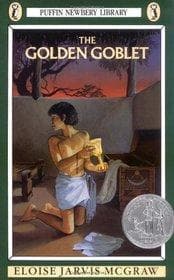
- The Golden Goblet
Eloise Jarvis McGraw
3.8 (7k) average on GoodreadsChildren'sA historical adventure with a young protagonist navigating ancient power structures.
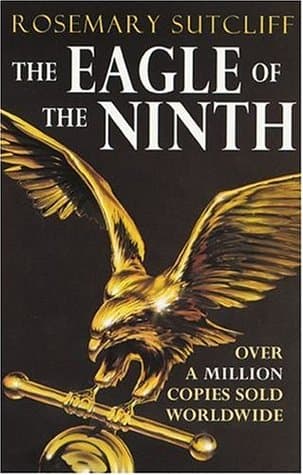
- The Eagle of the Ninth
Rosemary Sutcliff
3.9 (9k) average on GoodreadsFantasySutcliff's novel focuses on Roman Britain with an emphasis on adventure, military themes, and a more external, action-driven plot. Barrett's 'Anna' is more about courtly intrigue, political maneuvering, and the internal struggles of a high-born woman within a restrictive, opulent setting, making it less action-oriented but richer in cultural detail.
- Harry Potter and the Sorcerer's Stone
J.K. Rowling
4.5 (7M) average on GoodreadsFantasyRescued from a miserable life under the stairs, an orphaned boy discovers he's a wizard destined for a magical school, where he uncovers a dangerous secret tied to the dark wizard who murdered his parents.
- The Hobbit, or There and Back Again
J.R.R. Tolkien
4.3 (2.9M) average on GoodreadsFantasyA comfort-loving hobbit named Bilbo Baggins is whisked away by a mischievous wizard and a band of dwarves on an unexpected journey to reclaim stolen treasure from a fearsome dragon, discovering courage and a magical ring along the way.
- Harry Potter and the Goblet of Fire
J.K. Rowling
4.6 (2.6M) average on GoodreadsFantasyA bewildered Harry Potter, underage and thrust into a deadly Triwizard Tournament, must brave dragons, mermaids, and a resurgent dark magic to survive a year that will forever alter the wizarding world.
- Harry Potter and the Order of the Phoenix
J.K. Rowling
4.5 (2.5M) average on GoodreadsFantasyIn a year of oppressive secrets and the threat of Voldemort, Harry Potter and Dumbledore's Army secretly train for war, shown through Jim Kay and Neil Packer's dark illustrations.




Enjoyed the summary?
A summary gives you the shape of the book. The book itself has the detail, the examples and the voice.
Find Anna of Byzantium on AmazonAs an Amazon Associate, BookBrief earns from qualifying purchases. How we're funded