
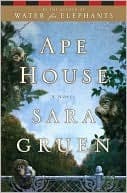
Synopsis
Covers the whole plot, including the ending.
- Difficulty
- Easy
- Pacing
- Moderate
- Mood
- Humorous, Thought-provoking, Heartwarming, Satirical
Ape House Plot Summary
Covers the whole plot, including the ending.
The Explosion at the Great Ape Language Lab
Isabel Duncan, a primatologist at the Great Ape Language Lab, works with ASL-fluent bonobos: Sam, Bonzi, Lola, Mbongo, Jelani, and Makena. She finds their company more comforting than human interaction. John Thigpen, a reporter facing a stagnant marriage and career, is at the lab for a human interest story about the bonobos. Suddenly, an explosion damages the facility. Isabel is badly hurt, and the bonobos disappear. John's story quickly becomes a mystery.
Isabel's Recovery and Desperation
Isabel wakes in a hospital, injured and worried about her bonobos. She endures painful recovery, physical and mental, with little information about the apes. Authorities focus on the explosion's cause, not the animals. Isabel feels a deep loss and responsibility. She believes the bonobos are in danger and that she is the only one who truly understands them. Her bond with them is like family, and she is determined to find them.
John Thigpen's Investigation Deepens
John Thigpen, initially assigned a light story, becomes invested in the bonobos' disappearance. He suspects there is more to the story than a simple escape. His investigation uncovers inconsistencies in official reports and hints of foul play. He questions the motives of people connected to the lab, including animal rights activists who protested outside. John's pursuit of the truth strains his marriage and career, but he feels he must follow the story.
The Emergence of 'Ape House'
To Isabel's horror and John's surprise, a new reality show, 'Ape House,' premieres, featuring the missing bonobos. The show becomes popular, showing the apes in a luxurious home, ordering food, engaging in sexual activity, and using sign language. The public is fascinated, but Isabel is appalled by the exploitation. She recognizes her bonobos but sees their true nature distorted for entertainment. She knows they are held against their will and wants to rescue them.
Isabel's Frantic Attempts to Intervene
Isabel, still recovering, tries to contact the show's producers and authorities, demanding the bonobos' release. She explains their intelligence and the ethical problems of their captivity, but her pleas are ignored. The show's creators deny any wrongdoing, claiming the apes are happy. Isabel faces skepticism; many see her as an overzealous scientist. She feels isolated, watching her apes displayed for public viewing, their signs for 'Isabel' and 'come get us' misunderstood.
Forming an Unlikely Alliance
Realizing she can't fight alone, Isabel starts forming alliances. John Thigpen, driven by his reporting and a growing connection to Isabel, becomes her main contact. She also connects with Celia, a vegan animal rights activist who, despite initial distrust of scientists, shares Isabel's passion for animal welfare. Later, Amanda, a retired porn star with network connections and her own agenda, joins them. This diverse group unites to free the bonobos.
Unraveling the Conspiracy
As Isabel, John, Celia, and Amanda work, they start to uncover the truth behind 'Ape House.' They find evidence that the lab explosion was not an accident but a deliberate act to get the apes into the show's hands. The show is a front for a larger scheme involving unethical research, financial gain, and exploitation of the bonobos' abilities. They discover powerful figures are involved, including Dr. Eugene Bellwether, Isabel's disgraced former colleague, who orchestrated the operation for his own scientific ambitions and profit.
The Plan to Infiltrate
With the conspiracy clear, the team plans a risky rescue to infiltrate the 'Ape House' set. They know a direct confrontation is impossible due to security and the creators' influence. Their strategy uses their unique skills: John's media access, Celia's activist network, Amanda's entertainment industry knowledge, and Isabel's understanding of bonobo behavior. The plan is dangerous; they must outwit Bellwether, navigate reality television, and avoid detection.
The Rescue Operation
The rescue operation begins. Using misdirection, inside information, and bravery, the team infiltrates the 'Ape House' set. Isabel, despite her injuries, is key; she is the only one who can communicate with and calm the bonobos. The apes recognize her, showing joy and relief, signing their desire to go home. The rescue is tense and chaotic, with close calls. They evade security and smuggle the bonobos out, leaving a trail that could lead to exposure and recapture.
Aftermath and New Beginnings
After the rescue, the bonobos are taken to a secure, secret location to recover. Isabel cares for them, slowly rebuilding their trust. John publishes an exposé revealing the truth about 'Ape House' and Dr. Bellwether's unethical practices, leading to public outrage and legal action. The immediate danger is over, but the team knows their work continues. They must advocate for the bonobos' long-term well-being and protect them from exploitation, ensuring they live with dignity and freedom.
Principal Figures
Isabel Duncan
Protagonist
A dedicated primatologist with an profound bond with bonobos.
Isabel is a brilliant but socially awkward scientist who feels more comfortable communicating with bonobos than with humans. She is fiercely protective of her apes, viewing them as her family. Her deep understanding of bonobo language and behavior makes her indispensable to their care and rescue. Despite her physical injuries from the explosion, her determination to save the bonobos drives her actions. She embodies integrity and compassion, often clashing with human bureaucracy and exploitation.
Relationships: Sam, Bonzi, Lola, Mbongo, Jelani, Makena (Familial bond, research subjects); John Thigpen (Ally, romantic interest); Celia (Ally, friend); Amanda (Ally); Dr. Eugene Bellwether (Former colleague, antagonist)
John Thigpen
Supporting
A disillusioned reporter who finds purpose in the bonobo story.
John is initially a cynical journalist whose career and marriage are in decline. The bonobo story, which starts as a routine assignment, quickly becomes his obsession. He is driven by a desire for a meaningful story and a growing sense of justice. His investigative skills are crucial to uncovering the conspiracy behind 'Ape House.' He develops a strong, complex relationship with Isabel, finding renewed purpose and passion through their shared mission. He represents the human element struggling with ethical dilemmas.
Relationships: Isabel Duncan (Ally, romantic interest); His wife (Strained marital relationship)
Sam
Supporting
The alpha male bonobo, intelligent and protective.
Sam is one of the six bonobos, an alpha male with a strong personality and deep intelligence. He is highly proficient in American Sign Language and often acts as a leader among the group. His signs for 'Isabel' and 'come get us' are poignant indicators of the bonobos' distress and their longing for their true caregiver. Sam's portrayal highlights the emotional depth and cognitive abilities of bonobos, making their exploitation in 'Ape House' particularly heartbreaking. He is a symbol of the bonobos' collective sentience.
Relationships: Isabel Duncan (Caregiver, bond of trust); Other bonobos (Family, social hierarchy)
Celia
Supporting
A passionate, green-haired vegan animal rights activist.
Celia is a young, outspoken vegan and animal rights activist. Initially distrustful of Isabel due to her scientific background, Celia's core belief in animal welfare ultimately aligns her with Isabel's cause. She brings an activist's perspective, knowledge of protest tactics, and a network of like-minded individuals to the team. Her fierce dedication and willingness to take risks are invaluable in the rescue mission. Celia represents the grassroots movement for animal rights, often clashing with established institutions.
Relationships: Isabel Duncan (Ally, friend); John Thigpen (Ally); Amanda (Ally)
Amanda
Supporting
A retired porn star with unexpected connections and a surprising agenda.
Amanda is a former adult film star who, through her past connections in the entertainment industry, possesses unique insights and access that prove crucial to the team's plan. She is sharp, resourceful, and has her own reasons for wanting to expose the exploitation behind 'Ape House,' which are gradually revealed. Her unconventional background provides a surprising and often humorous dynamic within the group, challenging Isabel's preconceived notions of people. She embodies the idea that help can come from unexpected places.
Relationships: Isabel Duncan (Ally); John Thigpen (Ally); Celia (Ally)
Dr. Eugene Bellwether
Antagonist
A disgraced former colleague of Isabel's, driven by ambition and unethical science.
Dr. Eugene Bellwether is the mastermind behind the 'Ape House' reality show and the explosion at the lab. He is a former colleague of Isabel's, disgraced for his unethical research practices. Bellwether is cunning, manipulative, and entirely devoid of empathy, viewing the bonobos as mere tools for his scientific ambitions and financial gain. He represents the dark side of scientific inquiry when unchecked by ethics, embodying greed and intellectual arrogance. His actions are the primary catalyst for the bonobos' plight.
Relationships: Isabel Duncan (Former colleague, adversary); Bonobos (Exploiter, captor)
Lola
Supporting
A maternal bonobo, adept at sign language.
Lola is one of the bonobos, characterized by her maternal instincts and proficiency in ASL. She often signs 'mama' or 'baby' to Isabel, emphasizing their familial bond. Her presence underscores the social complexity and emotional depth of the bonobo family. Lola's quiet resilience throughout her captivity in 'Ape House' highlights the inherent dignity of the animals despite their exploitation. She is a gentle but firm presence within the bonobo group, often seen caring for the younger ones.
Relationships: Isabel Duncan (Caregiver, bond of trust); Other bonobos (Family)
Mbongo
Supporting
A playful and mischievous bonobo.
Mbongo is one of the younger, more mischievous bonobos. His playful nature is often highlighted, both in the lab and, ironically, in the 'Ape House' show, where his antics are exaggerated for entertainment. Despite his playful demeanor, Mbongo is fully capable of complex communication through ASL, demonstrating his intelligence. His portrayal adds a layer of youthful innocence to the bonobo family, making their exploitation even more poignant. He represents the joy and curiosity that is stifled by captivity.
Relationships: Isabel Duncan (Caregiver); Other bonobos (Family)
Themes & Insights
The Ethics of Animal Research and Exploitation
The novel explores the ethics of studying and displaying intelligent animals. It questions how much control humans should have over other species, especially those with complex communication and emotions. The 'Ape House' reality show is an example of extreme exploitation for entertainment, contrasting with Isabel's respectful research. The story asks readers to consider animal welfare beyond basic needs, including their mental well-being and independence.
“They were not pets. They were not children. They were not humans. They were bonobos, and they were magnificent.”
Communication and Misunderstanding
A main theme is the nature of communication, between species and within them. The bonobos' ASL skills highlight their intelligence, yet their requests on 'Ape House' are misunderstood. Isabel often finds it easier to communicate with bonobos than with people, pointing to human failures in empathy. The novel suggests that true understanding requires more than just shared language; it needs genuine effort, respect, and an open mind to different forms of intelligence.
“The world was full of people who didn't understand, and those people were dangerous.”
Media Manipulation and Reality Television
The novel criticizes the sensationalism and lack of ethics in reality television and media. 'Ape House' is a plausible depiction of how media can twist truth, exploit individuals (human and animal), and shape public opinion for profit. It examines the public's desire for spectacle and the blurred lines between reality and entertainment. The show's success highlights the dangers of prioritizing ratings over authenticity and ethics.
“They weren't watching bonobos. They were watching what people wanted bonobos to be.”
The Definition of Family
The idea of family goes beyond traditional human definitions in 'Ape House.' Isabel considers the bonobos her family, showing a deep bond that crosses species. Her dedication to them is like a parent's love, and their signs for 'Isabel' and 'come get us' reinforce this connection. The novel explores how chosen families, formed through shared experiences and emotional ties, can be as strong as biological ones, challenging typical ideas of kinship.
“You don't choose your family, but you choose who you fight for.”
Humanity's Place in the Natural World
The book questions humanity's self-proclaimed superiority and its effect on other species. By presenting intelligent, ASL-speaking bonobos, the novel blurs the lines between human and animal, prompting reflection on our shared evolution and responsibilities. It critiques the human-centered view that often justifies exploitation. The bonobos, despite being 'animals,' often show more empathy than many human characters, suggesting a need for humility and a re-evaluation of humanity's role as caretakers, not dominators, of the natural world.
“The more I learned about bonobos, the less I understood about people.”
Plot Devices & Literary Techniques
Interspecies Communication (ASL)
Bonobos' ability to use American Sign Language.
The bonobos' proficiency in American Sign Language is a central plot device. It elevates them beyond mere animals, allowing them to express complex thoughts, emotions, and even pleas for help. This device directly fuels the ethical questions of the novel, as their ability to 'speak' makes their exploitation in 'Ape House' particularly heinous and undeniable. It also serves as a key tool for Isabel to connect with and ultimately rescue them, forming the foundation of her bond with them and their ability to signal their distress.
The 'Ape House' Reality Show
A fictional reality TV show exploiting the bonobos.
This reality show functions as both a major plot driver and a powerful satirical device. It's the mechanism by which the bonobos are exploited and publicly paraded, creating the central conflict for Isabel and her allies. As a satirical element, it critiques media sensationalism, the public's voyeuristic tendencies, and the ethical void often present in reality television. The show's content, which misrepresents the bonobos, is crucial for highlighting the theme of communication and misunderstanding.
The Unlikely Alliance
A diverse group of characters uniting for a common cause.
The formation of an alliance between Isabel (scientist), John (reporter), Celia (activist), and Amanda (retired porn star) is a key plot device. This diverse group, initially disparate in backgrounds and motivations, must overcome their differences to work together. This device allows for multiple perspectives on the central conflict, provides varied skill sets essential for the rescue mission, and highlights the novel's theme of finding common ground across social divides. Their collaboration is essential for overcoming the powerful forces arrayed against them.
The Explosion
The inciting incident that sets the entire plot in motion.
The explosion at the Great Ape Language Lab serves as the primary inciting incident. It not only injures Isabel and 'liberates' the bonobos but also transforms John's mundane assignment into a high-stakes mystery. This event is revealed to be a deliberate act, a crucial piece of the conspiracy that drives the narrative forward. It establishes the immediate peril for the bonobos and sets Isabel on her desperate quest, radically altering the lives of the main characters and initiating the unraveling of a larger plot.
Quiz
10 questions on the plot and the characters. Each answer comes with a short explanation.
Question 1
What species of ape is featured in the novel 'Ape House'?
- Chimpanzee
- Gorilla
- Orangutan
- Bonobo
Show answer
D. Bonobo The novel specifically mentions that the apes are bonobos, a species known for their intelligence and social capabilities.
Question 2
What skill do the bonobos in the novel possess that makes them unique?
- They can speak human languages.
- They can use American Sign Language.
- They can read and write.
- They can operate complex machinery.
Show answer
B. They can use American Sign Language. The bonobos are taught and capable of using American Sign Language, allowing for communication with humans.
Question 3
Who is the scientist at the Great Ape Language Lab who feels more comfortable with animals than people?
- Dr. Jane Goodall
- Isabel Duncan
- Dian Fossey
- Birutė Galdikas
Show answer
B. Isabel Duncan Isabel Duncan is the scientist at the lab who has a special connection with the bonobos.
Question 4
What event causes the apes to be 'liberated' from the lab?
- A fire breaks out.
- A legal injunction is granted.
- An explosion rocks the lab.
- The apes escape during a protest.
Show answer
C. An explosion rocks the lab. A significant explosion at the lab leads to the injury of Isabel and the escape of the apes.
Question 5
Who is John Thigpen in relation to Isabel Duncan?
- Her research partner.
- A reporter investigating the lab.
- An animal rights activist.
- A veterinarian.
Show answer
B. A reporter investigating the lab. John Thigpen is a married reporter who comes to the lab to write a story and becomes involved in the unfolding events.
Question 6
What unlikely phenomenon becomes a hit in modern media after the apes are missing?
- A documentary series about animal intelligence.
- A reality TV show featuring the missing apes.
- A viral video series of animal rescues.
- A news program dedicated to ape communication.
Show answer
B. A reality TV show featuring the missing apes. A reality TV show centered around the missing apes becomes a massive, unexpected hit.
Question 7
What does Isabel need to do to save her "family of apes"?
- Find a new, secure lab for them.
- Convince the public they are dangerous.
- Connect with her own kind, including John.
- Teach them how to hide from the media.
Show answer
C. Connect with her own kind, including John. To rescue the apes from the exploitative reality show, Isabel must engage with humans, including John, to achieve her goal.
Question 8
What unusual characteristic is mentioned about John Thigpen?
- He is a retired porn star.
- He has green hair and is a vegan.
- He is a former animal rights lawyer.
- He is a renowned investigative journalist.
Show answer
B. He has green hair and is a vegan. The text describes John Thigpen as a green-haired vegan.
Question 9
Besides John, who is another character Isabel must connect with who has her own agenda?
- The producer of the reality TV show.
- A retired porn star.
- A rival scientist.
- A representative from an animal rights organization.
Show answer
B. A retired porn star. The narrative mentions a retired porn star who has her own agenda, implying she plays a role in the unfolding events.
Question 10
What does the novel 'Ape House' aim to achieve beyond entertainment, according to the description?
- To promote veganism.
- To advocate for stricter animal testing laws.
- To open the animal world to readers and offer new perspectives on humanity.
- To expose the dark side of the media industry.
Show answer
C. To open the animal world to readers and offer new perspectives on humanity. The description states that the novel opens the animal world to us and allows us to see ourselves in a new light, indicating a deeper purpose beyond just entertainment.
Ape House FAQ
What is Sara Gruen's new book about?
Ape House is a mystery novel about a group of bonobos who know American Sign Language and are cared for by a scientist named Isabel Duncan. When an explosion at their lab liberates the apes, a reporter named John Thigpen gets involved, and a reality TV show featuring the apes soon debuts.
Who are the main characters in Ape House?
The main human characters are Isabel Duncan, a scientist who connects deeply with the bonobos, and John Thigpen, a reporter investigating the lab. The bonobos themselves, including Sam, Bonzi, Lola, Mbongo, Jelani, and Makena, are also central to the story.
What is the central conflict in Ape House?
The central conflict arises after an explosion at the Great Ape Language Lab, which leads to the apes being 'liberated'. This event draws reporter John Thigpen into a dangerous investigation, especially when a reality TV show featuring the apes emerges under mysterious circumstances.
What is unique about the bonobos in Ape House?
The bonobos in Ape House are extraordinary because, in addition to being capable of reason and deep relationships, they also know American Sign Language. This allows them to communicate with humans in profound ways.
How does Ape House compare to Sara Gruen's previous book, Water for Elephants?
Like Water for Elephants, Ape House is a captivating story that delves into the lives of non-human characters and explores themes of connection and humanity. While Water for Elephants focused on elephants in a circus, Ape House highlights the intelligence and emotional depth of bonobos.
What role does the reality TV show play in the plot?
The reality TV show featuring the missing apes becomes a major plot point. It's described as an unlikely phenomenon that captivates millions, but it also serves as a parody of human life and creates a new set of challenges for Isabel to save her ape family.
What themes are explored in Ape House?
Ape House explores themes of communication, the human-animal bond, the ethics of animal research, media manipulation, and what it means to be human. It uses the unique perspective of the bonobos to offer insights into our own species.
Is Ape House a light or serious read?
While described as 'wildly entertaining' and delivering 'great entertainment,' Ape House also tackles serious themes and a compelling mystery. It balances engaging storytelling with thought-provoking content about animal rights and human nature.
What is the significance of the reader's guide included in the edition?
The reader's guide is a bonus feature that typically provides discussion questions, background information, or insights into the author's process. It's designed to enhance the reading experience and encourage deeper engagement with the book's themes and characters.
About the author

Sara Gruen is a Canadian author known for her fiction, particularly her bestselling novel "Water for Elephants," which explores life in a traveling circus during the Great Depression. Another notable work, "Ape House," delves into the complexities of human-animal relationships through the lens of a group of bonobos. Gruen's writing often features themes of compassion and the human experience.
Similar books
- Ishmael
Daniel Quinn
3.9 (2k) average on GoodreadsFantasyQuinn's 'Ishmael' also features a non-human protagonist (a gorilla capable of telepathic communication) to explore profound philosophical questions about civilization, environmentalism, and humanity's place in the world. While 'Ape House' focuses on the ethical treatment of animals and media exploitation, 'Ishmael' delves deeper into a Socratic dialogue about cultural myths and societal structures. Both use intelligent apes to challenge human perspectives, but 'Ishmael' is a more overtly philosophical and allegorical work, whereas 'Ape House' aims for a more grounded, though still thought-provoking, narrative.
- Angels & Demons
Dan Brown
3.9 (2.7M) average on GoodreadsThrillerA Harvard symbologist races through Rome's ancient sites, deciphering cryptic clues to unmask the Illuminati and stop a vengeful plot to destroy the Vatican with a stolen antimatter weapon.
- Gone Girl
Gillian Flynn
4.1 (2.3M) average on GoodreadsThrillerA wife's sudden disappearance on her fifth anniversary reveals a web of lies and psychological warfare, exposing the secrets within a seemingly perfect marriage.
- The Girl on the Train
Paula Hawkins
3.9 (2.1M) average on GoodreadsThrillerA woman’s fascination with a seemingly perfect couple she watches from her daily train commute leads her into a dark investigation when she witnesses something that shatters their idyllic image.
- The Lovely Bones
Alice Sebold
3.8 (2M) average on GoodreadsFantasyA murdered teenage girl watches from the afterlife as her family struggles with grief and her killer remains free, wanting to bridge the gap between worlds to bring him to justice.
- The Da Vinci Code
Dan Brown
3.9 (1.9M) average on GoodreadsThrillerA symbologist and a cryptologist race through European landmarks, deciphering ancient codes and uncovering a conspiracy that could rewrite the foundations of Christianity.





Enjoyed the summary?
A summary gives you the shape of the book. The book itself has the detail, the examples and the voice.
Find Ape House on AmazonAs an Amazon Associate, BookBrief earns from qualifying purchases. How we're funded