

Synopsis
Covers the whole plot, including the ending.
- Difficulty
- Easy
- Pacing
- Slow
- Mood
- Melancholy, Reflective, Hopeful, Intimate
- Read it if
- You appreciate quiet, character-driven literary fiction focusing on grief, memory, and the power of intergenerational friendship.
- Skip it if
- You prefer fast-paced plots, high-stakes drama, or stories with a clear, external conflict.
Astrid and Veronika Plot Summary
Covers the whole plot, including the ending.
Arrival in the Swedish Countryside
Veronika, a 32-year-old Swedish writer living in New Zealand, returns home after her boyfriend, David, drowns in a surfing accident. Overwhelmed by grief, she rents a secluded house in a small, isolated Swedish village, hoping for peace. The old, rustic house, surrounded by nature, offers the quiet she wants. She avoids people at first, preferring to be alone with her thoughts and the landscape. Her first interactions with villagers are brief and polite; her sorrow keeps her distant.
The Enigmatic Neighbor
After Veronika settles in, she notices her elderly neighbor, Astrid, an 81-year-old woman living alone next door. Astrid is known as a recluse in the village, rarely seen or spoken to. Initially, Veronika finds Astrid's presence an intrusion. However, Astrid, with quiet persistence, starts leaving small gifts of food and flowers on Veronika's doorstep. These gestures, though met with caution at first, slowly break down Veronika's emotional wall and make her curious about the old woman.
First Encounters and Shared Meals
Astrid eventually invites Veronika for dinner, which Veronika accepts reluctantly. Their first few meals are a careful dance of politeness and unshared pasts. Astrid, despite her age, is sharp and observant. She says little about herself but skillfully encourages Veronika to talk, listening closely as Veronika shares parts of her life in New Zealand and the pain of losing David. These shared meals, with wine and growing comfort, become a routine, slowly building a fragile but deep bond between them.
Unveiling Veronika's Past
As their bond deepens, Veronika shares more about her past, especially her difficult childhood. She talks about growing up with a distant mother and an often-absent father, feeling unloved and misunderstood, which led to a deep loneliness she carried into adulthood. Her difficult relationship with her mother is a repeated theme, showing a strong desire for connection and acceptance she never fully received. Astrid listens without judging, her quiet empathy creating a safe space for Veronika to unpack these long-held feelings.
Astrid's First Glimpses of History
Encouraged by Veronika's openness, Astrid, in turn, starts to share glimpses into her own long and complex life. Her stories are fragmented at first, told in a detached way, hinting at a past filled with significant loss and hardship. She speaks of a childhood in a different part of Sweden, of love found and lost, and of hard choices. These early revelations are not direct but help Veronika understand Astrid's reclusive nature, suggesting a deep sorrow that shaped her life. Veronika recognizes a shared understanding of grief, even if its causes differ.
The Weight of a Secret
As their talks continue, Astrid's story becomes clearer. She tells of her youth, falling deeply in love with Anton, a talented musician. Their love was strong but forbidden by Anton's wealthy family, who thought Astrid was not suitable. Despite this, they planned a future. However, Anton dies in a tragic accident, leaving Astrid devastated and pregnant. This news deeply affects Veronika, who begins to see the depth of Astrid's lifelong pain and the reason for her isolation. The story is told with quiet intensity, showing how this loss lasted.
The Child and the Betrayal
Astrid continues her difficult story, revealing she gave birth to a son, Erik, after Anton's death. However, Anton's family, wanting to protect their reputation and inheritance, took the child from her, effectively erasing him from her life. Astrid describes the agonizing pain of being separated from her son, a wound that never healed. This cruel act and her inability to find Erik became the defining tragedy of her life, leading her to withdraw from society and live alone in the remote village. Veronika is deeply moved by the unfairness and suffering Astrid endured.
Shared Grief and Healing
With their stories shared, a deep understanding and empathy connect Astrid and Veronika. Veronika's grief over David's death and her childhood hurts connect with Astrid's lifelong sorrow. They find comfort in sharing, recognizing that while their specific losses differ, the human experience of grief, loneliness, and finding meaning is universal. Their talks become a healing process, allowing both to confront and slowly begin to recover from their past traumas. The quiet house in the Swedish countryside becomes a sanctuary of shared memory and gentle comfort.
A Journey to Remembrance
Veronika, deeply affected by Astrid's story, feels she must help her. She starts researching Anton's family and Erik's possible whereabouts, using her writing skills and determination to find answers. This act of compassion and practical help is a turning point for Astrid, who had given up hope. While Veronika does not find Erik, the search itself, the act of actively looking, gives Astrid a sense of closure and confirms that her son was real and her love for him was acknowledged. It is a symbolic act of reclaiming a lost part of her history.
The Promise of a New Beginning
As seasons change, so do the lives of Astrid and Veronika. Veronika, having processed much of her grief and found new purpose, starts writing again, her experiences with Astrid enriching her perspective. Astrid, having finally shared her deepest sorrow, finds a measure of peace and companionship she never thought possible. Their relationship, built on shared vulnerability and deep empathy, shows the healing power of human connection. The book ends with quiet acceptance and the understanding that while past wounds may not fully disappear, they can soften and be carried with grace, allowing for new beginnings.
Principal Figures
Veronika
Protagonist
A young Swedish writer grappling with grief and a troubled past.
Veronika is a 32-year-old Swedish writer who returns to her homeland from New Zealand after the tragic death of her boyfriend, David. She is intelligent, introspective, and initially deeply withdrawn, using solitude as a shield against her profound grief and unresolved childhood trauma. She carries a long-standing sense of loneliness and a strained relationship with her mother. Her journey is one of self-discovery and healing, as she slowly learns to confront her pain and reconnect with others.
Relationships: Astrid (mentor/confidante, friend); David (deceased boyfriend, source of profound grief); Mother (strained, emotionally distant relationship)
Astrid
Protagonist/Mentor
An 81-year-old reclusive woman with a lifetime of hidden sorrow.
Astrid is an 81-year-old woman living alone in the Swedish countryside, known for her reclusive nature. Beneath her quiet exterior lies a sharp mind, a profound capacity for empathy, and a lifetime of unexpressed sorrow stemming from a tragic love affair and the forced separation from her son. She is resilient, observant, and possesses a quiet wisdom. Her initial reluctance to engage gives way to a deep need to finally share her story and find connection.
Relationships: Veronika (confidante, friend, recipient of her life story); Anton (deceased lover, father of her lost child); Erik (lost son, central to her lifelong grief)
David
Mentioned
Veronika's deceased boyfriend, whose death precipitates her return to Sweden.
David is Veronika's boyfriend who tragically drowns in New Zealand. Although he never appears in the present narrative, his death is the catalyst for Veronika's return to Sweden and her subsequent journey of grief and self-discovery. He represents a lost future and the immediate source of Veronika's profound sorrow, prompting her to seek solitude and eventually, healing.
Relationships: Veronika (romantic partner)
Anton
Mentioned
Astrid's deceased lover and the father of her lost son.
Anton was Astrid's great love, a talented musician from a wealthy family, whose relationship with Astrid was deemed unsuitable by his relatives. His tragic death, followed by the forced separation of Astrid from their son, forms the central tragedy of Astrid's life. He is a symbol of lost love, stolen happiness, and the profound injustice Astrid experienced.
Relationships: Astrid (romantic partner, father of her child)
Erik
Mentioned
Astrid's son, taken from her shortly after birth.
Erik is Astrid's son, taken from her by Anton's family shortly after his birth. He represents Astrid's deepest wound and the lifelong yearning for a lost child. His existence, and the injustice of his removal, explains Astrid's reclusive nature and her profound, enduring grief. The search for information about him by Veronika brings a measure of closure to Astrid.
Relationships: Astrid (son)
Veronika's Mother
Mentioned
The source of Veronika's childhood emotional neglect.
Veronika's mother is portrayed as emotionally distant and critical, contributing significantly to Veronika's feelings of unworthiness and loneliness during her childhood. While she does not appear directly, her impact on Veronika's emotional landscape is profound, shaping Veronika's initial difficulty with intimacy and her search for unconditional love and acceptance.
Relationships: Veronika (mother-daughter, strained and distant)
Themes & Insights
Grief and Loss
The novel explores grief in many ways. Veronika deals with the fresh pain of losing David, while Astrid carries a lifetime of hidden sorrow for her lost love, Anton, and her stolen son, Erik. The book shows how grief can isolate people, but also how understanding loss together can create strong bonds. For example, Veronika's quiet sadness over David's drowning mirrors Astrid's decades-long heartbreak over Erik, showing that while details differ, the human experience of loss is universal and deeply personal.
“Grief is a solitary journey, but sometimes, if you are lucky, you find a companion for a while.”
The Healing Power of Storytelling
The act of telling and listening to stories is key to healing for both characters. Veronika, a writer, finds comfort in telling Astrid about her pain. More importantly, Astrid's slow sharing of her life story, especially the tragic loss of her son, allows her to finally face and release decades of hidden trauma. Veronika's empathetic listening and her active search for information about Erik validate Astrid's experiences, showing how sharing one's story can turn personal suffering into shared understanding and peace.
“To tell a story is to make a space for it in the world.”
Loneliness and Connection
Both Veronika and Astrid start the novel feeling very lonely, though for different reasons. Veronika's is a recent, sharp loneliness after David's death and her difficult family relationships. Astrid's is a chosen, lifelong solitude, a response to unbearable past trauma. The novel beautifully shows their slow journey from isolation to a deep, empathetic connection. Their bond highlights how human connection, even between seemingly different people, can offer comfort, understanding, and a way out of emotional solitude, proving that true connection goes beyond age and circumstances.
“Sometimes the greatest comfort is simply knowing you are not alone in your aloneness.”
The Enduring Impact of the Past
The past is not just a background but an active force shaping both women's present lives. Veronika's childhood with an emotionally distant mother still affects her relationships and self-worth. Astrid's entire life has been defined by the tragic events of her youth—the loss of Anton and her son being taken. The novel shows how unresolved trauma and unexpressed grief can last for decades, affecting choices and personality. Only by facing and processing these past events, through shared stories and empathy, can the characters start to move forward.
“The past is not something you leave behind, it's something you carry with you, always.”
The Search for Identity and Belonging
Veronika's return to Sweden is not only an escape from grief but also a search for where she truly belongs, both physically and emotionally. Her traveling life and strained family ties suggest a deeper desire for a sense of home and self. Astrid, having lost her identity as a mother, has lived a life without a recognized place in society. Their relationship helps both women redefine themselves, not by their past traumas, but by their ability to connect and be resilient. They find a shared sense of belonging in each other's company, creating a new 'home' in their bond.
“Perhaps home is not a place, but simply an echo in another soul.”
Plot Devices & Literary Techniques
Framing Device: The Isolated Setting
The remote Swedish village provides a sanctuary for introspection and connection.
The isolated Swedish village where Veronika rents a house serves as a crucial framing device. Its remoteness and quietness create a sanctuary, forcing Veronika to confront her inner turmoil without external distractions. This isolation also naturally brings her into contact with Astrid, as there are few other people to interact with. The sparse, natural setting mirrors the women's internal states and allows their intimate, slow-burning relationship to develop without the noise of the outside world, emphasizing the profound impact of their one-on-one connection.
Dual Narratives (Implied)
The interweaving of Veronika's present grief with Astrid's past trauma.
While not strictly dual-POV chapters, the novel effectively uses a dual narrative structure by having Veronika's present-day experiences and grief unfold alongside Astrid's slowly revealed past. Veronika's story frames the present, while Astrid's narrative provides the deep historical context. This interweaving highlights parallels in their experiences of loss and resilience, creating a resonance between their seemingly disparate lives. It allows the reader to understand how deeply the past informs the present and how shared human experiences can bridge generational gaps and profound differences in circumstances.
Symbolism of Writing and Storytelling
The act of writing and sharing stories as a metaphor for healing and self-discovery.
Veronika is a writer by profession, and the act of writing, or the inability to write due to grief, is a recurring motif. Her eventual return to writing signifies her healing process. More broadly, the entire novel is built on the act of storytelling: Astrid sharing her deeply personal history with Veronika. This symbolizes the therapeutic power of giving voice to one's experiences, making them real and allowing for emotional release. It underscores the idea that stories are not just entertainment but essential tools for processing trauma, building empathy, and forging human connection.
The Unsent Letter/Unspoken Words
The motif of things left unsaid or unaddressed.
Both characters carry the weight of unspoken words and unaddressed issues. Veronika has a strained, largely unresolved relationship with her mother, and the abruptness of David's death left many things unsaid. Astrid's entire life has been defined by a story she was never able to tell, a truth she kept hidden for decades. This device highlights the burden of silence and the emotional toll of unexpressed grief or injustice. The eventual sharing of Astrid's story and Veronika's articulation of her own pain represents a breaking of these silences, leading to catharsis and healing.
Astrid and Veronika Quotes
“Perhaps that is what it means to be a friend, to stand in the space between a person and the world and to fight the world for them.”
“Sometimes it is only in the mirror of another's eyes that we can truly see ourselves.”
“Memory is a strange thing. It can be a comfort and a curse, all at once.”
“We carry our histories with us, whether we want to or not. They are woven into the fabric of who we are.”
“Silence can be a language in itself, sometimes more eloquent than words.”
“The past is never really gone. It just waits for us to be ready to remember it.”
“To truly forgive, you must first understand. And understanding often comes with pain.”
“Grief is not a linear path. It twists and turns, and sometimes you find yourself back where you started.”
“There are some stories that need to be told, even if they break your heart in the telling.”
“Love, in its truest form, is not about possession, but about allowing another to be free.”
“The greatest courage is sometimes found in simply staying, in not running away when things get difficult.”
“Home is not always a place, but a feeling of belonging, a connection to another soul.”
“We are all broken in our own ways, and sometimes it's in those broken places that the light gets in.”
“To truly listen is to offer a part of yourself, to create a space for another's truth.”
Quiz
10 questions on the plot and the characters. Each answer comes with a short explanation.
Question 1
What is Veronika's profession when she moves to the small Swedish village?
- A painter
- A musician
- A writer
- A teacher
Show answer
C. A writer Veronika is a writer, seeking solace and a place to work after a personal tragedy.
Question 2
What tragic event leads Veronika to rent a house in the small Swedish village?
- Her parents' death
- Her boyfriend's drowning in New Zealand
- The loss of her job
- A severe illness
Show answer
B. Her boyfriend's drowning in New Zealand Veronika moves to the village to cope with the recent drowning of her boyfriend in New Zealand.
Question 3
What is Astrid's age at the time Veronika moves in next door?
- 75
- 81
- 68
- 90
Show answer
B. 81 Astrid is 81 years old, a recluse living next door to Veronika.
Question 4
What is one of the primary shared activities that help Astrid and Veronika bond?
- Gardening
- Reading books together
- Sharing walks, meals, and wine
- Attending village events
Show answer
C. Sharing walks, meals, and wine Their bond deepens through shared walks, meals, and wine, which facilitate the sharing of their stories.
Question 5
What country is Astrid's past primarily connected to, which holds dangerous memories for her?
- Finland
- Germany
- Norway
- Denmark
Show answer
B. Germany Astrid's 'dangerous memories' are heavily linked to her experiences in Germany during a tumultuous historical period.
Question 6
What overarching theme is central to the relationship between Astrid and Veronika?
- The pursuit of wealth
- The power of storytelling and shared memory to heal
- The challenges of rural living
- The importance of social status
Show answer
B. The power of storytelling and shared memory to heal The novel explores how sharing personal histories and traumas helps both women confront their pasts and find healing.
Question 7
What specific literary device is heavily utilized in the narrative structure to reveal the characters' pasts?
- Stream of consciousness
- Flashbacks and shared recollections
- Epistolary format (letters)
- Multiple third-person perspectives
Show answer
B. Flashbacks and shared recollections The story unfolds through the women recounting their past experiences to each other, often through detailed flashbacks.
Question 8
What specific emotional state is Veronika primarily grappling with at the beginning of the novel?
- Excitement for a new beginning
- Profound grief and isolation
- Annoyance with her new neighbor
- Creative block and frustration
Show answer
B. Profound grief and isolation Veronika is deeply affected by the loss of her boyfriend, leading to feelings of grief and isolation, which she seeks to overcome.
Question 9
How does the remote setting of the small Swedish village contribute to the novel's atmosphere and character development?
- It provides a vibrant social backdrop for new friendships.
- It emphasizes the isolation and quiet necessary for reflection and intimate connection.
- It highlights the challenges of modern infrastructure.
- It serves as a constant reminder of urban life.
Show answer
B. It emphasizes the isolation and quiet necessary for reflection and intimate connection. The secluded village setting fosters an environment of quiet introspection and allows for the deep, private bond that develops between Astrid and Veronika.
Question 10
What significant role does the act of 'listening' play in the healing process for both women?
- It is irrelevant, as they both prefer to talk.
- It allows them to externalize and process traumatic memories in a safe space.
- It primarily helps them gather information about village gossip.
- It is a passive activity that doesn't actively contribute to their growth.
Show answer
B. It allows them to externalize and process traumatic memories in a safe space. The act of one woman listening attentively to the other's story provides validation, understanding, and a crucial outlet for long-held pain, facilitating their healing.
Astrid and Veronika FAQ
What is the central premise of 'Astrid and Veronika'?
The novel centers on the unlikely friendship that develops between Veronika, a young writer grieving the recent drowning of her boyfriend in New Zealand, and Astrid, an elderly recluse living next door in a remote Swedish village. Through shared meals, walks, and conversations, they slowly begin to unpack their traumatic pasts and find solace in each other's company. Their bond helps them confront long-buried memories and the lingering grief that has shaped their lives.
Who are the two main characters, Astrid and Veronika, and what brings them together?
Astrid is an 81-year-old Swedish woman living a solitary life, haunted by a tragic past involving the loss of her family during World War II. Veronika is a 32-year-old writer from New Zealand, seeking refuge and a quiet place to grieve her boyfriend's drowning accident. They are brought together by their proximity as neighbors in a small village and their shared experiences of profound loss and isolation, which they initially try to keep hidden.
What role does the setting of the remote Swedish village play in the story?
The remote Swedish village provides a quiet, almost isolated backdrop that allows both women to confront their grief without immediate external distractions. Its tranquility and natural beauty, particularly the forests and lakes, offer a space for reflection and healing, while also emphasizing their solitude before they find each other. The stark beauty of the landscape mirrors the internal emotional landscapes of Astrid and Veronika.
How does the novel explore themes of grief and loss?
The novel explores grief as a multifaceted and enduring experience, showing how it can manifest differently across generations and life circumstances. Veronika grapples with acute, recent loss, while Astrid carries the weight of decades-old trauma from the war. Their shared experiences demonstrate that grief is not a linear process and that finding connection with others can be a crucial step towards healing, even if the pain never fully disappears.
What is the significance of the letters Veronika writes to her deceased boyfriend, Adam?
Veronika's letters to Adam serve as a crucial narrative device, allowing her to process her grief, articulate her thoughts, and reveal her inner world to the reader. They are a form of catharsis and a way for her to maintain a connection with him, even as she slowly begins to move forward. These letters also provide insight into the depth of her relationship with Adam and her struggles with guilt and sorrow.
What specific details are revealed about Astrid's wartime past?
Astrid's wartime past is gradually revealed to involve the tragic loss of her entire family – her husband and young children – during World War II, likely due to bombings or related atrocities. She carries immense survivor's guilt and the trauma of witnessing unimaginable horrors. This historical context explains her deep-seated reclusiveness and her reluctance to form new attachments.
Are there any subtle symbolic connections between Veronika's and Astrid's pasts beyond shared grief?
Beyond shared grief, there are subtle connections in their experiences of sudden, violent loss that left them feeling helpless. Veronika's boyfriend drowned unexpectedly, leaving her with questions and a sense of powerlessness, similar to Astrid's family being taken from her by the uncontrollable forces of war. Both women experienced a world that abruptly shattered their sense of security and future, leading to deep emotional scars.
How does the act of storytelling and sharing memories contribute to the characters' healing?
Storytelling and sharing memories are central to their healing process, as they allow both women to externalize their internal pain and receive validation from another person. By articulating their experiences, they begin to make sense of their pasts and release the emotional burdens they have carried in isolation. The act of listening and being heard creates a safe space for vulnerability and empathy, transforming their narratives from private agony into shared understanding.
What psychological barriers do Astrid and Veronika initially face in connecting with each other?
Astrid initially faces deep-seated fear of intimacy and vulnerability, stemming from her past trauma and the belief that opening up will only lead to more pain. Veronika struggles with her own intense grief and a sense of guilt, which makes her hesitant to forge new bonds or move on. Both women are initially guarded, using silence and solitude as coping mechanisms to protect themselves from further emotional injury.
How does the narrative explore the psychological impact of unresolved trauma on an individual's life?
The narrative vividly portrays how unresolved trauma can lead to isolation, emotional numbness, and a sense of being stuck in the past. Astrid's reclusiveness and Veronika's initial inability to write or engage with life demonstrate how trauma can paralyze individuals. The book suggests that while trauma may never fully disappear, acknowledging and sharing it, rather than burying it, is crucial for psychological recovery and reintegration into life.
What is the significance of the recurring motif of nature and the changing seasons in the novel?
Nature, particularly the changing seasons, serves as a powerful metaphor for the characters' emotional journeys. The bleakness of winter often reflects their initial states of grief and isolation, while the gradual arrival of spring and summer symbolizes renewal, hope, and the slow process of healing. The resilience and cyclical nature of the natural world offer a quiet reassurance and a backdrop against which their personal transformations unfold.
Does the novel offer a definitive conclusion to Astrid's and Veronika's healing, or is it more ambiguous?
The novel offers a sense of hope and significant progress in their healing journeys, but it does not present a definitive, 'cure-all' conclusion. Both women find a way to live with their grief and trauma, establishing a new foundation for their lives, but the scars remain. The ambiguity suggests that healing is an ongoing process, and while they have found solace and connection, the past will always be a part of who they are.
How does the novel challenge or reinforce traditional notions of female friendship?
The novel reinforces the power of female friendship, particularly across generations, as a source of profound emotional support and understanding. It challenges traditional notions by showing a friendship built not on shared life stages or interests, but on a deep, unspoken empathy for shared suffering. Their bond transcends age and background, highlighting the universal human need for connection and witness in times of pain.
What is the role of memory, both accurate and potentially reconstructed, in the characters' understanding of their past?
Memory plays a complex and crucial role, as the characters grapple with both vivid recollections and the ways time can distort or soften traumatic events. For Astrid, her memories are deeply ingrained but also perhaps selectively remembered to cope. For Veronika, her memories of Adam are initially idealized, and she must come to terms with the reality of their relationship. The act of sharing allows them to validate and sometimes reframe their individual memories within a broader context of human experience.
Could the character of Astrid be interpreted as a symbolic figure for the collective memory of war trauma?
Yes, Astrid can certainly be interpreted as a symbolic figure for the collective memory of war trauma, particularly for those who experienced immense personal loss and displacement. Her quiet suffering and her reluctance to speak of the past reflect how an entire generation carried the weight of historical atrocities. Through her story, the novel gives voice to the unspoken grief and resilience of countless individuals affected by conflict, underscoring the long-lasting impact of such events.
About the author
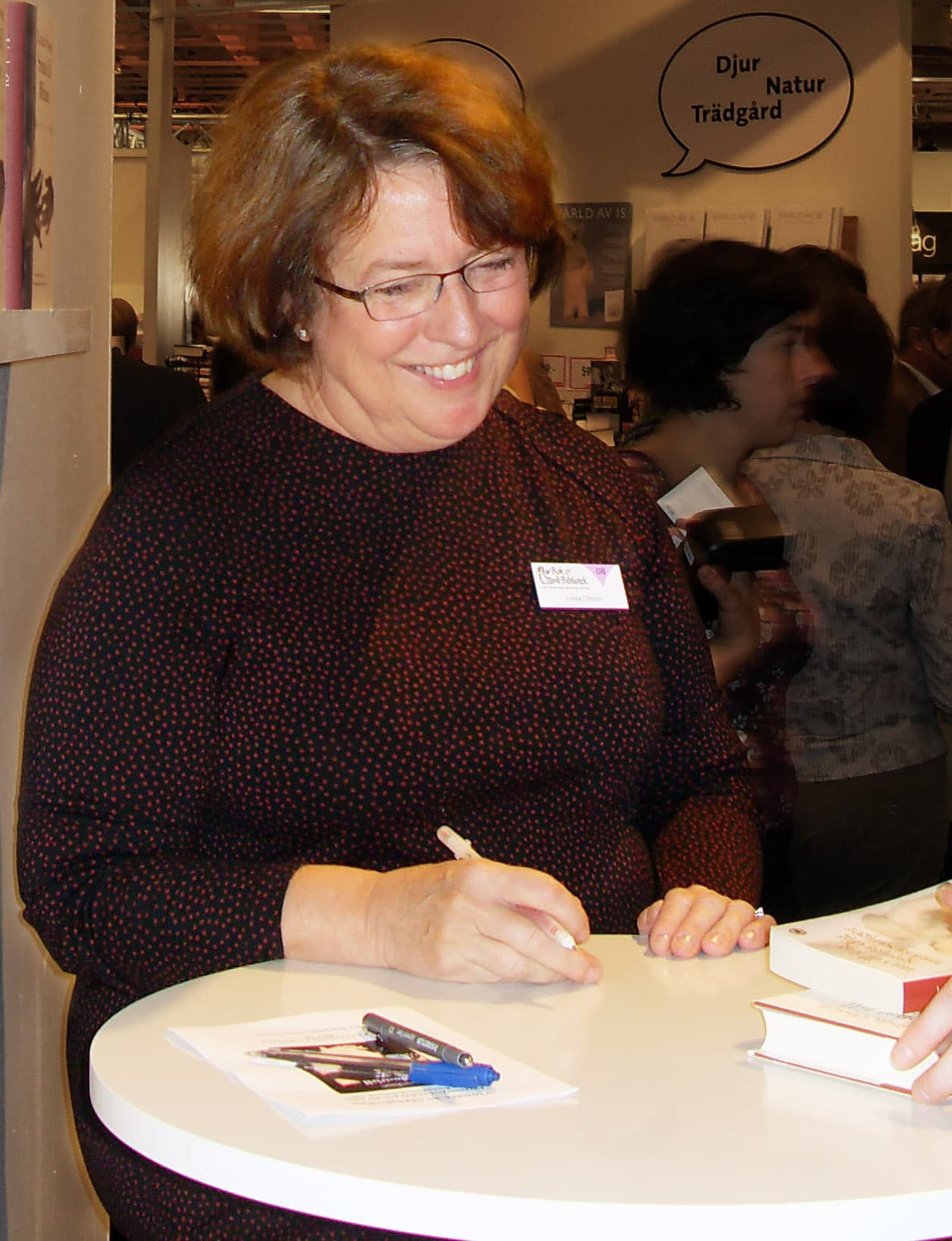
Linda Olsson is a fiction author known for her exploration of themes such as friendship and loss. Her notable work, "Astrid and Veronika," delves into the lives of two women who form an unexpected bond in a quiet Swedish town. Olsson's writing often reflects her own experiences and observations of human connection.
Similar books
- Major Pettigrew's Last Stand
Helen Simonson
3.9 (132k) average on GoodreadsLiterary FictionExplores an unlikely friendship and quiet reflections on life in a small community.
- A Man Called Ove
Fredrik Backman
4.4 (569k) average on GoodreadsFictionFeatures an elderly, initially grumpy character whose past is slowly revealed through interactions with a younger person.
- Gilead (Oprah's Book Club)
Marilynne Robinson
3.9 (126k) average on GoodreadsFictionA reflective, introspective novel focusing on memory, life, and quiet contemplation.
- The Nightingale
Kristin Hannah
4.6 (698k) average on GoodreadsHistorical FictionBoth novels explore women's resilience during wartime. Olsson's novel is more intimate and focused on psychological interiority, while Hannah's is broader in scope, more plot-driven, and epic in its historical canvas.
- The Old Man and the Sea
Ernest Hemingway
3.8 (831k) average on GoodreadsLiterary FictionA Cuban fisherman's long struggle with a giant marlin becomes a story of endurance and dignity, now retold for young adults with illustrations, phonetic guides, and writing prompts in Traditional Chinese.
- One Hundred Years of Solitude
Gabriel García Márquez
4.1 (753k) average on GoodreadsLiterary FictionThrough the multi-generational story of the Buendía family, a mythical town deals with the repeating patterns of time, love, and solitude, as the extraordinary mixes with the ordinary.






Enjoyed the summary?
A summary gives you the shape of the book. The book itself has the detail, the examples and the voice.
Find Astrid and Veronika on AmazonAs an Amazon Associate, BookBrief earns from qualifying purchases. How we're funded