

Synopsis
Covers the whole plot, including the ending.
- Difficulty
- Medium
- Pacing
- Slow
- Mood
- Dreamlike, Reflective, Serene, Melancholy
- Read it if
- You enjoy classic allegorical fairy tales, spiritual journeys, and gentle narratives that explore themes of life, death, and compassion through a child's eyes.
- Skip it if
- You prefer fast-paced plots, clear-cut fantasy systems, or stories without overt religious or spiritual undertones.
At the Back of the North Wind Plot Summary
Covers the whole plot, including the ending.
Diamond's First Encounter with the North Wind
Diamond, a young boy living above a stable with his poor but loving family, often sleeps in a small attic room next to a broken window. One night, the North Wind, personified as a beautiful, powerful woman with long, flowing hair, enters his room through the gap. She initially frightens him but quickly befriends him. Her coldness does not harm him. She takes him on a short, exhilarating flight over London, showing him the city lights and the stars. This first encounter establishes their unique relationship. Diamond is the only human who can see and interact with her in her true form. This sets the stage for his extraordinary adventures and spiritual education.
The Drowning of the Ship and the Introduction to Death
On one of their nocturnal journeys, the North Wind takes Diamond high above the sea. To his horror, he watches as she deliberately wrecks a ship, causing it to sink and its passengers to drown. Diamond is deeply distressed and questions her actions, unable to reconcile her gentle demeanor towards him with this act of destruction. The North Wind explains that she is not cruel but a bringer of change and transition, guiding souls to 'the country at the back of the North Wind,' a place of peace and beauty beyond earthly suffering. This event introduces Diamond to death and suffering through a spiritual lens, shaping his understanding of life and eternity.
Adventures with the North Wind and Encounters with Suffering
Diamond continues to accompany the North Wind on her nightly travels. She carries him across vast distances, showing him various places and people. He sees poverty, illness, and despair firsthand. Often, he sees the North Wind bring her cold comfort or usher souls away from their earthly suffering. Through these experiences, Diamond develops empathy and compassion. He learns that the North Wind, despite her often harsh methods, is ultimately benevolent, working towards a greater good that humans often cannot comprehend. These journeys solidify his unique position as her confidant and observer of her divine work.
Meeting the Little Orphan Nello
During his travels with the North Wind, Diamond encounters a young, neglected orphan boy named Nello, who lives a miserable existence. Filled with pity, Diamond tries to help Nello by bringing him food and offering comfort. He even tries to bring Nello to his own home, but his parents, though kind-hearted, are too poor to take in another child. This episode shows Diamond's innate goodness and his desire to alleviate suffering, even when faced with his own limitations. It also foreshadows his later efforts to bring joy and hope to those less fortunate than himself.
Diamond's Illness and Spiritual Growth
Diamond falls ill, confined to his bed for a long time. During this time, his connection with the North Wind intensifies. She visits him frequently, comforting him and engaging him in deep conversations about life, death, and the nature of her country. His physical weakness seems to enhance his spiritual sensitivity, allowing him to perceive more clearly the truths she imparts. This illness is not just a physical trial but a crucible for his spiritual development. It prepares him for a deeper understanding of the world beyond the physical and strengthens his faith in the North Wind's ultimate goodness.
The Coachman's Son Becomes a Coachman
As Diamond grows older, he follows in his father's footsteps and becomes a coachman. He continues to live a simple, humble life, but his experiences with the North Wind have left a lasting mark on him. He maintains his ability to see and communicate with her, though these encounters become more subtle and spiritual rather than purely physical flights. His unique perspective allows him to see beauty and meaning in the ordinary. He often shares his wisdom and gentle spirit with those he meets, including the passengers in his coach. His outward life is conventional, but his inner life remains extraordinary.
Spreading Hope and Kindness
As a coachman, Diamond encounters many people from different walks of life. He often shares his gentle philosophy and subtle insights, drawing upon the lessons learned from the North Wind, though he never directly reveals his secret. He particularly connects with children and those who are suffering, offering words of comfort and hope. His presence has a calming and uplifting effect on those around him. This shows how his spiritual understanding translates into practical kindness and compassion in his everyday life, making him a quiet beacon of light in a sometimes harsh world.
The North Wind's Final Guidance
As Diamond reaches the end of his life, the North Wind's presence becomes more pronounced and comforting. She visits him more frequently, speaking to him about the beautiful country at her back and assuring him of the peace that awaits. She helps him to understand that death is not an end but a transition, a journey to a place of eternal joy and understanding. These final conversations are filled with love and reassurance, preparing Diamond for his ultimate departure and reinforcing the spiritual truths he has learned throughout his life.
Diamond's Peaceful Passing
In his final moments, Diamond's family gathers around him. He remains serene and unafraid, comforted by the knowledge of what awaits him. He sees the North Wind one last time, her beautiful form welcoming him. With a peaceful smile, Diamond passes away. His spirit is seemingly carried away by his beloved North Wind to the beautiful country at her back. His death is depicted not as a tragic end but as a joyful homecoming, a fulfillment of the spiritual journey he began as a young boy, leaving his family with a sense of wonder and comfort, despite their grief.
At the Back of the North Wind Characters
Diamond
Protagonist
A young boy with a pure heart and a unique connection to the North Wind.
Diamond is a humble, sensitive, and profoundly spiritual boy who lives a simple life above a stable in London. He possesses an innate goodness, compassion, and an unusual ability to perceive spiritual realities that are hidden from others. His encounters with the North Wind shape his understanding of life, death, and suffering, instilling in him a deep sense of empathy and a gentle wisdom. He remains humble despite his extraordinary experiences, eventually becoming a coachman like his father, and continues to spread kindness and quiet understanding to those he meets.
Relationships: The North Wind (spiritual guide, benevolent companion, mother figure); Diamond's Father (loving, hardworking parent); Diamond's Mother (caring, practical parent); Nello (friend, recipient of Diamond's compassion)
The North Wind
Deuteragonist/Supernatural Guide
A powerful, ethereal, and maternal spirit who guides Diamond.
The North Wind is a complex, personified force of nature, appearing as a beautiful, colossal woman with long, flowing hair. She embodies both destructive power (wrecking ships, bringing cold) and profound benevolence (comforting Diamond, guiding souls). She is Diamond's spiritual mentor, revealing to him the mysteries of life, death, and the 'country at the back of the North Wind.' Her actions, though sometimes seemingly harsh, are always presented as part of a greater, loving divine plan, acting as a transition agent for souls.
Relationships: Diamond (spiritual guide, benevolent companion, mother figure)
Diamond's Father
Supporting
A hardworking and loving coachman.
Diamond's father is a kind, honest, and hardworking coachman who struggles to provide for his family in poverty-stricken London. He is a practical man, sometimes bewildered by Diamond's unusual thoughts and quiet nature, but he deeply loves and cares for his son. He represents the grounded, earthly reality from which Diamond's spiritual adventures diverge, yet he provides a stable and affectionate home environment that allows Diamond's gentle spirit to flourish. He is a pillar of quiet strength and integrity.
Relationships: Diamond (father-son relationship); Diamond's Mother (husband-wife relationship)
Diamond's Mother
Supporting
A caring and practical homemaker.
Diamond's mother is a loving and practical woman, concerned with the daily struggles of their poverty but always nurturing towards her son. She notices Diamond's unusual quietness and sensitivity but often attributes it to his delicate health. While she doesn't understand the depth of his spiritual experiences, she provides a warm and secure home. She represents the domestic sphere and the everyday concerns that ground Diamond's extraordinary life, offering unconditional love and support.
Relationships: Diamond (mother-son relationship); Diamond's Father (husband-wife relationship)
Nello
Supporting
A neglected orphan boy whom Diamond tries to help.
Nello is a young, impoverished orphan boy living a miserable existence. Diamond encounters him during his travels with the North Wind and is moved by his suffering. Nello represents the pervasive human misery and neglect that Diamond witnesses, serving as a catalyst for Diamond's acts of compassion and highlighting the stark contrast between human suffering and the North Wind's spiritual comfort. His brief appearance underscores Diamond's innate desire to alleviate pain.
Relationships: Diamond (friend, recipient of Diamond's compassion)
Mr. Raymond
Supporting
A kind gentleman who employs Diamond's father.
Mr. Raymond is the owner of the stables where Diamond's father works and where Diamond's family lives. He is a benevolent and understanding employer, showing kindness and consideration to Diamond's family. He represents a touch of upper-class compassion amidst the Victorian era's social inequalities, providing a secure, albeit humble, living for the family. His presence ensures a stable backdrop for Diamond's otherworldly experiences.
Relationships: Diamond's Father (employer-employee relationship); Diamond (benefactor)
The Stablemen
Supporting
Fellow workers at the stable.
The stablemen are the other workers at Mr. Raymond's stables. They interact with Diamond and his family, representing the wider working-class community. They are generally good-natured, though sometimes gruff, and their conversations and daily lives provide a sense of the ordinary world that Diamond inhabits when not with the North Wind. They serve as a backdrop for Diamond's quiet observations and interactions.
Relationships: Diamond (acquaintances, colleagues)
At the Back of the North Wind Themes
The Nature of Death and Suffering
The book explores death not as an end, but as a transition to a more beautiful existence. Through the North Wind, Diamond learns that suffering and death are part of a larger, benevolent divine plan, guiding souls to 'the country at the back of the North Wind.' The North Wind's destructive acts, like the sinking of the ship, are explained as necessary for this transition. This challenges conventional understandings of good and evil and offers comfort in the face of loss. This theme is central to Diamond's spiritual education.
“I am not cruel, Diamond, but I am stern. And I do not destroy; I only change. Death is but a door. The country at my back is a beautiful country.”
Spiritual Enlightenment and Innocence
Diamond's purity and innocence allow him to perceive spiritual truths and interact with the North Wind, a privilege denied to adults. His childlike faith and open-mindedness enable his spiritual growth. This contrasts with the often cynical or materialistic views of the adult world. The book suggests that true understanding comes not from worldly knowledge but from an innocent heart attuned to divine mysteries. Diamond's journey is one of spiritual awakening and deepening faith.
“It is only the pure in heart that can see me, Diamond. And you are one of them.”
Compassion and Service
Diamond's experiences with the North Wind, especially witnessing human suffering, cultivate compassion in him. He actively tries to alleviate the suffering of others, such as Nello, and as an adult coachman, he spreads kindness and comfort through his gentle demeanor and wise words. The book emphasizes the importance of empathy and acts of service as reflections of spiritual understanding and love. It shows how inner enlightenment translates into outward benevolence.
““If I could only carry him to the North Wind, she would take him to her own country,” thought Diamond, looking at the poor, shivering Nello.”
The Coexistence of the Mundane and the Miraculous
The story blends the harsh realities of Victorian London's poverty with the fantastical adventures of Diamond and the North Wind. Diamond lives a humble, everyday life as a coachman's son, yet he regularly journeys into a mystical realm. This juxtaposition highlights that spiritual wonder can be found within the ordinary, and that one's inner life can be rich despite external circumstances. The attic room and the broken window are portals, bridging these two worlds.
“His father was only a coachman, and he was only a coachman’s boy; but he had the North Wind for his friend, and that made all the difference.”
Plot Devices & Literary Techniques
Personification of Natural Forces
The North Wind embodies a powerful, benevolent, and complex spiritual entity.
The North Wind is not merely a weather phenomenon but a fully personified character—a beautiful, colossal woman with long, flowing hair and a dual nature. She represents a divine force that brings both destruction and comfort, acting as a guide for souls to the afterlife. This personification allows for direct dialogue and interaction, making abstract spiritual concepts tangible and creating a unique mentor-protégé relationship with Diamond, through whom complex theological ideas are explored in an accessible way.
The 'Country at the Back of the North Wind'
A symbolic representation of heaven or the afterlife.
This mysterious, beautiful country is presented as the ultimate destination for souls, a place of peace, understanding, and eternal joy. It serves as a powerful symbol of the afterlife, offering comfort and hope in the face of death and suffering. Its abstract nature allows readers to project their own spiritual interpretations onto it, while its repeated mention reinforces the book's central theme of death as a transition rather than an end. It is the driving force behind the North Wind's actions and Diamond's spiritual journey.
The Attic Room and Broken Window
A liminal space serving as a portal between worlds.
Diamond's small, humble attic room with its broken window is more than just a setting; it's a symbolic threshold. The broken window allows the North Wind to enter, transforming an ordinary, impoverished space into a gateway to extraordinary spiritual adventures. It represents the permeability between the mundane earthly world and the miraculous spiritual realm, suggesting that divine access is available even in the most unlikely and humble circumstances, especially to those with a pure heart like Diamond.
Dream-like Narrative Structure
A fluid and episodic structure reflecting spiritual journeys and visions.
The narrative often shifts between Diamond's waking life and his ethereal journeys with the North Wind, which sometimes possess a dream-like quality. Events are not always strictly linear or bound by conventional realism; instead, they flow with a logic that prioritizes spiritual lessons and symbolic encounters. This structure mirrors the subjective nature of spiritual experience and allows for a seamless integration of fantasy and reality, enhancing the mystical atmosphere and focusing on the emotional and spiritual impact rather than strict plot progression.
At the Back of the North Wind Quotes
“Sleep, little one, sleep. The wind is singing thee to sleep.”
“I'm not a lady. I'm North Wind.”
“The wind blows wherever it lists, and you hear the sound thereof, but canst not tell whence it cometh, and whither it goeth: so is every one that is born of the Spirit.”
“It's the only way of getting to the back of the North Wind.”
“You are not to be a gentleman; you are to be a man.”
“If you don't grow, you're dead.”
“The loveliest thing God made is a tree.”
“It is always good to have a good cry when you are sad.”
“To be clean is to be beautiful.”
“The wind does not break the tree that bends.”
“There is no end to the good that a man may do, if he does not care who gets the credit.”
“It is only the good things that are true.”
“You must be very careful not to let your heart go to sleep.”
“The best thing is to be good.”
Quiz
10 questions on the plot and the characters. Each answer comes with a short explanation.
Question 1
What is the name of the main character, the young boy who encounters the North Wind?
- George
- Diamond
- Peter
- William
Show answer
B. Diamond The main character of the story is Diamond, the son of a poor coachman, who is taken on adventures by the North Wind.
Question 2
What is Diamond's father's occupation?
- A baker
- A blacksmith
- A coachman
- A farmer
Show answer
C. A coachman Diamond's father is described as a poor coachman, which sets the scene for Diamond's humble beginnings in mid-19th-century England.
Question 3
How is the North Wind primarily depicted in the story?
- As a fierce, destructive monster
- As a radiant, maternal spirit with long, flowing hair
- As an invisible, mischievous prankster
- As an old, wise hermit living in the mountains
Show answer
B. As a radiant, maternal spirit with long, flowing hair The North Wind is characterized as a beautiful, maternal spirit with long, flowing hair, who takes Diamond on his transformative journeys.
Question 4
What is the 'beautiful country' that Diamond glimpses, which transforms his life?
- The land of eternal summer
- The heart of the forest
- At the back of the north wind
- The city of golden gates
Show answer
C. At the back of the north wind The 'beautiful country' is specifically referred to as 'at the back of the north wind,' which is the central ethereal landscape of the story and the source of its title.
Question 5
What literary tradition is the book said to combine with its fantastical elements?
- Gothic horror literature
- Romantic poetry
- Dickensian regard for the working class
- Arthurian legends
Show answer
C. Dickensian regard for the working class The book is noted for combining its ethereal fantasy with a 'Dickensian regard for the working class of mid-19th-century England,' highlighting the social context of the story.
Question 6
How does the North Wind typically transport Diamond?
- By magically shrinking him to fit in her pocket
- By carrying him on her back or in her arms as she flies
- By transforming him into a bird
- She guides him through a secret portal
Show answer
B. By carrying him on her back or in her arms as she flies The North Wind physically carries Diamond during their journeys, often described as holding him gently as they sweep across the land.
Question 7
What is a significant aspect of the North Wind's character, beyond her physical description?
- She is primarily a destructive force, only occasionally benevolent.
- She represents both harshness and tenderness, a force of nature that can be both gentle and stern.
- She is a silent guardian who rarely communicates with Diamond.
- She is a trickster figure who often misleads Diamond.
Show answer
B. She represents both harshness and tenderness, a force of nature that can be both gentle and stern. The North Wind embodies a complex duality, capable of both the fierce winds that cause hardship and the gentle, maternal care that guides Diamond, symbolizing life's alternating difficulties and comforts.
Question 8
The story is described as a 'Victorian fairy tale.' What does this imply about its themes or style?
- It features intricate political allegories about the British Empire.
- It often blends fantastical elements with moral instruction and a focus on innocence and spirituality.
- It is primarily a satire of the upper classes of Victorian society.
- It is a straightforward adventure story with no deeper meaning.
Show answer
B. It often blends fantastical elements with moral instruction and a focus on innocence and spirituality. Victorian fairy tales, especially by authors like MacDonald, often combine fantasy with strong moral and spiritual undertones, aiming to instruct and uplift their young readers while exploring themes of innocence, suffering, and redemption.
Question 9
What is the primary effect of Diamond's encounters with the North Wind and the 'beautiful country' on his life?
- He gains immense wealth and social status.
- He becomes a powerful magician, able to control the weather.
- His perspective on life is transformed, deepening his understanding of beauty, suffering, and death.
- He becomes fearful of the wind and isolates himself from the world.
Show answer
C. His perspective on life is transformed, deepening his understanding of beauty, suffering, and death. Diamond's adventures with the North Wind are transformative, giving him insights into the profound mysteries of life, suffering, and the spiritual realm, which profoundly alters his understanding and outlook.
Question 10
Which of the following best describes the genre of 'At the Back of the North Wind'?
- Historical fiction
- Science fiction
- Fantasy, Children's, Young Adult
- Detective mystery
Show answer
C. Fantasy, Children's, Young Adult The book is explicitly described as 'Fantasy, Children's, Young Adult,' reflecting its blend of magical elements, appeal to younger readers, and themes relevant to maturation.
At the Back of the North Wind FAQ
What is "At the Back of the North Wind" about?
The story follows Diamond, a young boy from a poor working-class family, who befriends the mysterious and powerful North Wind. He is frequently taken on journeys with her, sometimes witnessing human suffering and other times experiencing glimpses of a beautiful, peaceful country beyond the physical world, which profoundly shapes his perspective on life and death.
Why should I read "At the Back of the North Wind"?
You should read this book for its unique blend of Victorian social commentary and profound spiritual allegory. It offers a tender, imaginative exploration of faith, death, and the unseen world, all through the eyes of an innocent child, providing both comfort and intellectual stimulation.
What is the background/setting of "At the Back of the North Wind"?
The story is primarily set in mid-19th-century England, depicting the harsh realities of urban poverty and the working class, particularly through Diamond's experiences as a coachman's son and later as a stable boy. This realistic setting is juxtaposed with the ethereal, fantastical journeys Diamond takes with the North Wind to a mystical realm.
What are the most memorable quotes?
One memorable quote is when North Wind tells Diamond, "You think I am cruel, but I am not. I am only beautiful." Another is Diamond's simple observation, "I have been at the back of the North Wind," which encapsulates his unique experiences and understanding.
What writing style does George MacDonald use?
MacDonald employs a lyrical and allegorical writing style, blending straightforward narrative with poetic descriptions and philosophical musings. His language is often simple yet profound, reflecting the innocence of Diamond while conveying complex spiritual themes, characteristic of Victorian fairy tales.
What minor details add significant meaning?
The recurring imagery of Diamond's connection to horses, particularly his gentle care for them, subtly highlights his innate empathy and purity of spirit, contrasting with the often harsh human world. His simple acts of kindness, like sharing his bread, are small but significant demonstrations of his character.
What are some subtle foreshadowing moments?
North Wind's frequent discussions with Diamond about death, suffering, and the nature of her own actions often subtly foreshadow moments of loss and transformation in Diamond's life. Her gentle but firm guidance prepares him for an eventual, peaceful transition.
What unexpected character connections exist?
The most unexpected connection is between Diamond, a poor stable boy, and the divine, powerful spirit of North Wind. Their relationship transcends social class and natural laws, forming a unique bond that allows Diamond to experience otherworldly wisdom and comfort.
What are unspoken character motivations?
North Wind's motivations, while often explained as 'doing her work,' carry an unspoken maternal tenderness towards Diamond. Her actions, though sometimes seemingly harsh, are driven by a deep, loving desire to guide and prepare him for spiritual understanding and a peaceful transition.
What psychological complexities do characters exhibit?
Diamond, despite his youth, exhibits a profound psychological resilience and unwavering faith in the North Wind, even when her actions cause him pain or confusion. His ability to reconcile earthly suffering with spiritual beauty is a central complexity.
What are the major emotional turning points?
A major emotional turning point is when Diamond witnesses the death of the stable boy, Nanny, and experiences profound grief, yet is comforted by North Wind's explanation of a peaceful journey to the beautiful country. Another is his own quiet acceptance of his eventual departure.
How do relationship dynamics evolve?
Diamond's relationship with North Wind evolves from initial fear and wonder to deep trust and understanding, transforming her from a mysterious force into a loving, guiding mentor. His relationships with his family and other children also deepen as his spiritual maturity grows.
Which parts remain ambiguous or open-ended?
The exact nature of the 'country at the back of the North Wind' remains somewhat ambiguous, described more as a feeling and a spiritual state than a physical place. Whether Diamond's experiences are literal journeys or symbolic visions is also left open to interpretation.
What are controversial scenes or decisions?
The scenes where North Wind seemingly causes harm or death, such as sinking ships or bringing cold, can be controversial, as they challenge conventional notions of a benevolent guardian. Her actions force readers to confront the idea of suffering as a part of a larger, divine plan.
"At the Back of the North Wind" ending explained: how it ends & what it means
The book ends with Diamond's peaceful death, which is depicted not as an end, but as his final, joyful journey to the beautiful country at the back of the North Wind. It signifies his ultimate spiritual liberation and reunion with the divine, fulfilling his lifelong quest for that ethereal realm.
About the author
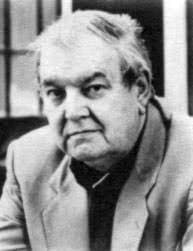
George MacDonald was a Scottish author and a pioneer of modern fantasy literature in the 19th century. He is known for his imaginative works, including "The Princess and the Goblin," "Phantastes," and "Lilith," which explore themes of morality and spirituality. His stories often blend elements of fairy tales and allegory, influencing later writers such as C.S. Lewis and J.R.R. Tolkien.
Similar books
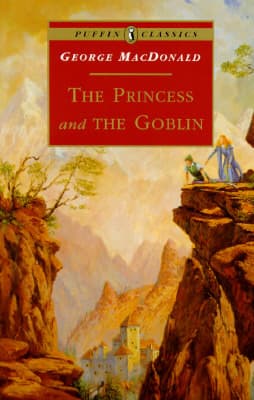
- The Princess and the Goblin
George MacDonald
4.0 (30k) average on GoodreadsFantasyShares a similar allegorical style, gentle tone, and mystical elements from the same author.
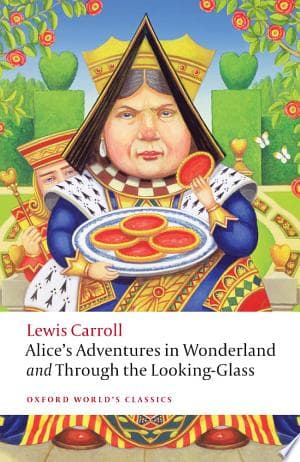
- Alice's Adventures in Wonderland
Lewis Carroll
4.0 (245k) average on GoodreadsFantasyFeatures a child protagonist entering a fantastical, often dreamlike world with allegorical undertones.
- A Christmas Carol
Charles Dickens
4.1 (600k) average on GoodreadsFantasyCombines a Dickensian regard for the working class with supernatural interventions for moral growth.
- Harry Potter and the Sorcerer's Stone
J.K. Rowling
4.5 (7M) average on GoodreadsFantasyRescued from a miserable life under the stairs, an orphaned boy discovers he's a wizard destined for a magical school, where he uncovers a dangerous secret tied to the dark wizard who murdered his parents.
- The Hunger Games
Suzanne Collins
4.3 (6.4M) average on GoodreadsFantasyIn a future where children fight to the death on live television, Katniss Everdeen volunteers for the arena, turning a death sentence into a fight for survival and a spark of rebellion.
- 1984
George Orwell
4.2 (3.1M) average on GoodreadsPoliticsIn a future where surveillance and thought control are absolute, a man's search for truth clashes with the Party, showing that hope can be a form of rebellion.



Enjoyed the summary?
A summary gives you the shape of the book. The book itself has the detail, the examples and the voice.
Find At the Back of the North Wind on AmazonAs an Amazon Associate, BookBrief earns from qualifying purchases. How we're funded