
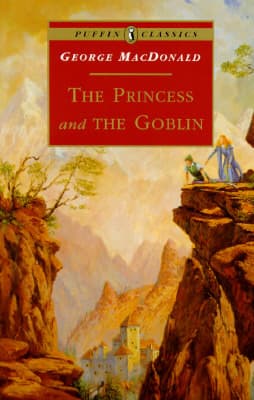
Synopsis
Covers the whole plot, including the ending.
- Difficulty
- Easy
- Pacing
- Moderate
- Mood
- Whimsical, Mysterious, Adventurous, Moralistic
- Read it if
- You enjoy classic children's fantasy with a strong moral core, a sense of wonder, and a touch of the eerie.
- Skip it if
- You prefer modern, fast-paced fantasy or dislike allegorical storytelling.
The Princess and the Goblin Plot Summary
Covers the whole plot, including the ending.
Princess Irene's Lonely Mountain Home
Princess Irene, a young girl, lives in a large, ancient castle high in the mountains, cared for by her nurse, Lootie. Her father, the King, is often absent. One rainy day, feeling lonely, Irene explores the castle's upper floors, which Lootie has forbidden. She discovers a hidden staircase leading up to a tower room, where she meets a beautiful, wise, and ancient lady spinning thread. This lady, who says she is Irene's great-great-grandmother, has magical abilities, including an invisible silver thread that only Irene can see and feel. This thread is meant to guide and protect her. Lootie, upon finding Irene, says the encounter was a dream, but Irene knows it was real.
Curdie's Encounter with the Goblins
Curdie, a courageous and kind-hearted young miner, works deep within the mountain's mines alongside his father. He often sings to the mining animals, especially his pigeon, making his work a joyful experience. One day, while exploring a new vein, Curdie's lamp is extinguished by a strange, hard lump of rock. He hears peculiar sounds and, investigating, meets a group of goblins. He notices their extremely sensitive, vulnerable feet, which are the opposite of human feet, having no toes and being flat and soft. Curdie hides and overhears the goblins discussing their hatred for humans and their plans for revenge against the surface dwellers, mentioning a scheme involving water.
Irene Gets Lost in the Mountain
One evening, Princess Irene and Lootie are walking later than usual on the mountain slopes. As dusk approaches, Lootie realizes they are lost and begins to panic. Suddenly, they hear strange, growling noises and see grotesque figures emerging from the rocks — the goblins. The goblins, attracted by the light of Lootie's lantern, threaten the princess and her nurse. Lootie faints from fear, leaving Irene vulnerable. Just as the goblins are about to seize them, Curdie appears, having heard the commotion. He bravely confronts the goblins, pelting them with stones and singing, driving them away and rescuing Irene and Lootie, guiding them back to the castle.
Curdie Investigates the Goblin Caves
After rescuing Irene, Curdie decides to understand the goblins' plans. He knows they are usually harmless to humans unless provoked, but their recent aggression and overheard conversations suggest something more sinister. Armed with his pickaxe and a keen sense of observation, Curdie follows a goblin into a deep, winding passage within the mines, leading him into the goblins' vast underground city. He navigates their dark, echoing caverns, carefully avoiding detection, and observes their peculiar society, their strange stone dwellings, and their crude but powerful King and Queen.
The Goblins' Grand Scheme Revealed
Deep within the goblin kingdom, Curdie hides and listens to a meeting of the goblin court. He learns the full extent of their malicious plot: the goblins plan to flood the mines and the castle above by diverting a large underground stream. Also, their Prince Froglip, a particularly ugly and disagreeable goblin, is to kidnap Princess Irene and force her into marriage, thereby claiming the surface kingdom. Curdie also discovers that the goblins' main weakness is their incredibly tender feet, which are severely pained by anything hard or rough, especially stones. This knowledge gives Curdie a potential weapon against them.
Irene Follows the Thread
Meanwhile, back in the castle, Princess Irene is increasingly drawn to her great-great-grandmother. The old lady's invisible silver thread, which only Irene can perceive and feel, becomes a tangible guide. One night, the thread leads Irene through a series of secret passages within the castle walls, passages that Lootie or any other servant does not know about. These passages connect Irene's room directly to her great-great-grandmother's tower. During these visits, the old lady shares wisdom and comfort, preparing Irene for the trials to come and reinforcing the importance of faith and inner sight.
Curdie's Imprisonment and Escape
While trying to further investigate the goblins' plans and find a way to warn the surface dwellers, Curdie is discovered and captured by a group of goblins. They imprison him in a dark, damp cell within their underground city. However, Curdie remembers their sensitive feet. He uses his knowledge of their weakness, kicking and stomping with his hard miner's boots, causing the goblins immense pain and confusion. This allows him to overpower his guards and escape his confinement, though he remains deep within the goblin tunnels, determined to reach the surface with his vital information.
Irene's Thread Leads to Curdie
After Curdie's escape, he finds himself lost and injured in the mountain's intricate tunnels, unable to find his way out. Above ground, Princess Irene's invisible silver thread begins to pull her with increasing urgency. Following its guidance, she goes into the mines, navigating the dark, dangerous passages. The thread leads her directly to Curdie, who is weak and disoriented. She offers him bread and wine. With her help and the strength provided by the food, Curdie regains his composure. Together, they begin to make their way back towards the surface, with Irene's thread as their sole guide.
The Goblin Attack and Flood
The goblins carry out their plan, diverting the underground river and causing a large flood in the mines and the castle's foundations. At the same time, Prince Froglip and his group attack the castle to abduct Princess Irene. Curdie, having returned to the surface with Irene, is now able to warn the King's guards. He tells the soldiers to wear thick, hard boots and to stomp and kick the goblins' sensitive feet. This tactic works well, causing chaos among the goblin ranks and preventing them from reaching Irene, who is protected by her great-great-grandmother's guidance.
The Final Confrontation and Resolution
The combined efforts of Curdie's strategy and the King's soldiers stop the goblin attack. The goblins, hurt by the pain in their feet, retreat. Curdie, with his mining skills, helps the King's men find and seal the breach that caused the flooding, preventing more damage to the castle and mines. Princess Irene is safe, and the goblin threat is gone. The King, grateful for Curdie's bravery and intelligence, rewards him. The mountain is peaceful again, with the goblins retreating deeper into their kingdom, their plans completely failed. Irene and Curdie, now good friends, share a bond made in courage and faith.
Principal Figures
Princess Irene
Protagonist
A curious and imaginative young princess guided by faith and a magical thread.
Princess Irene is a lonely but imaginative young girl, living in a large castle in the mountains. She possesses an innocent faith and an open mind, which allows her to perceive the magical great-great-grandmother and her invisible silver thread. Her curiosity leads her to discover secrets within the castle and later, with the thread's guidance, into the dangerous mines. She is brave when necessary, particularly in her encounters with goblins, and shows compassion towards Curdie. Her journey is one of learning to trust divine guidance and developing inner strength.
Relationships: Great-great-grandmother (mentor and divine guide); Curdie (friend and ally); Lootie (nurse and caregiver (sometimes overprotective)); King (father)
Curdie Peterson
Protagonist
A brave and resourceful young miner who uncovers the goblins' plot.
Curdie is a kind-hearted and courageous miner's son, known for his singing and his love for animals, especially his pigeon. He is intelligent, observant, and possesses a strong sense of justice. His practical skills as a miner, combined with his quick thinking and bravery, make him the ideal hero to uncover and counter the goblins' schemes. He is initially skeptical of Irene's stories but comes to respect her and her great-great-grandmother's wisdom. Curdie represents the hardworking, honest folk of the mountain.
Relationships: Princess Irene (friend and ally); Father (mining partner and mentor); Great-great-grandmother (respected, though unseen, figure)
Great-great-grandmother
Supporting
Princess Irene's magical, wise, and eternal ancestress who guides and protects her.
This mysterious, ancient lady resides in the highest tower of the castle, accessible only through a secret stair. She is Irene's great-great-grandmother, possessing ageless beauty and profound wisdom, along with magical abilities, most notably the invisible silver thread. She acts as Irene's spiritual guide and protector, teaching her about faith, truth, and the unseen forces at work in the world. She represents divine guidance and eternal love, always watching over Irene and intervening subtly but powerfully when needed.
Relationships: Princess Irene (great-great-granddaughter and protégé); Curdie (indirectly guides and aids)
Lootie
Supporting
Princess Irene's well-meaning but often fearful and overly protective nurse.
Lootie is Princess Irene's nurse, a well-intentioned woman who cares deeply for the princess but is limited by her mundane perspective and fearfulness. She dismisses Irene's encounters with her great-great-grandmother as dreams or imagination, unable to perceive the magic. Her overprotective nature often restricts Irene's freedom, and her fear makes her vulnerable to the goblins. Despite her shortcomings, she is ultimately loyal to Irene, though she needs to be rescued by Curdie multiple times.
Relationships: Princess Irene (charge and ward)
The Goblin King
Antagonist
The crude and powerful ruler of the goblins, orchestrating their plot against humans.
The Goblin King is the rough and cunning ruler of the underground goblin kingdom. He embodies the goblins' hatred for surface dwellers and their desire for revenge. He is less intelligent than his wife but holds ultimate authority, allowing her to devise their schemes. He is determined to see his son, Prince Froglip, marry Princess Irene to claim the surface kingdom, demonstrating his ambition and malice. He is characterized by his grotesque appearance and his cruel nature.
Relationships: The Goblin Queen (wife and chief strategist); Prince Froglip (son)
The Goblin Queen
Antagonist
The cunning and intelligent wife of the Goblin King, the true mastermind behind their plots.
The Goblin Queen is the more intelligent and cunning of the royal goblin couple. She is the true architect of the goblins' malicious plans, including the scheme to flood the mines and marry Prince Froglip to Princess Irene. She is described as having a particularly unpleasant face and a sharp mind, making her a formidable adversary. Her manipulative nature drives much of the conflict, as she exploits the goblins' collective resentment towards humans.
Relationships: The Goblin King (husband); Prince Froglip (son)
Prince Froglip
Antagonist
The ugly and unpleasant goblin prince, intended husband for Princess Irene.
Prince Froglip is the son of the Goblin King and Queen, and a particularly repulsive goblin. He is central to the goblins' plot to kidnap Princess Irene and force her into marriage, a scheme driven by his parents' ambition to claim the surface world. He is portrayed as arrogant, cowardly, and deeply unattractive, making his intended union with Irene all the more horrifying. His character primarily serves as a symbol of the goblin threat to Irene's innocence and freedom.
Relationships: The Goblin King (father); The Goblin Queen (mother); Princess Irene (intended victim)
The King
Supporting
Princess Irene's father, the benevolent but often absent ruler of the kingdom.
The King is Princess Irene's father and the ruler of the mountain kingdom. He is a good and just king, but his duties often keep him away from the castle, leaving Irene in Lootie's care. He is initially unaware of the goblin threat but trusts Curdie's warnings and acts decisively when informed. His role is to provide authority and protection, representing the earthly power that, while good, needs the insight of individuals like Curdie and the divine guidance Irene receives to truly defend the kingdom.
Relationships: Princess Irene (daughter); Curdie (trusted ally)
Themes & Insights
Faith and Inner Sight vs. Rationalism
This theme explores the contrast between believing in the unseen and relying only on tangible evidence. Princess Irene's ability to see and feel her great-great-grandmother and the silver thread represents faith and spiritual intuition, letting her perceive truths others cannot. Lootie, on the other hand, embodies rationalism, dismissing anything she cannot physically comprehend. The book suggests that true understanding and guidance often come from a realm beyond mere sensory perception, showing the limits of a purely logical worldview when faced with spiritual realities and hidden dangers.
“If you are a child of the King, you must do the King’s business.”
Courage and Resourcefulness
The story champions courage, both physical and moral, and the importance of ingenuity in overcoming adversity. Curdie shows this theme through his bravery in going into the goblin mines, his quick thinking to escape capture, and his clever use of the goblins' weakness (their feet) to defeat them. Irene also shows courage by following the mysterious thread into dangerous places and facing the goblins. The story says that courage is not just about fighting, but also about daring to explore, to believe, and to act on one's convictions.
“It is only when we are no longer afraid that we begin to live.”
Good vs. Evil and the Nature of Monstrosity
The conflict between the humans and the goblins is a clear representation of good versus evil. The goblins embody malice, deceit, and a desire for revenge against the surface world, stemming from their own deformity and bitterness. Their monstrosity is not just physical but moral. In contrast, Irene and Curdie represent goodness, kindness, and light. The book shows how evil can fester underground and plot against the innocent, and how it can be defeated not just by strength, but by understanding its weaknesses and by the power of light and truth.
“They were not ugly, but they were not beautiful.”
Guidance and Protection
The theme of guidance and protection is central, primarily through Princess Irene's great-great-grandmother and her magical silver thread. This thread symbolizes divine or ancestral guidance, an unseen force that leads Irene through danger and into truth. It represents the idea that benevolent forces look out for the innocent, even when they are unaware. Curdie also acts as a protector for Irene and the kingdom, showing human responsibility and care. The story suggests that both spiritual and earthly forms of protection are necessary to navigate life's perils.
“That thread, child, is a guide for your thoughts, not for your feet.”
The Power of Song and Imagination
The book highlights the power of song and imagination as forces against darkness and despair. Curdie's singing brings joy to his work in the mines and even disorients the goblins, showing music's ability to uplift and deter evil. Irene's imagination lets her perceive the magical realm of her great-great-grandmother, which others cannot. This theme suggests that artistic expression, joy, and the ability to imagine beyond the mundane are vital human attributes that can provide strength, comfort, and even practical defense against the grim realities of the world.
“Singing is like a lamp in a dark place.”
Plot Devices & Literary Techniques
The Invisible Silver Thread
A magical, invisible thread that guides Princess Irene.
The invisible silver thread, given to Princess Irene by her great-great-grandmother, is a central symbolic and literal plot device. Only Irene can see and feel it, serving as a direct manifestation of divine guidance and faith. It literally leads her through secret passages and dangerous mines, but also metaphorically guides her spiritual and moral development. It represents the unseen connections and protective forces at work in the world, emphasizing the theme of faith over rational sight. Its presence allows for Irene's critical role in the plot, enabling her to find Curdie and navigate the castle's hidden paths.
The Goblins' Sensitive Feet
The goblins' primary physical weakness, exploited by Curdie.
The goblins' extremely sensitive, vulnerable feet are a crucial plot device. Their feet, being soft and flat with no toes, are severely pained by anything hard or rough, especially stones or hard boots. This physical weakness, discovered by Curdie, provides the key to defeating the goblins' plans. It transforms a seemingly overwhelming enemy into one that can be overcome with simple, everyday objects and clever tactics. It also serves as a symbolic representation of their unnatural and inverted nature compared to humans, whose feet are designed for hard surfaces.
Secret Passages and Hidden Rooms
Architectural features that facilitate plot movement and reveal hidden truths.
The castle's secret passages and hidden rooms, particularly the staircase to the great-great-grandmother's tower, are vital plot devices. They allow Irene to access a magical realm and receive guidance without the knowledge of others, highlighting the theme of hidden truths. Later, these passages become crucial for Irene's movement through the castle and eventually into the mines, guided by the silver thread. They serve to isolate Irene's experiences and emphasize the idea that important realities often exist just beyond the visible or easily accessible.
The Mountain Setting
The physical environment that shapes the story's conflict and atmosphere.
The mountain setting is more than just a backdrop; it is a significant plot device. Its dual nature, with the beautiful, sunlit surface and the dark, labyrinthine underground mines, directly reflects the conflict between good and evil, light and darkness. The mountain provides the goblins with their hidden kingdom and the means for their subterranean plot (the underground river), while also containing the castle where Irene resides. The harshness of the mountain environment also contributes to the characters' resilience and resourcefulness, particularly for miners like Curdie.
The Princess and the Goblin Quotes
“The princess was a sweet little creature, and at the time my story begins was about eight years old, I think, but she got older very fast.”
“I have come to see you, Irene. I am your great-great-grandmother.”
“You must not say you are not afraid. You must be afraid, but you must not be afraid to be afraid.”
“I don't know exactly what a princess does, but I know she must be a kind of a queen.”
“The goblins had no hearts, and they hated everything that was good and beautiful.”
“Curdie, you are a poet and don't know it.”
“The thread is always there, and you must always hold it fast.”
“I am not a goblin, I am a miner's boy.”
“The goblins are afraid of poetry and songs and stories and all such things.”
“You see, Irene, you are not to be a princess only; you are to be a queen.”
“It is not what you are born, but what you grow to be.”
“The fire is the only thing they are afraid of, because it is the only thing that can hurt them.”
“I will follow the thread, for my grandmother told me to.”
“A princess must not be greedy, but she must be generous.”
Quiz
10 questions on the plot and the characters. Each answer comes with a short explanation.
Question 1
What does Princess Irene discover in the castle that leads her to her great-great-grandmother?
- A hidden door behind a tapestry
- A secret stair in her bedroom
- A tunnel in the garden
- A magic mirror in the library
Show answer
B. A secret stair in her bedroom Princess Irene finds a hidden spiral staircase in her bedroom that leads to the attic where her mysterious great-great-grandmother lives, setting the magical plot in motion.
Question 2
What is Curdie's occupation at the beginning of the story?
- A castle guard
- A miner
- A shepherd
- A blacksmith's apprentice
Show answer
B. A miner Curdie works as a miner in the mountains near the castle, which allows him to overhear the goblins' plotting in their underground realm.
Question 3
What magical gift does Irene's great-great-grandmother give her for protection?
- A silver sword
- A ring with a magical thread
- A cloak of invisibility
- A talking bird companion
Show answer
B. A ring with a magical thread The great-great-grandmother gives Irene a ring attached to an invisible thread that she can follow to find her way back to safety when lost.
Question 4
Why are the goblins particularly vulnerable to human poetry and songs?
- They have sensitive hearing that poetry damages
- Their feet are tender and poetry makes them dance painfully
- Poetry reveals their true names, weakening them
- Songs remind them of their lost humanity, causing despair
Show answer
B. Their feet are tender and poetry makes them dance painfully Goblins have extremely tender feet (having once been human), and rhythmic poetry or songs force them to dance against their will, causing them great pain and making them vulnerable.
Question 5
What is the goblins' primary scheme that Curdie overhears?
- To kidnap Princess Irene for ransom
- To flood the castle with underground rivers
- To kidnap human children to turn them into goblins
- To tunnel into the castle and kidnap the princess to marry their prince
Show answer
D. To tunnel into the castle and kidnap the princess to marry their prince The goblins plan to dig tunnels into the castle to kidnap Princess Irene so their goblin prince can marry her, which would give them power over the human kingdom.
Question 6
How does Curdie initially react when Irene tells him about her great-great-grandmother?
- He believes her immediately and offers to help
- He dismisses it as a childish fantasy
- He becomes frightened and warns her of danger
- He asks to meet the great-great-grandmother himself
Show answer
B. He dismisses it as a childish fantasy Curdie initially doesn't believe Irene's stories about her magical great-great-grandmother, thinking she's imagining things, which creates tension in their relationship.
Question 7
What major theme is explored through Irene's relationship with her great-great-grandmother?
- The importance of royal lineage and duty
- The conflict between science and magic
- Faith in the unseen and spiritual guidance
- The dangers of curiosity and exploration
Show answer
C. Faith in the unseen and spiritual guidance The relationship emphasizes themes of faith and trust in invisible realities, as Irene must believe in her great-great-grandmother's guidance even when others doubt her.
Question 8
What crucial weakness of the goblins does Curdie exploit when captured in their caverns?
- Their fear of sunlight
- Their inability to swim
- Their vulnerability to the word 'mother'
- Their tender feet and hatred of poetry
Show answer
D. Their tender feet and hatred of poetry When captured, Curdie recites rhymes and verses that force the goblins to dance painfully on their tender feet, allowing him to escape and later use this knowledge against them.
Question 9
What symbolic role does Irene's great-great-grandmother's spinning wheel play in the story?
- It represents the passage of time and aging
- It symbolizes domesticity and traditional women's roles
- It represents divine providence and protective guidance
- It signifies the industrial revolution's threat to magic
Show answer
C. It represents divine providence and protective guidance The spinning wheel, which produces the magical thread for Irene's ring, symbolizes divine care and guidance—the thread always leads Irene to safety, representing providential protection.
Question 10
How does the resolution of the goblin threat fundamentally change the relationship between humans and goblins?
- The goblins are completely exterminated by the humans
- The goblins retreat deeper underground and sever all contact
- A peace treaty is established with mutual avoidance
- Goblins are integrated into human society as equals
Show answer
C. A peace treaty is established with mutual avoidance After their defeat, the goblins agree to avoid humans entirely and stay in their deepest caverns, establishing an uneasy peace based on separation rather than integration or destruction.
The Princess and the Goblin FAQ
What is 'The Princess and the Goblin' about?
The story follows Princess Irene, who discovers a secret stair in her castle leading to her magical great-great-grandmother, and Curdie, a miner's son who overhears the goblins plotting to kidnap Irene and flood the mines. Their separate knowledge converges as they work together to foil the goblins' schemes, with Irene's grandmother providing mystical guidance and a magical thread.
Why should I read 'The Princess and the Goblin'?
It's a foundational work of fantasy literature that influenced authors like C.S. Lewis and J.R.R. Tolkien, blending adventure with profound themes of courage, faith, and the unseen spiritual world. The dual narrative of Irene's mystical discoveries and Curdie's practical bravery creates a compelling balance of wonder and action that appeals to both children and adults.
What is the background/setting of 'The Princess and the Goblin'?
Set in a mountainous kingdom where humans live in a castle and mines, while goblins inhabit underground caverns. The castle contains hidden rooms and secret passages, most notably the attic where Irene's grandmother resides, creating a contrast between the civilized human world and the dark, subterranean realm of the goblins.
What are the most memorable quotes?
Key quotes include Irene's grandmother saying, 'Seeing is not believing... it is only seeing,' emphasizing faith beyond physical proof, and Curdie's realization, 'The cobs are after the princess!' which sparks the central conflict. Another is Irene's declaration, 'I will follow the thread,' symbolizing trust in guidance despite uncertainty.
What writing style does the author use?
George MacDonald employs a Victorian-era narrative style with rich, descriptive prose that blends fairy-tale simplicity with philosophical depth. The tone is often lyrical and moralistic, using allegory to explore themes of goodness and evil, while maintaining a sense of wonder through magical elements and suspenseful plotting.
What minor details add significant meaning?
The grandmother's spinning wheel and the thread she gives Irene symbolize divine guidance and connection, as the thread is invisible to most but leads Irene to safety. The goblins' aversion to poetry and singing highlights their rejection of beauty and order, making Curdie's rhymes a practical weapon against them.
What are some subtle foreshadowing moments?
Early mentions of the goblins' hatred for humans and their deformed feet hint at their later invasion plans. Irene's initial fear of the dark stair foreshadows the dangers she'll face from the goblins, while Curdie's skill in mining and knowledge of underground passages prefigures his role in navigating the goblin tunnels.
What unexpected character connections exist?
Irene's great-great-grandmother is revealed to be a mystical figure with ties to both the human and spiritual worlds, guiding events from the attic. Curdie's mother, though a minor character, shares wisdom that reinforces the story's themes, and the goblin queen's obsession with capturing Irene creates a personal vendetta beyond mere political ambition.
What are unspoken character motivations?
Irene is driven by a deep-seated need for maternal connection, which she finds in her grandmother, motivating her bravery. Curdie's initial skepticism about magic masks a latent sense of duty to protect the kingdom, while the goblins' desire to overthrow humans stems from centuries of resentment over their banishment underground.
What psychological complexities do characters exhibit?
Irene balances childish innocence with growing maturity, as she learns to trust intangible guidance like the thread. Curdie exhibits practical intelligence but must overcome his distrust of the supernatural to accept Irene's experiences. The goblins display collective malice, yet individual goblins show fear and superstition, adding nuance to their villainy.
What are the major emotional turning points?
Irene's first meeting with her grandmother provides emotional security and purpose. Curdie's capture by the goblins and subsequent rescue by Irene, using the thread, marks a shift from skepticism to faith. The climax, where they work together to thwart the goblins' flooding plan, solidifies their bond and sense of shared victory.
How do relationship dynamics evolve?
Irene and Curdie start as strangers from different social classes but develop mutual respect and partnership through shared danger. Irene's relationship with her grandmother deepens from curiosity to unwavering trust, while the goblins' hierarchical society cracks under pressure, revealing internal conflicts during their failed schemes.
Which parts remain ambiguous or open-ended?
The exact nature of Irene's grandmother—whether she is a fairy, angel, or symbolic figure—is left mysterious, inviting interpretation. The origin of the goblins' transformation and their long-term fate after the defeat are not fully explained, leaving room for speculation about the kingdom's future peace.
What are controversial scenes or decisions?
Some readers debate Curdie's initial dismissal of Irene's stories as childish fancy, viewing it as overly harsh, while others see it as realistic skepticism. The use of violence, such as Curdie attacking goblins with rhymes and tools, raises questions about moral justification in a children's story, though it's framed as necessary defense.
'The Princess and the Goblin' ending explained: how it ends & what it means
The story ends with Irene and Curdie successfully preventing the goblins from flooding the mines, leading to the goblins' retreat and the kingdom's safety. This resolution symbolizes the triumph of courage and faith over malice, with Irene's thread representing spiritual guidance that, when heeded, leads to victory. It suggests that trust in unseen forces and cooperation across social divides are essential for overcoming evil.
About the author
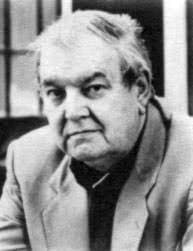
George MacDonald was a Scottish author and a pioneer of modern fantasy literature in the 19th century. He is known for his imaginative works, including "The Princess and the Goblin," "Phantastes," and "Lilith," which explore themes of morality and spirituality. His stories often blend elements of fairy tales and allegory, influencing later writers such as C.S. Lewis and J.R.R. Tolkien.
Similar books
- Alice's Adventures in Wonderland
Lewis Carroll
4.0 (245k) average on GoodreadsFantasyShares a dreamlike quality and a young female protagonist encountering strange, magical worlds.
- The Hobbit, or There and Back Again
J.R.R. Tolkien
4.3 (2.9M) average on GoodreadsFantasyFeatures underground creatures, a heroic journey, and a clear battle between good and evil, suitable for younger readers.
- A Wrinkle in Time
Madeleine L'Engle
4.0 (1.1M) average on GoodreadsFantasyExplores themes of good vs. evil, courage, and the power of love with a young protagonist in a fantastical setting.
- Harry Potter and the Sorcerer's Stone
J.K. Rowling
4.5 (7M) average on GoodreadsFantasyRescued from a miserable life under the stairs, an orphaned boy discovers he's a wizard destined for a magical school, where he uncovers a dangerous secret tied to the dark wizard who murdered his parents.
- The Hunger Games
Suzanne Collins
4.3 (6.4M) average on GoodreadsFantasyIn a future where children fight to the death on live television, Katniss Everdeen volunteers for the arena, turning a death sentence into a fight for survival and a spark of rebellion.
- 1984
George Orwell
4.2 (3.1M) average on GoodreadsPoliticsIn a future where surveillance and thought control are absolute, a man's search for truth clashes with the Party, showing that hope can be a form of rebellion.





Enjoyed the summary?
A summary gives you the shape of the book. The book itself has the detail, the examples and the voice.
Find The Princess and the Goblin on AmazonAs an Amazon Associate, BookBrief earns from qualifying purchases. How we're funded