

Synopsis
Covers the whole plot, including the ending.
- Difficulty
- Medium
- Pacing
- Moderate
- Mood
- Suspenseful, Hopeful, Historical, Reflective
- Read it if
- You enjoy historical fiction set in unique locations, stories of resilience during political upheaval, or coming-of-age tales with a strong emotional core.
- Skip it if
- You prefer lighthearted stories without political tension or themes of danger and loss, or are sensitive to depictions of authoritarian regimes.
Before We Were Free Plot Summary
Covers the whole plot, including the ending.
The Whispers Begin
Twelve-year-old Anita de la Torre lives an ideal life in the Dominican Republic with her large, extended family. Her cousins Carla, Mundín, and Oscar prepare for a party, but beneath the surface, there are quiet conversations and strange events. Her Tío Toni, a beloved uncle, has been missing, a fact that troubles Anita's parents. Anita notices her family is always alert, speaking in code, especially when referring to 'El Jefe' (Rafael Trujillo), the country's dictator. The family's compound buzzes with activity, but also holds secrets from servants and even the children, though Anita's observations reveal much of the underlying tension.
A New Normal: The Vanishing and the Arrivals
As the political situation in the Dominican Republic worsens, more of Anita's family members move to the United States. Her cousins Carla, Mundín, and Oscar, along with their parents, leave, promising to send for Anita and her family soon. Anita feels abandoned and lonely as her childhood playmates depart. The family compound, once busy, becomes quieter, increasing the tension and fear her parents try to hide from her. Anita also sees her Tío Pepe and Tía Mimi move into the compound, adding to the feeling that her family is coming together and preparing for something important, though she does not fully understand what it is.
The Secret Room and the Whispered Plans
Anita, curious, finds a secret room hidden behind a bookcase in her Papi's study. This discovery happens as she overhears urgent, quiet conversations between her parents and other adult family members, including Tío Pepe and Tía Mimi. They speak in hints about 'the plan,' 'the resistance,' and the need to overthrow Trujillo. Anita begins to understand the dangerous reality: her family is actively involved in a plot against the dictator. She learns the secret room is a safe place for important documents and supplies, confirming the seriousness of their situation and the risks they are taking.
The Threat Intensifies: SIM's Presence
The SIM (Servicio de Inteligencia Militar), Trujillo's secret police, become more obvious and threatening around the de la Torre compound. SIM agents park outside their home, watch their movements, and even follow family members. Anita's family uses strict safety rules, including code words and avoiding certain public conversations. Anita feels the constant pressure of being watched, fearing for her family's safety and her own. The fear is clear, and even children's games become colored by the anxiety of surveillance, as they pretend to be SIM agents or resistance fighters, showing the widespread political atmosphere.
The Night of the Assassination
One night, the family hears news of Trujillo's assassination. At first, there is cautious hope and relief among the adults, who believe their plan has worked and freedom is near. However, this hope is short-lived. The assassination leads to a brutal crackdown by the remaining Trujillo loyalists. The SIM increases its hunt for those involved in the plot, and the de la Torre family, known for their opposition, becomes a main target. Anita sees the shift from hopeful anticipation to desperate fear as the reality of their risky situation sets in, and the danger to her parents becomes immediate.
Hiding in Plain Sight
After Trujillo's assassination and the crackdown, Anita's Papi and Tío Pepe hide in the secret room in their compound. Mami and Tía Mimi try to act normal for the children, but the tension is unbearable. Anita now fully understands the danger and the importance of keeping the secret. She helps Mami by bringing food and supplies to Papi and Tío Pepe, feeling the fear and responsibility of being part of the resistance. The compound, once a symbol of family, becomes a prison and a hiding place, with every shadow a possible threat.
The Raid and the Arrests
Despite their precautions, the SIM raids the de la Torre compound. Anita sees the brutal search, their home being torn apart, and the terror in her mother's eyes. Papi and Tío Pepe are found in their hiding place and arrested. The scene is chaotic and violent, leaving Anita traumatized and her family devastated. Mami and Tía Mimi are left to cope, trying to protect the children while dealing with their husbands' capture. The raid breaks any remaining sense of security for Anita, bringing the full horror of the dictatorship directly into her home.
Life Under House Arrest
After the arrests, Anita, Mami, and her siblings are placed under house arrest. SIM agents are stationed permanently outside their home, watching their every move. Phone lines are cut, and visitors are restricted, isolating them. Anita's Mami, though heartbroken, shows great strength, trying to keep spirits up and maintain a routine for the children. Anita feels the confinement and the constant fear of what might happen to Papi and Tío Pepe. She continues to write in her diary, finding comfort and a way to process the overwhelming events.
A Glimmer of Hope and a Desperate Plan
A bit of hope appears when the family learns of a plan to escape to the American embassy, which offers asylum. This plan involves a dangerous, secret journey. Mami and Tía Mimi carefully prepare, gathering essentials and making arrangements for the children. Anita feels a mix of fear and excitement for freedom, but also sadness at leaving her home and possibly never seeing Papi again. The escape plan is full of danger, requiring precise timing and courage, and the family knows the risks are very high.
The Escape to the Embassy
Under cover of darkness, Anita, Mami, and her siblings, along with Tía Mimi and her children, begin the dangerous journey to the American embassy. They travel in separate cars, taking winding routes to avoid detection by the SIM. Anita feels intense fear during the drive, imagining every car behind them is a SIM vehicle. They all make it to the embassy gates, where they are granted asylum. The relief is huge, but it is also a difficult victory, as they leave behind loved ones and their homeland, entering an uncertain future as refugees.
Life in the Embassy
Life inside the American embassy is a strange mix of safety and confinement. Anita and her family live in crowded conditions with many other asylum seekers, sharing limited resources. Though safe from the SIM, they are not truly free, as they wait for paperwork and arrangements to travel to the United States. Anita continues to write in her diary, thinking about her experiences and the sharp contrast between her privileged life before and her current refugee status. She longs for news of Papi and Tío Toni, and the uncertainty weighs heavily on her.
Freedom at Last
After waiting in the embassy, Anita, Mami, and her siblings, along with Tía Mimi and her children, finally get permission to fly to the United States. The departure is emotional, filled with joy for their new freedom and sadness for what they are leaving behind, especially Papi. As the plane takes off, Anita looks down at her homeland, thinking about the journey she has endured and her family's courage. She carries with her the memories, the trauma, and the hope for a better future in America, a future where she can truly be free.
Principal Figures
Anita de la Torre
Protagonist
A brave and observant young girl navigating a dangerous political climate.
Anita is a twelve-year-old girl who begins the story with a typical privileged childhood but is quickly thrust into the harsh realities of a dictatorship. She is intelligent, observant, and deeply sensitive, often processing her experiences through her diary. Despite her fear, she demonstrates remarkable courage and resilience, especially when helping her family hide and escape. Her journey is one from innocence to a profound understanding of political oppression and the sacrifices made for freedom.
Relationships: Mami (Loving, protective mother; a source of strength and guidance.); Papi (Devoted, brave father; a leader in the resistance.); Sammy (Younger brother, she feels protective of him.); Lucinda (Younger sister, she feels protective of her.); Tío Toni (Beloved uncle, his disappearance is a catalyst for Anita's awareness.); Wimpy (Her dog, a source of comfort and normalcy.)
Mami (Laura de la Torre)
Supporting
Anita's strong and resourceful mother, a pillar of strength for the family.
Mami is a loving and fiercely protective mother who embodies resilience and courage. She is deeply involved in the resistance movement alongside her husband, Papi. Throughout the ordeal, she maintains a façade of calm for her children while secretly making dangerous plans and enduring immense personal fear and heartbreak. Her resourcefulness and unwavering determination to protect her family are central to their survival and escape. She represents the quiet strength and sacrifice of women in times of political turmoil.
Relationships: Anita (Her daughter, whom she loves and protects fiercely.); Papi (Her husband, a partner in the resistance and a source of mutual support.); Tía Mimi (Her sister-in-law, a close confidante and fellow resistance member.)
Papi (Augusto de la Torre)
Supporting
Anita's brave and principled father, a key figure in the resistance.
Papi is Anita's courageous and principled father, a respected and influential member of the community. He is a central figure in the underground movement to overthrow Trujillo, driven by a deep belief in freedom and justice. Despite the immense risks, he remains steadfast in his convictions. His arrest is a major turning point for Anita and the family, symbolizing the direct consequences of their defiance. He represents the ultimate sacrifice for political ideals.
Relationships: Anita (His daughter, whom he loves and protects.); Mami (His wife, his partner in the resistance and in life.); Tío Pepe (His brother and fellow conspirator in the resistance.); Tío Toni (His brother, whose disappearance fuels his resolve.)
Tío Toni
Supporting
Anita's beloved uncle, whose mysterious disappearance signals the escalating danger.
Tío Toni is Anita's beloved uncle, known for his humor and kindness. His unexplained disappearance early in the story serves as a chilling harbinger of the political dangers lurking beneath the surface of their seemingly normal lives. He is one of the first family members to be targeted by Trujillo's regime, and his fate remains unknown for much of the narrative, intensifying the family's fear and resolve. He embodies the unseen victims of the dictatorship.
Relationships: Anita (His niece, who adores him.); Papi (His brother, who deeply misses and worries about him.)
Tío Pepe
Supporting
Anita's uncle and Papi's brother, also involved in the resistance.
Tío Pepe is Papi's brother and a fellow conspirator in the plot against Trujillo. He moves into the de la Torre compound, providing additional support and security for the family. He shares the same courage and commitment to freedom as Papi, and they go into hiding together. His arrest alongside Papi highlights the collective risk taken by the family. He represents the broader network of resistance members.
Relationships: Papi (His brother and co-conspirator.); Tía Mimi (His wife.); Anita (His niece.)
Tía Mimi
Supporting
Anita's aunt, Tío Pepe's wife, who also seeks refuge with the family.
Tía Mimi is Anita's aunt and Tío Pepe's wife. She and her children also seek refuge at the de la Torre compound as the political situation becomes more dangerous. She supports Mami in trying to maintain a sense of normalcy for the children while dealing with the anxieties of their husbands' involvement in the resistance. She is a compassionate and supportive figure, sharing in the family's struggles and eventual escape.
Relationships: Tío Pepe (Her husband.); Mami (Her sister-in-law and close ally.); Anita (Her niece.)
Sammy
Supporting
Anita's younger brother.
Sammy is Anita's younger brother. He is depicted as a typical young boy, initially more concerned with play than with politics, though he gradually becomes aware of the dangers surrounding his family. Anita feels a protective instinct towards him and often tries to shield him from the harsher realities. He represents the innocence that the adults are trying to preserve amidst the chaos.
Relationships: Anita (His older sister, who often looks out for him.); Mami (His mother.); Papi (His father.)
Lucinda
Supporting
Anita's younger sister.
Lucinda is Anita's youngest sister. Like Sammy, she is largely shielded from the full extent of the danger by the adults. Her innocent questions and observations sometimes cut through the tension, reminding the family of what they are fighting for. Anita also feels a strong sense of responsibility to protect Lucinda.
Relationships: Anita (Her older sister, who looks out for her.); Mami (Her mother.); Papi (His father.)
El Jefe (Rafael Trujillo)
Antagonist
The ruthless dictator of the Dominican Republic.
El Jefe, Rafael Trujillo, is the omnipresent and terrifying dictator of the Dominican Republic. Though he never directly appears as a character interacting with Anita, his oppressive rule, extensive surveillance network (SIM), and brutal tactics are the driving force behind all the conflict and fear in the story. He represents absolute power, tyranny, and the systematic suppression of freedom. His assassination is a pivotal plot point, but his legacy of fear continues even after his death.
Relationships: The de la Torre family (Their persecutor and the source of their suffering.)
Themes & Insights
The Loss of Innocence
Anita's journey shows a child's loss of innocence. At first, she is a typical twelve-year-old, concerned with school and family. However, as the political situation worsens, she must face the harsh realities of a dictatorship, seeing fear, secrecy, violence, and the disappearance of loved ones. Her diary entries clearly show this change, detailing her growing awareness of the world's dangers and the sacrifices needed for freedom. For example, her discovery of the secret room and overhearing her parents' hidden discussions breaks her childhood innocence.
“I used to think that freedom meant being able to do whatever I wanted. Now I know it means being able to speak my mind without fear.”
Courage and Resistance
The novel shows various forms of courage and resistance against an oppressive regime. From Papi's active role in the plot to Mami's strength in protecting her children and planning their escape, the de la Torre family shows bravery. Even Anita shows courage by helping her parents in hiding and enduring constant fear. Resistance is not just about grand acts of defiance but also about the quiet strength of ordinary people in difficult times, like keeping hope and dignity under surveillance. The family's willingness to risk everything for freedom is a main message.
“We cannot let fear win, Anita. We have to keep fighting for what is right, even if it feels like we are losing.”
Family as Sanctuary and Strength
Facing extreme political danger, the de la Torre family provides a vital sanctuary and source of strength. The extended family living together in the compound gives mutual support, protection, and a sense of belonging. Their strong bonds are key to survival, as they rely on each other for emotional comfort, practical help in hiding, and coordinating their escape. The family's unity in their shared struggle against Trujillo highlights how family love and loyalty can become a strong force against outside threats. This is clear in how they all support each other after Papi's arrest.
“Our family is like a fortress, Anita. No matter what happens, we protect each other.”
The Search for Freedom
The main theme of the novel is the pursuit of freedom, both personal and political. Anita's family risks everything to free their country from Trujillo's dictatorship, and then to secure their own personal freedom from persecution. The idea of freedom changes for Anita throughout the story; initially a given, it becomes a precious, hard-won right. The journey from the Dominican Republic to the American embassy, and eventually to the United States, is a literal and symbolic flight to freedom, showing the universal human desire to live without oppression and fear.
“Freedom is not something you are given, it is something you have to take.”
Plot Devices & Literary Techniques
Anita's Diary
A personal record of events and emotions.
Anita's diary serves as a crucial narrative device, offering an intimate, first-person perspective on the unfolding political turmoil and her emotional journey. It allows the reader to experience the events through her eyes, capturing her evolving understanding, fears, and hopes. The diary entries also provide a safe space for Anita to process her thoughts and feelings, acting as a confessional and a historical record of her family's struggle. It highlights her growing maturity and her role as an observant chronicler of history.
The Secret Room
A hidden space symbolizing danger and resistance.
The secret room, discovered by Anita behind a bookcase, functions as a powerful symbol. Initially, it represents the hidden dangers and secrets within the family's seemingly normal life. Later, it becomes a literal safe haven for Papi and Tío Pepe, embodying the family's active resistance and their desperate measures for survival. The room underscores the pervasive fear of the regime, where even one's own home can become a place of hiding and clandestine activity, revealing the extent of the oppression.
Code Words and Metaphors
Language used to conceal dangerous truths.
The frequent use of code words, euphemisms, and metaphors by the adults in Anita's family serves as a plot device to illustrate the pervasive fear and necessity for secrecy under Trujillo's regime. Terms like 'El Jefe,' 'the plan,' and veiled discussions about 'going on a trip' are used to protect the children and avoid alerting servants who might be informers. This linguistic strategy highlights the constant vigilance required and the way language itself becomes a tool for survival and resistance against an oppressive surveillance state.
The Vanishing of Tío Toni
A catalyst for Anita's awareness and the family's heightened fear.
Tío Toni's mysterious disappearance early in the story acts as a significant plot catalyst. It is the first concrete event that shatters Anita's innocence and forces her to confront the dangerous reality of the dictatorship. His absence creates a palpable sense of dread and urgency for the family, pushing them towards more active resistance and eventually, their escape plans. His fate, remaining unknown for much of the novel, symbolizes the countless victims of the regime and the constant threat of arbitrary arrests and disappearances.
Before We Were Free Quotes
“The hardest prison to escape is in your mind.”
“Sometimes, the only way to be free is to risk everything.”
“Even a small whisper can start an avalanche.”
“Secrets are like heavy stones, the more you carry, the slower you go.”
“Hope is a dangerous thing in a place like this, but even more dangerous to be without.”
“When you lose everything, you find out what's truly important.”
“The truth has a way of finding its way out, no matter how many walls you build around it.”
“A book can be a window, a door, a whole new world.”
“Fear is a powerful weapon, but it can also be the spark that ignites courage.”
“We were not just children, we were witnesses. And witnesses have a job to do.”
“The smell of freedom is something you never forget once you've truly breathed it in.”
“Even in the darkest times, there are always stars, if you only look up.”
“Family isn't just blood; it's the people who stand with you when no one else will.”
“To forget is to allow it to happen again.”
Quiz
10 questions on the plot and the characters. Each answer comes with a short explanation.
Question 1
What is the name of the dictator who rules the Dominican Republic in 'Before We Were Free'?
- Fidel Castro
- Rafael Trujillo
- Fulgencio Batista
- Augusto Pinochet
Show answer
B. Rafael Trujillo The novel is set during the dictatorship of Rafael Trujillo in the Dominican Republic, often referred to as 'el Trujillo'.
Question 2
What significant event happens to Anita's Tío Toni early in the story, causing concern for the family?
- He gets arrested for a public protest.
- He decides to emigrate to the United States.
- He disappears without a trace.
- He is injured in a car accident.
Show answer
C. He disappears without a trace. Tío Toni's mysterious disappearance is one of the first major indicators of the family's danger and the oppressive regime.
Question 3
What is Anita's age when the intense political unrest begins to directly affect her family, as mentioned in the synopsis?
- 10 years old
- 12 years old
- 14 years old
- 16 years old
Show answer
B. 12 years old The synopsis states that 'by her 12th birthday in 1960, most of her relatives have emigrated'.
Question 4
Why does the government's secret police begin to terrorize Anita's family?
- They suspect the family of tax evasion.
- They are suspected of opposing Trujillo's dictatorship.
- They are accused of harboring foreign spies.
- They refused to join the dictator's political party.
Show answer
B. They are suspected of opposing Trujillo's dictatorship. The family is targeted because of their suspected involvement in the resistance against Trujillo's oppressive regime.
Question 5
What is a central theme explored in 'Before We Were Free' regarding Anita's personal journey?
- The importance of material wealth.
- The struggle for power and control.
- Adolescence, perseverance, and the struggle to be free.
- The challenges of adapting to a new culture.
Show answer
C. Adolescence, perseverance, and the struggle to be free. The synopsis explicitly states the story is 'about adolescence, perseverance, and one girl’s struggle to be free'.
Question 6
Many of Anita's relatives emigrate to which country as the political situation worsens?
- Canada
- Puerto Rico
- Cuba
- The United States
Show answer
D. The United States The synopsis mentions that 'most of her relatives have emigrated to the United States'.
Question 7
How does Anita ultimately escape the Dominican Republic?
- By boat, disguised as a sailor.
- By plane, flying to freedom.
- By crossing the border into Haiti.
- By seeking asylum in a foreign embassy.
Show answer
B. By plane, flying to freedom. The synopsis states that Anita 'must overcome her fears and fly to freedom'.
Question 8
What is the primary internal conflict Anita faces as she confronts the political danger?
- Her desire for revenge against the secret police.
- Her struggle with loneliness and isolation.
- Her fear, which she must overcome to find courage.
- Her confusion about her family's involvement in politics.
Show answer
C. Her fear, which she must overcome to find courage. The synopsis highlights that Anita 'must overcome her fears' to find freedom, indicating a significant internal struggle with fear.
Question 9
What does the phrase 'leaving all that she once knew behind' signify for Anita's journey?
- She forgets her childhood memories.
- She abandons her family and friends.
- She undergoes a complete transformation in identity and environment.
- She loses her ability to speak Spanish.
Show answer
C. She undergoes a complete transformation in identity and environment. This phrase signifies the profound change and loss of her familiar life, culture, and home that accompanies her escape to freedom.
Question 10
How does the author, Julia Alvarez, typically present the theme of 'freedom' in her works, as suggested by the synopsis of this book?
- As an easily attainable right for all individuals.
- As a concept primarily related to economic prosperity.
- As a goal requiring significant personal struggle, courage, and perseverance.
- As an inherent state of being that is rarely challenged.
Show answer
C. As a goal requiring significant personal struggle, courage, and perseverance. The synopsis emphasizes Anita's 'struggle to be free' and the need for 'strength and courage,' implying freedom is hard-won.
Before We Were Free FAQ
What is the central conflict Anita de la Torre faces in 'Before We Were Free'?
Anita, a twelve-year-old girl in the Dominican Republic in 1960, grapples with the escalating danger and oppression under the Trujillo dictatorship. Her family's suspected opposition to the regime puts them in constant peril, forcing Anita to confront the loss of her innocence and the urgent need to escape to freedom in the United States.
Who is El Jefe, and what role does he play in the story?
El Jefe is the feared dictator Rafael Trujillo, who rules the Dominican Republic with an iron fist. His oppressive regime is the primary antagonist, creating an atmosphere of terror and surveillance that directly impacts Anita's family, leading to disappearances, secret police raids, and ultimately their desperate flight for freedom.
Which family members are central to Anita's immediate support system and eventual escape?
Anita's immediate family, including her parents, Mami and Papi, and her older brother Oscar, are central. Her Tío Toni and his wife, Tía Laura, are also crucial, as Tío Toni's involvement in the resistance directly endangers the family, and the entire family unit collaborates to ensure Anita's and eventually their own escape.
What is the significance of the United States in Anita's journey?
The United States represents safety, freedom, and a new beginning for Anita and her family. Many of her relatives have already emigrated there, making it the destination for their escape from Trujillo's tyranny. It is the hope of a life free from fear and oppression that drives their perilous journey.
How does Anita's perspective on her own freedom change throughout the novel?
Initially, Anita takes her freedom for granted, enjoying a typical childhood. As the political situation deteriorates, she gradually realizes the fragility of her freedom and the constant threat of the regime. By the end, she understands freedom as a precious, hard-won right, not an inherent given, having experienced its profound absence.
What is the 'secret compartment' in the closet, and why is it important?
The 'secret compartment' is a hidden space in the closet of Anita's family home, used to hide resistance members and family members in danger. It symbolizes the desperate measures taken to evade Trujillo's secret police and highlights the constant fear and need for secrecy within the family's opposition efforts.
Who is Sam, and what is his connection to Anita's family?
Sam is the son of the American consul in the Dominican Republic and becomes a friend to Anita. His family's diplomatic immunity offers a crucial, albeit temporary, layer of protection and a means of communication for Anita's family, especially as they plan their escape and need outside assistance.
What is the significance of the butterflies mentioned in the story and the Mirabal sisters?
The butterflies, or 'Las Mariposas,' refer to the Mirabal sisters, real-life Dominican heroines who opposed Trujillo and were brutally murdered. While not explicitly named in the book as the Mirabal sisters, the 'butterflies' symbolize the courageous resistance and the ultimate sacrifice made for freedom, foreshadowing the dangers Anita's family faces.
How does Anita's journaling contribute to her survival and the narrative?
Anita's journaling serves as both a coping mechanism and a historical record. It allows her to process her fears, observations, and experiences in secret, providing an outlet for her thoughts while also giving the reader a direct, intimate insight into the escalating terror and her personal growth amidst the crisis.
How does Anita's innocence evolve into resilience throughout the novel?
Anita begins as an innocent child, largely unaware of the political turmoil. As she witnesses disappearances, threats, and her family's clandestine activities, her innocence is shattered. However, this loss is replaced by an incredible resilience, as she learns to be brave, resourceful, and to find strength in her family's unity, ultimately enduring immense hardship.
What psychological impact does living under constant surveillance have on Anita and her family?
Living under constant surveillance creates profound psychological stress, fostering paranoia, distrust, and a sense of perpetual fear. For Anita, it leads to nightmares and a loss of her childhood security. The family must learn to communicate in code and suppress their true feelings, altering their behavior and relationships significantly.
How does Anita cope with the disappearance of Tío Toni and the uncertainty surrounding his fate?
Anita copes with Tío Toni's disappearance through a combination of hope, denial, and eventually, a growing understanding of the brutal reality. She uses her imagination to envision his return and relies on the strength of her Mami and Papi to maintain hope, even as the lack of information takes a heavy emotional toll.
In what ways does fear manifest itself in Anita's actions and thoughts?
Fear manifests in Anita through nightmares, a heightened awareness of her surroundings, and a constant internal struggle between wanting to be brave and feeling overwhelmed. It causes her to hide, to be cautious in her speech, and to cling to her family for security, deeply impacting her sense of safety and self.
How does the author use the setting of the Dominican Republic to enhance the themes of the novel?
The vibrant, tropical setting of the Dominican Republic creates a stark contrast with the dark, oppressive political climate. This juxtaposition highlights the tragedy of a beautiful country held captive by tyranny, emphasizing what Anita and her family are fighting to preserve and what they are forced to leave behind for freedom.
What is the significance of the title, 'Before We Were Free'?
The title signifies the period of Anita's life before she truly understood what freedom meant and before her family had to fight for it. It points to a lost innocence and a time when freedom was taken for granted, highlighting the journey toward appreciating and achieving true liberation from oppression.
How does Julia Alvarez portray the role of family in times of political upheaval?
Alvarez portrays family as the ultimate source of strength, resilience, and love in times of political upheaval. Anita's family members protect each other, make immense sacrifices, and provide the emotional and practical support necessary for survival and escape, demonstrating the unbreakable bonds forged under extreme pressure.
What message about the importance of speaking out against injustice does the book convey?
The book conveys a powerful message about the moral imperative to speak out against injustice, even at great personal risk. While Anita's family acts largely in secret, their actions, and the fate of figures like Tío Toni, underscore that silence can perpetuate tyranny, and courage is essential for challenging oppressive regimes.
How does the ending of the novel, with Anita's arrival in the U.S., reflect themes of hope and loss?
The ending embodies both hope for a new, free life and the profound loss of her homeland, her childhood, and the family members left behind or lost. While she gains physical freedom, the emotional scars and the bittersweet nature of leaving everything familiar behind underscore that freedom often comes with a significant cost.
About the author
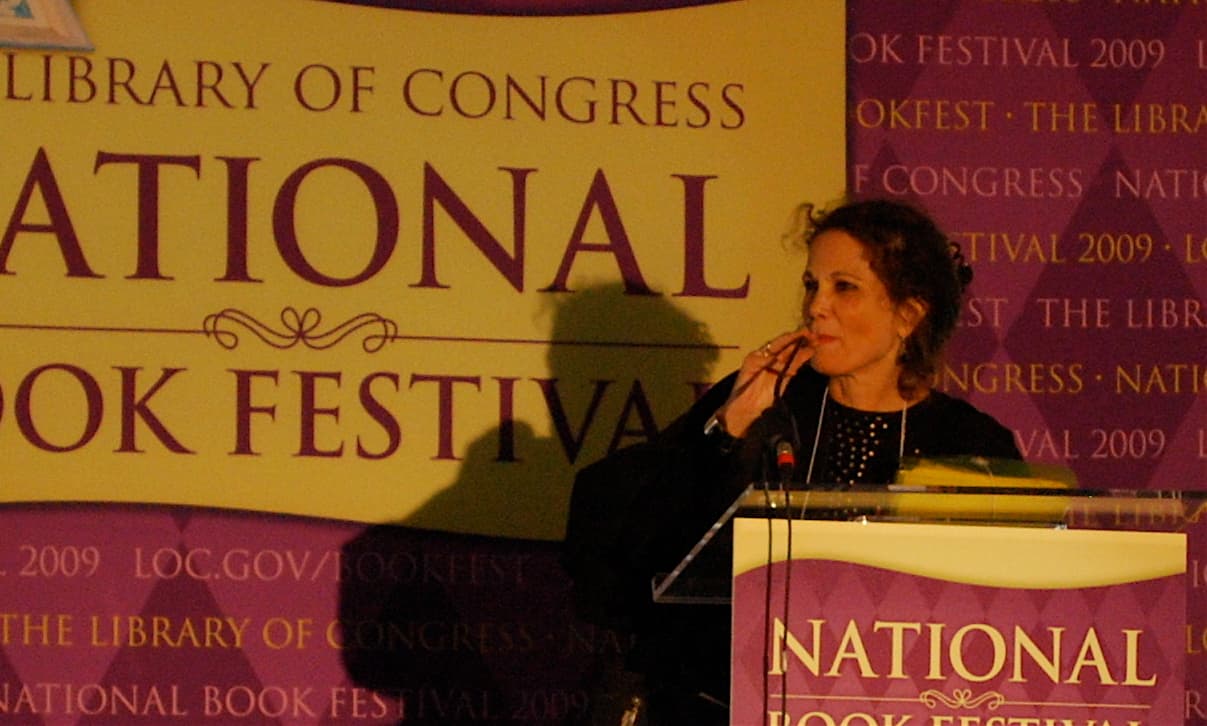
Julia Alvarez is an American New Formalist poet, novelist, and essayist. She rose to prominence with the novels How the García Girls Lost Their Accents (1991), In the Time of the Butterflies (1994), and Yo! (1997). Her publications as a poet include Homecoming (1984) and The Woman I Kept to Myself (2004), and as an essayist the autobiographical compilation Something to Declare (1998). Many literary critics regard her to be one of the most significant Latina writers and she has achieved critical and commercial success on an international scale.
Similar books
- The War That Saved My Life
Kimberly Brubaker Bradley
4.5 (62k) average on GoodreadsChildren'sFeatures a young protagonist overcoming adversity during wartime, focusing on resilience and family bonds.
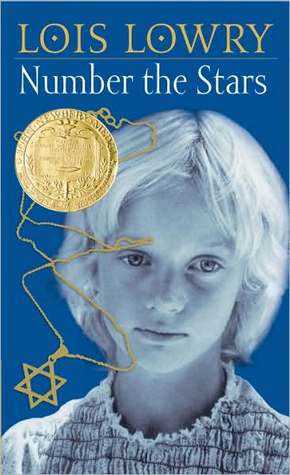
- Number the Stars
Lois Lowry
4.2 (448k) average on GoodreadsChildren'sA historical fiction novel for young readers about courage and resistance against a totalitarian regime.
- The House of the Spirits
Isabel Allende
4.2 (190k) average on GoodreadsFantasyWhile both novels deal with dictatorial regimes and political upheaval in Latin America, "Before We Were Free" is a Young Adult novel, making it significantly more accessible and less complex in its political analysis and character development than Allende's multi-generational saga. Alvarez focuses on the immediate, personal impact on a child, whereas Allende's novel offers a sprawling, magical realist epic examining the socio-political evolution of a nation over decades. Alvarez's language is simpler and direct, suitable for younger readers, contrasting with Allende's rich, literary prose and more mature themes.
- Harry Potter and the Sorcerer's Stone
J.K. Rowling
4.5 (7M) average on GoodreadsFantasyRescued from a miserable life under the stairs, an orphaned boy discovers he's a wizard destined for a magical school, where he uncovers a dangerous secret tied to the dark wizard who murdered his parents.
- The Hobbit, or There and Back Again
J.R.R. Tolkien
4.3 (2.9M) average on GoodreadsFantasyA comfort-loving hobbit named Bilbo Baggins is whisked away by a mischievous wizard and a band of dwarves on an unexpected journey to reclaim stolen treasure from a fearsome dragon, discovering courage and a magical ring along the way.
- Harry Potter and the Goblet of Fire
J.K. Rowling
4.6 (2.6M) average on GoodreadsFantasyA bewildered Harry Potter, underage and thrust into a deadly Triwizard Tournament, must brave dragons, mermaids, and a resurgent dark magic to survive a year that will forever alter the wizarding world.





Enjoyed the summary?
A summary gives you the shape of the book. The book itself has the detail, the examples and the voice.
Find Before We Were Free on AmazonAs an Amazon Associate, BookBrief earns from qualifying purchases. How we're funded