
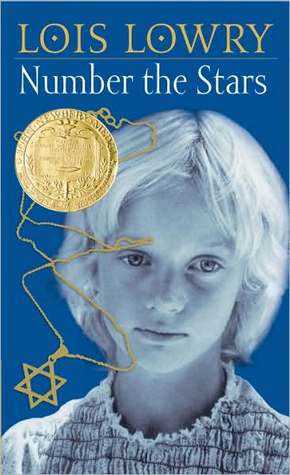
Synopsis
Covers the whole plot, including the ending.
- Difficulty
- Easy
- Pacing
- Moderate
- Mood
- Hopeful, Suspenseful, Thought-provoking, Brave
- Read it if
- You enjoy historical fiction for young readers that teaches about courage, friendship, and the difficult choices people made during wartime. Perfect for those interested in World War II history from a child's perspective.
- Skip it if
- You prefer fantasy or contemporary settings, or stories without themes of war and persecution.
Number the Stars Plot Summary
Covers the whole plot, including the ending.
A Race Through Copenhagen and Early Warnings
Ten-year-old Annemarie Johansen and her best friend, Ellen Rosen, race through Copenhagen, Denmark, and two German soldiers stop them. The soldiers ask why they are running and where they are going. Annemarie feels fear and defiance. This incident reminds them of the Nazi occupation since 1940. Food is rationed, and they live with constant watchfulness. Annemarie's younger sister, Kirsti, is often grumpy because of shortages. Their parents try to keep things normal despite the German forces. The encounter with the soldiers leaves both girls shaken. It hints at the dangers they will soon face.
The Threat to Denmark's Jews
One evening, the Johansen family gets news from Peter Neilsen, a Danish Resistance member and Annemarie's older sister Lise's former fiancé. He tells them the Nazis plan to move all Jews in Denmark, including the Rosens, soon. This means sending them to concentration camps. The news panics the family, especially Mrs. Johansen, who worries about her friends, the Rosens. Annemarie hears parts of the conversation. She understands the grim reality of what will happen. The Rosens, being Jewish, are in danger. The Johansens know they must act fast to protect them.
Ellen Becomes Part of the Johansen Family
The Nazis begin rounding up Jewish families. Mr. and Mrs. Johansen decide to take Ellen Rosen into their home to protect her. Ellen's parents, Mr. and Mrs. Rosen, will hide separately and meet them later. To hide Ellen, she must pretend to be Lise Johansen, Annemarie's deceased older sister. Ellen must remove her Star of David necklace. That night, German soldiers raid the Johansen apartment, looking for Jewish families. Mr. Johansen cleverly stops their suspicions. He shows them a photo album, pointing to a dark-haired baby picture of Lise. He says it is Ellen, even though Ellen has lighter hair. This convinces the soldiers the girls are sisters.
Journey to Uncle Henrik's House
To protect Ellen further, Mrs. Johansen takes the girls to her brother, Henrik, who lives on a farm by the sea in Gilleleje. They travel by train. Annemarie is nervous, checking if Ellen remembers her new identity. Upon arrival, Uncle Henrik, a fisherman, greets them. He lives alone in a small, rustic house. The peaceful setting by the sea first brings relief. But Annemarie soon realizes the calm is a cover. Henrik's home often helps those escaping the Nazis. The girls' presence is part of a larger, more dangerous plan.
The 'Funeral' and Gathering of Strangers
Uncle Henrik says their Great-aunt Birte has died, and a funeral will be at his house. Annemarie knows this is a lie; she has never heard of a Great-aunt Birte. But she stays quiet, understanding the need for secrecy. Many guests arrive, including Peter Neilsen and Mr. and Mrs. Rosen, hidden among the mourners. The gathering is tense and somber, but it is no ordinary funeral. It is a secret meeting of Resistance members and a cover for Jewish refugees to escape. Annemarie watches the adults. She senses the seriousness without fully understanding the details, especially when Peter reads from the Bible.
The German Search and Peter's Instructions
During the 'funeral' gathering, German soldiers arrive at Uncle Henrik's house without warning. They ask why so many people are there. Mrs. Johansen, calm, explains they are mourning Great-aunt Birte. The soldiers are suspicious but find no clear evidence of wrongdoing. They leave. After they go, Peter Neilsen gives Annemarie a small, wrapped package and instructions: she must deliver it to Uncle Henrik on his boat, the Ingeborg, if her mother does not return by a certain time. He says the package is important for the escape.
The Dangerous Journey to the Boat
After the 'funeral,' Peter leads the Jewish families, including Ellen's parents, into the dark woods towards the coast. Annemarie, Kirsti, and Mrs. Johansen are left alone. Hours later, Mrs. Johansen tries to guide the Rosens and others to Henrik's boat. She falls and hurts her ankle on the way back. She gives Annemarie the package Peter gave her earlier. She says it contains a handkerchief for Uncle Henrik. She tells Annemarie to run through the woods to the boat. Annemarie is scared but determined. She hides the package in a basket and sets off alone on the dangerous path, knowing many lives depend on her.
Encounter with Soldiers on the Path
Annemarie hurries through the dark, winding path towards the harbor. Four German soldiers and their dogs stop her. They question her aggressively, asking what she is doing out alone and what is in her basket. Annemarie remembers her father's advice to act like a silly, empty-headed girl. She pretends to be a simple farm girl taking lunch to her uncle. The soldiers are suspicious. They open her basket and search it, finding only bread and cheese. They let her pass. The encounter is terrifying. Annemarie is glad they did not find the hidden package at the bottom of the basket, which is important for the escape.
The Handkerchief's Secret
Annemarie reaches Uncle Henrik's boat, the Ingeborg, and delivers the package to him. She is relieved but tired. She returns home to find her mother safe, but with a badly sprained ankle. Later, Uncle Henrik explains the handkerchief's real purpose. It had a chemical to make the Nazi dogs' noses unable to smell the hidden Jewish passengers in the boat. This allowed the refugees to be smuggled safely to Sweden, a neutral country. It saved their lives from the Nazis. Annemarie understands her bravery.
Life After the War and a Promise Fulfilled
Years pass, and the war ends. Denmark is free. The Johansens return to normal life. Annemarie learns more about the Resistance and what happened to those involved. She finds out Peter Neilsen was captured and executed by the Nazis for his part in the Resistance. Back in their apartment, Annemarie opens Lise's old trunk and gets Ellen's Star of David necklace, which she had hidden. She cleans it, remembering her best friend. She decides to wear it until Ellen can return to Denmark. It is a symbol of their lasting friendship, the courage shown, and the hope for a future reunion.
Principal Figures
Annemarie Johansen
Protagonist
A brave ten-year-old Danish girl who helps save her Jewish best friend.
Annemarie is the central character, a ten-year-old Danish girl living in Copenhagen during the Nazi occupation. Initially somewhat naive about the full extent of the war's dangers, she quickly matures as she is thrust into a world of secrecy and courage. She is fiercely loyal to her best friend, Ellen, and demonstrates remarkable bravery when she undertakes a dangerous mission to deliver a crucial package, facing German soldiers alone. Annemarie's internal struggle between fear and duty drives much of the narrative, and her observations provide the reader's window into the events.
Relationships: Ellen Rosen (best friend); Kirsti Johansen (younger sister); Mrs. Johansen (mother); Mr. Johansen (father); Uncle Henrik (mother's brother, Resistance member); Peter Neilsen (family friend, Lise's fiancé, Resistance member)
Ellen Rosen
Supporting
Annemarie's Jewish best friend, whose family needs to escape the Nazis.
Ellen is Annemarie's best friend and a Jewish girl living in Copenhagen. Her family becomes a target of the Nazi 'relocation' efforts, forcing her to hide with the Johansens and pretend to be part of their family. Ellen is talented in acting, which helps her maintain her disguise, though she is deeply fearful and misses her parents. Her plight is the catalyst for much of the plot, embodying the vulnerability of Jewish people during the Holocaust. She entrusts Annemarie with her Star of David necklace, a symbol of their friendship and a promise of her eventual return.
Relationships: Annemarie Johansen (best friend); Mr. Rosen (father); Mrs. Rosen (mother)
Mrs. Johansen (Mama)
Supporting
Annemarie's mother, a brave and resourceful Resistance member.
Mrs. Johansen is Annemarie and Kirsti's mother, a strong and courageous woman who actively participates in the Danish Resistance. She risks her life to shelter Ellen and later guides Jewish refugees to Uncle Henrik's boat. She displays remarkable composure and quick thinking when German soldiers raid their apartment and during the 'funeral' at Henrik's house. Her injury on the path forces Annemarie to take on the most dangerous part of the mission, highlighting her trust in her daughter and the critical nature of their work.
Relationships: Annemarie Johansen (daughter); Kirsti Johansen (daughter); Mr. Johansen (husband); Uncle Henrik (brother)
Mr. Johansen (Papa)
Supporting
Annemarie's father, who uses his quick wit to protect Ellen.
Mr. Johansen is Annemarie and Kirsti's father. He is a calm and intelligent man who uses his wit and knowledge of the family's history to protect Ellen when German soldiers search their apartment. He devises the plan for Ellen to pose as Lise and guides Annemarie on how to act if she encounters soldiers. Though less directly involved in the physical escape efforts than his wife and Henrik, his strategic thinking and quiet strength are crucial to the family's ability to navigate the dangers of the occupation.
Relationships: Annemarie Johansen (daughter); Kirsti Johansen (daughter); Mrs. Johansen (wife)
Kirsti Johansen
Supporting
Annemarie's younger sister, often oblivious to the dangers around her.
Kirsti is Annemarie's five-year-old younger sister. She is portrayed as typical for her age: sometimes grumpy about food shortages, easily distracted by childish things, and largely unaware of the grave dangers facing her family and friends. Her innocence provides moments of lightheartedness and contrasts sharply with the grim reality of the war. Her simple complaints and misunderstandings often serve to highlight the adults' efforts to shield her and maintain a semblance of normalcy.
Relationships: Annemarie Johansen (older sister); Mrs. Johansen (mother); Mr. Johansen (father)
Uncle Henrik
Supporting
Mrs. Johansen's brother, a brave fisherman and key Resistance operative.
Uncle Henrik is Mrs. Johansen's brother and a fisherman living on the coast of Gilleleje. He is a vital member of the Danish Resistance, using his boat to smuggle Jewish refugees to neutral Sweden. Henrik is calm, practical, and deeply committed to the cause. He often speaks in riddles to Annemarie, gradually revealing the truth as she proves her maturity and courage. His farm and boat become the central hub for the escape operation, and his bravery and ingenuity are essential to the success of the mission.
Relationships: Mrs. Johansen (sister); Annemarie Johansen (niece)
Peter Neilsen
Supporting
Lise's former fiancé and an active member of the Danish Resistance.
Peter Neilsen was Annemarie's older sister Lise's fiancé before Lise's death. He is a dedicated and brave member of the Danish Resistance, playing a significant role in coordinating the escape of Jewish refugees. Peter is the one who brings the initial warning about the 'relocation' of Jews and provides Annemarie with the crucial package to deliver to Henrik. His solemn demeanor reflects the heavy burden of his work. His ultimate fate, execution by the Nazis, underscores the immense sacrifices made by those in the Resistance.
Relationships: Lise Johansen (fiancé (deceased)); Johansen family (close family friend)
Lise Johansen
Mentioned
Annemarie's deceased older sister, whose memory impacts the family.
Lise Johansen is Annemarie's older sister who died in an accident several years before the story begins. Initially, her death is presented as a car accident, but later, Annemarie learns she was run down by a military car while involved in the Resistance. Lise's memory deeply affects the Johansen family, particularly her parents and Peter Neilsen. Her photographs are used to help disguise Ellen, and her past involvement in the Resistance inspires Annemarie's own bravery.
Relationships: Annemarie Johansen (younger sister); Kirsti Johansen (younger sister); Mr. Johansen (father); Mrs. Johansen (mother); Peter Neilsen (fiancé)
Themes & Insights
Courage and Resistance
Courage is a main theme, shown by the Johansen family and the Danish Resistance. Annemarie's bravery in delivering the package, Mrs. Johansen's calm when soldiers confront her, and Uncle Henrik's smuggling all show courage in danger. The book shows that courage means acting even when afraid. The nation's effort to save its Jewish population also shows a unique form of national resistance.
“It is much easier to be brave if you do not know everything. And sometimes, it is better not to know everything.”
Friendship and Loyalty
The strong bond between Annemarie and Ellen is the story's emotional core. Annemarie's loyalty to Ellen helps her overcome fears and do dangerous things. The Johansen family risks their lives to protect the Rosens. This shows the power of friendship and family love. This theme extends to the loyalty of the Danish people to their Jewish friends, showing a community's commitment to human dignity.
“I will wear it until Ellen is home again... I will keep it safe.”
Loss of Innocence and Growing Up
Annemarie loses her innocence throughout the novel. She faces the realities of war, lies, and death, which makes her grow up faster. She is at first unaware of the full danger. Her experiences, especially the 'funeral' and her run through the woods, make her understand the situation's seriousness and the sacrifices made. Her ability to act bravely despite fear shows her move from childhood to a more grown-up understanding of the world.
“It was odd, Annemarie thought, how alive Mama sounded, how she had made the world seem normal and safe when they were with her, even now, with the soldiers in the house.”
The Nature of Good and Evil
The book contrasts the evil of the Nazi regime with the goodness of the Danish people. The soldiers are an oppressive force. The Danish Resistance and ordinary citizens show compassion, selflessness, and the fight for justice. The story explores how ordinary people resist evil through kindness, bravery, and defiance. They do this even at great personal risk. It shows that good can win through group action.
“They are the Redcoats, Annemarie thought with a giggle. She had been told by her mother that the Redcoats were the enemy soldiers in a long-ago war. Now, it was the Germans.”
Plot Devices & Literary Techniques
Symbolism of the Star of David
Represents Jewish identity, faith, and the threat of persecution.
Ellen's Star of David necklace is a powerful symbol. Initially, it represents her Jewish identity and faith, which she must hide to survive. When Annemarie keeps it safe for Ellen, it transforms into a symbol of their enduring friendship, a promise of Ellen's return, and a reminder of the persecution Ellen faced. Its hiding and eventual retrieval by Annemarie underscore the themes of identity, protection, and the hope for a future where such symbols can be worn freely.
The Handkerchief and Its Chemical
A critical 'MacGuffin' that drives the climax and provides a clever solution.
The handkerchief delivered by Annemarie to Uncle Henrik is a crucial plot device. Initially presented as a simple object, its true purpose—to mask human scent from German dogs using a special chemical—is revealed later. This device is a clever and historically accurate detail of the Danish Resistance, showcasing their ingenuity. It serves as the physical key to the success of the escape operation, creating suspense during Annemarie's journey and providing a satisfying resolution to the immediate danger.
The 'Funeral' of Great-aunt Birte
A dramatic irony and a cover for a clandestine Resistance operation.
The fabricated funeral for Great-aunt Birte is a significant plot device. It serves as a brilliant cover for gathering Jewish refugees and Resistance members under the guise of a traditional mourning ceremony, which the German soldiers are less likely to disrupt. The dramatic irony is palpable, as Annemarie knows the 'funeral' is a lie, but the soldiers do not. This device highlights the cleverness and resourcefulness of the Resistance and creates intense suspense as the deception unfolds.
Annemarie's Shoes (and Kirsti's Red Shoes)
Symbols of childhood, freedom, and the impact of the occupation.
Annemarie's worn-out shoes, and Kirsti's longing for new red shoes, symbolize the scarcity and hardships imposed by the war. Annemarie's ability to run fast in her old shoes contrasts with the restricted lives they now lead. Kirsti's red shoes, dyed by her mother, represent a small attempt to maintain normalcy and childish joy amidst the deprivation. Later, Annemarie's swift run through the woods, relying on her familiar shoes, underscores her resourcefulness and determination to complete her mission.
Number the Stars Quotes
“It is much easier to be brave if you do not know everything.”
“Ellen had said that her mother was afraid of the ocean, that it was too cold and too big. The sky was, too, thought Annemarie.”
“She fell asleep, and it was a sleep as thin as the night clouds, dotted with dreams that came and went like the stars.”
“All of Denmark is his bodyguard.”
“The whole world had changed. Only the fairy tales remained the same.”
“It was the first time she had ever seen her uncle cry.”
“Friends will take care of them. That's what friends do.”
“She remembered the earlier times, when she and Ellen had raced each other home from school.”
“The sky and the sea were one, and she could not tell where the horizon divided them.”
“There are no soldiers in the woods.”
“She was a stocky, blond girl, and Ellen was slender and dark.”
“The whole world was cold and dark and too big, but there was a light somewhere.”
“It is the ordinary things that are the most important.”
“She had never been so frightened in her life, but she had never been so proud.”
Quiz
10 questions on the plot and the characters. Each answer comes with a short explanation.
Question 1
What is the name of Annemarie's younger sister who dies before the story begins?
- Ellen
- Kirsti
- Lise
- Mama
Show answer
C. Lise Lise was Annemarie's older sister who died in a car accident that was actually a Nazi ambush before the story begins. Her memory influences the family's actions throughout the book.
Question 2
What object does Annemarie deliver to Uncle Henrik that is crucial for the escape mission?
- A coded letter
- A packet of food
- A handkerchief
- A compass
Show answer
C. A handkerchief Annemarie carries a special handkerchief treated with a substance that masks human scent from Nazi dogs. This allows the hidden Jewish refugees to escape detection during their boat journey to Sweden.
Question 3
Why do the Johansens pretend Ellen is part of their family?
- Because Ellen's parents have been arrested
- Because Ellen is an orphan
- To protect her from Nazi relocation of Danish Jews
- Because Ellen's family moved away
Show answer
C. To protect her from Nazi relocation of Danish Jews When the Nazis begin 'relocating' Denmark's Jewish population, the Johansens take Ellen in and pretend she is their daughter to hide her Jewish identity and save her from deportation.
Question 4
What is the significance of the title 'Number the Stars'?
- It refers to counting stars as a bedtime game
- It symbolizes the impossible task of counting all the Jews saved
- It describes the night sky during the escape
- It was the code name for the rescue operation
Show answer
B. It symbolizes the impossible task of counting all the Jews saved The title comes from Psalm 147:4, which says God 'counts the number of the stars.' This symbolizes the vast number of Jewish people saved during the Danish rescue, suggesting it would be as impossible to count them as to number the stars.
Question 5
What does Annemarie break to create a diversion when soldiers search her home?
- A window
- A teacup
- Her sister's doll
- A picture frame
Show answer
C. Her sister's doll When Nazi soldiers come to search for Ellen, Annemarie deliberately breaks her sister Kirsti's treasured doll to create a commotion. This distraction gives Ellen time to remove her Star of David necklace and pretend to be Lise Johansen.
Question 6
Where does Uncle Henrik live, which becomes the final staging point for the escape to Sweden?
- Copenhagen
- Gilleleje
- Helsingør
- A fishing village on the coast
Show answer
D. A fishing village on the coast Uncle Henrik lives in a small fishing village on the coast of Denmark. His home becomes the safe house where Jewish refugees are hidden before being smuggled by boat to neutral Sweden.
Question 7
What important truth does Annemarie learn about her sister Lise's death at the end of the story?
- Lise died of illness
- Lise was killed by the Resistance
- Lise died in a Nazi ambush while working for the Resistance
- Lise committed suicide
Show answer
C. Lise died in a Nazi ambush while working for the Resistance Annemarie learns that Lise wasn't killed in an ordinary accident but was part of the Danish Resistance and died when Nazis ambushed a Resistance meeting. This revelation helps Annemarie understand her family's bravery and the true nature of the war.
Question 8
What item does Ellen wear that identifies her as Jewish and must be hidden?
- A yellow armband
- A prayer shawl
- A Star of David necklace
- A Hebrew textbook
Show answer
C. A Star of David necklace Ellen wears a Star of David necklace, a symbol of her Jewish faith. When soldiers come searching, she must quickly remove and hide it to maintain her disguise as a Christian girl.
Question 9
How does Peter, Lise's fiancé, ultimately die?
- He drowns during an escape attempt
- He is executed by the Nazis
- He dies in a bombing
- He survives the war
Show answer
B. He is executed by the Nazis Peter, who was also in the Resistance with Lise, is captured by the Nazis and executed. His bravery and sacrifice demonstrate the high cost of resistance work during the occupation.
Question 10
What is the 'Afterword' in the book primarily about?
- The author's personal war experiences
- What happened to the characters after the war
- The historical truth behind the fictional story
- How to write historical fiction
Show answer
C. The historical truth behind the fictional story The Afterword explains that while the characters are fictional, the events are based on historical truth - particularly how Danish citizens successfully smuggled nearly their entire Jewish population to safety in Sweden during World War II.
Number the Stars FAQ
What is 'Number the Stars' about?
'Number the Stars' follows ten-year-old Annemarie Johansen in Nazi-occupied Copenhagen during 1943, as she helps her Jewish best friend Ellen Rosen escape the Holocaust. When the Nazis begin 'relocating' Danish Jews, Ellen hides with Annemarie's family, and Annemarie undertakes a perilous mission involving a secret package to save Ellen's life, showcasing ordinary Danish resistance.
Why should I read 'Number the Stars'?
This book offers an accessible, poignant introduction to the Holocaust through a child's perspective, emphasizing themes of courage, friendship, and resistance. It highlights the real-life heroism of ordinary Danes who saved most of Denmark's Jewish population, making it both educational and inspiring for readers of all ages.
What is the background/setting of 'Number the Stars'?
Set in Copenhagen, Denmark, in 1943 during World War II, the story unfolds under Nazi occupation. The setting includes Annemarie's home, the streets patrolled by soldiers, and the countryside leading to the coast, reflecting the tension and scarcity of wartime, such as food shortages and curfews.
What are the most memorable quotes?
Key quotes include Annemarie's reflection, 'It is much easier to be brave if you do not know everything,' and her father's words, 'That's all that brave means—not thinking about the dangers. Just thinking about what you must do.' These highlight the book's themes of courage and ignorance as protection.
What writing style does the author use?
Lois Lowry employs a simple, direct narrative style suitable for young readers, with vivid sensory details like the smell of fish or the sight of soldiers. The prose balances tension with moments of warmth, using Annemarie's limited perspective to convey the horrors of war without graphic violence.
What minor details add significant meaning?
The Star of David necklace Ellen wears symbolizes her Jewish identity and becomes a hidden secret when she tucks it away. Annemarie's habit of running, which she practices with her sister Kirsti, later proves crucial in her mission, turning a childhood activity into a life-saving skill.
What are some subtle foreshadowing moments?
Early mentions of Annemarie's older sister Lise, who died in the Resistance, foreshadow the family's involvement in secret activities. The handkerchief with a special substance, briefly mentioned before the climax, hints at its later use to distract Nazi dogs during the escape.
What unexpected character connections exist?
Annemarie's Uncle Henrik, a fisherman, is revealed to be part of the Resistance network smuggling Jews to Sweden. Peter, Lise's fiancé, is a key Resistance fighter, linking Annemarie's family directly to the underground efforts, showing how ordinary lives are intertwined with larger movements.
What are unspoken character motivations?
Annemarie's parents, the Johansens, hide Ellen not just out of friendship but from a deep-seated Danish pride and resistance to Nazi oppression. Annemarie herself is driven by loyalty to Ellen and a desire to prove her bravery, mirroring her deceased sister Lise's courage.
What psychological complexities do characters exhibit?
Annemarie grapples with fear and innocence, as she slowly understands the dangers around her but chooses bravery. Ellen shows resilience by suppressing her identity to survive, while Mrs. Johansen balances maternal protectiveness with strategic calm under pressure.
What are the major emotional turning points?
Key moments include Ellen's family fleeing, forcing her to stay with the Johansens; Annemarie's realization of the handkerchief's purpose during her solo mission; and the reunion at the end, where Annemarie learns Ellen is safe in Sweden, bringing relief and pride.
How do relationship dynamics evolve?
Annemarie and Ellen's friendship deepens from childhood playmates to life-saving allies, with Annemarie taking on a protective role. The Johansen family becomes more united in their secret mission, and Annemarie gains a new respect for her parents' and uncle's bravery.
Which parts remain ambiguous or open-ended?
The exact fate of Ellen's parents after their escape is left vague, though implied safe. The specifics of the Resistance network and how many people were saved are not detailed, leaving room for readers to imagine the broader impact beyond Annemarie's story.
What are controversial scenes or decisions?
Some readers debate the risks taken by involving a child like Annemarie in dangerous missions, questioning the ethics of putting her in harm's way. Others discuss the portrayal of Nazis as mostly faceless threats, which simplifies the historical complexity but suits the young audience.
'Number the Stars' ending explained: how it ends & what it means
The story ends with Annemarie learning that Ellen and her family have safely reached Sweden, and she decides to wear Ellen's Star of David necklace until they reunite. This symbolizes hope, memory, and the enduring bond of friendship, emphasizing that ordinary people can make a difference against injustice.
About the author

Lois Lowry is an American author known for her contributions to children's and young adult literature. Her notable works include "The Giver," "Number the Stars," "Gathering Blue," and the books in "The Giver Quartet," which explore themes of memory, identity, and the human experience. Lowry has received multiple awards for her writing, including the Newbery Medal.
Similar books
- The Diary of a Young Girl
Anne Frank
4.2 (2.7M) average on GoodreadsBiographyBoth offer a child's perspective on hiding and persecution during WWII, emphasizing resilience and hope.
- The Boy in the Striped Pajamas
John Boyne
4.2 (518k) average on GoodreadsChildren'sExplores the Holocaust through the eyes of a child, highlighting themes of innocence and the impact of war.
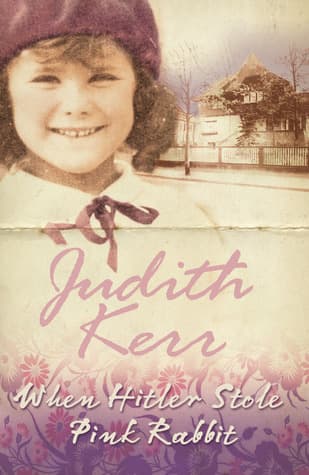
- When Hitler Stole Pink Rabbit
Judith Kerr
4.0 (14k) average on GoodreadsChildren'sFollows a Jewish family's escape from Nazi Germany, focusing on the experience of displacement and adaptation.
- The Book Thief
Markus Zusak
4.4 (1.8M) average on GoodreadsHistorical FictionNumber the Stars is significantly more accessible for younger readers (8-12) with a simpler narrative and direct themes. The Book Thief is geared towards young adult/adult audiences, featuring a more complex narrative structure, allegorical elements, and deeper philosophical explorations of war and humanity.
- Harry Potter and the Sorcerer's Stone
J.K. Rowling
4.5 (7M) average on GoodreadsFantasyRescued from a miserable life under the stairs, an orphaned boy discovers he's a wizard destined for a magical school, where he uncovers a dangerous secret tied to the dark wizard who murdered his parents.
- The Hobbit, or There and Back Again
J.R.R. Tolkien
4.3 (2.9M) average on GoodreadsFantasyA comfort-loving hobbit named Bilbo Baggins is whisked away by a mischievous wizard and a band of dwarves on an unexpected journey to reclaim stolen treasure from a fearsome dragon, discovering courage and a magical ring along the way.





Enjoyed the summary?
A summary gives you the shape of the book. The book itself has the detail, the examples and the voice.
Find Number the Stars on AmazonAs an Amazon Associate, BookBrief earns from qualifying purchases. How we're funded