
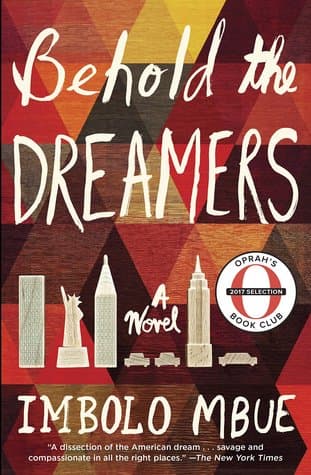
Synopsis
Covers the whole plot, including the ending.
- Difficulty
- Medium
- Pacing
- Moderate
- Mood
- Thought-provoking, Realistic, Dramatic, Reflective
- Read it if
- You enjoy character-driven stories exploring immigration, class disparities, and the American Dream during times of economic upheaval.
- Skip it if
- You prefer fast-paced thrillers or stories with clear-cut heroes and villains.
Behold the Dreamers Plot Summary
Covers the whole plot, including the ending.
A New Life in Harlem
Jende Jonga, his wife Neni, and their young son, Liomi, live in a cramped apartment in Harlem. Jende, having overstayed his visa, wants to secure a green card and provide for his family, fulfilling the dreams he brought from Cameroon. He works a series of unreliable, low-paying jobs, constantly fearing deportation and the insecurity of their existence. Neni, meanwhile, is determined to pursue her education, enrolling in community college classes, despite the financial strain it places on the family. Their initial optimism about America is slowly being eroded by the daily grind and the constant threat of poverty and legal insecurity, making a stable future seem increasingly distant.
The Edwards' Offer
Through luck and the help of a fellow Cameroonian, Jende gets an interview for a chauffeur position with Clark Edwards, a senior executive at Lehman Brothers. Despite his lack of experience driving luxury vehicles, Jende's earnestness and desperation impress Clark. He is hired, a seemingly miraculous opportunity that promises financial stability and a pathway to a better life for his family. Clark's wife, Cindy, also takes an interest in Neni, offering her a temporary summer job at their Hamptons estate. The Jongas view these jobs as their golden ticket, a chance to finally gain a foothold in the American Dream, believing their struggles are finally coming to an end.
Entering the World of Privilege
Jende starts his role as Clark Edwards' chauffeur, driving him to meetings, social events, and ferrying his children, Vince and Remy. He sees firsthand the immense wealth and privilege of the Edwards family, a stark contrast to his own modest life. Neni, during her temporary stint in the Hamptons, observes Cindy's seemingly carefree existence, her opulent home, and her social circles. Both Jongas are initially awestruck by this new world, trying to navigate its unwritten rules and expectations. They strive to be discreet and loyal, understanding that their future depends on pleasing the Edwardses, even as they begin to notice subtle tensions within the family.
Unraveling Secrets
As Jende spends more time with Clark, he inadvertently overhears phone calls and conversations that hint at troubles in Clark and Cindy's marriage. He observes Clark's late nights and subtle evasiveness. Meanwhile, Neni, during her time at the Hamptons and later, picks up on Cindy's unhappiness, her reliance on alcohol, and her strained relationship with her husband. The perfect wealthy family begins to crack for the Jongas, revealing underlying anxieties, infidelity, and loneliness despite their material abundance. They find themselves in uncomfortable positions, privy to secrets they never asked to know.
The Financial Crisis Looms
As the summer progresses into fall 2007, news reports of the impending financial crisis become more frequent. Jende notices a change in Clark's demeanor – he becomes more stressed, withdrawn, and works even longer hours. The Edwards' household, once a picture of unwavering prosperity, shows signs of strain. Cindy's anxieties heighten, and her drinking increases. The global economic downturn, initially an abstract concept to the Jongas, starts to manifest directly in their employers' lives, and by extension, in their own precarious situation. Jende worries about the security of his job, knowing that any instability for the Edwardses could directly impact his family's livelihood.
The Collapse of Lehman Brothers
September 2008 arrives, and Lehman Brothers collapses, filing for bankruptcy. This catastrophic event sends immediate and devastating shockwaves through the financial world and directly impacts the Edwards family. Clark loses his job, and his career is in ruins. The once-invincible facade of their wealth and stability crumbles entirely. Jende witnesses Clark's despair and the profound shift in the household's atmosphere. For the Jongas, this news is terrifying; Jende's carefully secured job is now gone, threatening to unravel all their progress and plunge them back into the desperate uncertainty they had hoped to escape. Their American Dream now feels more fragile than ever.
Desperate Measures
With Clark Edwards jobless and the family's assets frozen, Jende's employment as a chauffeur is immediately jeopardized. Despite the dire circumstances, Jende, desperate to keep his family afloat, attempts to continue working, even offering to drive for Cindy or run errands. He clings to the hope that some form of employment can be salvaged from the wreckage. However, the Edwardses are in no position to retain him, and the reality of their financial downfall becomes clear. Jende's efforts are futile, and he is ultimately let go, leaving him and Neni scrambling to find new ways to survive and pay their rent.
Marital Strain and Secrets Revealed
The loss of Jende's job and the increasing financial pressure take a severe toll on his and Neni's marriage. Arguments become frequent, fueled by stress and unmet expectations. Neni, disillusioned by Jende's inability to secure stable work and feeling the weight of their precarious existence, becomes increasingly frustrated. During a particularly heated argument, a devastating secret from Neni's past in Cameroon is revealed: she was raped by a relative before coming to America. This revelation, kept hidden for years, adds another layer of pain and complexity to their already strained relationship, threatening to tear them apart entirely.
Cindy's Reckoning
Cindy Edwards, already grappling with her husband's job loss and the public humiliation of the Lehman Brothers collapse, is confronted with her own personal demons. Her alcohol abuse escalates, and she struggles to cope with the reality of her diminished status. The financial crisis also brings Clark's infidelity into the open, confirming Cindy's long-held suspicions and adding to her despair. The polished image of the Edwards' marriage shatters completely, forcing Cindy to confront her own choices, her unhappiness, and the superficiality of the life she had built. She experiences a profound loss of identity and purpose.
The Impossible Choice
Facing eviction, mounting debt, and Jende's expired visa, the Jongas reach a breaking point. They have exhausted all options for legal work and fear deportation. The American Dream they chased now feels like a cruel illusion. After much painful deliberation, they realize they have only one viable path forward: Neni and Liomi, who have legal status, will remain in the U.S. while Jende returns to Cameroon. This separation, a heartbreaking sacrifice, is intended to allow Neni to continue her studies and provide a stable future for Liomi, even if it means tearing their family apart for an indefinite period. It is a decision born of love, desperation, and the harsh realities of their immigrant experience.
A New Beginning, Separated
Jende makes the painful journey back to Cameroon, leaving Neni and Liomi behind in New York. He struggles to readjust to life in his home country, grappling with the failure of his American aspirations and the immense distance from his family. Meanwhile, Neni, now a single mother, continues to work and study, determined to fulfill the dream she and Jende once shared for Liomi. She faces immense challenges, but her resolve is strengthened by the sacrifice Jende made. The novel ends with the Jongas physically separated but united in their enduring hope for Liomi's future, highlighting the personal costs of chasing the American Dream.
Principal Figures
Jende Jonga
Protagonist
A Cameroonian immigrant determined to provide for his family in America.
Jende is a diligent, earnest, and somewhat naive Cameroonian immigrant who comes to the U.S. seeking a better life for his wife, Neni, and son, Liomi. He is hardworking and loyal, initially believing that sheer effort will lead to success in America. He takes pride in his work as a chauffeur for Clark Edwards and is deeply committed to his family. His journey is marked by a constant struggle against the precariousness of his immigration status and the disillusionment that comes with the unfulfilled promise of the American Dream. He is a man of integrity but is often overwhelmed by circumstances beyond his control.
Relationships: Neni Jonga (Wife, partner in their shared dream, experiences marital strain with her); Liomi Jonga (Son, his primary motivation for seeking a better life); Clark Edwards (Employer, a complex and distant figure he serves loyally); Cindy Edwards (Employer's wife, a source of temporary work for Neni and observation for Jende)
Neni Jonga
Protagonist
Jende's ambitious wife, striving for education and a stable future.
Neni is Jende's intelligent, ambitious, and resilient wife. She is determined to pursue her education, seeing it as the key to their family's upward mobility in America. Initially optimistic, she becomes increasingly disillusioned by the financial struggles and the unfulfilled promises of their new life. She is practical and sometimes critical, prone to expressing her frustrations, which strains her marriage with Jende. She carries a painful secret from her past that impacts her emotional well-being and her relationship with her husband. Neni ultimately embodies the strength required to endure hardship for her child's future.
Relationships: Jende Jonga (Husband, partner in their shared dream, experiences marital strain with him); Liomi Jonga (Son, her primary motivation and source of hope); Cindy Edwards (Temporary employer, a figure of fascination and observation); Fatou (Friend and confidante, fellow Cameroonian immigrant)
Clark Edwards
Supporting
A powerful Lehman Brothers executive whose life unravels with the financial crisis.
Clark Edwards is a senior executive at Lehman Brothers, a man who embodies the pinnacle of American corporate success and wealth. He is initially portrayed as demanding, discreet, and somewhat aloof, accustomed to power and privilege. He values loyalty and efficiency in his employees. However, beneath his polished exterior, Clark is entangled in a failing marriage and harbors secrets, including infidelity. His character arc is defined by the sudden and dramatic fall from grace brought about by the 2008 financial crisis, forcing him to confront the fragility of his constructed identity and the superficiality of his success.
Relationships: Jende Jonga (Employer, client, a man he relies on for professional service); Cindy Edwards (Wife, their marriage is strained and fraught with infidelity); Vince Edwards (Son); Remy Edwards (Daughter)
Cindy Edwards
Supporting
Clark's wife, a woman trapped by her wealth and marital unhappiness.
Cindy Edwards is Clark's wife, a wealthy socialite who appears to have a perfect life but is deeply unhappy and struggles with alcohol abuse. She is initially presented as somewhat detached and self-absorbed, but also capable of moments of surprising kindness, such as offering Neni work. She is acutely aware of her husband's infidelities and the superficiality of her marriage. The financial crisis, while devastating to her family's status, also serves as a catalyst for her to confront her own choices and the emptiness of her privileged existence. She is a complex character seeking meaning beyond material wealth.
Relationships: Clark Edwards (Husband, their marriage is strained and dysfunctional); Neni Jonga (Temporary employer, a figure she observes and confides in indirectly); Vince Edwards (Son); Remy Edwards (Daughter)
Liomi Jonga
Supporting
Jende and Neni's young son, representing their hopes for the future.
Liomi is Jende and Neni's six-year-old son, who serves as the primary motivation for his parents' sacrifices and their pursuit of the American Dream. He is a bright and innocent child, largely unaware of the immense struggles his parents face. His presence underscores the stakes of their journey and the future they are trying to build. His continued presence in America, even after Jende's deportation, symbolizes the enduring hope for a better life for the next generation, a future that his parents are willing to endure great pain to secure for him.
Relationships: Jende Jonga (Father, his well-being is Jende's driving force); Neni Jonga (Mother, her well-being is Neni's driving force)
Fatou
Supporting
A fellow Cameroonian immigrant and Neni's friend.
Fatou is Neni's friend and a fellow Cameroonian immigrant living in New York. She provides Neni with advice, support, and a sense of community. She is pragmatic and experienced in the struggles of immigrant life, often offering Neni a more grounded perspective. Fatou also helps Jende secure his interview with Clark Edwards, demonstrating the crucial role of immigrant networks in navigating life in a new country. Her character highlights the solidarity and informal support systems that exist within immigrant communities.
Relationships: Neni Jonga (Close friend and confidante); Jende Jonga (Acquaintance, helps him secure the chauffeur job)
Vince Edwards
Mentioned
Clark and Cindy's son.
Vince is the son of Clark and Cindy Edwards. He is one of the children Jende occasionally drives. While not a central character, his presence, along with his sister Remy, helps to paint a picture of the Edwards' privileged family life and the generational divide within their household. He represents the carefree existence of children born into immense wealth, contrasting sharply with Liomi's more humble upbringing.
Relationships: Clark Edwards (Father); Cindy Edwards (Mother); Remy Edwards (Sister)
Remy Edwards
Mentioned
Clark and Cindy's daughter.
Remy is the daughter of Clark and Cindy Edwards. Like her brother Vince, she is one of the children Jende drives. Her character, though minor, contributes to the depiction of the Edwards' affluent lifestyle and the dynamics within their family. She represents another aspect of the privileged world that the Jongas observe and serve, highlighting the vast social and economic gap between the two families.
Relationships: Clark Edwards (Father); Cindy Edwards (Mother); Vince Edwards (Brother)
Themes & Insights
The Elusive American Dream
The novel examines the myth of the American Dream through the experiences of Jende and Neni. They arrive in the U.S. with immense hope, believing that hard work guarantees success and prosperity. However, they encounter systemic barriers like immigration status, economic instability, and racial inequality. Jende's job loss and eventual deportation, despite his loyalty and diligence, show how the dream remains unattainable for many, especially immigrants. The 'dream' is a privilege, not a given, often dependent on factors beyond individual effort, leading to disillusionment and heartbreaking sacrifices, as seen when Jende is forced to leave his family.
“America was not a place for the faint of heart, or for people who had not come with a backup plan.”
Class and Inequality
The contrast between the lives of the Jongas (working-class immigrants) and the Edwardses (wealthy one-percenters) highlights class disparities. The novel details the opulent lifestyle of the Edwardses – their lavish homes, expensive cars, and carefree spending – contrasted against the Jongas' cramped apartment, constant financial anxiety, and fear of deportation. Jende and Neni's observation of the Edwards' world reveals that wealth does not equate to happiness or moral integrity, as the Edwardses battle infidelity, alcoholism, and a superficial existence. The economic collapse further exposes the vulnerability of even the powerful, but the Jongas' precarity is far more existential.
“He knew that the Edwardses' financial problems, though catastrophic to them, could not be compared to his own. Their fall from grace would mean a change in lifestyle, not a struggle for survival.”
Immigration and Belonging
The struggles of Jende and Neni show the realities of the immigrant experience. They face assimilation challenges, language barriers, cultural differences, and the constant threat of deportation due to Jende's visa status. Their efforts to build a new life are continually undermined by their 'outsider' status. The novel explores the emotional toll of leaving one's homeland, the longing for family, and the difficulty of finding a true sense of belonging in a new country that often feels unwelcoming. Jende's eventual forced return to Cameroon underscores the profound sacrifices and the often-unfulfilled promises of immigration.
“He had told himself that he was going to America for a better life. But what good was a better life if he had to live it alone?”
Marriage and Sacrifice
The novel explores the complexities and strains within both the Jonga and Edwards marriages. Jende and Neni's marriage is tested by financial hardship, unmet expectations, and the revelation of past trauma. Their love and shared dreams are strong, but the pressures of immigrant life push them to their breaking point, culminating in Jende's decision to return to Cameroon for his family's future. Conversely, Clark and Cindy's marriage, despite its material comfort, is hollow, plagued by infidelity, emotional distance, and a lack of genuine connection. Both marriages ultimately involve significant sacrifices, albeit of vastly different natures.
“Marriage was a gamble, like life itself. And sometimes, you lost everything, even if you thought you had played all your cards right.”
The Illusion of Success
The Edwards family initially embodies American success – wealth, power, and a seemingly perfect life. However, as Jende and Neni gain closer access, they see the cracks beneath this polished facade. Clark's infidelity, Cindy's alcoholism and unhappiness, and their children's detachment reveal that material success does not guarantee personal fulfillment or happiness. The collapse of Lehman Brothers further exposes the fragility and superficiality of their constructed reality. The novel suggests that what appears to be success from the outside can often mask personal and ethical failures, making the 'dream' itself an illusion.
“The rich were just like everyone else, only with more money to hide their troubles.”
Plot Devices & Literary Techniques
Dual Perspective
Alternating focus between two families of different social classes.
The novel employs a dual perspective, primarily focusing on the Jonga family (immigrants struggling for financial stability) and the Edwards family (wealthy Wall Street elite). This device allows for a direct comparison of their experiences, values, and the impact of the American Dream and the 2008 financial crisis on vastly different social strata. By showing both sides, the narrative highlights the profound class inequality and the interconnectedness of their lives, despite their social distance. It offers a nuanced critique of American society and its promises.
Dramatic Irony
The reader and characters are aware of impending doom.
Dramatic irony is prevalent, particularly concerning the impending 2008 financial crisis. The reader, knowing the historical outcome, observes the Edwards family's oblivious opulence and Clark's unwavering confidence in Lehman Brothers, while also witnessing Jende's desperate reliance on his job. This creates a sense of foreboding and tension, as the audience anticipates the inevitable collapse that will dramatically upend both families' lives. It underscores the fragility of the Edwards' wealth and the devastating impact it will have on the Jongas' already precarious existence.
Symbolism of the Car
The luxury car represents status, access, and the illusion of the American Dream.
Clark Edwards' luxury car, which Jende chauffeurs, serves as a powerful symbol. Initially, it represents Jende's access to a better life, a tangible sign of his 'success' and proximity to the American Dream. It is a portal into the world of the wealthy. However, it also symbolizes the vast divide between the two families; Jende is in the car, but never truly 'of' the world it represents. After the financial collapse, the car becomes a symbol of lost status and the fragility of wealth, as its maintenance becomes a burden for the Edwardses, and Jende loses his connection to it entirely.
The American Dream as a Mirage
The central concept itself is presented as an illusion for many.
The entire narrative functions as an extended plot device to deconstruct the notion of the American Dream. What initially appears to be a pathway to success for the Jongas through hard work and loyalty ultimately reveals itself as a mirage, especially for those without the privilege of citizenship or inherited wealth. The story systematically dismantles the idea that America is a meritocracy, showing how systemic barriers, economic downturns, and personal secrets can shatter even the most earnest aspirations. The ending, with Jende's deportation, serves as the ultimate indictment of this elusive dream.
Behold the Dreamers Quotes
“America is a religion, not a country.”
“The American Dream was a currency, and they were trying to earn it, even if it meant sacrificing their own bodies.”
“When you are poor, you are always trying to catch up, but the world keeps moving faster.”
“There was no such thing as a small dream, not when you had nothing.”
“The rich were rich because they were good at being rich, and the poor were poor because they were bad at being poor.”
“The pain of not knowing was worse than the pain of knowing.”
“Sometimes, the biggest dreams were the ones that got crushed the hardest.”
“Love was not a thing you found; it was a thing you built.”
“Money was not happiness, but it bought comfort, and comfort was a good substitute for happiness.”
“The trick to surviving in America was to never stop working, never stop hoping, and never stop pretending.”
“Every day was a battle, and sometimes, even winning a battle felt like losing the war.”
“To be an immigrant was to live in a constant state of negotiation, with yourself, with others, with the country you called home.”
“They had come to America for a dream, but what they found was a mirror.”
“There was a kind of freedom in having nothing left to lose.”
Quiz
10 questions on the plot and the characters. Each answer comes with a short explanation.
Question 1
What is Jende Jonga's initial job for Clark Edwards?
- Gardener
- Chauffeur
- Cook
- Housekeeper
Show answer
B. Chauffeur Jende Jonga lands a job as a chauffeur for Clark Edwards, a senior executive at Lehman Brothers.
Question 2
In what year does Jende Jonga get his job with Clark Edwards?
- 2005
- 2006
- 2007
- 2008
Show answer
C. 2007 The story explicitly states that Jende gets the job in the fall of 2007, just before the financial crisis.
Question 3
What is the name of Jende's wife?
- Cindy
- Neni
- Lehman
- Harlem
Show answer
B. Neni Jende's wife, who also seeks opportunities in America, is named Neni.
Question 4
What major financial institution does Clark Edwards work for?
- Goldman Sachs
- Morgan Stanley
- Lehman Brothers
- JPMorgan Chase
Show answer
C. Lehman Brothers Clark Edwards is a senior executive at Lehman Brothers, whose collapse is a central plot point.
Question 5
Where do the Edwardses offer Neni temporary work?
- Their apartment in Manhattan
- Their summer home in the Hamptons
- Clark Edwards's office
- A charity event in Harlem
Show answer
B. Their summer home in the Hamptons Cindy Edwards offers Neni temporary work at their summer home located in the Hamptons.
Question 6
What is one of the key themes explored through the contrasting lives of the Jongas and the Edwardses?
- The importance of technological innovation
- The challenges of space exploration
- The pursuit of the American Dream and the stark realities of class difference
- The history of the banking industry
Show answer
C. The pursuit of the American Dream and the stark realities of class difference The narrative explicitly contrasts the immigrant experience of the Jongas seeking the American Dream with the privileged, yet troubled, lives of the Edwardses, highlighting class disparities.
Question 7
What specific demands does Clark Edwards make of Jende as his chauffeur?
- Excellent cooking skills and fashion advice
- Punctuality, discretion, and loyalty
- Financial investment advice and networking
- House cleaning and childcare
Show answer
B. Punctuality, discretion, and loyalty The description states that Clark demands punctuality, discretion, and loyalty from Jende, which are typical expectations for a high-profile chauffeur.
Question 8
What event significantly impacts the lives of both the Jonga and Edwards families?
- A natural disaster in New York City
- The collapse of Lehman Brothers
- A political election
- A major real estate boom
Show answer
B. The collapse of Lehman Brothers The collapse of Lehman Brothers, where Clark Edwards works, is the pivotal event that upends the lives of both families.
Question 9
What does the phrase 'cracks in their employers’ façades' foreshadow about the Edwardses?
- They are planning to move to a new city.
- Their perfect, wealthy exterior hides underlying problems and secrets.
- They are renovating their summer home.
- They are becoming more open and friendly with their staff.
Show answer
B. Their perfect, wealthy exterior hides underlying problems and secrets. The phrase suggests that despite their outward appearance of success and stability, the Edwardses have hidden issues or secrets that the Jongas begin to perceive.
Question 10
What 'impossible choice' are Jende and Neni ultimately forced to make?
- Whether to return to Cameroon or stay in America despite their struggles.
- Which of the Edwards's secrets to expose to the public.
- Whether to invest their savings in the stock market or a new business.
- To divorce or remain together for the sake of their son.
Show answer
A. Whether to return to Cameroon or stay in America despite their struggles. The synopsis mentions that 'Jende and Neni are forced to make an impossible choice' as their lives are upended, implying a critical decision about their future in America, likely involving their immigration status or ability to thrive.
Behold the Dreamers FAQ
What is the central conflict Jende Jonga faces when he first starts working for Clark Edwards?
Jende's central conflict revolves around balancing his desperate need to maintain his job as a chauffeur for Clark Edwards, a senior executive at Lehman Brothers, with his growing unease about the secrets and moral compromises he witnesses within the Edwards' wealthy world. He needs the job for his family's immigration status and financial stability, making him initially overlook troubling signs.
How does Neni's initial perception of the American Dream differ from her later experiences?
Neni initially views the American Dream through a lens of material prosperity and opportunity, especially when she gets temporary work for Cindy Edwards in the Hamptons. However, her later experiences, particularly witnessing the Edwards' marital strife and the fallout from the financial crisis, reveal the emotional emptiness and moral decay that can accompany extreme wealth, shattering her idealized view.
What role does the collapse of Lehman Brothers play in the Jonga family's story?
The collapse of Lehman Brothers is a pivotal turning point, directly threatening Jende's employment and consequently the Jonga family's visa status and financial future in America. It forces Jende and Neni to confront the fragility of their newfound security and makes them desperate to cling to any remaining connection with the Edwards, even at great personal cost.
What 'impossible choice' are Jende and Neni ultimately forced to make?
Jende and Neni are ultimately forced to choose between maintaining their precarious foothold in America, which involves enduring significant humiliation and moral compromise, or returning to Cameroon, sacrificing their dream of a better life for their son, Winston. This choice becomes a painful decision about dignity versus perceived opportunity.
How does the Edwards' marriage reflect a broader critique of the American upper class?
The Edwards' marriage, characterized by infidelity, emotional distance, and a reliance on material possessions to mask deeper unhappiness, serves as a microcosm of the perceived moral decay and superficiality within a segment of the American upper class. Their privilege doesn't insulate them from personal turmoil, and in fact, seems to exacerbate it.
What subtle clues hint at Clark Edwards's financial troubles or moral compromises before the Lehman Brothers collapse?
Subtle clues include Clark's increasingly erratic behavior, his demands for absolute discretion from Jende, and the underlying tension in his marriage with Cindy. While not explicitly financial, these details suggest a man under immense pressure and potentially involved in activities he wishes to keep hidden, foreshadowing the larger financial crisis.
How does the author use the Hamptons setting to highlight the contrast between the Jongas and the Edwards?
The Hamptons setting vividly emphasizes the vast economic and social chasm between the two families. For the Edwards, it's a playground of luxury and escape, while for Neni, working there exposes her to a world of opulence she can only serve, underscoring her 'outsider' status despite her proximity to wealth.
What is the significance of Winston's perspective, even though he is a child, in understanding the Jonga family's journey?
Winston's perspective, though not explicitly detailed as a viewpoint character, represents the future and the primary motivation for Jende and Neni's sacrifices. His innocence and vulnerability heighten the stakes of their struggle, and his eventual assimilation into American culture, or lack thereof, measures the true cost and success of their dream.
How does Cindy Edwards's increasing reliance on Neni evolve beyond simple employer-employee dynamics?
Cindy's reliance on Neni evolves into a complex, almost co-dependent relationship, particularly as her own marriage deteriorates. She seeks emotional solace and companionship from Neni, blurring professional boundaries and revealing her own isolation despite her privileged life. This shift places Neni in an uncomfortable and compromising position.
Analyze Jende's internal conflict between loyalty and self-preservation.
Jende deeply values loyalty and discretion, principles instilled in him and reinforced by his job requirements. However, as the Edwards' secrets become more disturbing and his own family's future is jeopardized, he struggles with the moral implications of maintaining that loyalty versus protecting Neni and Winston, leading to immense internal turmoil.
How does Neni's character evolve from a hopeful immigrant to a disillusioned woman?
Neni begins with an optimistic, almost naive hope for the American Dream, eager to embrace its opportunities. Her experiences, particularly witnessing the Edwards' dysfunctional marriage and the compromises expected of her, gradually chip away at her idealism, leading to disillusionment and a more cynical understanding of wealth and happiness.
Discuss the psychological impact of constant surveillance and discretion on Jende.
The constant need for surveillance and discretion profoundly impacts Jende, fostering a sense of isolation and paranoia. He must observe everything while revealing nothing, leading to suppressed emotions and a feeling of being an invisible observer in a world he can never truly belong to. This erodes his sense of self and trust.
Is the novel primarily a critique of the American Dream, or a universal story about the pursuit of happiness?
While the novel strongly critiques the superficiality and moral compromises sometimes inherent in the American Dream, particularly for those on the fringes, it also functions as a universal story about the pursuit of happiness. It explores how individuals define success and fulfillment, and the sacrifices they are willing to make, regardless of their geographical context.
To what extent are the Edwards characters victims of their own circumstances versus architects of their own downfall?
The Edwards are a complex blend of both. They are victims of the larger financial system and societal pressures that demand certain appearances and behaviors. However, they are also architects of their downfall through their personal choices—infidelity, emotional neglect, and a reliance on material wealth—which ultimately lead to the unraveling of their family and reputation.
What message does the ending convey about the true meaning of 'home' and belonging?
The ending suggests that 'home' is not merely a geographical location but a place where one finds dignity, authenticity, and emotional security, often with family. It implies that true belonging comes from internal peace and connection rather than external validation or material success, challenging the initial premise that America was the sole path to a better life.
Could Jende and Neni have made different choices to achieve a better outcome in America, or were they doomed by systemic factors?
This is debatable. While their choices often reflect desperation, systemic factors like immigration laws, economic inequality, and racial biases heavily constrained their options. It suggests that while individual agency exists, the deck was stacked against them, making a 'better' outcome within America incredibly difficult, if not impossible, without significant moral sacrifice.
About the author

Imbolo Mbue is a novelist known for her exploration of themes related to immigration and the American dream. Her notable work, "Behold the Dreamers," examines the lives of two families in New York City during the financial crisis. Mbue's writing has received significant recognition, including winning the PEN/Faulkner Award for Fiction.
Similar books
- Americanah
Chimamanda Ngozi Adichie
4.3 (264k) average on GoodreadsLiterary FictionExplores the immigrant experience, race, and identity in America.
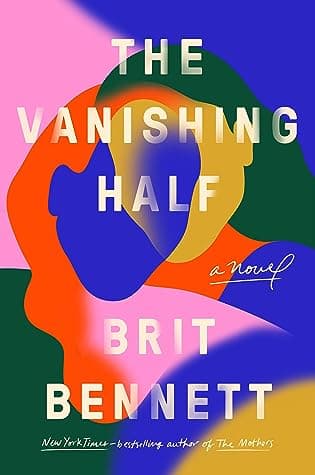
- The Vanishing Half
Brit Bennett
4.3 (132k) average on GoodreadsLiterary FictionExamines class, identity, and the ripple effects of choices across generations.
- A Little Life
Hanya Yanagihara
4.3 (212k) average on GoodreadsLiterary FictionA deep dive into complex character relationships and the struggles of life in New York City.
- The Joy Luck Club
Amy Tan
3.9 (598k) average on GoodreadsHistorical FictionWhile both explore immigrant narratives, Tan's novel focuses on Chinese-American mothers and daughters across generations, with less emphasis on recent economic upheavals. Mbue's work is more grounded in contemporary economic reality and the specific impact of the 2008 crisis.
- Exit West
Mohsin Hamid
3.8 (105k) average on GoodreadsLiterary FictionHamid's novel examines the refugee experience and global displacement, but through a more allegorical and fantastical lens (e.g., magical doors). Mbue's 'Behold the Dreamers' offers a more grounded, realistic portrayal of immigration and its challenges within a specific economic context.
- The Old Man and the Sea
Ernest Hemingway
3.8 (831k) average on GoodreadsLiterary FictionA Cuban fisherman's long struggle with a giant marlin becomes a story of endurance and dignity, now retold for young adults with illustrations, phonetic guides, and writing prompts in Traditional Chinese.





Enjoyed the summary?
A summary gives you the shape of the book. The book itself has the detail, the examples and the voice.
Find Behold the Dreamers on AmazonAs an Amazon Associate, BookBrief earns from qualifying purchases. How we're funded