
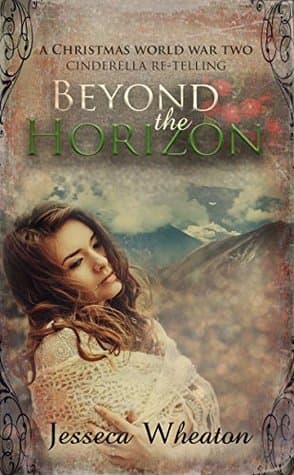
Synopsis
Covers the whole plot, including the ending.
- Difficulty
- Easy
- Pacing
- Moderate
- Mood
- Hopeful, bittersweet, romantic, reflective, suspenseful
Beyond the Horizon Plot Summary
Covers the whole plot, including the ending.
A Life Confined
Eliana, a young woman in Salzburg, Austria, wants a life beyond the tall mountains surrounding her. She feels trapped by her home's oppressive atmosphere and the strict expectations placed on her. Her only comfort comes from secret weekly meetings with Aron, a boy she met during walks in the countryside. These stolen moments with Aron offer a fragile hope and a connection to a less restricted world. Their innocent affection grows over the years, giving Eliana an escape from daily harshness and frequent cruelty. She holds onto the promise of their future, even as a global conflict begins to cast shadows over Europe.
The Weight of Expectations
As Eliana gets older, her family and society's unspoken pressures increase. Her parents, especially her controlling father, expect her to follow traditional roles and marry well to improve their social standing. These expectations conflict with Eliana's independent nature and her secret wish for adventure and intellectual fulfillment. She dislikes the superficiality of the social scene and the constant scrutiny. Her only true comfort remains her secret meetings with Aron, where they share dreams and fears, strengthening their bond as the world grows more uncertain. The thought of a future without Aron is unbearable, but forces around her seem to work against their simple love.
A Fateful Evening
Despite her strong objections and a sense of dread, Eliana's parents make her attend a lavish social event hosted by a prominent Salzburg family. She finds these events boring and fake, preferring quiet time in nature or Aron's genuine company. The party is a display of wealth and social climbing, full of people Eliana finds shallow. She feels like an outsider, watching interactions with cynicism. Her discomfort is clear, and she wishes the evening would end, unaware that this night holds a revelation that will shatter her view of her world and its people.
The Shocking Revelation
While trying to find a quiet spot away from the party's noise and pretense, Eliana accidentally overhears a hushed, intense conversation between her father and another influential guest. The discussion's fragments slowly reveal a shocking truth: her family supports the growing Nazi regime through secret activities. This discovery hits hard, destroying her understanding of her father and her family's morals. Her home, once a place of confinement, now seems involved in a growing evil. This leaves her reeling, questioning everything she knew about her life and loved ones, especially considering Aron's Jewish heritage.
Confrontation and Denial
Distraught and needing answers, Eliana confronts her father about what she heard. She demands an explanation, her voice trembling with fear and betrayal. Her father, however, calmly dismisses her concerns as childish overreactions. He tries to manipulate her, downplaying their involvement's seriousness and subtly threatening her if she speaks of it. This encounter leaves Eliana feeling more isolated and horrified. His lack of remorse and casual acceptance of their family's role in such a dangerous ideology deepen her disillusionment and strengthen her resolve to act, though she is unsure how.
Aron's Fear
Eliana immediately finds Aron, her heart heavy with her discovery. She tells him about the overheard conversation and her father's dismissive reaction. Aron, being Jewish, understands the situation's gravity far more acutely than Eliana initially did. His reaction is one of deep fear and urgency, recognizing the immediate danger to him and his family, as well as the moral implications for Eliana. He urges her to be careful and to consider the consequences of her family's actions, highlighting the increasing persecution of Jewish people. This shared secret brings them closer but also casts a long, terrifying shadow over their future.
The Moral Dilemma
The revelation of her family's ties to the Nazi party sends Eliana into a deep moral crisis. She feels torn between her love and loyalty to her family, however flawed, and her strong sense of justice and humanity. Aron's safety is most important, and she knows her family's actions directly threaten him. She struggles with the weight of this decision, understanding that any choice will have lasting consequences. The world is on the edge of war, and Eliana feels immense pressure to align herself with either the oppressive regime her family supports or the values of freedom and compassion she shares with Aron.
A Dangerous Path
Driven by her love for Aron and a growing sense of moral responsibility, Eliana decides she cannot stay passive. She begins to quietly watch her family, listening to conversations and paying closer attention to their activities, trying to understand the full extent of their involvement with the Nazi party. This is dangerous; she risks exposure and severe punishment if her family finds out. Each piece of information she uncovers strengthens her resolve but also deepens her fear. She shares some findings with Aron, who helps her understand the implications and dangers, reinforcing their shared commitment to resistance.
The Call to Action
As Austria's political climate worsens and Jewish citizens face more persecution, Eliana sees the escalating cruelty and injustice firsthand. The disappearances of Jewish families, vandalized shops, and pervasive fear become impossible to ignore. Aron and his family are increasingly at risk, and Eliana knows she can no longer just gather information. She realizes she must take a stand, even if it means cutting ties with her family and risking her own safety. The future she once longed for now represents not just freedom, but also a desperate escape from the encroaching darkness that threatens everyone she cares about.
An Unthinkable Choice
Facing the immediate threat to Aron's life and the growing horror of the Nazi regime, Eliana makes a difficult but firm decision. She chooses to actively work against her family's involvement, even if it means betraying them. This choice is a profound act of courage and self-sacrifice. She understands this path will lead to great personal loss and danger, but her love for Aron and her strong moral compass push her forward. She begins to secretly pass on information, cautiously, to those who might help Aron and his family escape, fully aware that this decision will change her life and relationships forever.
Escape and New Beginnings
With the threat closing in, Eliana and Aron make the dangerous decision to flee Salzburg. Using the information Eliana gathered and Aron's secret connections, they plan a risky escape route. The journey is full of tension, fear, and close calls, as they navigate checkpoints and avoid detection. They leave everything familiar behind, including Eliana's family, knowing their lives will never be the same. Their shared ordeal strengthens their bond, turning their youthful romance into a deep, resilient partnership forged in adversity. They cling to the hope of reaching a place where they can be free from persecution and build a life together, beyond war and hatred.
Principal Figures
Eliana
Protagonist
A spirited young woman yearning for freedom beyond Salzburg's mountains.
Eliana is a thoughtful and independent young woman, stifled by the rigid expectations of her wealthy Salzburg family and the oppressive atmosphere of pre-war Austria. She possesses a keen sense of justice and a deep capacity for love, which she primarily directs towards Aron. Despite her initial naivete, she demonstrates remarkable courage and resilience when confronted with the horrifying truth about her family's involvement with the Nazi regime. Her internal struggle between loyalty and morality forms the core of her character, driving her to make incredibly difficult and dangerous choices.
Relationships: Aron (Romantic interest and confidant); Father (Antagonistic, complicated family relationship); Mother (Distant, traditional family relationship)
Aron
Supporting
Eliana's Jewish love interest, who faces escalating persecution.
Aron is Eliana's beloved, a kind and sensitive young man from a Jewish family. He shares Eliana's dreams of a life beyond their confined world and provides her with emotional support and an intellectual connection that her family lacks. As the political situation in Austria deteriorates, Aron becomes increasingly aware of the dangers facing his community. His fear is palpable, yet he remains strong and determined, often guiding Eliana's understanding of the escalating crisis. He represents the direct human cost of the rising Nazi regime and serves as Eliana's primary motivation for resistance.
Relationships: Eliana (Romantic interest and ally)
Eliana's Father
Antagonist
A domineering patriarch involved with the Nazi regime.
Eliana's father is a powerful and influential man in Salzburg society, deeply entrenched in traditional values and obsessed with maintaining his family's social standing. He is portrayed as cold, manipulative, and dismissive of Eliana's aspirations. His involvement with the burgeoning Nazi party reveals a darker, morally corrupt side, making him a central antagonist. He represents the oppressive forces Eliana struggles against, both personally and ideologically. His lack of remorse and his willingness to sacrifice moral integrity for power and status highlight the insidious nature of the regime.
Relationships: Eliana (Controlling, antagonistic father-daughter relationship); Eliana's Mother (Traditional, subordinate spousal relationship)
Eliana's Mother
Supporting
A traditional woman, subservient to her husband and societal norms.
Eliana's mother is a woman shaped by the societal expectations of her time, primarily concerned with appearances and maintaining the family's social status. She is less overtly cruel than her husband but equally complicit through her passive acceptance of his actions and her adherence to traditional roles. She pressures Eliana to conform, unknowingly contributing to her daughter's unhappiness and confinement. While not an active antagonist, her silence and adherence to convention highlight the broader societal complicity that allowed the Nazi regime to gain power. She represents the societal pressures Eliana yearns to escape.
Relationships: Eliana (Distant, traditional mother-daughter relationship); Eliana's Father (Subservient, traditional spousal relationship)
Themes & Insights
The Quest for Freedom and Self-Discovery
Eliana's desire to see 'beyond the horizon' is a central metaphor for her wish for personal freedom, intellectual growth, and self-determination. She feels confined by her family's expectations, Salzburg's societal norms, and later, political tyranny. Her journey is about breaking free from these boundaries, finding her own moral compass, and choosing a path true to herself, even if it means great sacrifice. This theme explores the universal human desire to escape limitations and shape one's own destiny.
“She longed to see the world beyond the mountains that tower above Salzburg, Austria, but knew that dream will never see such adventure- and neither will she.”
Moral Courage and Resistance
The novel explores moral courage when facing great evil. Eliana's journey from passive observer to active resister is central. When confronted with her family's role in the Nazi regime, she must choose between loyalty to her relatives and loyalty to her conscience and human values. Her decision to act, despite immense personal risk, highlights the importance of individual resistance against injustice and the power of one person to stand against tyranny. This theme connects to the historical context of the Holocaust and the bravery of those who defied it.
“As the world around her teetered on the brink of war, Eliana struggles to figure out just where her loyalty lies; a decision that will drastically change the course of her life.”
Love as a Catalyst for Action
The romance between Eliana and Aron is a driving force behind Eliana's moral awakening and actions. Her love for Aron, a Jewish boy, makes the abstract threat of the Nazi regime deeply personal. Her desire to protect him and ensure his survival ultimately compels her to betray her family and risk her own life. This theme shows how deep personal connections can cross political divides and inspire acts of courage and sacrifice, demonstrating love's enduring power in dark times.
“Surrounded by a world of cruelty, she lives for the weekly visits of Aron, a boy she met on one of her rambles through the countryside.”
The Deception of Appearances and Hidden Evils
The novel explores how evil can hide beneath respectability and social grace. Eliana's family, seemingly prominent members of Salzburg society, are shown to be involved with the Nazi regime. The lavish party, a symbol of high society, becomes the setting for a shocking truth, exposing hidden darkness within her own home. This theme highlights the dangers of superficiality and the importance of looking past appearances to see true character and moral alignment, especially during political upheaval and extremism.
“On a fateful night at a party she vowed she’d never attend, she comes face to face with a shocking truth.”
Plot Devices & Literary Techniques
Foreshadowing
Hints of looming danger and conflict.
The narrative employs subtle and overt foreshadowing to build tension and a sense of impending doom. Eliana's initial feeling of being 'surrounded by a world of cruelty' and the mention of the world 'teetering on the brink of war' early on prepare the reader for the darker revelations to come. Her reluctance to attend the party also foreshadows the negative and impactful event that will occur there. This device effectively creates suspense and emphasizes the inevitability of the political and personal conflicts Eliana will face.
Symbolism: The Horizon
Represents freedom, hope, and the unknown.
The 'horizon' serves as a powerful and recurring symbol throughout the novel. Initially, it represents Eliana's longing for adventure, freedom, and a life beyond the confines of her small world in Salzburg. As the story progresses, the horizon evolves to symbolize escape from persecution, the hope for a new beginning with Aron, and the possibility of a better, safer future free from the war and hatred gripping Europe. It encapsulates her deepest desires and the ultimate goal of her arduous journey.
Irony: The Social Gathering
A place of supposed celebration revealing dark truths.
The party Eliana attends, a seemingly joyous and glamorous social event, is ironically the setting for the most devastating revelation of her life. Instead of being a place of celebration or connection, it becomes the catalyst for her disillusionment and the exposure of her family's dark secrets. This ironic contrast between the outward appearance of festivity and the underlying moral corruption highlights the deceptive nature of society and the hidden evils that can exist even in seemingly sophisticated environments. It underscores the theme of appearances versus reality.
Quiz
10 questions on the plot and the characters. Each answer comes with a short explanation.
Question 1
What is the primary setting of the novel 'Beyond the Horizon'?
- Vienna, Austria
- Salzburg, Austria
- The Alps
- Budapest, Hungary
Show answer
B. Salzburg, Austria The book explicitly states that Eliana longs to see the world beyond the mountains that tower above Salzburg, Austria.
Question 2
Who is Eliana's main romantic interest mentioned in the synopsis?
- A boy she met on a ramble
- A soldier from the approaching war
- A guest at the fateful party
- Her tutor
Show answer
A. A boy she met on a ramble The synopsis mentions, 'she lives for the weekly visits of Aron, a boy she met on one of her rambles through the countryside.'
Question 3
What genre does the book 'Beyond the Horizon' fall into?
- Science Fiction
- Mystery
- Historical Fiction, Young Adult, Romance
- Fantasy
Show answer
C. Historical Fiction, Young Adult, Romance The provided information explicitly lists the genres as Historical Fiction, Young Adult, and Romance.
Question 4
What prevents Eliana from seeing the world beyond her home?
- Her family's strict rules
- The towering mountains surrounding Salzburg
- A lack of financial resources
- Her own fear of the unknown
Show answer
B. The towering mountains surrounding Salzburg The synopsis states, 'Eliana longs to see the world beyond the mountains that tower above Salzburg, Austria, but knows that dream will never see such adventure...' indicating the mountains are the physical barrier.
Question 5
What significant event is happening in the world around Eliana as the story progresses?
- A major economic depression
- A global pandemic
- A revolution
- The world teeters on the brink of war
Show answer
D. The world teeters on the brink of war The synopsis mentions, 'As the world around her teeters on the brink of war...'
Question 6
What does Eliana encounter at a 'fateful night at a party she vowed she’d never attend'?
- A proposal of marriage
- A secret message
- A shocking truth
- An unexpected reunion
Show answer
C. A shocking truth The synopsis states, 'On a fateful night at a party she vowed she’d never attend, she comes face to face with a shocking truth.'
Question 7
What internal conflict does Eliana face as the story unfolds?
- Whether to pursue a career in music or art
- Whether to stay in Salzburg or move to Vienna
- Whether to follow her heart or her duty
- Where her loyalty lies
Show answer
D. Where her loyalty lies The synopsis says, 'Eliana struggles to figure out just where her loyalty lies; a decision that will drastically change the course of her life.'
Question 8
The phrase 'a new and unwelcome world is opened up to her' suggests that Eliana's life takes a turn towards:
- Increased happiness and freedom
- Greater responsibility and potential hardship
- A peaceful and uneventful future
- A simple life of domesticity
Show answer
B. Greater responsibility and potential hardship The term 'unwelcome' implies that this new world is not positive and likely brings challenges or unpleasant experiences, contrasting with her previous simple life.
Question 9
What does the title 'Beyond the Horizon' likely symbolize in the context of Eliana's journey?
- The physical distance she travels from Salzburg
- The exploration of her own potential and future, overcoming limitations
- The dangers of the approaching war
- Her romantic desires for Aron
Show answer
B. The exploration of her own potential and future, overcoming limitations Eliana longs to see the world 'beyond the mountains,' and the title 'Beyond the Horizon' suggests a metaphorical journey of discovering what lies outside her current, limited experience, encompassing her own growth and future possibilities.
Question 10
The synopsis hints at a critical decision Eliana must make. This decision's impact is described as:
- Minor and easily reversible
- Affecting only her personal relationships
- Drastically changing the course of her life
- Leading to immediate international peace
Show answer
C. Drastically changing the course of her life The text explicitly states, 'a decision that will drastically change the course of her life,' indicating a profound and life-altering consequence.
Beyond the Horizon FAQ
What is the genre of "Beyond the Horizon"?
"Beyond the Horizon" is a Young Adult Historical Fiction novel with strong elements of romance. It blends historical settings with coming-of-age themes and a developing love story.
Who is the main character in "Beyond the Horizon"?
The main character is Eliana, a young woman living in Salzburg, Austria, who dreams of experiencing the world beyond her sheltered life. She faces many challenges and difficult choices throughout the story.
What is the setting of "Beyond the Horizon"?
The story is set in and around Salzburg, Austria, against the backdrop of a world on the brink of war. The historical period plays a significant role in shaping the characters' lives and decisions.
What are the main themes in "Beyond the Horizon"?
Key themes include longing for freedom and adventure, loyalty, difficult choices, self-discovery, and the impact of societal and political turmoil on personal lives. The novel also explores the complexities of romance.
Is "Beyond the Horizon" a romance novel?
While "Beyond the Horizon" features a significant romantic subplot and relationship development, it is primarily categorized as Young Adult Historical Fiction. The romance is woven into the larger narrative of Eliana's journey.
What kind of challenges does Eliana face?
Eliana faces personal challenges related to her confined life and dreams, as well as external pressures stemming from the looming threat of war and a shocking truth she discovers. Her choices have profound consequences.
What is the central conflict in "Beyond the Horizon"?
The central conflict revolves around Eliana's struggle to reconcile her personal desires and dreams with the harsh realities of her world, including societal expectations, the impending war, and a personal revelation that forces her to question her loyalties.
Will readers experience a sense of adventure in "Beyond the Horizon"?
Yes, the title itself suggests adventure, and Eliana's longing to see the world beyond her mountains drives much of the narrative. While her physical adventures might be limited by her circumstances, her emotional and personal journey is one of significant discovery and growth.
Who would enjoy reading "Beyond the Horizon"?
Readers who enjoy Young Adult historical fiction, stories with strong female protagonists, romantic elements, and narratives set against significant historical events would likely enjoy "Beyond the Horizon."
Similar books
- Code Name Verity
Elizabeth Wein
4.0 (97k) average on GoodreadsHistorical FictionWhile both "Beyond the Horizon" and "Code Name Verity" are historical YA novels featuring strong female protagonists, Wein's novel delves into the grittier, more intense realities of war and espionage, offering a darker, more complex narrative. Wheaton's focus is more on social change and personal growth in the aftermath of war, with romance playing a more central role. "Code Name Verity" is lauded for its intricate plot and emotional depth born from peril, whereas "Beyond the Horizon" offers a more hopeful, albeit still challenging, journey of self-discovery within a historical framework.
- The Great Gatsby
F. Scott Fitzgerald
3.9 (3.8M) average on GoodreadsHistorical FictionBoth novels are set in the Roaring Twenties, but they offer vastly different perspectives. Fitzgerald's 'The Great Gatsby' is a cynical, adult exploration of the Jazz Age's excess, disillusionment, and the decay of the American Dream, using symbolism and complex social commentary. "Beyond the Horizon," while touching on some similar societal shifts, approaches the era from a youthful, more optimistic, and less critical viewpoint, focusing on personal agency and finding hope amidst change. Wheaton's novel is a coming-of-age story within the period, whereas Fitzgerald's is a critique of the period itself, targeting a mature audience with its thematic depth and tragic undertones.
- To Kill a Mockingbird
Harper Lee
4.3 (4.5M) average on GoodreadsHistorical FictionIn the 1930s Jim Crow South, Harper Lee writes about racial injustice, moral growth, and the quiet courage of a lawyer father, Atticus Finch, as seen through his young daughter's eyes.
- Pride and Prejudice
Jane Austen
4.3 (3M) average on GoodreadsHistorical FictionIn a society focused on status and money, Elizabeth Bennet navigates love and pride, challenging Mr. Darcy and social expectations to find true affection.
- Angels & Demons
Dan Brown
3.9 (2.7M) average on GoodreadsThrillerA Harvard symbologist races through Rome's ancient sites, deciphering cryptic clues to unmask the Illuminati and stop a vengeful plot to destroy the Vatican with a stolen antimatter weapon.
- The Kite Runner
Khaled Hosseini
4.3 (2.4M) average on GoodreadsHistorical FictionIn pre-Taliban Afghanistan, a wealthy boy's betrayal of his servant's son during a kite-running tournament starts a lifelong journey for amends as his country collapses.





Enjoyed the summary?
A summary gives you the shape of the book. The book itself has the detail, the examples and the voice.
Find Beyond the Horizon on AmazonAs an Amazon Associate, BookBrief earns from qualifying purchases. How we're funded