
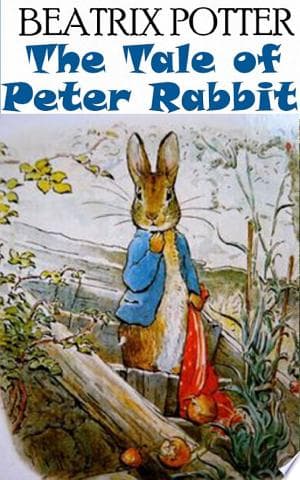
Synopsis
Covers the whole plot, including the ending.
- Difficulty
- Easy
- Pacing
- Fast
- Mood
- Whimsical, Mischievous, Gentle, Cautionary
- Read it if
- You enjoy classic children's stories about mischievous animals and the consequences of disobedience, or are looking for a gentle introduction to narrative for young children.
- Skip it if
- You prefer complex plots, deep character development, or stories with a darker tone and higher stakes.
The Tale of Peter Rabbit Plot Summary
Covers the whole plot, including the ending.
Mrs. Rabbit's Warning and Peter's Disobedience
Mrs. Rabbit, a widow living with her four children – Flopsy, Mopsy, Cotton-tail, and Peter – in a sand-bank under a large fir-tree, gives a clear warning. She tells them they can go into the fields or down the lane, but they must not enter Mr. McGregor's garden. Their father died there, put into a pie by Mrs. McGregor. While Flopsy, Mopsy, and Cotton-tail, who are 'good little bunnies', gather blackberries, Peter, who is 'very naughty', ignores his mother's advice and squeezes under the gate into Mr. McGregor's vegetable garden to eat.
Peter's Feast and Discovery
Once in Mr. McGregor's garden, Peter eats some lettuces, French beans, and then some radishes. He finds the vegetables tasty and enjoys his forbidden meal. However, his meal stops when he sees Mr. McGregor, who is bending down to tie up some onions. Mr. McGregor sees Peter and jumps up, holding a rake and yelling, 'Stop thief!' This sudden sight and the farmer's angry shouts make Peter panic, ending his carefree snacking and starting his desperate escape.
The Chase Begins
Mr. McGregor immediately chases Peter Rabbit. Peter is scared and runs all over the garden, having forgotten how to get back to the gate. In his rush and fear, he runs into a gooseberry net and gets caught by the big buttons on his blue jacket. He struggles to get free, and Mr. McGregor, thinking he has caught the rabbit, is about to grab him with a sieve. Luckily, Peter gets free, leaving his jacket in the net. As he continues his frantic escape, he also loses his shoes among the cabbages, making it harder to move and leaving him with fewer things than he started with.
Lost in the Shed
After losing his jacket and shoes, Peter runs into a tool-shed, hoping to hide. He quickly sees a watering-can and dives head-first into it, thinking he is completely hidden. However, the watering-can is full of water, making his hiding spot uncomfortable. Mr. McGregor, who has been looking for Peter, eventually comes to the shed and turns over flower-pots. He soon finds Peter when Peter sneezes loudly, giving away his position. Mr. McGregor tries to grab him, but Peter escapes out of the shed window, again barely avoiding capture.
Encounter with the Sparrows and the Cat
Peter, still lost in the large garden, sees some sparrows and asks them for directions to the gate. The sparrows, though kind, cannot help him much. As Peter keeps wandering, he sees a white cat sitting very still and looking at some goldfish. He decides not to ask the cat for directions, sensing danger. The cat, watching Peter's worry, twitches its tail but does not move, showing it might be a predator. Peter moves away from the cat, continuing his search for a way out of Mr. McGregor's dangerous garden.
The Return to the Gate
Peter, still running and breathing hard, eventually sees the gate he used to enter the garden. He races towards it, only to find Mr. McGregor there, trying to trap him. Mr. McGregor tries to step on Peter, but Peter manages to squeeze under the gate just in time, barely escaping the farmer's grasp. He rushes out of the garden and does not stop running until he is safely back in the fir-tree under the sand-bank, completely tired and out of breath. He has made it home, but the adventure has left him shaken and without his clothes.
Home and Consequences
When he returns to the burrow, Peter is completely tired and quite sick from his scary adventure and the cold water in the watering-can. He falls onto the floor, unable to speak. Mrs. Rabbit immediately sees his messy state and that his blue jacket and shoes are gone. She is worried and puts him straight to bed, giving him chamomile tea, a common remedy for an upset stomach. Meanwhile, his 'good little sisters,' Flopsy, Mopsy, and Cotton-tail, eat a healthy dinner of bread and milk and blackberries, a big contrast to Peter's bad evening.
Principal Figures
Peter Rabbit
Protagonist
Mischievous young rabbit who disobeys his mother's warnings.
Peter Rabbit is a young, adventurous, and disobedient rabbit. He is characterized by his curiosity and impulsive nature, which leads him to disregard his mother's stern warning about Mr. McGregor's garden. His actions drive the entire plot, as he gets into trouble and must use his wits (and luck) to escape. He is frightened easily but determined to get home. Despite his naughty streak, he is ultimately a sympathetic character, experiencing real fear and discomfort during his ordeal.
Relationships: Mrs. Rabbit (Son, disobedient but loved); Flopsy, Mopsy, Cotton-tail (Brother, less well-behaved than his sisters); Mr. McGregor (Antagonist, human gardener who chases Peter)
Mrs. Rabbit
Supporting
A widowed mother who cares for her children and warns them of danger.
Mrs. Rabbit is a responsible and caring mother to her four children. She provides for them and, crucially, warns them about the dangers of Mr. McGregor's garden, having lost her husband there. Her advice is sound and based on painful experience. When Peter returns home ill and without his clothes, she immediately tends to him, demonstrating her maternal love and concern despite his prior disobedience.
Relationships: Peter Rabbit (Mother, concerned and caring); Flopsy, Mopsy, Cotton-tail (Mother, proud of their good behavior); Mr. Rabbit (deceased) (Husband, whose fate serves as a warning)
Mr. McGregor
Antagonist
The owner of the vegetable garden, determined to catch Peter Rabbit.
Mr. McGregor is the human gardener who owns the coveted vegetable patch Peter invades. He is depicted as an antagonist from Peter's perspective, actively chasing the rabbit with a rake and sieve, and trying to trap him. His motivation is to protect his garden and catch the 'thief' who is eating his produce. He is persistent and observant, nearly catching Peter on several occasions. He is a formidable, though ultimately unsuccessful, adversary to Peter.
Relationships: Peter Rabbit (Adversary, gardener chasing a pest); Mrs. McGregor (Wife, mentioned as making pies from rabbits)
Flopsy, Mopsy, and Cotton-tail
Supporting
Peter's obedient sisters who follow their mother's instructions.
These three sisters are presented as the 'good little bunnies' in contrast to their naughty brother, Peter. They dutifully obey their mother's warning and go to gather blackberries in the lane, avoiding Mr. McGregor's dangerous garden. Their good behavior and subsequent peaceful meal of bread, milk, and blackberries highlight Peter's predicament and the consequences of his disobedience. They serve as a foil to Peter's character.
Relationships: Peter Rabbit (Sisters, more obedient than their brother); Mrs. Rabbit (Daughters, obedient and well-behaved)
Mr. Rabbit (deceased)
Mentioned
Peter's father, whose unfortunate fate serves as a warning.
Mr. Rabbit is Peter's deceased father, mentioned only in Mrs. Rabbit's initial warning. His fate—being 'put into a pie by Mrs. McGregor'—is the reason Mrs. Rabbit forbids her children from entering the garden. His tragic end establishes the grave danger associated with Mr. McGregor's domain and underscores the seriousness of Peter's transgression.
Relationships: Mrs. Rabbit (Husband (deceased)); Peter Rabbit (Father (deceased))
Sparrows
Supporting
Birds who offer Peter sympathy but no useful directions.
The sparrows are minor characters Peter encounters when lost in the garden. He asks them for directions, and they respond with 'lamentations,' showing sympathy for his plight but ultimately being unable to provide practical assistance. They represent the indifferent or limited help available to Peter in his time of need.
Relationships: Peter Rabbit (Brief, unhelpful interaction)
White Cat
Supporting
A silent predator in the garden that Peter wisely avoids.
The white cat is another animal Peter encounters in the garden. It is sitting very still, staring at goldfish, and Peter, sensing danger, wisely decides not to ask it for directions. The cat's predatory nature is implied by its stillness and focus, adding another layer of threat within Mr. McGregor's garden beyond just the farmer himself. It highlights Peter's growing awareness of danger.
Relationships: Peter Rabbit (Potential predator, avoided by Peter)
Themes & Insights
Disobedience and Consequences
The main theme is Peter Rabbit's disobedience of his mother's clear warning and the immediate, scary results. Mrs. Rabbit warns her children about Mr. McGregor's garden because of their father's fate, but Peter ignores this advice. His chase, losing clothes, near-captures, and later illness are direct results of his breaking the rule. The story shows that ignoring rules can lead to trouble, while his sisters' obedience leads to a calm evening.
“Now run along, and don't get into mischief. I am going out.”
Nature vs. Civilization/Wilderness vs. Cultivation
The story looks at the difference between the wild world of the rabbits and the human-made, orderly world of Mr. McGregor's garden. Peter, a wild animal, enters a human space for food, causing a conflict. The garden, while providing food, is also very dangerous for the wild rabbits. This idea is clear in Peter's struggle to get through human structures (nets, sheds, gates) and the fact that his father was 'put into a pie' – a strong reminder of human control over nature.
“First he ate some lettuces, and then some French beans; and then he ate some radishes.”
Fear and Survival
A large part of the story describes Peter's strong fear and desperate attempts to live after Mr. McGregor finds him. From the moment Mr. McGregor yells 'Stop thief!', Peter is overcome by panic. He loses his clothes, gets caught in a net, hides in a watering-can, and barely escapes various dangers. His frantic running, fast heartbeat, and eventual tiredness and sickness when he gets home clearly show the strong need to survive when facing a life-threatening situation. This idea is central to the chase.
“Peter was most dreadfully frightened; he rushed all over the garden, for he had forgotten the way back to the gate.”
Maternal Guidance and Protection
Mrs. Rabbit shows the theme of a mother's guidance and protection. She gives clear instructions to her children, warning them of dangers based on her own difficult experience. While Peter disobeys, her first advice sets the moral base of the story. When Peter returns, despite his bad behavior, her main concern is his well-being; she puts him to bed and gives him medicine. This shows a mother's constant care and her role in keeping her children safe.
“Your Father had an accident there; he was put into a pie by Mrs. McGregor.”
Plot Devices & Literary Techniques
Anthropomorphism
Attributing human characteristics to animal characters.
Beatrix Potter's use of anthropomorphism is central to 'The Tale of Peter Rabbit.' Peter and his family wear clothes (blue jacket, shoes), live in a house (a sand-bank), engage in human activities (eating vegetables, making tea), and exhibit human emotions (fear, mischief, maternal concern). This device makes the animal characters relatable to young readers, allowing the story's moral lessons and adventures to resonate more deeply than if they were purely animalistic.
Foreshadowing (via warning)
Mrs. Rabbit's warning about Mr. McGregor's garden hints at future danger.
Mrs. Rabbit's explicit warning at the beginning of the story, recounting the fate of Peter's father, serves as a clear instance of foreshadowing. It immediately establishes the stakes and the potential danger of the garden, making Peter's subsequent entry into it feel particularly perilous. This device builds tension and emphasizes the gravity of Peter's disobedience, as the reader is aware of the potential consequences from the outset.
Contrast
Highlighting differences between Peter and his sisters to emphasize the moral.
The story employs contrast to highlight the difference between Peter's mischievous behavior and his sisters' obedience. Flopsy, Mopsy, and Cotton-tail are consistently described as 'good little bunnies' who gather blackberries in the lane, while Peter is 'very naughty' and goes to the forbidden garden. Their peaceful, well-fed evening stands in stark contrast to Peter's terrifying ordeal and subsequent illness, effectively underscoring the story's moral about the consequences of disobedience versus the rewards of good behavior.
Symbolism (Peter's blue jacket)
Peter's lost jacket symbolizes his loss of innocence and the consequences of his actions.
Peter's blue jacket is a significant symbolic item. It represents his initial state of comfort and perhaps his childish innocence (being 'dressed up'). When he loses it in the gooseberry net during his frantic escape, it symbolizes his shedding of this innocence and the tangible consequences of his misbehavior. Mr. McGregor even uses the jacket as a scarecrow, a permanent reminder of Peter's transgression and a symbol of what he left behind in his harrowing adventure.
The Tale of Peter Rabbit Quotes
“Once upon a time there were four little Rabbits, and their names were Flopsy, Mopsy, Cotton-tail, and Peter.”
“Now, my dears, said old Mrs. Rabbit one morning, you may go into the fields or down the lane, but don't go into Mr. McGregor's garden.”
“Peter was most dreadfully frightened; he rushed all over the garden, for he had forgotten the way back to the gate.”
“Mr. McGregor was on his hands and knees planting out young cabbages, but he jumped up and ran after Peter, waving a rake and calling out, 'Stop thief!'”
“Peter gave himself up for lost, and shed big tears; but his sobs were overheard by some friendly sparrows, who flew to him in great excitement, and implored him to exert himself.”
“He lost one of his shoes among the cabbages, and the other shoe amongst the potatoes.”
“After losing them, he ran on four legs and went faster, so that I think he might have got away altogether if he had not unfortunately run into a gooseberry net, and got caught by the large buttons on his jacket.”
“It would have been a beautiful thing to hide in, if it had not had so much water in it.”
“Peter sat down to rest; he was out of breath and trembling with fright, and he had not the least idea which way to go.”
“He was so tired that he flopped down upon the nice soft sand on the floor of the rabbit-hole and shut his eyes.”
“But Flopsy, Mopsy, and Cotton-tail had bread and milk and blackberries for supper.”
“Peter was not very well during the evening. His mother put him to bed, and made some camomile tea; and she gave a dose of it to Peter!”
“One table-spoonful to be taken at bed-time.”
“I am sorry to say that Peter was not very well during the evening.”
Quiz
10 questions on the plot and the characters. Each answer comes with a short explanation.
Question 1
What does Mrs. Rabbit specifically warn her children not to do before they go out?
- Eat too many vegetables
- Get into mischief
- Forget to come home for dinner
- Talk to strangers
Show answer
B. Get into mischief In the opening of the book, Mrs. Rabbit tells her bunnies, 'Now run along, and don't get into mischief,' which sets up Peter's disobedience as he immediately heads to Mr. McGregor's garden.
Question 2
Where does Peter Rabbit go despite his mother's warning?
- The nearby forest to play with friends
- Mr. McGregor's garden
- A farmer's market to buy food
- His grandmother's house
Show answer
B. Mr. McGregor's garden Peter disobeys his mother and runs straight to Mr. McGregor's garden, which is described as having tasty vegetables, leading to his misadventures.
Question 3
How does Peter Rabbit enter Mr. McGregor's garden?
- By jumping over the fence
- Through an open door
- By sneaking under the gate
- By digging a tunnel
Show answer
C. By sneaking under the gate The book specifies that Peter 'sneaks under the gate' to get into the garden, highlighting his small size and mischievous nature.
Question 4
What happens to Peter Rabbit's clothes during his escape from Mr. McGregor?
- He loses them in a bush
- Mr. McGregor takes them as punishment
- They get torn off when he gets caught in a gooseberry net
- He gives them to his siblings for safekeeping
Show answer
C. They get torn off when he gets caught in a gooseberry net While trying to escape, Peter gets entangled in a gooseberry net, and his clothes—a blue jacket and shoes—are torn off, leaving him to flee without them.
Question 5
Why does Mr. McGregor chase Peter Rabbit in the garden?
- Because Peter stole his tools
- Because Peter is eating his vegetables
- Because Peter scared his birds
- Because Peter trespassed without permission
Show answer
B. Because Peter is eating his vegetables Mr. McGregor chases Peter because he catches him eating vegetables like lettuces, French beans, and radishes from the garden, which is a key plot point.
Question 6
What do Peter's siblings, Flopsy, Mopsy, and Cotton-tail, do while Peter is in the garden?
- They follow Peter to help him
- They go blackberry picking
- They stay home and clean the burrow
- They play hide-and-seek in the forest
Show answer
B. They go blackberry picking Unlike Peter, Flopsy, Mopsy, and Cotton-tail are good bunnies who obey their mother; they go down the lane to gather blackberries, contrasting with Peter's disobedience.
Question 7
How does Peter Rabbit ultimately escape from Mr. McGregor's garden?
- By hiding in a watering can until Mr. McGregor leaves
- By squeezing under the gate again after losing his clothes
- By flying away with the help of birds
- By digging a hole under the fence
Show answer
B. By squeezing under the gate again after losing his clothes After many close calls, Peter finds the gate and squeezes under it to escape, returning home without his clothes, which emphasizes the consequences of his actions.
Question 8
What is a key theme illustrated by Peter Rabbit's experience in the garden?
- The importance of family loyalty
- The rewards of bravery and adventure
- The consequences of disobedience
- The value of hard work in gardening
Show answer
C. The consequences of disobedience The story centers on Peter ignoring his mother's warning, leading to a scary chase and loss of his clothes, teaching children about the risks of misbehaving.
Question 9
What does Mrs. Rabbit give Peter when he returns home sick and without his clothes?
- A scolding and no dinner
- A new set of clothes and a hug
- A dose of chamomile tea
- Permission to go back to the garden
Show answer
C. A dose of chamomile tea After his ordeal, Peter feels unwell, and Mrs. Rabbit puts him to bed with a dose of chamomile tea, showing maternal care despite his disobedience.
Question 10
In the context of the book, what happens to Peter's father, and how does it relate to the story?
- He is away on a trip and returns at the end
- He was caught by Mr. McGregor and put in a pie
- He helps Peter escape from the garden
- He teaches Peter how to garden safely
Show answer
B. He was caught by Mr. McGregor and put in a pie Early in the book, it's mentioned that Peter's father had an accident in Mr. McGregor's garden and ended up in a pie, which foreshadows the danger Peter faces and adds gravity to Mrs. Rabbit's warning.
The Tale of Peter Rabbit FAQ
What is 'The Tale of Peter Rabbit' about?
The story follows Peter Rabbit, a mischievous young bunny who disobeys his mother's warning and sneaks into Mr. McGregor's garden to feast on vegetables. After being chased by Mr. McGregor, Peter loses his clothes and narrowly escapes, returning home sick and exhausted while his well-behaved siblings enjoy a safe supper.
Why should I read 'The Tale of Peter Rabbit'?
This classic combines charming storytelling with gentle moral lessons about obedience and consequences, wrapped in Beatrix Potter's iconic watercolor illustrations. Its timeless appeal lies in how it captures childhood curiosity and the thrill of small adventures while teaching responsibility.
What is the background/setting of 'The Tale of Peter Rabbit'?
The story is set in the English countryside, primarily in the Rabbit family's home under a fir tree and Mr. McGregor's meticulously kept vegetable garden. This pastoral setting reflects Beatrix Potter's own love for nature and rural life, providing a cozy yet perilous backdrop for Peter's misadventure.
What are the most memorable quotes?
Key quotes include Mrs. Rabbit's warning, 'Now run along, and don't get into mischief,' and Peter's realization, 'I am lost.' Another notable line is the narrator's observation, 'Peter was most dreadfully frightened,' capturing the story's blend of whimsy and tension.
What writing style does the author use?
Beatrix Potter employs a simple, direct narrative style with gentle humor and vivid descriptions, perfectly suited for young readers. Her prose is economical yet evocative, often pairing text with detailed illustrations to enhance the storytelling without overwhelming the audience.
What minor details add significant meaning?
Small details like Peter's lost blue jacket and shoes symbolize his vulnerability and the consequences of disobedience. The mention of chamomile tea given to Peter at the end subtly reinforces themes of comfort and healing after his ordeal.
What are some subtle foreshadowing moments?
Early references to Peter's father being 'put in a pie by Mrs. McGregor' foreshadow the danger of the garden. Mrs. Rabbit's specific warning about Mr. McGregor's garden hints at the chase that follows, setting up the story's central conflict.
What unexpected character connections exist?
The connection between Peter's family and Mr. McGregor is implied through the fate of Peter's father, creating a generational tension. Additionally, the sparrows who help Peter by chirping at Mr. McGregor show an alliance between wild animals against the human gardener.
What are unspoken character motivations?
Peter's motivation stems from a desire for independence and thrill-seeking, contrasting with his siblings' compliance. Mr. McGregor's relentless pursuit is driven not just by protecting his garden but by a deeper irritation at recurring rabbit intrusions, hinted at through his past actions.
What psychological complexities do characters exhibit?
Peter displays a mix of impulsivity and resilience, fleeing danger but also showing fear and regret. Mrs. Rabbit balances maternal concern with practicality, caring for Peter without coddling him, reflecting a nuanced approach to parenting and consequences.
What are the major emotional turning points?
Key emotional shifts include Peter's initial excitement turning to fear when spotted by Mr. McGregor, his despair upon losing his clothes, and his relief upon escaping. The story ends on a bittersweet note as Peter is safe but ill, missing out on his siblings' treat.
How do relationship dynamics evolve?
Peter's relationship with his mother shifts from disobedience to a subdued return, where she tends to him without overt scolding, emphasizing forgiveness. His dynamic with Mr. McGregor escalates from curiosity to life-threatening chase, highlighting the adversarial nature of their interaction.
Which parts remain ambiguous or open-ended?
The story leaves ambiguous whether Peter fully learns his lesson or will misbehave again, as his adventurous spirit is inherent. It also doesn't clarify if Mr. McGregor recognizes Peter as related to the rabbit he previously caught, adding a layer of unresolved tension.
What are controversial scenes or decisions?
Some readers debate the severity of Peter's punishment—being chased and nearly killed—as appropriate for a children's story. Others question if Mrs. Rabbit's handling of the situation, by not punishing Peter further, adequately teaches responsibility.
'The Tale of Peter Rabbit' ending explained: how it ends & what it means
The story ends with Peter safely home but sick, given chamomile tea while his obedient siblings enjoy bread, milk, and blackberries. This conclusion emphasizes that disobedience leads to natural consequences—Peter misses out on rewards and suffers physically, reinforcing the moral without explicit moralizing.
About the author
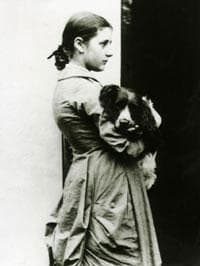
Helen Beatrix Potter was an English writer, illustrator, natural scientist, and conservationist. She is best known for her children's books featuring animals, such as The Tale of Peter Rabbit, which was her first published work in 1902. Her books, including 23 Tales, have sold more than 250 million copies. An entrepreneur, Potter was a pioneer of character merchandising. In 1903, Peter Rabbit was the first fictional character to be made into a patented stuffed toy, making him the oldest licensed character.
Similar books
- Guess How Much I Love You
Sam McBratney
4.4 (126k) average on GoodreadsChildren'sA beloved children's book with simple, heartwarming prose and charming animal illustrations, perfect for young readers.
- Winnie-the-Pooh
A.A. Milne
4.3 (270k) average on GoodreadsFantasyMilne's work focuses on gentle, episodic adventures centered on friendship, imagination, and philosophical musings within a safe, enclosed world. Potter's story is a more direct narrative of transgression and consequence, with a clearer moral framework, contrasting with Pooh's more innocent and less didactic tone.
- Harry Potter and the Sorcerer's Stone
J.K. Rowling
4.5 (7M) average on GoodreadsFantasyRescued from a miserable life under the stairs, an orphaned boy discovers he's a wizard destined for a magical school, where he uncovers a dangerous secret tied to the dark wizard who murdered his parents.
- The Hunger Games
Suzanne Collins
4.3 (6.4M) average on GoodreadsFantasyIn a future where children fight to the death on live television, Katniss Everdeen volunteers for the arena, turning a death sentence into a fight for survival and a spark of rebellion.
- 1984
George Orwell
4.2 (3.1M) average on GoodreadsPoliticsIn a future where surveillance and thought control are absolute, a man's search for truth clashes with the Party, showing that hope can be a form of rebellion.
- Divergent
Veronica Roth
4.2 (2.9M) average on GoodreadsFantasyIn a society divided by virtues, a sixteen-year-old's difference from the norm starts a rebellion that threatens her world.




Enjoyed the summary?
A summary gives you the shape of the book. The book itself has the detail, the examples and the voice.
Find The Tale of Peter Rabbit on AmazonAs an Amazon Associate, BookBrief earns from qualifying purchases. How we're funded