
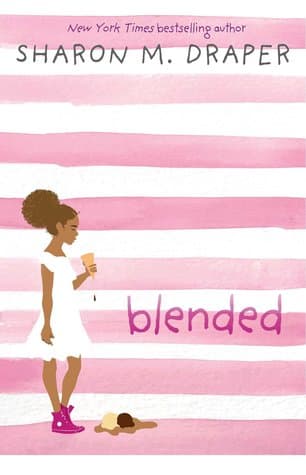
Synopsis
Covers the whole plot, including the ending.
- Difficulty
- Easy
- Pacing
- Moderate
- Mood
- Thought-provoking, Empathetic, Realistic, Hopeful
- Read it if
- You are a middle-grade reader interested in stories about identity, race, divorce, and finding your voice, or if you enjoy realistic fiction with a strong emotional core.
- Skip it if
- You prefer fantasy or adventure stories, or if you are not interested in character-driven narratives focusing on social issues.
Blended Plot Summary
Covers the whole plot, including the ending.
A Week of Two Worlds
Eleven-year-old Isabella lives a life split between two different worlds. One week, she is 'Isabella' at her wealthy Black father's house with his new girlfriend, Anastasia, and her son, Darren. Here, she experiences a mostly Black environment, often feeling out of place among the rich Black families. The next week, she is 'Izzy' at her White mother's more modest home with her mother's boyfriend, John-Mark. This constant shift is not just about where she lives but also about changing her identity, language, and even her sense of self to fit each parent's expectations and environment. She struggles with feeling 'half' of two different races and cultures, made worse by insensitive comments from others about how she looks.
The Weight of Expectations
Isabella deals with subtle and clear pressures from both her parents and their partners. Her father, a successful businessman, is often busy and sometimes dismissive of her feelings, while Anastasia tries to force a bond with Isabella that feels fake. At her mother's house, John-Mark is kind but sometimes overbearing, and her mother struggles with money problems from the divorce. Isabella feels like a rope in a tug-of-war, always trying to please everyone while her own needs and feelings are ignored. She finds comfort in her friendships and her piano lessons, which give her a short break from the tension at home.
Birthday Blues and Racial Microaggressions
Isabella's eleventh birthday approaches, causing tension as her parents argue over party plans. Her father wants a big party, while her mother prefers a simpler, smaller gathering. This conflict shows their basic differences and Isabella's position in the middle. During this time, Isabella continues to experience small racial slights, such as people asking 'what she is' or commenting on her 'exotic' looks. These events make her feel even more like an outsider, always reminded of her biracial identity in ways that are often uncomfortable and isolating, further complicating her sense of belonging in either world.
Piano as an Outlet
Isabella's piano lessons with Mr. Fabiano are a way for her to express her emotions. The music helps her show the frustrations, confusion, and joy she struggles to say out loud. Mr. Fabiano, a kind teacher, sees her talent and encourages her, giving her a stable and supportive presence in her often messy life. Through the piano, Isabella starts to find a part of herself that is whole and uniquely hers, a place where her blended identity is a strength instead of a problem. She prepares for an upcoming recital, finding a sense of purpose and achievement.
The Mall Incident
While shopping at the mall with Darren, Anastasia's son, Isabella experiences a shocking event of racial profiling. A store employee falsely accuses them of shoplifting, only because of their race. This event is very upsetting for Isabella, making her very aware of the unfairness people of color face. Darren, who is Black, is more used to such treatment, but for Isabella, it's a clear and painful realization of how society sees her, no matter her White mother. The event leaves her feeling angry, scared, and even more confused about where she truly belongs.
Confronting Injustice
After the mall incident, Isabella's father, initially not taking it seriously, becomes angry and acts, contacting lawyers and demanding an apology from the store. This shared experience, though painful, makes her parents set aside some of their differences and work together to support Isabella and Darren. The event also starts important talks about race, unfairness, and justice in both homes. Isabella begins to understand that her biracial identity means she experiences both the advantages and disadvantages of being Black in America, and that these experiences shape her reality.
A Shared Recital
Isabella's piano recital happens, and both her parents, Anastasia, John-Mark, and Darren attend, creating an unusual but supportive blended family gathering. Isabella performs well, putting her heart into the music. Her performance shows her ability to bounce back and find harmony despite problems. The shared experience of watching her perform, and the pride they all feel, briefly closes the gap between her parents. It's a moment where Isabella feels truly seen and valued for who she is, not just for the 'halves' that make her up.
The Police Encounter
Later, while walking home from school, Isabella and Darren are stopped by police officers who question them aggressively, seemingly for no reason. The officers are rude and scary, and the situation quickly gets worse, making Isabella very afraid. Darren, more used to such encounters, tries to calm things down. This event is even more terrifying than the mall incident, as it involves possible physical danger and misuse of authority. It shows the widespread racial bias in law enforcement and leaves Isabella deeply shaken and aware of the constant threat faced by Black individuals.
Finding Her Voice
The repeated incidents of racial profiling, along with the ongoing tension between her parents, push Isabella to speak up. She starts to say how she feels about being 'blended' and the challenges of living in two worlds. She talks more openly with her parents about her experiences and her wish to be seen as a whole person, not just a sum of parts. While her parents don't magically solve all their problems, they start to listen more carefully to Isabella's struggles, realizing the emotional impact their separation and her biracial identity have had on her.
A Path Towards Wholeness
By the end of the book, Isabella has not found a perfect solution to her family's issues, but she has found a stronger sense of self. She understands that her blended identity is not a weakness but a unique strength. She learns to appreciate the different parts of her heritage and the love she gets from both sides of her family, despite their flaws. She realizes that being 'blended' means she has a rich and complex identity, and she starts to accept it as her own. She is no longer just 'half' of this or 'half' of that, but a complete person who is both Isabella and Izzy, whole and unique.
Principal Figures
Isabella/Izzy
Protagonist
An eleven-year-old biracial girl navigating her identity between divorced parents.
Isabella is an intelligent, sensitive, and observant eleven-year-old who is constantly trying to reconcile her two worlds. Her biracial identity (Black father, White mother) is central to her struggle, as she feels like she's 'half' of two different things. She loves her parents deeply but is frustrated by their inability to get along and the emotional toll their divorce takes on her. She finds solace and expression in playing the piano. Isabella is driven by a desire to feel whole and understood, and to find her place in a world that often tries to categorize her.
Relationships: Mom (Loving but sometimes overwhelmed, White, lives in a modest home.); Dad (Loving but often preoccupied, wealthy Black businessman.); Anastasia (Dad's girlfriend, tries to bond with Isabella.); Darren (Anastasia's son, becomes a brother figure and shares experiences of racial profiling.); John-Mark (Mom's boyfriend, kind and supportive.); Ms. Gloria (Her best friend, a loyal and understanding confidante.); Mr. Fabiano (Her piano teacher, a mentor and source of stability.)
Isabella's Mom
Supporting
White mother, struggling financially post-divorce.
Isabella's mother is a loving but often stressed single parent. She is White and lives in a smaller, more modest home with her boyfriend, John-Mark. She struggles with the financial realities of the divorce and often clashes with Isabella's father over parenting decisions and his perceived materialism. Despite her struggles, she genuinely cares for Isabella and tries to provide a stable, loving home, often emphasizing the importance of family and emotional well-being over material possessions. She wants Isabella to feel secure and loved.
Relationships: Isabella (Daughter, she calls her 'Izzy'.); Isabella's Dad (Ex-husband, often in conflict with him.); John-Mark (Boyfriend, supportive and kind.)
Isabella's Dad
Supporting
Wealthy Black father, often preoccupied with work.
Isabella's father is a successful and affluent Black businessman. He lives in a large, fancy house with his girlfriend, Anastasia, and her son, Darren. He is proud of his heritage and wants Isabella to appreciate her Black identity, sometimes to the exclusion of her White side. He can be somewhat detached and preoccupied with work, and often clashes with Isabella's mother over their differing parenting styles and financial situations. He is fiercely protective of Isabella, especially when she experiences racial injustice, demonstrating his deep love despite his flaws.
Relationships: Isabella (Daughter, he calls her 'Isabella'.); Isabella's Mom (Ex-wife, frequently in conflict with her.); Anastasia (Girlfriend.); Darren (Anastasia's son, lives in his home.)
Darren
Supporting
Anastasia's son, who becomes a brother figure to Isabella.
Darren is Anastasia's son and quickly becomes a close friend and brother figure to Isabella when she's at her father's house. He is Black and is slightly older than Isabella. Darren is street-smart and more experienced with the realities of racial prejudice, having faced it himself. He provides a sense of camaraderie and understanding for Isabella, especially during the mall and police incidents, where he helps her navigate the fear and injustice. He is generally kind, protective, and a source of support for Isabella.
Relationships: Isabella (Stepsibling-like friend.); Anastasia (Mother.); Isabella's Dad (Anastasia's boyfriend.)
Anastasia
Supporting
Isabella's father's girlfriend, often trying too hard.
Anastasia is Isabella's father's girlfriend and Darren's mother. She is Black and lives with Isabella's father. She often tries very hard to be a 'cool' stepmom figure to Isabella, sometimes to the point of being overbearing or inauthentic. She means well but struggles to genuinely connect with Isabella, who often feels her efforts are forced. However, she is supportive during the racial profiling incidents and cares for Darren deeply, showing her protective side.
Relationships: Isabella's Dad (Boyfriend.); Darren (Son.); Isabella (Her boyfriend's daughter.)
John-Mark
Supporting
Isabella's mother's kind and supportive boyfriend.
John-Mark is Isabella's mother's boyfriend. He is White and lives with Isabella's mother. He is consistently kind, supportive, and understanding towards Isabella, offering a stable and gentle presence in her mother's home. He often tries to mediate between Isabella and her mother and is a calming influence. While he may not fully grasp the complexities of Isabella's biracial identity, he is empathetic and always acts with her best interests at heart.
Relationships: Isabella's Mom (Boyfriend.); Isabella (Her girlfriend's daughter, very supportive.)
Ms. Gloria
Supporting
Isabella's best friend and confidante.
Ms. Gloria is Isabella's best friend. She is a loyal and understanding companion who Isabella confides in about her struggles with her parents and her identity. Ms. Gloria offers a listening ear and solidarity, providing Isabella with a much-needed sense of normalcy and friendship outside of her complicated family life. Their friendship provides comic relief and emotional support throughout the story.
Relationships: Isabella (Best friend.)
Mr. Fabiano
Supporting
Isabella's wise and encouraging piano teacher.
Mr. Fabiano is Isabella's piano teacher. He is a kind, patient, and insightful mentor who recognizes Isabella's talent and her emotional depth. He provides a safe and stable environment for Isabella, where she can express herself through music without judgment. He encourages her to channel her feelings into her playing, helping her find a sense of wholeness and purpose that she often lacks in other areas of her life. He represents a source of positive adult guidance outside her immediate family.
Relationships: Isabella (Piano student and mentee.)
Themes & Insights
Identity and Self-Discovery
The main theme is Isabella's struggle to define her identity as a biracial girl. She always feels 'half' of two different worlds and cultures, made worse by her Black father and White mother's divorce. Comments like 'What are you?' show her inner conflict and the outside pressure to label her. Through her experiences with family life and racial prejudice, Isabella learns to accept her 'blended' identity as a unique and whole person, not a divided one.
“I was Black and White. Not half and half, but both, all the way through.”
The Impact of Divorce on Children
The novel clearly shows how divorce affects Isabella emotionally. She is caught between her parents' ongoing fights, feeling like a 'push-me-pull-me toy.' The constant switching between two different homes, lifestyles, and even nicknames ('Isabella' vs. 'Izzy') creates instability and emotional stress. The story looks at how parents' disagreements, even when not aimed at the child, deeply affect a child's sense of safety, belonging, and self-worth, making Isabella adapt to two different environments.
“My parents were a tug-of-war, and I was the rope.”
Racial Prejudice and Microaggressions
A major theme is Isabella's direct experience with racial prejudice, from small slights to open profiling. Comments about her 'exotic' look, the false accusation of shoplifting at the mall, and the scary police stop all show what it means to be Black in America. These events make Isabella, who is biracial, face the racial biases in society and understand that her identity is seen differently depending on the situation, often leading to fear and unfairness.
“It was like a switch. One minute I was just a kid in a store. The next, I was a suspect.”
The Power of Art and Self-Expression
Isabella's piano lessons and her love for music are a way for her to express her emotions and find herself. When she struggles to say how she feels about her blended identity and family problems, the piano lets her express herself truly. Mr. Fabiano, her teacher, tells her to put her heart into her playing, helping her find a sense of wholeness and confidence that goes beyond her daily struggles. Music becomes a place where her identity feels united and strong.
“The music was like a secret language, one that only I understood, and it spoke to all the parts of me.”
Family and Blended Families
The novel explores the complexities of modern family structures, especially blended families. Isabella deals not only with her divorced parents but also their new partners and their children (Anastasia and Darren, John-Mark). While these new relationships add layers of complexity and sometimes conflict, they also offer new kinds of support and connection. The story shows how families, despite their flaws and unusual structures, can still find ways to love and support each other, even if it's not always smooth.
“We were a family, messy and complicated, but a family nonetheless.”
Plot Devices & Literary Techniques
Dual Narrative Structure (Implicit)
Alternating perspectives through Isabella's two homes.
While not explicitly told from two different narrators, the narrative effectively creates a 'dual' structure by alternating between Isabella's week at her father's house and her week at her mother's house. Each 'world' has its own distinct atmosphere, rules, and set of characters. This device vividly illustrates Isabella's feeling of being split and the constant adjustment required of her, emphasizing the central theme of her blended identity. The reader experiences the jarring transitions alongside Isabella.
Symbolism of the Piano/Music
Represents harmony, self-expression, and wholeness.
The piano and music serve as a powerful symbol throughout the novel. For Isabella, playing the piano is an escape and a way to express emotions she cannot articulate verbally. It represents harmony in her otherwise discordant life, a place where her 'blended' identity can create something beautiful and whole. Her progress in music parallels her journey toward self-acceptance, and her recital becomes a moment of unified family support, symbolizing a potential for harmony in her family life as well.
Microaggressions and Racial Profiling
Illustrates systemic racism and its personal impact.
The repeated incidents of microaggressions (e.g., questions about 'what she is') and overt racial profiling (the mall incident, the police stop) are crucial plot devices. They are not isolated events but rather serve to highlight the pervasive nature of racism and its profound impact on Isabella's developing identity. These incidents force Isabella to confront the realities of being Black in America, shaping her understanding of herself and her place in the world, and driving the plot towards her eventual self-advocacy.
Nicknames ('Isabella' vs. 'Izzy')
Symbolizes the split in Isabella's identity.
The use of two different names, 'Isabella' at her father's house and 'Izzy' at her mother's, is a subtle yet effective plot device. It symbolizes the internal and external split Isabella experiences. Each name carries different expectations and associations, reinforcing her feeling of having to be a different person in each environment. As she grows, the blurring of these names (or her acceptance of both) signifies her journey towards integrating her identity and feeling whole.
Blended Quotes
“I'm not a fraction. I'm a whole person.”
“Sometimes I feel like a human seesaw.”
“My life is a blender, and I'm the smoothie.”
“Why do people see color before they see me?”
“Home isn't a place. It's a feeling.”
“I have two of everything: two houses, two families, two sets of rules.”
“Music is the one thing that makes sense when nothing else does.”
“Being biracial means I get to see the world from two different windows.”
“Sometimes the hardest part of being blended is feeling like you don't fit in anywhere.”
“Love doesn't come in fractions either.”
“I'm not half anything. I'm twice everything.”
“Change is the only thing that stays the same in my life.”
“My heart has two addresses, but it's still one heart.”
“We're all a little blended, if you think about it.”
Quiz
10 questions on the plot and the characters. Each answer comes with a short explanation.
Question 1
What is the main reason Isabella feels like a 'push-me-pull-me toy' throughout the book?
- Because she has to switch schools every week
- Because her parents are divorced and she splits time between their very different households
- Because she has to hide her true identity from her friends
- Because she is constantly moving to new cities with her parents
Show answer
B. Because her parents are divorced and she splits time between their very different households Isabella's feeling of being pulled in two directions comes from her parents' divorce and her weekly transitions between their contrasting homes, lifestyles, and even her nicknames (Isabella with Dad, Izzy with Mom).
Question 2
What are the names of Isabella's parents' new partners in the book?
- Anastasia and John-Mark
- Darren and Anastasia
- John-Mark and Darren
- Anastasia and Mark
Show answer
A. Anastasia and John-Mark Isabella's father is dating Anastasia, who has a son named Darren, while her mother is dating John-Mark. These relationships add complexity to her blended family experiences.
Question 3
How does Isabella's living situation differ between her dad's house and her mom's house?
- Her dad lives in a small house in a diverse neighborhood, while her mom lives in a fancy house in a mostly white neighborhood
- Her dad lives in a fancy house where they are one of the only black families, while her mom lives in a small, not-so-fancy house that Isabella loves
- Both parents live in similar-sized houses in the same neighborhood
- Her mom lives in an apartment, while her dad lives in a rural farmhouse
Show answer
B. Her dad lives in a fancy house where they are one of the only black families, while her mom lives in a small, not-so-fancy house that Isabella loves The book highlights the contrast: Dad's house is fancy but in a predominantly white area where Isabella feels racially conspicuous, while Mom's simpler house feels more comfortable and authentic to her.
Question 4
What recurring comments does Isabella hear from others that contribute to her identity struggles?
- "You're so smart!" and "You're so athletic!"
- "You're so exotic!" and "But what are you really?"
- "You're too quiet" and "You should speak up more"
- "You look just like your mom" and "You act just like your dad"
Show answer
B. "You're so exotic!" and "But what are you really?" As a biracial child, Isabella faces microaggressions where people focus on her appearance with comments like "You're so exotic!" and questions about her racial identity, making her feel fragmented.
Question 5
Why does Isabella use different nicknames with her dad versus her mom?
- To confuse her teachers and friends at school
- Because her parents legally changed her name during the divorce
- It reflects how she switches identities between households, with 'Isabella' being more formal with Dad and 'Izzy' more casual with Mom
- She uses 'Izzy' with both parents but different last names
Show answer
C. It reflects how she switches identities between households, with 'Isabella' being more formal with Dad and 'Izzy' more casual with Mom The nickname switch symbolizes her divided life: 'Isabella' represents her identity in her dad's more structured, fancy world, while 'Izzy' fits her mom's relaxed, authentic environment.
Question 6
What major event forces Isabella to confront her feelings about being 'blended'?
- A school project about family heritage
- Her parents announcing they are getting back together
- A racial incident at school involving another biracial student
- Her parents' worsening conflict and a family trip that brings both sides together
Show answer
D. Her parents' worsening conflict and a family trip that brings both sides together As her parents' tension escalates and a family trip occurs, Isabella must navigate her dual worlds colliding, pushing her to seek wholeness rather than feeling split.
Question 7
How does the book address the theme of 'feeling whole' for biracial children?
- By suggesting they should choose one racial identity over the other
- By showing that wholeness comes from accepting all parts of oneself, not being half of anything
- By emphasizing that family wealth determines identity
- By arguing that divorce makes children incomplete forever
Show answer
B. By showing that wholeness comes from accepting all parts of oneself, not being half of anything Through Isabella's journey, the book explores how biracial kids can integrate their multiple heritages and family situations to feel complete, challenging the 'half-and-half' narrative.
Question 8
What role does Darren, Anastasia's son, play in Isabella's life?
- He is her main bully at school, making her feel isolated
- He is a stepsibling figure who shares her experience of navigating blended family dynamics
- He is her tutor, helping her with schoolwork during her time at Dad's house
- He is much older and serves as a parental authority figure
Show answer
B. He is a stepsibling figure who shares her experience of navigating blended family dynamics Darren is part of her dad's new household and provides companionship and understanding, as he also adjusts to the blended family, though their relationship has its challenges.
Question 9
In what way do Isabella's parents' conflicts exacerbate her identity crisis?
- They force her to take sides legally in custody battles
- Their fighting makes her feel like she has to suppress parts of herself to please each parent
- They forbid her from seeing friends from the other parent's neighborhood
- They consistently agree on how to raise her, leaving no room for her own voice
Show answer
B. Their fighting makes her feel like she has to suppress parts of herself to please each parent Her parents' poor post-divorce relationship pressures Isabella to compartmentalize her life, deepening her sense of being split between two worlds and identities.
Question 10
What does the book suggest about the relationship between racial identity and family structure for Isabella?
- That being biracial is irrelevant to her experience of divorce and blended families
- That her racial identity is fixed and unchanging, regardless of family changes
- That her biracial identity and blended family life are intertwined, each influencing her struggle to feel whole
- That she will only understand her racial identity when her parents remarry into same-race partnerships
Show answer
C. That her biracial identity and blended family life are intertwined, each influencing her struggle to feel whole Isabella's experience shows how being biracial and shuttling between divorced parents' households compound her identity challenges, making her quest for wholeness multifaceted.
Blended FAQ
What is 'Blended' by Sharon M. Draper about?
'Blended' follows 11-year-old Isabella, a biracial girl navigating her parents' contentious divorce. She splits her time between her black father's upscale home with his girlfriend Anastasia and her white mother's modest house with her boyfriend John-Mark, struggling with identity and belonging as she switches between two worlds.
Why should I read 'Blended'?
This book offers a poignant exploration of biracial identity, family dynamics, and the emotional toll of divorce from a child's perspective. Through Isabella's relatable struggles with feeling 'split' between two homes and cultures, it provides insight into contemporary issues of race, belonging, and self-acceptance.
What is the background/setting of 'Blended'?
The story is set in modern suburban America, alternating between Isabella's two homes. Her father lives in a fancy house in a predominantly white neighborhood, while her mother lives in a smaller, cozier house that Isabella prefers, highlighting the contrast in her weekly transitions.
What are the most memorable quotes from 'Blended'?
Key quotes include Isabella's reflections like 'If you're only seen as half of this and half of that, how can you ever feel whole?' and comments she hears such as 'You're so exotic!' and 'But what are you really?' which underscore her identity struggles and societal microaggressions.
What writing style does Sharon M. Draper use in 'Blended'?
Draper employs a first-person narrative from Isabella's perspective, using accessible and emotional prose that captures her inner turmoil. The style blends realism with moments of introspection, making complex themes of race and divorce relatable for young readers.
What minor details add significant meaning in 'Blended'?
Details like Isabella switching nicknames (Isabella with her dad, Izzy with her mom) and backpacks symbolize her fragmented identity. The contrast between her father's 'fancy' house and mother's 'not-so-fancy' home she loves reflects her emotional attachments beyond material wealth.
What are some subtle foreshadowing moments in 'Blended'?
Early comments about Isabella feeling like a 'push-me-pull-me toy' foreshadow her ongoing struggle to reconcile her dual worlds. The tension between her parents' worsening relationship hints at the emotional conflicts that escalate throughout the story.
What unexpected character connections exist in 'Blended'?
Isabella forms a bond with Darren, her dad's girlfriend's son, who becomes a stepbrother figure, offering companionship in her divided life. Her relationships with Anastasia and John-Mark also evolve, adding layers to her blended family dynamics.
What are unspoken character motivations in 'Blended'?
Isabella's parents, though divorced, are motivated by unresolved anger and differing values, impacting their co-parenting. Isabella herself is driven by a deep desire for wholeness and acceptance, often unspoken as she navigates external pressures and internal confusion.
What psychological complexities do characters exhibit in 'Blended'?
Isabella exhibits complexity through her dual identities and anxiety about fitting in. Her parents show psychological depth in their post-divorce conflicts, reflecting real-world struggles with communication and pride, while supporting characters like Anastasia and John-Mark add nuances to family integration.
What are the major emotional turning points in 'Blended'?
Key turning points include Isabella's realization that her parents' fighting affects her sense of self, moments of connection with Darren, and instances where she confronts microaggressions about her race. These events push her toward greater self-awareness and resilience.
How do relationship dynamics evolve in 'Blended'?
Isabella's relationship with her parents shifts from confusion to a clearer understanding of their flaws and love. Her bonds with Anastasia and John-Mark grow from initial awkwardness to tentative acceptance, and her friendship with Darren provides stability amid the chaos.
Which parts of 'Blended' remain ambiguous or open-ended?
The book leaves some aspects open, such as whether Isabella's parents will fully reconcile their differences or how she will ultimately define her identity long-term. The resolution focuses more on her personal growth than on neat solutions to family conflicts.
What are controversial scenes or decisions in 'Blended'?
Scenes where Isabella faces racial microaggressions, like being called 'exotic,' spark debate about insensitivity and identity. Her parents' contentious divorce and their handling of co-parenting may be controversial for highlighting familial discord without easy fixes.
'Blended' ending explained: how it ends & what it means
The ending sees Isabella gaining a stronger sense of self, accepting her blended identity without needing external validation. It implies that wholeness comes from within, as she navigates her two homes with more confidence, though family tensions persist, reflecting ongoing real-life complexities.
About the author

Sharon M. Draper is an American author known for her contributions to children's and young adult literature. Her notable works include "Out of My Mind," "Stella by Starlight," "Copper Sun," "Blended," "Romiette and Julio," and "November Blues," which often explore themes of identity, resilience, and social issues. Draper has received multiple awards for her writing, reflecting her impact in the field.
Similar books
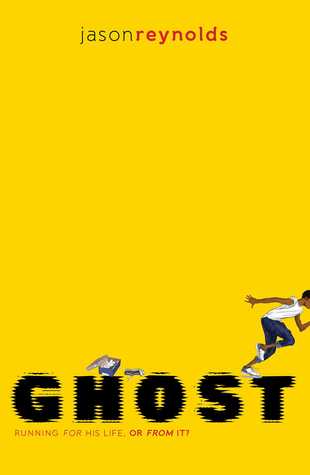
- Ghost
Jason Reynolds
4.2 (29k) average on GoodreadsChildren'sExplores themes of identity, family, and overcoming challenges in a middle-grade context.
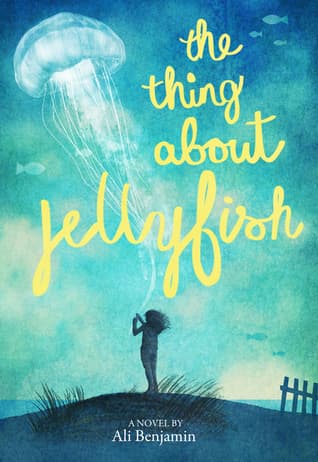
- The Thing About Jellyfish
Ali Benjamin
4.1 (27k) average on GoodreadsChildren'sFeatures a sensitive protagonist dealing with profound emotional experiences and finding unique ways to cope.
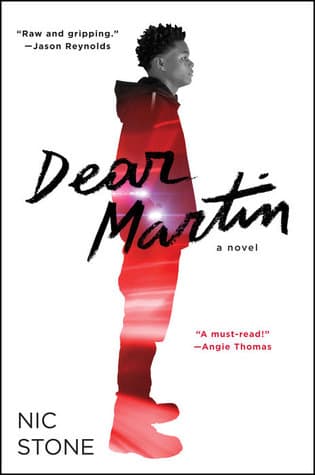
- Dear Martin
Nic Stone
4.4 (45k) average on GoodreadsYoung AdultDear Martin offers a more intense and gritty exploration of systemic racism and police brutality, using a direct, epistolary format. While Blended addresses racial profiling, Dear Martin delves deeper into the psychological impact and societal implications with less overt exposition and a more challenging, less resolved ending. Blended is perhaps more accessible for a slightly younger YA audience in its approach to these themes.
- Harry Potter and the Sorcerer's Stone
J.K. Rowling
4.5 (7M) average on GoodreadsFantasyRescued from a miserable life under the stairs, an orphaned boy discovers he's a wizard destined for a magical school, where he uncovers a dangerous secret tied to the dark wizard who murdered his parents.
- The Hobbit, or There and Back Again
J.R.R. Tolkien
4.3 (2.9M) average on GoodreadsFantasyA comfort-loving hobbit named Bilbo Baggins is whisked away by a mischievous wizard and a band of dwarves on an unexpected journey to reclaim stolen treasure from a fearsome dragon, discovering courage and a magical ring along the way.
- Harry Potter and the Goblet of Fire
J.K. Rowling
4.6 (2.6M) average on GoodreadsFantasyA bewildered Harry Potter, underage and thrust into a deadly Triwizard Tournament, must brave dragons, mermaids, and a resurgent dark magic to survive a year that will forever alter the wizarding world.



Enjoyed the summary?
A summary gives you the shape of the book. The book itself has the detail, the examples and the voice.
Find Blended on AmazonAs an Amazon Associate, BookBrief earns from qualifying purchases. How we're funded