

Synopsis
Covers the whole plot, including the ending.
- Difficulty
- Easy
- Pacing
- Moderate
- Mood
- Humorous, Nostalgic, Heartwarming, Reflective
- Read it if
- You enjoy coming-of-age stories, family dramas, and plays with sharp, comedic dialogue that also delve into serious themes.
- Skip it if
- You prefer fast-paced thrillers or stories without a strong domestic focus.
Brighton Beach Memoirs Plot Summary
Covers the whole plot, including the ending.
Introduction to the Jerome Household
The play opens in 1937 Brighton Beach, Brooklyn, with fifteen-year-old Eugene Morris Jerome as the narrator. He introduces his busy, crowded home, which includes his parents, Jack and Kate; his older brother, Stanley; and his aunt Blanche and her two daughters, Nora and Laurie, who live with them after Blanche's husband died. Eugene offers witty, often sarcastic, observations about his family's daily life, their financial struggles during the Depression, and his own growing interest in girls and baseball. He dreams of becoming a writer and constantly writes notes for his 'memoirs,' offering a comedic view of the family's dynamics. The first scenes show the chaotic but loving atmosphere, highlighting the constant demands on Kate and Jack, who work hard to support everyone.
Financial Strain and Family Obligations
The great financial strain on Jack and Kate becomes clear. Jack works two jobs, and Kate manages the household strictly, always worrying about money. Aunt Blanche, still grieving and somewhat helpless, contributes little financially, adding to Kate's resentment. Stanley, Eugene's older brother, works in a factory but often loses money gambling, much to his father's disapproval. Kate's sister, Blanche, depends on them, as do her two daughters, Nora and Laurie. Laurie, the younger cousin, has a heart condition, which means she is often excused from chores, annoying Nora and Eugene. The family's conversations often include discussions of bills, food costs, and the sacrifices everyone must make, showing the harsh realities of the Depression.
Nora's Ambition and Resentment
Nora, Blanche's older daughter, expresses her strong desire to become a professional dancer. She is offered an audition for a Broadway show, which could be her big chance. However, her mother, Blanche, opposes the idea, fearing Nora will fail and be hurt, and also because of the financial costs. Blanche's overprotective nature and her own worries clash with Nora's youthful ambition and desire for independence. This conflict creates tension between mother and daughter, with Nora feeling held back and misunderstood, while Blanche feels she is acting in her daughter's best interest. Eugene, watching, comments on the generation gap and the struggles of pursuing dreams during hard times.
Stanley's Principles and Predicament
Stanley, Eugene's older brother, faces his own challenges. He works in a factory and is generally responsible, but he struggles with gambling. More importantly, he is fired from his job after defending a coworker who was being mistreated. This act, while admirable, pushes the family into deeper financial trouble, as Stanley's income is vital. Jack is furious, not because Stanley stood up for someone, but because he acted impulsively without thinking of the family's desperate need for his wages. Stanley feels a mix of pride and guilt, while the rest of the family deals with the immediate effect of his unemployment, further tightening their already strained budget.
Kate's Sacrifice and Resentment
Kate's deep resentment towards her sister, Blanche, finally surfaces. Kate reveals that she gave up her own chance at a better life and marriage years ago to care for their sick mother, while Blanche pursued her own happiness and married. Kate feels that Blanche has always been the favored sister and that she has always carried the heavier burden of family responsibilities. This emotional outburst is an important moment, showing the raw wounds and unspoken complaints that have grown for years beneath their seemingly calm life together. Blanche is deeply hurt by these accusations, creating a serious split between the sisters.
Blanche's Stand and Nora's Plea
After Kate's harsh words, Blanche, deeply hurt, says she intends to move out with her daughters. This shocks the family, especially Nora, who is torn between loyalty to her mother and her own goals. Nora, desperate to pursue her dancing dream, makes an emotional plea to Blanche, urging her to let her take the audition. She stresses that this opportunity might be her only chance to escape their current situation and create a better life, not just for herself but possibly for their struggling family. This moment shows Nora's growing independence and her desire to break free from the cycle of dependency and hardship.
Jack's Wisdom and Reconciliation
Jack, often quiet and burdened, steps in to calm the rising family tensions. He speaks to Blanche, acknowledging Kate's sacrifices but also validating Blanche's pain. He stresses the importance of family unity and the need for understanding and forgiveness, especially during such difficult times. Jack also speaks to Kate, urging her to control her anger and recognize the love that still exists between the sisters. His calm and reasonable approach helps to defuse the immediate crisis. He encourages them to look beyond their individual complaints and remember their shared history and bonds, setting the stage for potential reconciliation between the sisters.
Stanley's Confession and Eugene's Lesson
Stanley confesses his gambling problem to Jack, admitting he lost his entire week's wages. Jack, instead of reacting with pure anger, expresses disappointment but also offers understanding, sharing his own past struggles and stressing the importance of honesty and responsibility. He helps Stanley find a new, though lower-paying, job. Eugene, watching this, begins to understand the complexities of adult life, the weight of financial burdens, and the importance of integrity and confession. This moment marks a turning point for both brothers, as Stanley takes a step towards maturity and Eugene gains a deeper insight into his family's struggles and the moral lessons within them.
Nora's Audition and Family Support
After much debate and Jack's help, Blanche reluctantly agrees to let Nora attend her Broadway audition. The family, despite their previous conflicts, supports Nora, offering encouragement. This decision marks a significant shift, as Blanche begins to let go of her protective hold and trust Nora's judgment. The shared anticipation of Nora's potential success brings new hope and unity to the household. It symbolizes a moment where individual dreams are acknowledged and supported by the family, showing their resilience and ability to overcome internal conflict to support each other in important moments.
Kate and Blanche's Reconciliation
Kate and Blanche finally have a talk, airing their complaints but ultimately reaffirming their deep sisterly bond. Kate apologizes for her harsh words, and Blanche acknowledges Kate's sacrifices. They both recognize that their shared history and love are stronger than their resentments. This reconciliation is a tender and cathartic moment, showing the power of forgiveness and the lasting nature of family ties. It signifies a healing of old wounds and a renewed commitment to supporting each other, especially as the world outside becomes increasingly uncertain with the approaching threat of war. The family finds a way to move forward, stronger and more united.
The Looming War and Personal Growth
The play ends with the family learning that a distant cousin in Europe has been killed in the escalating war. This sad news brings the harsh reality of the outside world into their Brighton Beach home, reminding them of the larger global conflicts beyond their immediate struggles. Eugene, reflecting on these events, acknowledges that his childhood innocence is slowly fading. He recognizes that his family, despite their squabbles, is a fundamental source of strength and love. He begins to understand that growing up means facing not only personal challenges but also the weight of a changing, dangerous world, marking the end of one chapter in his life and the beginning of another.
Brighton Beach Memoirs Characters
Eugene Morris Jerome
Protagonist
The witty, observant, and sexually curious narrator of his own memoirs.
Fifteen-year-old Eugene is the semi-autobiographical voice of Neil Simon, serving as the play's narrator and protagonist. He is a keen observer of his family's eccentricities and struggles, using his wit and humor to cope with the chaos of his crowded home and the harsh realities of the Depression. Obsessed with baseball and girls, he meticulously records his daily experiences and fantasies in his 'memoirs,' aspiring to be a writer. He often breaks the fourth wall, directly addressing the audience with his candid thoughts and developing understanding of the adult world.
Relationships: Jack Jerome (Son, observing his father's struggles and wisdom.); Kate Jerome (Son, often the target of her strictness but also her affection.); Stanley Jerome (Younger brother, idolizing and sometimes resenting his older brother.); Nora Morton (Cousin, with a budding crush and shared youthful frustrations.); Laurie Morton (Younger cousin, often annoyed by her perceived favoritism.)
Kate Jerome
Supporting
The matriarch of the Jerome household, burdened by responsibility and resentment.
Kate is Eugene's mother and the hardworking, often exasperated, heart of the family. She is a strong, resilient woman who manages the household with an iron fist, constantly worrying about finances and the well-being of her extended family. Her love is fierce but often expressed through criticism and worry. She carries deep-seated resentment towards her sister, Blanche, for past sacrifices she made. Despite her complaints, she is deeply committed to her family and ensures everyone is fed and cared for, even as she feels her own life has been one of constant burden.
Relationships: Jack Jerome (Wife, partner in managing the family's struggles.); Eugene Morris Jerome (Mother, strict but loving.); Stanley Jerome (Mother, concerned about his choices.); Blanche Morton (Sister, a complex relationship marked by resentment and love.); Nora Morton (Aunt, caring but also critical.); Laurie Morton (Aunt, protective due to her health.)
Jack Jerome
Supporting
Eugene's father, a quiet, hardworking man who provides stability and wisdom.
Jack is Eugene's father, a kind, gentle, and profoundly decent man who works two jobs to support his large, extended family. He is often exhausted but remains a source of calm and reason amidst the household chaos. Jack is the moral compass of the family, offering wise counsel and understanding to his sons and mediating conflicts between the sisters. He believes in hard work, honesty, and family unity, embodying the struggles and quiet dignity of men during the Depression. His quiet strength and principled nature are admired by Eugene.
Relationships: Kate Jerome (Husband, partner and often the peacemaker.); Eugene Morris Jerome (Father, a source of wisdom and guidance.); Stanley Jerome (Father, teaching him responsibility and forgiveness.); Blanche Morton (Brother-in-law, offering support and understanding.)
Stanley Jerome
Supporting
Eugene's older brother, a well-meaning but impulsive young man.
Stanley is Eugene's older brother, about eighteen years old, and works in a factory. He is generally responsible and principled, as evidenced by his willingness to stand up for a coworker, even if it costs him his job. However, he also has a weakness for gambling, which often leads to financial trouble and conflict with his parents. Stanley is a typical older brother, teasing Eugene but also looking out for him. He grapples with the pressures of adulthood, wanting to be independent but also struggling with his own impulsiveness and the weight of family expectations.
Relationships: Eugene Morris Jerome (Older brother, both a tormentor and a confidant.); Jack Jerome (Son, seeking his father's approval and guidance.); Kate Jerome (Son, often the cause of her worry.)
Blanche Morton
Supporting
Kate's sister, a recently widowed, fragile, and dependent woman.
Blanche is Kate's younger sister, recently widowed, and living with her two daughters, Nora and Laurie, in the Jerome household. She is gentle, somewhat fragile, and still grieving her husband. Blanche is dependent on Kate and Jack, which fuels Kate's resentment. She is overprotective of her daughters, especially Nora, and struggles to assert herself or make independent decisions. Her quiet nature hides her own pain and insecurities, and she often feels like a burden, leading to moments of quiet despair and eventual resolve to find her own way.
Relationships: Kate Jerome (Sister, a complex relationship of love, dependency, and past grievances.); Nora Morton (Mother, protective but stifling.); Laurie Morton (Mother, doting and concerned about her health.)
Nora Morton
Supporting
Blanche's older daughter, an ambitious and talented aspiring dancer.
Nora is Blanche's older daughter, about sixteen or seventeen, and dreams of becoming a professional dancer on Broadway. She is beautiful, spirited, and determined, feeling stifled by her mother's overprotectiveness and the family's financial constraints. Nora longs for independence and a life beyond Brighton Beach, viewing her dancing as her only escape. She is frustrated by her mother's inability to support her ambitions and her aunt Kate's constant criticism. Her ambition clashes with the practical realities of her family's situation, leading to significant internal and external conflict.
Relationships: Blanche Morton (Daughter, struggling against her mother's overprotectiveness.); Kate Jerome (Niece, often the subject of her aunt's scrutiny.); Eugene Morris Jerome (Cousin, a source of romantic interest for Eugene.)
Laurie Morton
Supporting
Blanche's younger daughter, a sickly but intelligent and often manipulative child.
Laurie is Blanche's younger daughter, about ten years old. She suffers from a heart condition, which often exempts her from chores and makes her the subject of special care, much to the annoyance of Eugene and Nora. Despite her delicate health, Laurie is intelligent, observant, and sometimes manipulative, using her condition to her advantage. She is often seen reading and is generally quiet, absorbing the family dynamics around her. She represents the fragility of life and the unique challenges faced by children with health issues during that era.
Relationships: Blanche Morton (Daughter, doted upon due to her health.); Kate Jerome (Niece, receiving special care.); Eugene Morris Jerome (Cousin, often annoyed by her.)
Brighton Beach Memoirs Themes
The American Dream vs. Reality
The play clearly shows the struggle for the American Dream during the Great Depression. The Jerome family, despite their hard work and hopes, constantly battles financial hardship, crowding, and the threat of unemployment. Jack works two jobs, Stanley loses his job for an act of principle, and Nora's dream of being a Broadway dancer is almost crushed by practical concerns. The dream of moving up and being rich is a distant ideal, always clashing with the harsh realities of their daily life in Brighton Beach, as seen when Jack struggles to pay bills and Kate laments their lack of financial security.
“I work two jobs, I’m gone fourteen hours a day, I come home, I’m tired, I eat, I go to sleep. That’s my life.”
Family Bonds and Conflict
At its core, the play explores the complex, often difficult, but ultimately strong bonds of family. The Jerome home is a small example of love, resentment, sacrifice, and forgiveness. Kate's long-held anger towards Blanche, Stanley's conflict with Jack over his job, and Nora's struggle for independence all highlight the friction within the family. Yet, when faced with outside pressures or internal problems, the family always comes together, showing deep loyalty and love, as seen in their eventual reconciliation and support for Nora's audition. Eugene's narration consistently emphasizes the lasting strength of their connections.
“If you don’t have family, you have nothing.”
Loss of Innocence and Coming of Age
Eugene's journey throughout the play is a coming-of-age story. As he watches the adult world, he deals with financial hardship, the complexities of human relationships, and the approaching World War II. His initial, somewhat naive focus on sex and baseball slowly gives way to a deeper understanding of his family's sacrifices and struggles. The news of his cousin's death in the war marks an important turning point, symbolizing the end of his childhood innocence and his awareness of the larger, often harsh, realities of the world. He begins to see his family not just as annoying figures but as sources of strength.
“I’m not a kid anymore. I’m almost sixteen. I’m old enough to understand things. And I understand that a lot of things are going to change.”
The Power of Memory and Storytelling
The entire play is presented as Eugene's 'memoirs,' highlighting memory and the subjective nature of storytelling. Eugene acts as both participant and narrator, using his observations and wit to shape the audience's understanding of his family's history. His desire to be a writer emphasizes the idea that personal experiences, no matter how ordinary, can become meaningful stories. This theatrical device allows for comedic relief, touching reflection, and a deeper exploration of how people process and keep their past, turning everyday life into a compelling story.
“I’m going to be a writer. I’m going to write about all this. This is good material.”
Plot Devices & Literary Techniques
Fourth Wall Break / Direct Address
Eugene directly addresses the audience, providing commentary and insight.
Eugene Morris Jerome frequently breaks the fourth wall, speaking directly to the audience as the narrator of his 'memoirs.' This device allows for exposition, comedic asides, and deepens the audience's understanding of Eugene's internal thoughts and observations. It creates an intimate connection with the protagonist, making the audience privy to his unfiltered opinions, fantasies, and burgeoning understanding of the adult world, effectively framing the entire play as a personal recollection being shared.
Foreshadowing
Subtle hints of future events or character developments.
The play uses foreshadowing to hint at the wider world's impact on the family. Mentions of the escalating war in Europe, particularly the news of their cousin's death towards the end, subtly foreshadow the eventual involvement of the United States in World War II and the end of Eugene's innocent childhood. Stanley's early struggles with responsibility and gambling also foreshadow his later confession and growth. This creates a sense of impending change and a larger context for the family's domestic struggles.
Symbolism of the Crowded House
The physical overcrowding represents the family's emotional and financial burdens.
The Jeromes' crowded house in Brighton Beach, with multiple family members crammed into a small space, serves as a powerful symbol. It visually represents the financial strain of the Depression, forcing extended family to live together out of necessity. More profoundly, it symbolizes the emotional closeness, the lack of privacy, and the constant friction and love that define the family's relationships. The lack of personal space mirrors the intertwined lives and emotional burdens each character carries, emphasizing both their interdependency and their individual struggles for autonomy.
Brighton Beach Memoirs Quotes
“I'm telling you, I'm going to be a writer. I can feel it in my bones. I'm going to write a play. And it's going to be about my family.”
“If you don't have your health, you don't have anything.”
“You think I like living in a house full of women? I'm outnumbered. I'm a minority.”
“It's not fair! I'm sixteen years old! I should be able to do what I want!”
“A person has to have some dreams. It's the only thing that keeps you going.”
“Why do I always have to be the responsible one? Why can't someone else be responsible for a change?”
“The secret to a long life is to keep breathing.”
“I'm not a child anymore, Mama. I'm a young woman. I have feelings.”
“Sometimes I think the whole world is just one big conspiracy to make me miserable.”
“You don't know what it's like to have to depend on someone else for everything.”
“We're a family. We stick together. That's what families do.”
“I just want to be happy. Is that too much to ask?”
“You learn a lot about people when you live with them. You learn their good points, and you learn their bad points.”
“You can't always get what you want, but if you try sometimes, you might find, you get what you need.”
Quiz
10 questions on the plot and the characters. Each answer comes with a short explanation.
Question 1
In what year is 'Brighton Beach Memoirs' set?
- 1929
- 1937
- 1941
- 1945
Show answer
B. 1937 The play is set in 1937, during the heart of the Depression in Brooklyn.
Question 2
What is Eugene Jerome's primary aspiration as a baseball player?
- Playing for the Brooklyn Dodgers
- Becoming a famous shortstop
- Being the star pitcher for the New York Yankees
- Managing a minor league team
Show answer
C. Being the star pitcher for the New York Yankees Eugene frequently fantasizes about his baseball triumphs as the star pitcher for the New York Yankees.
Question 3
Which city and borough does the Jerome family live in?
- Manhattan, New York City
- Brighton Beach, Brooklyn
- Queens, New York City
- The Bronx, New York City
Show answer
B. Brighton Beach, Brooklyn The play is set in Brighton Beach, Brooklyn, where Eugene Jerome lives with his family.
Question 4
What is Eugene's age at the beginning of the play?
- Thirteen
- Fifteen
- Seventeen
- Nineteen
Show answer
B. Fifteen Eugene is fifteen years old at the start of his memoirs.
Question 5
What major historical event is mentioned as 'looming ever closer' towards the end of the play, signifying a loss of innocence for Eugene?
- The Great Stock Market Crash
- World War I
- The end of the Depression
- World War II
Show answer
D. World War II The synopsis states that 'as World War II looms ever closer, Eugene sees his own innocence slipping away.'
Question 6
Which of the following describes Eugene's personality traits?
- Shy, reserved, and uninterested in sports
- Witty, perceptive, and obsessed with sex
- Aggressive, rebellious, and politically active
- Naïve, quiet, and focused on academics
Show answer
B. Witty, perceptive, and obsessed with sex Eugene is described as witty, perceptive, and obsessed with sex, often fantasizing about various aspects of life.
Question 7
What award did 'Brighton Beach Memoirs' win for Best Play?
- Pulitzer Prize for Drama
- Tony Award for Best Play
- New York Drama Critics’ Circle Award
- Obie Award for Outstanding Play
Show answer
C. New York Drama Critics’ Circle Award The play won a New York Drama Critics’ Circle Award for Best Play and a Drama Desk Award for Outstanding New Play.
Question 8
Who directed the film adaptation of 'Brighton Beach Memoirs' and also directed other plays in Simon's trilogy?
- Neil Simon himself
- Mike Nichols
- Gene Saks
- Woody Allen
Show answer
C. Gene Saks The film adaptation was directed by Gene Saks, who was Simon’s long-term professional partner and directed many of his other works.
Question 9
How does the play portray the Jerome family's approach to life's challenges during the Depression?
- With despair and resignation
- Through constant conflict and bitterness
- With pride, spirit, and a marvelous sense of humor
- By ignoring their problems and seeking escape
Show answer
C. With pride, spirit, and a marvelous sense of humor The synopsis states that Eugene's family meets life's challenges 'with pride, spirit, and a marvelous sense of humor.'
Question 10
Which of the following plays is NOT part of Neil Simon's 'Eugene Trilogy'?
- Biloxi Blues
- Broadway Bound
- The Odd Couple
- Brighton Beach Memoirs
Show answer
C. The Odd Couple The 'Eugene Trilogy' consists of 'Brighton Beach Memoirs,' 'Biloxi Blues,' and 'Broadway Bound.' 'The Odd Couple' is another famous play by Neil Simon but is not part of this trilogy.
Brighton Beach Memoirs FAQ
What is the central premise of 'Brighton Beach Memoirs'?
'Brighton Beach Memoirs' centers on 15-year-old Eugene Jerome and his Jewish immigrant family in Brighton Beach, Brooklyn, during the Great Depression in 1937. The play explores their daily struggles with poverty, family dynamics, and the looming threat of World War II, all through Eugene's humorous and observant narration.
Who is Eugene Jerome and what is his role in the play?
Eugene Jerome is the protagonist and narrator of the play, a witty and somewhat naive teenager obsessed with sex, baseball, and becoming a writer. He breaks the fourth wall, directly addressing the audience with his observations, fantasies, and desires, serving as our guide through his family's experiences.
Describe the Jerome family's living situation and financial struggles.
The Jerome family lives in a cramped house in Brighton Beach, struggling financially due to the Depression. Jack, the father, works two jobs, and even then, they can barely make ends meet, especially with Nora and Stanley's Aunt Blanche and her two daughters, Laurie and Nora, living with them, adding to the financial strain.
What major conflict arises between Stanley and his father, Jack?
A significant conflict occurs when Stanley, feeling the pressure to contribute financially, gambles away his week's wages playing poker. He then tries to cover it up by threatening to quit his job, leading to a tense confrontation with Jack about responsibility, honesty, and their family's precarious financial state.
How does the play address the theme of innocence lost?
Eugene's narration explicitly marks the end of his innocence as he observes his family's hardships and the impending war. He witnesses the harsh realities of poverty, the complexities of adult relationships, and the fragility of life, signaling his transition from childhood fantasies to a more mature understanding of the world.
What is the significance of the character of Stanley Jerome?
Stanley represents the pressure of adulthood and responsibility placed on young men during the Depression. His struggles with work, gambling, and his desire for independence highlight the difficult choices facing the younger generation, and his bond with Eugene shows a brotherly mentor dynamic.
How does the relationship between Kate and Blanche evolve throughout the play?
Kate and Blanche, sisters, have a complex relationship marked by underlying resentment and love. Kate often criticizes Blanche's passivity and dependency, while Blanche feels indebted and somewhat overshadowed. By the end, they achieve a deeper understanding and appreciation for each other's sacrifices, especially regarding their children.
Are there any subtle foreshadowing elements regarding the impending war?
Yes, Eugene frequently mentions news reports about Hitler and the escalating tensions in Europe. These mentions, though sometimes lighthearted in his narration, serve as a constant, underlying threat that darkens the family's personal struggles and hints at the larger global conflict that will impact their lives.
What is the importance of Eugene's baseball fantasies?
Eugene's baseball fantasies, where he's a star pitcher for the Yankees, represent his escapism and his desire for control and triumph in a life where he feels largely powerless. They are a coping mechanism, allowing him to momentarily escape the harsh realities of his family's poverty and the growing anxieties of adolescence.
How does Kate Jerome's character exemplify maternal strength and sacrifice?
Kate is the pragmatic and often stern matriarch, driven by a deep love for her family and a fierce determination to keep them together and fed. Her constant worrying, her tireless work, and her willingness to take in her sister's family, despite their own poverty, showcase her immense sacrifice and resilience.
Analyze Jack Jerome's psychological burden as the family's sole provider.
Jack carries an immense psychological burden, working two jobs to support a large household during the Depression. His quiet demeanor often masks his exhaustion and anxiety, and his occasional outbursts reveal the immense pressure he's under to provide, protect, and maintain order amidst chaos.
How does Laurie's illness affect the family dynamic and Blanche's role?
Laurie's delicate health and heart condition place an additional strain on the family's resources and emotional well-being. It heightens Blanche's anxiety and sense of dependency, making her feel even more beholden to the Jeromes and emphasizing the fragility of life during a time of hardship.
Is 'Brighton Beach Memoirs' primarily a comedy or a drama, and why?
While filled with Neil Simon's signature wit and humor, 'Brighton Beach Memoirs' is ultimately a dramedy. The comedic elements, largely driven by Eugene's narration and family squabbles, serve to make the underlying dramatic themes of poverty, sacrifice, and the loss of innocence more palatable and relatable, preventing it from becoming overly bleak.
How does the play reflect the broader immigrant experience in America during the Depression?
The play vividly portrays the struggles of Jewish immigrant families during the Depression, highlighting their resilience, strong family bonds, and the pursuit of the American Dream amidst economic hardship. It showcases their efforts to assimilate while retaining cultural identity, and the anxieties of a generation caught between old-world values and new-world challenges.
What is the significance of the ending, with Eugene explicitly stating his loss of innocence?
The ending, where Eugene acknowledges his innocence slipping away, signifies a crucial coming-of-age moment. It's not just a personal transition but also reflects the end of an era for his family and the world at large, as the looming war promises profound changes, marking a shift from the contained struggles of childhood to the larger anxieties of adulthood.
How does Neil Simon use Eugene's narration to shape the audience's perception of events?
Eugene's narration provides a unique, subjective lens through which the audience experiences the play. His youthful perspective, humorous observations, and occasional biases color our understanding of his family members and their struggles, allowing Simon to inject both comedy and pathos into even the most difficult situations.
What role does Nora's dream of becoming a dancer play in the narrative?
Nora's ambition to become a dancer represents her yearning for independence and a life beyond the confines of their impoverished household. Her desire to pursue her passion, even against her mother's initial wishes, highlights the theme of youthful dreams clashing with the harsh realities of family obligations and financial constraints.
Discuss the symbolic meaning of food and mealtimes in the Jerome household.
Food and mealtimes are central to the Jerome household, symbolizing both scarcity and family unity. The constant concern over rationing and who gets what portion reflects their poverty, while the shared meals, despite their tension, underscore the family's attempt to maintain normalcy and connection amidst their struggles.
About the author

Neil Simon was an American playwright and screenwriter known for his comedic works that often explore personal and family dynamics. Among his notable works are "The Odd Couple," a classic comedy about mismatched roommates, and "Brighton Beach Memoirs," a semi-autobiographical play reflecting on his childhood during the Great Depression. Simon's contributions to theater have earned him multiple awards, including Tony Awards and an Academy Award.
Similar books
- The Glass Menagerie
Tennessee Williams
3.7 (112k) average on GoodreadsFictionExplores family dynamics, memory, and a young narrator's perspective on a struggling household.
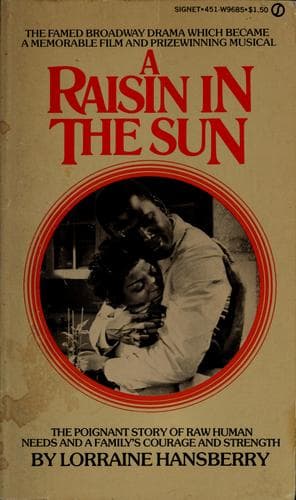
- A Raisin in the Sun
Lorraine Hansberry
Focuses on a multi-generational family's struggles, aspirations, and conflicts in a cramped living situation.
- Death of a Salesman
Arthur Miller
3.5 (186k) average on GoodreadsFictionWhile both plays explore family dynamics and economic hardship, Brighton Beach Memoirs maintains a lighter, more optimistic tone and focuses on resilience through humor, contrasting with Miller's tragic exploration of the American dream's failure and a patriarch's downfall. Simon's play emphasizes familial support and coming-of-age, whereas Miller's delves into psychological torment and societal critique.
- Nineteen Eighty-Four
George Orwell
4.2 (5.5M) average on GoodreadsFictionWinston Smith dreams of truth and rebellion in a world where Big Brother watches all, but he confronts the terrifying power of a regime that controls not just actions, but thoughts.
- The Frozen River
Ariel Lawhon
4.4 (600k) average on GoodreadsFictionIn 1789 Maine, a heroic midwife's diary helps her expose a murder and get justice in a town that wants to silence her.
- A Man Called Ove
Fredrik Backman
4.4 (569k) average on GoodreadsFictionA stubborn widower, who lives by strict rules, finds his quiet world changed by a lively new family next door, making him face his past and find happiness in human connection.





Enjoyed the summary?
A summary gives you the shape of the book. The book itself has the detail, the examples and the voice.
Find Brighton Beach Memoirs on AmazonAs an Amazon Associate, BookBrief earns from qualifying purchases. How we're funded