
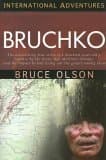
Core Idea
- Difficulty
- Easy
- Read it if
- You are interested in missionary biographies, cross-cultural communication, the challenges and rewards of deep cultural immersion, or stories of faith in extreme circumstances.
- Skip it if
- You prefer academic texts on anthropology, are looking for a purely theological treatise, or are uncomfortable with vivid descriptions of hardship and cultural practices that may seem brutal.
Key Takeaways from Bruchko
Cultural Immersion Over Imposition
True understanding precedes meaningful influence.
Olson started with a strong desire to share his faith, but his approach quickly changed from a Western view to a deep dive into the Motilone (Bari) culture. He saw that simply translating religious ideas into their language was not enough if their culture made those ideas strange or meaningless. Instead, he chose to live among them, learning their language, customs, and way of thinking from the ground up. This meant taking part in their daily lives, enduring hardships with them, and respecting their traditions, even those that first seemed to clash with his own beliefs. This strong commitment to understanding, rather than quick conversion, became the base of his success, showing that real connection is needed for any lasting impact.
“I was not there to change their culture, but to understand it, and in understanding, perhaps to find a way for God's truth to take root within it.”
In the book: Olson spent months, even years, just learning the Motilone language and living their daily life, including hunting, farming, and participating in their social rituals, before attempting to introduce Christian concepts. His willingness to be captured and live as one of them, rather than as an outsider, is central.
Try this: When attempting to communicate or influence across significant cultural divides, prioritize deep listening and understanding of the other culture's existing framework before introducing new ideas. Seek to find common ground or reframe concepts in terms that resonate with their inherent worldview, rather than expecting them to adopt yours wholesale.
Related ideas: cultural-relativism, ethnocentrism-challenge, participatory-observation
The Power of Indigenous Leadership
Sustainable change comes from within, not from without.
Olson learned that local leadership was absolutely necessary for any long-term change. He understood that a 'church' (or any new social group) started and always led by an outsider would never truly belong to the Motilone people. His plan changed from being a permanent leader to a helper, letting Motilone individuals interpret their beliefs in their own cultural way, lead their own communities, and solve their own problems. This method gave them a sense of ownership and self-reliance, making sure that their beliefs became a deep part of their society rather than a foreign idea that depended on Olson. This idea applies beyond sharing faith to any development work, showing that real empowerment means stepping back and letting local people lead.
“It was not my church; it was their church. My role was to plant the seed, not to tend the garden forever.”
In the book: Olson intentionally trained Motilone leaders, like Bobby, to lead their own communities and interpret the Bible within their cultural framework. He refused to establish himself as the permanent head, instead focusing on equipping others to take charge.
Try this: In any leadership or development role, actively seek to identify and empower local leaders. Provide resources and training, but prioritize their autonomy in decision-making and implementation. Design initiatives to be self-sustaining and locally driven, rather than perpetually reliant on external support.
Related ideas: grassroots-leadership, community-empowerment, sustainability-development
Suffering as a Catalyst for Connection
Shared hardship forges deeper bonds and credibility.
Olson's willingness to go through capture, torture, illness, and the harsh parts of jungle life proved his strength and was key to gaining the Motilone's trust. In their culture, suffering, especially when endured calmly, showed strength and honesty. By sharing their physical pain and weakness, he broke through the barrier of being an outsider. His refusal to fight back, even when wronged, matched some Motilone values and created a deep bond. This shared experience of hardship broke down initial suspicion and opened doors for communication that words or gifts alone could not have. It shows the strong, though often uncomfortable, truth that shared difficulty can greatly help build real human connection and trust.
“My suffering became a bridge, not a barrier. It allowed them to see me not as a conqueror, but as one who could share their pain.”
In the book: Olson's capture and subsequent torture by the Motilone, his recovery from various jungle diseases, and his participation in their physically demanding lifestyle, including long hunts and arduous journeys, are all examples of shared suffering.
Try this: When seeking to build trust with a skeptical or different group, be prepared to demonstrate vulnerability and a willingness to share in their burdens. Authentic empathy often requires more than just words; it demands a readiness to enter into their lived experience, even if it means personal discomfort or sacrifice.
Related ideas: empathy-building, vulnerability-trust, adversity-connection
Adaptation of Message, Not Compromise of Core
The gospel's essence can be communicated in diverse cultural forms.
Olson was skilled at changing how he shared his main message without changing its basic ideas. He saw that simply translating religious texts word-for-word would not work because of big cultural differences in understanding ideas like 'sin,' 'redemption,' or 'God.' Instead, he looked for existing cultural stories, symbols, and ways of speaking within the Motilone culture that could carry Christian truths. This was not about making the message weaker but about making it understandable and relatable. For example, explaining abstract religious ideas through their rich oral traditions and storytelling worked much better than direct translation, showing deep respect for their intellectual and spiritual heritage.
“The message was unchanging, but the vessel through which it was delivered had to be shaped by their hands, not mine.”
In the book: Olson used Motilone storytelling methods and their existing understanding of spiritual concepts, like the 'Great Spirit' or the consequences of breaking tribal law, to introduce Christian ideas, rather than imposing Western theological constructs directly.
Try this: When communicating complex ideas across cultural or conceptual divides, focus on identifying analogous concepts or existing frameworks within the audience's understanding. Adapt your communication style, metaphors, and examples to resonate with their worldview, ensuring the core message remains intact but is presented in an accessible, relevant manner.
Related ideas: contextualization, cross-cultural-communication, cultural-hermeneutics
Beyond Evangelism: Holistic Development
Spiritual growth is intertwined with physical and social well-being.
Olson quickly learned that meeting the Motilone's immediate physical and social needs was not separate from, but part of, their openness to spiritual ideas. His efforts went beyond just sharing his faith to include practical things like setting up medical clinics, teaching lasting farming methods, and helping make peace between fighting tribes. He understood that a community struggling with illness, hunger, or constant war would be less open to abstract spiritual ideas. By showing real care for their overall well-being, he built trust and showed the practical benefits of his presence and the ideas he supported. This approach shows that real care includes both spiritual and physical parts, recognizing how human well-being is connected.
“You cannot preach salvation to a dying man if you ignore the arrow in his side.”
In the book: Olson's work in setting up a medical clinic, introducing new crops, and, most notably, negotiating peace treaties between the Motilone and their traditional enemies, such as the Yukpa, directly addresses their physical and social needs.
Try this: Any initiative aiming for lasting positive change should adopt a holistic approach, addressing not only intellectual or spiritual needs but also practical concerns like health, economic stability, and social harmony. Demonstrating care for immediate well-being builds credibility and opens doors for deeper engagement.
Related ideas: holistic-development, integrated-missions, social-justice
Patience and Persistence Against All Odds
Significant impact requires unwavering commitment through prolonged adversity.
Olson's journey was not a quick win but a story of great patience and persistence. He faced huge problems: initial hostility, cultural misunderstanding, severe illness, capture, torture, and the constant threat of death. He spent years just learning the language and building basic trust before seeing any major 'results.' His story clearly shows that transformative work, especially across big cultural divides, is a long effort, not a quick one. It needs a firm commitment for the long term, a willingness to accept setbacks, and a belief in the final goal that goes beyond quick rewards or measurable success. This level of dedication is rare but vital for truly important achievements.
“There were countless times I wanted to quit, but something deep inside, a conviction stronger than fear or despair, kept me going.”
In the book: The narrative details Olson's multiple near-death experiences, his prolonged periods of isolation and sickness, and the years he spent without seeing any 'converts' or tangible progress, yet he never abandoned his mission.
Try this: When pursuing long-term, complex goals, cultivate extreme patience and resilience. Recognize that setbacks are inevitable and that progress may be slow. Focus on the underlying vision and maintain consistent effort, understanding that significant impact often accrues over extended periods of persistent, often unglamorous, work.
Related ideas: resilience, perseverance, long-term-vision
Challenging Traditional Missionary Paradigms
Authentic engagement often defies conventional wisdom.
Olson's story directly challenges many traditional missionary methods of his time. He rejected the usual way of setting up Western-style churches, bringing in foreign leaders, or relying heavily on material rewards. Instead, he started a 'learn-first' philosophy, immersing himself in the culture to understand it from the inside. His willingness to be captured, live naked among the tribe, and let the Motilone interpret and lead their own spiritual journey was new and often met with doubt from established religious groups. His success shows that real, impactful cross-cultural work often needs big changes from common ideas, putting authentic connection and local self-determination first over pre-made methods.
“My methods were unconventional, often criticized, but they were born of necessity and a deep respect for the people I served.”
In the book: Olson's rejection of mission board support, his decision to go alone and live entirely dependent on the tribe, and his refusal to build a 'church' in the Western sense, opting instead for a community-led spiritual movement, all highlight his unconventional approach.
Try this: Question established norms and conventional wisdom in your field. Be open to developing innovative, context-specific solutions, even if they deviate from traditional best practices. Prioritize genuine engagement and the unique needs of your audience over adherence to predefined methodologies.
Related ideas: paradigm-shift, innovative-practice, decolonization-missions
Respect for Indigenous Justice Systems
Understanding existing social order is key to navigating conflict.
Olson's experience with Motilone justice, which often involved quick and harsh revenge for perceived wrongs, made him face and understand a very different social order. Instead of simply condemning it, he tried to grasp its basic principles and cultural meaning. This understanding was key not only for his own survival but also for effectively helping with conflicts and introducing new ideas of forgiveness and reconciliation that could fit within their existing system. His approach shows that helpful action in solving conflicts or social reform needs deep respect for, and understanding of, the local systems already in place, no matter how strange they may seem.
“Their justice was swift and often brutal, but it was their justice, and I had to understand its purpose before I could hope to influence it.”
In the book: Olson's observation of Motilone revenge killings and the tribal laws governing these actions, as well as his eventual role in mediating peace between warring tribes, illustrate his engagement with their justice system.
Try this: When encountering social or legal systems vastly different from your own, resist immediate judgment. Dedicate time to understand the historical, cultural, and functional logic behind them. Only with this deep understanding can you hope to engage constructively, mediate conflict, or introduce alternative frameworks effectively.
Related ideas: restorative-justice, conflict-resolution, cultural-competence
The Transformative Power of Non-Violence
Responding with love and forgiveness can disarm even the fiercest hostility.
A main part of Olson's story is the strong impact of his consistent non-violent response to aggression, even when captured, tortured, and repeatedly threatened. The Motilone, a very warlike tribe, were used to cycles of revenge. Olson's refusal to fight back, his willingness to endure suffering without bitterness, and his repeated acts of kindness and forgiveness were completely new and very disarming. This radical non-violence slowly began to chip away at their deep-seated hostility, showing a different, more powerful way of being. It suggests that real love and forgiveness, shown through actions, can be a very strong force for change, able to break cycles of violence and create unexpected peace.
“When they expected me to fight back, I offered friendship. When they expected hatred, I offered forgiveness. This was the true revolution.”
In the book: Olson's response to his capture and torture, where he did not fight back but instead tried to communicate and show compassion, is a prime example. His later efforts to broker peace between the Motilone and their enemies also required a commitment to non-violence.
Try this: In situations of conflict or hostility, consider how a non-violent, compassionate, and forgiving response might disrupt established patterns of aggression. While challenging, such an approach can sometimes open pathways for reconciliation and transformation that conventional confrontation cannot.
Related ideas: peacebuilding, active-nonviolence, reconciliation
Divine Guidance in Unconventional Paths
Faith can lead beyond human logic into extraordinary outcomes.
Olson's entire journey is shaped by a firm belief that he was called by God, often leading him to make choices that defied human logic and common sense. His first trip into the jungle as a teenager, without institutional support or a clear plan, was an act of deep faith. Throughout his trials, he credits his survival and the eventual change of the Motilone to divine help and guidance. This point shows the power of spiritual conviction to enable people to take on seemingly impossible tasks and to navigate unpredictable situations with a sense of purpose beyond their own abilities. It suggests that sometimes, the most impactful paths are those that come not just from careful planning, but from a deep, intuitive trust in a higher purpose.
“I had no plan, no map, only a deep conviction that God had called me, and that He would show me the way, even if it led through the jungle's heart.”
In the book: Olson's decision to go into the jungle at 19 with no formal training or support, his repeated escapes from death, and his belief that God was actively guiding his interactions with the Motilone, are central to the narrative.
Try this: When faced with daunting challenges or unclear paths, consider the role of intuition, spiritual conviction, or a sense of higher purpose. While planning is important, sometimes radical trust in an inner calling can open doors to unforeseen possibilities and provide resilience in the face of overwhelming odds.
Related ideas: spiritual-discernment, purpose-driven-life, faith-action
Bruchko Quotes
“My life was now in the hands of God. I was ready to go to the ends of the earth if that was His will.”
“You must become one of us. You must live as we live, eat as we eat, and think as we think.”
“The greatest joy is to see people truly understand the Gospel, not just hear it.”
“Fear is a powerful enemy, but love casts out all fear.”
“To truly help someone, you must first understand their pain.”
“God's timing is perfect, even when ours is not.”
“They didn't need my culture; they needed Christ.”
“The jungle became my classroom, and the Indians, my teachers.”
“Sometimes the greatest miracles are the ones we don't even recognize as such.”
“True freedom comes from knowing God, not from escaping the world.”
“I was not there to change them, but to share with them.”
“The most powerful weapon against hatred is love.”
“My life was a constant exercise in trusting God for every single need.”
“The language barrier was not just about words, but about worldview.”
Quiz
10 questions on the main ideas. Each answer comes with a short explanation.
Question 1
At what age did Bruce Olson first venture into the jungles of Venezuela with the intention of reaching indigenous tribes?
- Seventeen
- Nineteen
- Twenty-one
- Twenty-three
Show answer
B. Nineteen The book explicitly states that Bruce Olson was nineteen years old when he began his mission into the jungles, seeking to evangelize the Motilone Indians.
Question 2
Which specific indigenous tribe was Bruce Olson primarily focused on reaching and living among?
- Yanomami
- Kogi
- Motilone
- Wayuu
Show answer
C. Motilone The central narrative of 'Bruchko' revolves around Bruce Olson's experiences and impact among the Motilone (also known as Bari) Indians.
Question 3
What was the initial reaction of the Motilone tribe to Bruce Olson's presence?
- They immediately welcomed him as a spiritual leader.
- They captured him, subjected him to torture, and threatened his life.
- They ignored him, considering him harmless.
- They sent him away with a warning not to return.
Show answer
B. They captured him, subjected him to torture, and threatened his life. Upon his first successful contact, Bruce was captured, beaten, and his life was repeatedly threatened, reflecting the Motilone's reputation as a 'murderous tribe.'
Question 4
Bruce Olson's missionary approach is often described as 'incarnational.' What does this term primarily signify in the context of his work?
- Preaching sermons and distributing Bibles from a central mission station.
- Living among the people, adopting their customs, and learning their language and worldview before sharing the Gospel.
- Establishing schools and hospitals as the primary means of outreach.
- Translating the Bible into the indigenous language as quickly as possible.
Show answer
B. Living among the people, adopting their customs, and learning their language and worldview before sharing the Gospel. The book highlights Bruce's commitment to incarnational ministry, where he deeply immersed himself in the Motilone culture, living as one of them, to understand their context before introducing Christian concepts.
Question 5
What was a significant challenge Bruce faced regarding the Motilone's traditional beliefs and their understanding of a 'creator God'?
- They had no concept of any spiritual being whatsoever.
- They believed in multiple gods, making the concept of one God difficult.
- Their creator deity, 'Baba,' was seen as distant and uncaring, not a personal God who interacts with humanity.
- They worshipped ancestors, which directly conflicted with a creator God.
Show answer
C. Their creator deity, 'Baba,' was seen as distant and uncaring, not a personal God who interacts with humanity. Bruce discovered that while the Motilone had a creator figure named 'Baba,' this deity was perceived as detached and indifferent, posing a challenge to communicating a personal, loving God.
Question 6
How did Bruce Olson facilitate the Motilone's understanding of the Gospel without directly translating Western theological terms?
- He taught them English so they could read the Bible.
- He used their own oral traditions, myths, and stories to find parallels and introduce new concepts in a culturally relevant way.
- He had them memorize Bible verses in Spanish.
- He created a new written language for them to study Christian texts.
Show answer
B. He used their own oral traditions, myths, and stories to find parallels and introduce new concepts in a culturally relevant way. A key aspect of Bruce's method was leveraging existing Motilone narratives and cultural frameworks to introduce Christian concepts, allowing them to interpret the Gospel through their own lens.
Question 7
What revolutionary impact did Bruce Olson's approach have on traditional missionary strategies, as described in the book?
- It emphasized rapid mass conversions through large-scale crusades.
- It demonstrated the effectiveness of creating self-governing, self-supporting, and self-propagating indigenous churches rather than externally controlled missions.
- It advocated for the immediate introduction of Western education and healthcare as prerequisites for evangelism.
- It proved that missionaries should always work in large teams for safety and efficiency.
Show answer
B. It demonstrated the effectiveness of creating self-governing, self-supporting, and self-propagating indigenous churches rather than externally controlled missions. Bruce's work showcased the power of indigenous leadership and self-determination, moving away from paternalistic mission models to empower the Motilone to lead their own spiritual and social development.
Question 8
How did Bruce Olson address the Motilone's deep-seated cycles of inter-tribal warfare and revenge killings?
- He organized a peace treaty with external government intervention.
- He introduced the concept of forgiveness and reconciliation through the Motilone's own evolving understanding of God's character and through indigenous leadership initiatives.
- He physically separated rival tribes to prevent conflict.
- He taught them advanced self-defense techniques to deter aggression.
Show answer
B. He introduced the concept of forgiveness and reconciliation through the Motilone's own evolving understanding of God's character and through indigenous leadership initiatives. A significant triumph was the Motilone's internal adoption of forgiveness and reconciliation, leading to peace not through external force, but through a spiritual transformation facilitated by Bruce's guidance and their own leaders.
Question 9
What was the significance of the Motilone choosing their own leaders and developing their own expressions of faith, rather than adopting Western church structures?
- It was an unavoidable compromise due to the remote location.
- It ensured the faith was deeply rooted in their culture, fostering authenticity, sustainability, and preventing cultural dependency.
- It meant they never fully understood Christian theology.
- It was a temporary measure until Western pastors could be sent.
Show answer
B. It ensured the faith was deeply rooted in their culture, fostering authenticity, sustainability, and preventing cultural dependency. This approach was crucial for the long-term viability and authenticity of the Motilone's faith, allowing Christianity to be expressed in a way that resonated with their worldview and leadership structures, rather than being a foreign imposition.
Question 10
Beyond spiritual transformation, what practical, tangible benefits did Bruce Olson's work bring to the Motilone people?
- He introduced advanced agricultural machinery and cash crops for export.
- He helped establish basic healthcare, education, and facilitated their interaction with the outside world on their own terms, leading to improved well-being and reduced exploitation.
- He built permanent, modern housing for all tribal members.
- He secured exclusive hunting and fishing rights for them.
Show answer
B. He helped establish basic healthcare, education, and facilitated their interaction with the outside world on their own terms, leading to improved well-being and reduced exploitation. Bruce's holistic approach extended beyond the spiritual, significantly impacting the Motilone's physical health, educational opportunities, and their ability to navigate external society more effectively, often by empowering them to advocate for themselves.
Bruchko FAQ
What is 'Bruchko' about?
'Bruchko' is the true story of Bruce Olson, a nineteen-year-old American who, driven by faith, ventured into the jungles of Colombia and Venezuela to live among the Motilone Indians, a previously uncontacted and violent tribe. The book details his capture, integration into their society, and his efforts to share the Gospel in a culturally relevant way.
Does Bruce Olson survive his encounter with the Motilone Indians?
Yes, Bruce Olson not only survives his initial capture and torture by the Motilone but goes on to live among them for decades. He builds deep relationships and helps them navigate the complexities of their changing world while preserving their cultural identity.
What is the 'Motilone Indian' tribe mentioned in the book?
The Motilone Indians, also known as the Barí people, are an indigenous group from the border region between Colombia and Venezuela. Historically, they were known for their fierce resistance to outsiders, but Bruce Olson's work helped bridge the gap between them and the modern world.
How did Bruce Olson manage to communicate with the Motilone people?
Olson immersed himself completely in their culture, learning their language through observation and participation in daily life. His dedication to understanding their worldview and communication methods was crucial to building trust and sharing complex ideas.
How is 'Bruchko' different from other missionary biographies?
'Bruchko' stands out due to Olson's radical approach of living completely within the indigenous culture, rejecting traditional mission compounds and Westernization. He prioritized cultural preservation and allowed the Motilone to interpret the Gospel through their own worldview, rather than imposing external structures.
What impact did Bruce Olson have on the Motilone tribe?
Olson helped the Motilone achieve peace with neighboring tribes and outsiders, establish sustainable agriculture, and develop literacy in their own language. Crucially, he facilitated their spiritual journey in a way that respected and integrated their traditional beliefs, leading to a unique expression of Christianity.
Does 'Bruchko' contain graphic descriptions of violence or suffering?
The book does describe the realities of tribal life, including violence and Olson's own suffering during his capture and early days. However, these elements are presented within the context of his broader story of faith, perseverance, and cultural immersion.
Is 'Bruchko' suitable for young adult readers?
Yes, 'Bruchko' is often recommended for young adult readers due to its inspiring true story of adventure, faith, and cultural understanding. While it touches on mature themes, its narrative is accessible and captivating for this age group.
About the author

Bruce Olson is a missionary and author known for his gripping accounts of his experiences in the Amazon rainforest. His seminal work, "Bruchko," details his journey living among the Motilone tribe in Colombia, sharing the Gospel and learning their ways. Olson's writings offer a unique perspective on faith, cultural immersion, and the challenges of missionary work in remote regions with unreached peoples.
Similar books
- Through Gates of Splendor
Elisabeth Elliot
4.4 (24k) average on GoodreadsBiographyChronicles missionaries living among an indigenous tribe, facing danger and demonstrating profound faith.
- The Diary of a Young Girl
Anne Frank
4.2 (2.7M) average on GoodreadsBiographyDuring the Nazi occupation, a teenage girl's diary, written from a secret annex, shares observations on humanity, hope, and the wait for freedom.
- Eat, Pray, Love
Elizabeth Gilbert
3.6 (1.5M) average on GoodreadsLifestyleA heartbroken writer leaves her conventional life for a year-long global search for pleasure in Italy, spiritual devotion in India, and unexpected love and balance in Bali.
- Night
Elie Wiesel
4.3 (970k) average on GoodreadsBiographyIn the darkness of Auschwitz and Buchenwald, a teenage Elie Wiesel faces the extermination of his family, the loss of his faith, and the lasting scars of humanity's deepest cruelty.
- Steve Jobs
Walter Isaacson
4.1 (957k) average on GoodreadsBusinessSteve Jobs was a visionary who fused creativity and technology to revolutionize six industries and shape our digital world.
- The Glass Castle
Jeannette Walls
4.3 (903k) average on GoodreadsBiographyJeannette Walls's memoir describes her unusual childhood with brilliant, free-spirited parents whose poverty-stricken life shaped her independence and love despite family problems.





Enjoyed the summary?
A summary gives you the shape of the book. The book itself has the detail, the examples and the voice.
Find Bruchko on AmazonAs an Amazon Associate, BookBrief earns from qualifying purchases. How we're funded