Estimated read time: 5 min read
Table of Contents
List of Characters
| Character Name | Role in Book | Notable Traits | Background Summary |
|---|---|---|---|
| John Brooks | Narrator / Author | Analytical, Observational | Business journalist and author of "Business Adventures" |
| Edson Bradley | Business Executive | Strategic, Resilient | Led a major business venture detailed in the book |
| Robert N. Wilson | Corporate Leader | Ethical, Visionary | CEO involved in key corporate decisions |
| Charles E. Wilson | Government and Business Leader | Influential, Decisive | Known as "Engine Charlie," led General Motors |
| Henry Ford II | Automotive Industry Leader | Innovative, Assertive | Revitalized Ford Motor Company |
| Richard Nixon | Politician and Business Figure | Ambitious, Complex | His involvement with business controversies |
| Other Business Figures | Various roles | Various traits | Various backgrounds across the corporate world |
Role Identification
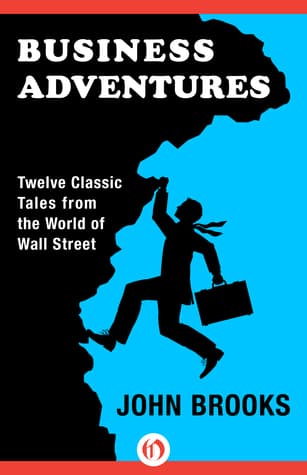
The characters in "Business Adventures" are real-life business personalities and corporate leaders who play pivotal roles in the detailed case studies. John Brooks, as the narrator, provides insightful commentary and analysis. Other figures, such as corporate executives and government officials, appear as the central actors in the business events and crises explored.
Character Descriptions and Traits
John Brooks
John Brooks is not a traditional character but serves as the analytical voice guiding readers through complex business events. His writing style is precise, engaging, and deeply informed by his journalistic expertise. He exhibits a strong ability to dissect corporate strategies and personalities, making complex business affairs accessible.
- Analytical and Observational
- Clear Communicator
- Insightful and Detail-Oriented
Edson Bradley
Bradley appears as a resilient and strategic business executive. He demonstrates an ability to navigate corporate challenges and maintain focus on long-term objectives.
- Strategic Thinker
- Resilient in Crisis
- Leadership Focused
Robert N. Wilson
Wilson is portrayed as an ethical and visionary corporate leader who prioritizes integrity and innovation. His decision-making often reflects a balance between business interests and moral considerations.
- Ethical Leader
- Visionary Strategist
- Balanced Decision-Maker
Charles E. Wilson
Known as "Engine Charlie," Wilson exhibits strong decisiveness and influence, especially in linking government and corporate interests. His leadership style is assertive and pragmatic.
- Influential and Decisive
- Assertive Leadership
- Government-Business Liaison
Henry Ford II
Ford is innovative and assertive, credited with revitalizing his family’s automotive business. His character shows the pressures and challenges of sustaining a legacy while pushing for progress.
- Innovative and Assertive
- Legacy-Oriented
- Business Revitalizer
Richard Nixon
Nixon’s involvement in the business world is complex, marked by ambition and controversy. His character provides insight into the intersection of politics and business.
- Ambitious
- Complex and Controversial
- Politically Influential
Character Backgrounds
The characters in "Business Adventures" are grounded in real historical contexts. Each figure is tied to specific corporate events or government-business interactions. Their backgrounds span industries such as automotive, finance, and politics, highlighting the diversity of challenges in American business history.
| Character Name | Industry/Area | Historical Context |
|---|---|---|
| John Brooks | Journalism/Business | Mid-20th century American business |
| Edson Bradley | Finance/Industry | Led ventures during post-war economic boom |
| Robert N. Wilson | Corporate Management | Active in mid-century corporate governance |
| Charles E. Wilson | Automotive/Government | WWII and post-war industrial mobilization |
| Henry Ford II | Automotive | Post-WWII automotive industry evolution |
| Richard Nixon | Politics/Business | 1960s-70s political-business interface |
Character Arcs
Since "Business Adventures" is a collection of case studies rather than a narrative novel, traditional character arcs are not present. However, each business figure undergoes professional challenges, decision points, and transformations that reflect key lessons in leadership and corporate management.
Example: Henry Ford II
- Starts with inheriting a struggling family company.
- Faces internal and external challenges.
- Implements innovative strategies.
- Successfully revitalizes the company.
Example: Charles E. Wilson
- Moves from corporate executive to government leader.
- Navigates complex political and business landscapes.
- Influences national industrial policy.
Relationships
The relationships in the book primarily revolve around professional interactions between business leaders, government officials, and corporate entities. These connections illustrate how leadership decisions impact broader economic and social environments.
| Relationship Type | Participants | Description |
|---|---|---|
| Corporate Leadership | Henry Ford II and Board | Collaborative and sometimes contentious |
| Government-Business | Charles E. Wilson and Federal Government | Coordination during wartime and industrial policy |
| Political Influence | Richard Nixon and Business Leaders | Interplay of political power and corporate interests |
| Mentorship and Rivalry | Various Business Figures | Competition and guidance influencing business outcomes |
Conclusion
"Business Adventures" offers rich profiles of significant business personalities who shaped American corporate history. The characters, while real people, are portrayed with depth that reveals their motivations, traits, and leadership styles. Their backgrounds and interactions provide valuable lessons on resilience, ethics, innovation, and the complex relationships between business and government. This analysis underscores the book's enduring relevance in understanding business leadership and corporate dynamics.