
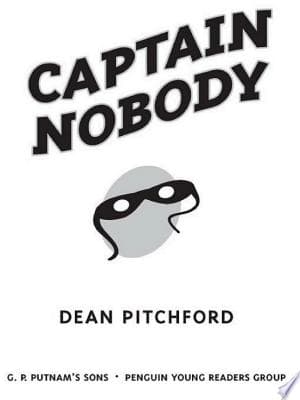
Core Idea
- Difficulty
- Easy
- Read it if
- You enjoy heartwarming stories about self-discovery, accidental heroism, and the journey of an underdog finding their voice amidst chaos and high expectations.
- Skip it if
- You prefer complex narratives with morally ambiguous characters or are looking for a book with a dark, gritty tone.
Key Takeaways from Captain Nobody
The Power of Alter Egos
Embracing a new identity can unlock hidden confidence and capabilities.
The novel shows how taking on an alter ego, even a silly one like Captain Nobody, can change how a person sees themselves and acts. For Newt, the costume is not just fabric; it is a psychological tool that helps him step outside his usual shy self. This change highlights that our identities are not always set and that by choosing to act differently, we can find hidden strengths. The 'Captain Nobody' persona gives Newt the courage to act, speak up, and engage with the world in ways the 'real' Newt never would. This proves that sometimes, a change in outward appearance or assumed role can lead to deep internal change and help us face challenges we once avoided.
“Newt felt strong and confident in his new getup, so he kept wearing it after Halloween was over.”
In the book: Newt's initial shyness and his subsequent willingness to intervene in various situations (foiling a robbery, saving passengers) only when he is dressed as Captain Nobody.
Try this: Identify an area where you lack confidence. Create an 'alter ego' for that specific situation – give it a name, a mental costume, and a set of characteristics. Before entering the situation, mentally 'put on' your alter ego to tap into those desired traits. This could be 'Confident Communicator' for presentations or 'Fearless Negotiator' for difficult conversations.
Related ideas: alter-ego, self-perception, confidence-building, identity-formation
The Unseen Hero
True heroism often goes unnoticed, driven by genuine care rather than recognition.
Dean Pitchford suggests that heroism is not always about grand actions or public praise. Newt, as Captain Nobody, performs truly heroic acts, often by accident or impulse. His reasons are rarely about personal fame; they come from a desire to help, fix problems, or protect. The 'nobody' in his name is ironic, showing how easily real contributions can be overlooked, especially when the 'hero' does not fit a common mold. This challenges the reader to look beyond surface recognition and appreciate the quiet acts of bravery and kindness that often support communities and individuals. It suggests that the most impactful heroism often comes from empathy and a willingness to act, regardless of whether it is noticed.
“Newt assumes the role of a hero in a string of exploits that include foiling a robbery and saving a planeload of passengers.”
In the book: Newt's various exploits, such as preventing a robbery or helping a plane, are often downplayed or misunderstood by others, yet they have significant positive outcomes.
Try this: Perform a 'random act of kindness' or helpfulness for someone without seeking any recognition. Reflect on how it feels to contribute positively without the expectation of praise. This could be helping a colleague, volunteering anonymously, or simply being a supportive listener.
Related ideas: altruism, unrecognized-heroism, empathy-in-action, moral-courage
The Weight of Expectations
Living in the shadow of a successful sibling can stifle one's own identity and potential.
The story explores the often-unspoken pressure of being the less prominent sibling, especially when one's brother is a famous athlete. Newt lives in Chris's shadow, constantly compared and often overlooked. This situation creates insecurity and a feeling of being invisible. Chris's accident, while tragic, accidentally gives Newt a chance to step out of that shadow, though in an unusual way. The book questions how societal and family expectations can reduce a person's self-worth if they do not fit a predefined idea of 'success.' It is a reminder that everyone, no matter their relation to someone famous, deserves to be seen and valued for their unique qualities and contributions.
“When Newt Newman's football-star brother, Chris, is knocked into a coma during the biggest game of the season...”
In the book: Newt's internal monologue and interactions reveal his constant awareness of Chris's fame and his own perceived lack of it, contributing to his shyness.
Try this: If you feel overshadowed, identify one unique skill or interest you possess that is distinct from those around you. Actively cultivate and showcase this skill, even in small ways, to establish your individual identity. If you are a parent or mentor, ensure you celebrate each child's individual strengths, not just the most obvious ones.
Related ideas: sibling-rivalry, identity-crisis, shadow-syndrome, self-worth
Coping with Crisis
Unusual coping mechanisms can emerge in the face of profound personal trauma.
Chris's sudden, devastating accident throws Newt's family into chaos, and Newt himself struggles with shock and uncertainty. His friends' idea to create the Captain Nobody costume, initially a distraction, becomes an important way for him to cope. It provides an outlet for Newt's worries and a way to turn his feelings of powerlessness into a sense of control. This highlights how people, especially children, can find unusual ways to deal with grief, fear, and trauma. The costume becomes a psychological shield, allowing Newt to manage his emotions while also interacting with the world. The book suggests that sometimes, escapism, when used productively, can be a vital step in processing difficult realities.
“Newt's two best friends keep his mind off of the accident by helping him create the ultimate Halloween costume: Captain Nobody.”
In the book: The immediate aftermath of Chris's accident and Newt's subsequent immersion into the Captain Nobody persona as a way to manage his distress and worry.
Try this: When facing a stressful or traumatic situation, identify a healthy, creative outlet that allows you to channel your emotions. This could be writing, art, music, or even a role-playing game, as long as it provides a safe space for processing without avoiding reality entirely.
Related ideas: trauma-response, emotional-coping, creative-outlet, psychological-resilience
The Fluidity of Perception
How others perceive us can be easily swayed, often based on superficial cues or preconceived notions.
An interesting part of 'Captain Nobody' is how others interpret Newt's identity and actions. At first, he is just Chris's little brother, then a kid in a strange costume, and eventually, through coincidences and his own actions, he is seen as a hero, a threat, or simply odd. This changing perception shows how easily public opinion can be swayed and how often people project their own ideas onto others. The book quietly critiques the media's role in shaping these perceptions and how quickly a 'nobody' can become a 'somebody' (or vice-versa) based on external approval or misunderstanding. It is a reminder that our self-worth should not depend only on how others see us, as those views are often incomplete or wrong.
“Soon Newt assumes the role of a hero in a string of exploits...”
In the book: The varying reactions of the townspeople, media, and even Newt's family to his actions as Captain Nobody, often misunderstanding his true intentions or the full context.
Try this: Before forming an opinion about someone, consider what biases or limited information might be influencing your perception. Practice seeking out more context or directly asking questions to gain a fuller, more accurate understanding of their actions or character. Similarly, recognize that others' perceptions of you may not reflect your true self.
Related ideas: social-perception, cognitive-bias, public-opinion, misinterpretation
Accidental Heroism
Significant acts of bravery can arise from unexpected circumstances and ordinary individuals.
Captain Nobody's actions are rarely planned acts of heroism. Instead, Newt often finds himself in situations where his unique costume or his presence accidentally leads to a good outcome. Whether preventing a robbery by chance or helping save a plane due to a series of events, Newt's heroism is largely accidental. This idea is affirming, suggesting that even ordinary people, without special training or intent, can become heroes when circumstances demand it. It challenges the idea that heroes are born, not made, and instead suggests that heroism is often a response to a moment, driven by a basic human desire to help or intervene. The book encourages readers to believe in their own capacity for good, even if they do not see themselves as 'heroic.'
“Newt assumes the role of a hero in a string of exploits that include foiling a robbery and saving a planeload of passengers.”
In the book: The specific scenarios where Newt's actions as Captain Nobody lead to positive outcomes, often starting with him simply being in the right place at the right time, or his costume drawing attention.
Try this: Be present and observant in your daily life. If you see a small opportunity to help or intervene in a safe way, act on it without overthinking. This could be picking up litter, offering directions, or speaking up against a minor injustice. Recognize that small, timely actions can have significant ripple effects.
Related ideas: situational-heroism, serendipity, everyday-bravery, moral-imperative
The Importance of Friendship
True friends provide unwavering support and help us navigate life's toughest challenges.
'Captain Nobody' is as much a story about the power of friendship as it is about individual change. Newt's friends, Cecil and JJ, are key to his journey. They do not just distract him; they actively help create his alter ego, support his new persona, and stand by him through his adventures and grief. Their steady belief in Newt, even when he is just 'nobody,' is an important anchor. This highlights the vital role of a strong support system during times of crisis and personal growth. True friends see past our perceived weaknesses and help us find our strengths, offering both emotional support and practical encouragement. The book emphasizes that we rarely handle life's challenges well alone and that genuine connection is a powerful force.
“Newt's two best friends keep his mind off of the accident by helping him create the ultimate Halloween costume: Captain Nobody.”
In the book: Cecil and JJ's consistent presence, their role in creating the costume, their encouragement of Newt, and their understanding of his emotional state regarding Chris.
Try this: Actively cultivate and appreciate your closest friendships. Reach out to a friend who might be struggling, offering practical help or just a listening ear. Reflect on how your friends have supported you and consider how you can reciprocate that support more intentionally.
Related ideas: social-support, friendship-value, emotional-connection, community-building
Finding Your Voice
Stepping into a new role can empower you to speak up and assert yourself.
Before Captain Nobody, Newt is a quiet, unassuming boy, often unheard and easily overlooked. The costume, however, gives him not just physical courage but also the courage to use his voice. Whether to warn others of danger, explain a situation, or stand up for himself, the Captain Nobody persona provides the psychological buffer Newt needs to express his thoughts and feelings. This shows that finding one's voice is not always a sudden burst of confidence; it can be a gradual process, helped by external factors. The book suggests that sometimes, adopting a temporary identity can be the training wheels needed to develop lasting self-advocacy skills, proving that even the 'quietest' among us have important things to say given the right circumstances or psychological tools.
“Newt feels strong and confident in his new getup...”
In the book: Newt's transformation from a shy, often silent observer to someone who actively communicates and directs others during his heroic exploits.
Try this: If you struggle to speak up, try practicing in low-stakes environments or by adopting a 'role' in your mind. Before a meeting, mentally prepare what you want to say and imagine yourself as a confident speaker. Gradually increase the stakes as you gain comfort and experience in asserting your voice.
Related ideas: self-advocacy, assertiveness, communication-skills, empowerment
The Ripple Effect of Actions
Even seemingly small or unintentional actions can have far-reaching consequences.
Throughout the story, Newt's actions, often impulsive or coincidental while dressed as Captain Nobody, create a chain reaction. A simple decision to wear a costume leads to stopping a robbery, which leads to media attention, which then influences other events. This highlights how interconnected actions and consequences are, showing that nothing truly happens alone. The book subtly teaches that every choice, no matter how small it seems, can set off a series of events that affect many people. It encourages responsibility and awareness, reminding us that our presence and decisions, even when we feel like a 'nobody,' can significantly change the course of events for ourselves and others. This extends to his ultimate goal of helping his brother, where all his experiences come together.
“But will Captain Nobody be able to save the one person he cares about most?”
In the book: The progression of Newt's 'heroic' acts, where one event inadvertently leads him into the next, building up to the climax involving his brother, Chris.
Try this: Before making a decision or taking an action, pause to consider three potential short-term and long-term consequences, not just for yourself, but for those around you and the broader situation. This fosters a more mindful and responsible approach to daily choices.
Related ideas: consequence-management, interconnectedness, butterfly-effect, mindful-action
Beyond Appearances
True value and potential are often hidden beneath ordinary exteriors.
The difference between Chris, the famous football star, and Newt, the quiet, often overlooked younger brother, is a main point here. Chris represents the conventional idea of 'somebody' – famous, athletic, admired. Newt, at first, is the 'nobody.' Yet, it is the 'nobody' who performs extraordinary acts, showing that outward appearances, fame, or common measures of success do not always match inner strength, courage, or the ability to make a real impact. The book challenges readers to look past superficial judgments and recognize the inherent worth and potential in everyone, especially those who might not immediately stand out. It is a powerful message about valuing character, kindness, and quiet resilience over flashy achievements, proving that true heroism can be found in unexpected places.
“Newt Newman's football-star brother, Chris, is knocked into a coma...”
In the book: The stark contrast between Chris's public image and Newt's unassuming persona, and how Newt, despite being 'nobody,' achieves significant feats.
Try this: Actively challenge your own first impressions of people. Seek to understand individuals beyond their visible roles, social status, or perceived abilities. Make an effort to connect with someone you might typically overlook, and discover their unique qualities and contributions.
Related ideas: inner-value, prejudice-reduction, unseen-potential, authentic-self
Captain Nobody Quotes
“It’s funny how the littlest things can make the biggest difference.”
“Sometimes, the only way to find out who you really are is to stop being who everyone else thinks you should be.”
“A hero isn't always the one who wins. Sometimes it's the one who just keeps trying.”
“The world needs all kinds of heroes, not just the ones who score touchdowns.”
“It’s amazing how much you can do when you stop thinking about what you can’t.”
“Being invisible isn't so bad when you realize it gives you the power to see everything.”
“Every single person has a voice, even if it's just a whisper. And sometimes, a whisper is all it takes.”
“Fear is a funny thing. It can make you feel small, but it can also make you brave.”
“You don't need a cape to be a hero. Sometimes you just need to open your eyes.”
“The greatest adventures often start with the smallest steps.”
“It's not about being the strongest or the fastest. It's about being there.”
“Sometimes the person you're looking for is the one you least expect.”
“You can't always choose what happens to you, but you can always choose how you react.”
“Being a nobody can actually be a superpower, because no one expects you to do anything.”
Quiz
10 questions on the main ideas. Each answer comes with a short explanation.
Question 1
What is the name of Newt Newman's older brother, the football star who falls into a coma?
- Billy
- Chris
- Roger
- Cecil
Show answer
B. Chris The book explicitly states that Newt's football-star brother is named Chris.
Question 2
Why did Newt's friends help him create the Captain Nobody costume?
- To prepare for a school play.
- To win a costume contest.
- To keep his mind off his brother's accident.
- As a prank on their teacher.
Show answer
C. To keep his mind off his brother's accident. The synopsis clearly states that his friends helped him create the costume to keep his mind off Chris's accident.
Question 3
What is the primary reason Newt continues to wear the Captain Nobody costume after Halloween?
- He forgot to take it off.
- He felt strong and confident while wearing it.
- His friends dared him to.
- It was too difficult to remove.
Show answer
B. He felt strong and confident while wearing it. The book description states that Newt feels strong and confident in his new getup, leading him to keep wearing it.
Question 4
Which of the following is NOT mentioned as one of Captain Nobody's exploits?
- Foiling a robbery.
- Saving a planeload of passengers.
- Rescuing a cat from a tree.
- These are all mentioned as his exploits.
Show answer
C. Rescuing a cat from a tree. The synopsis specifically mentions foiling a robbery and saving a planeload of passengers, but not rescuing a cat from a tree.
Question 5
The transformation of Newt into Captain Nobody is best described as an exploration of which theme?
- The importance of celebrity culture.
- The power of self-perception and identity.
- The dangers of escapism.
- The role of fashion in self-expression.
Show answer
B. The power of self-perception and identity. Newt's newfound confidence and willingness to act as a hero while in costume highlight the theme of how self-perception (seeing himself as Captain Nobody) can alter one's identity and actions.
Question 6
How does the author use the contrast between Newt and Chris to develop the narrative?
- To show the superiority of athletic prowess over intellectual pursuits.
- To highlight the different ways individuals cope with family tragedy.
- To explore the concept of being overlooked versus being celebrated, and how that impacts one's perceived value.
- To demonstrate the importance of sibling rivalry in character development.
Show answer
C. To explore the concept of being overlooked versus being celebrated, and how that impacts one's perceived value. Chris is the celebrated football star, while Newt is less noticed. The story uses this contrast to show how Newt, as Captain Nobody, steps out of his brother's shadow and gains recognition, exploring themes of invisibility and self-worth.
Question 7
What is the central conflict that Captain Nobody ultimately aims to resolve?
- To stop all crime in his town.
- To become a famous superhero recognized globally.
- To save his brother, Chris, from his coma.
- To prove to his parents that he is just as important as Chris.
Show answer
C. To save his brother, Chris, from his coma. The final sentence of the synopsis explicitly asks: 'But will Captain Nobody be able to save the one person he cares about most?' referring to Chris.
Question 8
The 'Captain Nobody' persona allows Newt to engage in 'exploits.' What does this suggest about Newt's character without the costume?
- He is naturally shy and reserved, lacking the confidence to act heroically.
- He is secretly a villain who only acts good in costume.
- He is physically incapable of performing heroic deeds.
- He prefers to let others take the lead in real life situations.
Show answer
A. He is naturally shy and reserved, lacking the confidence to act heroically. The text implies that Newt gains strength and confidence *in* the costume, suggesting he lacks these qualities without it. This points to him being shy or reserved in his everyday identity.
Question 9
What is the implicit message about the definition of a 'hero' that the story seems to convey through Newt's transformation?
- Only those with superpowers can truly be heroes.
- Heroism is about grand gestures and public recognition, regardless of intent.
- Everyday individuals can be heroic, often by stepping out of their comfort zones and acting with courage.
- Being a hero requires a distinctive costume and a secret identity.
Show answer
C. Everyday individuals can be heroic, often by stepping out of their comfort zones and acting with courage. Newt, an ordinary boy, becomes a hero through his actions while in costume, suggesting that heroism isn't exclusive to the extraordinary but can be found in ordinary people acting courageously.
Question 10
Considering the context of Chris's coma, what deeper emotional need might Newt be fulfilling by becoming Captain Nobody?
- A desire for revenge against the team that injured Chris.
- A need to distract himself from his grief and powerlessness over his brother's condition.
- An ambition to usurp Chris's fame and become the new family star.
- A practical goal to earn money for Chris's medical bills.
Show answer
B. A need to distract himself from his grief and powerlessness over his brother's condition. Newt's friends initially help him create the costume to keep his mind off the accident. His subsequent 'heroic' actions can be interpreted as a way to regain a sense of control and purpose in a situation where he feels helpless regarding his brother's health, thus fulfilling a need to cope with grief and powerlessness.
Captain Nobody FAQ
What is the main plot of Captain Nobody?
Captain Nobody tells the story of Newt Newman, a quiet boy whose life changes when his older brother, a football star, falls into a coma. To cope, Newt and his friends create the superhero persona Captain Nobody, which he continues to wear and embody after Halloween, leading him into a series of unexpected heroic adventures.
Who is Captain Nobody?
Captain Nobody is the alter ego of Newt Newman, a seemingly ordinary and overlooked younger brother. He creates this superhero persona through a Halloween costume, and in wearing it, he gains confidence and finds himself performing extraordinary acts of bravery and kindness.
Does Captain Nobody actually have superpowers?
No, Captain Nobody does not possess any actual superpowers. His 'powers' come from the confidence and courage Newt gains while in costume, which empowers him to act decisively and heroically in various challenging situations.
What themes are explored in Captain Nobody?
The book explores themes of identity, self-discovery, sibling relationships, heroism, and the idea that anyone can make a difference regardless of how they perceive themselves. It highlights the journey from feeling invisible to recognizing one's own inner strength.
How does Captain Nobody differ from typical superhero stories?
Captain Nobody differs by presenting a hero without any actual superpowers or a secret lair; his heroism stems purely from newfound confidence and a desire to help. It grounds the superhero narrative in relatable, everyday situations and personal growth, rather than fantastical abilities.
Is Captain Nobody suitable for all ages?
Captain Nobody is generally considered a middle-grade novel, suitable for readers aged 8-12. Its themes of self-esteem and bravery are universally appealing, making it a great read for younger audiences and even enjoyable for older readers.
What role do Newt's friends play in his transformation into Captain Nobody?
Newt's two best friends are instrumental in his transformation, as they help him create the Captain Nobody costume for Halloween. Their support and encouragement provide the initial spark for Newt to embrace this new identity and explore his hidden potential.
Does Captain Nobody manage to save his brother?
The core emotional journey of the book revolves around Newt's desire to save his brother, Chris. While Captain Nobody's exploits don't involve a direct 'saving' in a superhero sense, his actions and the attention he brings ultimately play a crucial role in the family's healing and Chris's recovery.
Similar books
- Wonder
R.J. Palacio
4.4 (733k) average on GoodreadsChildren'sBoth feature a young protagonist overcoming social challenges and finding their place through unique circumstances.
- Holes
Louis Sachar
4.0 (970k) average on GoodreadsChildren'sFeatures an underdog protagonist in an unusual situation, leading to unexpected growth and resolution.
- The One and Only Ivan
Katherine Applegate
4.3 (141k) average on GoodreadsFantasyExplores themes of identity, courage, and finding one's voice in an unexpected way.
- The Perks of Being a Wallflower
Stephen Chbosky
4.2 (1.3M) average on GoodreadsPsychologyCaptain Nobody shares themes of adolescent identity and coping with personal struggles, but The Perks of Being a Wallflower delves into these topics with significantly greater psychological depth and a more nuanced exploration of trauma and mental health. While Pitchford's resolutions can be more externally driven, Chbosky focuses on the internal world and complex emotional growth of his protagonist, Charlie. Captain Nobody offers a more optimistic and less gritty view of adolescence.
- Stargirl
Jerry Spinelli
3.8 (296k) average on GoodreadsChildren'sBoth Captain Nobody and Stargirl explore themes of individuality, non-conformity, and how one's unique actions can impact a community. However, Stargirl focuses more on the impact of an eccentric individual on a conventional high school environment, and the challenges of being different. Captain Nobody focuses more on an 'ordinary' boy who finds extraordinary ways to contribute, often anonymously, and the irony of his alter ego. Spinelli's novel offers a stronger critique of social conformity, while Pitchford's emphasizes self-discovery through unexpected circumstances.
- The Diary of a Young Girl
Anne Frank
4.2 (2.7M) average on GoodreadsBiographyDuring the Nazi occupation, a teenage girl's diary, written from a secret annex, shares observations on humanity, hope, and the wait for freedom.





Enjoyed the summary?
A summary gives you the shape of the book. The book itself has the detail, the examples and the voice.
Find Captain Nobody on AmazonAs an Amazon Associate, BookBrief earns from qualifying purchases. How we're funded