

Synopsis
Covers the whole plot, including the ending.
- Difficulty
- Medium
- Pacing
- Moderate
- Mood
- Melancholy, Introspective, Poignant, Hopeful
- Read it if
- You enjoy introspective coming-of-age stories, exploring themes of trauma, friendship, and mental health through a unique epistolary format. Perfect for those who appreciate raw, emotional narratives.
- Skip it if
- You prefer fast-paced plots with clear resolutions, or if you are sensitive to themes of child abuse and mental health struggles.
The Perks of Being a Wallflower Plot Summary
Covers the whole plot, including the ending.
A New Beginning: Freshman Year and the Search for Connection
Charlie Kelmeckis, a shy freshman, starts high school still affected by his best friend Michael's suicide and his Aunt Helen's earlier death. He struggles to make friends and is often bullied. His English teacher, Bill, sees Charlie's intelligence and gives him extra reading. One night at a football game, Charlie approaches Patrick, a senior, and his stepsister, Sam. They welcome him into their group of mostly older, free-spirited friends. This gives Charlie his first real sense of belonging and an escape from being alone.
Embracing the Wallflower: New Experiences and Friendships
Through Sam and Patrick, Charlie experiences many new things: parties, new music, and deep conversations. He regularly attends their gatherings, often observing from the 'wallflower' spot, taking everything in. He develops a strong, unspoken crush on Sam, who is older and dating a college student named Craig. Charlie also learns about Patrick's secret relationship with Brad, the star quarterback, which must stay hidden because of Brad's homophobic father. Charlie's bond with Sam and Patrick grows, and they become his main support, encouraging him to be more involved in life.
The Rocky Horror Picture Show and a First Kiss
Charlie joins the backstage crew for their local shadow cast production of The Rocky Horror Picture Show. This gives him a new creative outlet and further connects him to the group. During one of their group's gift exchanges, Charlie receives a personalized mix CD from Sam, which moves him. At a New Year's Eve party, Sam, feeling down after breaking up with Craig, asks Charlie to kiss her. Their kiss is a powerful moment for Charlie, fulfilling a long-held wish, but Sam says it's because she doesn't want his first kiss to be with just anyone. This leaves Charlie with mixed feelings about their relationship.
Complications and Unrequited Love
Charlie struggles with his feelings for Sam, especially when she starts dating other people, including Craig again. Meanwhile, Mary Elizabeth, an artistic girl from their group, shows interest in Charlie. He agrees to date her, even though he doesn't feel the same way, partly because he wants to fit in and be 'normal.' Their relationship is awkward and tense, as Charlie constantly thinks of Sam. He tries to be a good boyfriend but feels increasingly uncomfortable and dishonest about his true feelings, leading to an argument.
The Truth Comes Out: A Party and its Aftermath
At a party, during 'Truth or Dare,' Charlie is dared to kiss the prettiest girl in the room. He kisses Sam, surprising and angering Mary Elizabeth and the rest of the group. This public display of his feelings causes a big problem. Mary Elizabeth is upset, and the other friends, including Patrick, are angry at Charlie for hurting her and breaking their social rules. Charlie feels alone and guilty, understanding he acted impulsively and selfishly, causing pain to those he cares about.
Reconciliation and Graduating Seniors
After the kissing incident, Charlie is avoided by the group for a time. He apologizes to Mary Elizabeth and slowly, with time, starts to repair his friendships. Sam and Patrick, understanding his loneliness and real regret, eventually forgive him. As the school year progresses, the seniors' graduation and departure become real. Sam is accepted into Penn State, and Patrick prepares for his future, which will be complicated by Brad's increasing denial and violence toward him. Charlie feels the coming emptiness of their leaving.
Brad's Secret Exposed and Patrick's Breakdown
Brad's father finds out about Brad's secret relationship with Patrick, leading to a beating. Brad, scared and in denial, confronts Patrick publicly at school, calling him names and beating him up in the hallway. This public humiliation and betrayal deeply hurts Patrick, who becomes very depressed. Charlie sees Patrick's pain and tries to help, but Patrick pushes him away, feeling broken. The incident shows the harsh realities and prejudice faced by LGBTQ+ people in their community, and the damaging effects of internalized homophobia.
The Seniors Depart and a Final Moment
As graduation nears, Sam and Patrick get ready for college. Sam feels responsible for Charlie and worries about him being alone again. Before she leaves, she tells Charlie about her own past trauma, including being molested by her father's boss. This helps Charlie feel less alone in his own struggles. In a farewell, Sam tells Charlie he needs to start living his own life, not just watching it. She kisses him, acknowledging their bond, and they share a final, emotional drive, listening to music, truly 'feeling infinite' together.
Charlie's Breakdown and the Truth Revealed
After Sam and Patrick leave, Charlie returns to being alone. The absence of his friends, combined with his unresolved past trauma, causes a severe mental breakdown. He starts having hallucinations and flashbacks, reliving repressed memories of his Aunt Helen. His family finds him in a catatonic state, and he is hospitalized. During therapy, the full truth of his past comes out: his Aunt Helen had sexually abused him as a child. Her death, though accidental, had been a complex source of grief and trauma that he had suppressed for years, leading to his emotional fragility.
Recovery and the Promise of the Future
During his hospitalization and therapy, Charlie begins to process the trauma of his Aunt Helen's abuse and his friend Michael's suicide. He understands why he has always felt like a 'wallflower,' observing life from a distance, and why he has been prone to emotional fragility. As he recovers, he starts writing letters again, thinking about his journey and new self-awareness. He realizes that while he cannot change the past, he can choose how he lives his future. The book ends with Charlie feeling hopeful and ready to truly participate in his life, embracing the idea of feeling infinite and moving forward.
Principal Figures
Charlie Kelmeckis
Protagonist
An introverted and emotionally fragile freshman navigating high school and past trauma.
Charlie is the central protagonist and narrator, communicating his story through letters to an anonymous recipient. He is highly intelligent, sensitive, and observant, often referred to as a 'wallflower' because he tends to watch life unfold rather than actively participate. He grapples with severe trauma from his past, including the suicide of his best friend, Michael, and the repressed memories of sexual abuse by his Aunt Helen. His journey is one of learning to connect with others, understanding his own mental health, and moving from passive observation to active engagement in his own life.
Relationships: Sam (Crush, mentor, close friend, fellow survivor of abuse); Patrick (Close friend, mentor, fellow outsider); Aunt Helen (Abuser (revealed), complex figure of love and trauma); Bill (English teacher, mentor, supportive adult); Michael (Best friend who committed suicide, a source of Charlie's initial grief)
Sam
Supporting
A kind, free-spirited senior who becomes Charlie's first crush and mentor.
Sam is a compassionate and insightful senior who takes Charlie under her wing. She is beautiful, intelligent, and has a strong maternal instinct, particularly towards Charlie. Despite her outward confidence, she carries her own past trauma, including a history of sexual abuse and poor relationship choices, which she eventually confides in Charlie. She is determined to get into a good college and escape her past, symbolizing hope and resilience. Sam acts as a crucial bridge for Charlie, introducing him to a world of friendship, music, and self-expression, and encouraging him to step out of his shell.
Relationships: Charlie (Mentee, close friend, recipient of his crush, shares a deep emotional bond); Patrick (Stepsister, close confidante); Craig (On-again, off-again boyfriend); Aunt Helen (Unwitting parallel in their shared experience of abuse)
Patrick
Supporting
Sam's flamboyant stepbrother, navigating a secret gay relationship in a homophobic environment.
Patrick is Sam's outgoing and witty stepbrother, also a senior. He is openly gay among his close friends but secretly involved with Brad, the school's star quarterback, due to Brad's fear of his homophobic father. Patrick is a loyal and protective friend to Charlie, often using humor to cope with his own struggles. His storyline highlights the challenges of being closeted and the devastating impact of societal prejudice. Despite his emotional turmoil, he maintains a sense of humor and warmth, making him a beloved figure in the friend group until his emotional breakdown.
Relationships: Charlie (Close friend, confidante); Sam (Stepsister, close confidante); Brad (Secret boyfriend, source of pain and betrayal)
Bill
Supporting
Charlie's English teacher, a supportive mentor who recognizes Charlie's unique intelligence.
Bill is Charlie's insightful and compassionate English teacher. He quickly identifies Charlie's advanced intelligence and sensitivity, assigning him challenging extra reading to foster his intellectual growth. Bill serves as Charlie's primary adult mentor, offering guidance, encouragement, and a safe space for Charlie to express himself. He is one of the few adults who truly sees and understands Charlie, providing a stable and positive influence in Charlie's turbulent life. His belief in Charlie helps the protagonist navigate his freshman year and offers a glimpse into a potential future.
Relationships: Charlie (Teacher, mentor, intellectual guide)
Mary Elizabeth
Supporting
A quirky and artistic girl from the friend group who briefly dates Charlie.
Mary Elizabeth is a member of Sam and Patrick's friend group. She is artistic, opinionated, and has a distinctive, somewhat eccentric personality. She develops a crush on Charlie and they briefly date, but their relationship is strained because Charlie's heart is secretly with Sam. Mary Elizabeth is portrayed as a good person, but her self-centeredness and lack of understanding of Charlie's true feelings ultimately lead to their breakup, highlighting Charlie's struggle to be honest about his emotions.
Relationships: Charlie (Brief girlfriend); Sam (Friend, rival for Charlie's affection); Patrick (Friend)
Aunt Helen
Mentioned
Charlie's deceased aunt, whose memory is a complex source of love, grief, and repressed trauma.
Aunt Helen is Charlie's deceased aunt, who died in a car accident when Charlie was seven. She is initially presented as a beloved figure who understood Charlie more than anyone else. However, as Charlie's mental state deteriorates, it is revealed that she was also his abuser. Her memory is a deeply complex and painful one for Charlie, representing both the affection he felt and the profound trauma she inflicted. Her death is a central, unresolved event that heavily influences Charlie's emotional fragility and his 'wallflower' tendencies.
Relationships: Charlie (Abuser, beloved relative)
Brad
Supporting
The school's star quarterback, secretly involved with Patrick, struggling with internalized homophobia.
Brad is the popular star quarterback of the high school football team. He is secretly in a relationship with Patrick, but his fear of his father's homophobia and societal judgment leads him to keep their affair hidden. His character embodies the destructive power of internalized homophobia and the pressure to conform. When his secret is exposed, he violently lashes out at Patrick, causing immense pain and contributing to Patrick's breakdown. Brad represents the tragic consequences of societal prejudice and self-denial.
Relationships: Patrick (Secret boyfriend, victim of his violence); Charlie (Acquaintance)
Michael
Mentioned
Charlie's best friend who committed suicide, a catalyst for Charlie's initial isolation.
Michael was Charlie's best friend before the start of the novel. His suicide a year prior is a major traumatic event that deeply impacts Charlie's emotional state and contributes to his initial isolation and difficulty connecting with others. Although he never appears directly, Michael's death is a constant undercurrent in Charlie's narrative, shaping his grief and his struggle to find meaning and connection in the aftermath.
Relationships: Charlie (Best friend)
Themes & Insights
Identity and Self-Discovery
The novel explores Charlie's journey to understand himself, both with others and within. His 'wallflower' status shows his struggle to define himself as more than an observer. Through his friendships with Sam and Patrick, his experiences with love and heartbreak, and his confrontation with past trauma, Charlie slowly puts together his identity. The letters themselves help him process his thoughts and feelings. His realization that he 'can't just sit there and put everybody else's lives ahead of your own' is central to his growth.
“And in that moment, I swear we were infinite.”
Trauma and Healing
Trauma is a constant theme, appearing in many forms. Charlie deals with his best friend's suicide and, more deeply, the repressed memories of sexual abuse by his Aunt Helen. Sam also shares her own history of abuse, and Patrick experiences homophobic violence and betrayal. The novel shows the lasting effects of these experiences on mental health and relationships. Healing is presented as a complex process that involves acknowledging the trauma, therapy, and the support of friends, leading to a more complete self.
“It's just that I don't want to be a secret anymore.”
Love, Friendship, and Belonging
The desire for connection and belonging drives much of Charlie's story. His initial isolation ends when he finds acceptance in Sam and Patrick's group, which becomes his family. The novel explores different types of love: Charlie's crush on Sam, the difficulties of his relationship with Mary Elizabeth, and the deep, platonic bonds within the friend group. These relationships are important for Charlie's development, giving him safety, acceptance, and the courage to face his personal problems.
“We accept the love we think we deserve.”
The Transition from Adolescence to Adulthood
The story is set during Charlie's freshman year, a time of change. He navigates high school challenges, first dates, parties, and the reality of his older friends graduating. This theme includes losing innocence, gaining new experiences (both good and bad), and figuring out one's place in the world. The seniors' departure forces Charlie to face growing up and living without them, pushing him toward more independence.
“I just want you to know that you're very special... and I wish I was there to see it.”
The Power of Observation vs. Participation
Charlie's 'wallflower' status is central to this theme. He observes life closely, often from the sidelines. While this gives him a unique view, it also stops him from fully experiencing life and forming deep connections. The story explores the tension between watching and doing. His friends, especially Sam, constantly encourage him to 'participate' and not just 'observe.' His breakdown and recovery force him to move beyond passive observation and actively engage with his own existence and emotions, leading to his final embrace of feeling 'infinite.'
“So, I guess we are who we are for a lot of reasons. And maybe we'll never know most of them. But even if we don't have the power to choose where we come from, we can still choose where we go from there.”
Plot Devices & Literary Techniques
Epistolary Format (Letters)
Narrative told through a series of letters from Charlie to an anonymous recipient.
The entire novel is presented as a series of letters written by Charlie, the protagonist, to an unnamed 'friend.' This epistolary format provides an intimate, unfiltered look into Charlie's thoughts, feelings, and experiences. It allows the reader direct access to his internal world, his struggles with trauma, and his observations of those around him. The anonymity of the recipient encourages Charlie's honesty and vulnerability, making the narrative deeply personal and confessional. It also mirrors Charlie's sense of isolation, as he communicates with someone he doesn't truly know, highlighting his desperate need for connection.
The 'Wallflower' Metaphor
Symbolizes Charlie's passive observation of life and his journey to participation.
The term 'wallflower' is a central metaphor that defines Charlie's initial character. It symbolizes his tendency to stand on the periphery of social events, observing rather than actively participating. This passive stance is a coping mechanism stemming from his trauma and social anxiety. The narrative arc involves Charlie gradually moving away from being a wallflower, encouraged by his friends, particularly Sam, to 'participate' in life. The metaphor encapsulates his journey from isolation and observation to engagement and self-discovery, culminating in his decision to 'be infinite' by living fully.
Mixtapes and Music
Used to convey emotion, build connections, and mark significant moments.
Music plays a significant role in the novel, particularly through the exchange of mixtapes. Mixtapes are a form of communication and connection among the friends, expressing emotions and shared experiences that words often cannot. For Charlie, music is a powerful emotional outlet and a means of bonding with Sam and Patrick. Specific songs and the act of listening to music in the car, particularly 'Asleep' by The Smiths and the tunnel scene, become symbolic of freedom, intimacy, and the feeling of 'infinity.' It's a non-verbal language that underscores key emotional turning points and character relationships.
Repressed Memory
A key psychological device driving Charlie's emotional fragility and ultimate breakdown.
The concept of repressed memory is a crucial plot device that underlies Charlie's mental health struggles. Throughout the novel, Charlie exhibits signs of unresolved trauma, including his extreme sensitivity, emotional volatility, and occasional dissociative episodes, without fully understanding why. The climax of the novel hinges on the revelation that he had repressed the memory of being sexually abused by his Aunt Helen. This device explains his 'wallflower' tendencies, his difficulty forming healthy attachments, and his eventual mental breakdown, ultimately paving the way for his healing and self-understanding.
The Perks of Being a Wallflower Quotes
“We accept the love we think we deserve.”
“And in that moment, I swear we were infinite.”
“So, this is my life. And I want you to know that I am both happy and sad and I'm still trying to figure out how that could be.”
“I am very interested and fascinated how everyone loves each other, but no one really likes each other.”
“Things change. And friends leave. Life doesn't stop for anybody.”
“I think that if I ever have kids, and they are upset, I won't tell them that people are starving in China or anything like that because it wouldn't change the fact that they were upset.”
“I guess we are who we are for a lot of reasons. And maybe we'll never know most of them.”
“There's nothing like deep breaths after laughing that hard. Nothing in the world like a sore stomach for the right reasons.”
“I would die for you. But I won't live for you.”
“It's strange because sometimes, I read a book, and I think I am the people in the book.”
“I just want it to be all right again. I want to be a kid again.”
“Please believe that things are good with me, and even when they're not, they will be soon enough.”
“I am going to write about things that are important to me. And I am going to write about them in a way that is important to me.”
“You can't just sit there and put everybody's lives ahead of yours and think that counts as love.”
Quiz
10 questions on the plot and the characters. Each answer comes with a short explanation.
Question 1
What is the primary format through which Charlie tells his story in the book?
- A series of diary entries
- Letters to an anonymous friend
- Phone calls to his therapist
- Social media posts
Show answer
B. Letters to an anonymous friend The novel is structured as a series of letters written by Charlie to an unnamed friend, which gives it an intimate, diary-like feel while maintaining the epistolary format.
Question 2
What activity does Charlie participate in with his friends Sam and Patrick that becomes a significant bonding experience?
- Watching The Rocky Horror Picture Show
- Playing in a band together
- Volunteering at a soup kitchen
- Joining the school debate team
Show answer
A. Watching The Rocky Horror Picture Show Charlie, Sam, and Patrick regularly attend midnight showings of The Rocky Horror Picture Show, where they perform as part of the audience, which helps Charlie feel accepted and part of a community.
Question 3
What traumatic event from Charlie's childhood is revealed to be a source of his emotional struggles?
- The death of his best friend Michael
- Being bullied relentlessly in middle school
- The suicide of his aunt Helen
- Sexual abuse by his aunt Helen
Show answer
D. Sexual abuse by his aunt Helen Charlie gradually remembers that his beloved aunt Helen, who died in a car accident, sexually abused him as a child, which explains his repressed trauma and emotional difficulties.
Question 4
What does Charlie mean when he describes feeling 'infinite' during the tunnel scene?
- He feels immortal and free from all worries
- He realizes he will live forever
- He understands the concept of eternity
- He feels connected to the universe mathematically
Show answer
A. He feels immortal and free from all worries During a drive with Sam and Patrick, Charlie stands in the back of a pickup truck as they go through a tunnel with the perfect song playing, and he experiences a moment of pure joy and freedom, describing it as feeling 'infinite.'
Question 5
Why does Charlie start seeing a psychiatrist?
- Because his parents force him to after he gets into a fight
- Because he is struggling with depression after his friend's suicide
- Because his teacher recommends it to help with his writing
- Because he wants to understand his sexuality better
Show answer
B. Because he is struggling with depression after his friend's suicide Charlie begins therapy after the suicide of his friend Michael, which triggers his anxiety and depression, leading his parents to seek professional help for him.
Question 6
What book does Charlie's English teacher, Bill, give him to read that becomes highly influential?
- To Kill a Mockingbird
- The Catcher in the Rye
- A separate reading list of classic novels
- The Great Gatsby
Show answer
C. A separate reading list of classic novels Bill gives Charlie a personal reading list of books like 'The Catcher in the Rye,' 'To Kill a Mockingbird,' and 'The Great Gatsby' to encourage his love of literature and help him process his experiences.
Question 7
How does Charlie's relationship with Sam evolve over the course of the novel?
- They start dating immediately and stay together
- Charlie helps Sam realize she is a lesbian
- Sam becomes a maternal figure and later they share a romantic moment
- They have a falling out and never reconcile
Show answer
C. Sam becomes a maternal figure and later they share a romantic moment Sam initially acts as a protective older sister figure to Charlie, but their relationship deepens, culminating in a kiss after Charlie defends Patrick, though they do not become a couple.
Question 8
What incident causes Charlie to have a mental breakdown near the end of the book?
- Sam moving away for college
- Witnessing Patrick being beaten up for being gay
- Trying to intervene when Sam is assaulted at a party
- Failing his final exams
Show answer
C. Trying to intervene when Sam is assaulted at a party Charlie becomes violent when he sees Sam being sexually assaulted at a party, which triggers repressed memories of his own abuse and leads to a hospitalization.
Question 9
What is a major theme explored through Charlie's character development?
- The importance of academic success in high school
- The conflict between passivity and engagement in life
- The dangers of drug use among teenagers
- The superiority of wallflowers over popular students
Show answer
B. The conflict between passivity and engagement in life Charlie grapples with being a 'wallflower'—observing life from the sidelines—versus actively participating, which is central to his coming-of-age journey and the novel's title.
Question 10
What does Charlie do to support Patrick after Patrick's boyfriend breaks up with him?
- He beats up Patrick's ex-boyfriend
- He gives Patrick advice on how to win him back
- He kisses Patrick to make him feel better
- He stays with Patrick and listens to him, showing unwavering friendship
Show answer
D. He stays with Patrick and listens to him, showing unwavering friendship Charlie comforts Patrick by simply being present and listening, demonstrating his loyalty and the deep platonic bond they share, without judgment or unnecessary action.
The Perks of Being a Wallflower FAQ
What is 'The Perks of Being a Wallflower' about?
The novel follows Charlie, a shy and introspective high school freshman, as he navigates adolescence through a series of anonymous letters. He befriends seniors Sam and Patrick, explores first love, deals with family trauma, and confronts repressed memories of childhood sexual abuse by his aunt Helen, ultimately finding his place in the world.
Why should I read 'The Perks of Being a Wallflower'?
It's a raw and honest portrayal of teenage life that tackles mental health, trauma, and identity with sensitivity. Charlie's unique voice captures the confusion and beauty of growing up, making it relatable for anyone who has felt like an outsider or struggled with emotional pain.
What is the background/setting of 'The Perks of Being a Wallflower'?
Set in early 1990s suburban Pittsburgh, the story unfolds during Charlie's freshman year of high school. Key locations include his home, school, and social spots like the Rocky Horror Picture Show screenings, which serve as a backdrop for his exploration of friendship and self-discovery.
What are the most memorable quotes from the book?
Notable quotes include 'We accept the love we think we deserve,' reflecting Charlie's low self-worth, and 'And in that moment, I swear we were infinite,' capturing the euphoria of connection during drives with Sam and Patrick. These lines highlight the novel's themes of love and fleeting joy.
What writing style does Stephen Chbosky use?
Chbosky employs an epistolary style, with the entire novel written as Charlie's anonymous letters to an unknown recipient. This first-person perspective creates an intimate, diary-like tone that immerses readers in Charlie's raw emotions and fragmented thoughts as he processes events.
What minor details add significant meaning to the story?
Small details like Charlie's repeated gift of a typewriter to Sam symbolize his desire to express love and creativity, while the mixed tapes he receives represent emotional connections. His habit of crying at random moments subtly hints at his unresolved trauma before it's fully revealed.
What are some subtle foreshadowing moments in the book?
Early references to Charlie's aunt Helen as 'his favorite person' and his unexplained sadness around her memory foreshadow the revelation of her abusing him. His panic attacks and dissociation during intimate moments also hint at repressed trauma that surfaces later.
What unexpected character connections exist?
Charlie's sister is dating a boy who bullies Patrick, linking family and social conflicts. Additionally, Sam's past relationship with Charlie's older brother's friend reveals hidden ties in their small community, emphasizing how interconnected their lives are despite Charlie's isolation.
What are unspoken character motivations in the story?
Sam seeks validation through relationships due to her own history of abuse, driving her to protect Charlie. Patrick hides his pain from homophobic bullying behind humor and rebellion. Charlie's passivity stems from guilt over his aunt's death and fear of confronting his trauma.
What psychological complexities do characters exhibit?
Charlie displays symptoms of PTSD and depression, with his letters serving as a coping mechanism. Sam grapples with low self-worth from past exploitation, while Patrick uses bravado to mask vulnerability about his sexuality. Their interactions reveal layers of defense mechanisms and emotional scars.
What are the major emotional turning points?
Key moments include Charlie's first kiss with Sam, which awakens his feelings; his breakdown after Sam leaves for college, triggering repressed memories; and the climax where he recalls his aunt's abuse, leading to hospitalization and eventual healing through therapy and support from friends.
How do relationship dynamics evolve throughout the book?
Charlie starts as a lonely observer but deepens bonds with Sam and Patrick, moving from outsider to integral friend. His relationship with Sam shifts from platonic admiration to unrequited love and finally mutual care. Family dynamics improve as he opens up about his trauma, fostering understanding.
Which parts of the book remain ambiguous or open-ended?
The identity of the letter recipient is never revealed, leaving readers to speculate on Charlie's need for an anonymous confidant. The future of Charlie's relationships with Sam and Patrick after high school is uncertain, emphasizing the transient nature of adolescence rather than providing closure.
What are controversial scenes or decisions in the book?
Scenes involving drug use, underage drinking, and sexual content sparked debate for their realistic depiction of teen experiences. Charlie's passive acceptance of his friends' risky behaviors and the graphic revelation of childhood sexual abuse have been both praised for honesty and criticized as triggering.
How does 'The Perks of Being a Wallflower' end and what does it mean?
The novel ends with Charlie in therapy, processing his trauma and deciding to 'participate' in life rather than observe. He drives with friends, feeling hopeful, symbolizing growth from passivity to engagement. It suggests healing is possible through facing pain and embracing connection, leaving him on the brink of a more active future.
About the author

Stephen Chbosky is an American author and screenwriter known for his work in contemporary fiction. He is best known for his novel "The Perks of Being a Wallflower," which explores themes of adolescence and mental health. Chbosky's writing often reflects his interest in the complexities of growing up and personal identity.
Similar books
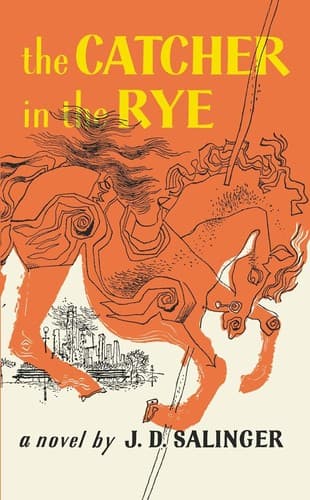
- The Catcher in the Rye
J.D. Salinger
3.8 (2.7M) average on GoodreadsYoung AdultExplores the angst and alienation of adolescence through a troubled young protagonist's unique voice.
- Speak
Laurie Halse Anderson
4.0 (485k) average on GoodreadsPsychologyFocuses on a high school student's struggle with trauma and finding her voice, often through internal monologue.
- The Fault in Our Stars
John Green
4.2 (3.6M) average on GoodreadsYoung AdultWhile both address profound emotional experiences in YA, 'Perks' is intensely interior, focusing on psychological trauma and mental health, whereas 'The Fault in Our Stars' deals more with external challenges, mortality, and philosophical questions. 'Perks' offers a more direct engagement with mental illness and the process of healing from abuse.
- Eleanor Oliphant Is Completely Fine
Gail Honeyman
4.3 (708k) average on GoodreadsLiterary FictionA lonely woman's structured life changes when an IT guy and an elderly man help her learn to open her heart.
- One Flew Over the Cuckoo's Nest
Ken Kesey
4.2 (631k) average on GoodreadsPsychologyIn a mind-bending asylum, the boisterous Randle McMurphy wages a defiant war against the tyrannical Nurse Ratched, inspiring his fellow inmates, including the seemingly catatonic Chief Bromden, to reclaim their lost humanity.
- The Bell Jar
Sylvia Plath
4.0 (591k) average on GoodreadsPsychologyIn the suffocating grip of 1950s expectations, a brilliant young woman's descent into mental illness is painted with such vivid, internal clarity that her 'insanity' feels terrifyingly rational and inevitable.





Enjoyed the summary?
A summary gives you the shape of the book. The book itself has the detail, the examples and the voice.
Find The Perks of Being a Wallflower on AmazonAs an Amazon Associate, BookBrief earns from qualifying purchases. How we're funded