
Synopsis
Covers the whole plot, including the ending.
- Difficulty
- Medium
- Pacing
- Moderate
- Mood
- Atmospheric, Mysterious, Witty, Nostalgic
- Read it if
- You enjoy historical mysteries with a rich sense of atmosphere, a dash of magic, and a plot full of twists and turns set in the Roaring Twenties.
- Skip it if
- You prefer straightforward narratives without extensive flashbacks or are not interested in historical fiction with real-life figures.
Carter Beats the Devil Plot Summary
Covers the whole plot, including the ending.
The President's Last Trick
In 1923, Charles Carter, known as Carter the Great, performs his illusion, 'The Lady and the Tiger,' at the Palace Theater in San Francisco. President Warren G. Harding is in the audience during his cross-country tour. Harding volunteers for a card trick, and Carter has a brief, strange talk with him backstage, where Harding shares a premonition. Soon after leaving the theater, President Harding gets sick and dies within days. This leads to public suspicion that Carter's magic, or some other foul play, caused it. The Secret Service, led by Agent Griffin, starts an investigation into Carter and his group, putting a dark cloud over the famous magician's career and life.
A Life in Illusions
The story goes back to Carter's youth, showing his interest in magic and how he escaped a dull life. He becomes the student of Mysterioso, a private and brilliant magician who teaches Carter the true art and meaning of illusion. Mysterioso stresses the importance of showmanship, misdirection, and influencing an audience's mind. Carter also forms a complicated bond with Mysterioso's assistant, Olive, who shares his love for magic. This time is important in making Carter who he is as a magician, giving him both technical skill and a deep understanding of human perception and belief, while also hinting at Mysterioso's own hidden reasons and secrets.
Rivalry and Romance
Carter becomes famous, a strong competitor to the legendary Harry Houdini. Their rivalry is intense, fueled by professional jealousy and different ideas about magic. Houdini focuses on escape acts and exposing spiritualists, while Carter specializes in grand illusions and stage shows. Carter also marries his assistant, Olive, but their marriage is difficult due to his career demands, his constant search for perfection, and Olive's own unmet goals. The pressures of fame, constant travel, and Houdini's presence create a tense situation, pushing Carter further into his world of illusion, sometimes at the cost of his personal life.
The Secret Service Investigation
After President Harding's death, Secret Service Agent Griffin, a careful and observant man, becomes sure that Carter is involved, or at least knows something important. Griffin looks into Carter's past, interviewing his friends, rivals, and old teachers. His investigation uncovers not just how Carter's illusions work but also hints at a deeper political plot around Harding's presidency, including the Teapot Dome scandal. Griffin's pursuit forces Carter to face not only the immediate threat to his freedom but also the moral questions of his art, especially when it mixes with real-world power and deceit, blurring the lines between magic and manipulation.
The Return of Mysterioso
Mysterioso, Carter's old teacher, shows up again, seemingly out of nowhere, adding another layer of mystery to the events. His return is not random; he knows about Harding's death and is connected to the political schemes. Mysterioso's reasons are unclear, and his presence makes Carter rethink his past and the real meaning of his teacher's lessons. Mysterioso controls events from the shadows, using his own skill at deception to guide or mislead both Carter and Agent Griffin, eventually showing that his impact on Carter's life and the current problem goes deeper than Carter ever thought.
The Teapot Dome Connection
As Carter tries to clear his name and understand what is happening, he slowly finds the link between President Harding's death and the Teapot Dome scandal, a big political corruption case from the 1920s. He realizes that Harding's taking part in his show was not random, but part of a larger plan involving powerful people who wanted to silence the President. Carter's illusions, without his knowing, were used as a cover or a distraction for political moves. This discovery forces Carter to face the hard truth that his art, meant for wonder, has been used for bad purposes, making him an accidental player in a deadly political game.
Houdini's Intervention
Surprisingly, Harry Houdini, Carter's old rival, offers help. While their professional competition continues, Houdini, with his experience in exposing fraud and his understanding of deception, gives Carter important insights into the conspiracy. Houdini's involvement shows the moral code shared by real magicians, even rivals, to protect their art from those who would use illusion for bad reasons. His view helps Carter understand his enemies' motives and how to deal with the complex web of lies, guiding him toward actions that combine magical skill with a search for truth.
The Unmasking of the Villain
Using his skill as an illusionist, Carter creates a detailed plan to expose the person truly responsible for President Harding's death and the Teapot Dome conspiracy. He puts on a final, spectacular show, not just for an audience, but for the main people involved in the scandal, including the Secret Service and the conspirators themselves. This grand illusion becomes a trap, designed to make the villain reveal themselves. Carter uses misdirection, mind games, and theater to create a situation where the truth comes out through the art of deception, reflecting the themes of his own career.
The Betrayal and the Redemption
In the climax, Carter discovers a deep personal betrayal by someone close to him, making his search for justice even harder. This discovery forces him to face the limits of his own understanding and the painful fact that even those he trusted can lie. However, through this difficulty, Carter finds a kind of redemption. He reclaims his identity not just as a performer, but as a man who can tell truth from illusion, both on stage and in life. His actions lead to the exposure of the conspiracy, and while the personal cost is high, he ends with a clearer understanding of himself and the power of his magic.
Aftermath and Legacy
The exposure of the Teapot Dome conspiracy and the truth behind Harding's death causes major changes in politics. Carter, though cleared of direct involvement, finds his reputation changed forever. He deals with the results of using his art for such a serious purpose, and the loss of innocence that comes with it. The novel ends with Carter thinking about his journey, his relationship with Olive, and the lasting power of magic. He continues to perform, but with a deeper understanding of the world's illusions and the responsibility that comes with his unique talent, forever shaped by his involvement with history and deception.
Principal Figures
Charles Carter (Carter the Great)
Protagonist
A brilliant illusionist whose life becomes entangled in a political conspiracy.
Charles Carter is a master magician, known for his grand illusions and captivating stage presence. He is driven by a profound love for magic, seeing it as a way to create wonder and transcend the mundane. Despite his public persona, Carter is often introspective, observant, and somewhat detached, finding more comfort in the controlled world of his illusions than in the unpredictable realities of human relationships. He possesses an almost obsessive dedication to perfecting his craft, constantly pushing the boundaries of what is perceived as possible.
Relationships: Olive (Wife and assistant, a complex and strained partnership.); Mysterioso (Mentor, a deeply influential and enigmatic figure.); Harry Houdini (Bitter professional rival, later a begrudging ally.); Agent Griffin (Investigator and antagonist, later an unlikely collaborator.)
Olive
Supporting
Carter's intelligent and ambitious wife and assistant, frustrated by her secondary role.
Olive is Carter's wife and indispensable stage assistant, possessing a keen mind and an understanding of magic almost equal to Carter's. She is ambitious and yearns for recognition beyond being merely the 'assistant.' Olive is often frustrated by Carter's emotional distance and his singular focus on his art, feeling overshadowed and unfulfilled. Her complexity lies in her loyalty to Carter intertwined with her own desires for independence and her subtle manipulations to achieve them.
Relationships: Charles Carter (Husband, a professional and personal partnership fraught with unspoken tensions.); Mysterioso (Former associate, with a shared, complex history.)
Mysterioso
Supporting/Antagonist
Carter's reclusive and manipulative former mentor, a master of deception.
Mysterioso is Carter's childhood mentor, a brilliant and enigmatic magician who taught Carter the true craft of illusion. He is a shadowy figure, operating from behind the scenes, and possesses a deep understanding of human psychology and the art of misdirection. Mysterioso is driven by his own philosophical views on magic and its place in the world, often blurring the lines between instruction, manipulation, and self-serving motives. His return complicates Carter's life, revealing his deep and often unsettling influence.
Relationships: Charles Carter (Former mentor, a complex relationship of respect, fear, and manipulation.); Olive (Former associate, with a shared history before Carter.)
Agent Griffin
Supporting
A meticulous Secret Service agent investigating President Harding's death.
Agent Griffin is a dedicated and observant Secret Service agent assigned to investigate the suspicious death of President Warren G. Harding. He is intelligent, methodical, and possesses a strong sense of duty. Initially suspicious of Carter, Griffin represents the mundane world of facts and evidence, contrasting sharply with Carter's world of illusion. He is driven by a desire for truth and justice, even when it leads him into a complex web of political intrigue that challenges his conventional understanding of crime.
Relationships: Charles Carter (Initial antagonist/suspect, later an uneasy ally.); President Warren G. Harding (The victim whose death he investigates.)
Harry Houdini
Supporting
Carter's famous rival and an escape artist known for debunking spiritualism.
Harry Houdini is the legendary escape artist and Carter's primary professional rival. He is a showman of immense fame, driven by a desire to prove his own prowess and expose fraud, particularly spiritualists. Despite his rivalry with Carter, Houdini maintains a certain moral code regarding magic. He is intelligent, fiercely independent, and possesses a deep understanding of deception, which he uses both for performance and for seeking truth.
Relationships: Charles Carter (Professional rival and competitor, later a temporary ally.)
President Warren G. Harding
Mentioned
The President whose mysterious death sets the plot in motion.
President Warren G. Harding is a historical figure whose sudden death after attending Carter's magic show becomes the central mystery of the novel. He is depicted as a man burdened by the pressures of his office and the looming shadow of political scandals. His brief interaction with Carter suggests a man with a sense of foreboding and a hidden vulnerability, making him a catalyst for the plot rather than an active participant.
Relationships: Charles Carter (Audience member and participant in a trick, unknowingly linked to his demise.); Agent Griffin (The subject of Griffin's investigation.)
Frank Curzon
Supporting
Carter's loyal and long-suffering stage manager and friend.
Frank Curzon is Carter's dedicated stage manager and a long-time friend. He is practical, hardworking, and often serves as a grounding force for Carter amidst the theatrical chaos. Frank is fiercely loyal to Carter, managing the intricate logistics of his shows and often acting as a confidante. He represents the unsung heroes behind the magic, ensuring that the illusions run smoothly, and provides a stark contrast to the more flamboyant personalities around him.
Relationships: Charles Carter (Loyal stage manager and trusted friend.)
Delia
Supporting
A dancer and performer who becomes entangled with Carter.
Delia is a beautiful and ambitious dancer who becomes romantically involved with Carter during a period of marital strain with Olive. She is drawn to Carter's charisma and the allure of his magical world, but also seeks her own advancement and security. Delia represents a temptation and a distraction for Carter, highlighting the complexities of his personal life and the emotional toll of his career.
Relationships: Charles Carter (Romantic interest and brief lover.)
Themes & Insights
Illusion vs. Reality
The novel often blurs the lines between what seems real and what is real, both on and off stage. Carter's magic relies on misdirection and creating believable illusions, but the main mystery of Harding's death makes him see how these same ideas apply to political corruption and personal lies. The characters themselves often live behind their own illusions – Olive's appearance of happiness, Mysterioso's hidden reasons, and even the public's view of Harding. The story asks the reader to question what they believe, much like a good magic trick. For example, the idea that Harding's death is linked to Carter's show uses this theme.
“The secret to magic was not to make people believe what was impossible, but to make them believe that what they saw was real.”
The Price of Ambition and Fame
Carter's constant drive for magical perfection and fame costs him a lot personally. His dedication to his work often pushes away Olive and other loved ones, leaving him feeling alone. The strong rivalry with Houdini shows the fierce nature of their job and the pressure to always create new things and do better than others. The novel explores how fame can warp a person's life, making them keep up a public image that might not be who they really are. This is clear in Olive's frustration with her role and Carter's own struggles despite his public success.
“Every secret you kept, every illusion you created, took a piece of you. And there were only so many pieces to give.”
Truth and Deception
At its heart, the novel is a search for truth in a world full of lies. While Carter's job is based on clever deception for entertainment, he gets caught in a political conspiracy where deception is used for bad reasons. Agent Griffin's investigation is a systematic search for facts, which contrasts with Carter's more natural understanding of how people can be fooled. The story suggests that truth can be hidden in plain sight, obscured by misdirection, and that finding it often means looking past the obvious, whether it is a magic trick or a political scandal.
“The greatest trick the devil ever pulled was convincing the world he didn't exist.”
The Nature of Power and Control
Power appears in different ways throughout the story: the political power of the presidency, Mysterioso's manipulative power, and Carter's own power to captivate and control an audience's perception. The Teapot Dome scandal shows how unchecked political power can corrupt. Mysterioso shows a more subtle, psychological power, influencing events and people from the shadows. Carter, in turn, learns to use his artistic power not just for entertainment but to expose unfairness, eventually finding a new way to control his own future and the unfolding story.
“A good magician controls not just what you see, but what you think you see.”
Plot Devices & Literary Techniques
Red Herring
Misleading clues or characters designed to divert the reader's attention.
The initial suspicion cast upon Charles Carter after President Harding's death serves as a major red herring. The Secret Service, and by extension the reader, is led to believe that Carter's magic directly caused the President's demise, or that he was somehow a direct assassin. This initial focus on Carter's involvement diverts attention from the deeper political conspiracy and the true, more complex motives behind Harding's death. This device effectively builds suspense and misdirects the reader, mimicking the art of misdirection central to magic itself.
Flashback
Interruption of chronological sequence to provide background information.
The novel frequently employs flashbacks to reveal Carter's past, particularly his apprenticeship with Mysterioso and his early career. These flashbacks are crucial for understanding Carter's motivations, his skill development, and the complex relationships that shaped him. They provide context for his current predicament, explaining his mastery of illusion and the philosophical underpinnings of his art, while also gradually revealing Mysterioso's influence and the roots of his rivalry with Houdini, enriching the present-day narrative with layers of history and character development.
Chekhov's Gun
An apparently insignificant detail that later proves to be crucial.
A subtle example of Chekhov's Gun is President Harding's brief, almost throwaway comment to Carter backstage about knowing 'too many secrets' and feeling 'unwell' before his death. This interaction, initially seeming like a mere character detail or a moment of presidential eccentricity, later proves to be a direct clue to the political machinations surrounding his death. It foreshadows the true nature of the conspiracy and signifies that Harding was aware of the danger he was in, making Carter's seemingly innocent magic show a critical, albeit unwitting, part of the unfolding tragedy.
Dramatic Irony
The audience knows more about the situations, conflicts, and resolutions than the characters.
Dramatic irony is present throughout the novel, particularly concerning the true nature of the Teapot Dome scandal and the conspiracy surrounding President Harding's death. As the story unfolds, the reader often gains insight into the political machinations and the various characters' hidden motives before Carter fully comprehends the extent of the danger or the identities of his adversaries. For instance, the reader might infer Mysterioso's manipulative role or the political undercurrents of Harding's illness before Carter himself pieces together the full picture, creating tension and anticipation as Carter navigates a world he doesn't fully understand.
Carter Beats the Devil Quotes
“There are two kinds of magic. The kind that fools you and the kind that doesn't.”
“The greatest trick the Devil ever pulled was convincing the world he didn't exist.”
“Every secret is a weapon.”
“The world was a stage, and he was merely a player, but what a player he was.”
“Sometimes the best way to hide something is in plain sight.”
“The past is never dead. It's not even past.”
“Fear makes people do terrible things, but it also makes them believe wonderful ones.”
“A good magician never reveals his secrets, but a great one makes you think you know them.”
“Life was a series of illusions, some grand, some mundane, but all designed to keep you from seeing the truth.”
“The most dangerous lies are the ones you tell yourself.”
“There’s no such thing as a coincidence, only connections we haven’t understood yet.”
“The true art of magic is not in making something disappear, but in making people believe it has.”
“Every man has his breaking point, and every breaking point has its story.”
“To truly live, one must be willing to die, if only metaphorically.”
Quiz
10 questions on the plot and the characters. Each answer comes with a short explanation.
Question 1
Which real-life U.S. President dies mysteriously during Carter's show in the novel?
- Calvin Coolidge
- Woodrow Wilson
- Warren G. Harding
- Herbert Hoover
Show answer
C. Warren G. Harding President Warren G. Harding attends Carter's show and dies shortly after, triggering the central mystery of the novel.
Question 2
What is the name of Carter's primary romantic interest and fellow magician?
- Olive Green
- Phoebe Vance
- Clara Bow
- Rosemary White
Show answer
B. Phoebe Vance Phoebe Vance is a significant character in Carter's life, both personally and professionally, sharing his passion for magic.
Question 3
What famous magician is Carter often compared to and even competes with in the novel?
- Harry Kellar
- Howard Thurston
- Harry Houdini
- Dai Vernon
Show answer
C. Harry Houdini The novel explicitly states Carter's skill exceeds even that of the great Houdini, and Houdini is a recurring figure and rival in the story.
Question 4
Which secret organization does Carter become entangled with due to the President's death?
- The Illuminati
- The Secret Service
- The Knights Templar
- The Copperheads
Show answer
B. The Secret Service Following President Harding's death, Carter is investigated by the Secret Service, who are suspicious of his involvement.
Question 5
What is the name of Carter's mentor and original magic teacher?
- Professor Hoffman
- Mr. Dante
- The Great Lafayette
- Colonel Fitzwilliam
Show answer
D. Colonel Fitzwilliam Colonel Fitzwilliam is Carter's early mentor who teaches him many of the fundamental principles of magic and showmanship.
Question 6
What significant historical period serves as the backdrop for most of the novel's events?
- The Gilded Age
- The Jazz Age / Roaring Twenties
- The Victorian Era
- The Great Depression
Show answer
B. The Jazz Age / Roaring Twenties The book's description explicitly mentions 'the excesses and exuberance of Roaring Twenties, pre-Depression America.'
Question 7
What is the primary theme explored through Carter's journey and his magical performances?
- The pursuit of wealth and fame
- The power of illusion versus reality
- The corruption of political power
- The importance of family loyalty
Show answer
B. The power of illusion versus reality The novel's summary highlights that 'illusion is everything,' deeply exploring how magic blurs the lines between what is real and what is perceived.
Question 8
Which specific magic trick or illusion is central to Carter's reputation and linked to the President's death?
- The Sawing a Woman in Half
- The Bullet Catch
- The Vanishing Elephant
- The Spirit Cabinet / Séance
Show answer
D. The Spirit Cabinet / Séance The séance and the spirit cabinet act are integral to the events surrounding President Harding's death and the subsequent investigation.
Question 9
What is the name of the rival magician who repeatedly tries to expose Carter's tricks?
- Blackstone
- The Amazing Kreskin
- Joseph Dunninger
- Richard Harding
Show answer
D. Richard Harding Richard Harding is a persistent rival and debunker of magic who often clashes with Carter, trying to reveal his secrets.
Question 10
What is the ultimate fate of the mysterious 'devil' character that Carter 'beats' in his performances and the novel's title?
- He is revealed to be a hallucination of Carter's.
- He is a symbolic representation of the challenges Carter faces.
- He is a literal demonic entity Carter defeats through magic.
- He is an actual person who is exposed as the killer.
Show answer
B. He is a symbolic representation of the challenges Carter faces. The 'devil' in the title and Carter's act is largely symbolic, representing the forces of deceit, doubt, and the challenges Carter must overcome, both personal and professional, rather than a literal character or entity.
Carter Beats the Devil FAQ
What is the central mystery that propels the plot of 'Carter Beats the Devil'?
The central mystery revolves around the sudden, suspicious death of President Warren G. Harding immediately after attending Charles Carter's magic show. Carter becomes the prime suspect, forcing him to use his illusionist skills not just for entertainment, but to uncover the real killer and clear his name amidst a conspiracy.
Who is Charles Carter, and what makes him 'the Great'?
Charles Carter, known as Carter the Great, is a brilliant and innovative stage magician in the 1920s, renowned for his elaborate illusions and showmanship. His meticulous dedication to his craft, combined with a flair for the dramatic and a genuine love for the art of magic, sets him apart from his contemporaries, even surpassing the fame of Houdini in some circles.
What role do historical figures like President Harding and Harry Houdini play in the narrative?
President Harding's death is the catalyst for the entire plot, placing Carter in a perilous situation. Harry Houdini serves as both a rival and a mentor figure, embodying the established world of magic and subtly influencing Carter's journey, even as Carter strives to carve his own unique legacy.
What is the significance of the novel being set in the Roaring Twenties?
The Roaring Twenties setting provides a vibrant backdrop of excess, innovation, and changing social norms, mirroring the dazzling and often deceptive world of stage magic. This era of technological advancement and public spectacle perfectly complements the themes of illusion, celebrity, and the hidden dangers beneath a glittering surface.
Who are the primary antagonists Carter faces, beyond the immediate suspicion of murder?
Beyond the initial suspicion, Carter faces a shadowy conspiracy involving Secret Service agents like Agent Griff, figures tied to political corruption, and ultimately, individuals connected to a powerful, mysterious organization seeking a specific, valuable secret. These antagonists are often hidden behind layers of misdirection, much like a magic trick itself.
What is the true purpose of the 'Devil's Own' illusion, and how does it connect to the larger plot?
The 'Devil's Own' illusion is a complex, dangerous trick that conceals a mechanism for passing secret messages or even a means of assassination, making it more than just entertainment. It becomes a crucial piece of evidence and a target for the conspirators, as its secrets are intertwined with President Harding's death and the hidden machinations of power.
Are there any subtle allusions to real-life magic tricks or historical events that might be missed by a casual reader?
Yes, the novel is rich with allusions. For instance, many of Carter's illusions are inspired by real historical tricks, and the political machinations subtly reference the real-life scandals of the Harding administration, such as Teapot Dome. The competitive dynamic between magicians also reflects historical rivalries in the magic community.
What is the significance of the recurring motif of 'seeing through' illusions, both literal and metaphorical?
The motif of 'seeing through' is central, applying not only to magic tricks but also to political corruption, personal deceptions, and hidden motives. Carter, as a master of illusion, grapples with the irony of others trying to see through his tricks while he himself must learn to see through the deceptions of the real world to uncover the truth.
How does Carter's personal history, particularly his relationship with his mentor and early magic experiences, shape his character and motivations?
Carter's early experiences, including his tutelage under an enigmatic mentor and his initial struggles, instill in him a profound dedication to magic and a sense of responsibility for its integrity. This background makes him particularly sensitive to betrayal and motivates his relentless pursuit of truth when his world is threatened by deception.
Explore the psychological impact of celebrity and public perception on Charles Carter.
Carter experiences the double-edged sword of celebrity, where public adoration is intertwined with intense scrutiny and suspicion. The constant performance and the need to maintain an image lead to a degree of isolation, making him question the authenticity of his own identity versus the persona he presents to the world. His fame makes him a target.
How does the novel portray the psychological tension between an illusionist's commitment to secrecy and the human desire for connection and intimacy?
The novel highlights this tension through Carter's relationships, particularly with Olive and other confidantes. His professional life demands absolute secrecy to preserve the magic, but this often clashes with the vulnerability required for genuine intimacy, leading to moments of emotional isolation and difficulty in truly trusting others.
In what ways do the characters of Olive and the various women in Carter's life challenge or support his psychological state?
Olive, in particular, acts as both a muse and a grounding force, sometimes challenging Carter's single-minded devotion to magic but ultimately providing emotional support. Other women, like those involved in the conspiracy, exploit his professional vulnerabilities, further complicating his psychological landscape and forcing him to discern true allies from deceivers.
What is the novel's ultimate stance on the nature of truth versus illusion?
The novel suggests that truth and illusion are often inextricably linked, particularly in a world where perception is easily manipulated. It argues that while illusions can be a source of wonder and entertainment, real-world deceptions can be dangerous, blurring the lines between what is seen and what is real, forcing characters to constantly question their reality.
Does the ending offer a definitive resolution to all mysteries, or does it leave room for ambiguity, reflecting the nature of magic?
The ending provides a satisfying resolution to the immediate murder mystery and conspiracy, but it deliberately leaves some elements ambiguous, particularly regarding the true extent of certain characters' involvement or the long-term repercussions of the events. This ambiguity mirrors the enduring mystery and wonder inherent in magic itself, suggesting some secrets are meant to remain hidden.
How does the novel use magic as a metaphor for power, influence, and control in the political sphere?
Magic serves as a powerful metaphor for political manipulation, where leaders and powerful figures use misdirection, spectacle, and hidden mechanisms to control public perception and exert influence. Just as Carter creates illusions to awe, politicians create narratives to sway, revealing how easily reality can be shaped by those who master the art of deception.
Discuss the significance of the title, 'Carter Beats the Devil.' What 'devil' does Carter ultimately beat?
The title refers not only to a famous magic trick but also metaphorically to the various 'devils' Carter confronts: the literal forces of evil in the conspiracy, his own internal doubts and fears, and the societal pressures that threaten to undermine his integrity. Ultimately, he beats the 'devil' of injustice and deception by exposing the truth, even if it comes at a personal cost.
What is the underlying message about the responsibility of artists or those who wield influence?
The novel strongly implies that artists, particularly those who command public attention like Carter, bear a significant responsibility. Their power to create belief and manipulate perception can be used for wonder or for deceit. Carter's journey highlights the moral imperative to use one's talents for truth and integrity, even when facing immense pressure.
About the author

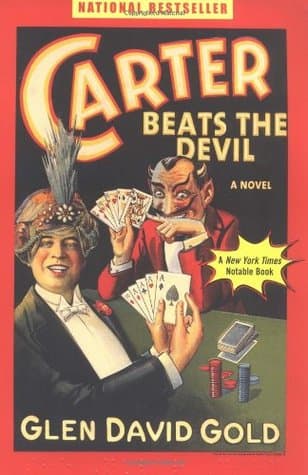
Glen David Gold is an American author known for his fiction, particularly his novel "Carter Beats the Devil," which blends elements of magic and mystery. His work often explores themes of illusion and performance, reflecting his interest in the world of stage magic. Gold's writing has garnered attention for its imaginative storytelling and rich historical detail.
Similar books
- The Amazing Adventures of Kavalier & Clay
Michael Chabon
4.2 (184k) average on GoodreadsLiterary FictionFeatures historical setting, intricate plot, and a focus on unique artistry (comics vs. magic).
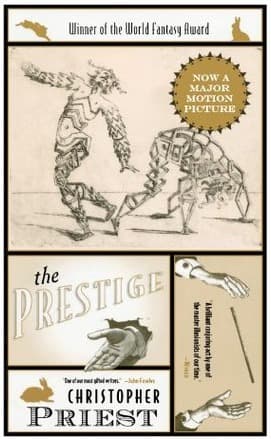
- The Prestige
Christopher Priest
3.9 (17k) average on GoodreadsFantasyExplores the dark side of magic, rivalry between illusionists, and a twisty narrative.
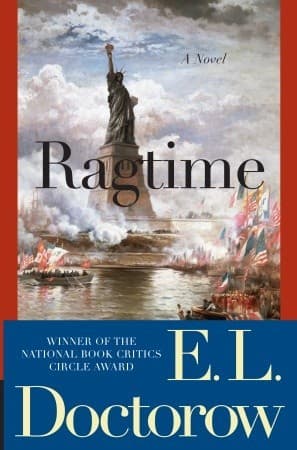
- Ragtime
E.L. Doctorow
3.9 (38k) average on GoodreadsLiterary FictionInterweaves fictional characters with real historical figures in a rich period setting.
- Harry Potter and the Sorcerer's Stone
J.K. Rowling
4.5 (7M) average on GoodreadsFantasyRescued from a miserable life under the stairs, an orphaned boy discovers he's a wizard destined for a magical school, where he uncovers a dangerous secret tied to the dark wizard who murdered his parents.
- The Hunger Games
Suzanne Collins
4.3 (6.4M) average on GoodreadsFantasyIn a future where children fight to the death on live television, Katniss Everdeen volunteers for the arena, turning a death sentence into a fight for survival and a spark of rebellion.
- 1984
George Orwell
4.2 (3.1M) average on GoodreadsPoliticsIn a future where surveillance and thought control are absolute, a man's search for truth clashes with the Party, showing that hope can be a form of rebellion.




Enjoyed the summary?
A summary gives you the shape of the book. The book itself has the detail, the examples and the voice.
Find Carter Beats the Devil on AmazonAs an Amazon Associate, BookBrief earns from qualifying purchases. How we're funded