

Synopsis
Covers the whole plot, including the ending.
- Difficulty
- Easy
- Pacing
- Fast
- Mood
- Epic, Adventurous, Mythological, Heroic
- Read it if
- You enjoy classic Greek myths retold with an adventurous, action-packed narrative, featuring gods, monsters, and heroic quests.
- Skip it if
- You prefer fantasy with deep character introspection over epic battles and mythological spectacle, or if you dislike classic 'hero's journey' tropes.
Clash of the Titans Plot Summary
Covers the whole plot, including the ending.
Perseus's Birth and Exile
The story begins with King Acrisius of Argos receiving a prophecy that his grandson will kill him. To prevent this, he locks his daughter, Danaë, in a bronze tower. Zeus, king of the gods, visits Danaë as a shower of gold, and she conceives a son, Perseus. Acrisius is angry but unwilling to kill his daughter and grandson directly, fearing divine punishment. He places Danaë and the infant Perseus in a wooden chest and casts them into the sea. They survive and wash ashore on the island of Seriphos. The fisherman Dictys, King Polydectes's brother, finds them and raises Perseus.
Polydectes's Deception and Perseus's Quest
Years pass, and Perseus grows into a strong young man. King Polydectes is infatuated with Danaë and wants to marry her, but Perseus's protective presence always stops him. To remove Perseus, Polydectes announces his engagement to another woman and demands horses as wedding gifts from all his subjects. Perseus has no horse and boasts that he can bring any gift, even the head of the Gorgon Medusa, a monster whose gaze turns all living things to stone. Polydectes uses this boast, challenging Perseus to fulfill his promise, secretly hoping the impossible quest will lead to Perseus's death, leaving Danaë vulnerable.
Divine Aid and the Stygian Witches
Perseus's situation catches the attention of the Olympian gods. Athena gives him a polished shield, Hermes provides winged sandals and a sword, and Zeus (through the Nymphs) gives him a helmet of invisibility. To find Medusa, the gods advise Perseus to seek the Stygian Witches, three ancient, blind women who share one eye and one tooth. After a long journey, Perseus reaches their desolate lair. He snatches their shared eye, forcing them to reveal the path to the Garden of the Hesperides, where he can find the Nymphs who will guide him to Medusa's lair.
Confronting Medusa
Guided by the Nymphs, Perseus reaches Medusa's island lair, a place covered with the petrified remains of those who dared to face her. Remembering the gods' warnings, Perseus avoids looking directly at Medusa. He uses Athena's reflective shield as a mirror, watching her movements indirectly. With his helmet of invisibility, he approaches the sleeping Gorgon. Using Hermes's sword, he quickly decapitates Medusa, collecting her head, still potent with its petrifying gaze, into a special bag provided by the Nymphs. From Medusa's severed neck, the winged horse Pegasus and the giant Chrysaor are born.
Encounter with Calibos and Thetis's Curse
On his journey back, Perseus encounters the city of Joppa. He sees a hunting party led by Calibos, the son of the sea goddess Thetis. Calibos, once a handsome prince, was transformed into a monster by Zeus as punishment for destroying sacred animals. Perseus sees Calibos's cruelty and intervenes, preventing him from killing a magnificent Pegasus. This act angers Thetis, who sees it as an insult to her son and a challenge to her divine authority. In return, Thetis declares that Andromeda, Calibos's betrothed and the princess of Joppa, must be sacrificed to the Kraken, a giant sea monster, unless a worthy hero can answer a riddle and defeat the beast.
Andromeda's Riddle and Perseus's Love
Perseus is captivated by Andromeda's beauty and moved by her situation, deciding to help her. Andromeda must give a riddle daily to any suitor, with failure meaning death. No one has answered correctly. Perseus, guided by Athena, learns that the riddle is tied to Calibos. He confronts Calibos in the swamps, battles him, and retrieves a clue: a golden locket containing a miniature statue of Thetis. This allows Perseus to correctly answer Andromeda's riddle, which concerns the identity of her true love, revealing it to be himself and breaking the curse that prevented her marriage.
The Wedding and Calibos's Revenge
With the riddle solved, Perseus and Andromeda prepare for their wedding. However, Calibos, consumed by jealousy and bitterness, plans his revenge. During the wedding, Calibos unleashes a swarm of giant scorpions into the city, causing chaos and death. In the chaos, he also steals Medusa's head from Perseus's bag, planning to use its power against his rival. Thetis, still enraged, manipulates events to ensure the Kraken's release, causing more despair in Joppa and repeating the prophecy that Andromeda must be sacrificed.
Confronting Calibos and the Kraken's Release
Perseus pursues Calibos into the wilderness to reclaim Medusa's head. A fierce battle follows, with Perseus eventually defeating and killing Calibos. As Perseus returns to Joppa, he finds the city in terror. Thetis, fulfilling her curse, has commanded the Kraken to rise from the depths to destroy Joppa and claim Andromeda. Andromeda is chained to a rock overlooking the sea, awaiting her horrific fate as the monstrous Kraken emerges, its immense size and power threatening to destroy everything in its path. Perseus, with Medusa's head now recovered, prepares for his final, desperate confrontation.
The Battle with the Kraken
Mounted on Pegasus, Perseus flies toward the colossal Kraken as it approaches Andromeda, who is chained to the sacrificial rock. The creature's immense tentacles and terrifying mouth threaten to crush her. Perseus fights the monster, skillfully maneuvering Pegasus to avoid its attacks. At the critical moment, just as the Kraken is about to devour Andromeda, Perseus unveils Medusa's head. He holds it up, forcing the Kraken to look at its petrifying face. The monster slowly turns to stone, its massive form solidifying and crumbling into the sea, saving Andromeda and the city of Joppa from destruction.
Return to Seriphos and Final Justice
After saving Joppa, Perseus returns to Seriphos with Andromeda. He discovers that King Polydectes has continued to harass Danaë, who has sought refuge in a temple. Polydectes, still believing Perseus to be dead, is about to force Danaë into marriage. Perseus confronts the king and his courtiers in the throne room. When Polydectes expresses disbelief at Perseus's return and demands proof of Medusa's head, Perseus obliges, pulling the Gorgon's head from his bag. With a single glance, Polydectes and his entire court are turned to stone, bringing justice for Danaë and ending the tyrant's reign. Dictys is then made the new king of Seriphos.
A New Reign and Divine Blessing
After securing his mother's safety and dealing with Polydectes, Perseus and Andromeda travel to Argos, the city of Perseus's grandfather, King Acrisius. The prophecy that Acrisius would be killed by his grandson comes true when, during athletic games, Perseus accidentally strikes Acrisius with a discus, killing him. Perseus, unwilling to rule a kingdom he inherited through parricide, exchanges the throne of Argos for that of Tiryns. He and Andromeda establish a long and prosperous reign, founding the city of Mycenae and having several children. The gods, particularly Zeus and Athena, continue to watch over them, recognizing Perseus's heroism and devotion.
Principal Figures
Perseus
Protagonist
Son of Zeus, fated hero who defies the gods and slays monsters.
Perseus is the courageous and determined hero of the story, born of Zeus and Danaë. From his perilous infancy cast adrift at sea, he grows into a strong and honorable young man. He is driven by a strong sense of duty, loyalty to his mother, and later, love for Andromeda. Despite being a 'plaything of the gods,' he often acts on his own initiative and moral compass, challenging divine decrees when necessary. His resourcefulness, aided by divine gifts, allows him to overcome seemingly impossible challenges, making him a symbol of human perseverance against overwhelming odds.
Relationships: Danaë (Mother, whom he fiercely protects); Zeus (Divine father, who occasionally aids him); Andromeda (His true love and eventual wife); Polydectes (Antagonist, King of Seriphos who schemes against him); Calibos (Rival and antagonist, son of Thetis)
Andromeda
Supporting
Princess of Joppa, cursed by Thetis and destined for sacrifice.
Andromeda is the beautiful and compassionate princess of Joppa, burdened by a curse brought upon her city due to her mother Cassiopeia's vanity. She faces the terrifying prospect of being sacrificed to the Kraken with quiet dignity and resignation, never losing her inherent goodness. Her intelligence is demonstrated through the riddles she poses, though these are forced upon her. She represents innocence in peril and serves as a powerful motivation for Perseus's heroic deeds, becoming his eventual wife and queen.
Relationships: Perseus (Her rescuer and husband); Cassiopeia (Her mother, whose vanity caused the curse); Calibos (Her former betrothed, who becomes her tormentor)
Zeus
Supporting
King of the Olympian gods, Perseus's divine father and protector.
Zeus is the powerful and often capricious king of the gods, who orchestrates many events from Mount Olympus. He is Perseus's biological father, having seduced Danaë in the form of a shower of gold. While he does not directly intervene in every struggle, he often provides indirect aid through other gods or by subtly influencing events to ensure Perseus's survival and success, particularly when he feels Perseus is being unjustly targeted by other deities like Thetis. He represents the overarching divine power and fate that governs the mortal world.
Relationships: Perseus (His son); Hera (His wife, though she is not pleased with his infidelities); Thetis (Antagonist goddess, whom he often opposes)
Thetis
Antagonist
Sea goddess, mother of Calibos, who seeks revenge on Joppa and Perseus.
Thetis is a powerful and vengeful sea goddess, fiercely protective of her son, Calibos. Her pride is easily wounded, and she holds deep grudges, particularly against Zeus for transforming Calibos. She uses her divine power to inflict suffering upon mortals, specifically cursing Joppa and Andromeda in retaliation for insults to her son and her own authority. She serves as a primary antagonist, embodying the destructive and often petty aspects of the gods' interference in human affairs, demonstrating how divine anger can bring widespread devastation.
Relationships: Calibos (Her son, whom she dotes upon); Zeus (Her rival, whom she resents); Perseus (Her target of vengeance)
Calibos
Antagonist
Son of Thetis, transformed into a grotesque creature, consumed by bitterness.
Calibos was once a handsome prince and the betrothed of Andromeda, but his cruelty in destroying sacred animals led Zeus to transform him into a monstrous, deformed creature. This transformation fills him with deep bitterness, jealousy, and a desire for revenge. He lives in the swamps, a shadow of his former self, and attempts to sabotage Perseus's quest to marry Andromeda. Calibos embodies the tragic consequences of defying the gods and the corrupting power of envy, serving as a physical and moral obstacle for Perseus.
Relationships: Thetis (His mother, who protects him); Andromeda (His former betrothed, whom he torments); Perseus (His rival and killer)
Danaë
Supporting
Perseus's mother, a princess exiled due to a prophecy.
Danaë is the beautiful mother of Perseus, whose fate is sealed by her father Acrisius's fear of a prophecy. She endures imprisonment, exile at sea, and the constant harassment of King Polydectes with resilience and grace. Her primary role is to provide a compelling motivation for Perseus's heroic actions, as his love and protection for her drive many of his early decisions, particularly his quest for Medusa's head. She represents the innocent victim of divine and mortal machinations.
Relationships: Perseus (Her son, whom she loves deeply); Zeus (Father of Perseus); Polydectes (King who desires her)
Athena
Supporting
Goddess of wisdom and warfare, who aids Perseus.
Athena is one of the key Olympian deities who actively supports Perseus in his quest. She provides him with critical tools, most notably her highly polished shield, which proves instrumental in defeating Medusa. Her guidance is often subtle but crucial, reflecting her domain over wisdom and strategic warfare. She champions Perseus's heroism, seeing him as a worthy mortal who acts with courage and intelligence, serving as a benevolent divine mentor.
Hermes
Supporting
Messenger of the gods, who gifts Perseus winged sandals and a sword.
Hermes, the swift messenger of the gods, also contributes to Perseus's success by providing him with essential magical items: winged sandals for flight and a powerful sword capable of severing Medusa's head. His assistance is more direct than Zeus's, enabling Perseus to travel great distances and perform the impossible feat of slaying the Gorgon. He embodies the gods' practical support for their chosen heroes.
Relationships: Perseus (Recipient of his gifts); Zeus (His father and king)
Medusa
Mentioned
Gorgon monster whose gaze turns victims to stone.
Medusa is the monstrous Gorgon with snakes for hair and a gaze that turns all who look upon her to stone. She is a formidable and terrifying obstacle in Perseus's quest, representing the ultimate physical challenge. Though she is a monster, her backstory often involves a curse from Athena, highlighting the gods' power to transform and punish. Her severed head becomes a potent weapon in Perseus's hands, demonstrating that even death does not diminish her power.
Polydectes
Antagonist
King of Seriphos, who desires Danaë and plots against Perseus.
Polydectes is the manipulative and tyrannical king of Seriphos. He is infatuated with Danaë and views Perseus as an obstacle to his desires. His cunning plan to send Perseus on the impossible quest for Medusa's head reveals his cruelty and lack of honor. He represents the corrupting influence of power and lust, ultimately meeting a fitting end at the hands of the hero he sought to destroy, becoming a victim of Medusa's petrifying gaze.
Relationships: Danaë (Object of his unwanted affection); Perseus (His rival and eventual executioner); Dictys (His brother, a kind fisherman)
Themes & Insights
Fate vs. Free Will
The story explores the tension between the gods' predetermined will (fate) and mortals' choices (free will). Perseus is born under a prophecy, exiled by divine intervention, and aided by godly gifts. Yet, his courage, love for Andromeda, and determination to defy Thetis's curse are his own. While the gods set the stage, Perseus's actions often determine the outcome. This suggests that even within a fated existence, individual heroism and moral choice hold significant power. This is clear when he chooses to save Andromeda, even against a goddess's will.
“''You are a plaything of the gods,'' she had whispered, and she was right. But even a plaything could choose its own manner of play.”
Love and Sacrifice
Love, in its various forms, drives the story. Perseus's first quest is motivated by his love and loyalty to his mother, Danaë. His later, more significant heroic acts are spurred by his deep love for Andromeda. This compels him to risk everything to save her from the Kraken. This theme shows how strong personal connections can inspire extraordinary courage and self-sacrifice, changing a hero's purpose from merely surviving to actively protecting those he cherishes.
“He knew he would face the Kraken. He knew he would die. But he also knew he would die trying to save her.”
The Power and Caprice of the Gods
The Olympian gods are powerful beings who often interfere in mortal affairs, sometimes for petty reasons, personal grudges, or to show dominance. Their actions, whether supportive (Zeus, Athena, Hermes) or destructive (Thetis, Hera), show their great influence on human destiny. This theme explores the arbitrary nature of divine power, where mortals are often pawns in larger celestial games. It also shows how a mortal's unwavering courage can sometimes sway or even defy divine decrees, as Perseus does against Thetis.
“The gods were fickle, their whims as unpredictable as the tides. But their power was absolute.”
Justice and Retribution
The story deals with justice and retribution, both divine and mortal. King Acrisius receives his fated punishment, Polydectes is turned to stone for his tyranny, and Calibos suffers for his cruelty. Thetis's curse on Joppa is divine retribution for an insult. Perseus himself acts as an agent of justice, avenging wrongs committed against his family and the innocent. This theme reinforces a moral order where wrongdoing, whether by mortals or gods, often leads to consequences, though these are sometimes disproportionate or delayed.
“Every injustice would be repaid, every wrong righted, if only by a mortal hand guided by a righteous heart.”
Heroism and Self-Discovery
Perseus's journey is one of heroism and self-discovery. Initially, he is an exiled youth, unaware of his divine parentage and destiny. By facing terrifying monsters, navigating complex divine politics, and making difficult moral choices, he gradually accepts his identity as a hero. Each challenge he overcomes, from slaying Medusa to defeating the Kraken, refines his character, proving his courage, resourcefulness, and compassion. This leads him to claim his rightful place as a legendary figure.
“He was no longer just a fisherman's son, but a champion, a hero in his own right.”
Plot Devices & Literary Techniques
The Prophecy
Foretells King Acrisius's death by his grandson, setting the initial conflict.
The prophecy about King Acrisius being killed by his grandson, Perseus, is the inciting incident that drives the entire narrative. It immediately establishes a sense of predestination and conflict. While Acrisius attempts to subvert it by exiling Danaë and Perseus, his actions inadvertently set in motion the very events that lead to its fulfillment. This device highlights the theme of fate, suggesting that some destinies are inescapable, no matter how much mortals try to alter them, and often through the very means used to avoid them.
Divine Intervention and Gifts
The gods' direct and indirect aid to Perseus.
The frequent intervention of the Olympian gods, often in the form of magical gifts (Athena's shield, Hermes's sandals and sword, Zeus's helmet of invisibility) or subtle guidance, is a crucial plot device. These gifts are not merely conveniences; they are essential tools that enable Perseus to accomplish feats that would be impossible for a mortal. This device underscores the 'plaything of the gods' aspect of the story, showing how human heroes often rely on divine favor, but also how they must use these gifts wisely and bravely, merging fate with free will.
Medusa's Head
A macguffin and powerful weapon that drives Perseus's quest and resolves later conflicts.
Medusa's head serves as a central macguffin and a potent weapon throughout the story. Initially, it is the impossible object Perseus is tricked into seeking. Once acquired, its petrifying power becomes a narrative device for resolving multiple conflicts: first, to defeat the Kraken and save Andromeda, and later, to punish Polydectes and his corrupt court. Its continued potency after Medusa's death emphasizes the enduring power of mythical artifacts and serves as a tangible symbol of Perseus's triumph over monstrous evil.
The Kraken
The ultimate monstrous antagonist, representing divine wrath and a climactic challenge.
The Kraken is the colossal sea monster commanded by Thetis, serving as the ultimate physical antagonist and the climactic challenge for Perseus. Its impending attack and the sacrifice of Andromeda create immense tension and provide a clear, terrifying goal for Perseus to overcome. This device personifies the wrath of the gods and the existential threat to humanity, forcing the hero to face a seemingly insurmountable foe. Its defeat by Medusa's head is the story's most iconic moment of heroic triumph.
The Riddle
A test of wit and love, crucial for breaking Thetis's curse on Andromeda.
Andromeda's daily riddle, forced upon her by Thetis's curse, is a narrative device that adds an intellectual challenge to Perseus's heroic journey, complementing the physical trials. It tests his wit and understanding of the situation, rather than just his strength. Solving the riddle, which is intrinsically linked to Calibos and Perseus's burgeoning love for Andromeda, is essential for breaking the initial part of the curse and allowing their union, demonstrating that heroism requires intelligence and insight as much as brute force.
Clash of the Titans Quotes
“Even a god can be a fool.”
“The gods envy us. They envy us because we’re mortal, because any moment might be our last. Everything is more beautiful because we’re doomed. You will never be lovelier than you are now. We will never be here again.”
“There is no justice among the gods.”
“What is a hero without a quest?”
“Fear is a powerful weapon, even against the strongest.”
“Man is a creature of choices, not merely of fate.”
“The greatest battles are often fought within oneself.”
“Love can bloom even in the shadow of death.”
“Sometimes the greatest gifts come in the smallest packages.”
“Pride goes before a fall, even for a queen.”
“The world is full of wonders, if you only know where to look.”
“One must face their destiny, no matter how terrible it seems.”
“Even the mightiest monster has a weakness.”
“Courage is not the absence of fear, but the triumph over it.”
Quiz
10 questions on the plot and the characters. Each answer comes with a short explanation.
Question 1
Who is Perseus's father, according to the book's description?
- Poseidon
- Zeus
- Hades
- Cronus
Show answer
B. Zeus The description explicitly states, 'He was Perseus, son of Zeus and Danae,' indicating Zeus as his father.
Question 2
What is the primary reason Andromeda is enslaved and her city cursed?
- Her father's defiance of the gods
- A prophecy foretelling doom
- Her unmatched beauty, which angered the heavens
- An act of war by a rival kingdom
Show answer
C. Her unmatched beauty, which angered the heavens The text states, 'She was Andromeda, enslaved by her own beauty which beggared the heavens and brought a curse upon her city.'
Question 3
What is Perseus's initial fate after his birth?
- To be raised as a prince in his father's court
- To be exiled and left to perish at sea
- To be trained as a warrior by the gods
- To rule a distant island kingdom
Show answer
B. To be exiled and left to perish at sea The description notes Perseus was 'born in disgrace, exiled to perish at sea,' indicating his harsh initial fate.
Question 4
Which mythical creature does Perseus ride to claim his love and face the Titan?
- A griffin
- A dragon
- Pegasus, his winged horse
- A sea serpent
Show answer
C. Pegasus, his winged horse The text explicitly mentions Perseus 'rode forth on his winged horse Pegasus to claim his love and to face the last of the Titans.'
Question 5
What items are specifically listed as Perseus's armaments when facing the last of the Titans?
- A golden sword, a shield, and a magic helmet
- A bloody hand, a witch's curse, and a severed head
- A bow and arrow, a spear, and a net
- Divine armor, a lightning bolt, and a magical staff
Show answer
B. A bloody hand, a witch's curse, and a severed head The description states he was 'armed only with a bloody hand, a witche's curse, and a severed head.'
Question 6
What is the central conflict Perseus faces regarding the gods?
- He seeks their approval to become immortal.
- He is fated to survive at their caprice but ultimately defies and fights them.
- He tries to broker peace between warring gods.
- He attempts to steal their power for himself.
Show answer
B. He is fated to survive at their caprice but ultimately defies and fights them. The description highlights Perseus's journey: 'fated to survive at heavenly caprice -- until he met his love, defied the Gods and dared to fight them or die.'
Question 7
What does Perseus accept before riding forth to claim his love and face the Titan?
- A quest from the Oracle of Delphi
- The Devil's own challenge and a deadly riddle
- A pact with an underworld deity
- The blessings of Athena and Hermes
Show answer
B. The Devil's own challenge and a deadly riddle The text explicitly states, 'until Perseus accepted the Devil's own challenge, answered the deadly riddle and rode forth...'
Question 8
What is the overarching theme suggested by Perseus's struggle against the gods and his determination to save Andromeda?
- The futility of fighting against divine will.
- The triumph of human will and love over fate and divine caprice.
- The importance of obedience to the gods for peace.
- The inherent evil of all divine beings.
Show answer
B. The triumph of human will and love over fate and divine caprice. Perseus's actions—'defied the Gods and dared to fight them or die' for his love—suggest a theme of human agency and love overcoming predestined suffering and divine whims.
Question 9
The title 'PLAYTHING OF THE GODS' most directly refers to whose initial status in the story?
- Andromeda, due to her beauty causing a curse.
- Perseus, born in disgrace and fated to survive at heavenly caprice.
- Pegasus, as a creature created by the gods.
- The last of the Titans, as he is being hunted by the gods.
Show answer
B. Perseus, born in disgrace and fated to survive at heavenly caprice. The description states Perseus was 'fated to survive at heavenly caprice,' directly aligning with the idea of being a 'plaything' of the gods before he defied them.
Question 10
What is the ultimate adversary Perseus faces at the climax of his journey to save Andromeda?
- A powerful sorcerer
- The Devil himself
- One of the Olympian Gods
- The last of the Titans
Show answer
D. The last of the Titans The text states Perseus rides forth 'to claim his love and to face the last of the Titans,' indicating this is his ultimate foe.
Clash of the Titans FAQ
What is Clash of the Titans about?
Clash of the Titans is an epic fantasy adventure following Perseus, the demigod son of Zeus, as he embarks on a series of perilous quests to save Princess Andromeda from a monstrous sacrifice, defy the meddling gods, and ultimately confront powerful mythical beasts including the Kraken. His journey is driven by love and a desire to forge his own destiny against divine decree.
Why should I read Clash of the Titans?
You should read Clash of the Titans for its thrilling reimagining of classic Greek myths, its fast-paced action sequences featuring iconic creatures like Medusa and the Kraken, and its compelling narrative of a hero, Perseus, fighting against fate and the whims of the gods to protect those he loves. It's a tale of courage, love, and defying insurmountable odds.
What is the background/setting of Clash of the Titans?
The story is set in ancient Greece, a world where Olympian gods actively interfere in mortal affairs, often with devastating consequences. Key locations include the city of Joppa, terrorized by the Kraken, and various mythical landscapes where Perseus encounters creatures like the Stygian Witches and Medusa in her lair.
What are the most memorable quotes?
While the novel is an adaptation, the spirit of memorable lines often revolves around defiance and destiny. Phrases like 'Plaything of the Gods' encapsulate Perseus's initial struggle, and lines emphasizing his choice to 'fight them or die' highlight his unwavering resolve against divine tyranny, echoing the film's iconic declarations of heroism.
What writing style does the author use?
Alan Dean Foster employs an adventurous and descriptive writing style, typical of young adult fantasy and science fiction novelizations. He focuses on vivid action sequences, clear narrative progression, and internal monologues that reveal Perseus's determination and moral compass, making the epic journey accessible and engaging.
What minor details add significant meaning?
The persistent presence of Bubo, the mechanical owl, often provides comic relief but also serves as a crucial, if silent, companion and occasional deus ex machina for Perseus, subtly emphasizing the gods' lingering influence or assistance even when they seem to oppose him directly.
What are some subtle foreshadowing moments?
The initial prophecy regarding Andromeda's fate, delivered by Thetis, subtly foreshadows not just her danger but also the specific nature of the sacrifice to the Kraken, setting the stage for Perseus's direct confrontation with the sea beast. Also, Zeus's frequent interventions, though sometimes seemingly punitive, often provide Perseus with tools or opportunities he later needs.
What unexpected character connections exist?
The most unexpected connection is arguably between Perseus and Calibos, who was once a handsome prince but was cursed by Zeus into a monstrous form. Calibos's hatred for Perseus stems from this shared connection to Zeus and his own fallen status, making them twisted reflections of divine favor and disfavor.
What are unspoken character motivations?
Beyond his stated love for Andromeda, Perseus is driven by an unspoken desire to prove his worth and autonomy to the gods, especially Zeus. He seeks to forge a destiny not dictated by divine whims, but by his own courage and choices, asserting his identity as more than just a 'plaything'.
What psychological complexities do characters exhibit?
Andromeda exhibits a complex mix of despair and resilience, initially resigned to her fate but finding renewed hope and agency through Perseus's actions. Perseus, despite his heroism, grapples with moments of self-doubt and the moral weight of his actions, particularly when forced to use the gorgon's head.
What are the major emotional turning points?
A major emotional turning point is Perseus's decision to accept the 'Devil's own challenge' and embark on the quest to defeat Medusa, solidifying his commitment to Andromeda despite the overwhelming odds. Another is the moment he faces the Kraken, realizing the full weight of his responsibility to save Joppa and Andromeda.
How do relationship dynamics evolve?
The relationship between Perseus and Andromeda evolves from an initial connection of pity and duty to one of deep, mutual love and respect, forged through shared peril. His relationship with Zeus, initially one of a pawn, develops into a more complex dynamic where Perseus earns his father's respect through defiance and heroism.
Which parts remain ambiguous or open-ended?
While the main plot concludes, the long-term implications of the gods' continued interference in mortal affairs, and whether Perseus's actions truly altered the fundamental power dynamics between mortals and Olympians, remain somewhat open-ended, suggesting an ongoing struggle for human autonomy.
What are controversial scenes or decisions?
The decision to use Medusa's severed head as a weapon, while necessary, presents a controversial moral dilemma. It highlights the brutal realities of ancient myth and the extreme measures heroes must take, forcing readers to confront the cost of victory and the fine line between heroism and savagery.
Clash of the Titans ending explained: how it ends & what it means
The novel ends with Perseus successfully defeating the Kraken using Medusa's head, saving Andromeda and Joppa, and ultimately marrying Andromeda. This signifies Perseus's triumph over fate and divine manipulation, proving that mortals can defy the gods and forge their own destinies, leading to a new era where humanity has a stronger voice against heavenly caprice.
About the author
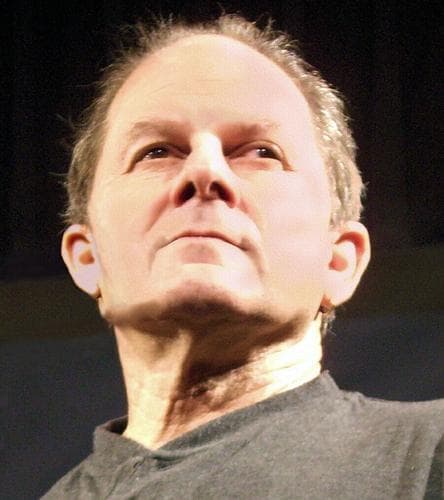
Alan Dean Foster is a prolific American author known for his extensive work in science fiction and fantasy. He is particularly celebrated for his novelizations of major films, including "Alien," "The Thing," and "Star Wars: A New Hope." Foster has authored numerous original novels, such as the "Pip and Flinx" series, earning him a dedicated readership and recognition within the genre.
Similar books
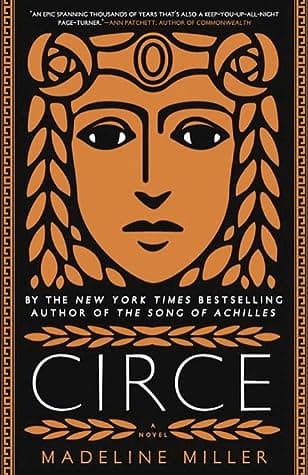
- Circe
Madeline Miller
4.3 (343k) average on GoodreadsFantasyA character-driven retelling of a figure from Greek mythology, offering a fresh perspective on classic tales.
- Harry Potter and the Sorcerer's Stone
J.K. Rowling
4.5 (7M) average on GoodreadsFantasyRescued from a miserable life under the stairs, an orphaned boy discovers he's a wizard destined for a magical school, where he uncovers a dangerous secret tied to the dark wizard who murdered his parents.
- The Hunger Games
Suzanne Collins
4.3 (6.4M) average on GoodreadsFantasyIn a future where children fight to the death on live television, Katniss Everdeen volunteers for the arena, turning a death sentence into a fight for survival and a spark of rebellion.
- 1984
George Orwell
4.2 (3.1M) average on GoodreadsPoliticsIn a future where surveillance and thought control are absolute, a man's search for truth clashes with the Party, showing that hope can be a form of rebellion.
- Divergent
Veronica Roth
4.2 (2.9M) average on GoodreadsFantasyIn a society divided by virtues, a sixteen-year-old's difference from the norm starts a rebellion that threatens her world.
- The Hobbit, or There and Back Again
J.R.R. Tolkien
4.3 (2.9M) average on GoodreadsFantasyA comfort-loving hobbit named Bilbo Baggins is whisked away by a mischievous wizard and a band of dwarves on an unexpected journey to reclaim stolen treasure from a fearsome dragon, discovering courage and a magical ring along the way.





Enjoyed the summary?
A summary gives you the shape of the book. The book itself has the detail, the examples and the voice.
Find Clash of the Titans on AmazonAs an Amazon Associate, BookBrief earns from qualifying purchases. How we're funded