
Synopsis
Covers the whole plot, including the ending.
- Difficulty
- Medium
- Pacing
- Moderate
- Mood
- Historical, Somber, Resilient, Reflective
- Read it if
- You are interested in historical fiction exploring a pivotal, often overlooked, event in American history through the eyes of a young protagonist, and enjoy stories about family, resilience, and social justice.
- Skip it if
- You prefer lighthearted stories without themes of racial violence and systemic injustice, or are sensitive to depictions of historical trauma.
Crow Plot Summary
Covers the whole plot, including the ending.
A Summer of Change and Tensions
The summer of 1898 begins in Wilmington, North Carolina. 11-year-old Moses feels a growing distance from his best friend, Timothy. Moses's home combines old and new. His superstitious Boo-Nanny (grandmother) often clashes with his educated, practical father, Papa. Boo-Nanny believes in conjure and folk wisdom. Papa, a respected newspaper editor and community leader, favors education and modern progress. Moses feels caught between their different views. His mother, Mama, also deals with a recently discovered family secret, adding tension to their lives. Despite these issues, Moses enjoys teaching Boo-Nanny to read, which slowly starts to close the generational and ideological gaps in their family.
Boo-Nanny's Past Unveiled
As Moses patiently teaches Boo-Nanny to read, a strong bond forms between them. This shared activity encourages Boo-Nanny to talk about her past, something she rarely did before. She starts to share fragmented, painful memories of her life as a slave, describing the harsh realities, constant fear, and the strength needed to survive. These stories are very different from Moses's comfortable upbringing and give him a deeper understanding of his family's history and his ancestors' struggles. Her stories, at first hard for Moses to understand, gradually create a clear picture of a brutal past that still affects their present, making freedom seem even more valuable.
Political Ascendancy and Growing White Resentment
Moses's father, Papa, and his group of prominent African American men are making political and social gains in Wilmington. They are respected professionals – doctors, lawyers, and businessmen – who have gained positions of power and influence within the Fusionist government, a coalition of Republicans and Populists. This time sees many African Americans in Wilmington getting the right to vote and becoming prosperous. However, this progress is met with strong resentment from white supremacists, especially members of the Democratic Party and the 'Red Shirts,' a paramilitary group. They see the black community's success as an insult to their social order and actively plan to take back political control, using racist talk and threats to create fear and division.
The White Declaration of Independence
The political tensions increase sharply with an editorial published by Alex Manly, a black newspaper editor and friend of Papa's. In response, a group of white supremacists, led by Alfred Waddell and Josephus Daniels, publish their 'White Declaration of Independence.' This document clearly demands the return of white rule, the removal of voting rights for black people, and the suppression of black businesses and political influence. It is a clear call for white citizens to take control, by force if needed. This declaration directly threatens the thriving African American community and signals the coming danger of organized racial violence, creating fear and uncertainty in Wilmington.
The Election and Its Aftermath
Before the November election, the 'Red Shirts' and other white supremacist groups increase their intimidation campaign. They parade through black neighborhoods, threaten voters, and openly show weapons. Despite these tactics, many African Americans, including Papa, remain hopeful and determined to vote. However, the widespread intimidation works, and the Democratic Party wins. This victory encourages the white supremacists, who see it as permission to overthrow the Fusionist government. The election results, tainted by force, cement the power shift and set the stage for the violent events about to happen in Wilmington.
The Coup Begins: The Daily Record Burned
On November 10, 1898, the long-standing tensions turn into violence. A mob of white men, stirred by Alfred Waddell's speeches, marches to The Daily Record, the African American newspaper owned by Alex Manly. They set the building on fire, destroying it. This act of arson is an attack on black voices, black prosperity, and black freedom in Wilmington. Moses and his family see the growing chaos and fear in the city. The burning of The Daily Record marks the start of the Wilmington Insurrection, a violent coup d'état meant to dismantle the biracial government.
The Massacre and Flight
After the destruction of The Daily Record, the white mob, now armed and organized, starts a campaign of terror across Wilmington. They target African American neighborhoods, businesses, and homes. Black citizens are shot in the streets, beaten, and driven from their homes. Moses and his family, along with many others, must run for their lives. They hide in the swamps and woods outside the city, escaping the groups of white rioters. The once-thriving African American community is broken, its residents scattered and scared. The violence is systematic and brutal, meant to completely suppress the black population and erase their political and economic gains.
Papa's Capture and the New Order
During the chaos, Papa, along with other prominent African American leaders, is rounded up and imprisoned by the white supremacists. He loses his authority and dignity, a clear sign of the complete overthrow of the legitimate government. Alfred Waddell and his co-conspirators declare themselves the new government, staging the only successful coup d'état in US history. They force the resignations of the Fusionist mayor and aldermen, replacing them with their own white Democratic appointees. The city is now controlled by those who believe in white supremacy, and the rights and freedoms of African Americans are systematically removed, starting an era of Jim Crow laws and racial oppression.
Life in Hiding and the Aftermath
Moses, Mama, Boo-Nanny, and other family members remain hidden, enduring harsh conditions and the constant threat of being found. The experience of being hunted and displaced deeply traumatizes Moses, destroying his sense of security and innocence. When it is safe to return, they find a city completely changed. The once-active African American community is gone, many homes destroyed, and countless lives lost or forever altered. The new white supremacist government immediately creates discriminatory laws, effectively taking away voting rights from black people and establishing a strict system of racial segregation. The dream of equality and progress that Papa and his peers worked for is violently crushed, replaced by an oppressive new reality.
Resilience and the Lingering Scars
Afterward, Moses and his family, along with the surviving members of the African American community, must find a way to rebuild their lives in a city where their rights have been removed. Papa eventually returns, but he is changed, bearing the scars of imprisonment and the deep loss of his political goals. Boo-Nanny's stories of slavery become newly relevant, as the family experiences a different kind of subjugation. Despite the devastation, there is resilience. The family's bond strengthens, and the shared trauma reinforces their determination to survive and remember. Moses, though young, carries the weight of these events, understanding that the fight for true freedom and equality is far from over.
Principal Figures
Moses
Protagonist
An 11-year-old boy grappling with family tensions and the violence of the Wilmington Insurrection.
Moses is an observant and sensitive 11-year-old boy living in Wilmington, North Carolina, in 1898. He is at a pivotal age, caught between childhood innocence and the harsh realities of racial injustice. He navigates the ideological clashes between his superstitious Boo-Nanny and his pragmatic, educated father. Moses's journey involves learning about his family's history of slavery through Boo-Nanny's stories and witnessing firsthand the brutal overthrow of the biracial government. The traumatic events of the Wilmington Insurrection profoundly shape his understanding of race, power, and resilience.
Relationships: Boo-Nanny (Grandson, teacher of reading, confidante); Papa (Son, admiring and sometimes bewildered by his father's intellect); Mama (Son, comforted by his mother's presence); Timothy (Best friend, growing apart)
Boo-Nanny
Supporting
Moses's grandmother, a former slave who embodies folk wisdom and the painful memories of the past.
Boo-Nanny is Moses's grandmother, a powerful and complex character who survived slavery. She holds onto traditional African folk beliefs and superstitions, often clashing with her son-in-law, Papa, who represents modern education and pragmatism. Her journey to literacy, taught by Moses, is a central part of the story, as it unlocks her willingness to share her harrowing experiences of slavery. She is a repository of history and resilience, her stories providing Moses with a crucial link to his heritage and the struggles his family endured. Her wisdom, though unconventional, proves invaluable during times of crisis.
Relationships: Moses (Grandmother, student of reading, storyteller); Papa (Mother-in-law, often at odds due to differing worldviews); Mama (Mother, shares a deep, unspoken understanding)
Papa (Moses's Father)
Supporting
An educated, pragmatic African American newspaper editor and community leader.
Moses's father is a highly educated, pragmatic, and respected African American man in Wilmington. He is a newspaper editor and a prominent figure in the Fusionist government, advocating for civil rights, education, and economic progress for his community. He embodies the aspirations of a generation one step removed from slavery, believing in the power of intellect and democratic process to achieve equality. His clashes with Boo-Nanny highlight the tension between traditional and modern Black experiences. His eventual imprisonment and the overthrow of the government represent the crushing of these aspirations, leaving him deeply scarred but not entirely broken.
Relationships: Moses (Father, role model, sometimes distant due to his preoccupations); Boo-Nanny (Son-in-law, respectful but often at odds with her beliefs); Mama (Husband, a supportive and loving partner); Alex Manly (Colleague and friend)
Mama (Moses's Mother)
Supporting
A nurturing figure, grappling with a family secret and providing stability amidst chaos.
Moses's mother is a steady and nurturing presence in the family. She acts as a bridge between Papa's modern outlook and Boo-Nanny's traditional ways, often mediating their disagreements. Early in the story, she is dealing with the emotional weight of a recently discovered family secret, which adds a layer of quiet tension to her character. During the Wilmington Insurrection, she is a source of comfort and strength for Moses, guiding him through the terror and displacement. Her resilience and unwavering love help her family endure the unspeakable violence and rebuild their lives in the aftermath.
Relationships: Moses (Mother, source of comfort and guidance); Papa (Wife, supportive partner); Boo-Nanny (Daughter, understands and respects her mother's wisdom)
Timothy
Supporting
Moses's best friend, whose family's financial struggles create a rift between them.
Timothy is Moses's best friend at the beginning of the story. Unlike Moses's family, Timothy's family faces significant financial hardship, which creates a subtle but growing distance between the two boys. Timothy's experiences reflect the broader economic disparities within the African American community, even during a period of relative prosperity. Their friendship is a casualty of both personal circumstances and the escalating racial tensions, as the larger societal pressures begin to affect individual relationships. His character serves to highlight the diverse experiences within the black community.
Relationships: Moses (Best friend, gradually growing apart)
Alex Manly
Supporting
The African American editor whose newspaper editorial sparked white outrage.
Alex Manly is a real historical figure, an African American newspaper editor in Wilmington and a friend/colleague of Papa's. His newspaper, The Daily Record, serves as a vital voice for the black community. His editorial, challenging notions of white female purity and interracial relationships, becomes the catalyst for the white supremacist uprising. The destruction of his newspaper by the white mob is one of the first acts of violence in the Wilmington Insurrection, symbolizing the attack on black free speech and economic independence. He represents the courageous but ultimately vulnerable leadership of the black community.
Relationships: Papa (Colleague and friend)
Alfred Waddell
Antagonist
The white supremacist leader who orchestrated the Wilmington Insurrection.
Alfred Waddell is a real historical figure and the primary antagonist of the story. He is a former Confederate colonel and a leading white supremacist Democrat who actively campaigns for the overthrow of the Fusionist government. He uses inflammatory rhetoric, organizes the 'Red Shirts,' and incites the white mob to violence. He embodies the virulent racism and desire for white political and social dominance that characterized the era. Waddell leads the coup d'état, becoming the self-proclaimed 'mayor' after the massacre and effectively installing a white supremacist regime in Wilmington. His actions directly cause immense suffering and injustice.
Relationships: Josephus Daniels (Co-conspirator, fellow white supremacist leader)
Josephus Daniels
Antagonist
Newspaper editor who fueled racial hatred and supported the white supremacist coup.
Josephus Daniels is another real historical figure, the editor of the News & Observer, a prominent white newspaper. He uses his platform to publish virulently racist editorials and propaganda, demonizing African Americans and inciting white resentment against the biracial government. Daniels plays a crucial role in shaping public opinion and legitimizing the white supremacist agenda leading up to the Wilmington Insurrection. His journalistic influence is instrumental in creating the climate of fear and hatred that enabled the coup, demonstrating the power of media in perpetuating racial injustice.
Relationships: Alfred Waddell (Co-conspirator, fellow white supremacist leader)
Themes & Insights
Racial Injustice and White Supremacy
The novel's main theme is the reality of racial injustice and the violent enforcement of white supremacy in post-Reconstruction America. The book carefully details the systematic efforts by white Democrats to take away voting rights from African Americans and overthrow the legitimate biracial government in Wilmington. Scenes like the burning of The Daily Record and the massacre clearly show the terror and oppression the black community faced. The actions of figures like Alfred Waddell and Josephus Daniels show the organized nature of this injustice and its devastating impact on Moses and his family, ultimately removing their rights and freedoms.
“What they took from us wasn't just our votes or our businesses. They took our hope. They took our belief that things could truly be different.”
Memory, History, and Storytelling
The novel explores how personal and collective memory shapes understanding of history. Boo-Nanny's stories of slavery, told to Moses as he teaches her to read, are important. These stories connect Moses to his ancestors' struggles and give context for the contemporary racial violence he sees. The difference between Boo-Nanny's experience and Papa's educated view of history shows different ways of knowing and remembering. The book itself acts as a historical record, bringing to light the largely forgotten Wilmington Insurrection, ensuring this event is not erased.
“Some things, Moses, you gotta tell. Even if they hurt. Especially if they hurt.”
The Power of Education and Literacy
Education and literacy are shown as powerful tools for empowerment and connection. Papa's dedication to education and his role as a newspaper editor highlight the importance of knowledge and informed citizenship. Moses teaching Boo-Nanny to read is a symbol of learning between generations and the uncovering of personal history. However, the burning of Alex Manly's newspaper, The Daily Record, by white supremacists shows how literacy and independent black voices were seen as threats to the established racial hierarchy, leading to their violent suppression.
“A book, Moses, is a window. And some folks, they just don't want you looking out that window.”
Family and Community Resilience
Despite the violence and loss, the novel emphasizes the resilience of family and community when facing hardship. Moses's family, with its internal tensions and strengths, is like the larger African American community's ability to endure. The shared trauma of the Wilmington Insurrection strengthens their bonds, and their efforts to survive and rebuild show their spirit. Even after their political and economic gains are violently removed, the characters show a strong determination to continue, remember their past, and find hope for the future, showing the lasting strength of people.
“We might be broken, Moses, but we ain't shattered. Not while we got each other.”
Plot Devices & Literary Techniques
Dual Perspective/Intergenerational Narrative
Narrative shifts between Moses's present and Boo-Nanny's past.
The novel employs a dual perspective by intertwining Moses's present-day experiences in 1898 Wilmington with Boo-Nanny's recounted memories of her life as a slave. This device allows the reader to understand the historical context of the racial tensions, showing how the legacy of slavery directly informs the contemporary struggles for civil rights. Boo-Nanny's stories provide a crucial backdrop, making the violence of the Wilmington Insurrection resonate more deeply by highlighting the cyclical nature of oppression and the enduring fight for freedom across generations.
Historical Allusion and Real Figures
Incorporation of actual historical events and individuals.
The book is deeply rooted in the historical reality of the 1898 Wilmington Insurrection, utilizing real historical figures like Alex Manly, Alfred Waddell, and Josephus Daniels. This device lends authenticity and gravity to the narrative, transforming a fictionalized account into a powerful historical testimony. By grounding the story in actual events, the author educates readers about a significant, often overlooked, moment in American history, emphasizing the fact that the events depicted, no matter how horrific, genuinely occurred and had lasting consequences.
Symbolism of the 'Crow'
The bird 'crow' as a multifaceted symbol.
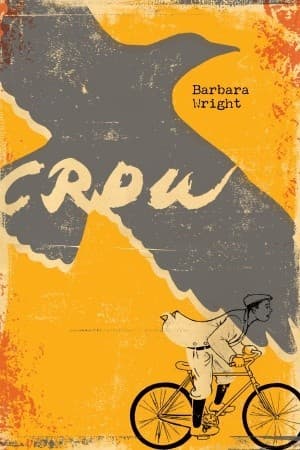
The 'crow' in the title and throughout the narrative functions as a potent symbol. It can represent the ominous shadow of Jim Crow laws and racial oppression that descends upon Wilmington. Crows are also often associated with intelligence, adaptability, and even trickery, which might reflect the cunning and strategic efforts of both the white supremacists and the resilient survival tactics of the African American community. Furthermore, crows are scavengers, picking at the remnants, which could symbolize the stripping away of rights and prosperity, or the act of remembering and piecing together a forgotten history.
Foreshadowing through Boo-Nanny's Wisdom
Boo-Nanny's folk wisdom and superstitions hint at future dangers.
Boo-Nanny's traditional beliefs and warnings, often dismissed as 'superstition' by Papa, serve as subtle foreshadowing throughout the story. Her intuitive understanding of human nature and the darker forces at play in society, stemming from her experiences as a slave, often hint at the dangers lurking beneath the surface of Wilmington's apparent progress. This device builds suspense and highlights the clash between rational, modern thought and an older, more visceral understanding of the world, ultimately validating Boo-Nanny's often-ignored wisdom when the violence erupts.
Crow Quotes
“I was born a slave, but I never let it define me.”
“The crow flies free, and so shall I.”
“Sometimes the hardest battles are fought in silence.”
“A name is more than a word; it's a piece of your soul.”
“The past may haunt us, but it also teaches us to be strong.”
“In the darkest nights, the stars shine brightest.”
“Freedom isn't given; it's taken with courage.”
“Every story has a voice, if only we listen.”
“The land remembers what people forget.”
“A single act of kindness can change a life.”
“We are all connected, like threads in a tapestry.”
“The crow's call is a reminder to never give up.”
“Truth has a way of rising, no matter how deep it's buried.”
“Home is not a place, but a feeling of belonging.”
Quiz
10 questions on the plot and the characters. Each answer comes with a short explanation.
Question 1
What is the main setting and time period of 'Crow' by Barbara Wright?
- Atlanta, Georgia in 1905
- Wilmington, North Carolina in 1898
- New Orleans, Louisiana in 1910
- Richmond, Virginia in 1885
Show answer
B. Wilmington, North Carolina in 1898 The story is set in Wilmington, North Carolina during the summer of 1898, a pivotal historical moment leading up to the Wilmington insurrection.
Question 2
What significant historical event does the book depict?
- The Emancipation Proclamation
- The Wilmington insurrection of 1898, the only successful coup d'état in U.S. history
- The Civil Rights Act of 1964
- The Great Migration
Show answer
B. The Wilmington insurrection of 1898, the only successful coup d'état in U.S. history The book centers on the Wilmington insurrection of 1898, where white supremacists violently overthrew the local government to disenfranchise African Americans, a unique event in U.S. history.
Question 3
What is Moses teaching his grandmother, Boo-Nanny, to do?
- How to cook traditional recipes
- How to read
- How to write letters
- How to sew
Show answer
B. How to read Moses teaches his superstitious grandmother, Boo-Nanny, how to read, which leads her to share stories about her life as a slave, deepening their bond.
Question 4
Why do Boo-Nanny and Moses's father often clash?
- Because Boo-Nanny is educated and his father is superstitious
- Because Boo-Nanny is pragmatic and his father is superstitious
- Because Boo-Nanny is superstitious and his father is pragmatic and educated
- Because they disagree on Moses's education
Show answer
C. Because Boo-Nanny is superstitious and his father is pragmatic and educated Boo-Nanny's superstitious beliefs conflict with Moses's father's pragmatic and educated worldview, reflecting generational and cultural tensions in their African American community.
Question 5
What discovery causes Moses's mother to be reeling during the story?
- A lost family heirloom
- A family secret
- A political scandal involving her husband
- A health diagnosis
Show answer
B. A family secret Moses's mother is deeply affected by the discovery of a family secret, adding emotional complexity to the household dynamics amidst the broader political turmoil.
Question 6
How does the book portray the African American community in Wilmington before the coup?
- As impoverished and disenfranchised
- As thriving, enfranchised, and gaining positions of power
- As completely segregated with no political influence
- As focused solely on agricultural work
Show answer
B. As thriving, enfranchised, and gaining positions of power Before the coup, the African American community in Wilmington is depicted as thriving, with people like Moses's father earning respect and political power, highlighting the progress made post-slavery.
Question 7
What is a key theme explored through Moses's relationship with his best friend?
- The joys of childhood innocence
- The challenges of growing apart during adolescence
- The importance of competitive sports
- The benefits of shared hobbies
Show answer
B. The challenges of growing apart during adolescence Moses's growing distance from his best friend reflects the personal changes and challenges of adolescence, set against the backdrop of larger societal upheavals.
Question 8
Why are some people in Wilmington unhappy with the political changes, according to the book?
- Because they want faster economic growth
- Because they oppose African Americans gaining power and want to maintain the racial status quo
- Because they prefer federal over local control
- Because they are advocating for women's suffrage
Show answer
B. Because they oppose African Americans gaining power and want to maintain the racial status quo White supremacists in Wilmington resist the political advancements of African Americans, leading them to orchestrate the violent coup to preserve white dominance, a central conflict in the book.
Question 9
How does Boo-Nanny's sharing of her slave stories impact Moses?
- It frightens him and makes him avoid her
- It bores him, as he prefers modern tales
- It deepens his understanding of his family's history and the legacy of slavery
- It convinces him to become a historian
Show answer
C. It deepens his understanding of his family's history and the legacy of slavery As Boo-Nanny shares her experiences as a slave, Moses gains insight into his family's past and the struggles of previous generations, enriching his perspective on their current situation.
Question 10
What generational dynamic is highlighted in 'Crow' regarding the African American community?
- The community is only one generation removed from slavery, facing new freedoms and violent backlash
- Multiple generations have lived free, with no memory of slavery
- The older generation is fully integrated, while the younger generation faces discrimination
- All generations are equally affected by economic depression
Show answer
A. The community is only one generation removed from slavery, facing new freedoms and violent backlash The book emphasizes that the community is just one generation away from slavery, navigating newfound emancipation and political power while confronting violent resistance to their progress, a key historical context.
Crow FAQ
What is 'Crow' by Barbara Wright about?
'Crow' follows 11-year-old Moses during the summer of 1898 in Wilmington, North Carolina, as he navigates family tensions, friendships, and community changes. The story culminates in the Wilmington Insurrection—the only successful coup d'état in U.S. history—where white supremacists violently overthrow the local biracial government, devastating Moses's thriving African American community.
Why should I read 'Crow'?
This book offers a poignant, child's-eye view of a little-known historical tragedy, blending personal growth with political upheaval. Through Moses's experiences, readers witness both the resilience of a post-slavery community and the brutal reality of racial violence, making it both educational and emotionally resonant.
What is the background/setting of 'Crow'?
Set in Wilmington, North Carolina, in 1898, the story occurs during Reconstruction, when African Americans had gained political power and economic stability. The backdrop is a thriving Black community that becomes the target of white supremacist violence, leading to the Wilmington Insurrection.
What are the most memorable quotes from 'Crow'?
Key quotes include Boo-Nanny's wisdom, 'Stories ain't just for tellin'. They for keepin',' highlighting oral tradition's importance, and Moses's father's pragmatic view, 'Education is our weapon,' reflecting his belief in progress amid rising tensions.
What writing style does Barbara Wright use in 'Crow'?
Wright employs a first-person narrative from Moses's perspective, using simple yet evocative language suitable for young readers. She blends historical detail with emotional depth, balancing everyday moments with the looming threat of violence to create suspense.
What minor details add significant meaning in 'Crow'?
Moses teaching Boo-Nanny to read symbolizes intergenerational healing and empowerment, while small acts like his father's friends gaining political positions subtly show the community's progress before the coup. These details contrast sharply with the later violence.
What are some subtle foreshadowing moments in 'Crow'?
Early tensions between Boo-Nanny's superstitions and Moses's father's pragmatism hint at deeper societal conflicts. Whispered warnings among adults about 'trouble brewing' and Moses's growing unease with his friend's distance foreshadow the community's impending fracture.
What unexpected character connections exist in 'Crow'?
Boo-Nanny's slave stories connect Moses to a painful past he's only one generation removed from, while his father's political allies reveal how personal and community struggles are intertwined. Moses's fraying friendship mirrors the larger societal divisions.
What are unspoken character motivations in 'Crow'?
Moses's father is driven by a desire to secure dignity and safety for his family through education and politics, while Boo-Nanny's resistance to change stems from trauma and a need to protect Moses from hidden dangers. Moses himself seeks belonging amid conflicting worlds.
What psychological complexities do characters exhibit in 'Crow'?
Moses grapples with innocence versus awareness as he slowly understands racial tensions. Boo-Nanny embodies post-traumatic resilience, mixing fear with fierce love, while Moses's mother shows quiet strength in coping with family secrets and external threats.
What are the major emotional turning points in 'Crow'?
Key moments include Moses hearing Boo-Nanny's slave stories, which deepens his empathy; the discovery of the family secret that shakes his mother; and the violent coup that shatters his sense of safety, forcing him to confront harsh realities.
How do relationship dynamics evolve in 'Crow'?
Moses and Boo-Nanny's bond strengthens through shared literacy, while his friendship deteriorates due to societal pressures. His parents' unity is tested by secrets and violence, and community trust collapses as neighbors turn against each other during the insurrection.
Which parts of 'Crow' remain ambiguous or open-ended?
The fate of Moses's father and his friends after the coup is left uncertain, reflecting historical gaps. Moses's future and how he processes the trauma are not fully resolved, leaving readers to ponder his resilience and the community's recovery.
What are controversial scenes or decisions in 'Crow'?
The graphic depiction of the Wilmington Insurrection's violence may be intense for young readers. Moses's father's prioritization of political activism over immediate safety sparks debate on balancing progress with protection in a hostile environment.
'Crow' ending explained: how it ends & what it means
The book ends with the coup's aftermath, as Moses's community is violently stripped of freedom and power. This highlights the fragility of post-slavery gains and the enduring impact of racism, leaving Moses to navigate loss and hope in a changed world.
Similar books
- Elijah of Buxton
Christopher Paul Curtis
3.9 (13k) average on GoodreadsChildren'sHistorical fiction with a young, observant protagonist dealing with serious themes in a past setting.
- Harry Potter and the Sorcerer's Stone
J.K. Rowling
4.5 (7M) average on GoodreadsFantasyRescued from a miserable life under the stairs, an orphaned boy discovers he's a wizard destined for a magical school, where he uncovers a dangerous secret tied to the dark wizard who murdered his parents.
- The Hobbit, or There and Back Again
J.R.R. Tolkien
4.3 (2.9M) average on GoodreadsFantasyA comfort-loving hobbit named Bilbo Baggins is whisked away by a mischievous wizard and a band of dwarves on an unexpected journey to reclaim stolen treasure from a fearsome dragon, discovering courage and a magical ring along the way.
- Harry Potter and the Goblet of Fire
J.K. Rowling
4.6 (2.6M) average on GoodreadsFantasyA bewildered Harry Potter, underage and thrust into a deadly Triwizard Tournament, must brave dragons, mermaids, and a resurgent dark magic to survive a year that will forever alter the wizarding world.
- Harry Potter and the Order of the Phoenix
J.K. Rowling
4.5 (2.5M) average on GoodreadsFantasyIn a year of oppressive secrets and the threat of Voldemort, Harry Potter and Dumbledore's Army secretly train for war, shown through Jim Kay and Neil Packer's dark illustrations.
- The Lightning Thief
Rick Riordan
4.3 (2M) average on GoodreadsFantasyThrust into a world of mythological monsters and divine treachery, an ordinary boy discovers he's the son of Poseidon and must embark on a perilous quest across modern America to prevent an Olympian war.





Enjoyed the summary?
A summary gives you the shape of the book. The book itself has the detail, the examples and the voice.
Find Crow on AmazonAs an Amazon Associate, BookBrief earns from qualifying purchases. How we're funded