
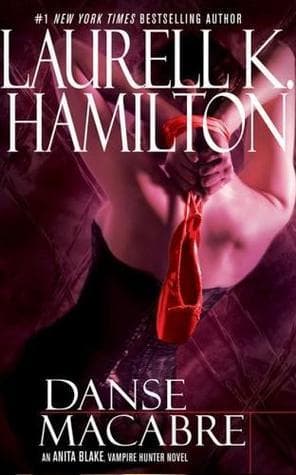
Core Idea
- Difficulty
- Medium
- Read it if
- You are a fan of dark urban fantasy, enjoy complex character development, and are interested in the psychological and moral costs of power and parenthood in a supernatural setting.
- Skip it if
- You prefer lighthearted fantasy, are sensitive to graphic violence or sexual content, or are not interested in long-running series with deep lore.
Key Takeaways from Danse Macabre
The Unholy Trinity of Parenthood
Navigating the complexities of supernatural fatherhood and mortal motherhood.
The main problem in 'Danse Macabre' is Anita Blake's possible pregnancy. This situation is more than a personal worry; it is an exploration of identity, responsibility, and the conflict between the supernatural and the ordinary. This is not just about a woman facing an unplanned pregnancy; it is about a woman whose existence is defined by her powers and dangerous job, now thinking about bringing a child into that chaotic world. The 'unholy trinity' refers to the three possible fathers—a vampire, a werewolf, or a human—each presenting different challenges and effects on the child's nature and Anita's future. This story forces Anita to face the limits of her power and the universal fears of motherhood, showing that even the strongest supernatural hunter can be brought down by the oldest human dread.
“Anita Blake is less interested in vampire politics than in an ancient, ordinary dread she shares with women down the ages: she may be pregnant. And, if she is, whether the father is a vampire, a werewolf, or someone else entirely, he knows perfectly well that being a Federal Marshal known for raising the dead and being a vampire executioner, is no way to bring up a baby.”
In the book: The entire premise of the book, as outlined in the summary, revolves around Anita's fear of pregnancy and its implications, specifically mentioning the potential fathers and her dangerous profession.
Try this: Reflect on how personal responsibilities (like parenthood) can force a re-evaluation of one's professional identity and moral compass, especially when those two aspects seem diametrically opposed. Consider the sacrifices and compromises necessary to integrate disparate parts of one's life.
Related ideas: supernatural-parenthood, identity-crisis, mortal-dread
The Price of Power
Supernatural abilities come with a steep cost, especially when considering a legacy.
Anita Blake's powers, which make her a strong force in the supernatural world, are exactly what make her potential motherhood so difficult. Her ability to raise the dead and her job as a vampire executioner are violent and dangerous. This takeaway explores the conflict between a life of death and destruction and the nurturing role of a parent. The book asks whether such power can truly be separated from its consequences, especially when those consequences might affect an innocent child. The 'price' is not just personal isolation or danger; it is the potential inheritance of that danger by her offspring, regardless of their own supernatural lineage. It is a commentary on how one's chosen path can affect future generations.
“being a Federal Marshal known for raising the dead and being a vampire executioner, is no way to bring up a baby.”
In the book: The summary explicitly states Anita's recognition that her profession is 'no way to bring up a baby,' directly linking her dangerous powers and roles to the unsuitability of motherhood.
Try this: Evaluate the long-term impacts of your career or life choices on your personal life and future generations. Are there aspects of your 'power' or profession that could create unforeseen challenges for family or loved ones? Consider how to mitigate these impacts or if a fundamental shift is required.
Related ideas: power-consequences, generational-impact, moral-dilemma
Beyond Vampire Politics
Universal fears transcend even the most intricate supernatural power struggles.
While the Anita Blake series is known for its vampire politics and supernatural power dynamics, 'Danse Macabre' shifts focus. This takeaway shows how the most 'ordinary' and 'ancient' human fears—specifically, the dread of an unplanned or complicated pregnancy—can overshadow even the most urgent supernatural conflicts. It is a powerful story choice that grounds the fantastical elements in deeply relatable human experience. By focusing on Anita's internal struggle over external supernatural threats, the book elevates the personal to the universal, showing that even a powerful supernatural hunter is not immune to basic human anxieties. This shift makes Anita more relatable and emphasizes that certain life events cut across all boundaries, magical or mundane.
“Anita Blake is less interested in vampire politics than in an ancient, ordinary dread she shares with women down the ages: she may be pregnant.”
In the book: The summary directly states Anita's diminished interest in 'vampire politics' in favor of the 'ancient, ordinary dread' of potential pregnancy.
Try this: Recognize when personal, fundamental human experiences take precedence over external, seemingly larger conflicts. Understand that even in complex professional or social environments, core human needs and anxieties often dictate true priorities. Practice empathy by acknowledging the universal nature of certain fears.
Related ideas: human-condition, universal-fears, narrative-shift
The Maternal Instinct's Grip
How the instinct to protect can challenge even the most hardened warrior.
Anita Blake is a character known for her strength, resilience, and often practical approach to the supernatural. However, the possibility of motherhood introduces a new, strong force into her life: the maternal instinct. This takeaway explores how this drive to protect and nurture a child can change a warrior's perspective and priorities. The realization that her dangerous lifestyle is 'no way to bring up a baby' is not just a logical conclusion; it is an emotional one, driven by an emerging instinct to protect her potential offspring. This internal conflict forces Anita to consider major changes, perhaps even a complete change of her identity and job, showing the transformative power of impending parenthood.
“he knows perfectly well that being a Federal Marshal known for raising the dead and being a vampire executioner, is no way to bring up a baby.”
In the book: The quote directly attributes the knowledge that her lifestyle is unsuitable for a child to 'he,' implying an external observation of a truth Anita also recognizes, driven by the protective instinct that emerges with potential motherhood.
Try this: Consider how new responsibilities, especially those involving the care of others, can force a re-evaluation of your core identity and life choices. How might a strong protective instinct influence your decision-making, even in areas you previously considered non-negotiable? Embrace the potential for personal transformation.
Related ideas: maternal-instinct, warrior-mother, identity-transformation
The Weight of Legacy
The burden of passing on a supernatural heritage, known or unknown.
One of the most interesting parts of Anita's possible pregnancy is the unknown nature of her child's father, and by extension, its potential supernatural heritage. This takeaway looks at the 'weight of legacy'—the responsibility of raising a child who could inherit vampiric traits, werewolf abilities, or even a mix of powers from Anita herself. Each potential father brings a distinct set of challenges and implications for the child's future, its place in the world, and the dangers it might face. This forces Anita to deal not just with her own identity, but with the identity she might give her child, and the moral implications of bringing such a being into existence. It is an exploration of genetic and magical inheritance.
“whether the father is a vampire, a werewolf, or someone else entirely, he knows perfectly well that being a Federal Marshal known for raising the dead and being a vampire executioner, is no way to bring up a baby.”
In the book: The summary explicitly lists the three potential fathers (vampire, werewolf, or 'someone else entirely'), highlighting the ambiguity and the diverse supernatural legacies at play.
Try this: Reflect on the 'legacy' you are building, both intentionally and unintentionally. Consider how your choices today might shape the opportunities, challenges, and identity of future generations, whether literal or metaphorical. How do you prepare for an unknown future while still making present decisions?
Related ideas: supernatural-genetics, inheritance-dilemma, destiny-vs-choice
Redefining 'Normal'
The challenge of finding normalcy in an inherently abnormal existence.
For Anita Blake, 'normal' is a relative term. Her life is a constant battle against the supernatural, full of violence, death, and complex relationships. The possibility of a child, however, forces her to consider a more traditional definition of normalcy and find a way to combine it with her extraordinary reality. This takeaway explores the internal struggle to create a safe, stable environment for a child when one's own life is anything but. It is a commentary on the human desire for stability and predictability, even in chaotic circumstances. Anita's realization that her current life is 'no way to bring up a baby' highlights her desire for some peace, even if achieving it means changing her existence.
“is no way to bring up a baby.”
In the book: The direct statement that her life is 'no way to bring up a baby' implies an aspiration for a 'better' or more 'normal' environment for a child, contrasting with her current reality.
Try this: Consider what 'normal' means to you in different contexts of your life. How do you strive for stability or peace amidst chaos? What compromises are you willing to make to achieve a desired level of 'normalcy' for yourself or others, especially when your reality is far from conventional?
Related ideas: normalcy-quest, chaos-management, reconciliation-of-realities
The Limits of Control
Even the most powerful cannot control destiny, especially when it comes to life itself.
Anita Blake is used to being in control—of her powers, her battles, and often, the supernatural beings around her. However, the possibility of pregnancy introduces a lack of control. This takeaway highlights how basic biological processes, like conception and gestation, can take away even the most powerful individuals' agency. The 'ancient, ordinary dread' is not just about the practicalities of motherhood; it is about the loss of autonomy and the surrender to a process that is largely beyond her command. This reminds us that while we can influence many parts of our lives, some basic forces of nature and destiny remain uncontrollable, forcing even the strongest to adapt.
“Anita Blake is less interested in vampire politics than in an ancient, ordinary dread she shares with women down the ages: she may be pregnant.”
In the book: The phrase 'she may be pregnant' signifies an event that is happening to her, rather than something she actively initiated or controls, emphasizing the loss of agency.
Try this: Reflect on areas in your life where you strive for control, and where you must surrender to forces beyond your influence. How do you adapt when your agency is limited? Practice accepting what cannot be controlled and focusing your energy on what you can impact.
Related ideas: loss-of-autonomy, fate-vs-free-will, surrender-to-nature
Love in the Time of Monsters
Exploring the viability of relationships and family amidst extreme danger.
Anita Blake's romantic life is as complex and dangerous as her professional one, often involving supernatural beings. This takeaway examines how the possibility of a child forces a critical re-evaluation of these relationships and their long-term viability. The question of who the father is, and the implications of each possibility, goes beyond simple paternity; it looks at the sustainability of love and family formation in a world full of monsters and constant danger. Can a stable, loving family unit truly exist when one parent is a vampire, another a werewolf, and the mother a vampire executioner? The book questions whether love can truly conquer all when 'all' includes literal supernatural threats to a child's existence, pushing the boundaries of what makes a functional family.
“whether the father is a vampire, a werewolf, or someone else entirely, he knows perfectly well that being a Federal Marshal known for raising the dead and being a vampire executioner, is no way to bring up a baby.”
In the book: The explicit mention of the three potential fathers (vampire, werewolf, or human) directly sets up the premise for analyzing the nature and viability of these relationships in the context of parenthood.
Try this: Consider how external pressures and unique circumstances impact the dynamics and long-term potential of your relationships. Are there inherent conflicts between your lifestyle and your desire for a stable family life? How do you define 'functional' in your own unique context?
Related ideas: supernatural-romance, family-dynamics, relationship-challenges
The Fear of the Unknown
Anticipating the unpredictable nature of a supernatural child's future.
Beyond the immediate concerns of pregnancy, Anita faces the 'fear of the unknown' regarding her potential child's nature and future. This takeaway emphasizes the anxiety from not knowing what kind of being her child might be—human, vampire, werewolf, or a hybrid. Each possibility carries its own dangers, societal prejudices, and unique developmental paths. This uncertainty is a central element of the story's tension, as Anita must think about raising a child whose powers, vulnerabilities, and place in the world are unpredictable. It highlights the universal parental fear of not being able to fully protect or understand one's child, amplified by the supernatural elements.
“whether the father is a vampire, a werewolf, or someone else entirely...”
In the book: The ambiguity of the father's identity and thus the child's potential nature ('vampire, a werewolf, or someone else entirely') is the primary driver of this fear.
Try this: Embrace strategies for managing anxiety about unpredictable futures, especially concerning loved ones. How do you prepare for multiple contingencies when the outcome is uncertain? Cultivate resilience and adaptability in the face of the unknown, focusing on what you can control: your response and preparation.
Related ideas: unpredictable-future, parental-anxiety, supernatural-child
The Human Heart of the Huntress
Revealing the vulnerability and humanity beneath a hardened exterior.
For all her power and dangerous job, 'Danse Macabre' removes Anita Blake's tough exterior to show a human heart. This takeaway focuses on how the potential for motherhood exposes her vulnerability and connects her to a timeless, universal experience shared by 'women down the ages.' It is a reminder that even the strongest figures are susceptible to basic human emotions and anxieties. The book uses this personal crisis to humanize Anita, making her more relatable and deepening her character beyond her role as a supernatural enforcer. Her 'ancient, ordinary dread' shows the lasting power of the human condition, even in a world full of the extraordinary.
“Anita Blake is less interested in vampire politics than in an ancient, ordinary dread she shares with women down the ages: she may be pregnant.”
In the book: The phrase 'ancient, ordinary dread she shares with women down the ages' directly emphasizes Anita's connection to universal human experience, transcending her supernatural identity.
Try this: Recognize the importance of vulnerability and how it can strengthen, rather than weaken, your character. Allow yourself to connect with universal human experiences, even if your life circumstances are unique. Embrace the 'ordinary' aspects of your humanity amidst the extraordinary.
Related ideas: human-vulnerability, character-depth, universal-humanity
Danse Macabre Quotes
“I was a monster, and I was beautiful.”
“The line between good and evil was a lot blurrier than anyone wanted to admit, especially in the dark.”
“Fear was a weapon, and I was very good at wielding it.”
“Sometimes you had to burn down the village to save it, and sometimes you had to burn down the village because you were tired of it.”
“Love was a battlefield, and I was covered in scars.”
“The dead don't lie, but they don't always tell the whole truth either.”
“It’s not just about killing the monster; it’s about not becoming one in the process.”
“There are worse things than death, and I've seen most of them.”
“Trust was a luxury I couldn't always afford, but sometimes it was a necessity.”
“Every choice had a price, and sometimes the price was your soul.”
“Sometimes the hardest thing to kill was hope.”
“The world was full of monsters, and some of them wore human skin.”
“Being strong didn't mean you never cried; it meant you cried and then you got back up.”
“I didn't believe in happy endings, but I believed in surviving.”
Quiz
10 questions on the main ideas. Each answer comes with a short explanation.
Question 1
What is the primary personal concern weighing on Anita Blake at the beginning of 'Danse Macabre'?
- Her ongoing struggle with vampire politics.
- The potential of being pregnant.
- Her duties as a Federal Marshal.
- The threat of a new supernatural enemy.
Show answer
B. The potential of being pregnant. The provided text explicitly states that Anita is 'less interested in vampire politics than in an ancient, ordinary dread she shares with women down the ages: she may be pregnant.' This highlights her primary personal concern.
Question 2
According to the provided synopsis, what are two of Anita Blake's known professional roles?
- Vampire council leader and necromancer.
- Federal Marshal and vampire executioner.
- Private investigator and werewolf alpha.
- Supernatural therapist and demon hunter.
Show answer
B. Federal Marshal and vampire executioner. The text states that she is 'a Federal Marshal known for raising the dead and being a vampire executioner.'
Question 3
What concern does Anita share with the potential father(s) regarding her pregnancy, if she is indeed pregnant?
- The financial burden of raising a child.
- The social stigma of having a supernatural child.
- The unsuitability of her dangerous professions for raising a baby.
- The legal implications of a mixed-species child.
Show answer
C. The unsuitability of her dangerous professions for raising a baby. The text states, 'he knows perfectly well that being a Federal Marshal known for raising the dead and being a vampire executioner, is no way to bring up a baby.' This indicates the shared concern about her dangerous lifestyle.
Question 4
The synopsis mentions Anita's 'ancient, ordinary dread.' What specific human experience does this dread refer to?
- The fear of supernatural retribution.
- The uncertainty of a potential pregnancy.
- The burden of leadership in supernatural communities.
- The loneliness of her unique abilities.
Show answer
B. The uncertainty of a potential pregnancy. The phrase 'ancient, ordinary dread she shares with women down the ages: she may be pregnant' directly links this dread to the possibility of pregnancy.
Question 5
Which of Anita Blake's abilities is mentioned in the context of her Federal Marshal role?
- Her skill in hand-to-hand combat.
- Her ability to raise the dead.
- Her proficiency with firearms.
- Her diplomatic skills with various species.
Show answer
B. Her ability to raise the dead. The text specifies she is 'a Federal Marshal known for raising the dead.'
Question 6
The synopsis implies a significant shift in Anita's focus. What has she seemingly de-prioritized in favor of her personal concern?
- Her relationships with werewolves.
- Her responsibilities as a vampire executioner.
- Her involvement in vampire politics.
- Her duties as a Federal Marshal.
Show answer
C. Her involvement in vampire politics. The opening line states, 'Anita Blake is less interested in vampire politics than in an ancient, ordinary dread...' This indicates a de-prioritization of vampire politics.
Question 7
The potential father of Anita's child could belong to which three categories, according to the text?
- Human, demon, or ghost.
- Vampire, werewolf, or 'someone else entirely'.
- Zombie, ghoul, or witch.
- Shifter, fae, or human.
Show answer
B. Vampire, werewolf, or 'someone else entirely'. The text directly states, 'whether the father is a vampire, a werewolf, or someone else entirely.'
Question 8
How does the synopsis characterize the 'dread' Anita feels about potential pregnancy in a way that connects her to a broader human experience?
- It's a unique supernatural fear only she can understand.
- It's an 'ancient, ordinary dread she shares with women down the ages.'
- It's a modern anxiety brought on by her dangerous lifestyle.
- It's a specific fear related to the politics of her supernatural world.
Show answer
B. It's an 'ancient, ordinary dread she shares with women down the ages.' The text explicitly calls it an 'ancient, ordinary dread she shares with women down the ages,' emphasizing its universal and timeless nature for women.
Question 9
Given Anita's stated professions, what is the core conflict highlighted by her potential pregnancy?
- The conflict between her loyalty to the law and her supernatural allies.
- The conflict between her personal desires and her professional obligations to various supernatural factions.
- The conflict between her dangerous, life-or-death career and the domestic responsibilities of motherhood.
- The conflict between her human nature and her growing supernatural powers.
Show answer
C. The conflict between her dangerous, life-or-death career and the domestic responsibilities of motherhood. The text emphasizes that 'being a Federal Marshal known for raising the dead and being a vampire executioner, is no way to bring up a baby,' directly posing her dangerous career against the idea of raising a child.
Question 10
The phrase 'someone else entirely' regarding the potential father suggests what about Anita Blake's romantic entanglements or the supernatural world she inhabits?
- She is exclusively involved with humans.
- Her relationships are limited to vampires and werewolves.
- Her romantic partners may extend beyond the commonly known supernatural species mentioned, hinting at a wider array of beings in her life.
- She is unsure of the father's identity due to memory loss.
Show answer
C. Her romantic partners may extend beyond the commonly known supernatural species mentioned, hinting at a wider array of beings in her life. By explicitly adding 'someone else entirely' after mentioning vampires and werewolves, the text implies that Anita's romantic or sexual life, and thus the potential father, could involve other types of supernatural or even non-supernatural beings not specified.
Danse Macabre FAQ
Is Anita Blake pregnant in 'Danse Macabre'?
Yes, 'Danse Macabre' explores the possibility of Anita Blake's pregnancy, introducing a new layer of personal conflict and vulnerability for the established vampire executioner and Federal Marshal.
Who could be the father of Anita Blake's baby?
The potential fathers include a vampire, a werewolf, or another supernatural entity, creating uncertainty and significant implications for Anita's future and the nature of the child.
Does 'Danse Macabre' introduce new supernatural creatures?
While the core focus is on Anita's personal dilemma, the narrative delves deeper into the societal and magical implications of her potential pregnancy within a world populated by various supernatural beings.
How does pregnancy affect Anita Blake's abilities as a Federal Marshal and vampire executioner?
Anita grapples with the practical and ethical challenges of her dangerous professions conflicting with the prospect of motherhood, forcing her to confront difficult choices about her lifestyle and responsibilities.
What is the 'Danse Macabre' theme in the context of the book?
The 'Danse Macabre' theme alludes to the universal dance of life and death, reflecting Anita's confrontation with mortality, creation, and the ancient fears shared by women throughout history regarding childbirth and legacy.
How does this book compare to earlier Anita Blake novels?
'Danse Macabre' marks a significant shift, moving beyond vampire politics to explore a deeply personal and existential crisis for Anita, adding a new dimension to her character development not seen in previous installments.
Does 'Danse Macabre' resolve the question of Anita's pregnancy?
The book heavily features Anita's journey in confronting this possibility, exploring the emotional and magical ramifications, and setting the stage for future developments in her ongoing saga.
What challenges does Anita face in balancing her career with potential motherhood?
Anita faces immense pressure from her dangerous lifestyle, her supernatural connections, and the societal expectations of motherhood, forcing her to consider how these conflicting roles can coexist or if they must be sacrificed.
Is 'Danse Macabre' a good starting point for new readers?
While it delves into a deeply personal arc for Anita, new readers might benefit from understanding her prior history and relationships to fully grasp the weight and implications of her potential pregnancy.
About the author
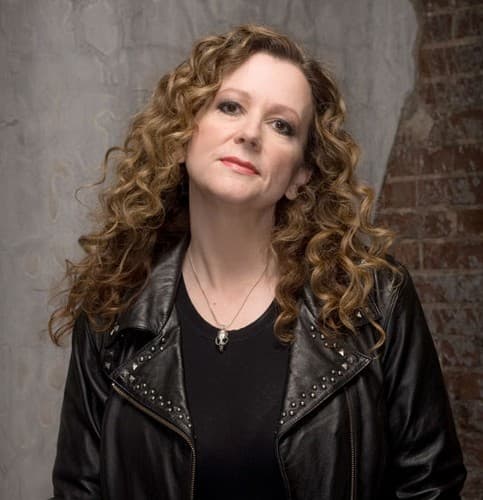
Laurell K. Hamilton is an American author known for her contributions to the urban fantasy genre. Her notable works include "Guilty Pleasures," "Micah," "Bullet," "Swallowing Darkness," and "Danse Macabre," which often blend elements of horror and romance. Hamilton's writing features strong, complex characters and explores themes of supernatural beings and their interactions with the human world.
Similar books
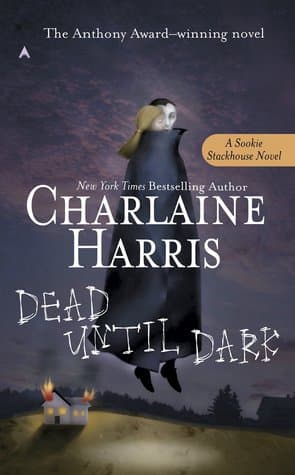
- Dead Until Dark
Charlaine Harris
4.0 (496k) average on GoodreadsFantasyFeatures a strong female protagonist navigating a world of vampires and supernatural creatures.
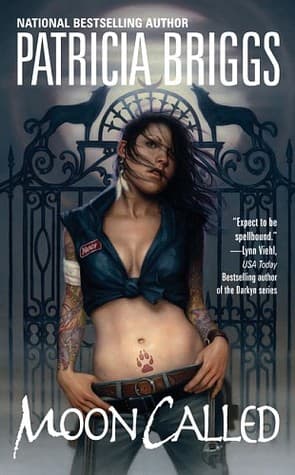
- Moon Called
Patricia Briggs
4.2 (176k) average on GoodreadsFantasyUrban fantasy with a focus on pack dynamics, supernatural politics, and a powerful female lead.
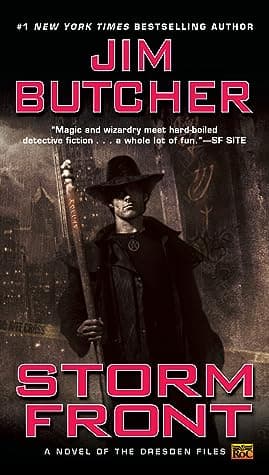
- Storm Front
Jim Butcher
4.0 (294k) average on GoodreadsFantasyButcher's Storm Front offers a male-centric urban fantasy perspective, prioritizing mystery, magical combat, and detective work. Romantic subplots are present but typically serve as secondary elements. Danse Macabre, in contrast, dedicates significantly more narrative space to the psychological and emotional impact of the protagonist's relationships and 'The Maternal Instinct's Grip', making for a different reading experience.
- The Diary of a Young Girl
Anne Frank
4.2 (2.7M) average on GoodreadsBiographyDuring the Nazi occupation, a teenage girl's diary, written from a secret annex, shares observations on humanity, hope, and the wait for freedom.
- Eat, Pray, Love
Elizabeth Gilbert
3.6 (1.5M) average on GoodreadsLifestyleA heartbroken writer leaves her conventional life for a year-long global search for pleasure in Italy, spiritual devotion in India, and unexpected love and balance in Bali.
- Night
Elie Wiesel
4.3 (970k) average on GoodreadsBiographyIn the darkness of Auschwitz and Buchenwald, a teenage Elie Wiesel faces the extermination of his family, the loss of his faith, and the lasting scars of humanity's deepest cruelty.



Enjoyed the summary?
A summary gives you the shape of the book. The book itself has the detail, the examples and the voice.
Find Danse Macabre on AmazonAs an Amazon Associate, BookBrief earns from qualifying purchases. How we're funded