
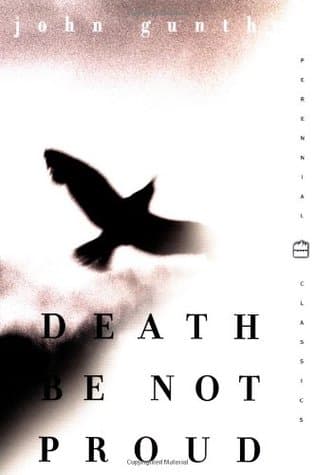
Core Idea
- Difficulty
- Medium
- Read it if
- You are seeking a deeply moving, intellectually stimulating, and heartbreakingly honest account of coping with terminal illness, the power of purpose in the face of adversity, and the enduring strength of familial love.
- Skip it if
- You are looking for a lighthearted read, are sensitive to detailed accounts of illness and medical struggle, or find stories of premature death too difficult to process.
Key Takeaways from Death Be Not Proud
The Unbreakable Spirit of Youth
Johnny's intellectual brilliance and zest for life defied his grim prognosis.
John Gunther creates a moving picture of his son, Johnny, as a seventeen-year-old gifted boy whose intelligence and energy were remarkable, even before his illness. Johnny excelled in physics, math, and chess, showing a mind capable of deep understanding and complex problem-solving. Beyond school, he was an energetic, active, and kind person, full of youthful enthusiasm and a love for life. This early description is important because it shows the great loss and the magnitude of the spirit that would later face an impossible challenge. His character before his illness emphasizes the tragedy, making his subsequent fight even more heroic and sad. It reminds us that potential, tragically cut short, often shines brightest when we look back, leaving a lasting impression on those who knew him.
“He lived an incredibly concentrated, almost incredibly full life, and he died, as he lived, with magnificent courage.”
In the book: The father's initial fond, vivid portrait of Johnny, highlighting his extraordinary intellectual promise, excellence in physics, math, and chess, and his active, good-hearted, and fun-loving nature.
Try this: Appreciate and foster the unique talents and passions of young people, understanding that every moment of their development is precious, regardless of future uncertainties.
Related ideas: youthful-potential, intellectual-prowess, parental-love
Relentless Pursuit of Hope
Parents' desperate fight for their son's life against an aggressive brain tumor.
The main part of the memoir describes the difficult months during which John Gunther and his former wife, Frances, tried every possible option to stop the spread of Johnny's aggressive brain tumor. This is not just a medical story; it shows the strong, almost instinctive, drive of parental love. They navigate a maze of standard and experimental treatments, finding specialists, trying new drugs, and exploring alternative therapies, all while trying to keep Johnny comfortable and happy. Their journey shows the emotional and practical difficulties of caring for a terminally ill child, highlighting their great resilience and the deep hope they held onto, even when faced with overwhelming odds. It is a clear reminder of how far love will go when facing the ultimate challenge.
“We tried everything. No stone was left unturned, no possible remedy ignored.”
In the book: The detailed description of the 'agonized months' where Gunther and his former wife 'try everything in their power to halt the spread of Johnny's cancer and to make him as happy and comfortable as possible.'
Try this: For caregivers facing similar challenges, find support systems and remember that the effort itself, born of love, is a profound act, regardless of the outcome. Focus on providing comfort and presence.
Related ideas: parental-grief, medical-odyssey, unconditional-love
Dignity in the Face of Death
Johnny's unwavering courage and wit persisted until his final moments.
One of the most striking parts of Johnny's story is his remarkable ability to keep his courage, humor, and quiet friendliness even as his body failed him. This is not a romanticized picture; it is a carefully observed account of a young man facing his death with great grace. Despite physical decline and the certain approach of death, Johnny's core character remained. His humor brought moments of lightness, his friendliness comforted those around him, and his courage was a quiet, profound act of resistance against despair. This resilience turns his suffering into a powerful lesson on human dignity and the lasting strength of the spirit, even when everything else is lost. It makes us consider what truly defines a person in their final moments.
“He was a boy who faced death with a smile, a jest, and an unshakeable spirit.”
In the book: The statement that 'Johnny maintained his courage, wit and quiet friendliness up to the end of his life.'
Try this: Cultivate inner strength and a sense of self that transcends physical circumstances. Practice finding moments of humor and connection, even in difficult times, as a way to maintain dignity.
Related ideas: courage-in-illness, human-dignity, resilience
The Power of Purpose
Completing his studies gave Johnny a final, meaningful goal.
In the last months of his life, Johnny set the difficult goal of finishing his high school studies. This was not just about academic success; it was a profound act of self-determination and a search for meaning when facing impending death. By focusing on his studies, Johnny regained a sense of normalcy and purpose, showing that even when life is brutally cut short, the human spirit desires achievement and contribution. His dedication to learning, despite his worsening health, offers a powerful example of the lasting value of education and the psychological comfort of having a goal to work towards. It gave him a reason to push through pain and fatigue, showing how purpose can sustain us even in the worst situations.
“He was determined to finish, to prove to himself, and to us, that he could still achieve.”
In the book: The detail that 'In the last months of his life, Johnny strove hard to complete his high school studies.'
Try this: Identify and pursue meaningful goals, even small ones, especially during times of adversity. Purpose can provide direction and a sense of accomplishment that transcends external limitations.
Related ideas: purpose-driven-life, academic-perseverance, meaning-in-suffering
A Graduation Beyond Academics
Deerfield ceremony symbolizes triumph of spirit over physical decay.
The scene of Johnny's graduation ceremony from Deerfield Academy is one of the most powerful and sad moments in the book. It is a deeply symbolic event, representing not just the completion of his academic goals, but a great victory of his spirit over his illness. To see him there, weak yet determined, among his classmates, is a very emotional experience. This graduation is less about the diploma and more about confirming his identity, his perseverance, and the collective love and admiration of his community. It emphasizes that true success can be measured not just by how long one lives, but by the integrity and courage with which one lives, especially when facing the ultimate challenge. It is a moment of deep, bittersweet triumph.
“It was not just a graduation; it was a testament to a life lived fully, to the very end.”
In the book: The description of the 'scene of his graduation ceremony from Deerfield Academy' as 'one of the most powerful - and heartbreaking - in the entire book.'
Try this: Celebrate milestones, big and small, as affirmations of effort and resilience. Recognize that some achievements are more about the journey and the spirit than the final outcome.
Related ideas: symbolic-moments, triumph-of-spirit, community-support
The Unbearable Weight of Loss
The book is a raw exploration of profound parental grief.
While seemingly about Johnny's struggle, 'Death Be Not Proud' is, at its heart, a intense look at parental grief. John Gunther's story, though controlled and respectful of his son's privacy, implicitly conveys the crushing weight of watching a child suffer and eventually die from an incurable illness. The careful details of Johnny's decline, the parents' desperate efforts, and the ultimate finality of his death all communicate the deep and lasting pain of such a loss. The book does not avoid the emotional devastation, allowing readers to see the raw anguish and the long shadow that such a tragedy casts over a family. It shows the lasting bond between parent and child and the ultimate fragility of life.
“His death left a void that could never truly be filled, a silence that echoed through our lives.”
In the book: The entire narrative structure, which is a father's memoir of his son's illness and death, inherently conveys the 'unbearable weight of loss' through his detailed recounting and reflective tone.
Try this: Acknowledge and validate the depth of grief experienced by parents who lose a child. Offer empathetic support and understand that healing is a long, non-linear process.
Related ideas: grief-and-loss, parental-suffering, memoir-of-grief
Science and Hope's Limits
Despite medical advances, some battles remain unwinnable.
The Gunthers' constant search for a cure for Johnny highlights the frustrating limits of medical science, especially in the mid-20th century. Despite their access to top specialists and experimental treatments, the aggressive nature of Johnny's brain tumor was too much to overcome. This part of the book is a serious reminder that even with the most dedicated efforts and the best available knowledge, some diseases remain beyond our current abilities. It brings up feelings of both the promise and the profound limitations of medicine, making readers face the harsh reality that not every illness can be cured, and that hope, while essential, must sometimes give way to acceptance. It is a powerful comment on human vulnerability.
“We threw everything modern medicine had at it, and still, it was not enough.”
In the book: The repeated attempts by the parents to 'try everything in their power to halt the spread of Johnny's cancer,' implying numerous medical interventions that ultimately failed.
Try this: Support medical research and compassionate care, while also acknowledging the importance of palliative care and acceptance when cures are not possible. Balance hope with realism.
Related ideas: medical-ethics, terminal-illness, scientific-limits
Love's Enduring Legacy
Johnny's life, though short, left an indelible mark of love and inspiration.
Ultimately, 'Death Be Not Proud' shows the lasting power of love. Johnny's short life, marked by great intelligence and courage, deeply affected his parents and everyone who knew him. The book itself, written by his father, is an act of deep love, preserving Johnny's memory and sharing his story with the world. This legacy is not just about the sadness of loss, but about the inspiration from his resilience, his pursuit of knowledge, and his strong spirit. It suggests that the true measure of a life is not its length, but the depth of connection and the positive influence it leaves behind. Johnny's story continues to inspire empathy and admiration, making him a symbol of youthful courage.
“Though his life was brief, the love he inspired and the lessons he taught endure forever.”
In the book: The very existence of the book, written by his father, as an act of remembrance and tribute, attests to the lasting impact and 'love's enduring legacy.'
Try this: Live a life that creates positive impact and fosters deep connections. Understand that our legacy is often built on the love we give and receive, and the inspiration we provide to others.
Related ideas: legacy-of-love, impact-of-life, enduring-memory
The Intimacy of Suffering
The memoir offers a deeply personal look into a family's private agony.
John Gunther's memoir offers a rare intimate and direct look into the private suffering of a family dealing with terminal illness. Unlike impersonal medical reports, the book draws readers into the daily realities of Johnny's decline, the emotional toll on his parents, and the desperate hope that flickered even in the darkest moments. This intimacy is achieved through the father's personal reflections, his observations of Johnny's character, and the detailed recounting of their efforts. It humanizes the experience of illness and grief, making it deeply relatable and profoundly moving. The story respects Johnny's dignity while clearly showing the agony, making it a powerful document of human vulnerability and resilience.
“Every day was a battle, fought not just by him, but by all of us, in the quiet corners of our hearts.”
In the book: The book's genre as a 'Biography, Memoir' and its focus on the 'agonized months' and the parents' efforts to make Johnny 'as happy and comfortable as possible' highlights this intimate perspective.
Try this: Approach those experiencing illness or grief with empathy and respect for their private struggles. Recognize that suffering is multifaceted and often deeply personal, requiring sensitivity and understanding.
Related ideas: empathy-and-suffering, family-grief, personal-narrative
Death Be Not Proud Quotes
“The long fight to save Johnny was over. He was dead.”
“But Johnny was not a patient. He was a person, and one of the most vivid and attractive persons I have ever known.”
“He lived every minute of his life, even when he was dying.”
“A man should never be ashamed to own that he has been in the wrong, which is but saying, in other words, that he is wiser today than he was yesterday.”
“The greatest thing in the world is to know how to belong to oneself.”
“He was, in short, a boy who thought.”
“He met death with a kind of gay intellectual curiosity.”
“The doctors could not save him, but they bought him time.”
“His mind, despite everything, remained clear and acute almost to the last.”
“One does not write a book like this to be cheerful.”
“He was a boy who looked at the world with vivid interest, and who wanted to know everything there was to know.”
“Death be not proud, though some have called thee / Mighty and dreadful, for thou art not so.”
“It is not the length of life, but the depth of life.”
“His courage was not of the kind that ignores danger, but of the kind that confronts it.”
Quiz
10 questions on the main ideas. Each answer comes with a short explanation.
Question 1
What was the primary academic subject in which Johnny Gunther particularly excelled, demonstrating extraordinary intellectual promise?
- English Literature
- History
- Physics and Math
- Foreign Languages
Show answer
C. Physics and Math The book explicitly states that Johnny was a young man of extraordinary intellectual promise, who excelled at physics, math, and chess.
Question 2
What type of illness did Johnny Gunther battle, which ultimately led to his death?
- Leukemia
- A malignant brain tumor
- Heart disease
- Tuberculosis
Show answer
B. A malignant brain tumor The book's description clearly states that Johnny's struggle was against 'the malignant brain tumor that killed him'.
Question 3
Which educational institution did Johnny Gunther graduate from shortly before his death?
- Harvard University
- Andover Academy
- Deerfield Academy
- Phillips Exeter Academy
Show answer
C. Deerfield Academy The summary highlights the 'scene of his graduation ceremony from Deerfield Academy' as a powerful moment in the book.
Question 4
What was the approximate age of Johnny Gunther when he passed away?
- Thirteen
- Seventeen
- Twenty-one
- Fifteen
Show answer
B. Seventeen The book states that Johnny 'died at the age of seventeen'.
Question 5
Beyond his academic prowess, what other key characteristics did Johnny possess, as described by his father?
- He was reclusive and cynical.
- He was active, good-hearted, and fun-loving.
- He was overly competitive and aggressive.
- He was quiet and withdrawn, lacking social skills.
Show answer
B. He was active, good-hearted, and fun-loving. His father's portrait describes him as 'an active, good-hearted, and fun-loving kid' in addition to his intellectual gifts.
Question 6
Who were the two main individuals, besides Johnny, who actively tried to halt the spread of his cancer and ensure his comfort?
- His grandparents
- His school teachers
- John Gunther and his former wife Frances
- A team of specialized nurses
Show answer
C. John Gunther and his former wife Frances The 'heart of the book is a description of the agonized months during which Gunther and his former wife Frances try everything in their power'.
Question 7
What specific character traits did Johnny maintain 'up to the end of his life' despite his illness?
- Bitterness and resentment
- Apathy and indifference
- Courage, wit, and quiet friendliness
- Demanding and impatient behavior
Show answer
C. Courage, wit, and quiet friendliness The text states, 'Johnny maintained his courage, wit and quiet friendliness up to the end of his life.'
Question 8
The book is categorized as a Biography and Memoir. How does the narrative structure reflect this, particularly in its opening?
- It begins with an in-depth medical report of Johnny's condition.
- It opens with his father's fond, vivid portrait of his son.
- It immediately details the experimental treatments Johnny underwent.
- It starts with a historical overview of brain cancer research.
Show answer
B. It opens with his father's fond, vivid portrait of his son. The description explicitly states, 'The book opens with his father's fond, vivid portrait of his son'. This sets a personal, memoiristic tone before delving into the medical struggle.
Question 9
Why is the scene of Johnny's graduation ceremony from Deerfield Academy considered one of the 'most powerful - and heartbreaking - in the entire book'?
- Because Johnny refused to attend the ceremony.
- Because it highlighted Johnny's significant achievement despite his fatal illness, knowing his life was ending soon after.
- Because it was the first time his parents saw him in months.
- Because he delivered a controversial valedictorian speech.
Show answer
B. Because it highlighted Johnny's significant achievement despite his fatal illness, knowing his life was ending soon after. The power and heartbreak stem from the context: Johnny strove hard to complete his studies in his last months, graduating less than a month before his death, making the achievement poignant and tragic.
Question 10
What is the overarching theme conveyed by the parents' 'agonized months' of trying 'everything in their power to halt the spread of Johnny's cancer and to make him as happy and comfortable as possible'?
- The futility of modern medicine in the face of terminal illness.
- The profound and desperate love of parents for their child.
- The importance of seeking alternative medical treatments.
- The emotional detachment required in medical care.
Show answer
B. The profound and desperate love of parents for their child. The 'agonized months' and the parents' relentless efforts to save Johnny and ensure his well-being strongly convey the profound and desperate love they held for their son in the face of tragedy.
Death Be Not Proud FAQ
What is 'Death Be Not Proud' about?
'Death Be Not Proud' is a poignant memoir by John Gunther, detailing his seventeen-year-old son Johnny's courageous battle with a malignant brain tumor. It chronicles Johnny's life, his intellectual promise, and the desperate efforts of his parents to save him while ensuring his comfort and happiness.
Who was Johnny Gunther?
Johnny Gunther was the son of author John Gunther, a brilliant and promising young man who excelled in physics, math, and chess, and was also an active and good-hearted individual. His life and struggle against a brain tumor are the central focus of his father's memoir.
Does the book offer medical advice for brain tumors?
No, 'Death Be Not Proud' does not offer medical advice. It is a personal memoir describing the medical treatments available in the 1940s and the emotional journey of a family facing a terminal illness, rather than a guide to contemporary medical practice.
What kind of treatments did Johnny Gunther undergo?
Johnny underwent various experimental and conventional treatments available in the 1940s, including surgeries, radiation therapy, and a range of less conventional approaches as his parents desperately sought a cure. The book details their exhaustive search for solutions across different medical institutions.
How does 'Death Be Not Proud' differ from other memoirs about grief?
'Death Be Not Proud' stands out for its focus not just on grief, but on the active, determined fight for life and the extraordinary intellectual and emotional resilience of Johnny himself. It emphasizes the parents' tireless efforts to find a cure and provide comfort, offering a detailed account of the medical journey alongside the emotional one.
Is 'Death Be Not Proud' a sad book?
While inherently sad due to its subject matter, 'Death Be Not Proud' is also a testament to courage, love, and the human spirit. It contains moments of joy, wit, and profound connection, making it a powerful and moving read that, despite its tragic ending, also celebrates life.
What is the significance of Johnny's graduation ceremony?
Johnny's graduation ceremony from Deerfield Academy is one of the most powerful and heartbreaking scenes in the book. It symbolizes his determination to complete his studies despite his illness and represents a poignant triumph of spirit just weeks before his death, making it a deeply emotional moment for his family and readers.
What literary themes are explored in 'Death Be Not Proud'?
The book explores themes of parental love, loss, the fragility of life, the limitations of medicine, and the indomitable human spirit in the face of death. It also touches on the nature of courage, intellectual curiosity, and the search for meaning amidst suffering.
About the author

John Gunther was an American author known for his non-fiction works. His notable book, "Death Be Not Proud," is a poignant memoir that reflects on the life and death of his son. Gunther's writing often explores themes of personal experience and human resilience.
Similar books
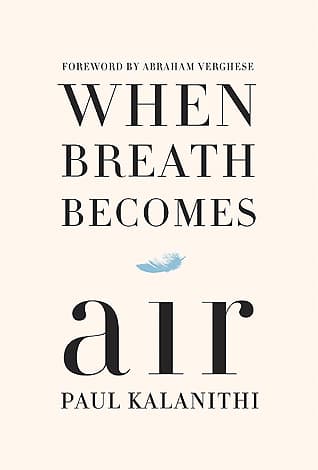
- When Breath Becomes Air
Paul Kalanithi
4.4 (415k) average on GoodreadsBiographyExplores a doctor's own terminal illness, focusing on meaning and purpose at life's end.
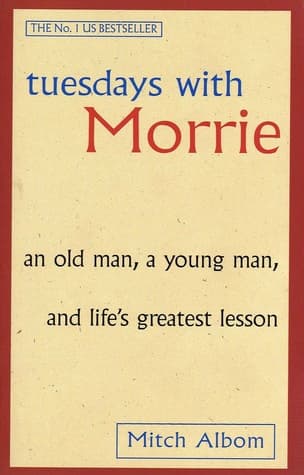
- Tuesdays with Morrie
Mitch Albom
4.1 (782k) average on GoodreadsBiographyA student learns life lessons from his dying professor, emphasizing dignity and reflection.
- The Year of Magical Thinking
Joan Didion
3.9 (142k) average on GoodreadsPsychologyA memoir on grief and loss, particularly the sudden death of a loved one.
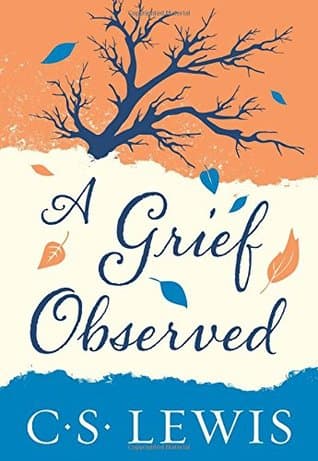
- A Grief Observed
C.S. Lewis
4.2 (58k) average on GoodreadsBiographyWhile both memoirs deal with profound loss, Lewis's 'A Grief Observed' is a more introspective and philosophical examination of faith, doubt, and the nature of grief following the death of his wife. Gunther's book is more narrative-driven, focusing on the biographical journey of his son and the desperate search for a cure, making it less an exploration of abstract theological questions and more a concrete account of struggle and love. Gunther's approach is more outwardly focused on the events and the person lost, whereas Lewis delves deeply into the internal landscape of the mourner's mind and spirit.
- The Diary of a Young Girl
Anne Frank
4.2 (2.7M) average on GoodreadsBiographyDuring the Nazi occupation, a teenage girl's diary, written from a secret annex, shares observations on humanity, hope, and the wait for freedom.
- Eat, Pray, Love
Elizabeth Gilbert
3.6 (1.5M) average on GoodreadsLifestyleA heartbroken writer leaves her conventional life for a year-long global search for pleasure in Italy, spiritual devotion in India, and unexpected love and balance in Bali.



Enjoyed the summary?
A summary gives you the shape of the book. The book itself has the detail, the examples and the voice.
Find Death Be Not Proud on AmazonAs an Amazon Associate, BookBrief earns from qualifying purchases. How we're funded