
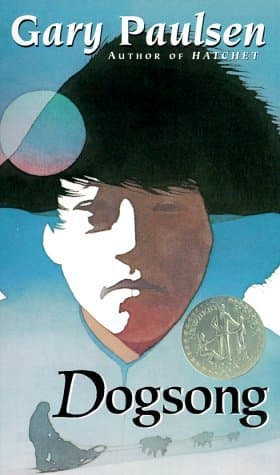
Synopsis
Covers the whole plot, including the ending.
- Difficulty
- Easy
- Pacing
- Moderate
- Mood
- Reflective, Adventurous, Serene, Evocative
- Read it if
- You enjoy coming-of-age stories, wilderness survival, or tales about finding one's identity and connecting with ancestral roots.
- Skip it if
- You prefer fast-paced plots with constant action or stories set in urban environments.
Dogsong Plot Summary
Covers the whole plot, including the ending.
Russel's Discontent and Oogruk's Wisdom
Russel Susskit, a fourteen-year-old Inuit boy, lives in a modern Alaskan village with snowmobiles, diesel fumes, and television. He feels a deep unease and wants to live like his ancestors, which seems lost to his community. His father, a hunter, uses a snowmobile, and dog teams are almost gone. Russel tells Oogruk, an elderly shaman and the last dog musher in the village, about his feelings. Oogruk understands Russel's desire. Oogruk, though unsure at first, begins to teach Russel about traditional ways, like the importance of quiet, watching, and the spirit world. Russel starts spending more time with Oogruk and his dogs, feeling more connected to the past.
The Dream and the Call to Journey
Russel often has a strong, repeating dream. In this dream, he sees himself as an ancient hunter, running with dogs, feeling the cold, and having a strong sense of belonging. The dream feels so real it seems like a memory, a call from a past life. This dream makes him want even more to find his own 'song' – a traditional Inuit way of expressing identity, often found through a big life event. He talks about the dream with Oogruk, who says it means Russel must go alone into the wilderness with Oogruk's dog team to find himself and his song. Oogruk gets Russel ready for the difficulties of survival.
Departure into the Wilderness
Following Oogruk's advice, Russel takes only a few things: a knife, a sleeping bag, some dried meat, and a rifle. He takes Oogruk's dog team, learning to harness and command them. Oogruk gives final advice, saying to listen to the land, trust the dogs, and find strength inside himself. With a heavy heart but a firm spirit, Russel leaves the village, going north into the large, frozen wilderness. The first days are hard; he struggles with the cold, driving the dogs, and the quiet of the landscape, feeling both scared and excited.
Survival and Connection with Nature
As Russel goes deeper into the wilderness, he slowly loses his modern worries. He learns to hunt for food, setting traps for rabbits and tracking bigger animals. He builds snow shelters, starts fires, and notices nature's patterns. The dogs, at first just for travel, become his friends and teachers; he learns to understand them and trust what they know. He faces blizzards, hunger, and being alone, but each problem makes him stronger and more connected to the land. He watches animals, feels the old pulse of the earth, and starts to understand how his ancestors lived on their own.
Encounter with the Caribou
During his trip, Russel sees many caribou migrating. He hides and watches in wonder as thousands of caribou pass, a sight of great power. This experience moves him deeply, showing him how all life is connected and how big the natural world is. He feels a basic connection to the animals and the land, a feeling like his dreams in the village. This moment is a big step in his spiritual awakening, helping him understand life and death in the wilderness and his place in it. He sees how delicate and strong life is.
Meeting Lonnie, the Trapper
Russel finds a remote trapper's cabin and meets Lonnie, an old trapper. Lonnie, careful at first, later welcomes Russel and shares his knowledge of the wilderness, including trapping, animal behavior, and respecting nature. Lonnie is another example of the old ways, living a life of self-reliance and in tune with the environment. Russel spends a few days with Lonnie, learning practical skills and getting new ideas about his journey. Lonnie's stories and quiet wisdom further help Russel understand his heritage and what it takes to live off the land.
The Pregnant Woman
Continuing his journey, Russel finds a young Inuit woman, very pregnant and alone, struggling in the snow. Her husband had gone hunting and not returned. Even though he has no experience, Russel, guided by instinct and the urgent situation, helps her build a shelter and stay warm. He helps her through a difficult labor, and she has her baby. This unexpected and important experience makes Russel face life and death directly. He feels a strong sense of responsibility and ability, realizing his own strength in a new way. This act of helping someone marks a big change for him.
The Return to the Village
After helping the woman and her new baby, Russel decides it is time to go back. The return trip is different; he is no longer the unsure boy who left. He moves with confidence, aware of the land and his dogs. He thinks about his experiences – the hunger, the cold, the caribou, Lonnie, and the baby's birth. He realizes he has found his 'song,' not as a real melody, but as an inner understanding of who he is and his link to his heritage. He arrives back in his village a changed young man, with the wisdom and strength from his solo journey.
Sharing the Song
Russel returns to find Oogruk waiting, who sees the change in the boy's eyes. Russel, though not talking about his journey in detail, has a quiet confidence and a deeper understanding of himself and his place in the world. He has found his song – his identity rooted in the old ways, but able to live in the modern world. He is no longer unhappy but settled. His journey sparks new interest in the old ways among some villagers, quietly affecting his community. Russel shows that tradition can fit with modern life, becoming a bridge between two worlds.
Dogsong Characters
Russel Susskit
Protagonist
A young Inuit boy seeking his identity and connection to his ancestral heritage.
Russel is a fourteen-year-old Inuit boy living in a modern Alaskan village. He feels a deep sense of disconnect and longing for the 'old ways' of his ancestors, finding the modern conveniences and lifestyle unsatisfying. He is initially quiet, introspective, and uncertain of his place. His driving desire is to find his 'song' – a personal identity and purpose rooted in traditional Inuit culture. He is observant and sensitive, deeply affected by the stories and wisdom of Oogruk. Through his journey, he proves to be resourceful, resilient, and compassionate, capable of remarkable acts of survival and empathy.
Relationships: Oogruk (mentor and spiritual guide); Lonnie (temporary mentor and fellow wilderness dweller); Russel's Father (caring but more assimilated into modern life)
Oogruk
Supporting
The elderly shaman and last dog musher, who guides Russel towards self-discovery.
Oogruk is an old Inuit shaman and the last person in the village to own a dog team and practice the traditional ways. He is wise, patient, and deeply connected to the spirit world and the ancient knowledge of his people. He understands Russel's longing and serves as his primary mentor, preparing him for his journey of self-discovery. Oogruk represents the vanishing past and the enduring wisdom of the Inuit culture. He is a man of few words but profound insight, believing that true understanding comes from direct experience and connection to nature.
Relationships: Russel Susskit (mentor and spiritual guide); The Dogs (deep bond as working partners and companions)
Lonnie
Supporting
An old, solitary trapper who offers Russel practical wisdom and a glimpse into a self-sufficient life.
Lonnie is an elderly, grizzled trapper who lives alone in a remote cabin in the wilderness. He is a pragmatic and experienced frontiersman, hardened by years of living off the land. He represents a different facet of traditional knowledge – the practical skills of survival and the ethics of trapping. Lonnie is initially wary but eventually warms to Russel, sharing his knowledge and offering a temporary respite and companionship. His presence reinforces the theme of self-reliance and respect for nature, showing Russel another way to live in harmony with the wilderness.
Relationships: Russel Susskit (temporary mentor and host)
The Pregnant Woman
Supporting
A young Inuit woman in distress, whose delivery Russel aids, marking a crucial turning point in his journey.
This unnamed young Inuit woman is encountered by Russel in the wilderness, heavily pregnant and alone after her husband's disappearance. Her predicament forces Russel into an unexpected role of responsibility and aid. Her vulnerability and the subsequent childbirth challenge Russel in a profound way, making him confront the raw realities of life and death and testing his acquired survival skills and compassion. Her presence is pivotal in Russel's journey, as assisting her through childbirth solidifies his sense of capability and purpose.
Relationships: Russel Susskit (rescued by and aided in childbirth)
Russel's Father
Supporting
A pragmatic hunter who has largely embraced modern village life.
Russel's father is a hunter who, unlike Oogruk, has largely adopted modern technologies like the snowmobile for his work. He represents the generation that has moved away from the 'old ways' but still retains a connection to the land through his hunting. While he cares for Russel, he doesn't fully understand his son's longing for tradition. His presence highlights the generational gap and the tension between traditional and modern lifestyles in the village.
Relationships: Russel Susskit (father-son relationship, with a gap in understanding)
The Dog Team
Supporting
Oogruk's sled dogs, who become Russel's companions, teachers, and a link to the ancient ways.
The dog team, though not individual characters in the human sense, plays a crucial role. They are Oogruk's last team and become Russel's companions and means of transport on his journey. Each dog has a distinct personality, and Russel learns to understand and trust them. They teach him about teamwork, endurance, and the primal connection between humans and animals in the wilderness. They are a living embodiment of the 'old ways' and instrumental in Russel's survival and spiritual growth.
Relationships: Russel Susskit (working partners and companions); Oogruk (loyal working partners)
Dogsong Themes
Identity and Self-Discovery
The main theme is Russel's search for his 'song' – his unique identity. Unhappy with his modern village life, he goes into the wilderness to connect with his ancestors. Through survival challenges, encounters with nature, and helping others, Russel learns about his own abilities, strength, and kindness. He finds an identity based on both tradition and his own experiences. His journey is a classic coming-of-age story set during a cultural change.
“He knew then that his song was not a thing of words, but of feeling, of knowing who he was and what he could do.”
The Conflict Between Tradition and Modernity
The book clearly shows the difference between ancient Inuit ways and the modern world. Russel's village has snowmobiles, television, and diesel fumes, which show the loss of old culture. Oogruk represents the 'old ways,' while Russel's father uses modern things. Russel's journey tries to connect these two, to honor his heritage without rejecting new things. The wilderness itself stands for the lasting power of tradition, free from modern influences.
“The snowmobiles, the constant roar of the engines, the smell of diesel oil... it was all wrong. It was not the way.”
Human's Relationship with Nature
This theme looks at the strong link between people and nature, especially in a tough place like the Arctic. Russel's journey makes him live in balance with nature, learning to hunt, build shelter, and deal with the weather. He sees the caribou migration, gaining a deep respect for the cycle of life and death. The dogs also show this connection, being important partners for survival. The book shows that living close to nature builds strength, spiritual understanding, and a feeling of belonging.
“The land was not empty. It was full. Full of life, full of cold, full of silence, full of song.”
Survival and Resilience
Russel's journey shows human strength and the will to survive. He faces extreme cold, hunger, loneliness, and the dangers of the wilderness. Each challenge, from setting traps to building snow shelters to helping with childbirth, pushes him and makes him learn new skills and inner strength. His strength is not just physical but also mental and spiritual, as he overcomes fear to become capable and confident.
“He was cold, so cold he could not feel his fingers, but he was alive. He was still alive.”
Plot Devices & Literary Techniques
The 'Song'
A symbolic representation of an individual's identity, purpose, and connection to their heritage.
The 'song' is a central symbolic device in the novel. It is not a literal melody but a metaphor for Russel's personal quest for identity and meaning within his Inuit culture. In traditional Inuit society, a 'song' was often found through a significant life experience, reflecting one's spirit and place in the world. For Russel, finding his song means understanding his connection to the ancient ways, his capabilities, and his purpose. His journey into the wilderness is the process of discovering this internal 'song', which grounds him and gives him a sense of belonging.
The Recurring Dream
A premonitory and guiding vision that compels Russel to embark on his journey.
Russel's recurring dream, where he sees himself as an ancient hunter running with dogs, serves as a powerful psychological and spiritual catalyst for his journey. It is a premonitory vision that connects him to his ancestral past and ignites his longing for the old ways. The dream is so vivid and real that it feels like a memory, suggesting a deep, inherited connection to his heritage. It provides the initial impetus for his quest, acting as a call to adventure and validating his feelings of disconnect from modern life, pushing him towards self-discovery.
The Wilderness (Arctic Landscape)
A setting that acts as a teacher, a crucible for transformation, and a symbol of traditional life.
The vast, harsh Arctic wilderness is more than just a setting; it is a major character and a powerful plot device. It serves as a crucible where Russel is stripped of modern comforts and forced to confront himself and nature directly. The wilderness becomes his teacher, imparting lessons in survival, resilience, and the rhythms of life and death. It symbolizes the enduring 'old ways' and offers a pristine environment where Russel can reconnect with his heritage, free from the distractions of the modern village. Its stark beauty and unforgiving nature facilitate his profound transformation.
Dogsong Quotes
“The old ways are lost, and the dogs are the only thing that remembers the songs.”
“A man is what he does, not what he says.”
“The song of the dogs is the song of the land.”
“You do not find yourself, you make yourself.”
“Cold is not an enemy if you know how to live with it.”
“The snow has a memory, and it sings to those who listen.”
“A dog team is not pulled, it is led.”
“Hunger is a teacher that never sleeps.”
“The world is made of stories, and we are the tellers.”
“Silence is not empty; it is full of answers.”
“To run with dogs is to run with the wind of your ancestors.”
“Fear is a fire that burns only what you feed it.”
“The land does not care if you live or die, but it will teach you how to live.”
“A song is not just a sound; it is a map of where you have been.”
Quiz
10 questions on the plot and the characters. Each answer comes with a short explanation.
Question 1
What is the primary reason Russel Susskit feels dissatisfied with his life at the beginning of the book?
- He dislikes school and wants to drop out
- He is tired of hunting and fishing with his family
- He hates the modern sounds and smells of his village, like diesel oil and snow machines
- He wants to move to a big city for more opportunities
Show answer
C. He hates the modern sounds and smells of his village, like diesel oil and snow machines Russel is deeply bothered by the modern elements in his Inuit village, specifically his father's coughing, the smell of diesel oil, and the noise of snow machines, which contrast with his longing for the traditional ways.
Question 2
Who is Oogruk in the story?
- Russel's father who teaches him to hunt
- A shaman who owns the last team of dogs in the village
- A schoolteacher who encourages Russel to study history
- A trader who brings modern goods to the village
Show answer
B. A shaman who owns the last team of dogs in the village Oogruk is the village shaman who understands Russel's desire for the old ways and owns the last dog team, which becomes crucial for Russel's journey.
Question 3
What does Russel dream about that drives him to embark on his journey?
- A dream of becoming a famous musician
- A dream of finding gold in the Arctic
- A dream of a long-ago self, possibly a past life as an Inuit hunter
- A dream of escaping to a warmer climate
Show answer
C. A dream of a long-ago self, possibly a past life as an Inuit hunter Russel experiences a powerful dream of a long-ago self, which, combined with his desire to find his own song, motivates him to take Oogruk's dogs on a journey of self-discovery.
Question 4
What does Oogruk prepare Russel for before his journey?
- Teaching him how to repair snow machines
- Giving him a map of the Arctic to follow
- Preparing him mentally and spiritually, but not giving direct answers
- Providing him with modern survival gear
Show answer
C. Preparing him mentally and spiritually, but not giving direct answers Oogruk acts as a mentor who helps Russel prepare for the journey through spiritual guidance, but he emphasizes that Russel must find the answers himself, reflecting the theme of self-reliance.
Question 5
What is a key theme explored in Russel's journey?
- The importance of technology in modern life
- The conflict between tradition and modernity in Inuit culture
- The benefits of urbanization for indigenous communities
- The dangers of wildlife in the Arctic
Show answer
B. The conflict between tradition and modernity in Inuit culture The book delves into the tension between traditional Inuit ways and modern influences, as seen through Russel's rejection of snow machines and his quest to reconnect with ancestral practices and songs.
Question 6
How does Russel's journey change him by the end of the book?
- He decides to leave his village permanently
- He gains a deeper understanding of himself and finds his own song
- He becomes a shaman like Oogruk
- He rejects all traditional ways and embraces modernity
Show answer
B. He gains a deeper understanding of himself and finds his own song Through his epic journey with the dogs, Russel undergoes self-discovery, leading to personal growth and the realization of his own identity and song, fulfilling his initial desire.
Question 7
What role do the 'songs' mentioned in the book play?
- They are modern pop songs that Russel listens to on his journey
- They are traditional Inuit songs that celebrate the old ways and guide Russel's quest
- They are songs Oogruk writes for Russel to memorize
- They are used as lullabies to calm the dogs during the journey
Show answer
B. They are traditional Inuit songs that celebrate the old ways and guide Russel's quest The songs symbolize the cultural heritage and spiritual connection to the past that Russel seeks, serving as a motif for his journey toward self-discovery and tradition.
Question 8
Why does Russel take Oogruk's dogs on his journey?
- Because they are the fastest dogs in the village for racing
- Because they are the last dog team, representing a link to the traditional way of travel
- Because Oogruk forces him to take them as a test
- Because Russel wants to sell them for money
Show answer
B. Because they are the last dog team, representing a link to the traditional way of travel The dogs are symbolic of the old ways, as they are the last team in the village, contrasting with modern snow machines and embodying the traditional lifestyle Russel yearns for.
Question 9
What does the 'dream of a long-ago self' likely represent in the context of the story?
- A literal memory from a past life as an Inuit ancestor
- A symbolic connection to Russel's cultural heritage and identity
- A nightmare warning him about the dangers of the journey
- A premonition of future events in his life
Show answer
B. A symbolic connection to Russel's cultural heritage and identity The dream serves as a metaphor for Russel's deep-seated longing to reconnect with his Inuit roots and traditions, driving his quest for self-understanding beyond literal interpretation.
Question 10
In what way does the setting of the Arctic wilderness contribute to the story's themes?
- It provides a backdrop for adventure without deeper meaning
- It symbolizes the isolation and challenges Russel must overcome to find himself
- It is used mainly to describe the beauty of nature for readers
- It represents a safe haven from village life
Show answer
B. It symbolizes the isolation and challenges Russel must overcome to find himself The harsh Arctic environment mirrors Russel's internal struggle and journey toward self-discovery, emphasizing themes of resilience, tradition, and the transformative power of solitude in nature.
Dogsong FAQ
What is 'Dogsong' about?
'Dogsong' follows Russel Susskit, a modern Inuit teenager disillusioned with his village's reliance on snow machines and diesel. Guided by the shaman Oogruk, Russel embarks on a solo dogsled journey across the Arctic wilderness to rediscover his ancestral heritage, culminating in a transformative vision quest where he finds his own 'song' and identity.
Why should I read 'Dogsong'?
This book offers a powerful coming-of-age story that explores themes of cultural identity, tradition versus modernity, and spiritual awakening through Russel's visceral Arctic journey. Gary Paulsen's sparse, lyrical prose immerses readers in the harsh beauty of the wilderness and the profound inner transformation of a boy reconnecting with his roots.
What is the background/setting of 'Dogsong'?
Set in a contemporary Inuit village in the Alaskan Arctic, the story contrasts the noisy, diesel-fueled modern life with the silent, ancient wilderness Russel traverses by dogsled. The setting shifts from the confined village to the vast, unforgiving tundra and ice, mirroring Russel's journey from confusion to clarity.
What are the most memorable quotes?
Key quotes include Oogruk's wisdom: 'In the old days there were songs... but now there are no songs,' highlighting cultural loss, and Russel's realization: 'He was not a boy anymore, but a man with a song,' marking his transformation. Paulsen's descriptions of the Arctic, like 'the silence was a living thing,' also resonate deeply.
What writing style does the author use?
Gary Paulsen employs a sparse, poetic, and sensory-rich style, with short, impactful sentences that mirror the Arctic's starkness. The prose blends realistic survival details with mystical elements, creating a meditative tone that reflects Russel's inner journey and the timeless quality of the 'old songs.'
What minor details add significant meaning?
Details like the smell of diesel oil and the sound of snow machines symbolize modern alienation, while Oogruk's last team of dogs represents fading tradition. Russel's careful handling of the dogs and his observations of animal tracks subtly show his growing connection to the natural world and ancestral wisdom.
What are some subtle foreshadowing moments?
Oogruk's initial refusal to give Russel answers foreshadows that the journey must be self-guided. Russel's early dream of a 'long-ago self' hints at his eventual vision quest. The deteriorating condition of the village's traditional tools subtly foreshadows the cultural erosion Russel seeks to overcome.
What unexpected character connections exist?
Russel's connection to Oogruk is deeper than mentorship; Oogruk serves as a spiritual bridge to the ancestors. Through his vision, Russel feels a kinship with past Inuit hunters, realizing he is part of an unbroken lineage. The dogs themselves become characters, embodying the 'old ways' Russel yearns for.
What are unspoken character motivations?
Russel is driven by an unspoken fear of losing his cultural identity and a deep-seated need for purpose beyond modern monotony. Oogruk's motivation is not just to teach Russel survival skills but to pass on spiritual wisdom before it vanishes, hoping Russel will become a keeper of the 'songs.'
What psychological complexities do characters exhibit?
Russel grapples with adolescent angst, cultural dislocation, and a longing for authenticity, manifesting as restlessness and vivid dreams. Oogruk embodies the tension between preserving tradition and accepting change, showing patience and sorrow for what has been lost. Both characters display resilience and introspection.
What are the major emotional turning points?
Key moments include Russel's decision to leave the village, symbolizing his break from modernity; his struggle to survive a blizzard, testing his resolve; and the climactic vision where he encounters a prehistoric hunter, leading to an emotional release and the discovery of his personal 'song.'
How do relationship dynamics evolve?
Russel's relationship with Oogruk shifts from student-mentor to one of mutual respect as Russel proves his readiness. His bond with the dogs deepens from practical reliance to spiritual companionship. Ultimately, Russel's connection with his ancestors and himself transforms, moving from alienation to integration.
Which parts remain ambiguous or open-ended?
The nature of Russel's dream and vision is left ambiguous—whether it's supernatural, psychological, or a blend. The exact content of his 'song' is not fully revealed, allowing readers to interpret its meaning. The story's ending suggests ongoing change, leaving Russel's future role in his village open to imagination.
What are controversial scenes or decisions?
Russel's decision to undertake a dangerous solo journey without modern tools could be seen as reckless, highlighting themes of risk versus growth. Some may debate the portrayal of Inuit culture as idealized or simplistic, though Paulsen emphasizes spiritual renewal over critical social commentary.
'Dogsong' ending explained: how it ends & what it means
The book ends with Russel returning to his village transformed, having found his 'song'—a personal and cultural identity rooted in tradition. It signifies his passage into adulthood and a renewed sense of purpose, suggesting that while the old ways may fade, their essence can be rediscovered through individual quests and spiritual connection.
About the author
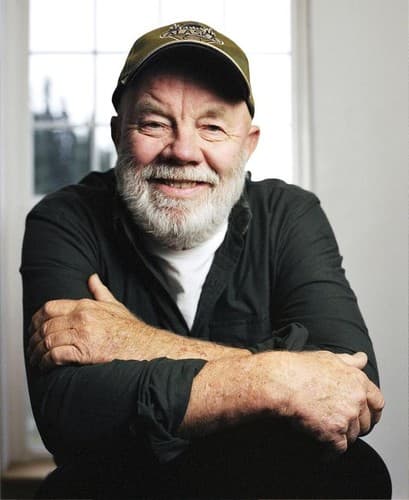
Gary Paulsen is an American author known for his contributions to young adult literature, particularly in the adventure and survival genres. His notable works include "Hatchet," which follows a boy's struggle for survival in the wilderness, and "The River," a sequel that continues this theme. Other significant titles include "Dogsong," "Harris and Me," "Nightjohn," and "The Transall Saga."
Similar books
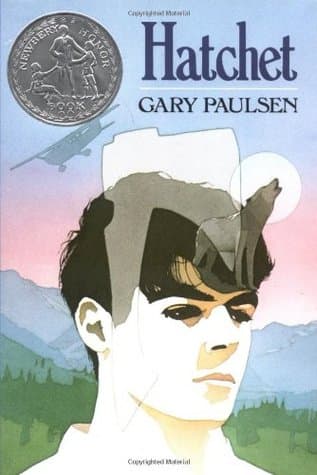
- Hatchet
Gary Paulsen
3.7 (309k) average on GoodreadsChildren'sFeatures a young protagonist surviving alone in the wilderness after a plane crash.
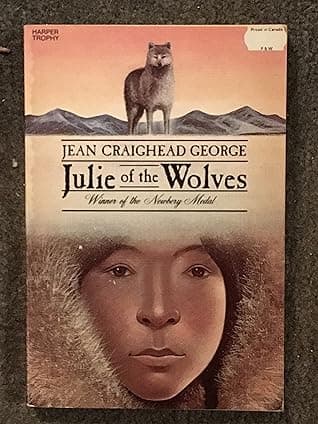
- Julie of the Wolves
Jean Craighead George
3.8 (55k) average on GoodreadsChildren'sAn Inuit girl survives in the Arctic wilderness with the help of a wolf pack.
- Harry Potter and the Sorcerer's Stone
J.K. Rowling
4.5 (7M) average on GoodreadsFantasyRescued from a miserable life under the stairs, an orphaned boy discovers he's a wizard destined for a magical school, where he uncovers a dangerous secret tied to the dark wizard who murdered his parents.
- The Hobbit, or There and Back Again
J.R.R. Tolkien
4.3 (2.9M) average on GoodreadsFantasyA comfort-loving hobbit named Bilbo Baggins is whisked away by a mischievous wizard and a band of dwarves on an unexpected journey to reclaim stolen treasure from a fearsome dragon, discovering courage and a magical ring along the way.
- Harry Potter and the Goblet of Fire
J.K. Rowling
4.6 (2.6M) average on GoodreadsFantasyA bewildered Harry Potter, underage and thrust into a deadly Triwizard Tournament, must brave dragons, mermaids, and a resurgent dark magic to survive a year that will forever alter the wizarding world.
- Harry Potter and the Order of the Phoenix
J.K. Rowling
4.5 (2.5M) average on GoodreadsFantasyIn a year of oppressive secrets and the threat of Voldemort, Harry Potter and Dumbledore's Army secretly train for war, shown through Jim Kay and Neil Packer's dark illustrations.




Enjoyed the summary?
A summary gives you the shape of the book. The book itself has the detail, the examples and the voice.
Find Dogsong on AmazonAs an Amazon Associate, BookBrief earns from qualifying purchases. How we're funded