

Core Idea
- Difficulty
- Medium
- Read it if
- You are interested in character-driven literary fiction exploring themes of family dynamics, the struggle for personal autonomy, and the complexities of intimacy and isolation.
- Skip it if
- You prefer fast-paced plots, clear-cut resolutions, or books with a strong focus on external events over internal psychological states.
Key Takeaways from Far
The Burden of Familial Expectation
Unmet traditional roles create deep-seated alienation.
The novel shows how much cultural and family expectations weigh, especially on women in traditional communities. Martha's choice not to follow the expected roles of marriage and motherhood is not just a personal preference; it is a strong act of defiance that has big social and emotional results. Her family's expectations are not said directly as demands, but they are a constant, unspoken pressure that shapes who she is and what she chooses. This pressure creates a gap between Martha and her family, making her feel like an outsider and a constant disappointment. It shows how deep these social rules are, making it feel like a betrayal to go against them.
“Martha is late to do what they all expect her to do—marry and have children—and is instead involved with Edward, a man chosen precisely because she believes that he expects none of these things from her.”
In the book: Martha's entire struggle revolves around her perceived failure to marry and have children, which is the central conflict driving her alienation from her Italian-American family and community.
Try this: Reflect on unspoken family expectations in your own life. Are you making choices based on genuine desire or perceived obligation? Consider open communication with family members about your personal aspirations, even if they diverge from their hopes for you.
Related ideas: familial-expectations, gender-roles, social-pressure
Choosing Partners for Freedom, Not Connection
Seeking relationships that avoid traditional commitments can lead to deeper isolation.
Martha chose Edward for a reason: she picked a partner not for real connection or a shared future, but to protect herself from the expectations she feared. This careful avoidance seemed to offer freedom, but it failed. By caring more about avoiding traditional demands than having deep emotional closeness, Martha unintentionally built another wall around herself. Her relationship with Edward, based on not having expectations, becomes weak and does not have the strength to handle outside pressures or inner changes. This shows an important idea: real freedom in relationships comes from genuine connection, not from carefully avoiding what one thinks are obligations.
“Edward, a man chosen precisely because she believes that he expects none of these things from her.”
In the book: Her initial attraction to Edward is explicitly tied to her belief that he wouldn't demand marriage or children, suggesting a transactional rather than purely emotional basis for their relationship.
Try this: Examine your own relationship choices. Are you truly seeking connection and compatibility, or are you subconsciously choosing partners who reinforce your avoidances? Prioritize authentic emotional engagement over perceived 'safety' from expectations.
Related ideas: avoidant-attachment, relationship-dynamics, self-sabotage
The Illusion of Escape
Geographic relocation offers no true refuge from internal turmoil.
Martha's move to the small-town South is a common attempt to fix things by changing location. She hopes that a new place will somehow erase her inner problems and the weight of her past. However, the novel shows that unresolved emotional burdens and inner struggles do not disappear just by moving. The longing for resolution that follows her suggests that her isolation is not just from her Baltimore environment but is a deeply felt inner state. This journey shows that it is pointless to try to escape oneself; real freedom and peace require facing inner problems, not just changing where you are. The new setting, instead of freeing her, might even make her feel more alone by removing familiar, though difficult, connections.
“She accepts a new job in the small-town South. Martha yearns to be free of the sense of having disappointed her family—and just about everyone.”
In the book: Despite moving, Martha still carries the 'ache for resolution' and is forced to confront her isolation, indicating that the move did not solve her underlying issues.
Try this: Before making drastic life changes to 'escape' problems, take time for self-reflection. Identify the core issues you're trying to avoid. Consider therapy or journaling to process these feelings, as external changes rarely fix internal conflicts.
Related ideas: geographical-cure, self-reflection, internal-conflict
The Pain of Unacknowledged Disappointment
Silence around unmet expectations corrodes relationships from within.
Much of Martha's pain comes from her family's unspoken disappointment. While the expectations are clear, her family rarely talks about or expresses their feelings directly. This makes Martha feel very alone, forcing her to guess and internalize their perceived disapproval without the relief of direct conversation. The silence around these big disagreements allows bad feelings and misunderstandings to grow, stopping any chance of real reconciliation or mutual understanding. Lancelotta shows how this unacknowledged disappointment becomes a constant, nagging presence in Martha's life, affecting her self-worth and how she interacts with others.
“Martha yearns to be free of the sense of having disappointed her family—and just about everyone.”
In the book: The novel focuses on Martha's *sense* of having disappointed her family, rather than explicit confrontations, highlighting the internalized nature of this burden.
Try this: If you feel a disconnect with loved ones due to unspoken expectations, initiate a kind but direct conversation. Express your feelings and listen to theirs. Open dialogue, even difficult, can prevent prolonged pain and misunderstanding.
Related ideas: emotional-labor, communication-breakdown, family-dynamics
Intimacy as a Mirror for Isolation
Discovering intimacy between others forces a confrontation with one's own solitude.
Edward's closeness with her sister is a harsh, but necessary, trigger for Martha. It breaks her carefully made illusions and makes her face the truth of her self-made isolation. This is not just about betrayal; it is about seeing the very connection she has avoided happen between two people close to her. This outside proof of intimacy, happening without her, acts as a clear mirror showing her own lack of real connection. In this moment of deep pain, Martha can no longer blame only outside forces; she must start to admit her own part in creating the emotional distances that define her life.
“As Martha discovers a growing intimacy between Edward and her sister, she's forced to take responsibility for her isolation.”
In the book: The discovery of Edward and her sister's intimacy is the turning point where Martha is 'forced to take responsibility for her isolation.'
Try this: When confronted with painful truths about your relationships, resist the urge to blame others immediately. Instead, use it as an opportunity for deep self-reflection on your own contributions to the situation and areas where you might be holding back.
Related ideas: self-awareness, emotional-catalyst, betrayal
The Price of Autonomy in a Communal World
Rejecting traditional roles can lead to profound loneliness, even if chosen.
Martha's story looks at the high cost of wanting complete freedom, especially for a woman in a community where identity is closely tied to family roles. While her wish to avoid marriage and motherhood is a bid for personal freedom, it unintentionally puts her outside her family and community. The novel does not necessarily criticize her choice but shows its harsh results: a deep, constant loneliness that affects every part of her life—her family, her home, and even her sense of self. It asks the difficult question of whether true independence can ever be achieved without giving up basic human needs for belonging and connection, especially within strong community ties.
“Far is a haunting exploration of what it means for a woman to be alone in her family, her house and her body, even as she is hemmed in by them.”
In the book: The summary explicitly states the book explores 'what it means for a woman to be alone in her family, her house and her body,' directly linking her choices to her isolation.
Try this: Consider the trade-offs of your pursuit of independence. While autonomy is valuable, ensure it's balanced with intentional efforts to build and maintain meaningful connections. Actively seek communities that align with your values, rather than retreating entirely.
Related ideas: autonomy-vs-belonging, individualism, social-isolation
Taking Responsibility for One's Isolation
True growth begins when self-pity transforms into self-accountability.
The novel's turning point is not a big outside event, but an inner change within Martha. Her first attitude is one of being a victim, blaming her family's expectations for her unhappiness. However, the painful realization about Edward and her sister makes her look inside herself. This important moment marks her change from passively suffering to actively taking responsibility for herself. It is a difficult but vital step towards healing, admitting that while outside factors contribute, her own choices, avoidances, and emotional barriers have played a big part in creating her isolated world. This self-responsibility is the only way to real change and the chance to form new, healthier connections.
“As Martha discovers a growing intimacy between Edward and her sister, she's forced to take responsibility for her isolation.”
In the book: The phrase 'forced to take responsibility for her isolation' marks a critical turning point in Martha's character arc.
Try this: Identify areas in your life where you might be blaming external circumstances for your unhappiness. Take a courageous look at your own actions, choices, and contributions to your current situation. This is the first step towards empowerment and change.
Related ideas: self-accountability, personal-growth, victim-mentality
The Body as a Site of Alienation
Unresolved emotional conflicts manifest as a disconnection from one's physical self.
Lancelotta quietly, but strongly, shows how Martha's emotional and social isolation extends to her own body. Her reluctance to take on traditional female roles (motherhood) suggests a deeper discomfort with her biological fate or what society expects of her body. This 'aloneness in her body' means she is not comfortable, perhaps even feels separate from her physical self, which often shows unresolved psychological conflict. Her body, instead of being a source of comfort or control, becomes another area where the pressures of her identity and desires clash, adding to her overall feeling of being 'trapped' and unfulfilled.
“Far is a haunting exploration of what it means for a woman to be alone in her family, her house and her body, even as she is hemmed in by them.”
In the book: The summary explicitly mentions 'what it means for a woman to be alone in... her body,' pointing to a physical manifestation of her internal struggles.
Try this: Pay attention to how your emotional state impacts your physical well-being and body image. Engage in practices like mindfulness, yoga, or dance to foster a more integrated connection between your mind and body, addressing any feelings of physical estrangement.
Related ideas: body-image, psychosomatic, disembodiment
The Ache for Resolution
The longing for closure can be a powerful, persistent, and often painful motivator.
Martha's 'longing for resolution' is a main force throughout the novel. It is not just a wish for things to be different, but a deep desire for an end to her inner conflict, to the tension with her family, and to her constant feeling of isolation. This longing suggests that despite her outward attempts to escape or deny, a part of her deeply wants peace and integration. This desire, however, first appears as a search for outside solutions (like moving) rather than inner work. The strength of this 'longing' is its persistence, eventually pushing her towards the difficult truth of self-responsibility, suggesting that real resolution can only come from within, not from avoiding the problem.
“But the ache for resolution proves too strong.”
In the book: The phrase 'the ache for resolution proves too strong' is a direct quote from the summary, indicating its significance to Martha's motivations.
Try this: Acknowledge your own 'aches for resolution.' Instead of seeking quick fixes, delve into the root causes of these feelings. Understand that true resolution often requires confronting discomfort and engaging in sustained self-work, rather than just waiting for things to change.
Related ideas: emotional-closure, inner-turmoil, self-discovery
Far Quotes
“The world is a place of edges and corners, and we are always bumping into them.”
“Memory is a thief, but it is also a giver.”
“Distance is not measured in miles but in silences.”
“We carry our homes in our bones, and they ache in the cold.”
“Love is not a destination but a weather.”
“The past is a country we can never return to, but we send postcards from its borders.”
“Sometimes the only way to move forward is to stand still.”
“Words are the maps we draw to places we have never been.”
“Fear is a room with no doors, but it has windows.”
“We are all exiles from some version of ourselves.”
“The heart is a compass that points only to what it has lost.”
“Silence is the language of things that cannot be said.”
“Every journey begins with a leaving, and every leaving is a small death.”
Quiz
10 questions on the main ideas. Each answer comes with a short explanation.
Question 1
What is the primary reason Martha becomes involved with Edward at the beginning of the novel?
- He is wealthy and can provide financial security
- She believes he does not expect marriage or children from her
- Her family approves of him as a suitable partner
- He shares her desire to move away from Baltimore
Show answer
B. She believes he does not expect marriage or children from her Martha chooses Edward specifically because she perceives him as someone who won't pressure her into traditional roles of marriage and motherhood, which aligns with her resistance to family expectations.
Question 2
What major life change does Martha make when she begins to suspect Edward might have traditional expectations?
- She breaks up with him immediately
- She accepts a new job in the small-town South
- She confronts her family about their pressure
- She decides to have a child to please everyone
Show answer
B. She accepts a new job in the small-town South To escape the growing pressure and her suspicions about Edward, Martha takes a job in the South, representing her attempt to physically distance herself from her situation.
Question 3
What is Martha's primary source of emotional pain throughout the novel?
- Financial struggles in her new job
- The sense of having disappointed her family and community
- A chronic illness that limits her mobility
- Loneliness due to having no friends in Baltimore
Show answer
B. The sense of having disappointed her family and community Martha's central conflict revolves around her failure to meet traditional expectations, leading to a deep-seated feeling of alienation and disappointment within her Italian-American family and community.
Question 4
What discovery forces Martha to confront her own role in her isolation?
- Learning that Edward has moved on with another woman
- Finding out her family is planning an intervention for her
- Discovering a growing intimacy between Edward and her sister
- Realizing her new job is not what she expected
Show answer
C. Discovering a growing intimacy between Edward and her sister The revelation of the connection between Edward and Martha's sister serves as a catalyst, making her acknowledge her own choices and responsibilities in creating her solitary state.
Question 5
How does the novel explore the concept of being 'hemmed in' as described in the summary?
- Through Martha's claustrophobic experiences in small Southern towns
- By depicting her physical confinement in her house due to agoraphobia
- By showing how family and societal expectations constrain her even as she feels alone
- Through Edward's attempts to control her decisions and movements
Show answer
C. By showing how family and societal expectations constrain her even as she feels alone The novel portrays Martha's isolation as paradoxical—she feels alone in her family, house, and body, yet is simultaneously trapped by the very structures (family, community expectations) that surround her.
Question 6
What practical step does Martha take in an attempt to resolve her internal conflict?
- She starts therapy to address her family issues
- She moves to the South for a new job
- She adopts a child to fulfill maternal expectations
- She cuts off all contact with her family permanently
Show answer
B. She moves to the South for a new job Accepting the job in the South is Martha's active attempt to escape her environment and the pressures she faces, though the novel suggests this physical move doesn't fully resolve her emotional ache.
Question 7
Which of the following best describes the novel's tone as indicated in the summary?
- Lighthearted and comedic, focusing on family quirks
- Dark and unsettling, with haunting explorations of alienation
- Romantic and optimistic about finding love
- Mysterious and suspenseful, centered on a family secret
Show answer
B. Dark and unsettling, with haunting explorations of alienation The summary emphasizes the novel's dark, unsettling nature and its haunting examination of Martha's painful alienation, reflecting Lancelotta's passionate yet wit-infused style.
Question 8
What does Martha's 'ache for resolution' primarily refer to in the context of the novel?
- A desire to resolve financial debts from her move
- Her longing to mend the rift with her family and find peace with her choices
- A physical pain from a medical condition mentioned in the story
- Her need to resolve Edward's infidelity legally
Show answer
B. Her longing to mend the rift with her family and find peace with her choices This ache symbolizes Martha's deep emotional need to reconcile her non-traditional path with her family's expectations, highlighting the internal conflict that drives the narrative.
Question 9
How does the setting of Baltimore contribute to Martha's sense of alienation?
- Baltimore is portrayed as a city with no opportunities for single women
- It represents the entrenched Italian-American community whose traditions she resists
- The city's high crime rate makes her feel unsafe and isolated
- Baltimore's weather causes seasonal depression that exacerbates her loneliness
Show answer
B. It represents the entrenched Italian-American community whose traditions she resists As her lifelong home, Baltimore embodies the familial and cultural pressures that make Martha feel trapped and disappointed, contrasting with her attempt to escape via the Southern job.
Question 10
What broader argument does the novel make about women's roles in traditional communities?
- That women should embrace motherhood and marriage for happiness
- That deviating from expected roles leads inevitably to fulfillment and freedom
- That choosing non-traditional paths can result in painful alienation and complex personal responsibility
- That communities are always supportive of women's individual choices
Show answer
C. That choosing non-traditional paths can result in painful alienation and complex personal responsibility Through Martha's story, the novel critiques the cost of resisting societal norms, showing how such defiance can isolate women and force them to confront their own complicity in their solitude, rather than offering simple solutions.
Far FAQ
What is 'Far' by Victoria Lancelotta about?
'Far' is a dark, unsettling novel about Martha, a woman in her early 30s who resists traditional female roles of marriage and motherhood, leading to painful alienation from her Italian-American family and community. It explores her struggle for autonomy and the consequences of her choices as she navigates relationships and societal expectations.
Does 'Far' have a happy ending?
No, 'Far' does not have a conventionally happy ending. The novel is described as haunting and unsettling, focusing on Martha's painful alienation and forced confrontation with her isolation, particularly after discovering intimacy between her partner Edward and her sister.
What is the main theme of 'Far'?
The main theme of 'Far' is the exploration of female autonomy and the cost of rejecting traditional roles like marriage and motherhood. It delves into alienation, family expectations, and the internal conflict between desire for freedom and the ache for resolution within familial and societal structures.
How different is 'Far' from other feminist novels?
'Far' differs from many feminist novels by focusing intensely on the personal, psychological toll of resisting traditional roles rather than broader political activism. Its dark, unsettling tone and emphasis on family alienation and internal conflict set it apart, offering a raw, intimate portrayal of a woman's solitude.
Does the book work as a critique of Italian-American culture?
Yes, 'Far' works as a critique of Italian-American culture by highlighting the pressures and expectations placed on women to conform to traditional roles of marriage and motherhood. It portrays the protagonist's alienation as a direct result of these cultural norms, adding depth to the exploration of identity and belonging.
What is the significance of the title 'Far'?
The title 'Far' signifies the emotional and psychological distance Martha feels from her family and community due to her rejection of traditional roles. It reflects her isolation, both physically when she moves to the small-town South and metaphorically in her sense of being alone despite being hemmed in by expectations.
How different is 'Far' from Lancelotta's other works?
'Far' is similar to Lancelotta's other works in its passionate and witty writing style and exploration of complex female experiences. However, it stands out for its particularly dark and haunting tone, focusing on alienation and the painful consequences of defying familial expectations in a specific cultural context.
Does the book offer solutions for women facing similar struggles?
No, 'Far' does not offer clear solutions or advice. Instead, it presents a realistic, often bleak portrayal of the challenges and emotional costs of resisting societal norms, encouraging readers to reflect on the complexities of female autonomy and the personal toll of such choices.
What is the role of Edward in the story?
Edward serves as a catalyst for Martha's conflict, initially chosen because she believes he doesn't expect traditional roles from her. His growing intimacy with her sister forces Martha to confront her isolation and take responsibility for her choices, highlighting the themes of betrayal and self-realization.
How does 'Far' compare to novels about modern womanhood?
'Far' compares to other novels about modern womanhood by focusing on the internal struggle and alienation rather than external success or liberation. Its dark, psychological approach and emphasis on family dynamics make it a unique contribution, exploring the pain of non-conformity in a deeply personal way.
About the author

Victoria Lancelotta is an author known for her non-fiction work. Her book "Far" explores themes related to personal growth and introspection. Lancelotta's writing often reflects her insights and experiences, contributing to discussions in contemporary literature.
Similar books
- Olive Kitteridge
Elizabeth Strout
3.8 (172k) average on GoodreadsLiterary FictionExplores the quiet desperation and complex internal lives of characters in a small town, dealing with family and community expectations.
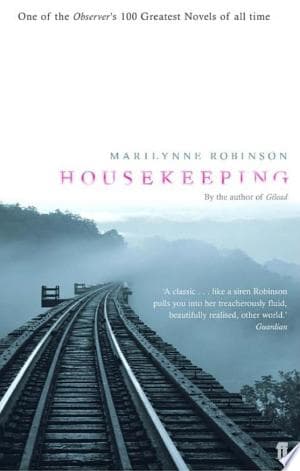
- Housekeeping
Marilynne Robinson
3.8 (44k) average on GoodreadsLiterary FictionDelves into themes of belonging, the unconventional life, and the quiet struggles of women against societal norms and personal grief.
- My Brilliant Friend
Elena Ferrante
4.0 (201k) average on GoodreadsLiterary FictionWhile both 'Far' and Ferrante's Neapolitan novels explore the burdens of female relationships and societal expectations, Ferrante's work has a broader socio-political scope and a more expansive narrative timeline, focusing on a lifelong friendship within a specific cultural context. 'Far' is more introspective and tightly focused on the internal landscape and choices of a single individual.
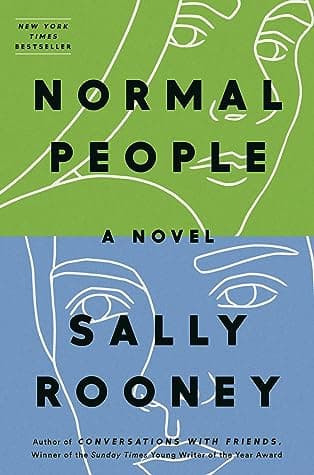
- Normal People
Sally Rooney
3.9 (405k) average on GoodreadsLiterary FictionBoth novels delve into the complexities of intimate relationships and personal growth. However, Rooney's 'Normal People' often centers on explicit communication failures, class dynamics, and external pressures impacting a relationship. 'Far' distinguishes itself by its quiet intensity, exploring unspoken disappointments and self-imposed isolation more profoundly, where the protagonist's struggles are primarily internal rather than externally driven.
- The Diary of a Young Girl
Anne Frank
4.2 (2.7M) average on GoodreadsBiographyDuring the Nazi occupation, a teenage girl's diary, written from a secret annex, shares observations on humanity, hope, and the wait for freedom.
- Twisted 1. Twisted love
Ana Huang
3.7 (1.7M) average on GoodreadsA quiet billionaire with a difficult past finds his guarded heart opening to the woman he must protect, but their growing passion uncovers dangerous secrets and a shared, traumatic history.




Enjoyed the summary?
A summary gives you the shape of the book. The book itself has the detail, the examples and the voice.
Find Far on AmazonAs an Amazon Associate, BookBrief earns from qualifying purchases. How we're funded