

Synopsis
Covers the whole plot, including the ending.
- Difficulty
- Hard
- Pacing
- Fast
- Mood
- Dark, Disturbing, Transgressive, Psychologically Intense
- Read it if
- You enjoy dark, transgressive humor, unreliable narrators, and unflinching explorations of moral decay and psychological collapse.
- Skip it if
- You are sensitive to graphic content, extreme profanity, racism, misogyny, or stories without clear moral redemption.
Filth Plot Summary
Covers the whole plot, including the ending.
Bruce's Amsterdam Debauchery and the Looming Promotion
Detective Sergeant Bruce Robertson, a corrupt Edinburgh policeman, starts his story with a drug-fueled trip to Amsterdam. He uses a lot of cocaine, has casual sex with prostitutes, and engages in general bad behavior, all while wanting a promotion to Detective Inspector. Bruce thinks he will get the promotion, seeing it as a way to fix his failing personal life. His wife, Carole, has left him, and he rarely sees his daughter, Stacy. He constantly manipulates and belittles his coworkers, especially Ray Lennox and Amanda Drummond, believing them to be weaker competition. Unknown to Bruce, a tapeworm in his gut has become sentient and watches his every move, offering increasingly critical comments on his actions and mental state.
The Murder of Mikey Paterson and the Investigation Begins
Bruce returns to Edinburgh just as a murder happens: Mikey Paterson, a Japanese exchange student, is found dead. Bruce, despite his hangover and withdrawal, takes charge of the investigation, seeing it as his way to get the promotion. He immediately manipulates evidence and witnesses, framing an innocent Black man named Mahmoud instead of looking for real leads. His main goal is to close the case quickly, without caring about justice. He uses the investigation to harass and abuse his coworkers, especially Amanda Drummond, whom he constantly objectifies and tries to exploit sexually. The tapeworm continues its observations, noting Bruce's worsening mental and physical health.
Escalating Deception and Personal Decline
Bruce's drug addiction gets worse, leading to more erratic behavior and vivid hallucinations. He uses cocaine, drinks a lot, and has disturbing sexual encounters, often involving his coworkers' wives or other vulnerable women. His attempts to contact Carole are ignored, and he becomes obsessed with getting her back, believing the promotion will help. He continues to harass his coworkers, making up evidence and intimidating witnesses to fit his story for the Paterson murder. The tapeworm's internal monologue becomes more frequent, showing deeper insights into Bruce's mind and the traumatic events that shaped him, hinting at a past Bruce actively hides.
The Christmas Party and Further Betrayals
The annual police Christmas party shows Bruce's increasing bad behavior. He plans a series of cruel pranks and manipulations, including humiliating his coworkers and trying to seduce Amanda Drummond. His behavior alienates almost everyone, and his desire for the promotion becomes clear. He sabotages other officers' chances, especially Ray Lennox, who is genuinely investigating the Paterson case and getting closer to the truth. Bruce's internal monologues, often from the tapeworm, show his deep misogyny, racism, and self-loathing. He starts to have strong physical symptoms, including severe eczema and internal pain, which he blames on stress but are also linked to his drug use and the tapeworm.
The Truth About Carole and the Lost Child
Bruce's attempts to get back with Carole are always rejected. He gets a letter from her lawyer, saying she wants a divorce and has moved on. The worst news is that Carole had a miscarriage, losing their child, a fact Bruce had either forgotten or refused to acknowledge. This news, with his failing professional life and the pressure of the murder investigation, pushes him further into a psychological abyss. His hallucinations become more frequent and vivid, blurring the lines between reality and his drug-addled mind. The tapeworm's narrative voice becomes more firm, starting to expose the lies of Bruce's life.
Ray Lennox's Investigation and Bruce's Unraveling
While Bruce continues his fabricated investigation, Ray Lennox, a more ethical detective, follows real leads in the Mikey Paterson murder. Ray's findings start to go against Bruce's story, putting pressure on Bruce and his made-up evidence. Bruce's mental state becomes more fragile. He experiences intense paranoia, believing his coworkers are plotting against him, and his hallucinations become real. The tapeworm's insights become more critical and direct, showing that it is not just a parasite but a manifestation of Bruce's repressed conscience and memories. The story begins to hint at a deeper, more traumatic past Bruce has tried to bury.
The Tapeworm's Revelation and Bruce's Past Trauma
The tapeworm's narrative becomes central, showing its true identity as Bruce's suppressed guilt and trauma. It tells of Bruce's horrible childhood, including physical and sexual abuse by his father, and the tragic death of his younger brother, David, for which Bruce feels responsible. It is revealed that Bruce's adult persona—his misogyny, racism, aggression, and drug abuse—is a defense mechanism to cope with this trauma. The tapeworm, in essence, is Bruce's conscience, trying to break through his delusions and make him face the truth. The promotion, Carole, and the murder investigation are all secondary to this internal battle.
Confrontation and the Collapse of Reality
Bruce's deceptions about the Paterson case completely unravel, thanks to Ray Lennox's work. His coworkers, who have suspected his corruption, start to openly challenge him. More importantly, his psychological defenses collapse. The tapeworm's revelations about his past become undeniable, forcing Bruce to face the horrifying truth of his childhood abuse and his part in his brother's death. The difference between his hallucinations and reality disappears, and he has a complete mental breakdown. He loses his authority, his respect, and his self-delusions, leaving him exposed and vulnerable to his unacknowledged pain.
The Final Act of Despair
With his career ruined, his personal life in tatters, and his mind consumed by the truths of his past, Bruce is alone and without hope. The tapeworm, having made him confront reality, stops narrating, leaving Bruce to face the consequences of his actions and unaddressed trauma. Overwhelmed by guilt, self-loathing, and the weight of his memories, Bruce makes a final, desperate decision. He commits suicide, hanging himself in his home, ending his tormented life. His death is a culmination of his unchecked bad behavior and the effects of his unhealed psychological wounds.
Principal Figures
Bruce Robertson
Protagonist/Antagonist
Corrupt and depraved Edinburgh Detective Sergeant, haunted by a traumatic past.
Bruce Robertson is the deeply flawed and morally bankrupt protagonist of 'Filth.' He is a Detective Sergeant in the Edinburgh police force, driven by a desire for promotion, a rampant cocaine addiction, and a pathological need to manipulate and abuse those around him. Bruce embodies misogyny, racism, and homophobia, using his position to exploit and humiliate. Beneath his vile exterior lies a fractured psyche, constantly battling repressed childhood trauma, including sexual abuse and the death of his younger brother, David. His pursuit of a promotion and his attempts to reconcile with his estranged wife, Carole, are desperate attempts to fill the void left by his unaddressed pain. He is observed and eventually exposed by the sentient tapeworm residing within him.
Relationships: Carole Robertson (Estranged wife, object of his obsessive desire); Ray Lennox (Colleague, rival, and eventual exposer of Bruce's corruption); Amanda Drummond (Colleague, object of Bruce's sexual harassment); The Tapeworm (Internal manifestation of his conscience and repressed memories); David Robertson (Deceased younger brother, central to Bruce's trauma)
The Tapeworm
Narrator/Internal Monologue
A sentient intestinal parasite, serving as Bruce's inner voice and conscience.
The Tapeworm is not a traditional character but a unique narrative device. Initially presented as a literal parasite in Bruce's gut, it gradually develops sentience and becomes a critical, sardonic, and ultimately compassionate observer of Bruce's thoughts and actions. Its internal monologues provide an unfiltered commentary on Bruce's depravity, mental state, and the true motivations behind his behavior. As the story progresses, the Tapeworm evolves into a symbolic representation of Bruce's repressed memories, guilt, and conscience, eventually revealing the full extent of his childhood trauma and the truth about his brother's death. It is the only entity that truly 'knows' Bruce.
Relationships: Bruce Robertson (Host, subject of observation and psychological analysis)
Carole Robertson
Supporting
Bruce's estranged wife, seeking to escape his abusive influence.
Carole is Bruce's estranged wife, whom he desperately tries to win back throughout the novel. She serves as a symbol of the normalcy and domesticity Bruce craves but is incapable of maintaining due to his deep-seated psychological issues and abusive behavior. Her absence and her eventual decision to divorce him are significant blows to Bruce's ego and further his mental unraveling. The revelation of her miscarriage, a detail Bruce either repressed or ignored, is a crucial turning point, exposing another layer of his self-deception and the tragic consequences of his actions. She represents the healthy life Bruce could have had but sabotaged.
Relationships: Bruce Robertson (Estranged wife, victim of his emotional abuse)
Ray Lennox
Supporting
Ethical detective and Bruce's colleague, unknowingly exposing his corruption.
Ray Lennox is a fellow Detective Constable and one of Bruce's colleagues. He serves as a moral foil to Bruce, representing a more ethical and diligent approach to police work. While Bruce is consumed by self-interest and corruption, Ray genuinely investigates the Mikey Paterson murder, slowly but surely uncovering evidence that contradicts Bruce's fabricated narrative. He is often a target of Bruce's bullying and manipulation, but his integrity ultimately contributes to Bruce's downfall. Ray is also dealing with his own personal struggles, including a history of drug use and mental health issues, making him a complex character despite his more positive moral compass.
Relationships: Bruce Robertson (Colleague, rival, and unwitting antagonist)
Amanda Drummond
Supporting
Female detective colleague, subjected to Bruce's misogynistic harassment.
Amanda Drummond is a Detective Constable and another of Bruce's colleagues. She is a frequent target of Bruce's misogynistic remarks, sexual harassment, and attempts at manipulation. Bruce constantly objectifies her and tries to undermine her professional standing, seeing her as both a sexual conquest and a threat to his promotion. Her presence highlights Bruce's deep-seated sexism and his inability to view women as equals. Despite Bruce's efforts, Amanda maintains a professional demeanor and represents the resilience of the female characters in the face of his abuse, though she is clearly affected by his behavior.
Relationships: Bruce Robertson (Colleague, victim of his harassment)
Gus Bain
Supporting
Bruce's dim-witted colleague, easily manipulated.
Gus Bain is another Detective Constable and one of Bruce's more easily manipulated colleagues. He is often the butt of Bruce's jokes and schemes, used as a pawn in Bruce's efforts to undermine others and advance his own agenda. Gus's naivety and lack of critical thinking make him a perfect target for Bruce's psychological games. He serves to highlight Bruce's manipulative prowess and the ease with which he can exploit those he perceives as weaker or less intelligent, further demonstrating Bruce's moral bankruptcy.
Relationships: Bruce Robertson (Colleague, target of manipulation)
Clifford Blades
Supporting
Bruce's naive friend, often an unwitting accomplice in his schemes.
Clifford Blades is a seemingly innocuous character, a friend of Bruce's who often gets entangled in Bruce's schemes. He represents the ordinary people Bruce exploits and manipulates for his own amusement and gain. Clifford often provides Bruce with drugs or information, unaware of the full extent of Bruce's depravity. His presence underscores Bruce's ability to maintain a facade of normalcy while engaging in deeply disturbing behavior, and how he corrupts those around him, even if they are not directly involved in his police work. Clifford is a tragic figure in his own right, caught in Bruce's destructive orbit.
Relationships: Bruce Robertson (Friend, victim of manipulation)
David Robertson
Mentioned/Flashback
Bruce's deceased younger brother, central to his repressed trauma.
David is Bruce's younger brother, whose tragic death in childhood is the core of Bruce's repressed trauma. Although only appearing in flashbacks and the Tapeworm's revelations, David's memory is central to understanding Bruce's destructive personality. His death, which Bruce feels responsible for, coupled with the childhood abuse they both suffered, forms the psychological bedrock of Bruce's adult depravity. David represents the innocence lost and the unhealed wounds that fester within Bruce, driving his self-loathing and his inability to form healthy relationships. The truth about David's death is the ultimate secret the Tapeworm forces Bruce to confront.
Relationships: Bruce Robertson (Older brother, source of profound guilt and trauma)
Themes & Insights
Corruption and Moral Decay
The novel shows the corruption in the police force, personified by Bruce Robertson. His abuse of power, manipulation of evidence, and exploitation of colleagues and the public show a moral decay. This theme goes beyond institutional corruption to Bruce's personal life, where his drug addiction, sexual perversions, and disregard for others show a breakdown of ethical boundaries. The murder investigation itself becomes a way for Bruce's self-serving agenda, rather than a pursuit of justice, showing how deeply corruption has affected his life.
“I'm a copper. I'm allowed to do anything I want.”
Repression and Trauma
A central theme in 'Filth' is repressed trauma and its psychological effects. Bruce's behavior is revealed to be a defense mechanism against buried childhood abuse and the guilt about his brother David's death. The Tapeworm's narrative gradually uncovers these memories, making Bruce confront the truth he has denied. This theme shows how unprocessed trauma can appear as self-loathing, aggression, and an inability to form healthy relationships, leading to a mental breakdown.
“You don't want to know about your brother, do you, Bruce? You don't want to know about your father.”
Identity and Self-Delusion
Bruce's identity is a facade built on self-delusion. He creates a story where he is a competent detective, a desirable husband, and a deserving candidate for promotion, while his reality falls apart. The novel explores how people cling to these delusions to avoid facing painful truths about themselves and their past. The Tapeworm challenges Bruce's self-perception, slowly taking apart his false identity until he must confront his true self. This theme highlights how fragile identity is when built on lies and repression.
“I was a good boy, a good boy, a good boy.”
Misogyny and Abuse
Misogyny and abuse are common throughout the novel. Bruce's treatment of women, from his estranged wife Carole to his coworker Amanda Drummond and many prostitutes, is demeaning, objectifying, and violent. His internal monologues are full of sexist slurs and fantasies of sexual exploitation. This theme is not just a character trait but a core part of Bruce's pathology, coming from his own experiences of abuse. The novel shows the effects of misogyny and the cycle of abuse, where victims often become abusers, continuing a culture of violence and disrespect.
“Women. Can't live with 'em, can't live without 'em. Can't trust 'em, can't stand 'em.”
Addiction and Self-Destruction
Addiction, especially to cocaine and alcohol, drives Bruce's self-destructive behavior. His drug use is not just recreational but a coping mechanism for his internal pain, fueling his paranoia, hallucinations, and erratic conduct. The novel shows the physical and psychological toll of addiction, how it worsens his mental health issues and speeds up his downfall. Bruce's inability to control his addictions reflects his inability to confront his past, showing how self-destruction repeats when underlying trauma is not addressed.
“Just one more line, just one more line and then I'll sort things out.”
Plot Devices & Literary Techniques
The Sentient Tapeworm
An internal, critical narrator that reveals Bruce's true psyche.
The sentient tapeworm residing in Bruce's gut is the most distinctive and crucial plot device. Initially presented as a literal parasite, it gradually evolves into a metaphorical representation of Bruce's conscience, repressed memories, and the 'filth' within him. It acts as an unreliable, yet ultimately truthful, internal narrator, offering sardonic commentary on Bruce's actions and slowly revealing his traumatic past. This device allows for an intimate, unfiltered look into Bruce's fragmented mind, blurring the lines between physical ailment and psychological torment, and serving as the primary vehicle for the novel's shocking revelations.
Unreliable Narrator
Bruce's perspective is heavily skewed by his delusions, drugs, and trauma.
Bruce Robertson himself functions as a highly unreliable narrator. His perspective is consistently distorted by his cocaine addiction, severe psychological issues, and deep-seated self-delusions. He misinterprets events, fabricates realities, and represses traumatic memories, leading the reader to question the veracity of his every thought and action. This device creates a sense of disorientation and tension, forcing the reader to piece together the truth from fragmented and contradictory information, often provided by the Tapeworm. It effectively immerses the reader in Bruce's deteriorating mental state and highlights the theme of self-delusion.
Epistolary Elements (Letters from Carole)
Letters from Bruce's estranged wife that challenge his self-perception.
The sporadic inclusion of letters from Bruce's estranged wife, Carole, serves as an epistolary device. These letters, often read by Bruce, offer glimpses into his failing marriage and Carole's perspective, which starkly contrasts with Bruce's delusional hopes of reconciliation. They provide external, objective information that directly challenges Bruce's self-serving narrative, particularly regarding the state of their relationship and the devastating news of their miscarriage. These elements act as painful intrusions of reality into Bruce's fantasy world, gradually chipping away at his self-delusions and highlighting his isolation.
Hallucinations and Delusions
Vivid, drug-induced and trauma-driven experiences that blur reality.
Throughout the novel, Bruce experiences frequent and increasingly vivid hallucinations and delusions, often fueled by his cocaine addiction and underlying psychological trauma. These range from distorted perceptions of his colleagues to conversations with inanimate objects and projections of his inner turmoil. This device effectively blurs the line between reality and Bruce's internal world, immersing the reader in his deteriorating mental state. The hallucinations become a visual manifestation of his repressed guilt and trauma, eventually culminating in a complete breakdown of his perception of reality, signaling his final descent.
Filth Quotes
“The same rules apply.”
“People like us, we don't get the breaks.”
“The only way to deal with an unfree world is to become so absolutely free that your very existence is an act of rebellion.”
“I am a man. I am a pig. I am a worm.”
“The world is a toilet and we're all just waiting to be flushed.”
“You have to laugh, otherwise you'd cry.”
“The filth is not just on the streets, it's inside us.”
“We're all animals, just some of us wear suits.”
“The truth is a shifting, slippery thing.”
“In the end, we all get what we deserve.”
“Love is just another word for manipulation.”
“The only thing worse than being talked about is not being talked about.”
“We're all monsters in our own way.”
“The past is a ghost that haunts us all.”
Quiz
10 questions on the plot and the characters. Each answer comes with a short explanation.
Question 1
What is the primary setting of 'Filth'?
- London
- Amsterdam
- Edinburgh
- Glasgow
Show answer
C. Edinburgh The story is primarily set in Edinburgh, where Detective Sergeant Bruce Robertson works for the police force, though he visits Amsterdam at the beginning.
Question 2
What medical condition afflicts Bruce Robertson throughout the novel?
- A heart condition
- Below-the-belt eczema
- Diabetes
- Migraines
Show answer
B. Below-the-belt eczema Robertson suffers from painful below-the-belt eczema, which is one of his many personal struggles mentioned in the book description.
Question 3
What is Bruce Robertson's main professional goal in the novel?
- To solve a high-profile murder case
- To get a promotion
- To expose corruption in the police force
- To retire early
Show answer
B. To get a promotion Robertson craves a promotion, and the racially fraught murder case presents an opportunity to clinch it, as noted in the book description.
Question 4
What unusual narrative element does Irvine Welsh use to provide insight into Robertson's psyche?
- A talking animal companion
- A series of flashbacks
- An intestinal parasite that narrates
- Dream sequences
Show answer
C. An intestinal parasite that narrates The book features a nutritionally demanding and psychologically acute intestinal parasite in Robertson's gut, which offers commentary and insight into his character.
Question 5
What personal issue does Robertson face regarding his family?
- A divorce settlement
- A missing wife and child
- A sick parent
- A custody battle
Show answer
B. A missing wife and child Robertson has a missing wife and child, which is one of the 'flies in the ointment' mentioned in the book description, adding to his personal turmoil.
Question 6
How does Robertson's drug habit affect his life in the novel?
- It helps him solve cases more efficiently
- It is a minor issue he easily controls
- It is a nagging cocaine habit that exacerbates his problems
- It leads to his arrest early in the story
Show answer
C. It is a nagging cocaine habit that exacerbates his problems Robertson's nagging cocaine habit is listed as one of his significant problems, contributing to his corrupt and chaotic lifestyle.
Question 7
What type of murder case does Robertson become involved in?
- A politically motivated assassination
- A racially fraught murder
- A serial killer targeting police officers
- A domestic dispute gone wrong
Show answer
B. A racially fraught murder The book description specifies that Robertson deals with a messy, racially fraught murder, which complicates his life despite offering overtime and promotion opportunities.
Question 8
What theme is central to 'Filth' as suggested by Robertson's character and actions?
- The triumph of justice over corruption
- The moral decay and corruption within individuals and institutions
- The importance of family values
- The benefits of drug legalization
Show answer
B. The moral decay and corruption within individuals and institutions Robertson is described as 'utterly corrupt,' and the novel explores themes of moral decay, personal corruption, and institutional failings, common in Irvine Welsh's work.
Question 9
How does the book's title 'Filth' relate to its content?
- It refers to the dirty streets of Edinburgh
- It symbolizes the purity Robertson seeks
- It reflects the moral and physical corruption of the protagonist and society
- It is the name of the intestinal parasite
Show answer
C. It reflects the moral and physical corruption of the protagonist and society The title 'Filth' encapsulates the novel's exploration of corruption, depravity, and decay in both Robertson's personal life and the broader societal context.
Question 10
What narrative technique does Welsh employ to highlight Robertson's descent into chaos?
- A linear, chronological plot
- Multiple first-person perspectives from different characters
- A mix of internal monologue, the parasite's commentary, and chaotic events
- A series of letters and diary entries
Show answer
C. A mix of internal monologue, the parasite's commentary, and chaotic events Welsh uses Robertson's internal monologue, the unique perspective of the intestinal parasite, and a series of escalating chaotic events to depict his psychological and moral unraveling.
Filth FAQ
What is 'Filth' by Irvine Welsh about?
'Filth' follows Detective Sergeant Bruce Robertson, a corrupt Edinburgh police officer, as he investigates a racially charged murder case while battling personal demons including drug addiction, extramarital affairs, and a parasitic tapeworm. The story unfolds during the Christmas season, blending dark humor with a descent into moral and physical decay as Robertson's life spirals out of control.
Why should I read 'Filth'?
You should read 'Filth' for its unflinching portrayal of a deeply flawed anti-hero, its sharp social commentary on corruption and racism, and Irvine Welsh's signature raw, visceral writing style. The book offers a darkly comic yet disturbing exploration of human depravity, with the tapeworm's narration adding a unique psychological layer to the narrative.
What is the background/setting of 'Filth'?
The novel is set in 1990s Edinburgh during the Christmas season, contrasting festive cheer with the grim realities of police corruption, drug abuse, and urban decay. The setting reflects Robertson's internal turmoil, with locations like Amsterdam (for his drug-fueled escapades) and Edinburgh's underworld highlighting his dual life of authority and debauchery.
What are the most memorable quotes from 'Filth'?
Memorable quotes include the tapeworm's chilling line, 'I am Bruce Robertson,' symbolizing the parasite's control over his identity, and Robertson's self-justifying mantra about police work: 'The rules are there to be broken.' These encapsulate the book's themes of corruption, identity loss, and moral ambiguity.
What writing style does Irvine Welsh use in 'Filth'?
Welsh employs a gritty, stream-of-consciousness style with heavy use of Scottish dialect, profanity, and dark humor. The narrative alternates between Robertson's perspective and the tapeworm's italicized interjections, creating a disorienting effect that mirrors the protagonist's psychological unraveling and moral decay.
What minor details add significant meaning in 'Filth'?
Robertson's below-the-belt eczema symbolizes his deteriorating physical and moral state, while his constant cocaine use masks deeper emotional pain. The Christmas setting ironically contrasts with the story's darkness, highlighting societal hypocrisy and Robertson's isolation amidst supposed joy.
What are some subtle foreshadowing moments in 'Filth'?
Early references to Robertson's tapeworm and his neglect of health foreshadow his physical collapse. His manipulative behavior toward colleagues hints at the eventual exposure of his corruption, while the racially fraught murder case subtly predicts the unraveling of his professional facade.
What unexpected character connections exist in 'Filth'?
Robertson's tapeworm is revealed as a separate consciousness commenting on his actions, symbolizing his inner guilt. His extramarital affairs intertwine with the murder investigation, showing how personal vices corrupt his police work, and minor characters like colleagues become pawns in his schemes for promotion.
What are unspoken character motivations in 'Filth'?
Robertson's drive for promotion masks a deep-seated self-loathing and desire for validation, while his drug use and affairs are attempts to escape trauma from his missing family. The tapeworm represents his subconscious guilt, feeding on his corruption as he avoids confronting his failures.
What psychological complexities do characters exhibit in 'Filth'?
Robertson displays narcissism, addiction, and sociopathic traits, yet moments of vulnerability reveal buried trauma. The tapeworm's narration adds a split-personality element, illustrating his internal conflict between duty and depravity, while secondary characters like his wife highlight his emotional detachment.
What are the major emotional turning points in 'Filth'?
Key turning points include Robertson's realization that the tapeworm is consuming him, symbolizing his loss of control; the exposure of his corruption during the murder investigation; and his final physical and mental breakdown, where he confronts the emptiness of his pursuits without redemption.
How do relationship dynamics evolve in 'Filth'?
Robertson's relationships deteriorate from manipulation to outright betrayal, as he uses colleagues and lovers for personal gain. His connection with the tapeworm evolves from ignorance to a parasitic symbiosis, mirroring his toxic interactions with others, culminating in complete isolation.
Which parts of 'Filth' remain ambiguous or open-ended?
The fate of Robertson's missing wife and child is never resolved, leaving their disappearance as a haunting mystery. The tapeworm's ultimate influence on his actions is ambiguous—whether it's a literal parasite or a metaphor for his psyche—and the novel's ending implies cyclical corruption without clear moral closure.
What are controversial scenes or decisions in 'Filth'?
Controversial scenes include Robertson's graphic drug use and sexual exploits, which challenge readers with their explicitness. His racist attitudes and manipulation of the murder case for personal gain spark debate about the portrayal of police corruption, while the tapeworm's narration blurs lines between reality and hallucination.
'Filth' ending explained: how it ends & what it means
The novel ends with Robertson's physical and mental collapse, as the tapeworm fully consumes him, symbolizing the culmination of his self-destruction. He fails to secure promotion or redemption, leaving him isolated in his depravity. This ending critiques systemic corruption, suggesting that such moral decay leads to inevitable ruin without societal change.
About the author

Irvine Welsh is a Scottish novelist, playwright and short story writer. His 1993 novel Trainspotting was made into a film of the same name. He has also written plays and screenplays, and directed several short films.
Similar books
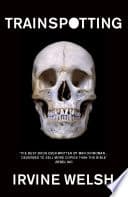
- Trainspotting
Irvine Welsh
4.1 (153k) average on GoodreadsThrillerShares the same author's signature style, dark humor, and exploration of societal decay through morally ambiguous characters.
- American Psycho
Bret Easton Ellis
3.8 (242k) average on GoodreadsThrillerFeatures a deeply disturbed, unreliable narrator whose descent into depravity is both shocking and darkly satirical.
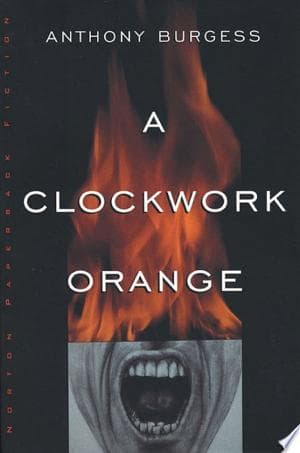
- A Clockwork Orange
Anthony Burgess
4.0 (601k) average on GoodreadsThrillerExplores themes of free will, morality, and social deviance through a protagonist who engages in extreme acts.
- The Killer Inside Me
Jim Thompson
3.8 (21k) average on GoodreadsThrillerThe Killer Inside Me also features a first-person narrator who is a law enforcement officer and a psychopath. Both novels explore the dark side of human nature and the capacity for evil within seemingly normal individuals. However, Thompson's Lou Ford is a more outwardly composed and manipulative psychopath, meticulously planning his crimes, while Welsh's Bruce Robertson is a chaotic, self-destructive force whose actions are often driven by impulse, delusion, and a profound inner turmoil. Filth is arguably more experimental in its narrative form and delves deeper into the psychological breakdown.
- Angels & Demons
Dan Brown
3.9 (2.7M) average on GoodreadsThrillerA Harvard symbologist races through Rome's ancient sites, deciphering cryptic clues to unmask the Illuminati and stop a vengeful plot to destroy the Vatican with a stolen antimatter weapon.
- Gone Girl
Gillian Flynn
4.1 (2.3M) average on GoodreadsThrillerA wife's sudden disappearance on her fifth anniversary reveals a web of lies and psychological warfare, exposing the secrets within a seemingly perfect marriage.




Enjoyed the summary?
A summary gives you the shape of the book. The book itself has the detail, the examples and the voice.
Find Filth on AmazonAs an Amazon Associate, BookBrief earns from qualifying purchases. How we're funded