

Synopsis
Covers the whole plot, including the ending.
- Difficulty
- Easy
- Pacing
- Moderate
- Mood
- Humorous, Lighthearted, Relatable, Optimistic
- Read it if
- You enjoy humorous, lighthearted stories about growing up and the challenges of reaching a new age milestone.
- Skip it if
- You prefer high-stakes fantasy adventures or stories with complex, mature themes.
Finally Plot Summary
Covers the whole plot, including the ending.
The Countdown to Twelve
Rory Swenson, nearly twelve, constantly waits for her birthday. She counts the hours, minutes, and seconds, sure that turning twelve will bring many freedoms: ear piercing, a cell phone, front-seat car rides, babysitting, and mall trips with friends. Her younger sister, Emmy, often frustrates her with her seemingly easy life. Rory feels held back by her parents' rules and sees twelve as the age when her 'real life' will begin, a contrast to her current life of chores and limits.
The Birthday Bash and Initial Disappointments
Rory's twelfth birthday arrives, but it is not the instant change she expected. Her parents throw a 'surprise' party at a roller-skating rink, which she finds childish. The biggest surprise is a small, plain notebook and pen, which her parents say is a 'responsibility journal' where she must log new privileges and duties to earn more. This feels like a letdown, especially when her best friends, Megan and Mel, get their ears pierced without her, and she still does not have a cell phone. Her first tries to use her 'twelve-year-old' rights meet parental resistance or unexpected problems.
The Babysitting Disaster
Determined to show her maturity, Rory takes her first babysitting job for the Phelans, watching their baby, Phoebe, and their dog, Fifi. The evening quickly turns to chaos. Phoebe, usually calm, cries nonstop, and Fifi, a small dog, is surprisingly destructive. To calm Phoebe, Rory accidentally puts the baby in Fifi's dog bed, thinking it is a baby carrier, while Fifi tries to eat Phoebe's pacifier. The Phelans return to a messy house, a crying baby, and a confused dog. Rory is embarrassed and questions her new responsibilities.
Mall Mania and Fashion Faux Pas
Finally allowed to go to the mall with Megan and Mel, Rory is excited to experience true pre-teen freedom. She sees a trendy, expensive shirt she badly wants but cannot afford. Convinced it will make her 'cool,' she uses her allowance to buy a similar, cheaper version from a discount store. The next day at school, she proudly wears her new shirt, only to find it is a children's size with a cartoon character, making her the subject of jokes among her peers. This event further lessens her excitement for the privileges of being twelve, showing the problems of trying too hard to fit in.
The Pet-Sitting Predicament
To earn money for ear piercing, Rory takes a pet-sitting job for Mrs. Peterson, a quirky elderly neighbor, looking after her many pets, including a parrot named Polly. One afternoon, while Rory is distracted, Polly escapes her cage and flies out the open window. Panicked, Rory gets help from Emmy and her friends to search the neighborhood. They spend hours calling for Polly, putting up 'missing' posters, and even climbing trees. The stressful event shows Rory's struggle with responsibility and the unexpected problems that come with her new independence, leaving her feeling guilty.
Polly's Return and a New Perspective
After a day of frantic searching, Polly the parrot is found by Rory's younger brother, Leo, who is good at finding lost things. Polly had simply flown to a nearby tree and was sitting there. Rory is very relieved, and though Mrs. Peterson is forgiving, the experience teaches Rory a lesson about the weight of responsibility. She realizes that being twelve is not just about getting what you want, but about the commitment and care needed to manage those freedoms. This event marks a change in her understanding of maturity.
The Cell Phone Conundrum
After much asking and showing 'responsibility' in her journal, Rory finally receives a cell phone for her thirteenth birthday. However, it comes with strict parental controls: limited talk time, restricted apps, and a tracking feature. Instead of feeling free, Rory feels more restricted than ever. Her friends have better phones with fewer limits, making her feel left out. She struggles to talk with her friends and finds the phone more of a burden than a blessing, realizing that outside objects do not automatically give her the freedom she wants.
Friendship Troubles and Peer Pressure
As Rory navigates her first year as a twelve-year-old, she experiences challenges in her friendships. Megan and Mel sometimes seem to exclude her, especially when it comes to things like getting their ears pierced or talking about boys. Rory feels pressure to conform and make the 'right' choices to keep her social standing. She watches other girls, like the popular Bethany, and questions what truly makes someone cool or accepted. These interpersonal struggles show the difficulties of adolescence and the journey of self-discovery that comes with growing up.
The School Play and Stage Fright
Despite her initial unwillingness, Rory's drama teacher encourages her to try out for the school play. She is afraid of public speaking and making a fool of herself. Despite her nerves, she gets a small role. During rehearsals, she struggles with stage fright and remembering her lines. However, with encouragement from her family and surprising support from her sister Emmy, Rory pushes past her fears. On opening night, she delivers her lines confidently, having a moment of real achievement that boosts her self-esteem and shows her that true growth comes from facing challenges.
A New Understanding of Twelve
As her thirteenth birthday nears, Rory looks back at her year of being twelve. She realizes that the magical freedom she expected never happened as she imagined. Instead, she met unexpected challenges, disappointments, and the real weight of responsibility. She understands that getting a cell phone or pierced ears does not automatically make her mature. Real maturity comes from learning from mistakes, taking ownership, and understanding the value of hard work and self-reliance. She starts to appreciate the small victories and lessons learned, realizing that 'finally twelve' was just the start of a larger journey of self-discovery.
Embracing the Journey
By the end of the book, Rory has lost some of her early innocence about the 'benefits' of being twelve. She has learned that growing up is a continuous process, with ups and downs, rather than a sudden change. She still wants certain freedoms but now approaches them with a more realistic and responsible mindset. She values her friendships, her family, and her own identity more than just fitting in. Rory understands that the journey of becoming herself is more important than a specific age or a list of privileges, showing a real change in her view and a new self-acceptance.
Finally Characters
Rory Swenson
Protagonist
An imaginative and initially naive girl obsessed with turning twelve.
Rory is a spirited and somewhat impulsive girl who believes her life will truly begin the moment she turns twelve. She meticulously tracks her countdown to this milestone, convinced it will unlock a world of privileges: ear piercing, a cell phone, riding in the front seat, and independent mall trips. She often feels stifled by her parents' rules and compares herself to her younger sister, Emmy. Throughout the book, Rory learns that maturity isn't about age or external permissions, but about internal growth, responsibility, and learning from mistakes.
Relationships: Emmy Swenson (Younger sister, often a source of frustration and later, unexpected support.); Megan (Best friend, shares common interests and experiences the challenges of growing up together.); Mel (Best friend, part of Rory's core social group, navigating adolescence together.); Mr. and Mrs. Swenson (Parents, strict but loving, trying to teach Rory responsibility.)
Emmy Swenson
Supporting
Rory's younger sister, often perceived as carefree but surprisingly insightful.
Emmy is Rory's younger sister, who often appears more carefree and less burdened by rules than Rory. She can sometimes be annoying to Rory, but also possesses a surprising innocence and practicality. Emmy often gets away with things that Rory feels she can't, causing some sibling rivalry. Despite this, Emmy occasionally offers unexpected support and even finds solutions to Rory's problems, like locating the lost parrot, Polly. She represents a different stage of childhood, less focused on the future and more on the present.
Relationships: Rory Swenson (Older sister, a source of both annoyance and affection.)
Megan
Supporting
One of Rory's best friends, navigating the social complexities of adolescence.
Megan is one of Rory's two best friends. She shares Rory's excitement about growing up and experiencing new freedoms, like getting her ears pierced. Megan sometimes seems a bit more confident or 'ahead' of Rory in certain aspects of pre-teen life, which can make Rory feel left out or inadequate. She is generally a supportive friend but also part of the peer group that influences Rory's decisions and anxieties about fitting in. Megan represents the typical struggles and joys of friendship during early adolescence.
Relationships: Rory Swenson (Best friend, shares secrets and experiences.); Mel (Best friend, part of their trio.)
Mel
Supporting
One of Rory's best friends, also navigating the challenges of growing up.
Mel is the other of Rory's two best friends. Like Megan, she is a typical pre-teen girl grappling with the changes and new social rules of growing up. Mel contributes to the peer group dynamic that Rory navigates, from discussions about fashion to the desire for more independence. She is a loyal friend, but also part of the collective experience of early adolescence, where fitting in and understanding unspoken social codes become increasingly important. Mel helps to ground Rory's experiences within a relatable social context.
Relationships: Rory Swenson (Best friend, shares experiences and anxieties.); Megan (Best friend, part of their trio.)
Mr. and Mrs. Swenson
Supporting
Rory's parents, who enforce rules and try to teach responsibility.
Rory's parents are portrayed as loving but strict. They have clear rules and expectations for Rory, which she often perceives as restrictive. They believe in teaching responsibility gradually, as evidenced by their 'responsibility journal' gift. While Rory initially resents their limitations, her parents' actions are ultimately aimed at guiding her toward maturity and self-reliance. They represent the parental figures who set boundaries and provide a framework for Rory's growth, even if she doesn't always understand their intentions.
Relationships: Rory Swenson (Daughter, often at odds with her desire for freedom and their rules.); Emmy Swenson (Daughter, generally less confrontational with them than Rory.)
Mrs. Peterson
Supporting
A quirky elderly neighbor who gives Rory a memorable pet-sitting job.
Mrs. Peterson is an eccentric, kind-hearted elderly neighbor who owns numerous pets, including a beloved parrot named Polly. She hires Rory for a pet-sitting job, which becomes a significant learning experience for Rory when Polly goes missing. Mrs. Peterson is forgiving and understanding, offering Rory a chance to learn from her mistakes rather than simply punishing her. She serves as a catalyst for Rory's understanding of genuine responsibility and the care required when looking after others' cherished possessions.
Relationships: Rory Swenson (Neighbor and employer, a source of a valuable life lesson.)
Phoebe Phelan
Mentioned
The baby Rory babysits in a disastrous first job.
Phoebe Phelan is the baby Rory babysits during her first, chaotic attempt at a 'twelve-year-old' responsibility. Phoebe's incessant crying and Rory's inexperience lead to a memorable and embarrassing incident involving a dog bed. Phoebe serves as a catalyst for Rory's early realization that being responsible is much harder than it looks, highlighting the gap between her expectations and reality.
Relationships: Rory Swenson (Babysitter, subject of Rory's first major responsibility failure.)
Polly
Mentioned
Mrs. Peterson's parrot that goes missing under Rory's care.
Polly is Mrs. Peterson's cherished pet parrot that escapes while Rory is pet-sitting. Polly's disappearance triggers a frantic search and a significant moment of panic and guilt for Rory. Her eventual safe return, found by Leo, teaches Rory a profound lesson about the weight of responsibility and the emotional impact of her actions on others. Polly is a key element in Rory's journey toward understanding true care and diligence.
Relationships: Rory Swenson (Caretaker, whose disappearance teaches Rory a lesson.); Mrs. Peterson (Owner, beloved pet.)
Finally Themes
The Illusion vs. Reality of Adulthood
Rory idealizes turning twelve, thinking it will automatically bring freedom and solve her problems. The reality, however, is a series of challenging responsibilities and disappointments that force her to face the complexities of growing up. Her disastrous babysitting job with Phoebe Phelan, the embarrassing mall trip, and the restrictive cell phone all show that privileges come with unexpected difficulties. The book shows that maturity is earned through experience and mistakes, not just by reaching a certain age, changing Rory's first expectations.
“I had thought that turning twelve would be like flipping a switch, instantly transforming me into a responsible, independent person. It turned out to be more like a long, winding road with a lot of potholes.”
The Weight of Responsibility
A main theme is Rory's struggle to understand and accept responsibility. At first, she sees it as a burden, a block to her desired freedoms. However, through various mishaps—the lost parrot Polly, the chaotic babysitting incident, and the demands of her 'responsibility journal'—she slowly learns that real freedom comes with accountability. She realizes that being trusted with privileges means taking ownership of potential results. This theme is important in showing her growth from a self-centered child to a more thoughtful adolescent.
“It turns out responsibility isn't a gift you get when you turn twelve. It's something you have to learn, one mistake at a time.”
The Nature of Friendship and Peer Pressure
Rory's friendships with Megan and Mel show the social dynamics and pressures of early adolescence. She deals with feeling left out when her friends get their ears pierced without her, and she makes embarrassing fashion choices to try to fit in. The book explores how peer relationships can affect self-esteem and decision-making, as Rory learns to navigate social acceptance versus being true to herself. Her journey involves understanding that real friendship does not require constant conformity.
“Sometimes, being a good friend meant being yourself, even if it wasn't the 'coolest' thing to be.”
Sibling Relationships
The relationship between Rory and her younger sister, Emmy, is a significant theme. Rory often feels frustrated by Emmy, seeing her as less responsible or more favored. However, as the story continues, Emmy sometimes offers unexpected help and even solves some of Rory's problems, like finding Polly. Their relationship changes from typical sibling rivalry to a deeper appreciation and understanding, showing that family bonds can be a source of strength and unexpected wisdom during formative years.
“Even though Emmy drove me crazy sometimes, she was also the one who knew how to make me laugh when I wanted to cry.”
Self-Acceptance and Inner Growth
Ultimately, the book is about Rory's journey towards self-acceptance. She begins by believing that outside markers (age, possessions, privileges) will define her worth and happiness. Through her trials and errors, she learns that real satisfaction comes from within – from facing her fears, learning from her mistakes, and developing her own sense of self, separate from what others think or what society says. Her growth in the school play and her eventual understanding of what 'finally twelve' truly means show this internal change.
“Maybe 'finally twelve' wasn't about all the things I could do, but about all the things I was becoming.”
Plot Devices & Literary Techniques
Countdown
Rory's meticulous tracking of time until her twelfth birthday.
The countdown serves as an initial hook, immediately establishing Rory's obsession with turning twelve and her belief that it will be a transformative event. It builds anticipation both for Rory and the reader, only to subvert expectations when the 'magic' of twelve doesn't instantly materialize. This device effectively highlights Rory's naive perspective at the beginning of the story and underscores the theme of the illusion vs. reality of adulthood.
Responsibility Journal
A notebook given to Rory by her parents to log her new privileges and responsibilities.
The responsibility journal is a tangible representation of Rory's parents' approach to teaching maturity. It acts as a constant reminder of her duties and the expectations placed upon her. Initially, Rory resents it as a childish constraint, but as she fills it with her experiences, it becomes a record of her growth, mistakes, and lessons learned. This device allows the reader to track Rory's progress and her evolving understanding of responsibility.
Series of Mishaps/Disasters
A sequence of unfortunate events that occur when Rory attempts to exercise her new 'privileges'.
The plot is driven by a series of comedic yet impactful mishaps, such as the babysitting disaster with Phoebe, the mall fashion faux pas, and the lost parrot Polly. These events are crucial for Rory's character development, as each one directly challenges her preconceived notions of what it means to be twelve and forces her to confront the realities and consequences of her actions. This device provides both humor and essential learning experiences for the protagonist.
Foil Character (Emmy)
Rory's younger sister, who often highlights Rory's anxieties and sometimes offers simple solutions.
Emmy serves as a foil to Rory, often appearing more carefree and less burdened by the pressures of growing up. Her innocent observations or actions sometimes inadvertently cause Rory frustration, but also, surprisingly, offer solutions or a different perspective. For example, Emmy's knack for finding lost things helps locate Polly. This dynamic emphasizes Rory's internal struggles and illustrates different approaches to childhood and responsibility within the same family.
Finally Quotes
“Living in a small town means that everyone knows everyone else's business. And I mean everyone.”
“Sometimes you have to do things you don't want to do, just to get to the things you do want to do.”
“It's funny how you can live in a place for a while and still feel like an outsider.”
“The hardest part about making new friends is figuring out who the real ones are.”
“Maybe being normal isn't about being like everyone else, but about being true to yourself.”
“You can't really know a place until you've explored all its nooks and crannies.”
“Sometimes the things you think you want the most aren't actually what you need.”
“Growing up means learning that not everything is fair, but you still have to try.”
“It's amazing how much you can learn about yourself when you're in a completely new place.”
“Every secret has a way of coming out eventually, whether you want it to or not.”
“The best adventures are the ones you don't plan for.”
“Family isn't just about who you're related to; it's about who cares about you.”
“Even the smallest changes can make the biggest difference.”
Quiz
10 questions on the plot and the characters. Each answer comes with a short explanation.
Question 1
What is the main reason Rory is so excited to turn twelve?
- She wants to get a driver's license.
- She believes her life will officially begin and she can do many new things.
- She will finally be able to move out of her house.
- She is looking forward to starting high school.
Show answer
B. She believes her life will officially begin and she can do many new things. Rory explicitly states, 'My life will officially begin' once she turns twelve, highlighting her anticipation for new freedoms and experiences.
Question 2
Which of the following activities is NOT mentioned in the provided text as something Rory can do when she turns twelve?
- Get a cell phone
- Ride in the front passenger-side seat
- Go to the mall with friends
- Stay home alone all day
Show answer
D. Stay home alone all day The text mentions piercing ears, going to the mall, babysitting, getting a cell phone, and riding in the front seat. Staying home alone all day is not listed.
Question 3
What is the name of the main character in 'Finally'?
- Wendy Mass
- Timmy
- Rory Swenson
- Swenson Rory
Show answer
C. Rory Swenson The narrator introduces herself by saying, 'My name is Rory Swenson,' making her the main character.
Question 4
What specific time increment is mentioned in relation to Rory's upcoming birthday?
- 12 hours, 36 minutes, and 52 seconds
- 18 hours, 36 minutes, and 52 seconds
- 24 hours, 12 minutes, and 0 seconds
- 36 hours, 18 minutes, and 52 seconds
Show answer
B. 18 hours, 36 minutes, and 52 seconds Rory states, 'In exactly 18 hours, 36 minutes, and 52 seconds, it will finally happen,' referring to her twelfth birthday.
Question 5
The repeated phrase 'When you're twelve, when you're twelve, when you're twelve...' emphasizes what about Rory's perspective?
- Her frustration with her current age.
- Her obsession with the age twelve and the perceived privileges it brings.
- Her desire to teach others about turning twelve.
- Her fear of growing older.
Show answer
B. Her obsession with the age twelve and the perceived privileges it brings. The repetition highlights Rory's intense focus and anticipation, almost a mantra, on all the things she associates with finally reaching the age of twelve.
Question 6
What kind of tone does the excerpt establish for the book?
- Serious and dramatic
- Whimsical and melancholic
- Humorous and eagerly anticipatory
- Suspenseful and mysterious
Show answer
C. Humorous and eagerly anticipatory The description mentions 'A humorous look' and Rory's excitement and list of desired activities contribute to an eagerly anticipatory and lighthearted tone.
Question 7
Based on the excerpt, what is the central conflict or driving force for Rory at the beginning of the story?
- Overcoming a personal challenge or fear.
- Navigating a complex family dynamic.
- The wait for and the transition into the perceived freedom of turning twelve.
- Solving a mystery in her neighborhood.
Show answer
C. The wait for and the transition into the perceived freedom of turning twelve. Rory's entire focus is on the impending milestone of turning twelve and the belief that her 'life will officially begin' then, making this the primary driver.
Question 8
The mention of 'babysit little Timmy next door' serves to illustrate which aspect of turning twelve?
- The opportunity for new friendships.
- The acquisition of greater responsibility and independence.
- The ability to earn a lot of money.
- The chance to explore new hobbies.
Show answer
B. The acquisition of greater responsibility and independence. Babysitting is a common activity associated with demonstrating maturity and being trusted with responsibility, which aligns with Rory's anticipation of newfound freedoms.
Question 9
What does the phrase 'My life will officially begin' reveal about Rory's current feelings about her childhood up to this point?
- She feels her childhood has been perfect and fulfilling.
- She perceives her life before turning twelve as incomplete or lacking true agency.
- She is worried about leaving her childhood behind.
- She believes her childhood has been exceptionally challenging.
Show answer
B. She perceives her life before turning twelve as incomplete or lacking true agency. The statement implies that her life before twelve hasn't been 'official' or truly started, suggesting a feeling of being restricted or not fully in control of her experiences.
Question 10
Given the title 'Finally' and Rory's excitement, what common coming-of-age theme is explored in the book?
- The struggle to fit in with peers.
- The gap between idealized expectations of adulthood and reality.
- The importance of family traditions.
- Overcoming a specific academic challenge.
Show answer
B. The gap between idealized expectations of adulthood and reality. Rory has a clear, idealized vision of what turning twelve will bring. The title 'Finally' suggests the culmination of a long wait, often leading to a confrontation between high expectations and the actual experience of growing up.
Finally FAQ
What is the central premise of 'Finally' and who is the main character?
The central premise of 'Finally' revolves around Rory Swenson's immense anticipation of turning twelve years old. She believes that reaching this age will unlock a host of new freedoms and privileges, essentially marking the true beginning of her life, from getting her ears pierced to having more independence.
What specific 'twelve-year-old privileges' does Rory most look forward to?
Rory eagerly anticipates several key privileges, including getting her ears pierced, being allowed to go to the mall with her friends unsupervised, babysitting, getting her own cell phone, and riding in the front passenger seat of a car. These are the markers she associates with the independence and maturity of being twelve.
Does Rory's twelfth birthday live up to her expectations? Why or why not?
No, Rory's twelfth birthday does not entirely live up to her sky-high expectations. While she does experience some new freedoms, unexpected challenges and mishaps often accompany them, leading her to realize that being twelve isn't as perfect or straightforward as she imagined it would be.
Who are some of Rory's key friends and family members, and how do they influence her journey?
Rory's friends, like Bethany and Gillian, often present opportunities for new experiences, but also introduce social complexities and misunderstandings. Her family, including her parents and younger siblings, provide both support and obstacles, grounding her expectations and teaching her about responsibility and compromise.
What kind of 'humorous' situations does Rory encounter as a newly twelve-year-old?
Rory often finds herself in comical predicaments, such as struggling with the responsibilities of babysitting, navigating the chaos of a mall trip, or dealing with the unexpected quirks of her new cell phone. These situations typically arise from her inexperience and overly optimistic view of maturity.
Are there any recurring symbols or motifs in the book related to Rory's 'coming of age'?
The concept of 'firsts' is a strong recurring motif, as Rory experiences many things for the first time as a twelve-year-old, like her first solo mall trip or her first babysitting job. Also, the countdown to her birthday itself acts as a symbol of her singular focus on this milestone.
Does the book hint at any deeper reasons for Rory's intense obsession with turning twelve?
The book subtly suggests that Rory's obsession stems from a desire for control and a clear definition of 'adulthood' after feeling constrained by childhood rules. She views turning twelve as a definitive marker to escape perceived limitations and gain autonomy, rather than just a simple age change.
Are there any subtle foreshadowing elements that hint at the challenges Rory will face?
Yes, early in the book, Rory's parents or older characters might offer cautionary advice or humorous anecdotes about their own experiences, which Rory often dismisses. These small warnings subtly foreshadow the mishaps and disappointments she will encounter as her 'perfect' vision of twelve years old unravels.
How does Rory's initial perception of 'finally' change by the end of the book?
Rory's initial perception is that 'finally' means achieving a state of perfect freedom and happiness. By the end, she understands that 'finally' means accepting the ongoing process of growing up, with its mix of freedoms, responsibilities, and unexpected challenges, rather than a single, magical moment.
How does Rory's character arc demonstrate a psychological shift from idealism to realism?
Rory begins with an almost childlike idealism, believing that age is a magical key to a perfect life. As she faces real-world consequences and responsibilities, her perspective shifts towards a more realistic understanding that maturity is a process, not an instant transformation, fostering greater self-awareness.
What psychological impact do the 'disappointments' of turning twelve have on Rory?
The disappointments force Rory to confront her own unrealistic expectations and the gap between fantasy and reality. This leads to moments of frustration and sadness, but ultimately fosters resilience and a deeper understanding of what true independence and responsibility entail, moving beyond superficial desires.
How does Rory's relationship with her friends evolve as she navigates her twelfth year?
Rory's friendships are tested by new social dynamics, misunderstandings, and differing maturity levels, which is common during this age. She learns about navigating peer pressure, loyalty, and the complexities of maintaining friendships when personal desires and expectations clash.
In what ways does Rory learn to appreciate the 'process' of growing up, rather than just the 'destination'?
Rory gradually learns that the journey of growing up, with its ups and downs, is more valuable than any fixed age milestone. She starts to find joy and learning in the everyday experiences and challenges, understanding that maturity is a continuous development, not a singular achievement.
What message does the book convey about the nature of childhood versus adolescence?
The book suggests that the line between childhood and adolescence is not a sharp, definitive cut-off at a specific age. Instead, it's a gradual transition filled with both the lingering comforts of childhood and the emerging complexities and responsibilities of growing older, challenging the idea of an instant transformation.
Is 'Finally' primarily a humorous story, or does it carry deeper themes about self-acceptance and maturity?
'Finally' cleverly uses humor to explore deeper themes of self-acceptance and maturity. While the comical mishaps are entertaining, they serve to highlight Rory's journey of learning to accept herself and her experiences, rather than constantly striving for an idealized future or age.
How does the book challenge the common perception that certain ages bring automatic happiness or freedom?
The book directly challenges this perception by showing Rory's disillusionment when twelve doesn't magically solve all her problems or grant her perfect freedom. It illustrates that freedom comes with responsibility and that true happiness isn't tied to an age, but to one's attitude and actions.
What might be the author's broader commentary on consumerism and peer pressure through Rory's desires?
The author subtly critiques consumerism and peer pressure by showing Rory's desire for a cell phone, pierced ears, and mall trips, often influenced by what her friends have or what society deems 'cool' for twelve-year-olds. The book suggests these external desires don't bring true fulfillment.
Could Rory's initial intense focus on turning twelve be seen as a metaphor for other life goals?
Yes, Rory's singular focus on turning twelve can be interpreted as a metaphor for any highly anticipated life goal or milestone. The book suggests that while goals are important, the journey and the lessons learned along the way are often more significant and transformative than the destination itself.
About the author

Wendy Mass is an American author known for her works of children's and young adult fiction. Some of her notable books include "11 Birthdays," "The Candymakers," "Every Soul a Star," "Jeremy Fink and the Meaning of Life," "Finally," and "13 Gifts." Her stories often explore themes of friendship, self-discovery, and the magic of everyday life.
Similar books
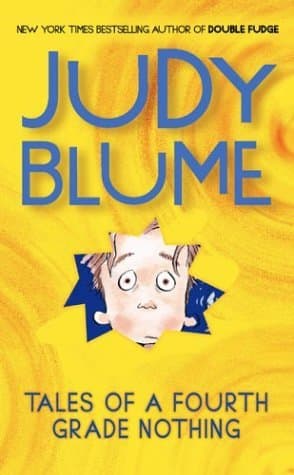
- Tales of a Fourth Grade Nothing
Judy Blume
4.1 (132k) average on GoodreadsChildren'sFeatures a relatable child protagonist navigating everyday family and school life with humor.
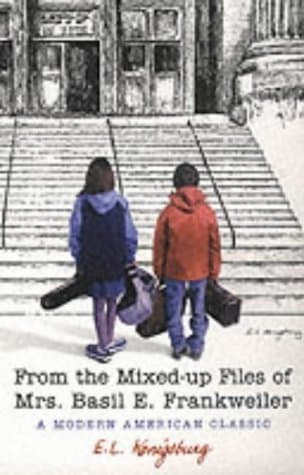
- From the Mixed-Up Files of Mrs. Basil E. Frankweiler
E.L. Konigsburg
4.2 (189k) average on GoodreadsChildren'sExplores a child's quest for independence and self-discovery in a charming, slightly adventurous way.
- Harry Potter and the Sorcerer's Stone
J.K. Rowling
4.5 (7M) average on GoodreadsFantasyRescued from a miserable life under the stairs, an orphaned boy discovers he's a wizard destined for a magical school, where he uncovers a dangerous secret tied to the dark wizard who murdered his parents.
- The Hunger Games
Suzanne Collins
4.3 (6.4M) average on GoodreadsFantasyIn a future where children fight to the death on live television, Katniss Everdeen volunteers for the arena, turning a death sentence into a fight for survival and a spark of rebellion.
- 1984
George Orwell
4.2 (3.1M) average on GoodreadsPoliticsIn a future where surveillance and thought control are absolute, a man's search for truth clashes with the Party, showing that hope can be a form of rebellion.
- Divergent
Veronica Roth
4.2 (2.9M) average on GoodreadsFantasyIn a society divided by virtues, a sixteen-year-old's difference from the norm starts a rebellion that threatens her world.




Enjoyed the summary?
A summary gives you the shape of the book. The book itself has the detail, the examples and the voice.
Find Finally on AmazonAs an Amazon Associate, BookBrief earns from qualifying purchases. How we're funded