

Synopsis
Covers the whole plot, including the ending.
- Difficulty
- Easy
- Pacing
- Fast
- Mood
- Humorous, Relatable, Lighthearted, Frustrating (for Peter)
- Read it if
- You're a young reader who has (or had!) a younger sibling, or you enjoy humorous, relatable stories about family life.
- Skip it if
- You prefer fantasy, sci-fi, or more complex plots, or you dislike stories focused on domestic squabbles.
Tales of a Fourth Grade Nothing Plot Summary
Covers the whole plot, including the ending.
The Big Idea and Dribble
Peter Hatcher, a nine-year-old fourth grader in New York City, introduces his new pet turtle, Dribble. He won Dribble at his friend Jimmy Fargo's birthday party and is very proud of him, keeping Dribble in a bowl on his dresser. Peter's biggest problem is his two-and-a-half-year-old brother, Farley Drexel Hatcher, whom everyone calls Fudge. Fudge constantly causes chaos and seeks attention. Peter often feels ignored by his parents, Warren and Anne Hatcher, who dote on Fudge. This chapter sets up Peter's internal struggle with feeling like a 'fourth grade nothing' compared to his younger brother.
The Shopping Trip Disaster
Peter, his mother, and Fudge go to a shoe store for new shoes for Fudge. Fudge refuses to cooperate, throwing a dramatic temper tantrum. He kicks, screams, and throws his new shoes across the store, making a huge scene. Peter is embarrassed by his brother's behavior and tries to stay away. His mother, Anne, is clearly stressed but eventually calms Fudge down by promising him balloons. This incident shows Peter's embarrassment and the constant public spectacle Fudge creates, further making Peter feel secondary to his brother's needs and disruptions.
Dinner at Hamburger Heaven
The Hatcher family goes to eat at Hamburger Heaven. Fudge refuses to eat the food, especially his mashed potatoes. Peter's parents try different ways to get him to eat, including bribing him and making airplane noises with the spoon. When these fail, Fudge takes matters into his own hands, spitting out and smearing mashed potatoes on the walls and floor, creating a huge mess. Peter is again embarrassed and frustrated by his brother's actions, which get all the attention from his parents and the restaurant staff. This event highlights Fudge's picky eating and his ability to disrupt any public outing.
The Television Commercial
Peter's father, Warren Hatcher, works in advertising and arranges for Fudge to try out for a commercial for Toddle-Bike, a children's tricycle. To Peter's annoyance, Fudge gets the part. During filming, Fudge is difficult, refusing to cooperate and acting up on set. Peter is brought along to try and get Fudge to perform, which he eventually does by making funny faces. Peter feels upset that Fudge, despite his bad behavior, gets opportunities like this, while Peter himself is rarely noticed. This adds to Peter's feeling of being a 'fourth grade nothing' compared to his attention-grabbing brother.
Fudge's Birthday Party
It's Fudge's third birthday, and the Hatcher apartment is full of young children for his party. The party is chaotic, with kids running wild, crying, and making a mess. Fudge himself is overwhelmed and difficult. Peter is asked to help his mother manage the partygoers, which he finds tiring and stressful. He wishes for the days when his own birthday parties were more orderly and focused on him. This chapter emphasizes the constant demands Fudge places on the family and how Peter's life is often controlled by his brother's needs and events.
The Lost Teeth
Peter loses his two front teeth, an exciting moment for him. However, his excitement is overshadowed by Fudge's latest actions. Fudge decides he wants to be like Peter and tries to pull out his own teeth, resulting in him knocking out two of his front teeth by falling off a chair. While Peter's tooth loss is natural, Fudge's is self-inflicted and, once again, draws all the attention and sympathy from their parents. Peter feels his personal milestone is lessened by Fudge's dramatic and attention-seeking imitation, reinforcing his feeling of being overlooked.
Fudge Learns to Fly
Fudge, inspired by a bird he saw, decides he wants to fly. He climbs onto Peter's dresser, intending to jump and fly like a bird. Peter, despite his annoyance with Fudge, tries to stop him, but Fudge jumps anyway, falling and knocking out his two front teeth. He is rushed to the emergency room, where he gets his jaw wired shut. Peter feels a mix of guilt and relief that Fudge is injured, as it means a temporary break from his constant disruptions. This dramatic event highlights Fudge's impulsive nature and the constant danger he poses to himself.
Fudge's New Friend
While Fudge is recovering with his wired jaw, a new neighbor, Sheila Tubman, moves into the building. Sheila is a girl from Peter's class who often annoys him. However, Sheila's younger brother, Tootsie, becomes friends with Fudge, giving Fudge a distraction. This gives Peter a brief period of peace and quiet, as Fudge is busy with his new playmate. This chapter offers a small break for Peter, showing that even amidst the chaos, there can be moments of calm when Fudge's attention is somewhere else.
The Turtle Incident
The most shocking event happens when Peter discovers that Fudge has swallowed his beloved pet turtle, Dribble. Peter is upset and furious. His parents rush Fudge to the hospital, where doctors manage to get Dribble out, who is miraculously unharmed. Peter is at first furious with Fudge, but the relief that Dribble is safe is huge. This incident is the worst thing Fudge does to Peter, as he directly harms something Peter cares about. It shows the height of Peter's frustration and the extent of Fudge's impulsive and destructive behavior.
A New Pet and Understanding
After the Dribble incident, Peter is still upset, but his parents apologize for Fudge's behavior. To make up for it, they buy Peter a new dog, which he names Tootsie (after Sheila's brother, not Fudge's new friend). This gesture makes Peter feel truly seen and appreciated by his parents. He realizes that despite Fudge's constant actions, his parents do care about him and his feelings. This moment marks a change for Peter, as he begins to understand that while Fudge will always be Fudge, he is not truly a 'fourth grade nothing' and is loved by his family.
Principal Figures
Peter Hatcher
Protagonist
A nine-year-old fourth grader perpetually frustrated by his younger brother.
Peter is a sensible, responsible, and often exasperated nine-year-old. He loves his pet turtle, Dribble, and values his space and privacy. He frequently feels overshadowed and unappreciated by his parents, who are constantly tending to the needs and disruptions of his younger brother, Fudge. Peter's internal monologue reveals his annoyance, embarrassment, and occasional resentment towards Fudge, but also a deep-seated, if often hidden, affection.
Relationships: Fudge Hatcher (Younger brother, source of constant frustration and embarrassment); Anne Hatcher (Mother, often overwhelmed by Fudge, occasionally overlooks Peter); Warren Hatcher (Father, also overwhelmed by Fudge, works in advertising); Jimmy Fargo (Friend, initially gives Peter Dribble); Sheila Tubman (Classmate and neighbor, often annoying but sometimes helpful)
Farley Drexel "Fudge" Hatcher
Antagonist (to Peter's peace of mind)
Peter's two-and-a-half-year-old brother, a source of constant chaos and attention.
Fudge is an impulsive, demanding, and often destructive toddler. He is prone to temper tantrums, picky eating, and dangerous stunts, such as attempting to fly or swallowing objects. Despite his misbehavior, he is adored by his parents and often gets away with things that Peter wouldn't. Fudge's actions are not malicious but stem from a toddler's lack of understanding and a desire for attention, which inadvertently makes Peter's life difficult.
Relationships: Peter Hatcher (Older brother, often the target or victim of Fudge's antics); Anne Hatcher (Mother, dotes on him, often stressed by his behavior); Warren Hatcher (Father, also dotes on him, tries to manage his behavior); Dribble (Peter's pet turtle, swallowed by Fudge)
Anne Hatcher
Supporting
Peter and Fudge's mother, often stressed by Fudge's behavior.
Anne Hatcher is a loving but frequently overwhelmed mother. She tries her best to manage Fudge's tantrums and ensure his well-being, often at the expense of Peter's immediate attention. She is a patient woman, though her patience is constantly tested by Fudge. While she sometimes overlooks Peter's feelings in the midst of the chaos, she ultimately cares deeply for both her children and tries to make amends when she realizes Peter feels neglected.
Relationships: Peter Hatcher (Son, she cares for him but is often distracted by Fudge); Fudge Hatcher (Son, she dotes on him and is constantly managing his behavior); Warren Hatcher (Husband, they share the burden of parenting Fudge)
Warren Hatcher
Supporting
Peter and Fudge's father, an advertising executive.
Warren Hatcher is Peter and Fudge's father, who works in advertising. He is a generally good-natured man who also struggles with Fudge's behavior. He is the one who gets Fudge the commercial gig and tries various methods to make Fudge eat. Like his wife, he loves both his children but is often consumed by the immediate demands of Fudge. He ultimately makes a significant gesture to show Peter his value.
Relationships: Peter Hatcher (Son, he cares for him and eventually makes a significant gesture to him); Fudge Hatcher (Son, he dotes on him and tries to manage his behavior); Anne Hatcher (Wife, they share the burden of parenting Fudge)
Dribble
Supporting
Peter's beloved pet turtle.
Dribble is Peter's pet turtle, won at Jimmy Fargo's birthday party. He represents Peter's personal space, responsibility, and a source of quiet joy and companionship. Dribble is a constant presence in Peter's room and serves as a symbol of the things Peter cherishes that are constantly threatened by Fudge's chaos. His eventual swallowing by Fudge is the ultimate act of transgression against Peter.
Relationships: Peter Hatcher (Owner and caretaker, deeply attached to Dribble); Fudge Hatcher (Threat to Dribble's safety, eventually swallows him)
Jimmy Fargo
Supporting
Peter's friend and classmate.
Jimmy Fargo is Peter's friend and classmate. He is the one who wins the pet turtle at his birthday party and gives it to Peter, making him the initial connection to Dribble. Jimmy is a typical childhood friend, providing a contrast to Peter's home life and a reminder of normal childhood experiences outside of Fudge's influence.
Relationships: Peter Hatcher (Friend, gave Peter Dribble)
Sheila Tubman
Supporting
Peter's classmate and neighbor, sometimes annoying.
Sheila Tubman is a girl in Peter's class who lives in the same apartment building. Peter finds her annoying, particularly because she often tries to boss him around or acts superior. Despite their minor squabbles, she sometimes plays a role in the narrative, such as when her younger brother becomes a temporary distraction for Fudge. She represents the wider social world Peter navigates outside of his family.
Relationships: Peter Hatcher (Classmate and neighbor, often a source of minor annoyance); Tootsie Tubman (Younger brother, becomes a playmate for Fudge)
Themes & Insights
Sibling Rivalry and Jealousy
The main theme is Peter's constant struggle with his younger brother, Fudge. Peter feels like a 'fourth grade nothing' because Fudge's actions always take attention from him. Scenes like Fudge's shoe store tantrum, the mashed potato incident, and especially the Dribble swallowing event show Peter's frustration, embarrassment, and jealousy. He dislikes the special treatment Fudge gets and how his own successes or milestones are overshadowed by his brother's chaos. This theme explores the complex emotions of an older sibling dealing with a younger, demanding one.
“My brother, Fudge, is a real pain. He's only two and a half. But already he's a world-famous troublemaker.”
The Search for Individuality and Recognition
Peter constantly seeks recognition from his parents and a sense of his own identity separate from being 'Fudge's older brother.' He is proud of Dribble, his pet turtle, as something that is only his. When Fudge gets chosen for a commercial, Peter feels ignored despite having to help Fudge perform. His excitement about losing his teeth is lessened when Fudge's self-inflicted tooth loss takes center stage. This theme explores Peter's wish to be seen and valued for who he is, not just in relation to his attention-grabbing sibling. The gift of the new dog at the end shows his individual worth being recognized.
“Sometimes I think my parents forget that I'm me. They only remember that I'm Fudge's older brother.”
Parental Love and Attention
The novel quietly explores how parental love and attention are given, especially between children with different needs. Peter's parents, Anne and Warren, are often busy managing Fudge's demanding behavior, which makes Peter feel neglected. However, their love for Peter is clear, even if it's sometimes overshadowed by the immediate crisis Fudge creates. The final act of buying Peter a new pet shows their understanding of his feelings and their effort to show him he is equally loved and valued, despite the constant need to attend to Fudge.
“I knew my mother loved me. But I also knew she loved Fudge. A lot. Maybe even more.”
The Challenges of Growing Up
Peter's journey throughout the book is about growing up and learning to handle things he cannot control. He faces the difficulties of navigating family dynamics, dealing with embarrassment, and developing patience. His experiences with Fudge force him to mature and understand the complexities of relationships. By the end, Peter doesn't magically love Fudge's actions, but he gains a more balanced view of his brother and his own place within the family, marking a step in his emotional development.
“Nobody told me that having a little brother would be such a big pain.”
Plot Devices & Literary Techniques
First-Person Narration
The story is told entirely from Peter Hatcher's perspective.
This device allows the reader to experience Peter's frustration, embarrassment, and eventual growth directly through his thoughts and feelings. We understand why he feels like a 'fourth grade nothing' because we are privy to his internal monologue and his reactions to Fudge's antics. This subjective viewpoint makes Peter a highly relatable character and underscores the theme of sibling rivalry, as we only see Fudge through Peter's exasperated eyes.
Episodic Structure
The plot is a series of distinct, often humorous, incidents.
The book is structured as a collection of short, self-contained chapters, each detailing a specific incident involving Fudge. This episodic nature highlights the relentless and varied ways Fudge disrupts Peter's life, creating a cumulative effect of Peter's mounting frustration. While each chapter has its own mini-climax (like the shoe store tantrum or the mashed potato incident), they all build towards the ultimate transgression of Dribble's swallowing and Peter's eventual emotional breakthrough.
Symbolism of Dribble
Peter's pet turtle represents his personal space and individuality.
Dribble, Peter's pet turtle, symbolizes Peter's autonomy, responsibility, and the things that are uniquely his. He is a source of quiet joy and a refuge from Fudge's chaos. When Fudge swallows Dribble, it's not just a physical act; it's a symbolic violation of Peter's personal space and a direct attack on his sense of self. Dribble's survival and the subsequent gift of a new pet underscore the restoration of Peter's individuality and his parents' recognition of it.
Humor and Exaggeration
Fudge's antics are often presented with comedic exaggeration.
The book uses humor and exaggeration to make Fudge's disruptive behavior entertaining rather than purely infuriating. Fudge's extreme tantrums, bizarre eating habits, and dangerous stunts (like trying to fly) are often described with a lighthearted, almost farcical tone, even as Peter expresses his genuine annoyance. This comedic approach makes the story accessible and enjoyable for young readers, allowing them to laugh at the chaos while still sympathizing with Peter's plight.
Tales of a Fourth Grade Nothing Quotes
“I felt like a fourth grade nothing.”
“My brother, Fudge, is a real pain. He's only two and a half, but he gets into everything.”
“Fudge ate Dribble.”
“I named him Dribble because he was so small and I thought he might dribble out of his shell.”
“My mother kept saying, 'He's just a baby, Peter. He doesn't know any better.' But I knew better. He knew exactly what he was doing.”
“My father said, 'He's going through a stage.' I wondered how many stages he had to go through before he turned into a normal person.”
“Fudge started to cry. Then he screamed. He screamed so loud I thought the windows would break.”
“I got a picture of a giant turtle for my birthday. It's not the same as a real one, but it's better than nothing.”
“I decided right then and there that I would never, ever, ever have a little brother.”
“My mother said, 'Peter, don't you love your brother?' I told her I loved him, but I didn't have to like him all the time.”
“Fudge was always watching me. Like a hawk. A tiny, two-year-old hawk.”
“I thought about running away. But where would I go? And who would feed Dribble?”
“It was a good thing I was bigger than Fudge. Otherwise, he'd probably try to eat me too.”
“Sometimes I wished I had a sister. At least a sister wouldn't try to fly off the jungle gym and land on her head.”
“And even though Fudge was a pain, he was still my brother. And I guess I still loved him. A little bit.”
Quiz
10 questions on the plot and the characters. Each answer comes with a short explanation.
Question 1
What is the name of Peter Hatcher's younger brother?
- Dribble
- Fudge
- Jimmy
- Sammy
Show answer
B. Fudge Peter's younger brother, who causes him much grief, is named Fudge.
Question 2
What kind of pet does Peter Hatcher own?
- A hamster
- A dog
- A turtle
- A fish
Show answer
C. A turtle Peter's beloved pet is a turtle named Dribble, which he wins at a carnival.
Question 3
Where does Fudge throw a major temper tantrum, refusing to try on shoes?
- At home
- In a department store shoe section
- At a friend's house
- At the park
Show answer
B. In a department store shoe section Fudge's refusal to try on shoes and subsequent tantrum occurs in the shoe section of a department store, causing Peter much embarrassment.
Question 4
What does Fudge do with Peter's pet turtle, Dribble, towards the end of the book?
- He teaches Dribble tricks.
- He tries to feed Dribble his mashed potatoes.
- He swallows Dribble.
- He accidentally lets Dribble escape.
Show answer
C. He swallows Dribble. In a shocking turn of events, Fudge swallows Dribble, leading to an emergency trip to the hospital.
Question 5
What is the primary emotion Peter feels towards his brother Fudge throughout most of the story?
- Admiration
- Annoyance and resentment
- Indifference
- Fear
Show answer
B. Annoyance and resentment Peter consistently feels annoyed and resentful of Fudge's antics and the attention he receives, which is a central theme of the book.
Question 6
What job does Peter's father have that sometimes involves Fudge?
- Teacher
- Advertising executive
- Doctor
- Chef
Show answer
B. Advertising executive Peter's father works in advertising and even uses Fudge in a commercial for Tootie Tarts, much to Peter's chagrin.
Question 7
How does Peter's mother attempt to get Fudge to eat his food when he refuses?
- She lets him eat dessert first.
- She bribes him with toys.
- She pretends the spoon is an airplane flying into a hanger.
- She threatens to send him to his room.
Show answer
C. She pretends the spoon is an airplane flying into a hanger. Peter's mother often resorts to creative methods, like pretending the spoon is an airplane, to coax Fudge into eating his meals.
Question 8
What specific event causes Peter to feel like he's truly 'a fourth grade nothing'?
- When his parents buy Fudge new shoes but not him.
- When his parents pay more attention to Fudge's commercial than his school project.
- When Fudge ruins his birthday party.
- When his best friend starts playing more with Fudge.
Show answer
B. When his parents pay more attention to Fudge's commercial than his school project. Peter feels particularly overshadowed and insignificant when his parents are captivated by Fudge's performance in the Tootie Tarts commercial, seemingly ignoring Peter's own accomplishments and concerns.
Question 9
After Fudge swallows Dribble, how do Peter's parents try to compensate or make him feel better?
- They promise him a trip to Disney World.
- They buy him a new, bigger pet turtle.
- They give him a new puppy.
- They allow him to stay up late for a week.
Show answer
C. They give him a new puppy. To make amends for Dribble's fate, Peter's parents surprise him with a puppy at the end of the book, acknowledging his pain and loss.
Question 10
What significant realization about Fudge does Peter have after the Dribble incident?
- Fudge will always be a problem, and things will never change.
- He realizes that despite all the trouble, he still loves Fudge and that Fudge is just a little kid.
- He decides he wants to move out and live with his grandparents.
- He understands that his parents intentionally favor Fudge.
Show answer
B. He realizes that despite all the trouble, he still loves Fudge and that Fudge is just a little kid. After the scary incident with Dribble, Peter's anger gives way to concern and even love for his brother, realizing that Fudge is still a small child and not intentionally malicious.
Tales of a Fourth Grade Nothing FAQ
What is the central conflict Peter Hatcher faces throughout the book?
Peter Hatcher's central conflict stems from feeling overshadowed and neglected by his parents due to the constant attention and trouble caused by his younger brother, Fudge. He struggles with the unfairness of Fudge's antics often going unpunished, while Peter's own needs and achievements seem to go unnoticed.
Describe one of Fudge's most memorable destructive acts that directly impacts Peter.
One of Fudge's most memorable destructive acts is when he smears mashed potatoes on the walls of Hamburger Heaven. This incident not only embarrasses Peter and his family in public but also highlights Fudge's lack of discipline and the parents' struggle to control him, adding to Peter's frustration.
Who is Dribble, and what significant role does he play in the story?
Dribble is Peter Hatcher's beloved pet turtle, won at a carnival. Dribble represents Peter's personal space and responsibility, and Fudge's act of swallowing Dribble becomes the ultimate betrayal and the catalyst for Peter's most intense feelings of anger and injustice.
How do Peter's parents typically react to Fudge's misbehavior?
Peter's parents often react to Fudge's misbehavior with a mix of exasperation, attempts at gentle discipline, and sometimes a surprising amount of indulgence. They are frequently overwhelmed by Fudge's energy and antics, leading them to prioritize managing Fudge over acknowledging Peter's feelings.
What is the resolution to the conflict surrounding Dribble?
The conflict surrounding Dribble is resolved when Fudge is taken to the hospital, and Dribble is safely retrieved. Although Dribble survives, Peter's parents replace him with a new puppy, acknowledging Peter's loss and trying to make amends for the distress Fudge caused.
What subtle detail about Peter's parents' jobs or routines contributes to the family dynamic?
Peter's father works in advertising, and this is subtly shown when he uses Fudge in a commercial for Toddle-Bike. This detail highlights how even their professional lives can intersect with and sometimes exploit Fudge's 'charm,' further emphasizing the attention Fudge receives.
Are there any clues that Peter's parents are aware of his feelings, even if they don't always show it?
Yes, there are clues, particularly in the ending when they surprise Peter with a puppy after Dribble's incident. This act, along with occasional apologies or attempts to reason with Peter, suggests they are somewhat aware of his struggles, even if their primary focus remains on Fudge.
What does the 'Fourth Grade Nothing' title truly signify for Peter beyond his brother's antics?
The 'Fourth Grade Nothing' title signifies Peter's feeling of insignificance and invisibility within his own family. It extends beyond just Fudge's actions to encompass a deeper yearning for recognition, respect, and individual attention from his parents, separate from his role as Fudge's older brother.
How does Peter's reaction to Fudge's attempt to fly reveal his underlying concern for his brother?
Despite his constant frustration, Peter's immediate reaction to Fudge's attempt to fly from the dresser reveals a genuine fear for his brother's safety. He screams and tries to intervene, showing that beneath his resentment, there's a protective instinct and concern for Fudge's well-being.
Analyze Peter's coping mechanisms for dealing with Fudge. Are they healthy?
Peter primarily copes by internalizing his frustration, fantasizing about escape, and occasionally lashing out verbally. While these provide temporary release, they aren't always healthy, as he rarely communicates his deeper feelings directly, leading to bottled-up resentment and a sense of isolation.
How does Fudge's behavior reflect a typical nearly three-year-old's developmental stage, and how does this impact Peter's perception?
Fudge's behavior, characterized by tantrums, lack of impulse control, and egocentrism, is typical for a nearly three-year-old. Peter, however, perceives it as deliberate malice or unfair favoritism, struggling to understand these actions through a developmental lens, which intensifies his feelings of injustice.
What psychological impact does the constant need to supervise or manage Fudge have on Peter?
The constant need to supervise or manage Fudge places an undue burden of responsibility on Peter, robbing him of his own childhood and autonomy. It fosters resentment, anxiety about Fudge's next move, and a feeling that his own needs are secondary to his brother's care.
Is Fudge truly a 'terror,' or is he just a typical toddler seen through Peter's biased perspective?
While Fudge exhibits many typical toddler behaviors, Peter's perspective certainly amplifies the 'terror' aspect due to his personal experience of being negatively impacted by Fudge's actions. Fudge isn't malicious, but his uninhibited nature is genuinely disruptive and challenging for his family.
To what extent are Peter's parents responsible for his 'fourth grade nothing' feeling?
Peter's parents bear significant responsibility for his 'fourth grade nothing' feeling, as their frequent indulgence of Fudge and failure to adequately acknowledge Peter's feelings or achievements contribute to his sense of being overlooked. While Fudge is young, consistent parental attention to both children is crucial.
Does the ending, with the new puppy, truly resolve all of Peter's issues, or is it a temporary fix?
The ending, with the new puppy, offers a significant emotional balm and a gesture of parental understanding, providing Peter with a new focus and a sense of being valued. However, it's likely a temporary fix, as the fundamental challenges of living with Fudge and balancing parental attention will continue as Fudge grows.
How might the story be different if told from Mrs. Hatcher's perspective?
If told from Mrs. Hatcher's perspective, the story would likely emphasize the exhaustion and constant challenge of managing a spirited toddler like Fudge, the guilt of not giving Peter enough attention, and the internal struggle to balance the needs of both children while trying to maintain household order.
What is the significance of the character Sheila Tubman in Peter's life?
Sheila Tubman serves as a recurring, sometimes annoying, foil for Peter. She represents another source of childhood irritation and competition, particularly regarding school projects and perceived superiority, adding another layer to Peter's everyday frustrations beyond just Fudge.
How does the author use humor to lighten the otherwise frustrating situations Peter experiences?
Judy Blume employs humor through Peter's internal monologues, his dry observations of Fudge's absurd antics, and the sheer exaggeration of some of Fudge's misbehaviors. This comedic lens allows readers to empathize with Peter's plight while also finding amusement in the chaos.
About the author

Judith Blume is an American writer of children's, young adult, and adult fiction. Blume began writing in 1959 and has published more than 25 novels. Among her best-known works are Are You There God? It's Me, Margaret. (1970), Tales of a Fourth Grade Nothing (1972), Deenie (1973), and Blubber (1974). Blume's books have significantly contributed to children's and young adult literature. She was named one of the 100 most influential people in the world by Time magazine in 2023.
Similar books
- Superfudge
Judy Blume
4.0 (61k) average on GoodreadsChildren'sIt's the direct sequel, continuing the story of Peter and Fudge Hatcher.
- Otherwise Known as Sheila the Great
Judy Blume
4.0 (38k) average on GoodreadsChildren'sAnother Judy Blume book with a strong, relatable child narrator facing personal dilemmas.
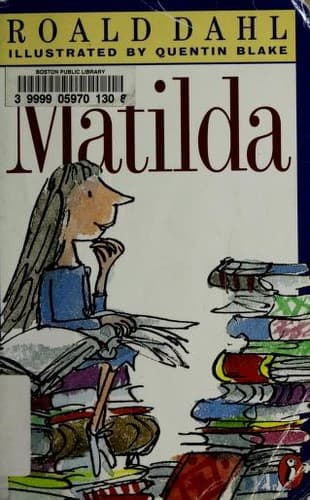
- Matilda
Roald Dahl
4.3 (648k) average on GoodreadsFantasyWhile both books feature child protagonists facing challenging circumstances, Matilda relies heavily on fantastical elements and exaggerated villains. Tales of a Fourth Grade Nothing offers a more realistic, grounded depiction of everyday family life and sibling dynamics, making its challenges more immediately relatable to a typical child's experience.
- Harry Potter and the Sorcerer's Stone
J.K. Rowling
4.5 (7M) average on GoodreadsFantasyRescued from a miserable life under the stairs, an orphaned boy discovers he's a wizard destined for a magical school, where he uncovers a dangerous secret tied to the dark wizard who murdered his parents.
- The Hobbit, or There and Back Again
J.R.R. Tolkien
4.3 (2.9M) average on GoodreadsFantasyA comfort-loving hobbit named Bilbo Baggins is whisked away by a mischievous wizard and a band of dwarves on an unexpected journey to reclaim stolen treasure from a fearsome dragon, discovering courage and a magical ring along the way.
- Harry Potter and the Goblet of Fire
J.K. Rowling
4.6 (2.6M) average on GoodreadsFantasyA bewildered Harry Potter, underage and thrust into a deadly Triwizard Tournament, must brave dragons, mermaids, and a resurgent dark magic to survive a year that will forever alter the wizarding world.





Enjoyed the summary?
A summary gives you the shape of the book. The book itself has the detail, the examples and the voice.
Find Tales of a Fourth Grade Nothing on AmazonAs an Amazon Associate, BookBrief earns from qualifying purchases. How we're funded