
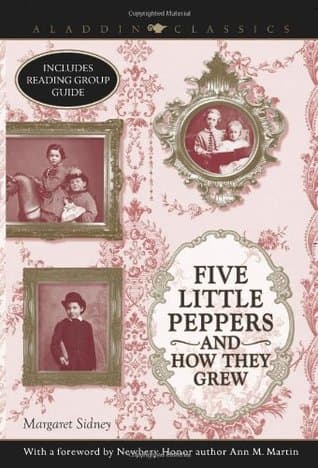
Synopsis
Covers the whole plot, including the ending.
- Difficulty
- Easy
- Pacing
- Slow
- Mood
- Heartwarming, Wholesome, Nostalgic, Gentle
- Read it if
- You enjoy heartwarming, character-driven stories about family love and resilience in the face of hardship, with a gentle historical setting.
- Skip it if
- You prefer fast-paced plots, complex modern themes, or stories with significant conflict and suspense.
Five Little Peppers and How They Grew Plot Summary
Covers the whole plot, including the ending.
A Day in the Little Brown House
The story begins by introducing the Pepper family: Mrs. Pepper, a hardworking widow, and her five children – Ben (11), Polly (10), Joel (8), Davie (6), and Phronsie (4). They live in a small brown house and constantly face money problems. Mrs. Pepper earns a small living by sewing. The children help in their own ways. Polly, the oldest girl, takes on many household tasks, including cooking and caring for her younger siblings. Despite their poverty, the family maintains a spirit of love, strength, and optimism. They find joy in simple pleasures like storytelling and playing together. A common concern is their constant worry over food and warmth, showing their daily fight against want. Yet, they never lose their cheerful attitude or their strong family bond.
Ben's Ingenuity and Polly's Domesticity
Ben, as the oldest boy, feels a strong responsibility to his mother and siblings. He often takes odd jobs, like chopping wood or running errands for neighbors, to earn a few pennies to help the family. His cleverness often brings relief. Meanwhile, Polly, despite her young age, manages much of the household. She is a natural homemaker, often trying to make their small meals more appealing and keeping the little brown house as tidy and comfortable as possible. Her efforts, though sometimes imperfect, always come from a loving wish to ease her mother's burden and make her siblings happy. This chapter often shows their individual strengths and how they contribute to the family's survival.
Christmas Without Presents
Christmas nears, and the Pepper children know their family is poor, meaning no presents. Mrs. Pepper, however, works hard to make the day special with love and homemade treats. The children, especially Polly, try to cheer their mother and each other. They invent games and find joy in the holiday spirit rather than in material things. The story shows their ability to create happiness from very little, highlighting the warmth of their family bonds over material wealth. This scene is a touching example of their strength and the strong, loving atmosphere Mrs. Pepper creates even in hardship. It shows that true joy comes from connection.
Phronsie's Illness and Dr. Wilder's Kindness
One day, little Phronsie becomes seriously ill. Her fever and weakness cause great worry for Mrs. Pepper and the older children. Mrs. Pepper feels helpless, unable to afford a doctor. By chance, Dr. Wilder, a kind and wealthy physician who lives nearby, passes by and hears of Phronsie's condition. He offers his services for free, caring for Phronsie with great attention and providing needed medicine. His unexpected generosity is important for the family. It highlights the kindness of strangers and offers a glimpse of the outside world, temporarily easing their financial strain and fear during a critical time for their beloved youngest member.
A New Neighbor: Mr. King
A new, imposing house is built near the Peppers' home. A wealthy, often grumpy old man named Mr. King moves in with his young, sickly grandson, Jasper. At first, Mr. King seems distant, but through small interactions, the Peppers' genuine warmth and innocent charm begin to chip away at his tough exterior. The children are curious about their new neighbors, and their natural friendliness often leads to small, unexpected meetings. This introduction sets the stage for future interactions and the gradual softening of Mr. King's mood, hinting at the deep impact the lively Pepper family will have on his lonely life and that of his grandson, Jasper.
Jasper's Friendship with the Peppers
Jasper, Mr. King's grandson, is a lonely and often sickly boy kept isolated by his grandfather. Drawn by the sounds of laughter and play from the little brown house, Jasper begins to watch the Pepper children. He eventually becomes friends with them, finding in their lively, loving company the joy and friendship he lacks in his own privileged but solitary life. The Peppers, especially Polly and Ben, welcome Jasper warmly, sharing their games and simple pleasures with him. These interactions bring much-needed happiness to Jasper and begin to soften Mr. King's view of the Pepper family, as he sees the positive effect they have on his grandson's well-being.
Mr. King's Growing Affection
Through Jasper's new friendship with the Peppers, Mr. King begins to see the family differently. He notices their true affection, their strength in poverty, and their constant optimism. He sees the positive change in Jasper's mood and health, crediting it to the cheerful influence of the Pepper children. Slowly, Mr. King's initial grumpiness and stern manner begin to soften. He starts offering small acts of kindness, such as sending food or allowing the children to play in his garden. This signals a significant change in his character and his relationship with the family. This marks the start of a deep transformation for the old man.
The Big House and New Opportunities
As Mr. King's affection for the Peppers grows, he recognizes Mrs. Pepper's struggles and the children's potential. He suggests a life-changing offer: he invites Mrs. Pepper and her children to move into his large, comfortable house. He sees the family's inherent goodness and believes their presence will bring needed warmth and joy to his otherwise quiet and lonely home. This proposal is a huge moment for the Peppers, offering them an escape from constant poverty and the promise of a more secure and comfortable future. It represents a dramatic turning point in their lives, moving them from scarcity to abundance.
Adjusting to the New Life
The Pepper family moves into Mr. King's grand house, a sharp contrast to their little brown home. The children are at first overwhelmed by the spacious rooms, fine furniture, and abundant food. They explore their new surroundings with a mix of wonder and their usual cheerful spirits. Mrs. Pepper, while grateful, makes sure her children stay grounded and thankful. She teaches them the importance of kindness and humility despite their changed circumstances. Adjusting to a life of comfort and privilege is a new challenge, but their strong family values and Mr. King's growing warmth help them settle in, creating a unique blended household dynamic that brings joy to all.
Lessons in Gratitude and Giving
Even in their new, comfortable home, the Peppers keep their core values of gratitude, generosity, and hard work. Mrs. Pepper continues to teach her children the importance of helping others and not taking their good fortune for granted. They often think of those less fortunate and find ways to share their blessings. Mr. King, in turn, is constantly delighted and moved by their genuine goodness and lack of pretension. The children’s cheerful spirits and loving interactions continue to brighten the household, making the 'big house' a true home filled with laughter and warmth. This proves that character and love are more important than money.
Five Little Peppers and How They Grew Characters
Mrs. Pepper
Protagonist/Supporting
The loving, resilient widowed mother of the five Pepper children.
Mrs. Pepper is the stoic and deeply loving matriarch of the Pepper family. Despite being a widow facing extreme poverty, she maintains an unwavering positive outlook, strong faith, and a cheerful disposition for her children. She works tirelessly as a seamstress to provide for her family, always prioritizing their happiness and well-being. Her strength, resourcefulness, and ability to instill joy and gratitude in her children are central to the story. She represents the enduring power of maternal love and resilience in the face of adversity.
Relationships: Ben Pepper (Devoted mother-son relationship; relies on his maturity); Polly Pepper (Close mother-daughter bond; Polly helps with household duties); Joel Pepper (Loving mother-son relationship); Davie Pepper (Loving mother-son relationship); Phronsie Pepper (Tender mother-daughter bond; Phronsie is her 'baby'); Mr. King (Initially a distant acquaintance, later a benefactor and friend)
Polly Pepper
Protagonist
The cheerful, domestic, and responsible eldest daughter.
Polly is the second eldest Pepper child and the 'little mother' of the family. At ten years old, she eagerly takes on significant household responsibilities, from cooking to caring for her younger siblings, always with a cheerful and willing heart. She is pretty, kind, and deeply devoted to her family, constantly seeking ways to make their humble home more comfortable and joyful. Her domesticity and nurturing spirit are core to her character, making her a beloved figure who embodies the warmth and love of the Pepper household.
Relationships: Mrs. Pepper (Close mother-daughter bond; Polly assists her greatly); Ben Pepper (Close sibling bond; a team in supporting the family); Joel Pepper (Caring older sister); Davie Pepper (Caring older sister); Phronsie Pepper (Devoted older sister and caregiver); Jasper King (Kind and welcoming friend)
Ben Pepper
Protagonist
The responsible, resourceful, and protective eldest son.
Ben is the eldest of the Pepper children, only eleven years old but already acting as the 'man of the house.' He is serious, responsible, and incredibly resourceful, always looking for ways to earn money or help his mother. He takes his role as protector and provider seriously, often chopping wood, running errands, or finding odd jobs. Ben is also kind and loving towards his siblings, demonstrating a maturity beyond his years. His quiet strength and dedication are a cornerstone of the family's ability to cope with their poverty.
Relationships: Mrs. Pepper (Devoted son; feels responsible for her well-being); Polly Pepper (Close sibling bond; a team in supporting the family); Joel Pepper (Protective older brother); Davie Pepper (Protective older brother); Phronsie Pepper (Tender and protective older brother); Jasper King (Kind and welcoming friend)
Joel Pepper
Supporting
The lively and sometimes mischievous middle child.
Joel is the eight-year-old middle child, full of energy and often the instigator of games and fun among the younger Peppers. He is lively, sometimes a bit mischievous, but always good-hearted. Joel embodies the playful spirit of childhood, often providing comic relief and reminding the family to find joy even in difficult circumstances. His antics and enthusiasm contribute significantly to the cheerful atmosphere within the little brown house.
Relationships: Mrs. Pepper (Loving son); Polly Pepper (Brother, sometimes teased by her); Ben Pepper (Brother, looks up to him); Davie Pepper (Close playmate and brother); Phronsie Pepper (Affectionate older brother); Jasper King (Playmate)
Davie Pepper
Supporting
The sweet-natured and quiet younger brother.
Davie is the six-year-old Pepper, known for his sweet and gentle nature. He is often quieter than Joel but equally good-natured. Davie is observant and sensitive, often reflecting the family's emotions. He is a loving and obedient child, contributing to the overall harmony of the household. His presence adds to the endearing picture of the close-knit Pepper siblings.
Relationships: Mrs. Pepper (Loving son); Polly Pepper (Brother, cared for by her); Ben Pepper (Brother); Joel Pepper (Close playmate and brother); Phronsie Pepper (Affectionate older brother); Jasper King (Playmate)
Phronsie Pepper
Supporting
The adorable and beloved youngest Pepper child.
Phronsie is the four-year-old baby of the family, adored by everyone. She is sweet, often described as delicate and beautiful, and her innocence and charm bring immense joy to the household. Her occasional illnesses cause great worry, highlighting the family's vulnerability. Phronsie represents the preciousness of life and the deep love within the Pepper family, serving as a focal point for their collective tenderness and protective instincts.
Relationships: Mrs. Pepper (Beloved youngest daughter); Polly Pepper (Devoted younger sister, cared for by Polly); Ben Pepper (Beloved younger sister, protected by Ben); Joel Pepper (Affectionate younger sister); Davie Pepper (Affectionate younger sister); Jasper King (Friend, often brings out his gentle side)
Mr. King
Supporting
The wealthy, initially grumpy, but ultimately kind benefactor.
Mr. King is a wealthy, elderly gentleman who initially appears stern, solitary, and somewhat grumpy. He moves into the grand house near the Peppers with his sickly grandson, Jasper. Mr. King is a man of considerable means but is emotionally isolated and seemingly unhappy. Through his interactions with the cheerful and loving Pepper family, particularly their positive influence on Jasper, his hardened exterior begins to soften. He eventually becomes a generous benefactor, offering the Peppers a new home and a better life, finding his own happiness through their presence.
Relationships: Jasper King (Grandfather, protective but initially distant); Mrs. Pepper (Initially a distant neighbor, becomes a respectful benefactor and friend); The Pepper children (Initially annoyed by them, later grows to love and cherish them)
Jasper King
Supporting
Mr. King's sickly grandson who finds joy and friendship with the Peppers.
Jasper is Mr. King's grandson, a delicate and often sickly boy who lives a secluded life in his grandfather's grand house. He is lonely and lacks companionship, often observing the lively Pepper children from afar. His friendship with the Peppers brings him immense joy, improving his spirits and even his health. Jasper's character highlights the importance of companionship and the positive impact of genuine, simple affection, contrasting his material wealth with his emotional poverty before meeting the Peppers.
Relationships: Mr. King (Grandson, cared for but isolated by him); The Pepper children (Close friends, bringing him immense joy and companionship)
Dr. Wilder
Mentioned
The kind doctor who helps Phronsie.
Dr. Wilder is a kind and compassionate physician who, by chance, comes to the aid of the Pepper family when little Phronsie falls ill. He treats Phronsie without charge, demonstrating his generosity and the goodness of some members of the community. His brief but significant appearance provides crucial help to the family during a moment of crisis, underscoring the theme of unexpected kindness.
Relationships: Phronsie Pepper (Doctor-patient; saved her life); Mrs. Pepper (Benefactor; helped her child when she couldn't afford care)
Five Little Peppers and How They Grew Themes
Resilience and Optimism in Adversity
The Pepper family consistently shows remarkable strength and optimism despite their extreme poverty. Mrs. Pepper, especially, embodies this theme. She faces each day's challenges with a cheerful heart and a firm belief in goodness. The children, following her example, find joy in simple pleasures, like telling stories by the fire or playing with homemade toys, rather than focusing on what they lack. This theme is clear in their Christmas celebration where, despite having no material gifts, they create a day filled with love and warmth (Plot Summary Section 3). Their ability to maintain a positive outlook and strong family bonds despite constant struggle is a main message of the book.
“It was a very poor little house, and there was never very much to eat in it; but there was always a great deal of love, and that was the main thing.”
The Power of Family Love and Unity
The deep love and unity within the Pepper family are their foundation and greatest strength. Despite their individual personalities and occasional disagreements, the children are very devoted to each other and to their mother. They support one another, share responsibilities, and find comfort in being together. This theme is well shown in how the older children, Ben and Polly, take on huge responsibilities to help their mother (Plot Summary Section 2), and how they all come together during times of illness or scarcity (Plot Summary Section 4). Their strong family bond is ultimately what attracts Mr. King and changes his own life.
“They were all so dear and good, and so fond of each other, that it was a pleasure to see them.”
The Redemptive Power of Kindness and Compassion
The story emphasizes how acts of kindness and compassion, both given and received, can greatly change lives. The Peppers' inherent goodness and loving nature eventually soften the heart of the grumpy Mr. King. Their cheerful and humble way transforms his lonely life, bringing joy to him and his grandson, Jasper (Plot Summary Section 7). In return, Mr. King's kindness in offering them a new home fundamentally changes the Peppers' fortunes (Plot Summary Section 8). Dr. Wilder's free help for Phronsie (Plot Summary Section 4) also highlights how generosity spreads, showing that compassion can bridge social and economic divides.
“It was the simple, honest goodness of the children that had touched the old man’s heart.”
The Contrast Between Material Wealth and Spiritual Richness
The story clearly separates material wealth from spiritual richness. The Peppers, despite their extreme poverty, are shown as 'rich' in love, happiness, and strong moral values. In contrast, Mr. King and Jasper, who initially have great material wealth, are emotionally poor and lonely. The story argues that true richness is in human connection, kindness, and contentment. The Peppers' move to Mr. King's grand house (Plot Summary Section 9) does not change their core values. Instead, their spiritual richness enriches the materially wealthy household, creating a more balanced and joyful environment for everyone.
“They were poor in money, but rich in love, and that was better than all the gold in the world.”
Plot Devices & Literary Techniques
The Little Brown House
A symbol of the Peppers' humble origins, resilience, and family warmth.
The 'little brown house' is more than just a setting; it's a powerful symbol. It represents the Peppers' initial state of poverty and their ability to create a loving, joyful home despite scarcity. Its smallness emphasizes their unity and closeness, while its simplicity highlights their lack of material possessions. It serves as a stark contrast to Mr. King's grand mansion, underscoring the theme of spiritual richness versus material wealth. The house is where their core values are forged and where their resilience is constantly tested and proven.
The Benevolent Stranger/Neighbor
Characters who offer timely, unexpected aid, driving significant plot advancements.
This device manifests primarily through Dr. Wilder and, more extensively, Mr. King. Dr. Wilder's unexpected appearance and free medical care for Phronsie (Plot Summary Section 4) prevent a tragedy and showcase the kindness of humanity. Mr. King, initially a grumpy neighbor, gradually transforms into a benevolent benefactor (Plot Summary Section 7 & 8), providing the ultimate solution to the Peppers' financial struggles. These characters introduce external forces that intervene in the family's plight, demonstrating that help can come from unexpected sources and often in response to genuine goodness.
Character Foil
Contrasting characters used to highlight specific traits or themes.
The most prominent character foil is the contrast between the Pepper family and Mr. King (and initially, Jasper). The Peppers represent warmth, love, joy, and spiritual richness despite poverty. Mr. King, on the other hand, embodies material wealth but emotional isolation, grumpiness, and loneliness. Their contrasting circumstances and temperaments serve to highlight the novel's central theme that true happiness and richness are found in family, love, and kindness, rather than in material possessions. Jasper also serves as a foil to the lively Pepper children, emphasizing his initial isolation and the joy he finds in their company.
Five Little Peppers and How They Grew Quotes
“The little Peppers, all five of them, were as happy as the day was long, and as busy as bees from morning till night.”
“For you see, in the Peppers' house, no one was ever allowed to be idle, or to grumble, or to be cross. There was always something to do, and always a bright side to look at.”
“And the sooner you learn to make the best of things, the better it will be for you, my dear.”
“It isn't what we have, but what we are, that makes us happy.”
“Oh, dear! Oh, dear! I wish I had a plum-cake!”
“When you have nothing else to do, you can always be kind.”
“The Pepper children knew very well that if they wanted anything, they must work for it.”
“And it's a good thing to be happy, even if you are poor.”
“Oh, if only I could do something to help Mamma!”
“The best way to get rid of a bad temper is to laugh it off.”
“And the boys, though they were sometimes rough, had hearts of gold.”
“It was a house full of love, and that was better than all the riches in the world.”
“Little Phronsie, with her sweet face and her loving ways, was the sunshine of the house.”
“Every morning brought its duties, and every evening its rest, and between them, a great deal of love and laughter.”
Quiz
10 questions on the plot and the characters. Each answer comes with a short explanation.
Question 1
What is the primary occupation of Mrs. Pepper to support her family?
- Washing clothes for neighbors
- Sewing for others
- Baking goods to sell
- Working as a housemaid
Show answer
B. Sewing for others The book states that Mrs. Pepper has to 'sew all day long' to earn money for rent and food.
Question 2
How many children does Mrs. Pepper have?
- Three
- Four
- Five
- Six
Show answer
C. Five The title of the book, 'Five Little Peppers and How They Grew,' explicitly states the number of children.
Question 3
Which of the following is NOT one of the Pepper children mentioned in the description?
- Ben
- Polly
- Tommy
- Phronsie
Show answer
C. Tommy The description lists Ben, Polly, Joel, Davie, and Phronsie. Tommy is not mentioned.
Question 4
What is Ben's role in the family, given his age?
- He is responsible for all the cooking.
- He is considered the 'man of the house'.
- He attends school full-time to get an education.
- He takes care of baby Phronsie exclusively.
Show answer
B. He is considered the 'man of the house'. Ben, at 11 years old, is described as 'the eldest and the man of the house'.
Question 5
What quality does Polly possess that makes her eager to contribute to the family's well-being?
- A talent for storytelling
- A desire to cook and make everyone happy and comfortable
- Exceptional artistic abilities
- A knack for managing the family's finances
Show answer
B. A desire to cook and make everyone happy and comfortable Polly is described as 'so eager to cook for the family and make everyone happy and comfortable'.
Question 6
The book emphasizes that the Pepper family overcomes adversity primarily through which combination of traits?
- Strict discipline and isolation
- Extensive wealth and powerful connections
- Courage and good cheer
- Intellectual prowess and academic achievement
Show answer
C. Courage and good cheer The description states the book 'has inspired countless young imaginations with its tender tales of the ways in which courage and good cheer can overcome adversity'.
Question 7
What specific characteristic describes Mrs. Pepper's approach to facing poverty and trouble?
- She often gives up hope and becomes despondent.
- She relies solely on outside charity for help.
- She faces it with a stout heart and a smiling face.
- She blames her children for their difficult circumstances.
Show answer
C. She faces it with a stout heart and a smiling face. Mrs. Pepper 'faces poverty and trouble with a stout heart, a smiling face, and the help of her jolly brood'.
Question 8
In what year was 'Five Little Peppers and How They Grew' first published?
- 1900
- 1880
- 1850
- 1920
Show answer
B. 1880 The description explicitly states, 'this heartwarming classic first appeared in 1880'.
Question 9
The 'little brown house' is a symbol of what for the Pepper family?
- Their aspiration for a grander home in the future.
- Their current state of poverty and humble living conditions.
- A hidden treasure they hope to uncover within its walls.
- A temporary residence while they travel the world.
Show answer
B. Their current state of poverty and humble living conditions. The phrase 'Times are tough around the little brown house!' immediately connects the house with their difficult, impoverished circumstances.
Question 10
What is implied about the setting and time period of the story, given its publication date and themes?
- It is set in a futuristic, technologically advanced society.
- It is set in a contemporary urban environment with modern conveniences.
- It is historical fiction, reflecting life in the late 19th century.
- It is a fantasy world with magical elements.
Show answer
C. It is historical fiction, reflecting life in the late 19th century. The book is categorized as 'Historical Fiction' and 'first appeared in 1880', strongly indicating a late 19th-century setting with its associated challenges like poverty and the need for sewing to earn a living.
Five Little Peppers and How They Grew FAQ
What is the central premise of 'Five Little Peppers and How They Grew'?
The book centers on the widowed Mrs. Pepper and her five children – Ben, Polly, Joel, Davie, and Phronsie – as they navigate poverty and adversity in their 'little brown house.' Despite their struggles, the family maintains a spirit of courage, good cheer, and mutual support, believing that love and hard work can overcome any challenge.
Who are the five Pepper children and what are their primary roles in the family?
The children are Ben (11), the eldest and 'man of the house,' responsible and protective; Polly, the cheerful, domestic heart of the family, eager to cook and care for others; Joel and Davie, the mischievous middle boys; and baby Phronsie, the youngest and most delicate, often the subject of the others' loving attention.
How does Mrs. Pepper contribute to the family's resilience despite their financial hardship?
Mrs. Pepper is the stoic and optimistic matriarch, working tirelessly by sewing to provide for her children. Her 'stout heart' and 'smiling face' set the emotional tone for the household, teaching her children to face adversity with courage and gratitude rather than despair.
What is the significance of the 'little brown house' in the story?
The 'little brown house' is more than just a setting; it symbolizes the Peppers' humble but loving home, a sanctuary where family bonds are strengthened despite external challenges. It represents their resilience and the warmth they create through their collective spirit.
How does the family's financial situation change throughout the book, if at all?
Initially, the Peppers face significant poverty, with Mrs. Pepper struggling to earn enough for rent and food. While their struggles are a constant backdrop, the story emphasizes their emotional wealth and resilience over material gain. Towards the end, their circumstances begin to improve, especially through their unexpected connection with the rich Mr. King.
What is the significance of the 'King' family's introduction to the Peppers?
The King family, particularly Mr. King and his grandson Jasper, represent a turning point for the Peppers. Their unexpected friendship and eventual patronage provide the Peppers with opportunities and relief from their dire poverty, while also introducing them to a different social sphere.
Are there any subtle hints about the Peppers' future prosperity or connections before they meet the Kings?
While the book focuses on their present struggles, there are subtle suggestions of their inherent worth and good nature, which might foreshadow future good fortune. The emphasis on their strong morals and kindness makes them deserving of their eventual positive turn, suggesting that their character is their true 'wealth' leading to future connections.
How does the author use the character of Phronsie to highlight the family's unity and love?
Phronsie, being the youngest and often sickly, becomes a focal point for the family's protective instincts and affection. Her vulnerability brings out the best in her siblings and mother, showcasing their deep love and willingness to make sacrifices for each other, reinforcing their strong family bond.
What role does music or storytelling play within the Pepper household?
Music and storytelling are integral to the Peppers' coping mechanisms and emotional well-being. They often sing together or share stories, which serves as a form of entertainment, comfort, and a way to reinforce their family identity and positive outlook amidst hardship.
How does Ben's role as the 'man of the house' affect his psychological development?
Ben carries a heavy burden of responsibility, often suppressing his own childish desires to support his mother and siblings. This fosters a strong sense of duty and maturity, but also potentially deprives him of a carefree childhood, shaping him into a highly dependable but perhaps overly serious individual.
What psychological impact does constant poverty have on the Pepper children?
Constant poverty instills in the children a deep appreciation for small joys, resourcefulness, and a strong work ethic. It also fosters a profound sense of family loyalty and mutual dependence, as they learn to rely on each other for emotional and practical support to overcome their shared struggles.
How does Polly's eagerness to please and serve impact her self-identity?
Polly's desire to make everyone 'happy and comfortable' shapes her into a nurturing and selfless individual. While this is a positive trait, it might also suggest a tendency to prioritize others' needs over her own, potentially leading her to define her worth through her service to the family.
In what ways do Joel and Davie's mischief serve as a psychological coping mechanism?
Joel and Davie's mischievous antics provide a necessary outlet for childhood energy and a distraction from the family's struggles. Their playful nature helps to maintain a sense of normalcy and lightheartedness in the household, preventing the pervasive poverty from completely overshadowing their childhoods.
Is the ending of the book overly idealistic given the harsh realities of poverty it depicts?
Some might argue the eventual turn of fortune is idealistic, but the book emphasizes that the Peppers' inherent goodness and resilience are what attract positive change. It suggests that while external circumstances can be harsh, maintaining a positive spirit and strong family bonds can lead to unexpected blessings, rather than solely relying on chance.
How does the book's portrayal of 'courage and good cheer' resonate with 19th-century societal values?
The book strongly reflects 19th-century values of resilience, self-reliance, domesticity, and the moral superiority of the poor who maintain their virtue. It champions the idea that character and family unity are more valuable than material wealth, a common theme in literature of that era.
Could Mrs. Pepper be considered a symbol of maternal strength in the face of adversity?
Absolutely. Mrs. Pepper embodies the ideal of maternal strength. Her unwavering optimism, tireless work ethic, and ability to instill moral values in her children despite overwhelming odds position her as a powerful symbol of a mother's capacity to protect, nurture, and guide her family through any challenge.
What is the underlying message about the nature of true wealth in 'Five Little Peppers'?
The book's core message is that true wealth lies not in material possessions but in love, family bonds, kindness, resilience, and a positive outlook. The Peppers, despite their poverty, are presented as 'rich' in spirit and affection, demonstrating that these intangible assets are far more valuable than money.
Does the book suggest that good deeds are always rewarded, or is it more nuanced?
While the Peppers' good character eventually leads to positive outcomes, the book doesn't explicitly state that good deeds are always rewarded instantaneously. Instead, it subtly suggests that maintaining virtue and kindness, even in hardship, makes one deserving of future blessings and attracts positive connections, like those with the King family.
About the author
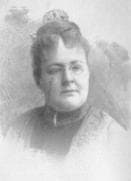
Margaret Sidney was an American author known for her children's literature in the late 19th and early 20th centuries. She is best known for her book "Five Little Peppers and How They Grew," which tells the story of a family's adventures and challenges. Sidney's works often focus on themes of family and resilience.
Similar books
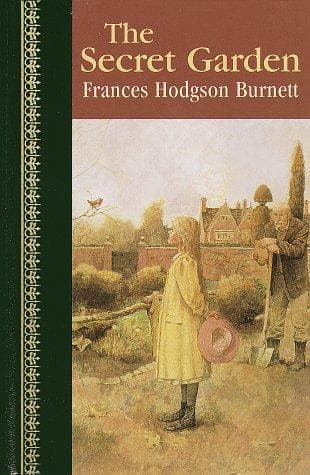
- The Secret Garden
Frances Hodgson Burnett
4.1 (891k) average on GoodreadsFantasyExplores themes of childhood, transformation, and the power of kindness, though with a different initial tone.
- Harry Potter and the Sorcerer's Stone
J.K. Rowling
4.5 (7M) average on GoodreadsFantasyRescued from a miserable life under the stairs, an orphaned boy discovers he's a wizard destined for a magical school, where he uncovers a dangerous secret tied to the dark wizard who murdered his parents.
- The Hobbit, or There and Back Again
J.R.R. Tolkien
4.3 (2.9M) average on GoodreadsFantasyA comfort-loving hobbit named Bilbo Baggins is whisked away by a mischievous wizard and a band of dwarves on an unexpected journey to reclaim stolen treasure from a fearsome dragon, discovering courage and a magical ring along the way.
- Harry Potter and the Goblet of Fire
J.K. Rowling
4.6 (2.6M) average on GoodreadsFantasyA bewildered Harry Potter, underage and thrust into a deadly Triwizard Tournament, must brave dragons, mermaids, and a resurgent dark magic to survive a year that will forever alter the wizarding world.
- Harry Potter and the Order of the Phoenix
J.K. Rowling
4.5 (2.5M) average on GoodreadsFantasyIn a year of oppressive secrets and the threat of Voldemort, Harry Potter and Dumbledore's Army secretly train for war, shown through Jim Kay and Neil Packer's dark illustrations.
- The Lightning Thief
Rick Riordan
4.3 (2M) average on GoodreadsFantasyThrust into a world of mythological monsters and divine treachery, an ordinary boy discovers he's the son of Poseidon and must embark on a perilous quest across modern America to prevent an Olympian war.





Enjoyed the summary?
A summary gives you the shape of the book. The book itself has the detail, the examples and the voice.
Find Five Little Peppers and How They Grew on AmazonAs an Amazon Associate, BookBrief earns from qualifying purchases. How we're funded